.webp)
From Megaphones to Micro-Receivers: The Tech Evolution of the Campus Wireless Tour Guide System
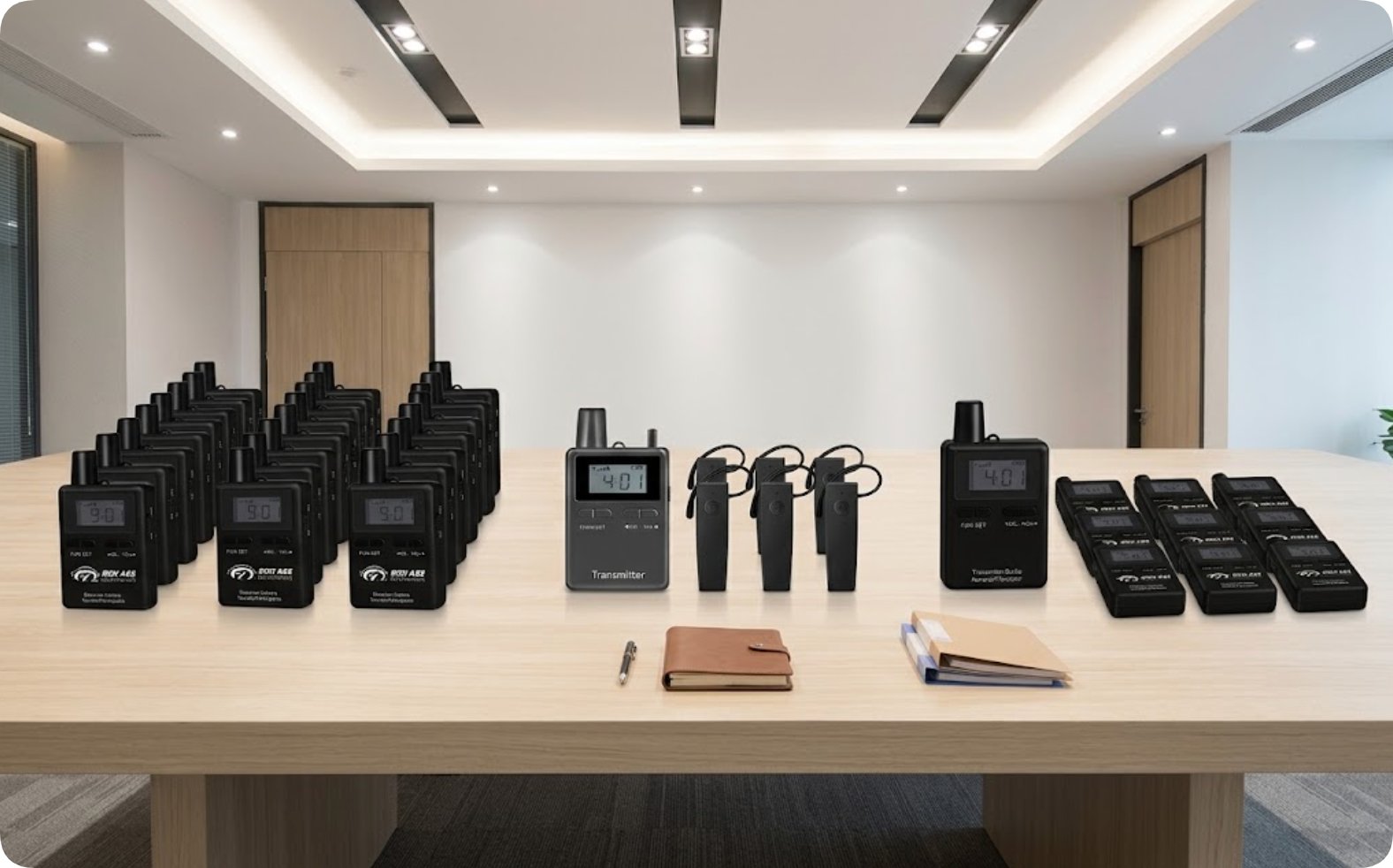
I have spent over a decade in the audio communication industry, and if there is one environment where the limitations of old technology become painfully obvious, it is the modern university campus. I remember visiting a sprawling state university a few years ago. The tour guide was shouting over a crowd of 30 prospective students and their parents. The noise from a nearby construction site and a passing marching band made the experience frustrating for everyone. That is when I realized that the campus tour—a critical moment for recruitment—was stuck in the 20th century. A modern wireless tour guide system is not just a convenience; it is a necessity for preserving the quiet, focused dialogue that makes a campus visit memorable. It transforms a shouting match into a conversation, allowing the guide to speak naturally while every listener hears clearly, regardless of wind or distance. For universities looking to modernize their visitor experience, exploring dedicated campus tour solutions is the first step toward professionalizing the recruitment process. The shift from megaphones to micro-receivers represents a fundamental change in how we communicate, and the Wireless Tour Guide System is at the heart of this transformation.
RC2408: The Long-Range Workhorse for the Open Campus
When you are leading a tour across a 500-acre campus, you need a system that can handle the distance. The RC2408 is our flagship long-range unit, designed specifically for outdoor, expansive environments. Weighing just 70 grams, it is lightweight enough to clip onto a lanyard without being a burden, yet it packs a powerful transmission that can easily cover the gap between a guide at the front of the group and stragglers at the back. The audio clarity is exceptional, even when the guide is facing away from the group to point out a historic building. This is the unit I recommend for the classic "walking tour" where the group is constantly moving and spread out over a large area. The RC2408 Wireless Tour Guide System is the backbone of any serious campus tour program, offering the reliability that admissions departments depend on. In my experience, this model handles the unpredictable nature of outdoor tours better than any competitor, and it has become the standard for large-scale university visits.
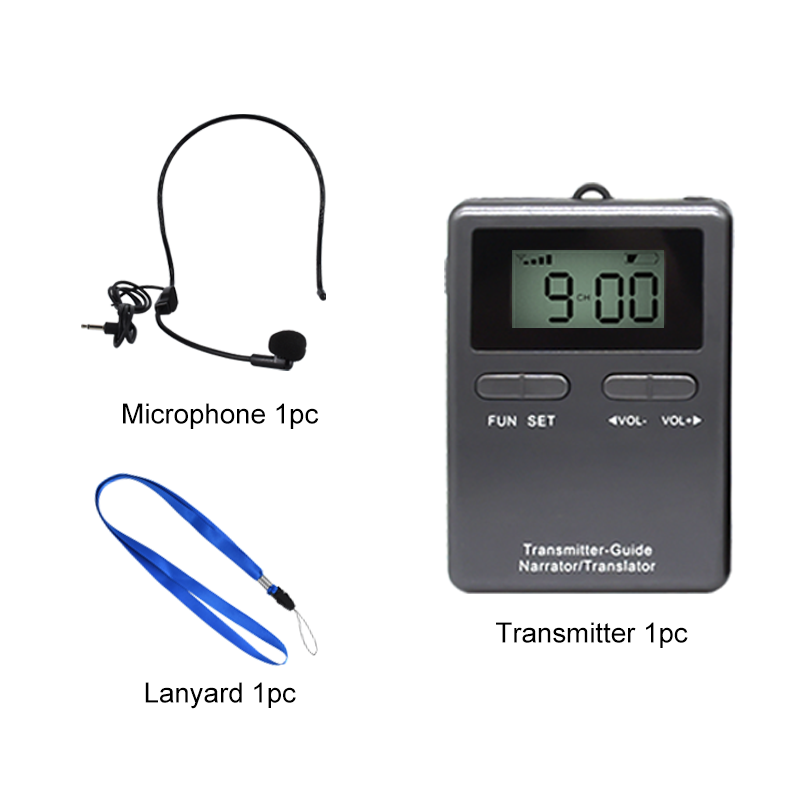
RC8860: Precision Audio for Specialized Instruction
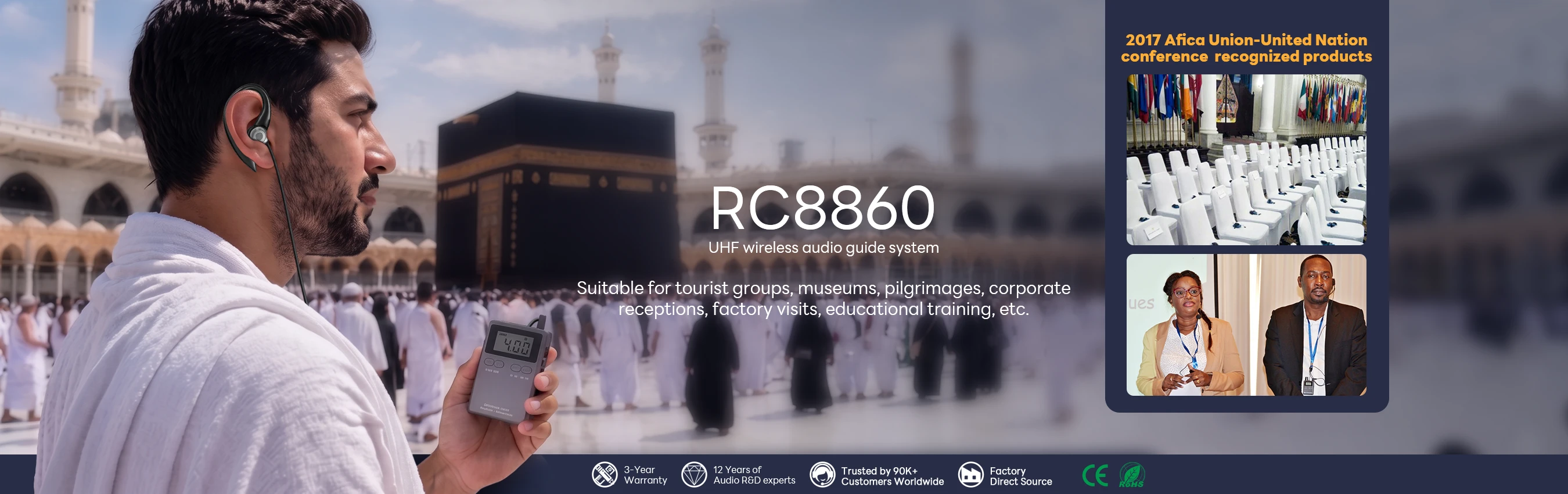
University tours are not just about general admissions. Many institutions have specialized facilities, including equestrian centers, athletic fields, and outdoor performance stages. The RC8860 was originally designed for high-motion environments like horse riding instruction, but its application on a campus tour is equally powerful. At just 59 grams, it is even lighter than the RC2408, making it ideal for a coach or instructor who is moving dynamically—demonstrating a jump on horseback, coaching a golf swing, or directing traffic on a busy athletic field. The key advantage here is the robust, interference-free signal that handles rapid movement without dropouts. For a university with a robust athletics program or an agricultural school, this is the perfect tool. The RC8860 Tour Guide Transmitter For Teaching proves that a wireless tour guide system can be specialized for the most demanding physical scenarios. I have seen this unit transform chaotic training sessions into focused, productive lessons, and it is a game-changer for any department that values precision.
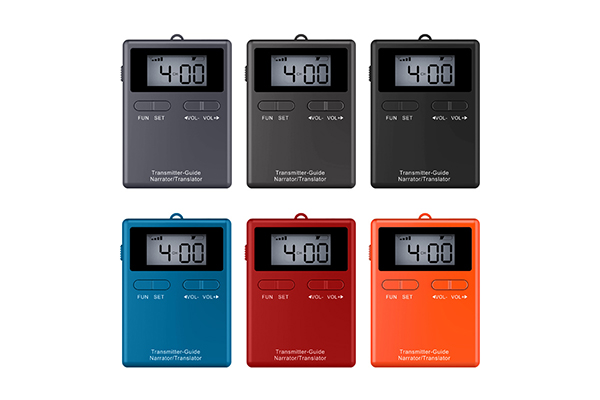
RC2501: The Silent Guide for Indoor Reverence
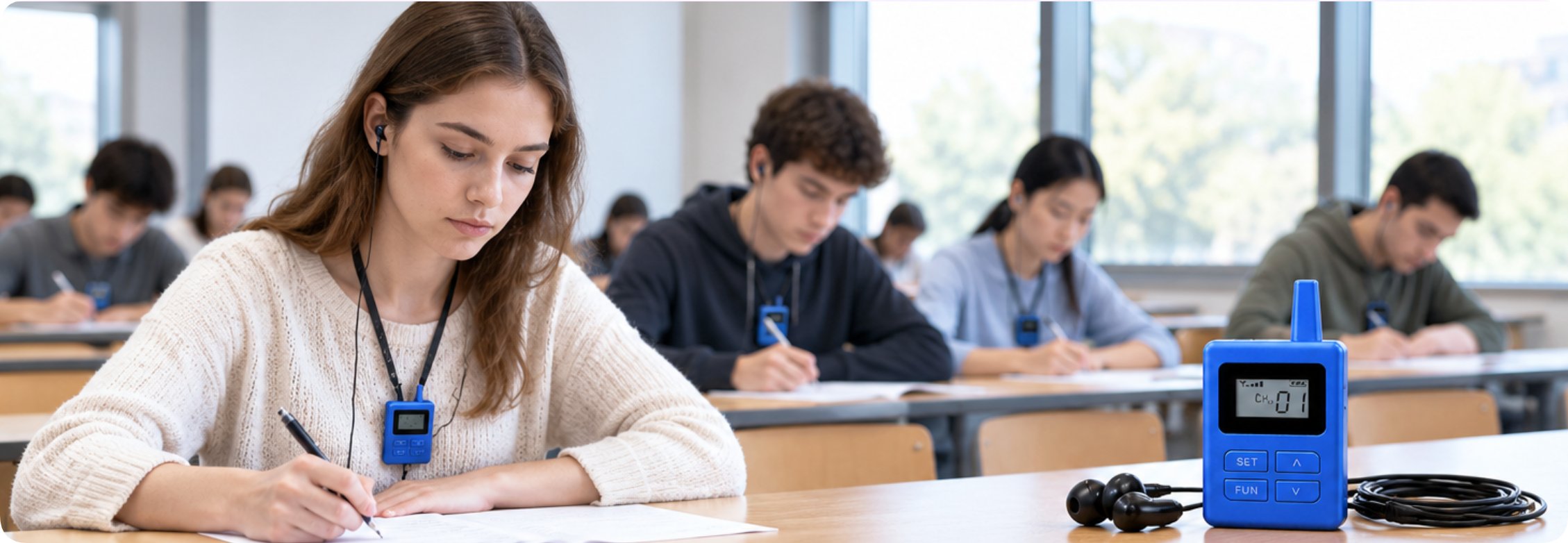
Not every part of a campus tour is about shouting across a lawn. Many universities have quiet zones: the library, the chapel, the art gallery, or the medical simulation labs. In these environments, a traditional speaker system is disruptive. The RC2501 is our lightest model at only 48 grams, and it is designed for intimate, quiet settings. It functions brilliantly as a "silent tour" system. The guide speaks in a normal, quiet voice, and the audio is transmitted directly to the visitors' ears via discreet headphones. This is ideal for a tour of the campus church, where you want to explain the architecture of the stained glass without disturbing a quiet prayer, or in a new research lab where background noise must be kept to a minimum. The RC2501 Wireless Tour Guide System allows the guide to maintain a conversational tone, creating an atmosphere of respect and focus. It is a masterclass in how technology can enhance, rather than intrude upon, a sacred or silent space. I often tell colleagues that this unit is the unsung hero of the campus tour, because it solves a problem most people do not even realize they have.
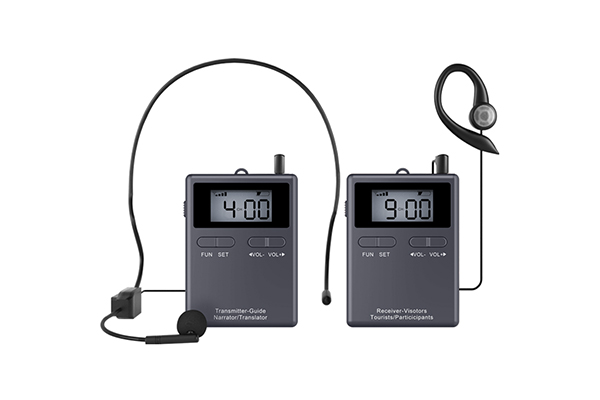
Technical Comparison at a Glance
| Model | Weight | Battery Life | Ingress Protection | Best Campus Scenario |
|---|---|---|---|---|
| RC2408 | 70 g | 15+ hours | IP54 (Dust & Splash) | Large outdoor walking tours, open plazas |
| RC8860 | 59 g | 12+ hours | IP65 (Dust & Water Jet) | Equestrian, athletics, high-motion coaching |
| RC2501 | 48 g | 10+ hours | IP54 (Dust & Splash) | Indoor tours, churches, libraries, quiet zones |
How to Choose the Right System for Your Campus
Selecting the right equipment comes down to understanding the physical demands of your tour. For a general admissions office that runs daily walking tours across a large campus, the RC2408 is the obvious choice due to its superior range and battery life. It is the "do it all" unit. If your university has specialized programs—like an equestrian team or a high-intensity athletic training facility—the RC8860 offers the ruggedness and freedom of movement required for those environments. For the quiet, introspective parts of the tour, such as the chapel or the library, the RC2501 is indispensable. I often advise departments to purchase a mixed fleet: a set of RC2408s for the main tour, a few RC8860s for the athletic facilities, and a set of RC2501s for the indoor, quiet venues. This ensures every environment on your campus is covered with the right tool. To see the full range of options available, you can browse the complete RC2408 series and its companion models. This approach has saved several of my clients from buying equipment that does not fit their specific needs, and it is a strategy I stand by.
A Final Word on the Future of Campus Tours
The evolution of the campus tour is a story of moving from volume to clarity. We have gone from the era of the bullhorn, where the guide was a loudspeaker, to the era of the wireless system, where the guide is a whisperer. The technology allows for a more personal, more respectful, and ultimately more effective tour. The student experience starts the moment they step onto the grass. By investing in a modern wireless tour guide system, you are investing in that first impression. If you are interested in how these technologies are changing the landscape of visitor management, I encourage you to read our latest industry insights for more in-depth analysis. The future is about seamless communication, and the tools we choose today will define how we connect with prospective students tomorrow.
In my opinion, the biggest mistake universities make is treating the tour as an afterthought. The technology is affordable, reliable, and easy to deploy. There is no excuse for a bad tour experience in 2026. The right system does not just amplify sound; it amplifies the message. And that message—that your campus is a place of learning, respect, and innovation—should be heard clearly by every visitor.
Frequently Asked Questions (FAQ) for Campus Audio Systems
Q: How do Richitek long-range systems like the RC2408 perform across large university campuses with multiple buildings?
A: Richitek RC2408 systems utilize 2.4G digital RF signals with strong anti-interference coding, delivering clear voice audio across wide outdoor plazas and long campus walking routes.
Q: Are multi-slot charging flight cases available for university admissions departments managing large device fleets?
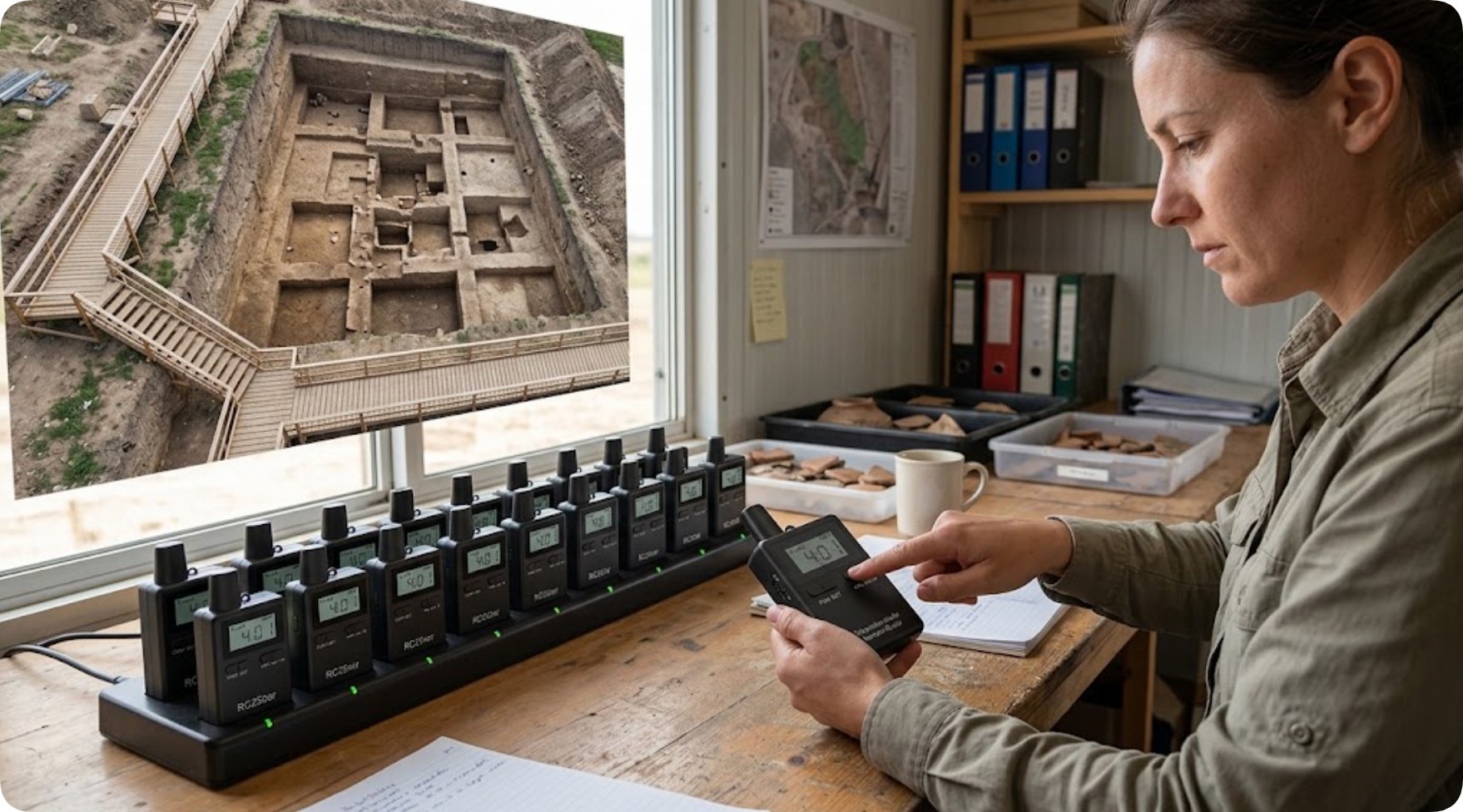
A: Yes. Richitek provides 32, 40, and 60-slot aluminum charging flight cases that allow campus staff to securely store, rapidly recharge, and sanitize device fleets centrally between tour batches.