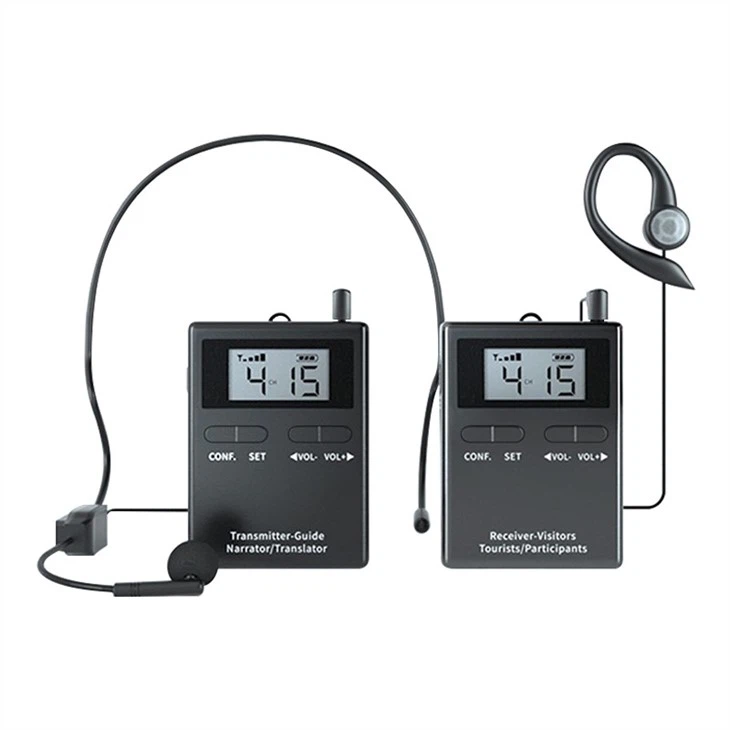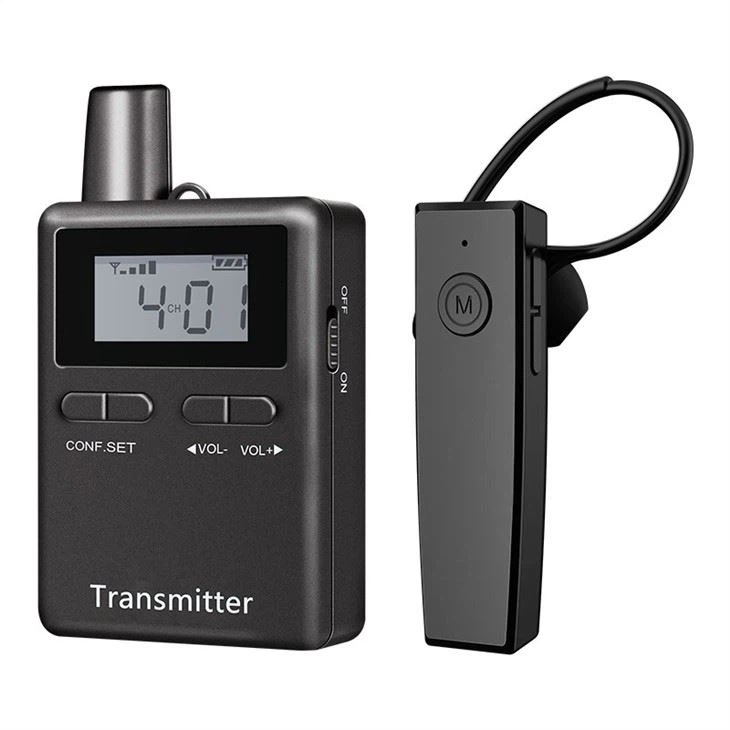
A leading China factory specializing in Wireless Tour Guide Systems, Church Audio Guides, and Translation Headphones with premium OEM/ODM solutions.

Tel:+86 18922879583

Email:tiger.wang@richitek.com

High-performance Interpretation Systems deliver real-time, zero-latency multi-language translation, perfectly matching the rigorous demands of international summits, corporate conferences, and legal courts.

Our digital simultaneous interpretation equipment supports massive multi-channel setups with secure encrypted signals, fully backed by certified manufacturing quality and competitive direct-to-factory pricing.
15

What Makes Simultaneous Interpretation Different?

Many people confuse simultaneous interpretation with consecutive interpretation (where the speaker pauses for translation) or simple audio translation. Here's what sets professional simultaneous interpretation systems apart:

FeatureWhy It Matters
Sub-500ms latencyDelegates hear translation almost in real-time, maintaining natural conversation flow
Interpreter console supportProfessional booths with mute, cough, and relay functions
80 independent channelsAccommodate UN-style multilingual conferences with full language coverage
Frequency-hopping spread spectrumPrevents eavesdropping and eliminates interference in RF-congested venues
Recording outputEach language channel can be recorded separately for post-event transcription

How Simultaneous Interpretation Systems Work

The workflow involves three distinct technical layers:

Layer 1: Audio Capture

Floor microphones capture the speaker's voice. This "floor audio" is distributed to interpreter booths via a dedicated audio network. Our transmitters support both wired XLR inputs and wireless lapel microphones for mobile presenters.

Layer 2: Interpretation

Professional interpreters work in soundproofed booths, listening to floor audio through high-fidelity headphones and speaking into dedicated interpreter microphones. Each interpreter works into one target language. For a 10-language conference, you need at least 10 interpreter positions (often 20, working in pairs for fatigue management).

Layer 3: Distribution

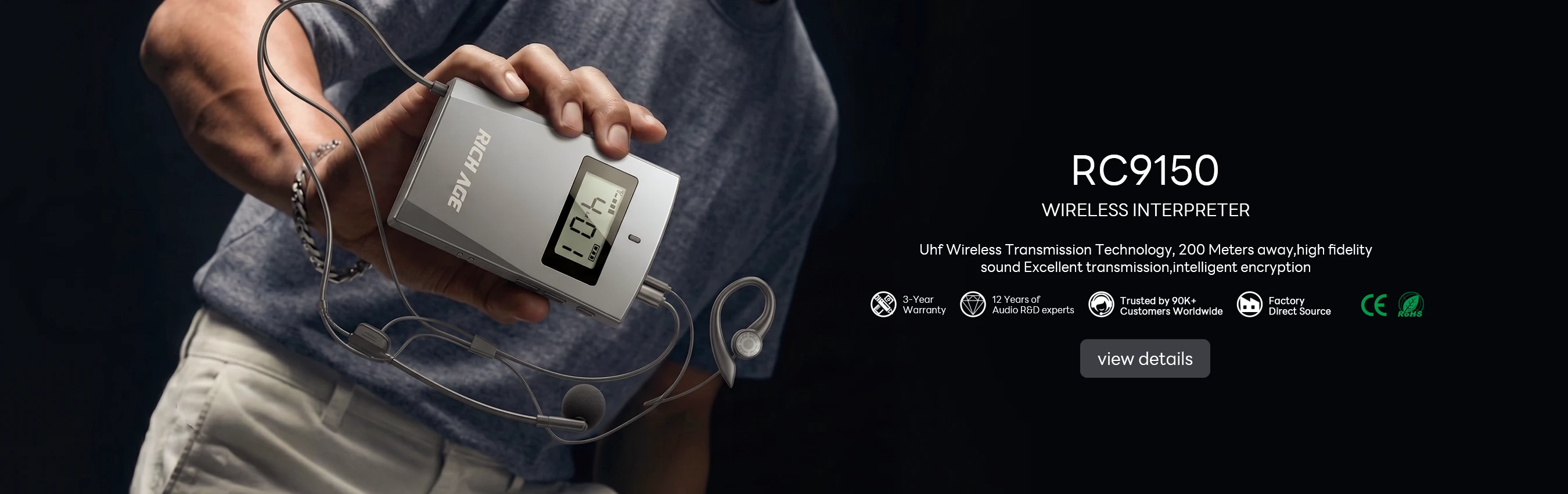
Interpreted audio is transmitted wirelessly to delegates' receivers. Each delegate selects their preferred language channel. Our RC9150 system supports 200+ simultaneous receivers per channel with zero degradation in audio quality.

Recommended Simultaneous Interpretation Equipment

ComponentModelRole in the System
Interpreter transmitterRC9150Primary unit for interpreter booths — 80 channels, studio-grade audio
Delegate receiverRC2406Compact pocket unit with LCD channel display and volume control
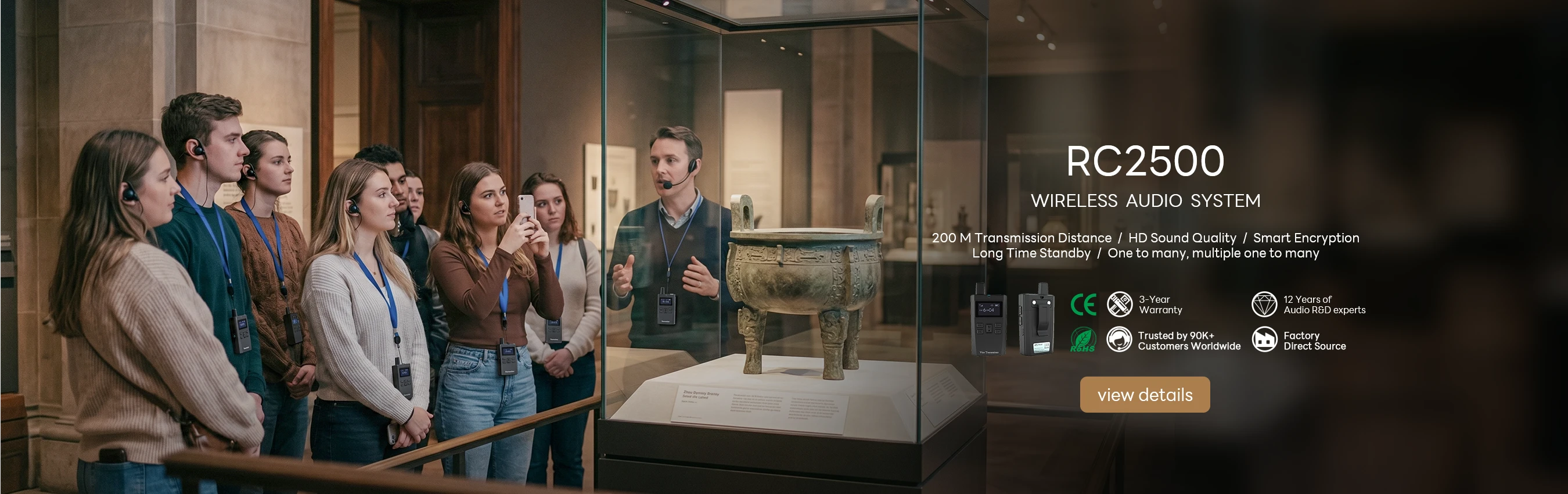
Backup transmitterRC2500Hot-standby unit that activates instantly if primary fails

Event Types That Require Simultaneous Interpretation

International Conferences: Medical congresses, academic symposiums, and industry summits where researchers present in their native languages.

Diplomatic Negotiations: Government-to-government talks where precise terminology matters and paraphrasing isn't acceptable.

Legal Proceedings: International arbitration, cross-border depositions, and asylum hearings requiring verbatim accuracy.

Corporate Earnings Calls: Multinational companies briefing analysts in New York, London, Tokyo, and Shanghai simultaneously.

Religious Gatherings: Global religious conferences where church translation headphones scale up to professional simultaneous interpretation for thousands of international delegates.

Interpreter Booth Requirements

ISO 4043 standards define interpreter booth specifications. Key requirements include:

  • Sound insulation of at least 30dB (preventing delegates from hearing interpreters)

  • Internal volume of 6-10 cubic meters per two-person booth

  • Air conditioning with silent operation (interpreters can't work in stuffy conditions)

  • Clear sightlines to the stage and presentation screens

  • Individual lighting controls (interpreters read dense technical documents)

Our transmitters include booth-mounted control panels that let interpreters adjust their microphone levels, mute themselves discreetly, and request technical assistance without leaving their position.

Simultaneous vs. Consecutive Interpretation: When to Choose Which

FactorSimultaneousConsecutive
Event durationIdeal for full-day conferencesBetter for short meetings (under 2 hours)
Number of languagesSupports 10+ languages efficientlyBecomes impractical beyond 2-3 languages
Technical complexityRequires equipment and techniciansNo equipment needed
Natural flowSpeaker never pausesConversation is stop-and-start
Cost per hourHigher equipment cost, lower time costNo equipment, but doubles event duration

Technical Specifications That Matter

When evaluating simultaneous interpretation systems, demand these specifications:

  • Frequency response: 50Hz-15kHz minimum for full voice intelligibility

  • Signal-to-noise ratio: 70dB or higher for clean audio in noisy venues

  • Channel separation: 60dB minimum to prevent language bleed

  • Encryption: AES-128 or higher for confidential diplomatic or corporate events

  • Battery hot-swap: Ability to replace receiver batteries without interrupting the session

Why Rich Age for Simultaneous Interpretation?

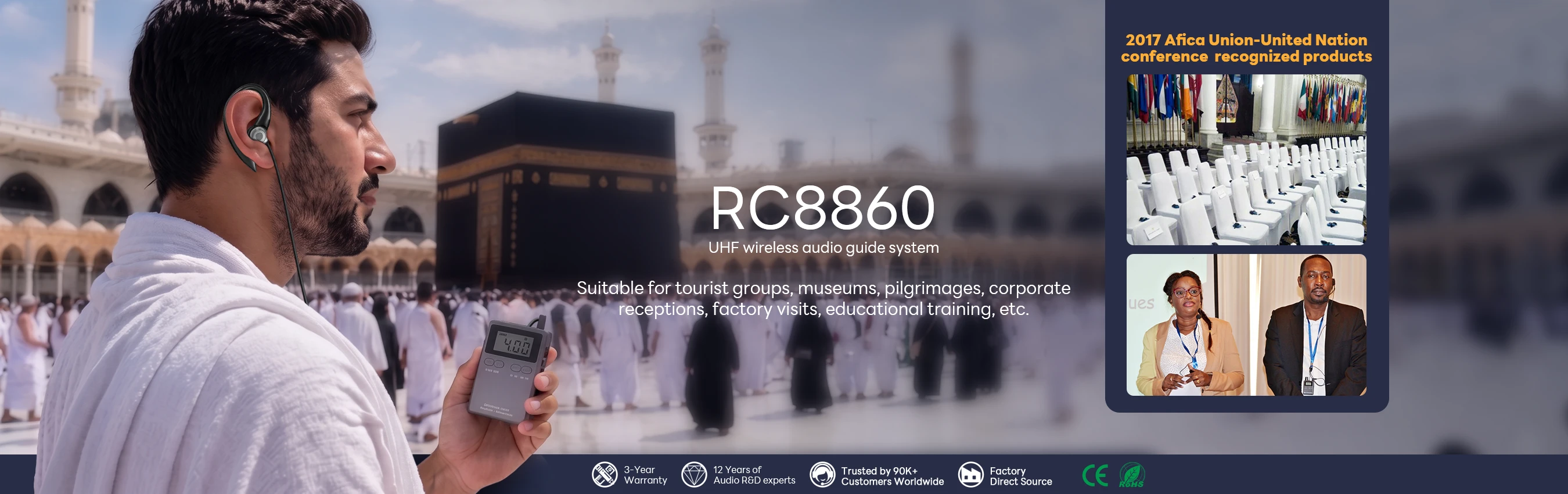
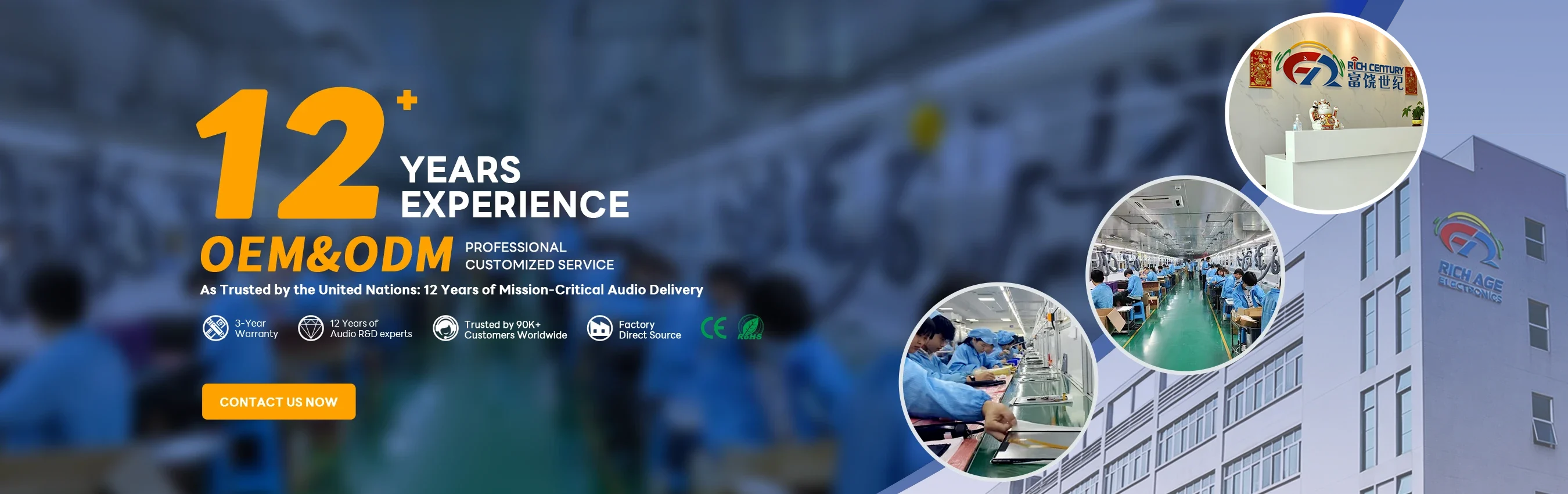
Our systems were recognized at the 2017 Africa union-United Nations conference. With 12 years of manufacturing experience and 90,000+ global customers, we provide:

  • Pre-event technical consultation and venue RF surveys

  • On-site technician deployment for critical events

  • 24/7 emergency support during multi-day conferences

  • Post-event analytics showing channel usage and audio quality metrics

Explore our conference solutions or contact our events team for a comprehensive quote including equipment, technicians, and logistics.


Learn More About Conference Audio Solutions

Planning a multilingual event or international summit? Explore our conference audio solutions for event management strategies, interpreter booth requirements, and cost-saving deployment guides.

Hot Selling Products

High-performance Interpretation Systems deliver real-time, zero-latency multi-language translation, perfectly matching the rigorous demands of international summits, corporate conferences, and legal courts.

Our digital simultaneous interpretation equipment supports massive multi-channel setups with secure encrypted signals, fully backed by certified manufacturing quality and competitive direct-to-factory pricing.
Wholesale Simultaneous Interpretation Equipment

Rich Age, a reliable Simultaneous Interpretation E...

Portable Equipment For Simultaneous Translation

Looking for a reliable Portable Equipment For Simu...

Wireless Simultaneous Translation System

Rich Age, a reliable Wireless Simultaneous Transla...

Conference Simultaneous Interpretation System

Looking for a reliable Conference Simultaneous Int...

15

What Makes Simultaneous Interpretation Different?

Many people confuse simultaneous interpretation with consecutive interpretation (where the speaker pauses for translation) or simple audio translation. Here's what sets professional simultaneous interpretation systems apart:

FeatureWhy It Matters
Sub-500ms latencyDelegates hear translation almost in real-time, maintaining natural conversation flow
Interpreter console supportProfessional booths with mute, cough, and relay functions
80 independent channelsAccommodate UN-style multilingual conferences with full language coverage
Frequency-hopping spread spectrumPrevents eavesdropping and eliminates interference in RF-congested venues
Recording outputEach language channel can be recorded separately for post-event transcription

How Simultaneous Interpretation Systems Work

The workflow involves three distinct technical layers:

Layer 1: Audio Capture

Floor microphones capture the speaker's voice. This "floor audio" is distributed to interpreter booths via a dedicated audio network. Our transmitters support both wired XLR inputs and wireless lapel microphones for mobile presenters.

Layer 2: Interpretation

Professional interpreters work in soundproofed booths, listening to floor audio through high-fidelity headphones and speaking into dedicated interpreter microphones. Each interpreter works into one target language. For a 10-language conference, you need at least 10 interpreter positions (often 20, working in pairs for fatigue management).

Layer 3: Distribution

Interpreted audio is transmitted wirelessly to delegates' receivers. Each delegate selects their preferred language channel. Our RC9150 system supports 200+ simultaneous receivers per channel with zero degradation in audio quality.

Recommended Simultaneous Interpretation Equipment

ComponentModelRole in the System
Interpreter transmitterRC9150Primary unit for interpreter booths — 80 channels, studio-grade audio
Delegate receiverRC2406Compact pocket unit with LCD channel display and volume control
Backup transmitterRC2500Hot-standby unit that activates instantly if primary fails

Event Types That Require Simultaneous Interpretation

International Conferences: Medical congresses, academic symposiums, and industry summits where researchers present in their native languages.

Diplomatic Negotiations: Government-to-government talks where precise terminology matters and paraphrasing isn't acceptable.

Legal Proceedings: International arbitration, cross-border depositions, and asylum hearings requiring verbatim accuracy.

Corporate Earnings Calls: Multinational companies briefing analysts in New York, London, Tokyo, and Shanghai simultaneously.

Religious Gatherings: Global religious conferences where church translation headphones scale up to professional simultaneous interpretation for thousands of international delegates.

Interpreter Booth Requirements

ISO 4043 standards define interpreter booth specifications. Key requirements include:

  • Sound insulation of at least 30dB (preventing delegates from hearing interpreters)

  • Internal volume of 6-10 cubic meters per two-person booth

  • Air conditioning with silent operation (interpreters can't work in stuffy conditions)

  • Clear sightlines to the stage and presentation screens

  • Individual lighting controls (interpreters read dense technical documents)

Our transmitters include booth-mounted control panels that let interpreters adjust their microphone levels, mute themselves discreetly, and request technical assistance without leaving their position.

Simultaneous vs. Consecutive Interpretation: When to Choose Which

FactorSimultaneousConsecutive
Event durationIdeal for full-day conferencesBetter for short meetings (under 2 hours)
Number of languagesSupports 10+ languages efficientlyBecomes impractical beyond 2-3 languages
Technical complexityRequires equipment and techniciansNo equipment needed
Natural flowSpeaker never pausesConversation is stop-and-start
Cost per hourHigher equipment cost, lower time costNo equipment, but doubles event duration

Technical Specifications That Matter

When evaluating simultaneous interpretation systems, demand these specifications:

  • Frequency response: 50Hz-15kHz minimum for full voice intelligibility

  • Signal-to-noise ratio: 70dB or higher for clean audio in noisy venues

  • Channel separation: 60dB minimum to prevent language bleed

  • Encryption: AES-128 or higher for confidential diplomatic or corporate events

  • Battery hot-swap: Ability to replace receiver batteries without interrupting the session

Why Rich Age for Simultaneous Interpretation?

Our systems were recognized at the 2017 Africa union-United Nations conference. With 12 years of manufacturing experience and 90,000+ global customers, we provide:

  • Pre-event technical consultation and venue RF surveys

  • On-site technician deployment for critical events

  • 24/7 emergency support during multi-day conferences

  • Post-event analytics showing channel usage and audio quality metrics

Explore our conference solutions or contact our events team for a comprehensive quote including equipment, technicians, and logistics.


Learn More About Conference Audio Solutions

Planning a multilingual event or international summit? Explore our conference audio solutions for event management strategies, interpreter booth requirements, and cost-saving deployment guides.


×

Contact us

email:
name:
subject:
content: