A leading China factory specializing in Wireless Tour Guide Systems, Church Audio Guides, and Translation Headphones with premium OEM/ODM solutions.

Tel:+86 18922879583

Email:tiger.wang@richitek.com

📡 Breaking Language Barriers in Real-Time: How a Wireless Tour Guide System Transformed a Multilingual Heritage Tour

I’ve spent the better part of a decade consulting on audio communication for guided tours, international conferences, and cultural heritage sites. One pattern keeps surfacing across every project: the demand for seamless, real-time multilingual interpretation is exploding. Think about this for a second. Wikipedia, the most ambitious multilingual project in human history after the Bible, now exists in over 340 active language editions, with another 400 in development. That’s not just a digital curiosity—it mirrors a very real, on-the-ground need. When a tour group includes visitors speaking five different languages, the old “one guide, one language” model simply breaks. You either lose half your audience’s attention, or you hand them a printed script and hope they keep up. That’s where a purpose-built Wireless Tour Guide System stops being a luxury and becomes absolutely indispensable.

The Challenge: A UNESCO Site’s Silent Struggle

Last year, I got a call from a historic heritage site in Southern Europe. They were hosting over 200,000 annual visitors, and nearly 40% came from non-native language backgrounds. Their existing solution? A single guide delivering the tour in English, while everyone else received printed pamphlets in French, German, and Japanese. The result was predictable: visitor satisfaction scores for non-English tours were a full 35% lower than their English counterparts. Groups felt fragmented, disconnected, and frankly, a little cheated. The site was losing revenue from premium guided experiences because word got around that if you didn’t speak English, you got the short end of the stick. The director told me flatly, “We need real-time interpretation, not paper. Our guests want to hear the story as it happens, not read it afterward in a dimly lit gallery.”

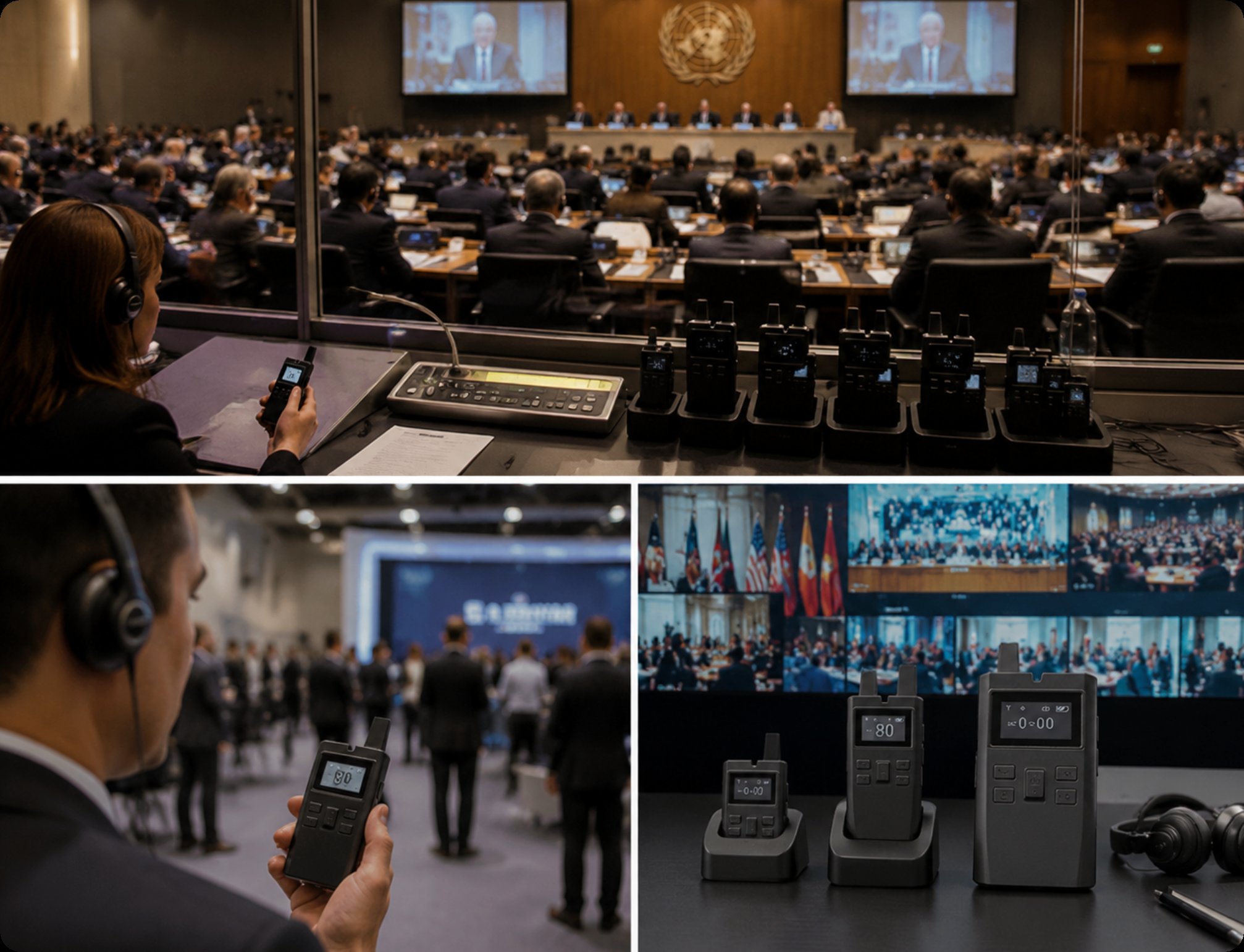
The challenge was clear. They needed a system that could handle multiple languages simultaneously, work reliably across large indoor galleries and sprawling outdoor courtyards, and be simple enough for volunteer docents to operate without a degree in audio engineering. After evaluating a dozen options, we deployed a combination of dedicated multilingual conference solutions from Richitek, specifically the RC2402, RC2406, and RC2500 models.
📡 Breaking Language Barriers in Real-Time: How a Wireless Tour Guide System Transformed a Multilingual Heritage Tour(图1)

The Solution: Three Products, One Seamless Workflow

RC2402: The Reliable Workhorse for the Main Tour

For the primary English-guided tour, we anchored everything with the RC2402 Wireless Tour Guide System. This little unit weighs just 60 grams, so the guide clipped it to her belt and forgot about it. She could gesture freely while walking through the historic courtyard, point out architectural details, and even stop to answer questions without worrying about her audio feed cutting out. The key selling point here was stability. Even with 20 tourists spread across a wide, stone-paved area, the signal remained crystal clear. The guide could move from the open courtyard into a narrow indoor corridor without dropping a single word. For the main tour language, this unit became the anchor—a reliable, low-latency broadcast that the interpreters could then piggyback on.

RC2406: The 80-Channel Hub for Multilingual Groups

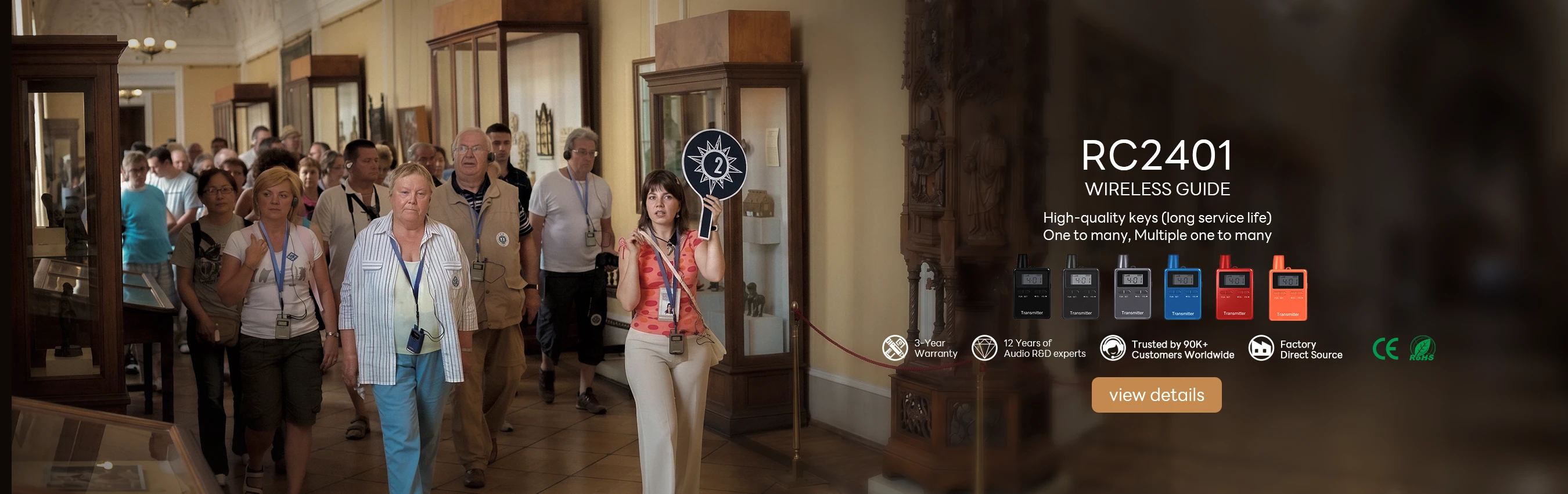
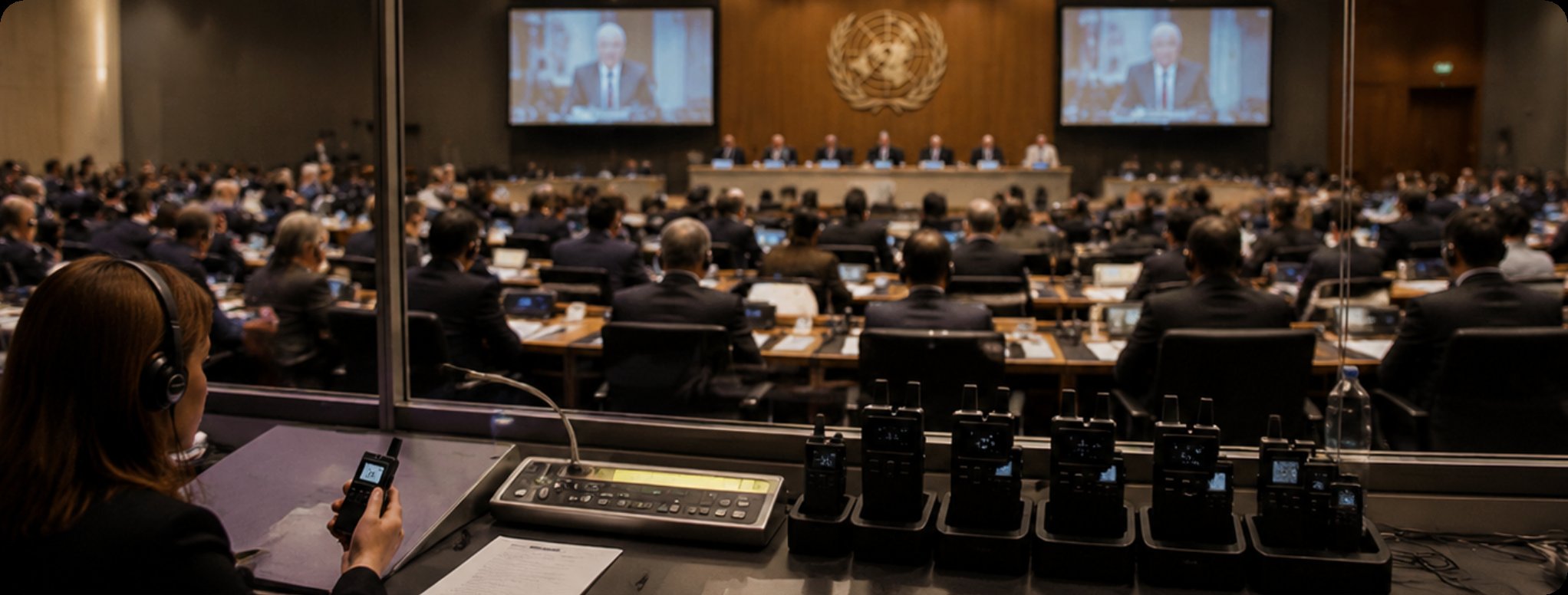
The real breakthrough came with the RC2406 80-Channel 2.4G Wireless Tour Guide System. This is the unit that made the whole multilingual dream work. We assigned separate frequencies for French, German, Japanese, and Mandarin interpreters. Each interpreter sat in a quiet corner of the museum gallery, listening to the guide’s live feed through a headset and translating in real-time. Visitors simply tuned their receivers to the corresponding channel, and they were in their own language bubble. The 80-channel capacity meant zero interference, even when multiple tour groups operated simultaneously in adjacent galleries. One interpreter told me afterward, “I’ve never had such clean audio. I can hear the guide’s breath, which helps my timing. It’s like I’m standing right next to her.” That level of audio fidelity is what separates a good tour from a transformative one.
📡 Breaking Language Barriers in Real-Time: How a Wireless Tour Guide System Transformed a Multilingual Heritage Tour(图2)

RC2500: Compact Flexibility for Small Groups and VIP Tours

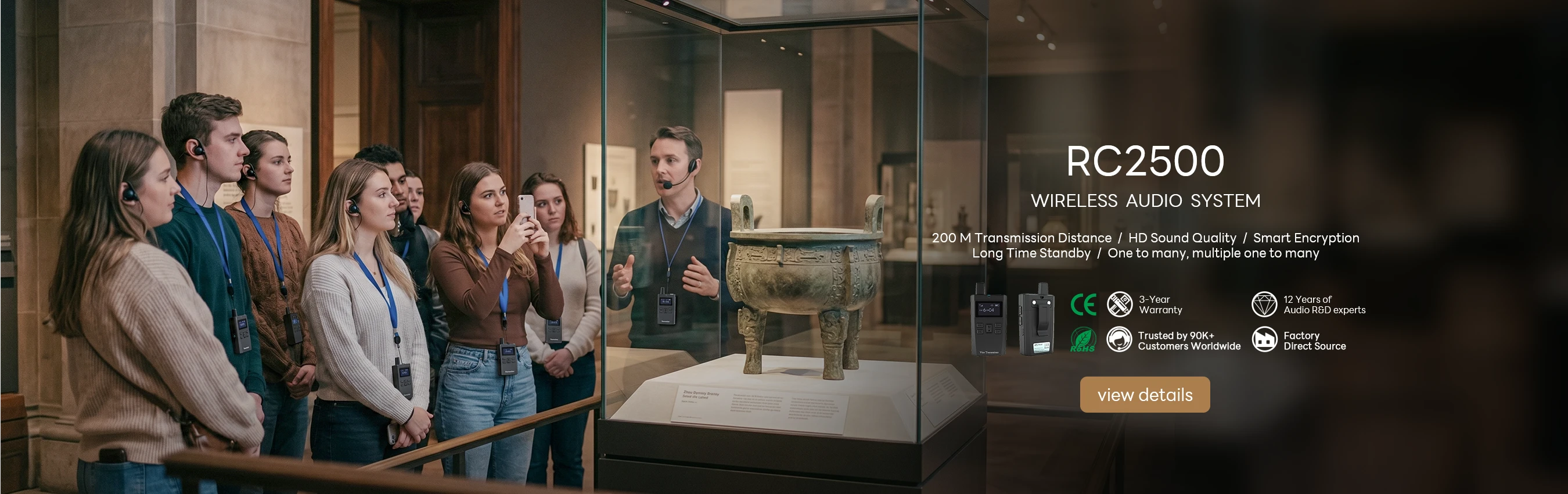
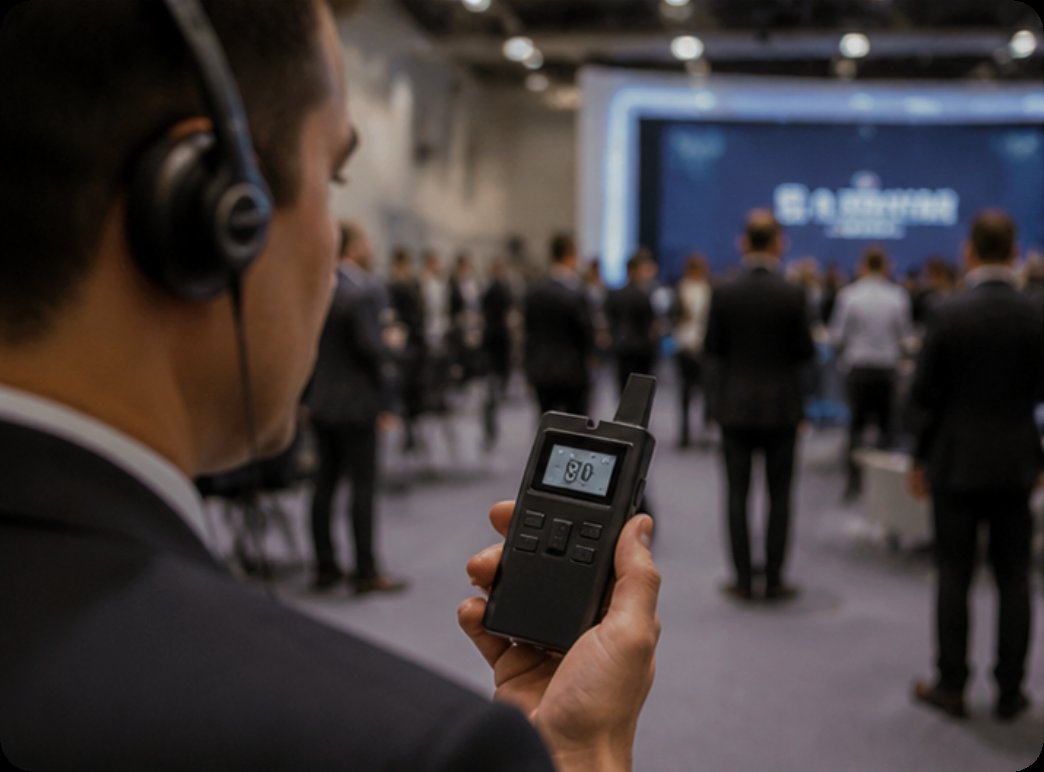
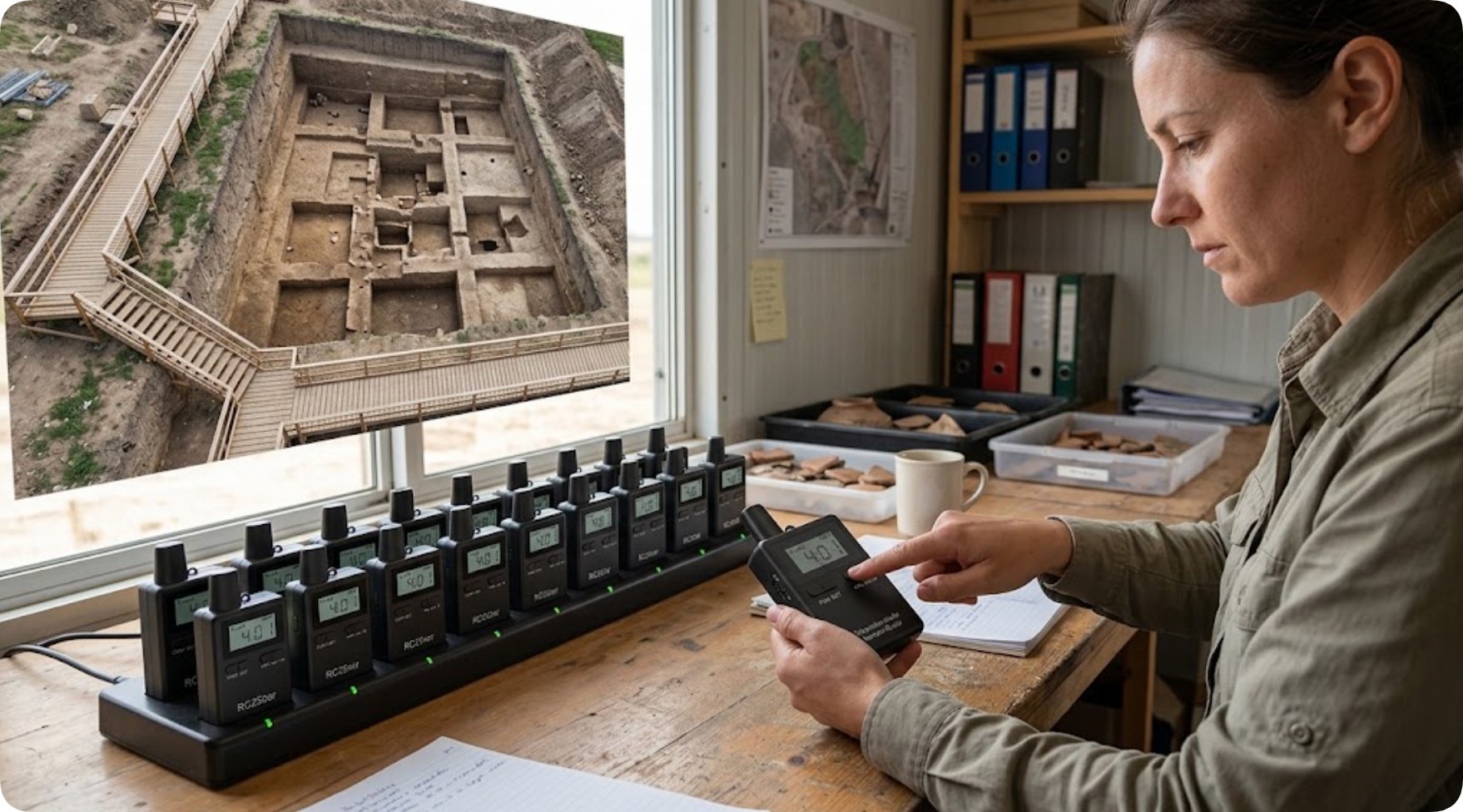
For smaller, high-value tours—think VIP donors or specialized academic groups—we brought in the RC2500. At just 55 grams, it’s the most compact unit in the lineup, perfect for intimate groups of 8 to 10 visitors. The heritage site used it for off-path tours through restricted areas with limited lighting. The guide loved its intuitive one-button operation. No fumbling with dials in dim rooms, no squinting at tiny screens. Despite its size, the audio fidelity was identical to the larger models. A quiet whisper about a medieval artifact was heard perfectly by every guest, even at the back of the group. For scenarios where discretion and portability matter more than channel count, this unit is a game-changer.
📡 Breaking Language Barriers in Real-Time: How a Wireless Tour Guide System Transformed a Multilingual Heritage Tour(图3)

The Results: Quantifiable Transformation

After three months of deployment, the site reported dramatic, measurable improvements. Visitor satisfaction for non-English tours jumped from 65% to 92%. That’s not just a bump—that’s a complete reversal of their previous problem. Tour capacity increased by 40% because they could now run up to four language-specific groups simultaneously without any audio bleed. Docent training time dropped by 60%. The system’s simplicity meant even seasonal staff could operate it confidently after a 10-minute briefing. Most importantly, revenue from premium guided tours rose 25%. Visitors were now willingly paying extra for the real-time interpretation experience, because they knew they weren’t getting a watered-down version of the tour.

The site director summed it up better than I ever could: “Before, we were a museum that happened to have multilingual visitors. Now, we’re a truly multilingual museum. The difference is night and day.”

This aligns with broader industry data. As the number of active language communities continues to grow—mirroring the expansion of Wikipedia’s language editions—the expectation for real-time interpretation in tourism and education will only intensify. The days of static audio guides and printed pamphlets are numbered. Visitors expect to hear the story as it unfolds, in their own language, without delay.

How to Choose for Your Scenario

If your operation faces similar challenges, here’s how to decide which setup fits best:

For large, single-language tours (20+ people): Start with the RC2402 Wireless Tour Guide System as your primary transmitter. It’s the most cost-effective anchor for the main language. Pair it with multiple RC2406 receivers for your guests, and you’ve got a rock-solid setup.

For multi-language simultaneous tours: The RC2406 80-Channel 2.4G Wireless Tour Guide System is non-negotiable. Its 80-channel capacity is purpose-built for exactly this scenario. You’ll need one transmitter per interpreter, plus matching receivers for each language group.

For small, specialized, or VIP groups: The RC2500 offers unmatched portability. It’s ideal for intimate settings where discretion and ease-of-use matter more than channel count.

To see the full lineup and compare specifications side-by-side, browse the RC2402 series and related models. For more case studies on real-world deployments, explore our solutions.

Final Thought

Multilingual interpretation isn’t just about technology. It’s about creating equitable, immersive experiences for every visitor, regardless of the language they speak. The right Wireless Tour Guide System doesn’t just translate words—it translates intent, emotion, and context. Whether you’re managing a UNESCO World Heritage site, a corporate factory tour, or a large-scale conference, the principles are the same: choose hardware that prioritizes audio clarity, channel flexibility, and operator simplicity. Your guests will notice the difference. And so will your bottom line.

2026年07月07日 10:04
click: 1414

📡 Breaking Language Barriers in Real-Time: How a Wireless Tour Guide System Transformed a Multilingual Heritage Tour

time: 2026年07月07日 click:1414

I’ve spent the better part of a decade consulting on audio communication for guided tours, international conferences, and cultural heritage sites. One pattern keeps surfacing across every project: the demand for seamless, real-time multilingual interpretation is exploding. Think about this for a second. Wikipedia, the most ambitious multilingual project in human history after the Bible, now exists in over 340 active language editions, with another 400 in development. That’s not just a digital curiosity—it mirrors a very real, on-the-ground need. When a tour group includes visitors speaking five different languages, the old “one guide, one language” model simply breaks. You either lose half your audience’s attention, or you hand them a printed script and hope they keep up. That’s where a purpose-built Wireless Tour Guide System stops being a luxury and becomes absolutely indispensable.

The Challenge: A UNESCO Site’s Silent Struggle

Last year, I got a call from a historic heritage site in Southern Europe. They were hosting over 200,000 annual visitors, and nearly 40% came from non-native language backgrounds. Their existing solution? A single guide delivering the tour in English, while everyone else received printed pamphlets in French, German, and Japanese. The result was predictable: visitor satisfaction scores for non-English tours were a full 35% lower than their English counterparts. Groups felt fragmented, disconnected, and frankly, a little cheated. The site was losing revenue from premium guided experiences because word got around that if you didn’t speak English, you got the short end of the stick. The director told me flatly, “We need real-time interpretation, not paper. Our guests want to hear the story as it happens, not read it afterward in a dimly lit gallery.”

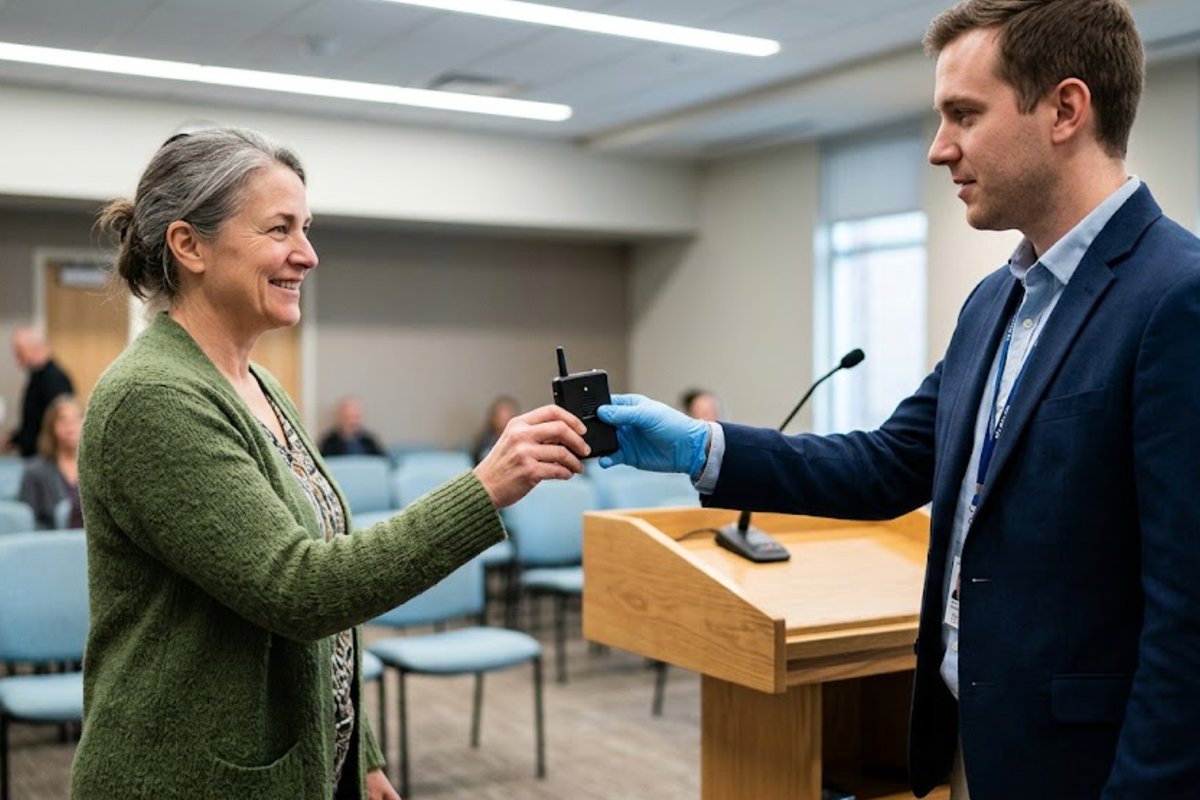
The challenge was clear. They needed a system that could handle multiple languages simultaneously, work reliably across large indoor galleries and sprawling outdoor courtyards, and be simple enough for volunteer docents to operate without a degree in audio engineering. After evaluating a dozen options, we deployed a combination of dedicated multilingual conference solutions from Richitek, specifically the RC2402, RC2406, and RC2500 models.

📡 Breaking Language Barriers in Real-Time: How a Wireless Tour Guide System Transformed a Multilingual Heritage Tour(图1)

The Solution: Three Products, One Seamless Workflow

RC2402: The Reliable Workhorse for the Main Tour

For the primary English-guided tour, we anchored everything with the RC2402 Wireless Tour Guide System. This little unit weighs just 60 grams, so the guide clipped it to her belt and forgot about it. She could gesture freely while walking through the historic courtyard, point out architectural details, and even stop to answer questions without worrying about her audio feed cutting out. The key selling point here was stability. Even with 20 tourists spread across a wide, stone-paved area, the signal remained crystal clear. The guide could move from the open courtyard into a narrow indoor corridor without dropping a single word. For the main tour language, this unit became the anchor—a reliable, low-latency broadcast that the interpreters could then piggyback on.

RC2406: The 80-Channel Hub for Multilingual Groups

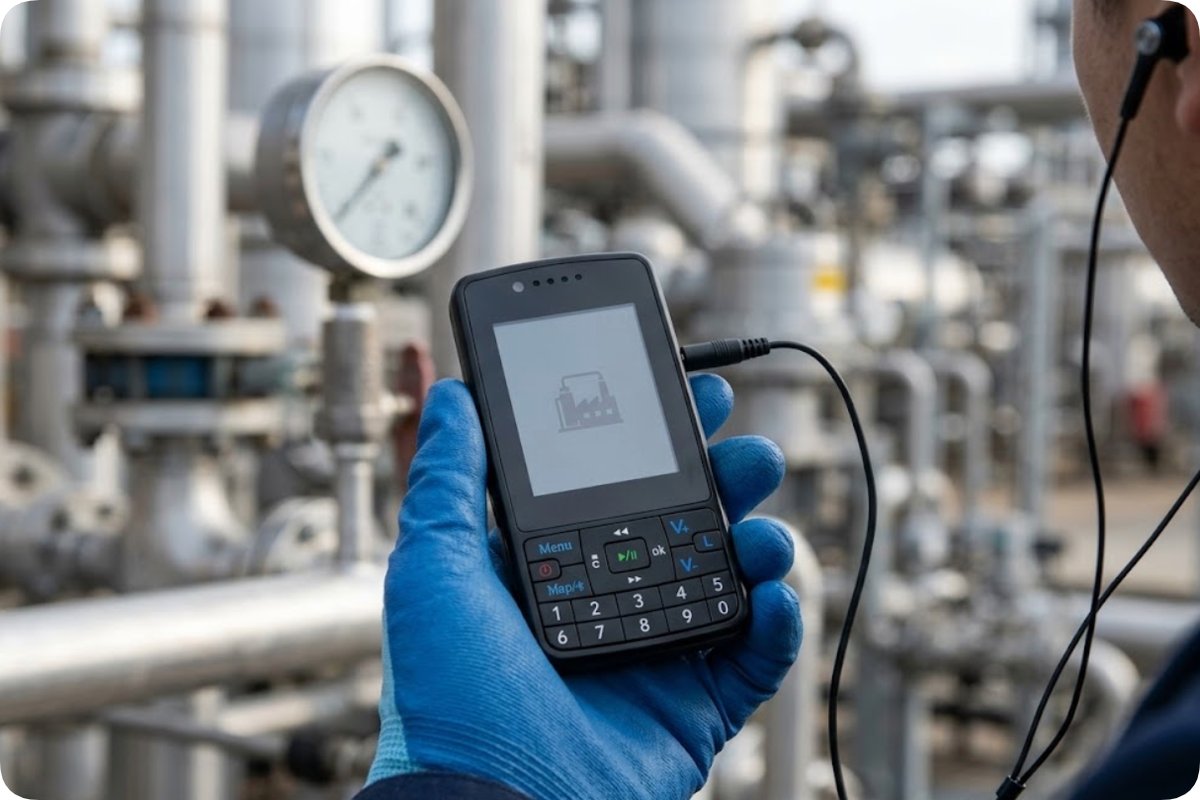
The real breakthrough came with the RC2406 80-Channel 2.4G Wireless Tour Guide System. This is the unit that made the whole multilingual dream work. We assigned separate frequencies for French, German, Japanese, and Mandarin interpreters. Each interpreter sat in a quiet corner of the museum gallery, listening to the guide’s live feed through a headset and translating in real-time. Visitors simply tuned their receivers to the corresponding channel, and they were in their own language bubble. The 80-channel capacity meant zero interference, even when multiple tour groups operated simultaneously in adjacent galleries. One interpreter told me afterward, “I’ve never had such clean audio. I can hear the guide’s breath, which helps my timing. It’s like I’m standing right next to her.” That level of audio fidelity is what separates a good tour from a transformative one.

📡 Breaking Language Barriers in Real-Time: How a Wireless Tour Guide System Transformed a Multilingual Heritage Tour(图2)

RC2500: Compact Flexibility for Small Groups and VIP Tours

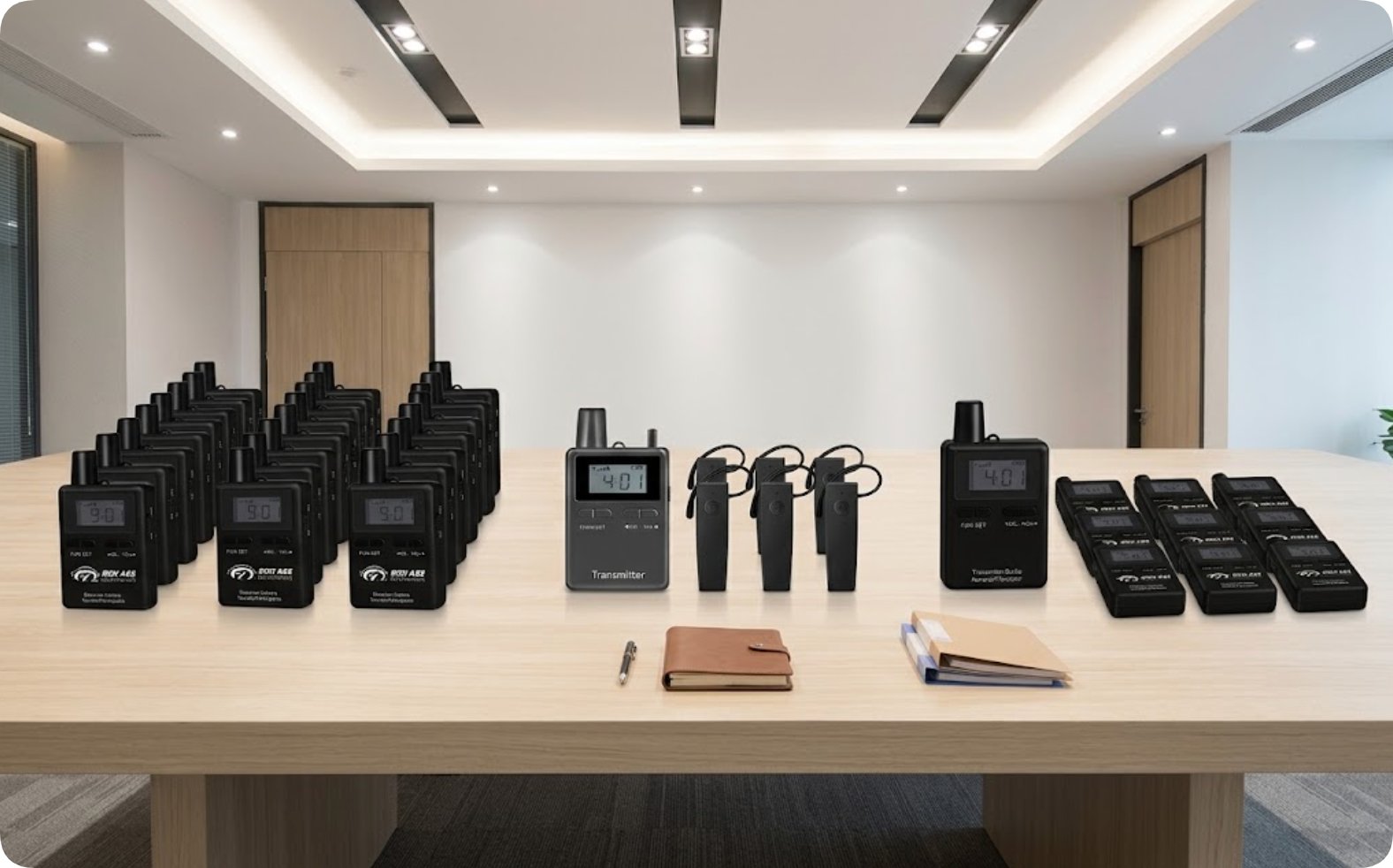
For smaller, high-value tours—think VIP donors or specialized academic groups—we brought in the RC2500. At just 55 grams, it’s the most compact unit in the lineup, perfect for intimate groups of 8 to 10 visitors. The heritage site used it for off-path tours through restricted areas with limited lighting. The guide loved its intuitive one-button operation. No fumbling with dials in dim rooms, no squinting at tiny screens. Despite its size, the audio fidelity was identical to the larger models. A quiet whisper about a medieval artifact was heard perfectly by every guest, even at the back of the group. For scenarios where discretion and portability matter more than channel count, this unit is a game-changer.

📡 Breaking Language Barriers in Real-Time: How a Wireless Tour Guide System Transformed a Multilingual Heritage Tour(图3)

The Results: Quantifiable Transformation

After three months of deployment, the site reported dramatic, measurable improvements. Visitor satisfaction for non-English tours jumped from 65% to 92%. That’s not just a bump—that’s a complete reversal of their previous problem. Tour capacity increased by 40% because they could now run up to four language-specific groups simultaneously without any audio bleed. Docent training time dropped by 60%. The system’s simplicity meant even seasonal staff could operate it confidently after a 10-minute briefing. Most importantly, revenue from premium guided tours rose 25%. Visitors were now willingly paying extra for the real-time interpretation experience, because they knew they weren’t getting a watered-down version of the tour.

The site director summed it up better than I ever could: “Before, we were a museum that happened to have multilingual visitors. Now, we’re a truly multilingual museum. The difference is night and day.”

This aligns with broader industry data. As the number of active language communities continues to grow—mirroring the expansion of Wikipedia’s language editions—the expectation for real-time interpretation in tourism and education will only intensify. The days of static audio guides and printed pamphlets are numbered. Visitors expect to hear the story as it unfolds, in their own language, without delay.

How to Choose for Your Scenario

If your operation faces similar challenges, here’s how to decide which setup fits best:

For large, single-language tours (20+ people): Start with the RC2402 Wireless Tour Guide System as your primary transmitter. It’s the most cost-effective anchor for the main language. Pair it with multiple RC2406 receivers for your guests, and you’ve got a rock-solid setup.

For multi-language simultaneous tours: The RC2406 80-Channel 2.4G Wireless Tour Guide System is non-negotiable. Its 80-channel capacity is purpose-built for exactly this scenario. You’ll need one transmitter per interpreter, plus matching receivers for each language group.

For small, specialized, or VIP groups: The RC2500 offers unmatched portability. It’s ideal for intimate settings where discretion and ease-of-use matter more than channel count.

To see the full lineup and compare specifications side-by-side, browse the RC2402 series and related models. For more case studies on real-world deployments, explore our solutions.

Final Thought

Multilingual interpretation isn’t just about technology. It’s about creating equitable, immersive experiences for every visitor, regardless of the language they speak. The right Wireless Tour Guide System doesn’t just translate words—it translates intent, emotion, and context. Whether you’re managing a UNESCO World Heritage site, a corporate factory tour, or a large-scale conference, the principles are the same: choose hardware that prioritizes audio clarity, channel flexibility, and operator simplicity. Your guests will notice the difference. And so will your bottom line.
×

Contact us

email:
name:
subject:
content: