When an interpreting project is underway, the interpreter understands the content through the speaker's voice and body language. Generally, simultaneous interpreters must keep pace with the speaker’s speech. If they encounter an unfamiliar word, they may struggle to interpret it accurately. In contrast, consecutive interpretation allows the interpreter to clarify or request repetition of unclear words from the speaker, making it more flexible and convenient.
In terms of translation quality, written translation typically offers the highest accuracy, followed by consecutive interpretation and then simultaneous interpretation. However, when it comes to translation speed, written translation is the slowest, followed by consecutive interpretation. Simultaneous interpretation is the fastest, as interpreters listen and translate in real-time.
Additionally, in many settings, consecutive and simultaneous interpretation are performed separately. Specialization within the interpretation industry ensures a more professional outcome. For example, writing a biography would rarely require simultaneous interpretation, as focus and precision are paramount.
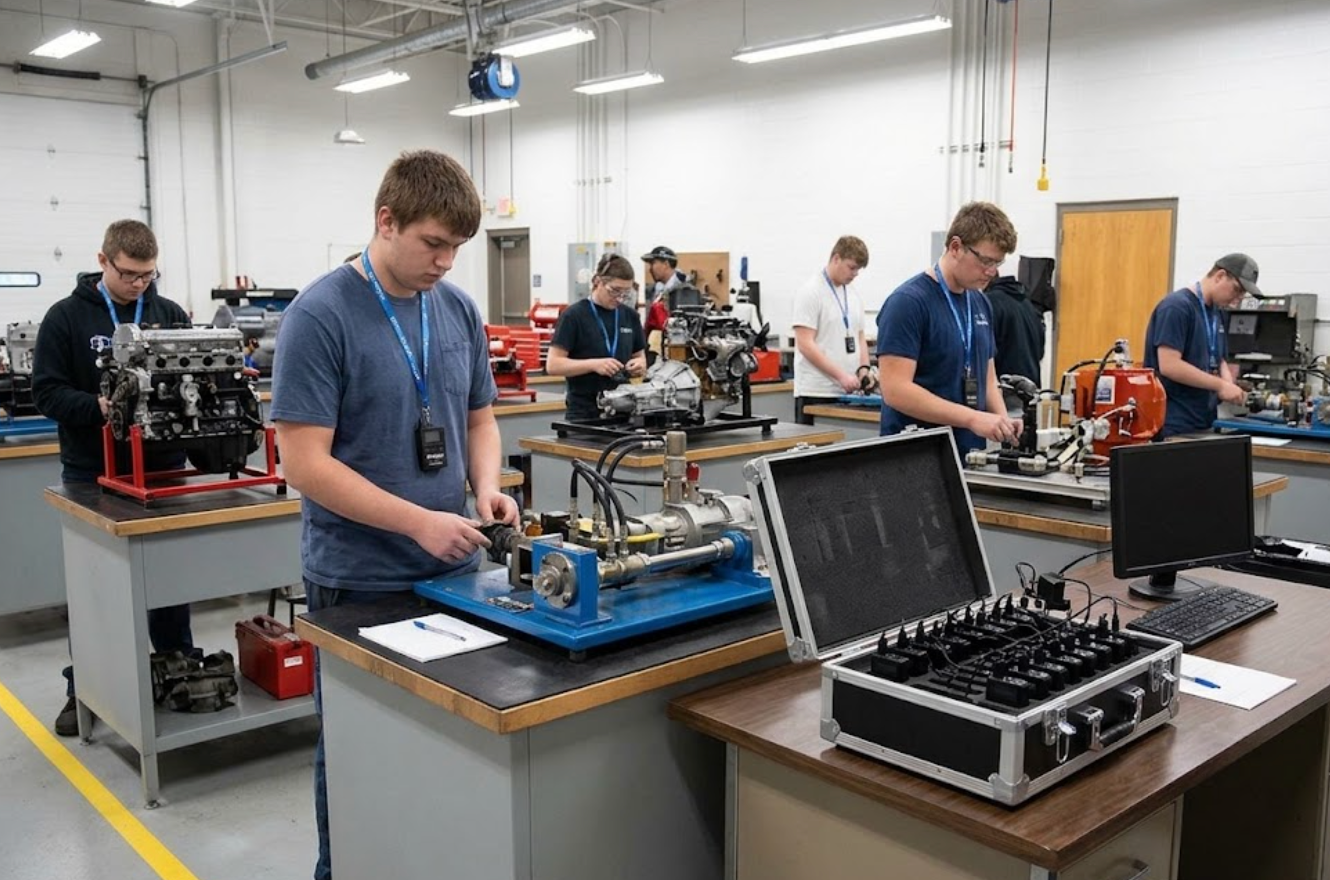
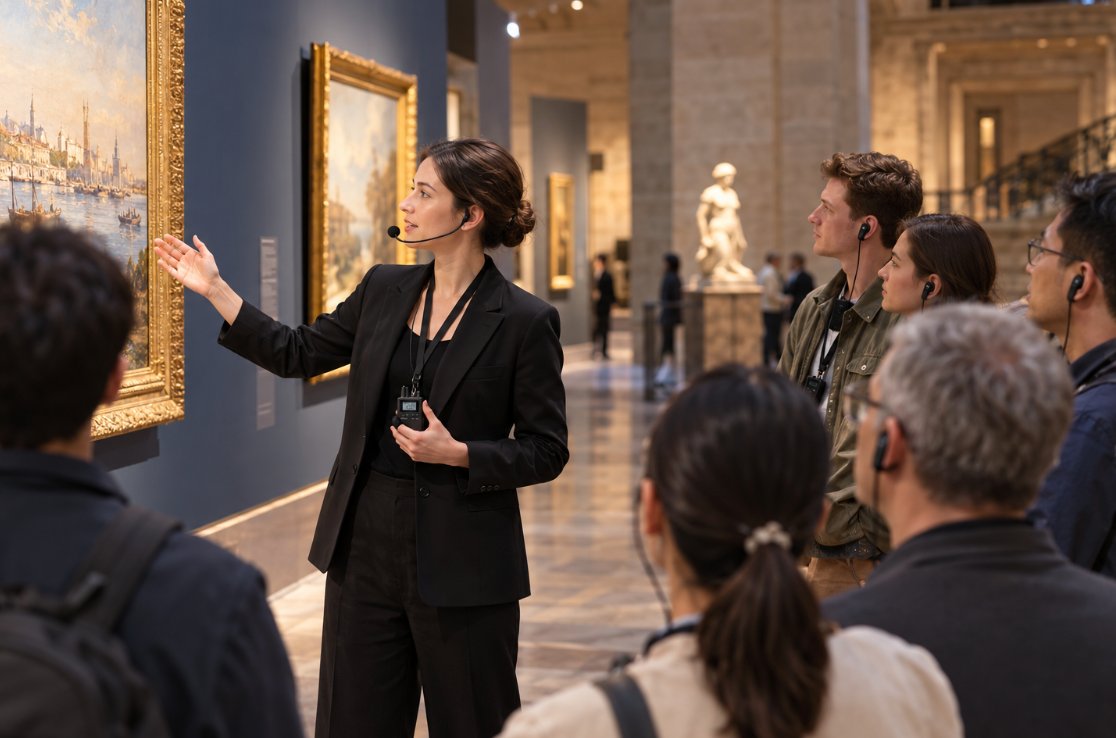
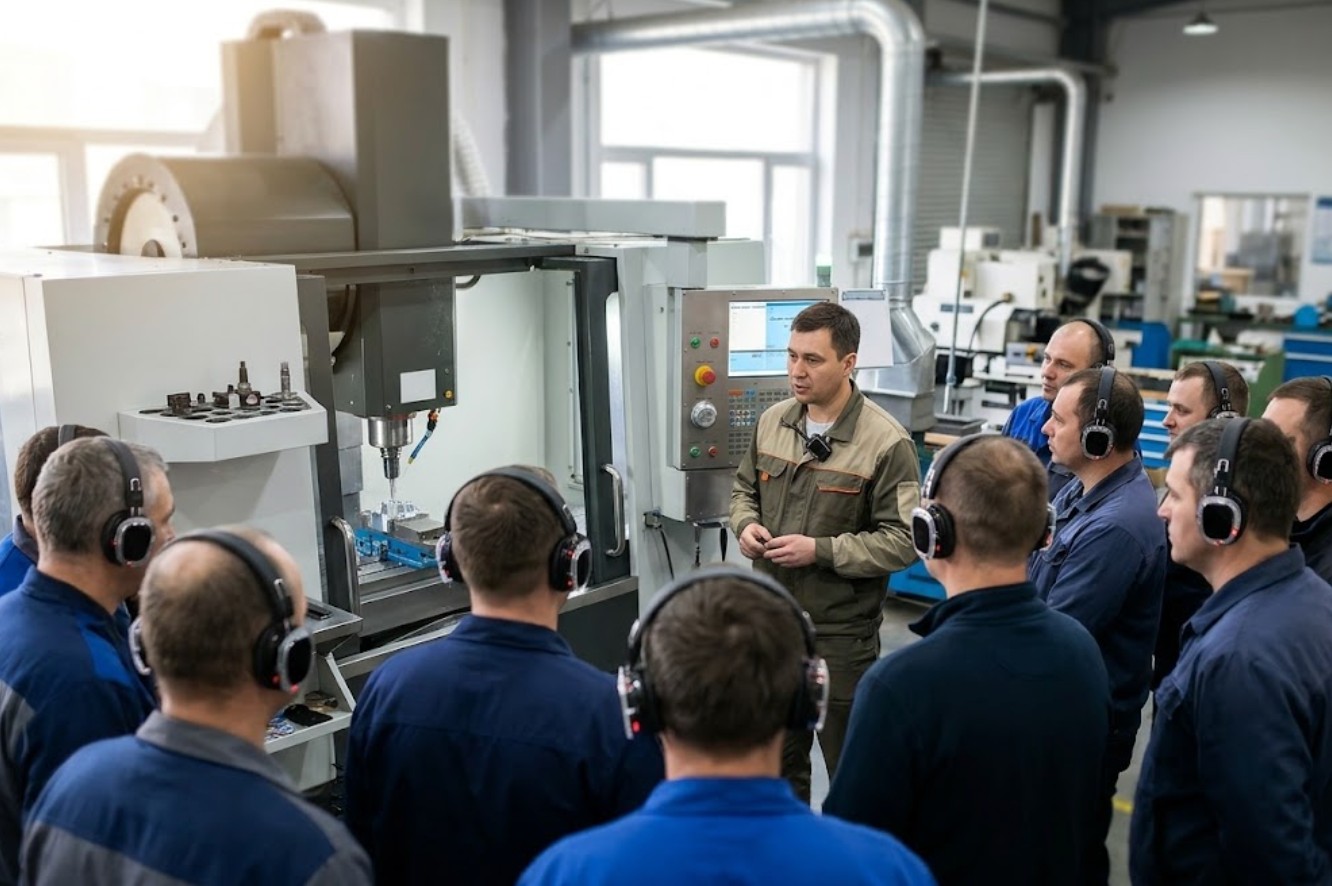
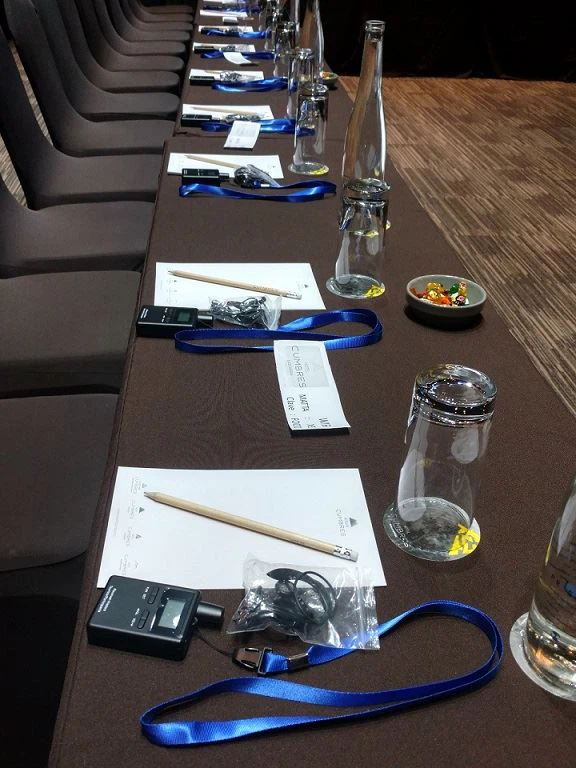
Interpretation projects often rely on specialized equipment. In conference halls, interpreters work from soundproof booths and transmit translations to participants’ headsets using simultaneous interpretation equipment. This setup is standard in most international conferences.
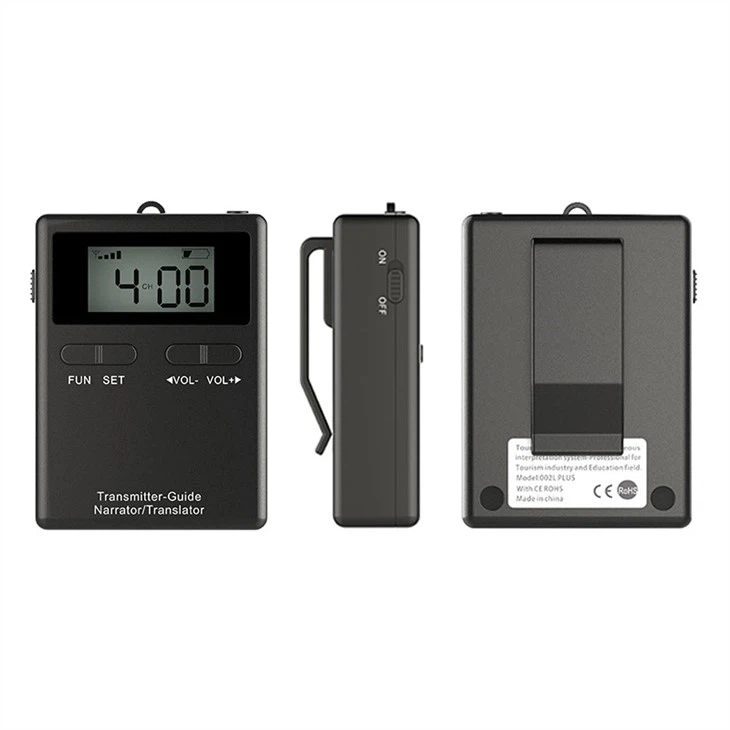
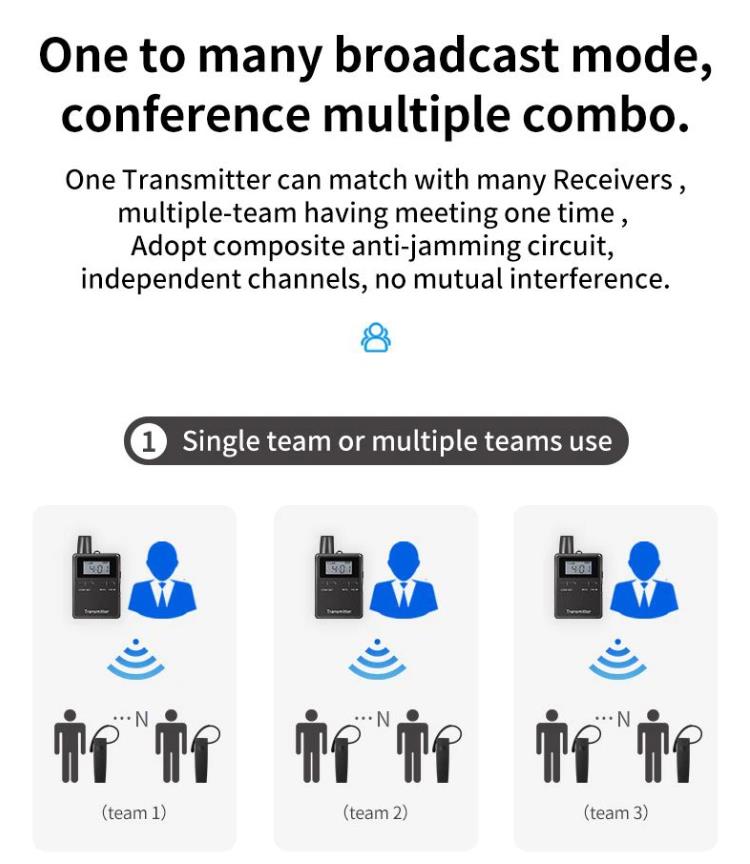
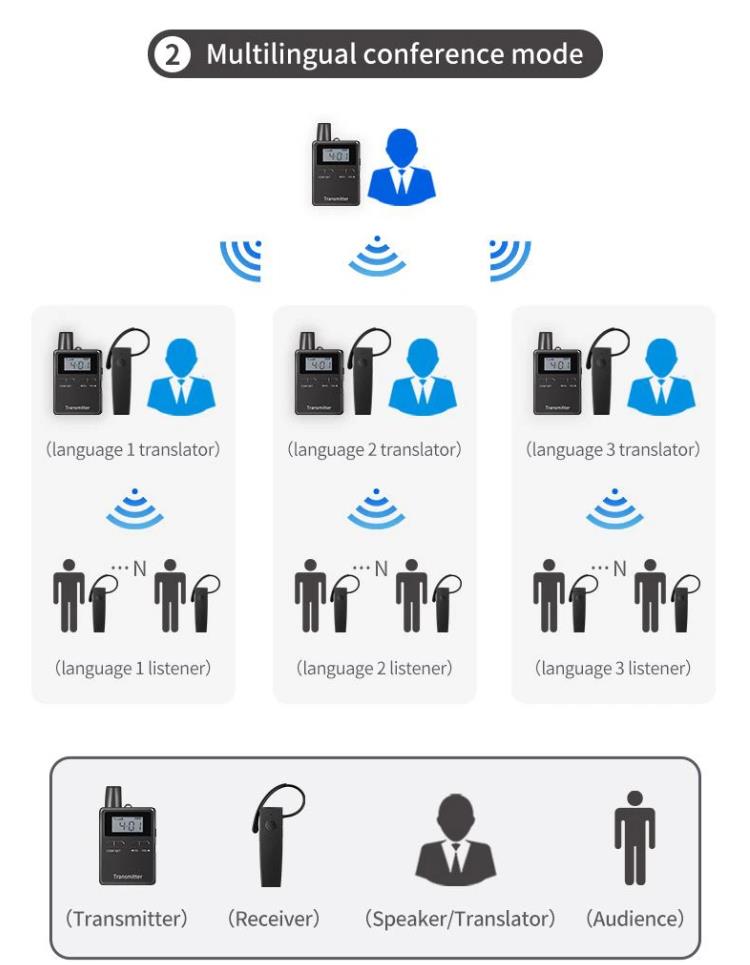
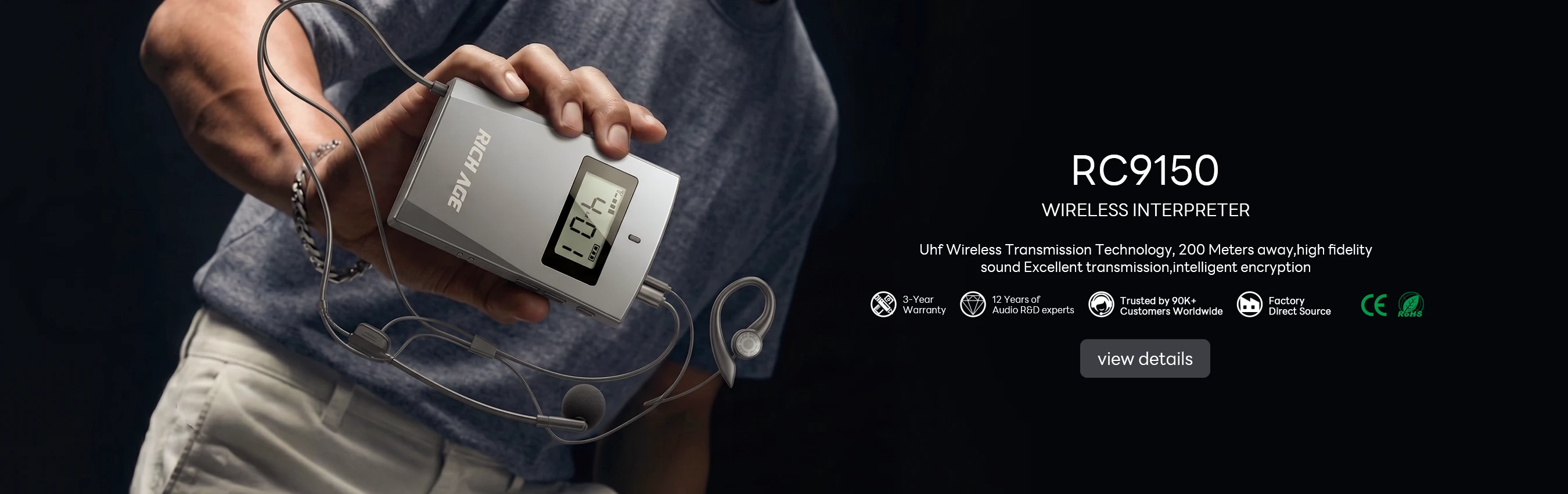
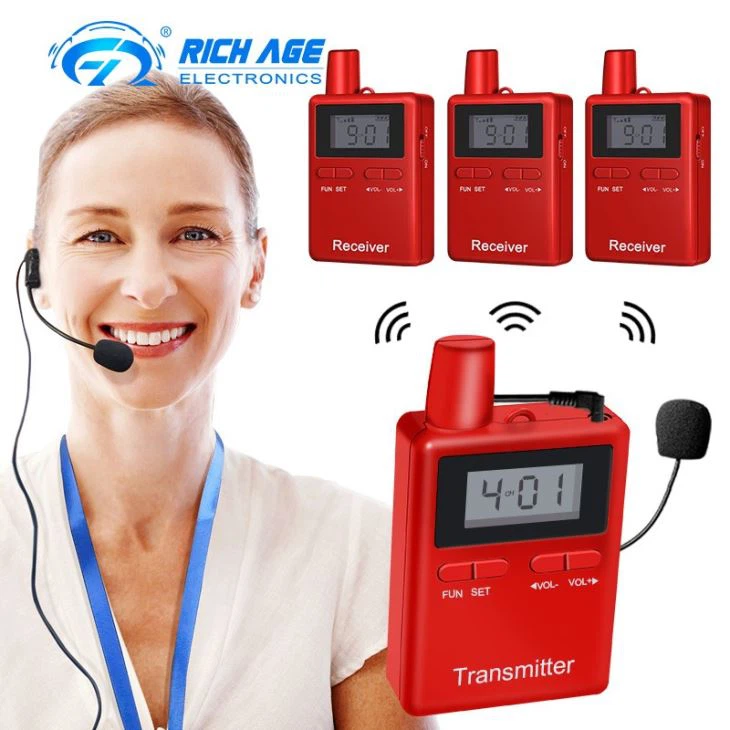
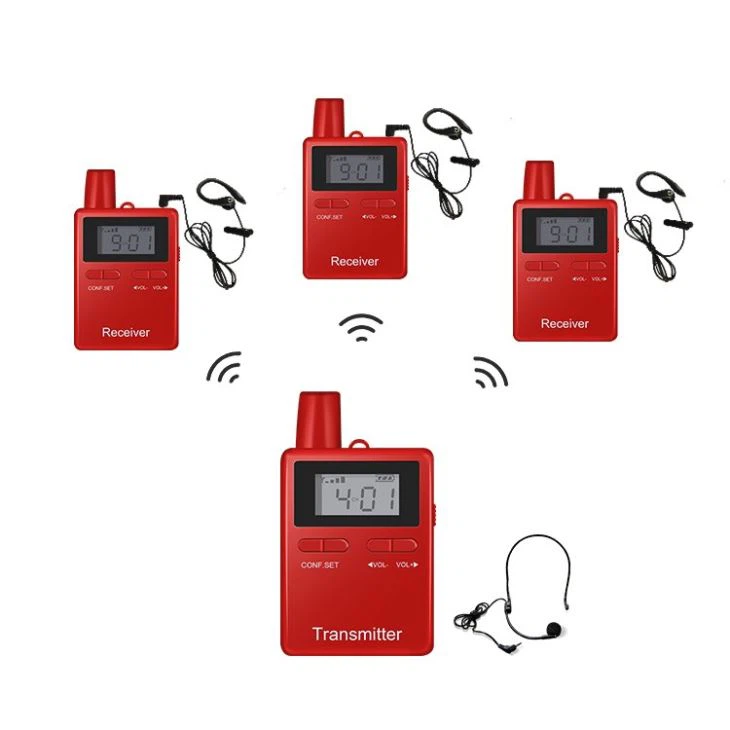
Compared to traditional simultaneous interpretation systems, the Rich Age simultaneous interpretation system offers wireless transmission, eliminating complicated wiring for increased portability and ease of use. Its use of the UHF frequency band ensures stable, clear sound, unaffected by interference from mobile phone networks.