
.webp)
Wireless Tour Guide System Upgrades Science & Technology Museum Explanations: Bringing an Immersive Visit Experience
For exhibition halls focused on knowledge dissemination and interactive displays, clear explanation is not optional — it directly determines audience experience, depth of understanding, and institutional reputation.
In science and technology museums, the quality of explanation is central to the visitor journey. But traditional methods are falling short: guides lose their voices, audiences struggle to hear, groups scatter, and attention drifts. These issues silently erode professionalism and immersion. That’s why the wireless tour guide system is not just an “upgrade” — it’s a timely solution that addresses real pain points.
1. Real‑World Pain Points: What Guides and Visitors Experience Daily
Challenges Faced by Guides
“I lead more than ten tours a day — by afternoon, my voice is gone.”
“One guide speaking to dozens of people around an exhibit — those in the back can’t hear and have to push forward.”
“If I speak too loudly, it disturbs other areas of the museum.”
Feedback from Visitors
“Sometimes I can’t hear the guide even when standing right next to the exhibit.”
“The kids can’t focus — they wander off and miss everything.”
“During busy hours, the environment is noisy, explanations blend together, and nothing sticks.”
These real frontline voices signal an urgent need for better explanation tools — and the wireless tour guide system delivers exactly that.
2. How the Wireless Tour Guide System Solves These Problems Precisely
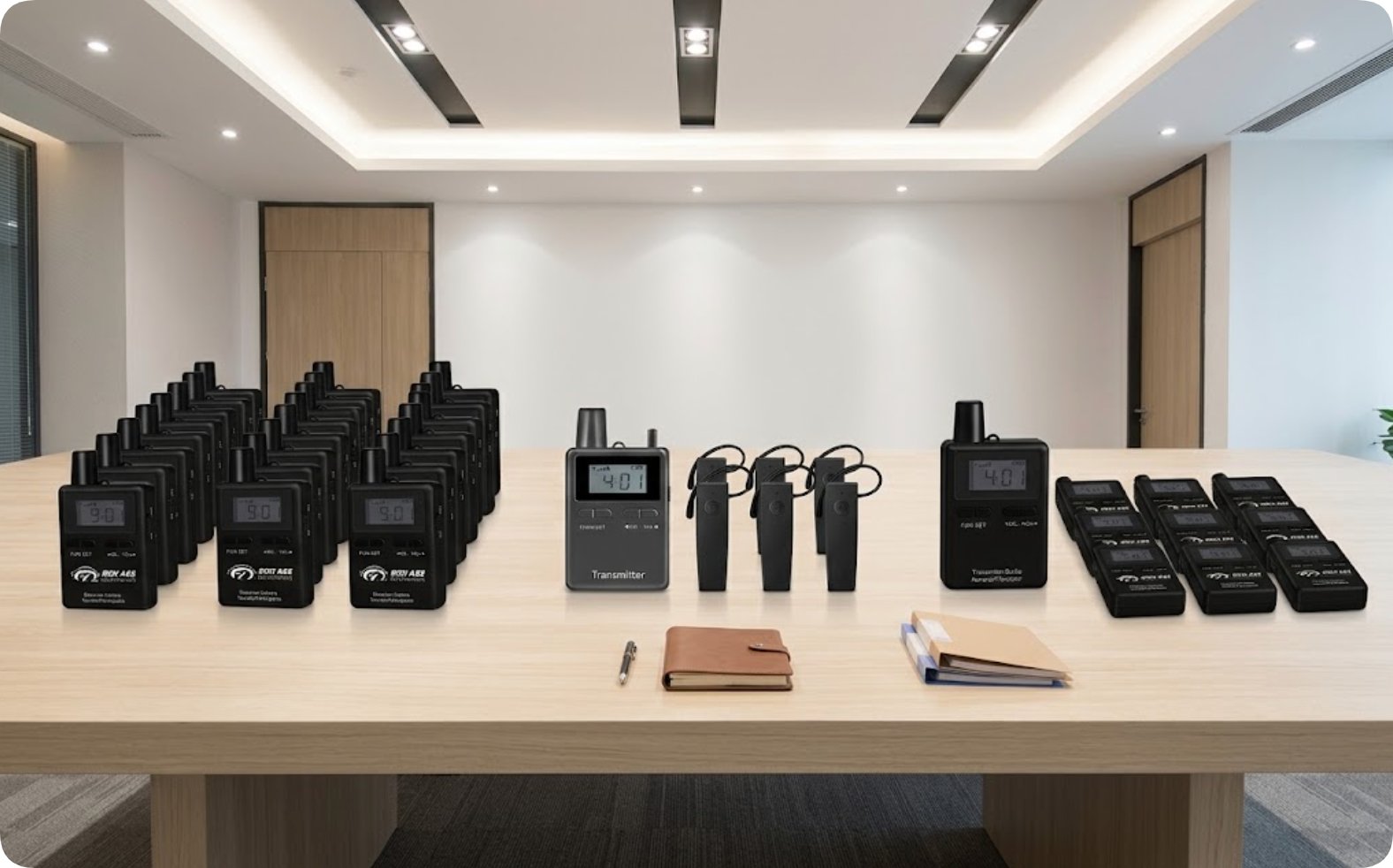
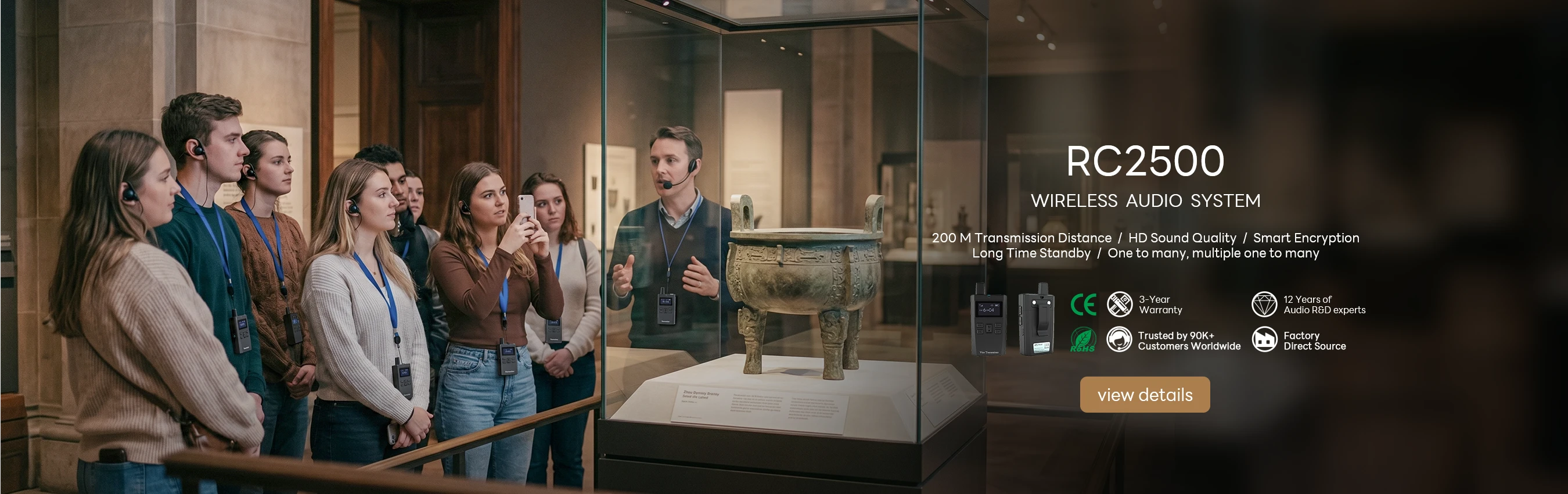
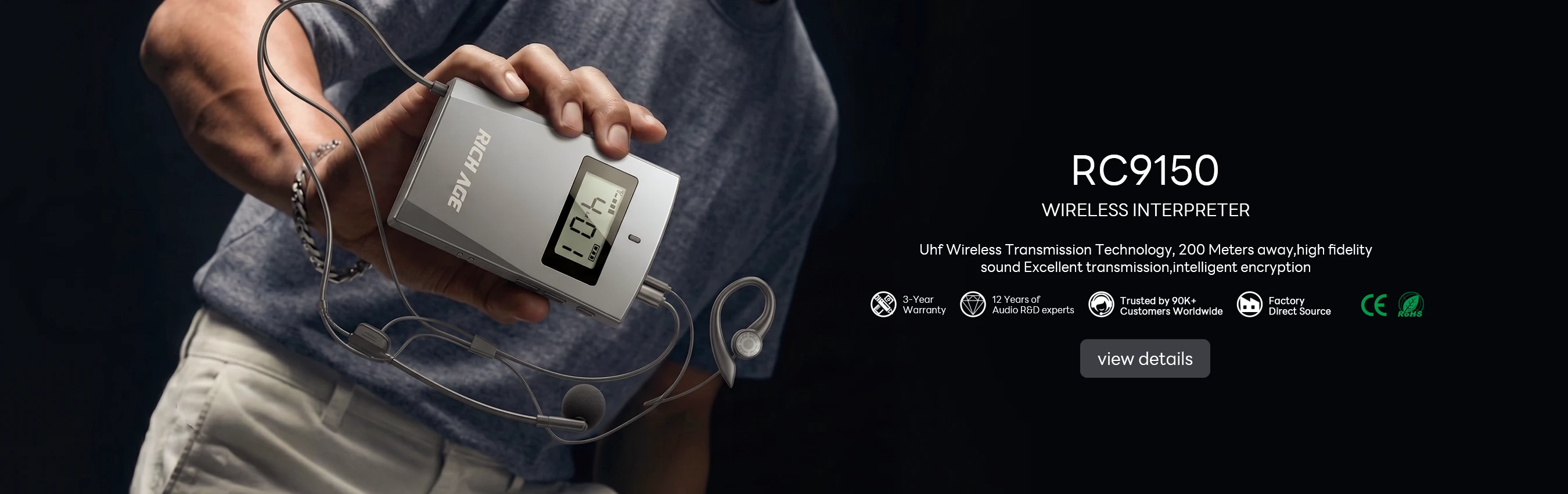
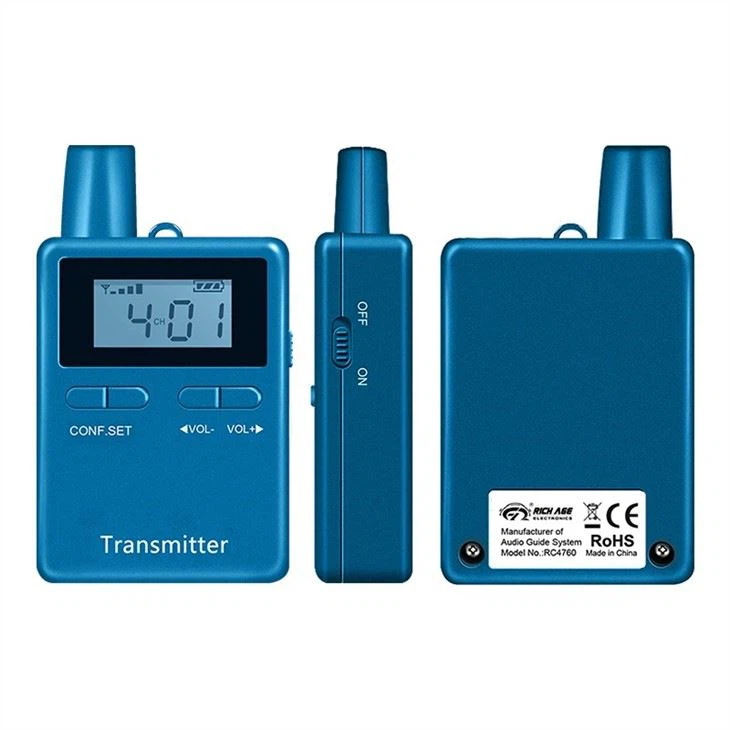
The system consists of a transmitter with microphone for the guide and multiple lightweight receivers with headphones for visitors. The guide speaks at a normal volume, and the voice is transmitted in real time to every listener — no shouting, no noise interference, no missed information.
Accurate Explanation, No Distraction
No matter where visitors stand — near the guide or at the edge of the group — they hear every word clearly. No more shallow “just reading the exhibit board” experiences.
Quiet and Orderly, Environmentally Friendly
Guides no longer need to raise their voices. Multiple groups can explain in parallel without interfering with each other, preserving the museum’s peaceful atmosphere.
Small Groups, High Efficiency
One‑to‑many broadcast means each visitor gets an “exclusive” explanation through their headphones. This increases throughput per unit time, ideal for school groups, corporate teams, and international delegations.
Multi‑Language Explanations, Easy Switching
The system supports parallel multi‑language channels (e.g., Chinese, English, Japanese). Visitors simply switch channels on their receivers to hear the desired language — a huge convenience for international reception.
3. A Real Transformation: Before and After
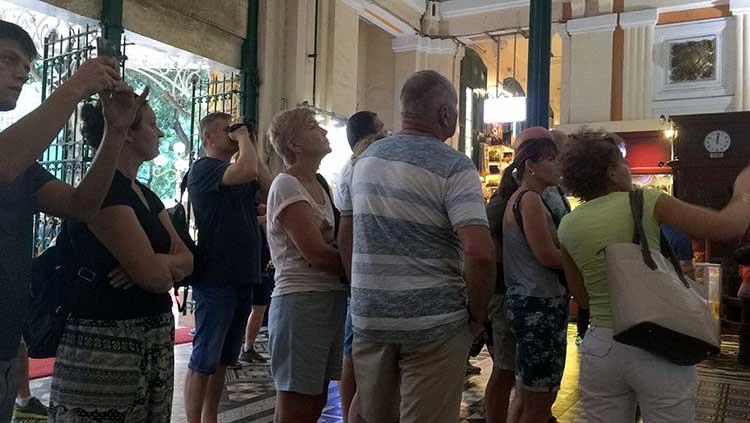
Before: A primary school group arrived. Chaos ensued — children couldn’t gather around, couldn’t hear, and ran off in different directions. The guide shouted, but the message was lost.
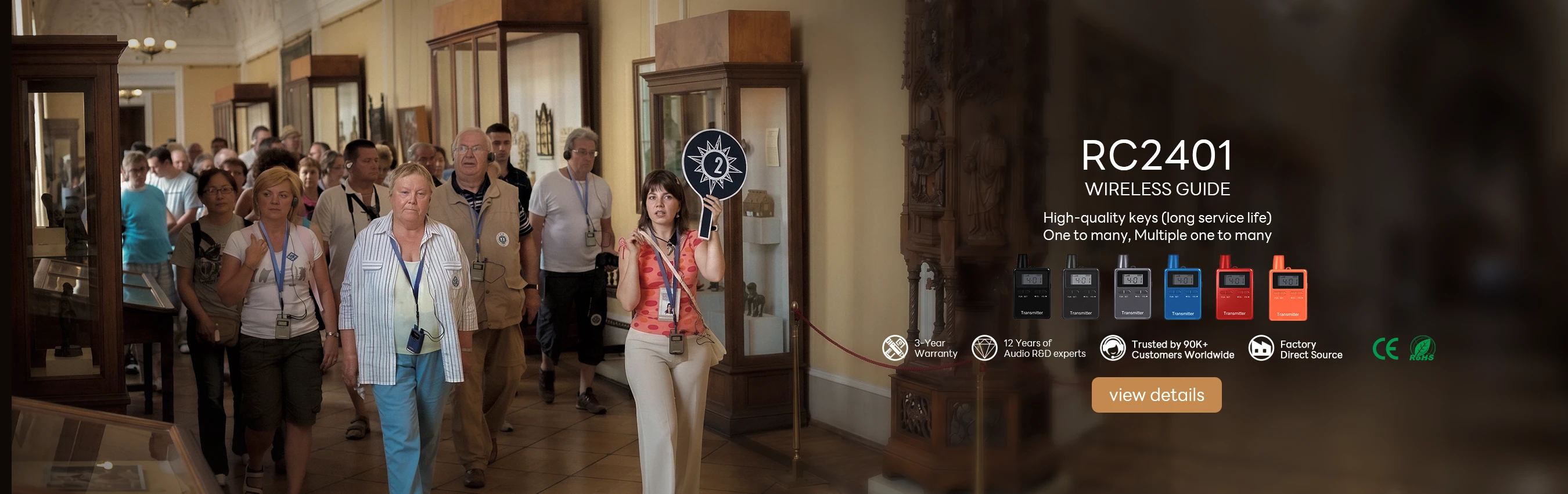
After adopting the wireless tour guide system: Each child wore headphones and followed the guide in an orderly manner. Not only was the group manageable, but children also raised their hands to ask questions. The guide could even whisper additional details. Since that day, the museum has used the system for every major group reception.
4. Why Science & Technology Museums Are a Perfect Fit for Wireless Tour Guide Systems
Content‑dense, explanation‑dependent: Technology exhibits are inherently knowledge‑based. Without clear explanation, visitors cannot grasp the principles or value.
Complex exhibition environment: Open spaces, multiple halls, and acoustic interference make traditional amplification inefficient and prone to crosstalk.
Audience dominated by students and families: Especially with student groups, information must be clear and organized to support learning outcomes.
Diverse reception needs: From government delegations to schools to international guests, explanations require both professional uniformity and flexible formats.

5. Frequently Asked Questions & Solutions
Is battery life sufficient? Receivers typically last 6–10 hours — enough for full‑day operation.
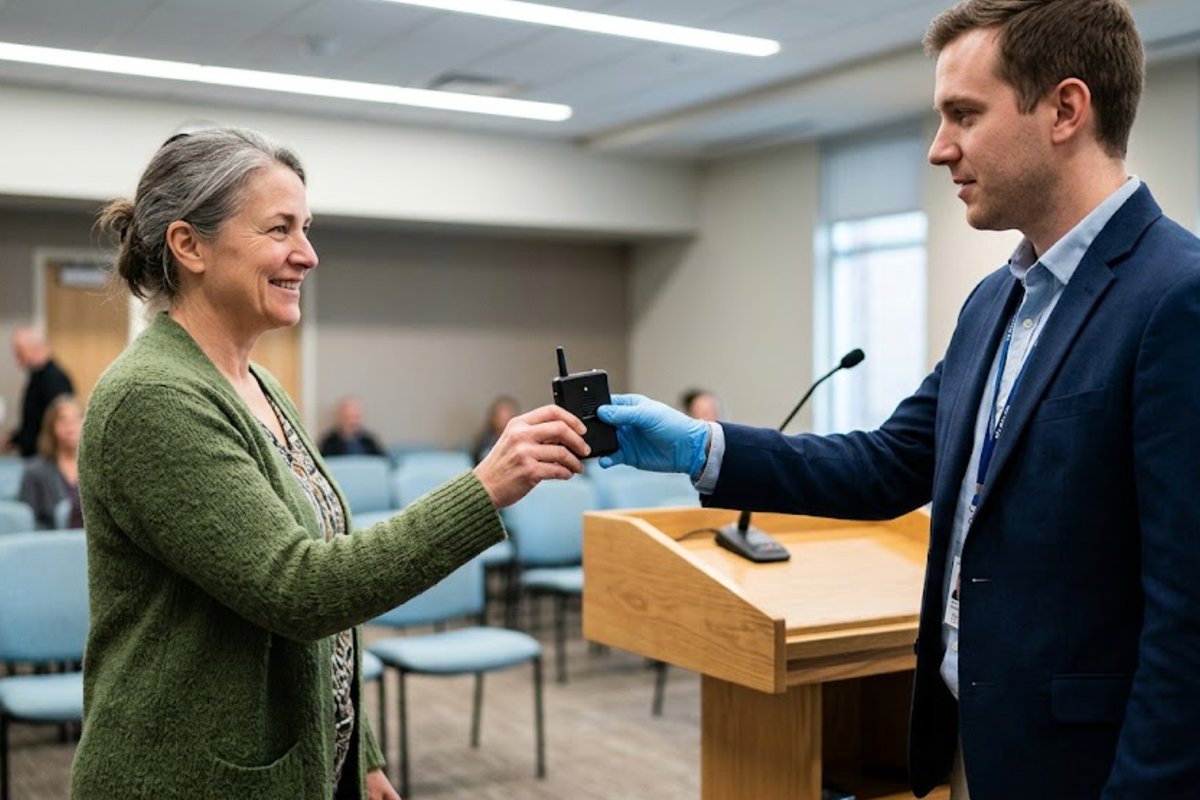
How to manage hygiene? Use disposable ear cushions or disinfect the earpiece modules for reuse.
How many people can it support at once? One system supports 10–200 people; multiple channels can run in parallel without interference.
Will the signal drop out? Stable indoor transmission at 30–100 meters, with strong wall penetration and anti‑interference.
Is it complicated to use? One‑button startup and auto‑pairing — guides learn quickly, and visitors need no operation.
Explanation Is Not Just Sound — It’s the Bridge Connecting People and Knowledge
A science and technology museum has no shortage of content or exhibits. What it needs is a way to make that content truly heard and understood. The wireless tour guide system transforms explanation from a “volume contest” into accurate, gentle, and humane knowledge transmission. It elevates the visitor experience, protects the guide’s voice, and builds a stronger institutional brand.