
.webp)

The Equestrian Tech Shift: Why Professional Riding Instructors Are Replacing Shouting with the RC8860 UHF Tour Guide System
Field Insight: In modern riding arenas, communication has become the limiting factor—not skill, not horses, not facilities. Across multiple training environments, one pattern is clear: when instructions are delivered calmly, precisely, and consistently, both rider performance and horse behavior improve immediately. Raising your voice across a large arena introduces delay, distortion, and stress. A wireless communication system removes all three variables at once.
The global equestrian industry is expanding steadily, driven by increased participation, riding tourism, and professional training demand. Riding schools are scaling operations, hosting more group sessions, and managing riders with very different skill levels simultaneously. In this environment, clear and immediate communication is no longer optional—it is operational infrastructure.
Traditional instruction methods rely heavily on shouting across distances of 30 to 80 meters. This approach creates three consistent problems:
Voice fatigue: instructors lose vocal clarity after several sessions
Delayed correction: riders receive feedback seconds too late
Horse tension: sudden loud cues increase stress and unpredictability
These inefficiencies compound over time, especially in group lessons or large outdoor arenas. A UHF tour guide system directly addresses these constraints by delivering real-time, low-latency voice communication to each rider individually.
Why UHF Systems Are Becoming Standard in Riding Instruction
Unlike consumer Bluetooth devices, UHF systems are engineered for long-range, multi-user environments. In equestrian settings, this difference is critical. Riders move quickly, distances change constantly, and environmental interference—from wind to arena structures—can disrupt weaker signals.
A dedicated system ensures:
Stable transmission across large arenas and outdoor fields
Simultaneous communication with multiple riders
Consistent audio clarity regardless of rider position
Recommended RICH AGE Solutions for Riding Schools
RC8860 – UHF Wireless Teaching System
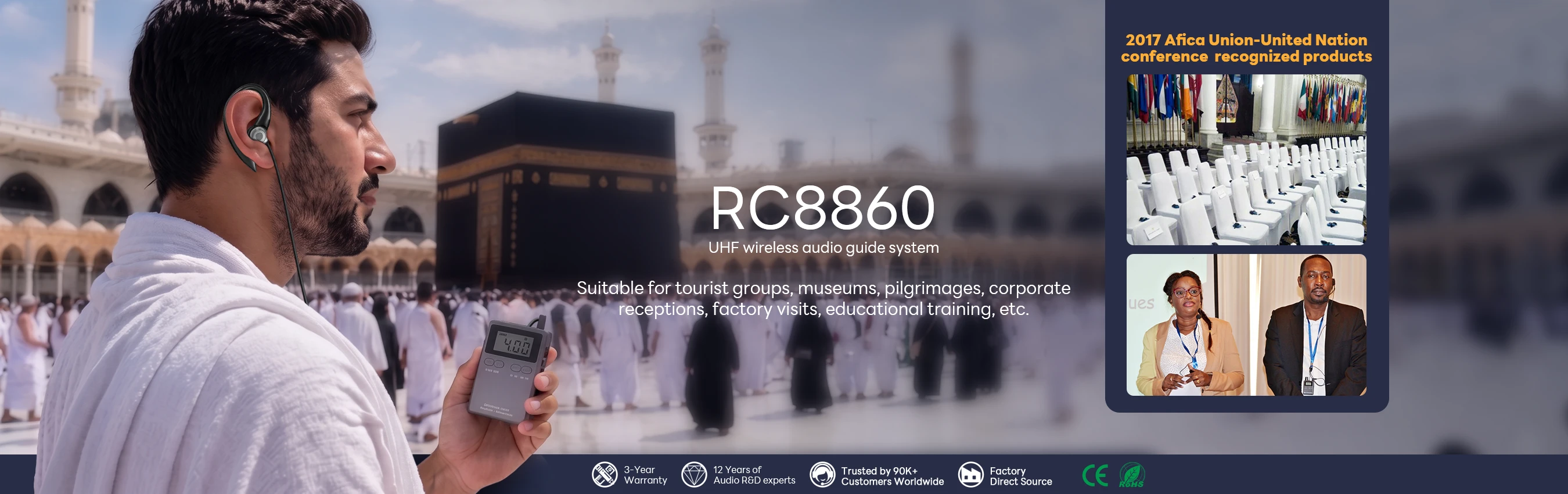
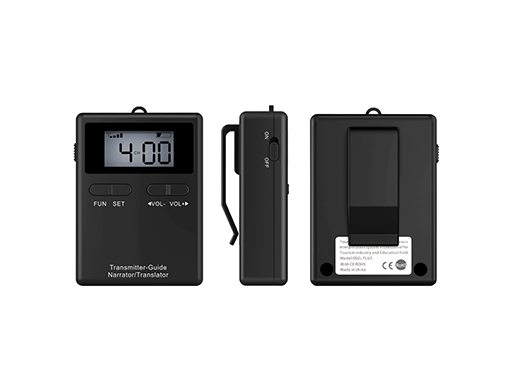
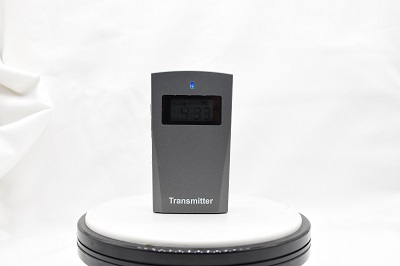
Designed specifically for coaching environments, the RC8860 operates on the 863–865MHz UHF band with 20 selectable channels. Its 200-meter working range supports full arena coverage, including cross-country training zones. Voice transmission remains stable and natural, allowing instructors to speak at a normal volume while riders receive clear, uninterrupted guidance. The lightweight transmitter (59g) and long battery life support continuous daily use without fatigue or interruption.
RC9150 – Multi-Channel System for Large Clinics
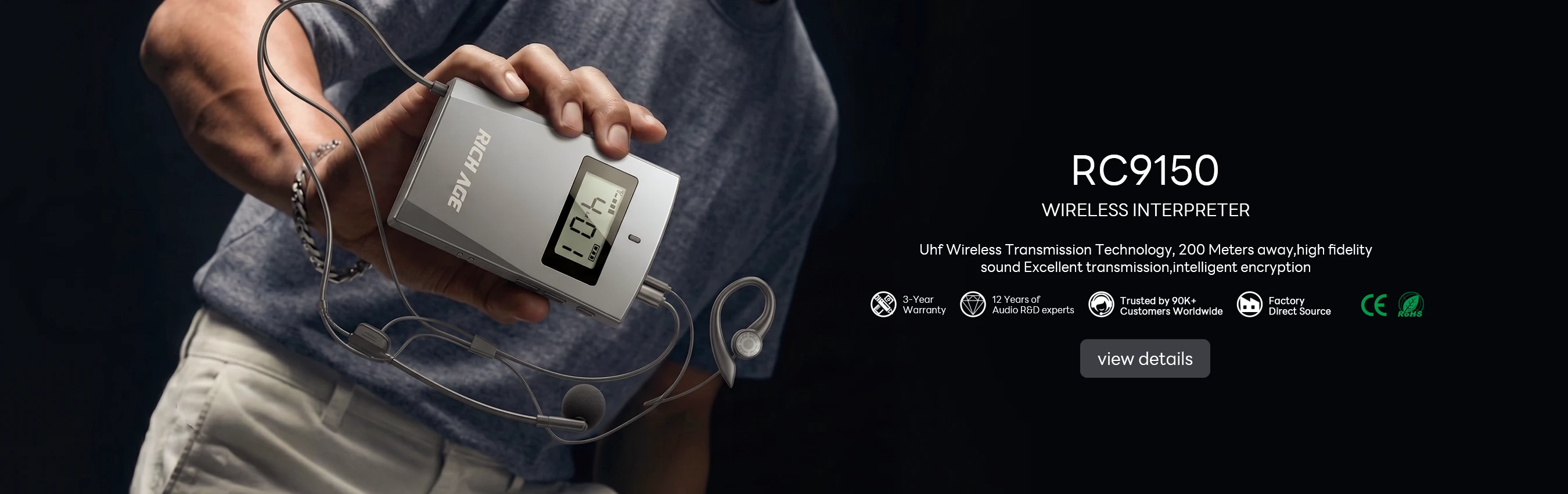
For multi-coach facilities or competitive training events, the RC9150 provides 100 independent channels. This allows several instructors to operate in adjacent arenas without signal overlap. The extended frequency response ensures high-fidelity voice reproduction, which becomes important when delivering precise riding corrections.
RC2402 – Noise-Control Solution for Outdoor Training
Outdoor riding environments introduce wind noise and ambient interference. The RC2402 integrates digital noise reduction (≥25dB), filtering environmental noise while preserving voice clarity. This makes it particularly effective in open fields and coastal training locations.
Operational Benefits Observed by Riding Schools
Facilities that transition to wireless communication systems report immediate improvements in both instruction quality and operational efficiency:
More precise timing of corrections during movement transitions
Reduced repetition of instructions
Lower stress levels in sensitive horses
Improved rider focus and retention of guidance
In group training environments, the impact is even more pronounced. Each rider receives the same instruction at the same moment, eliminating confusion and maintaining session flow. For instructors, this translates into smoother lesson pacing and higher teaching consistency.
Use Cases Across the Equestrian Industry
Wireless tour guide systems are now widely applied across multiple riding disciplines:
Dressage and precision movement training
Show jumping coordination and timing
Cross-country and outdoor schooling
Therapeutic riding programs requiring calm environments
Riding schools with high student turnover
As equestrian training continues to professionalize, communication tools are evolving alongside riding techniques. Clear, immediate instruction is no longer a luxury—it is a competitive advantage.
Explore Solutions:
RC8860 UHF Tour Guide System
RC9150 Multi-Channel System
RC2402 Noise Reduction System