.webp)

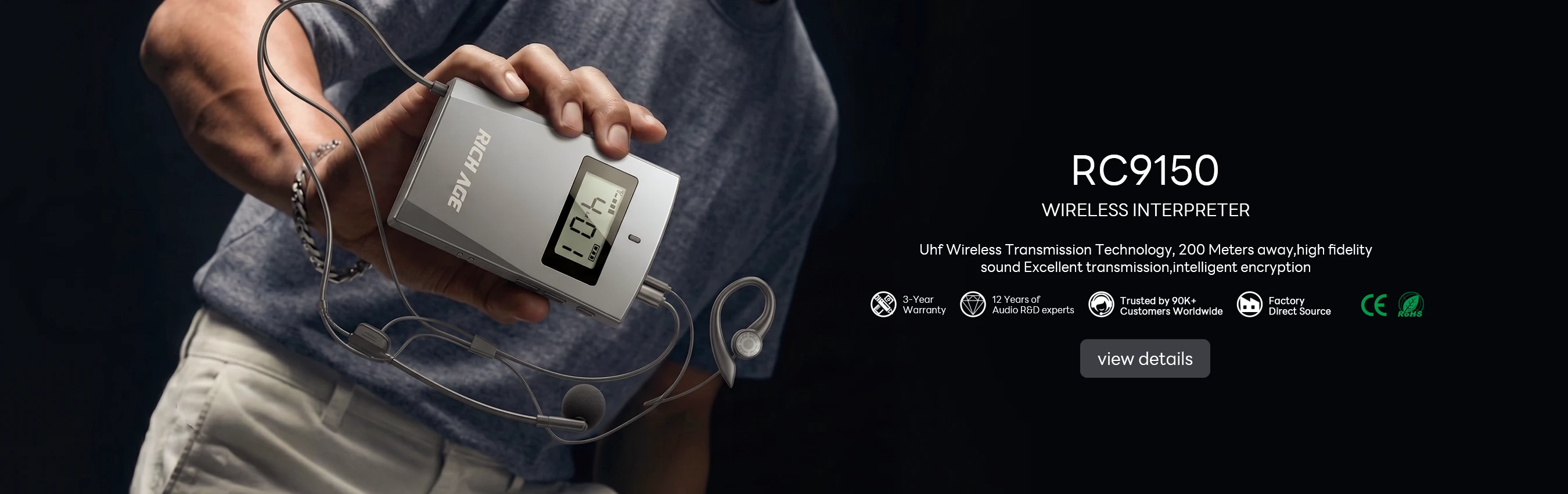
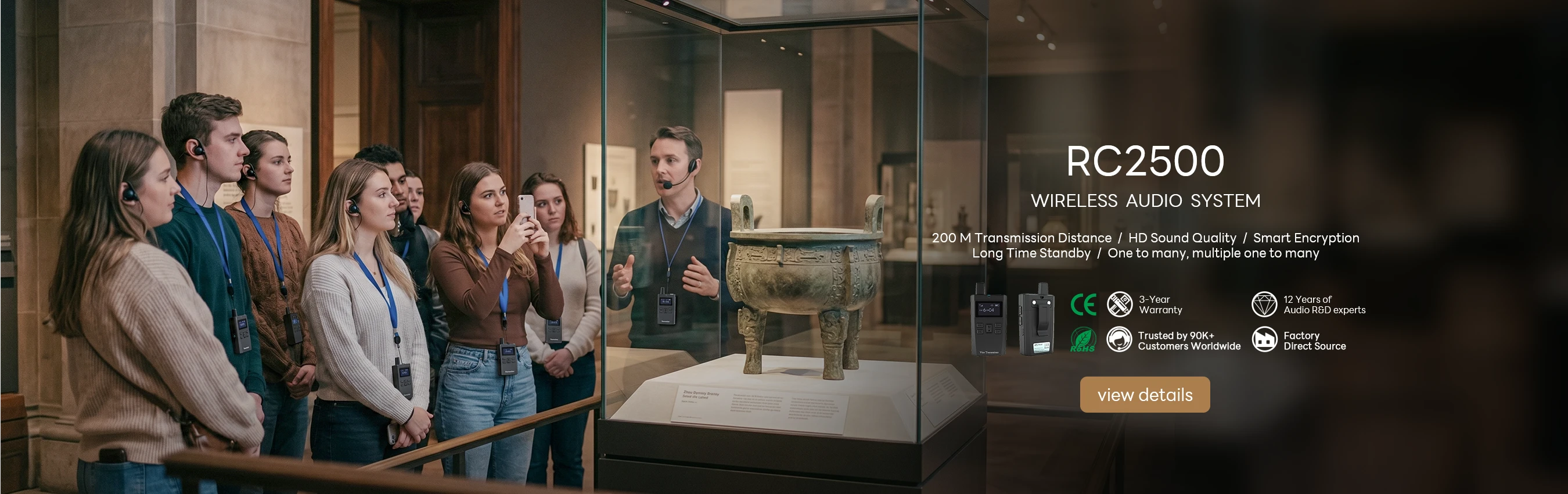
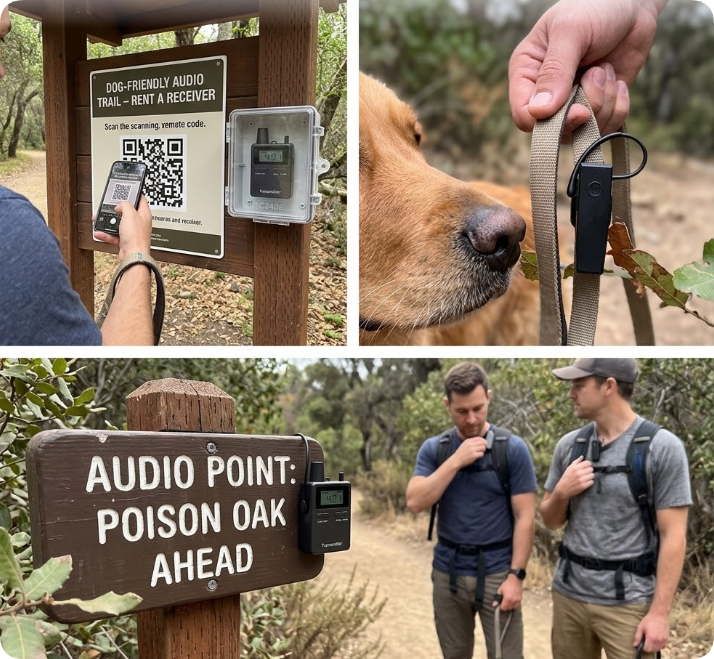
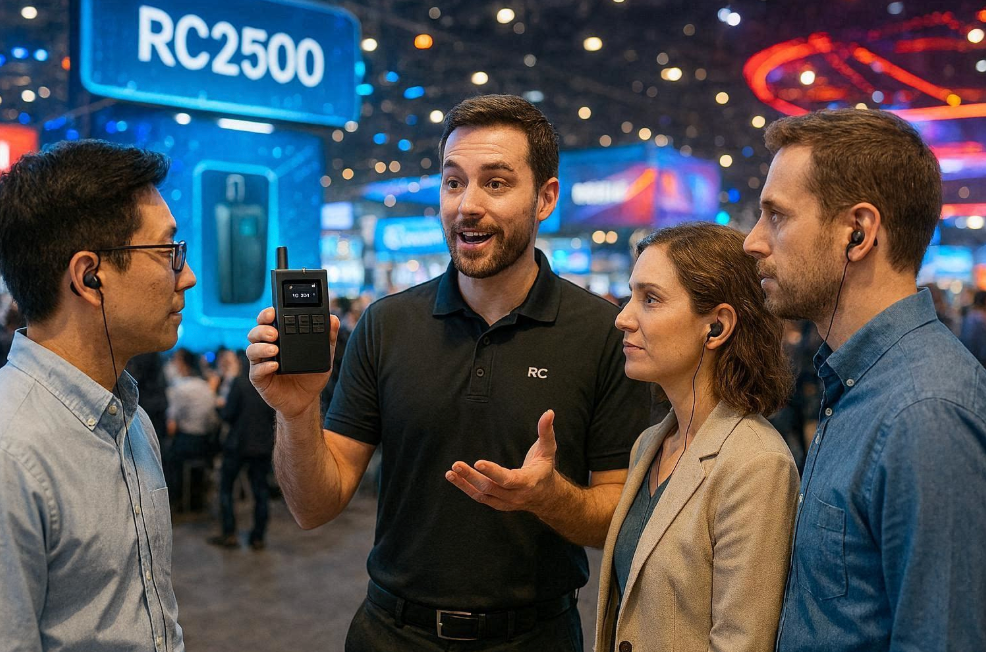
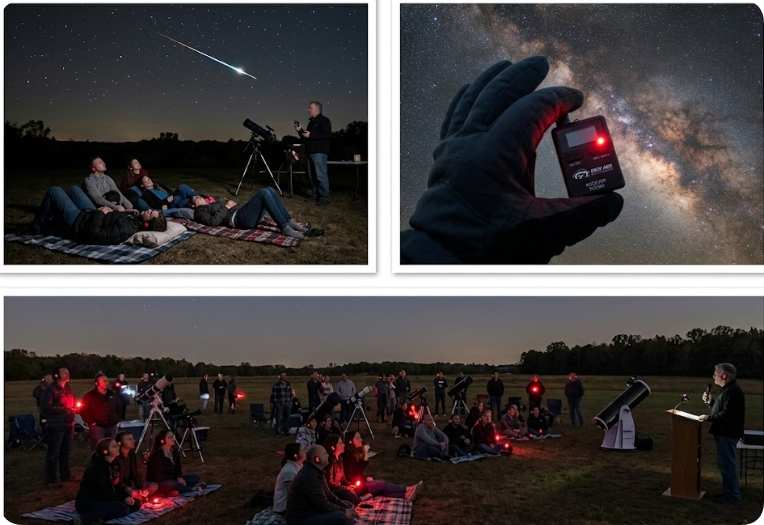
My View: I‘ve been chasing meteor showers for a decade. The best nights are silent — just you, the stars, and the occasional gasp. But the worst nights are when someone brings a speaker. A few years ago, I joined a dark sky event where the astronomer used a portable PA system. His voice echoed across the field, shattering the stillness. Last month, I attended a different event. They handed out RC2500 receivers and used a RC9150 transmitter. The astronomer whispered “look left, bright one coming” into the microphone, and I heard it perfectly. The desert around us stayed silent. That‘s when I realized: astrotourism isn‘t just about dark skies — it‘s about quiet skies too.
Astrotourism & Night‑Time Meteor Shower Commentary (RC9150 & RC2500 & RC2408)
Astrotourism has emerged as one of the fastest‑growing travel segments within the global experiential hospitality sector. As urbanization encroaches on pristine environments, the global astrotourism market is projected to reach an unprecedented $15.4 billion by 2034. International travelers increasingly flock to certified dark sky parks, high-altitude reserves, and remote desert landscapes for meteor shower viewing parties and celestial observations. However, the exact natural features that make these locations so deeply compelling—profound darkness, natural silence, and massive open spaces—are fundamentally incompatible with traditional amplified loudspeakers. Shouting or using public address systems disrupts the serene, contemplative environment that night-sky enthusiasts travel thousands of miles to experience, turning a magical stargazing session into an annoying acoustic distraction.
Deploying a professional Wireless Tour Guide System solves this dilemma for event coordinators. By utilizing specialized whisper-sensitive audio transmitters combined with personal long-range receivers, astronomy guides can share deep cosmic insights without raising their voices. This specialized equipment creates a silent communication channel where attendees receive high-definition, real-time audio commentary right into their headphones, leaving the delicate nighttime ecosystem completely undisturbed.
Acoustic Clarity Under the Stars: The RC9150 Professional Transmitter
The RC9150 is engineered to meet the unique challenges of managing large, dispersed audiences during late-night wilderness events. When coordinating groups spread across vast, unlit fields, reliable signal distribution is critical. This transmitter offers 100 independent channels, enabling multiple viewing groups to operate concurrently within the exact same dark sky park. This multi-channel capability is incredibly valuable for large-scale international gatherings that require simultaneous translations across different language tracks or distinct academic tracks for beginner stargazers and advanced astrophotographers.
To ensure flawless performance in remote locations, the RC9150 features intelligent encryption protocols. This technology prevents signal interference from other local wireless gear, digital telescope mounts, or high-end imaging setups that frequently utilize overlapping radio frequencies. The integrated power cell provides an impressive 15‑hour transmitter battery runtime, easily covering an entire night of observation from sunset twilight through pre‑dawn hours. Furthermore, the internal audio processing hardware delivers premium Hi‑Fi sound quality. This guarantees that the astronomer's emotional nuances, vocal inflections, and spontaneous excitement are translated clearly to the listeners, adding depth to the shared experience when a shooting star cuts across the atmosphere.
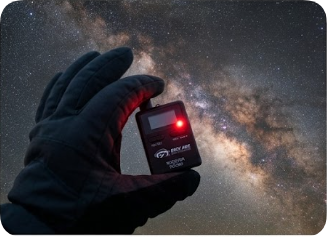
Weatherproof Endurance: The RC2500 High-Power Receiver
Stargazing excursions frequently subject electronic equipment to harsh nocturnal conditions, including dropping temperatures and dense midnight dew. The RC2500 receiver is designed specifically to handle these demanding environments. Featuring an exceptional 40‑hour battery capacity, this workhorse receiver eliminates the logistical worry of hardware failures during long observation sessions or multi-day wilderness star parties.
The rugged exterior housing is rated for a wide temperature range (-15°C to 50°C), ensuring reliable performance during chilly desert winter nights or high-alpine mountain overnighters. Ergonomically, the flexible ear‑hook design sits securely and comfortably over the ear, fitting easily under thick winter beanies, heavy coat hoods, or wide-brimmed hats. A tactile individual volume control allows each guest to independently adjust their personal audio level to balance out ambient sounds like mountain winds, nearby rushing rivers, or distance from the lead presenter.
Signal Security for Massive Gatherings: The RC2408 PLL Receiver
When an event scales up to hundreds of attendees spread across wide geographic zones, signal stability becomes the primary operational priority. The RC2408 receiver provides exceptional reliability for massive public stargazing festivals. It features advanced PLL frequency synthesis technology, which securely locks onto the transmitter's specific broadcast frequency. This prevents signal dropouts or drift, even in radio-frequency-dense environments where multiple guides are operating, or where high-power laser pointers and electronic tracking mounts are active.
Equipped with a long-lasting 40-hour power cell, the RC2408 handles long multi-day weekend retreats with ease. A thoughtful detail for astrotourism applications is the integrated red‑only indicator light. Standard white or blue LED status lights can instantly ruin a human eye's dark adaptation, which takes up to thirty minutes to develop. By utilizing low-intensity red wavelengths, the receiver allows users to check device connectivity without disrupting their personal night vision or bothering neighboring observers.
Case Study: Silent Success at a Utah Dark Sky Park
The practical value of integrating silent audio solutions is clearly shown by real-world deployments in major conservation areas. A celebrated dark sky park located in Utah recently integrated the RC9150 and RC2500 system combination into its public education programming. During a recent Perseids meteor shower viewing event, the facility hosted over 300 registered guests simultaneously. The lead astronomer stood comfortably at a central observatory station, speaking softly into a whisper-sensitive headset microphone.
The hundreds of families in attendance spread out across a 200-meter field area, lying on blankets and looking upward while wearing their individual ear-hook receivers. When a brilliant fireball cut across the upper atmosphere, the astronomer simply whispered, “Bright fireball emerging at 10 o‘clock high,” and the entire crowd looked and witnessed it together. The natural quiet of the canyon remained completely intact, broken only by collective gasps of delight. A senior park ranger noted: “Our attendance metrics have grown consistently every season since we replaced our old PA speakers with wireless audio technology. Our visitors travel out here for the stars, but they fall in love with the absolute silence.”
Versatility Across Nighttime Eco-Tourism and Wilderness Workshops
The benefits of a low-profile, long-range wireless audio broadcast network extend well beyond standard meteor watching parties. Professional tour agencies, nature reserves, and luxury eco-lodges deploy this hardware setup to elevate a wide range of nighttime activities:
Aurora Borealis Expeditions: Guiding arctic tour groups across snowy sub-zero terrains in Alaska or Scandinavia, providing clear commentary while guests stay bundled up in heavy thermal hoods.
Total Solar Eclipse Viewing Gatherings: Broadcasting real-time scientific contact timing data and eye-safety reminders to massive crowds spread across large outdoor viewing zones.
Hands-On Telescope Workshops: Allowing instructors to explain optical adjustment steps and coordinates to students working in the dark across a field without shouting.
Nocturnal Wildlife Safari Treks: Conducting guided night-walks to spot rare wildlife, keeping human voices low to avoid scaring away animals or disrupting their behavior.
System Specifications: Comparing Astrotourism Receivers
| Performance Metrics | RC2500 High-Power Receiver | RC2408 Enhanced Stability Receiver |
|---|---|---|
| Battery Lifespan | Up to 40 hours continuous use | Up to 40 hours continuous use |
| Signal Lock Technology | Standard high-power RF connection | Advanced Phase-Locked Loop (PLL) Synthesis |
| Light Emission Control | Standard status LED indicator | Night-vision safe red wavelength LED |
| Primary Field Setting | Cold mountain treks, remote desert tours | Massive star festivals, RF-heavy camp locations |
Why this professional hardware combination is essential for nighttime operations: Long-lasting battery cells ensure dependable, all-night performance under freezing conditions. High input sensitivity allows guides to communicate effectively using quiet whispers, preserving the natural peace of the environment. The expansive channel selection accommodates multi-lingual groups easily, while robust signal synthesis prevents dropouts around electronic astronomy equipment. Additionally, specialized red indicators protect critical night vision throughout the event.
Actionable advice for dark sky park administrators and astrotourism operators: Your visitors travel to your events for two primary reasons: to witness the majesty of the cosmos and to connect with the story behind it. Do not let loud speakers or crackling megaphones break the spell of a starry night. Transitioning to a professional wireless audio system is an immediate, impactful asset upgrade that preserves natural silence while delivering an intimate, unforgettable educational experience for every guest.
Commercial Equipment Procurement Details: RC9150 100-Channel Master Transmitter, RC2500 High-Power Receiver, RC2408 Night-Vision Safe Receiver Unit.
Discover professional eco-tourism solutions on our specialized product channels:
Wireless Tour Guide System |
RC9150 details |
RC2500 details |
RC2408 details