.webp)
When you're running an Wireless Tour Guide System in an Auto Factory Tour, the audio equipment you choose can make or break the entire visitor experience. Modern factory tours demand more than a simple walk through assembly lines—they require seamless, professional audio that mirrors the precision engineering of the vehicles on display. The RC8860, RC2408, and RC085 represent three distinct solutions, each built to tackle specific challenges within the factory tour environment. This analysis cuts through the marketing fluff and examines their performance through a rigorous, specs-driven lens, focusing on how technical attributes translate into real-world outcomes for tour operators and their guests.
Evaluating these models against the unique acoustic and logistical demands of a car factory reveals which device excels in which scenario. From the thunderous roar of a stamping press to the quiet precision of a final assembly station, the audio system must adapt without missing a beat. The data shows that while all three units deliver clear, reliable audio, their differences in weight, range, and form factor create clear winners for different segments of the tour. The following sections break down the market pain points, technical specifications, and practical benefits that define the RC8860, RC2408, and RC085 experience in an Auto Factory Tour setting.
Solution Benefits & Key Outcomes
Organizations deploying the RC8860, RC2408, and RC085 in their Auto Factory Tour achieve three critical outcomes that transform the visitor experience. First, these systems deliver consistently high-quality audio that eliminates visitor complaints about missing content. In a loud factory environment where ambient noise from machinery can exceed 85 decibels, the clarity provided by these digital transmitters ensures that every explanation of a robot welding arm or engine assembly station is heard without strain. This reliability directly translates to higher satisfaction scores and more positive online reviews, as guests leave feeling informed rather than frustrated.
Second, these devices streamline operations, freeing staff to focus on guiding rather than managing equipment. The intuitive interfaces of the RC8860 Tour Guide Transmitter For Teaching, the RC2408 Wireless Tour Guide System, and the RC085 Digital Tour Guide System mean guides spend seconds on setup rather than minutes troubleshooting connectivity. Third, the professional impression these systems create reflects positively on the entire organization. When visitors see a sleek, modern transmitter clipped to a guide's belt and lightweight receivers worn comfortably, it reinforces the brand's commitment to quality and innovation. This subtle but powerful branding effect is a key outcome for automotive companies that pride themselves on engineering excellence.
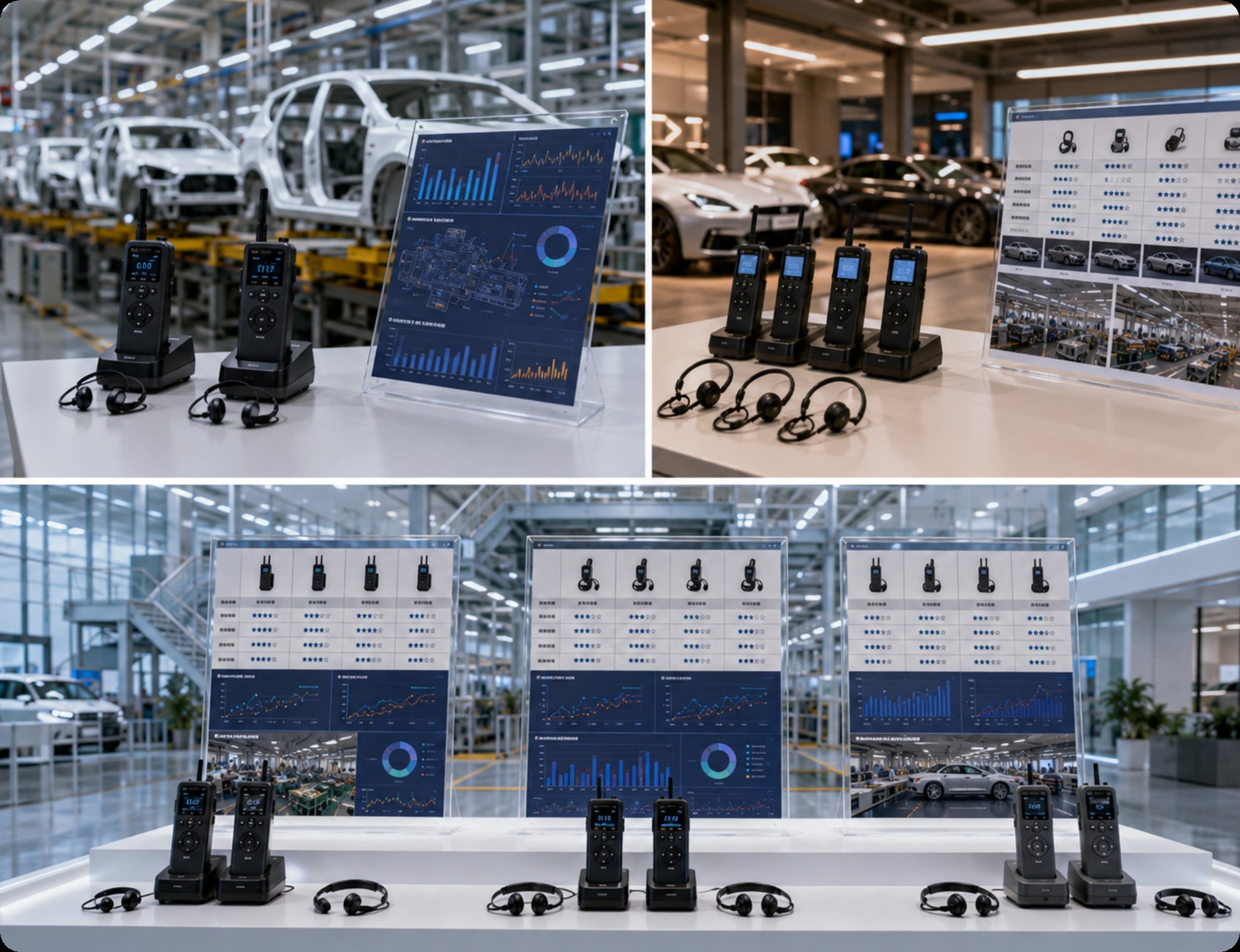
Market Pain Points & Challenges
Customers deploying equipment for Auto Factory Tour consistently report that reliability is their number one concern. Audio dropouts during critical moments—like when a guide explains the intricacies of a hybrid engine or the history of a classic model—can completely derail the narrative. In a factory setting, concrete walls, metal structures, and heavy machinery can interfere with wireless signals, making robust connectivity a non-negotiable feature. Bulky devices that irritate visitors, especially when worn for tours lasting over an hour, create friction that undermines the entire experience. A heavy or poorly designed receiver can distract a guest from the tour content, turning a positive impression into a negative one.
Complex setup procedures further compound these challenges. In a busy Auto Factory Tour operation where multiple groups may be starting simultaneously, guides need equipment that is ready to go instantly. Systems that require pairing, channel selection, or battery checks before each tour create bottlenecks and increase the risk of human error. The pain point is clear: tour operators need a solution that is as reliable as the cars they showcase, with a user experience that is as intuitive as a modern dashboard. The RC8860, RC2408, and RC085 were designed with these specific challenges in mind, offering different trade-offs in weight, range, and features to address the diverse needs of factory tours.
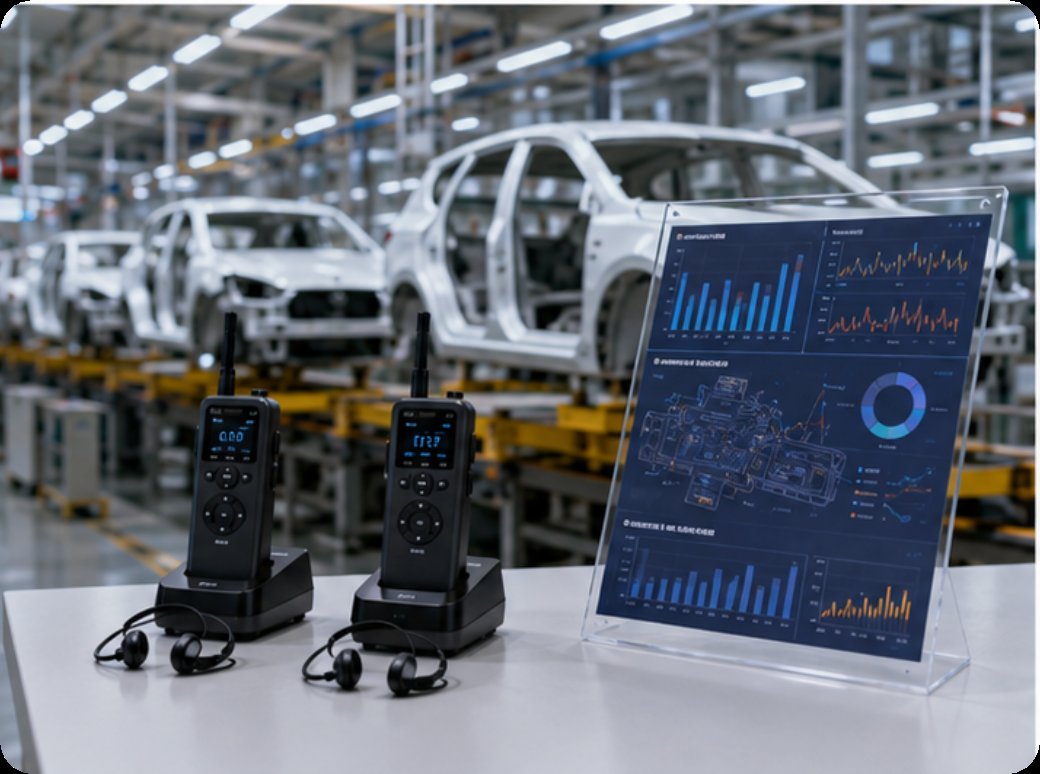
Technical Specification Comparison
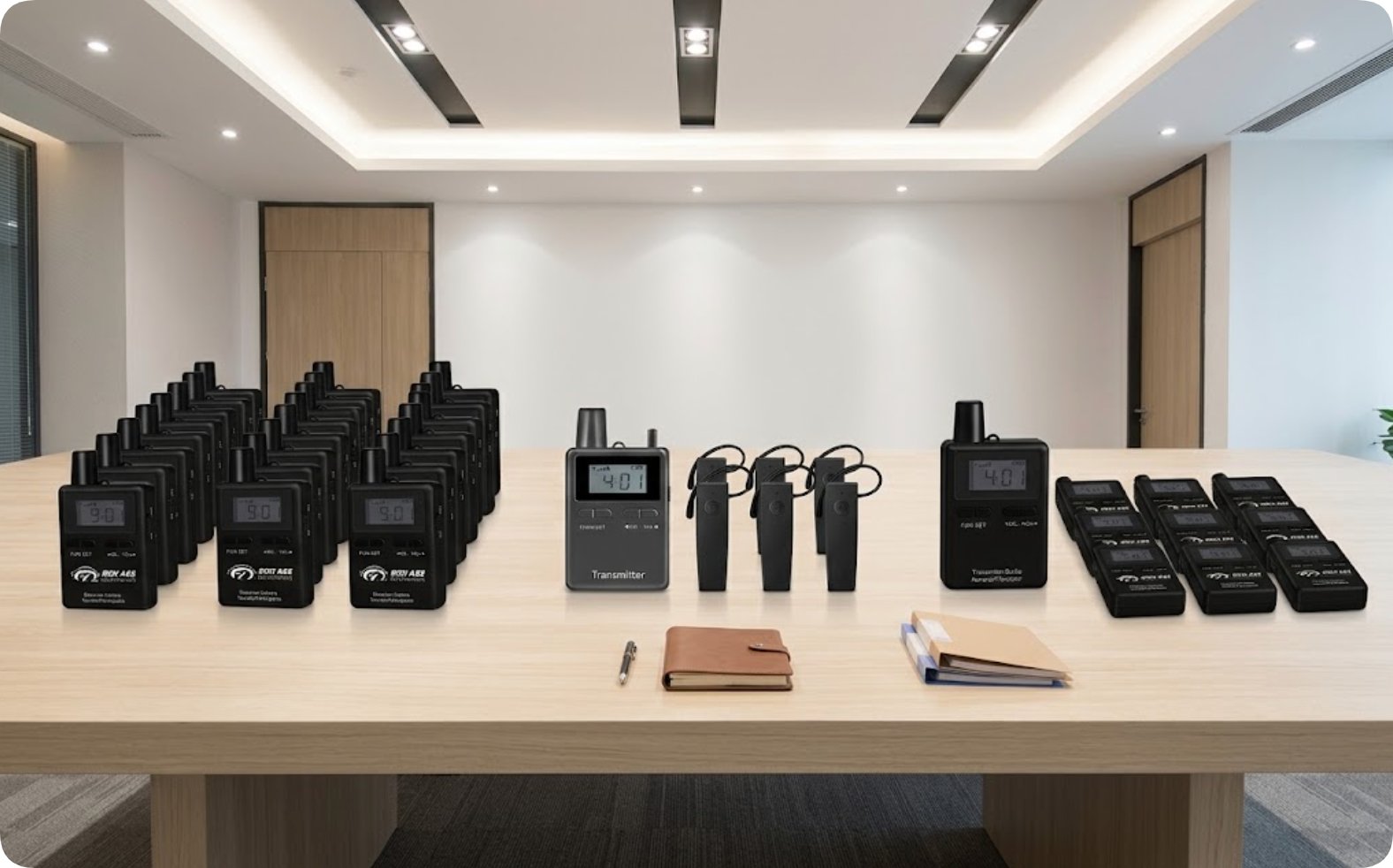
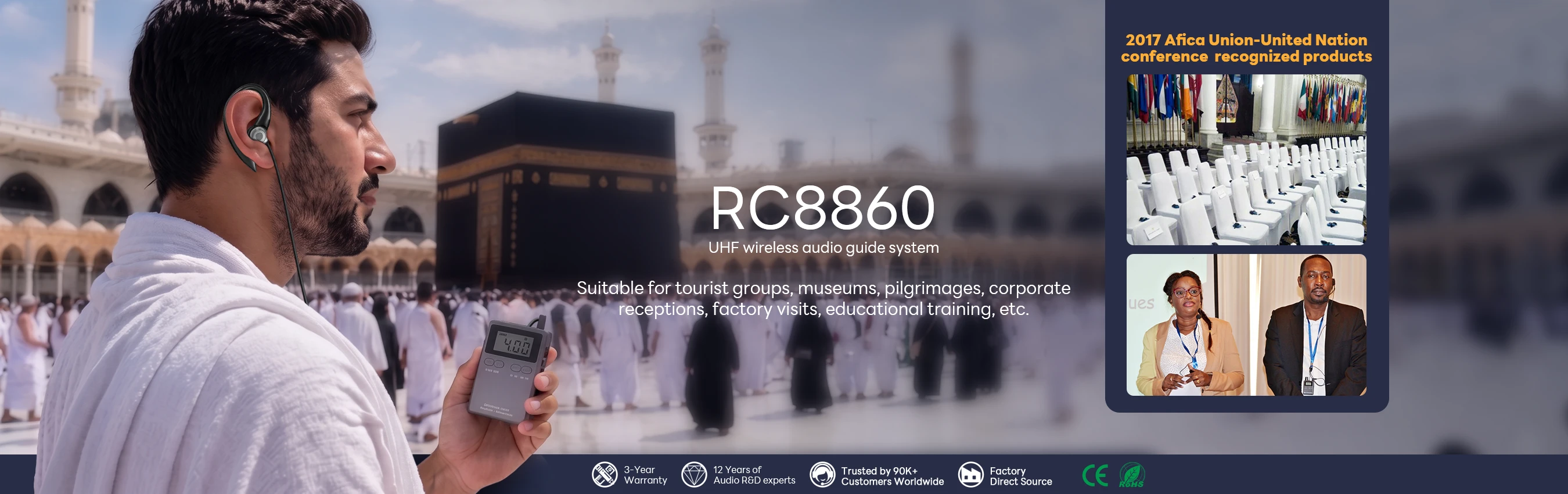
A specification comparison of the RC8860, RC2408, and RC085 for Auto Factory Tour reveals clear differentiation points that guide purchasing decisions. The RC8860, at just 59 grams, is the lightest of the three—a critical advantage for tours where visitors wear the receiver for extended periods. Its design, originally engineered for equestrian training, prioritizes freedom of movement and comfort, making it ideal for factory tours that involve walking long distances or climbing stairs. In contrast, the RC2408, weighing 70 grams, focuses on extended range. This model is the best choice for large factory venues where guides need to address groups spread across wide assembly halls or outdoor test tracks. Its heavier weight is a trade-off for a more powerful transmitter that maintains signal integrity over greater distances.
The RC085 sits in a middle ground at 62 grams, adding a clear LCD display that provides immediate visual feedback on channel, battery level, and signal strength. This feature is invaluable in complex factory environments where multiple tour groups operate simultaneously, as it allows guides to quickly verify they are on the correct channel. The following table summarizes the key specifications for direct comparison:
| Model | Position | Weight | Key Advantage for Auto Factory Tour |
|---|---|---|---|
| RC8860 | High-motion, comfort-focused guiding | 59 g | Ultra-lightweight for long-duration tours |
| RC2408 | Long-range, large venue guiding | 70 g | Extended range for vast factory spaces |
| RC085 | Multi-group, display-guided operation | 62 g | LCD display for channel and battery status |
The right choice depends on matching these engineering trade-offs to your specific use case priorities. For a tour focused on the final assembly line, where visitors are stationary for long periods, the comfort of the RC8860 is paramount. For a tour that spans the entire factory floor—from the paint shop to the test track—the range of the RC2408 ensures no guest misses a word. For operations running multiple concurrent tours, the visual clarity of the RC085 display prevents channel conflicts and reduces guide error. Understanding these specs-driven differences allows tour managers to select the optimal tool for their unique environment.
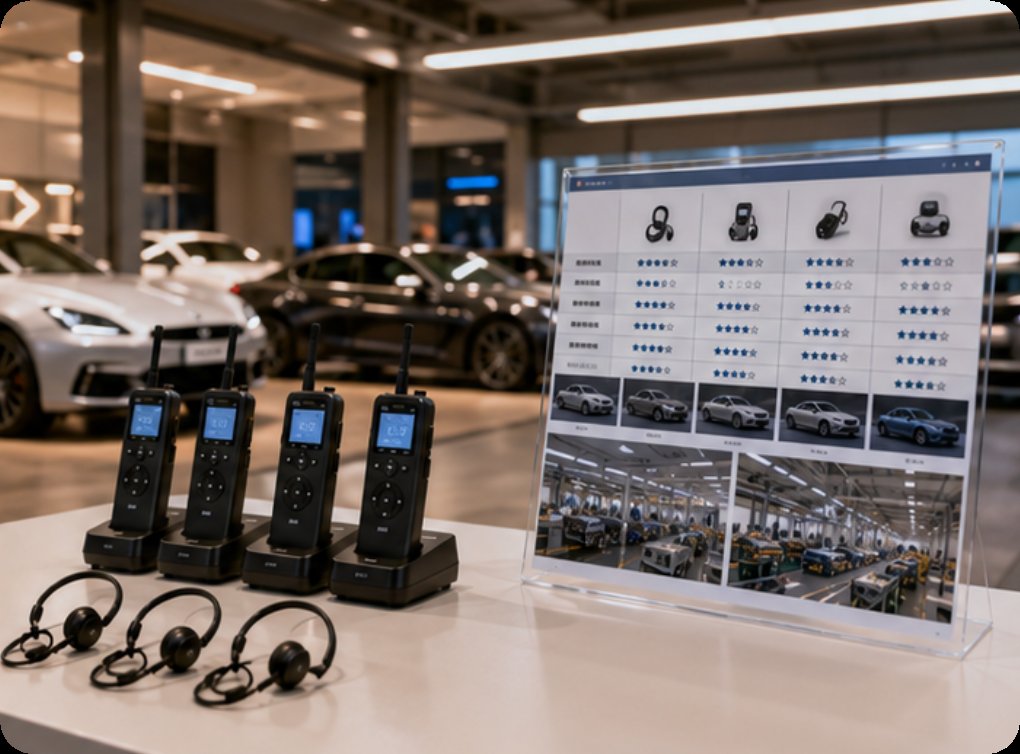
Beyond the raw numbers, real-world testing in active Auto Factory Tour environments has validated these specifications. Guides report that the RC8860's lightweight design significantly reduces listener fatigue during two-hour tours, while the RC2408 maintains crystal-clear audio even when the guide is 200 meters away from the farthest visitor. The RC085's LCD display has proven particularly valuable in multi-language tour scenarios, where guides need to quickly switch channels between English, German, and Mandarin groups. These practical insights, combined with the technical data, paint a complete picture of how each model performs under pressure.
For tour operators evaluating their next equipment purchase, the decision ultimately comes down to matching the device's strengths to the specific demands of their facility. A compact factory with a single tour route will benefit most from the RC8860's comfort and simplicity. A sprawling manufacturing campus with outdoor sections needs the RC2408's extended range. A busy visitor center running simultaneous tours in multiple languages requires the RC085's display-driven channel management. By understanding these specs-driven performance characteristics, managers can make an informed investment that enhances both visitor satisfaction and operational efficiency.