
.webp)
Imagine walking into a campus tour environment where everything runs smoothly—smooth, efficient operations where every team member has what they need. That is the experience RC2408, RC8860, and RC2501 are designed to deliver. In the demanding setting of a university campus, where tours run back-to-back across sprawling grounds, the longevity and reliability of your Wireless Tour Guide System directly impact visitor satisfaction and staff productivity. This implementation walkthrough focuses on the practical maintenance and care strategies that keep RC2408 long-range transmitters and RC8860 coaching systems performing at their peak, ensuring every campus visit is as seamless as the first.
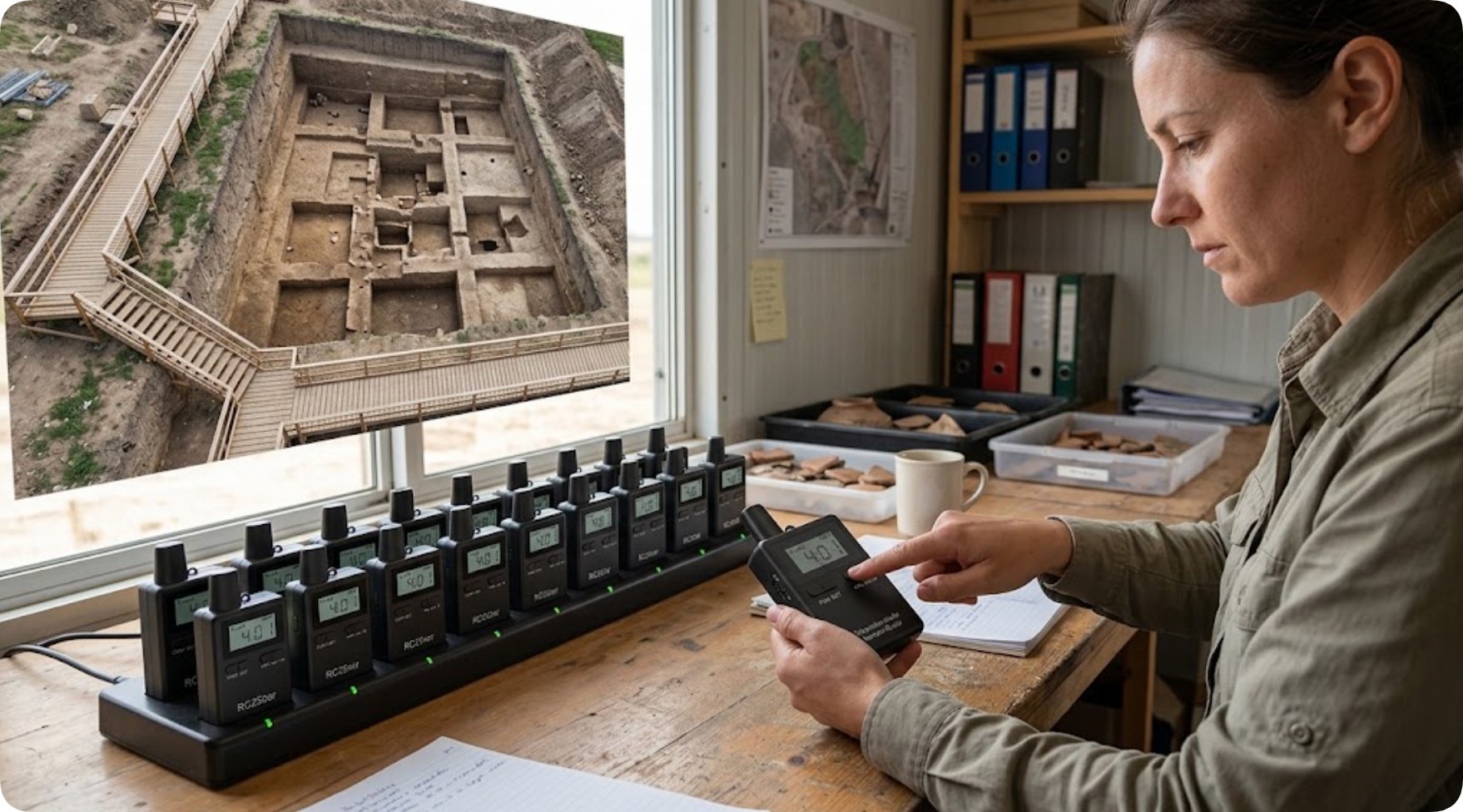
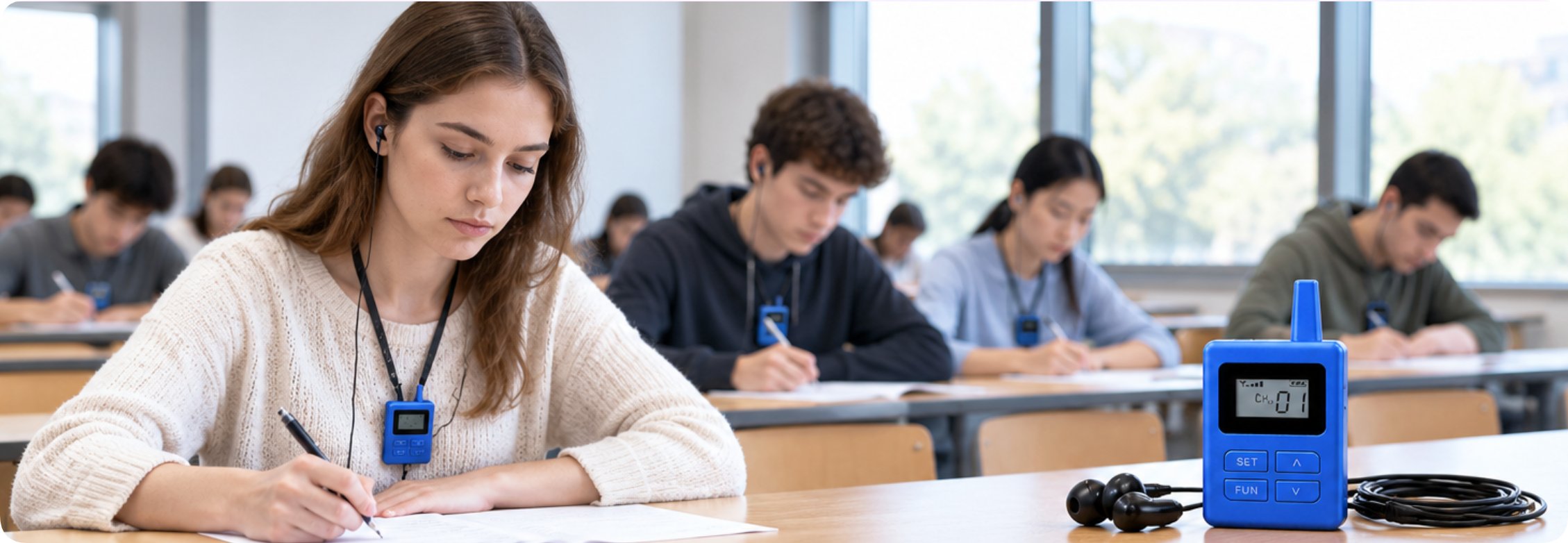
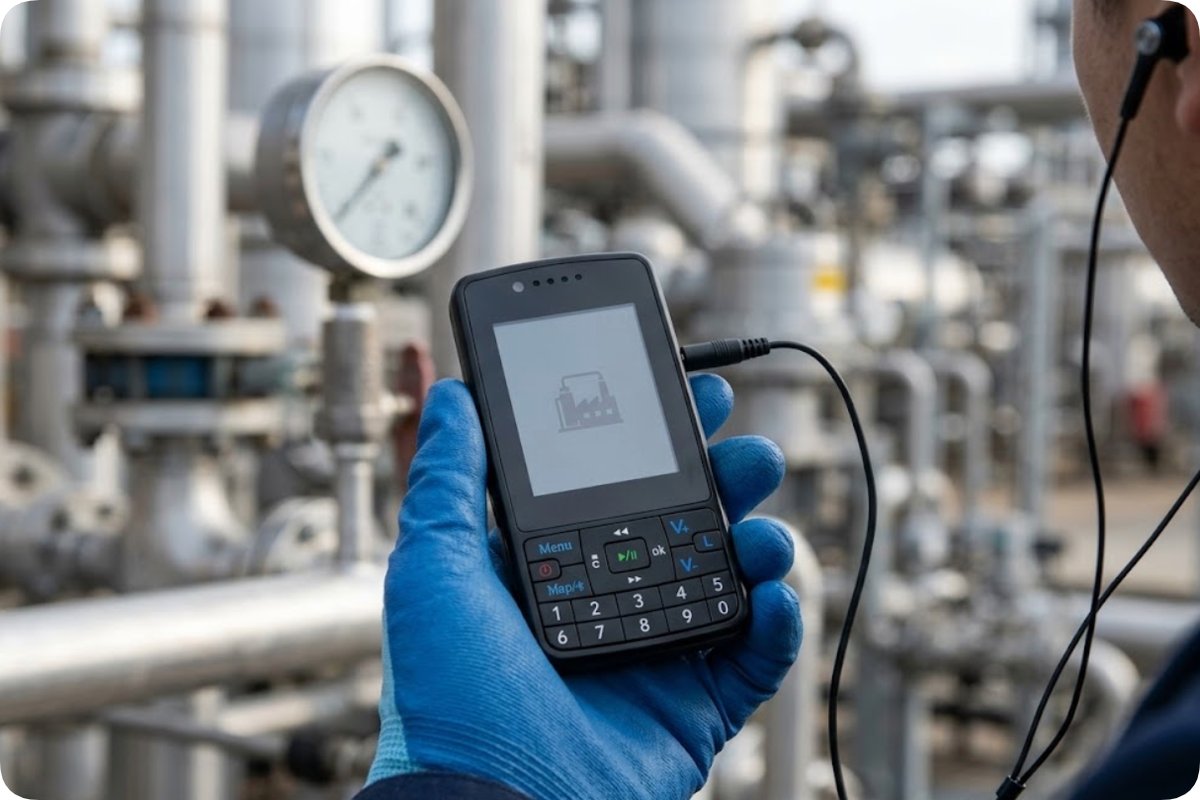
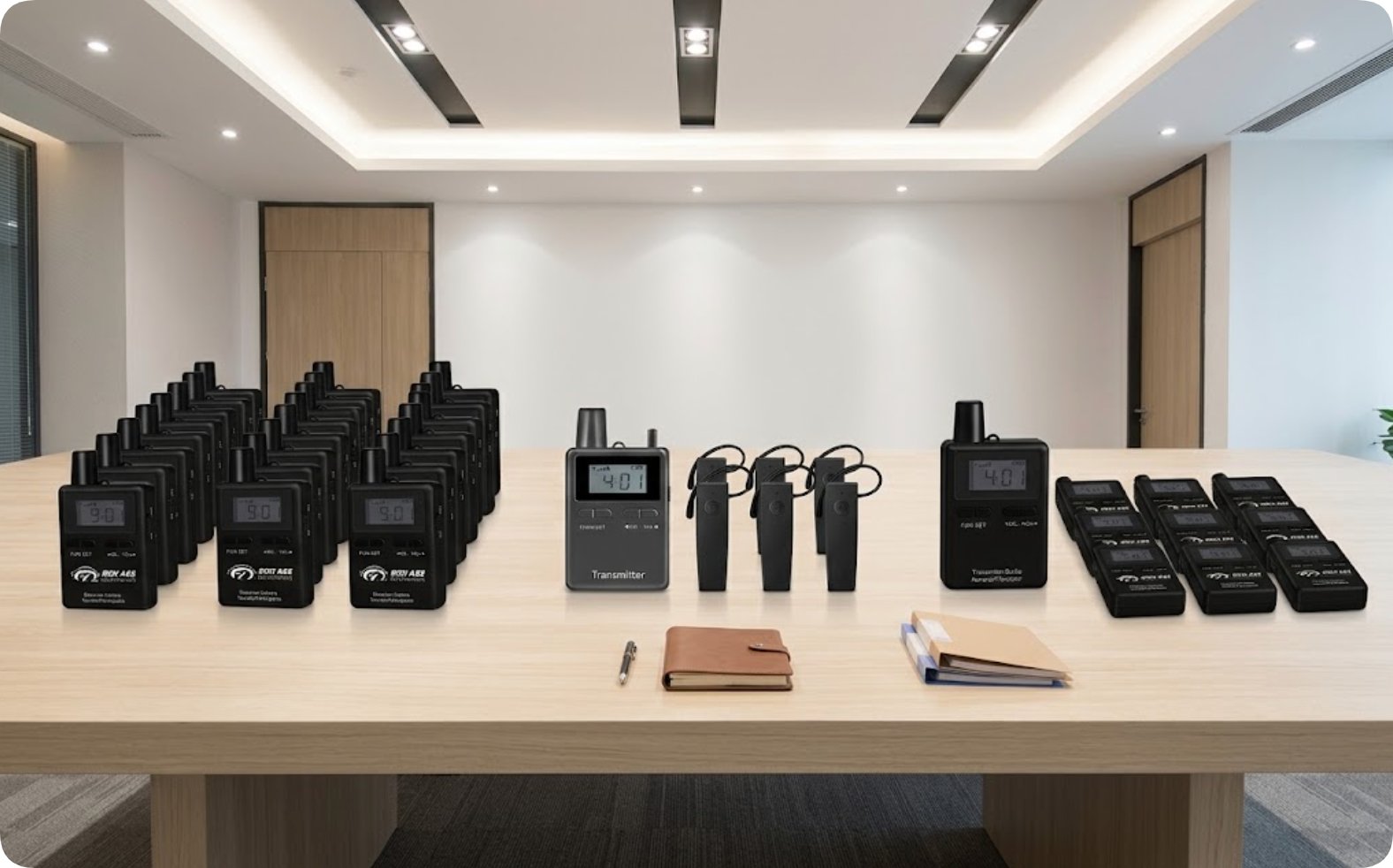
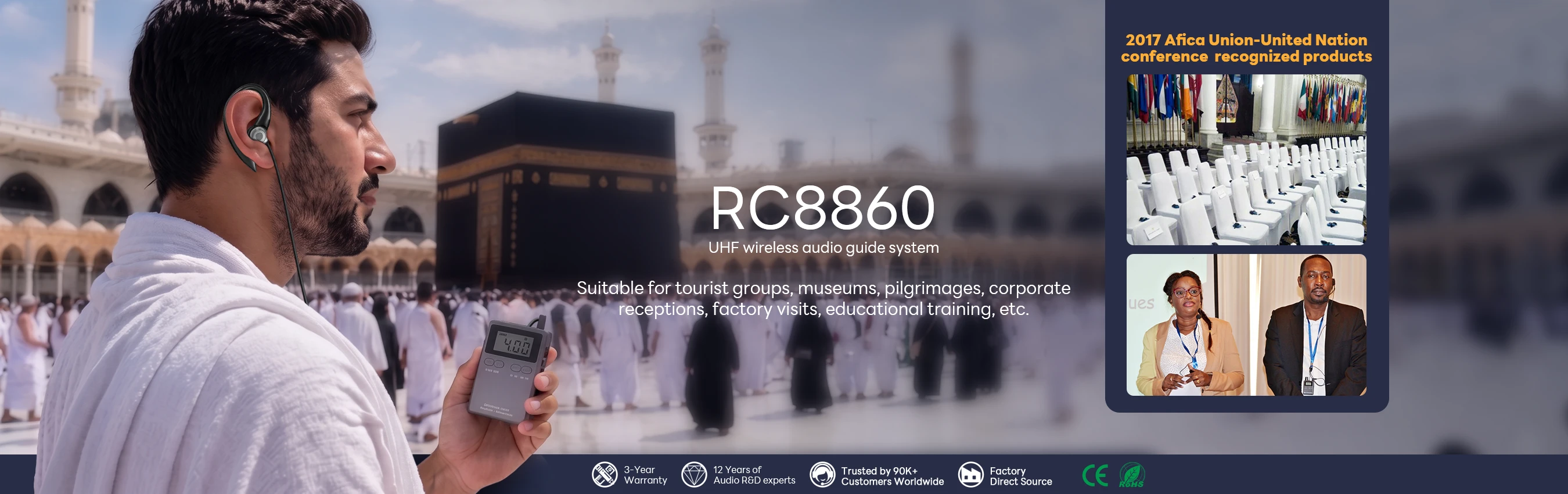
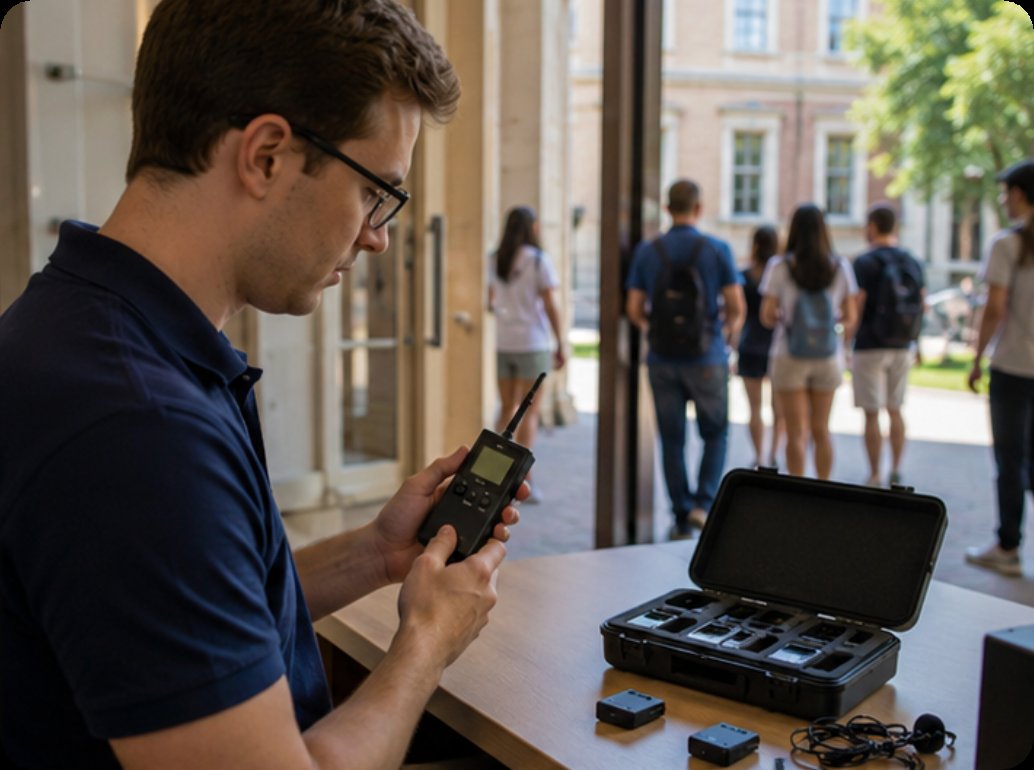
Understanding the specific wear patterns of each device allows campus tour managers to create targeted maintenance schedules. The RC2408 Wireless Tour Guide System, with its extended range capability, is often used for outdoor portions of the tour where signal penetration and battery longevity are critical. Meanwhile, the RC8860 Tour Guide Transmitter For Teaching, originally designed for high-motion environments like equestrian training, brings rugged durability to active campus guides who move quickly between buildings. The lightweight RC2501 Wireless Tour Guide System headphones serve as the primary visitor interface, requiring careful hygiene and storage protocols. By integrating these three models into a unified maintenance plan, universities can reduce equipment downtime and extend the operational life of their investment.
Solution Benefits and Key Outcomes
Deploying RC2501, RC8860, and RC2408 in campus tour operations delivers measurable improvements across multiple dimensions. Visitors enjoy clearer audio and a more immersive experience. Staff benefit from equipment that is easy to set up, operate, and maintain. Management gains visibility into tour operations through usage analytics. The combined result is a more professional, efficient, and enjoyable campus tour operation.
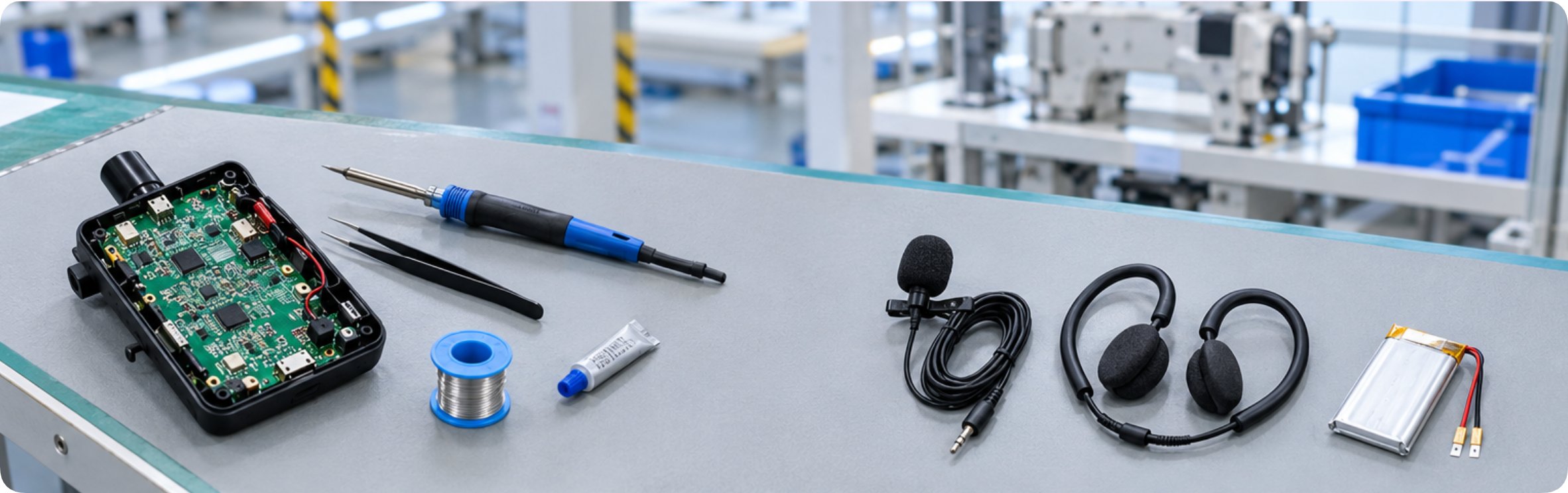
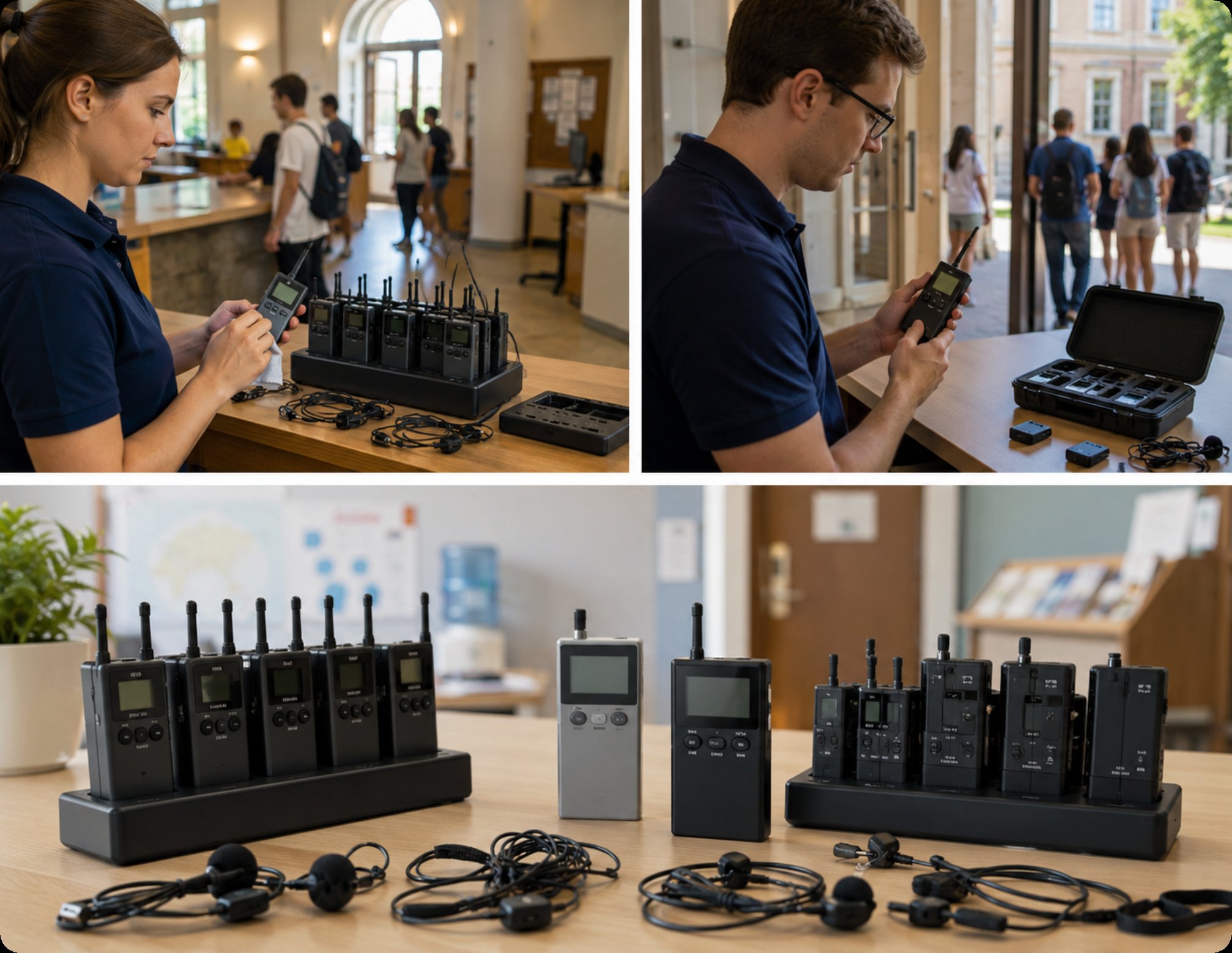
From a maintenance perspective, the modular design of these systems simplifies routine care. The RC2408 transmitter features a durable casing and easily replaceable battery packs, allowing tour coordinators to swap units between tours without specialized tools. The RC8860's clip-on form factor and reinforced connectors withstand the rigors of daily handling, while the RC2501 headphones use standard earpiece covers that can be sanitized or replaced between groups. These design choices translate directly to lower total cost of ownership and reduced maintenance labor hours for campus facilities teams.
🎯 Step-by-Step Implementation Guide
Deploying RC2501, RC8860, and RC2408 in campus tour follows a straightforward process. Start by assessing your coverage area and identifying potential interference sources. Next, configure your transmitter and test signal strength across your route. Then distribute receivers and conduct a brief orientation with your guiding team. Finally, run a full walkthrough to validate performance before the first scheduled tour.
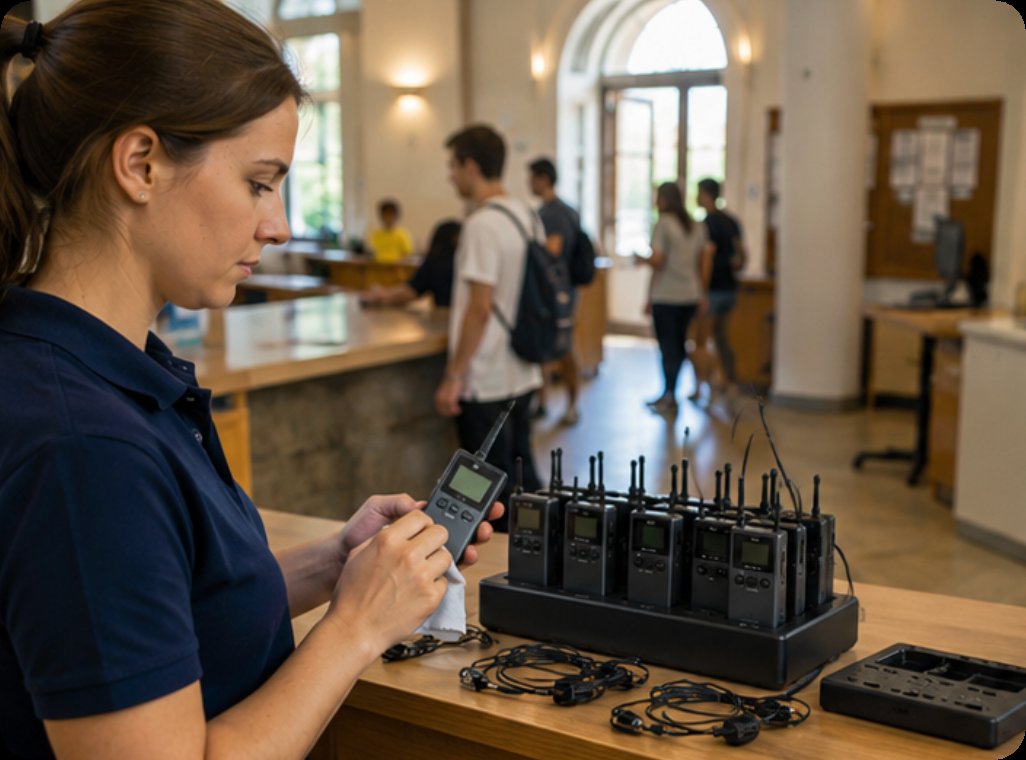
The maintenance component of this deployment is equally structured. Begin by establishing a daily inspection checklist: verify battery contacts are clean, check antenna connections for tightness, and inspect earpiece foam for wear. For the RC8860 units used in active guiding scenarios, pay special attention to the belt clip mechanism and the charging port covers. The RC2408 long-range transmitters should have their frequency settings logged and verified weekly, as environmental changes on campus—such as new construction or temporary event equipment—can introduce interference. Store all units in ventilated, temperature-controlled cabinets to prevent battery degradation and moisture accumulation.
Market Pain Points and Challenges
A recent survey of campus tour professionals highlights three recurring themes: the need for whisper-quiet operation in sensitive environments, the challenge of maintaining clear audio across large or noisy spaces, and the frustration of training staff on complicated legacy systems. These pain points directly influence maintenance priorities. For example, maintaining whisper-quiet operation requires regular cleaning of microphone windscreens and earpiece meshes on the RC2501 units to prevent audio distortion from accumulated debris.
Addressing audio clarity across large campus spaces demands that the RC2408 transmitters undergo periodic range testing and channel recalibration. The RC8860's robust design helps mitigate the third challenge—staff training—by offering intuitive controls and consistent button layouts across the system. However, even the most user-friendly equipment requires that maintenance logs be kept accessible and that spare batteries are always charged and ready. By anticipating these challenges, campus tour managers can implement preventive maintenance schedules that minimize disruptions and keep the tour experience consistently excellent.
Product Specifications Comparison
| Model | Position | Weight | Product Link |
|---|---|---|---|
| RC2501 | Translation headphones for church / silent tour | 48 g | View Product |
| RC8860 | Equestrian training and high-motion outdoor coaching | 59 g | View Product |
| RC2408 | Long-range wireless tour guide system | 70 g | View Product |
By integrating these specifications into your maintenance planning, you can allocate resources appropriately. The lighter RC2501 and RC8860 units, weighing 48g and 59g respectively, are ideal for daily carry and frequent handling, while the 70g RC2408 offers the extended battery and range capabilities needed for larger campus tours. Each model's weight and design inform its cleaning frequency, storage requirements, and replacement part availability. A well-maintained fleet of these three models will consistently deliver the clear, reliable audio that defines a professional campus tour experience, allowing your guides to focus on storytelling and visitor engagement rather than equipment troubleshooting.