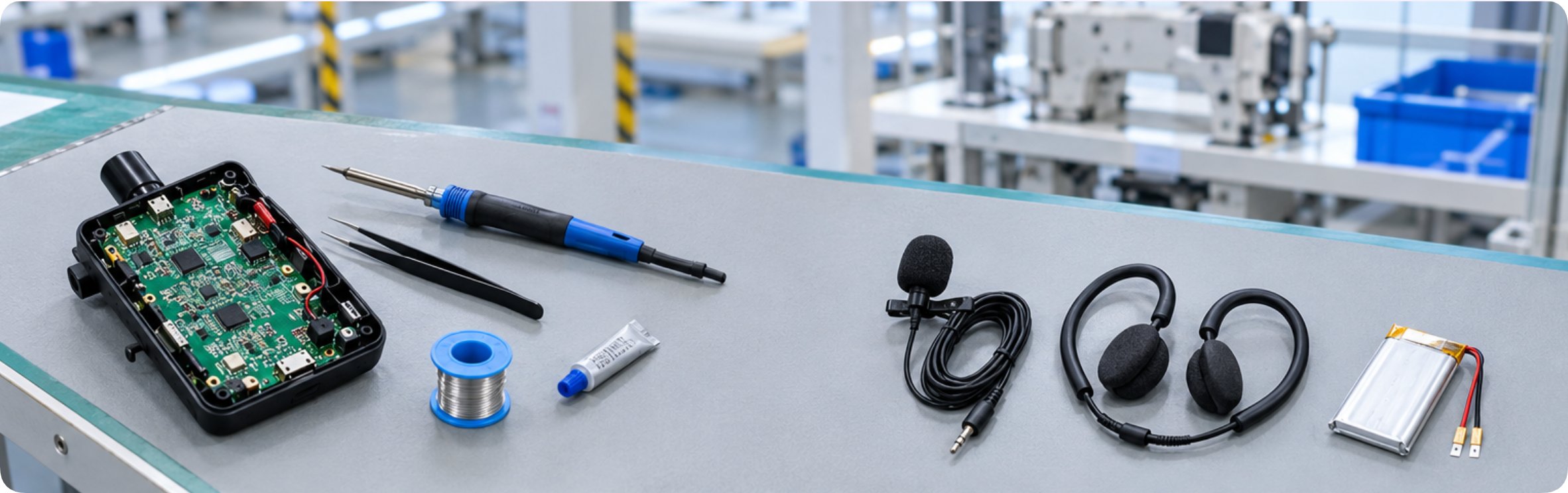

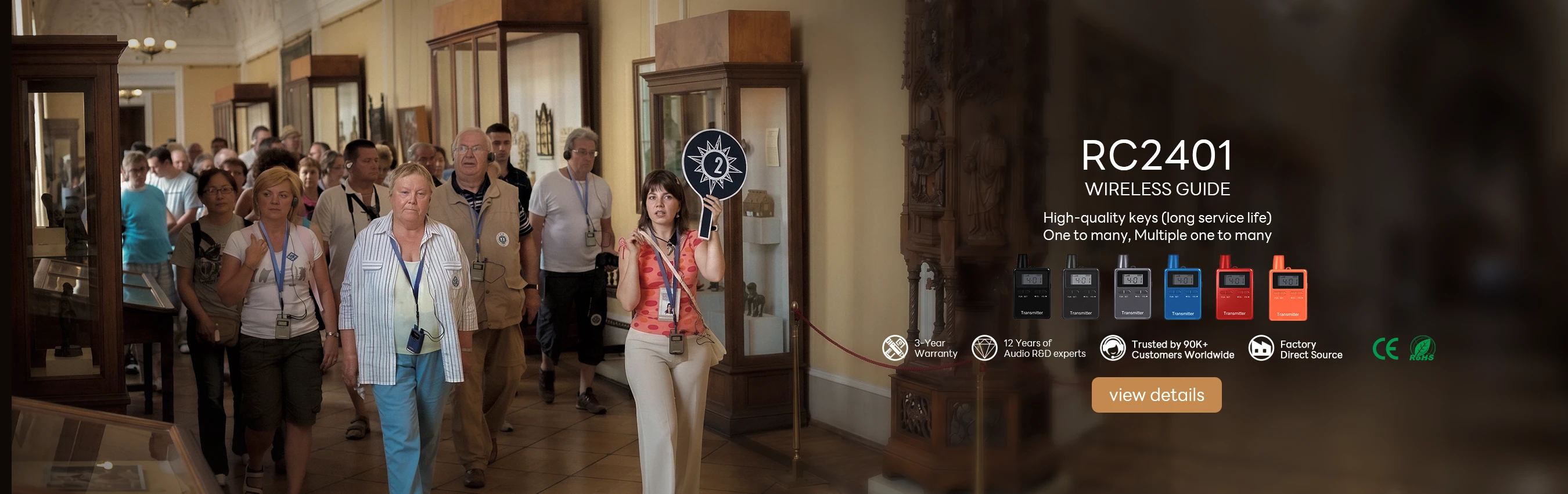
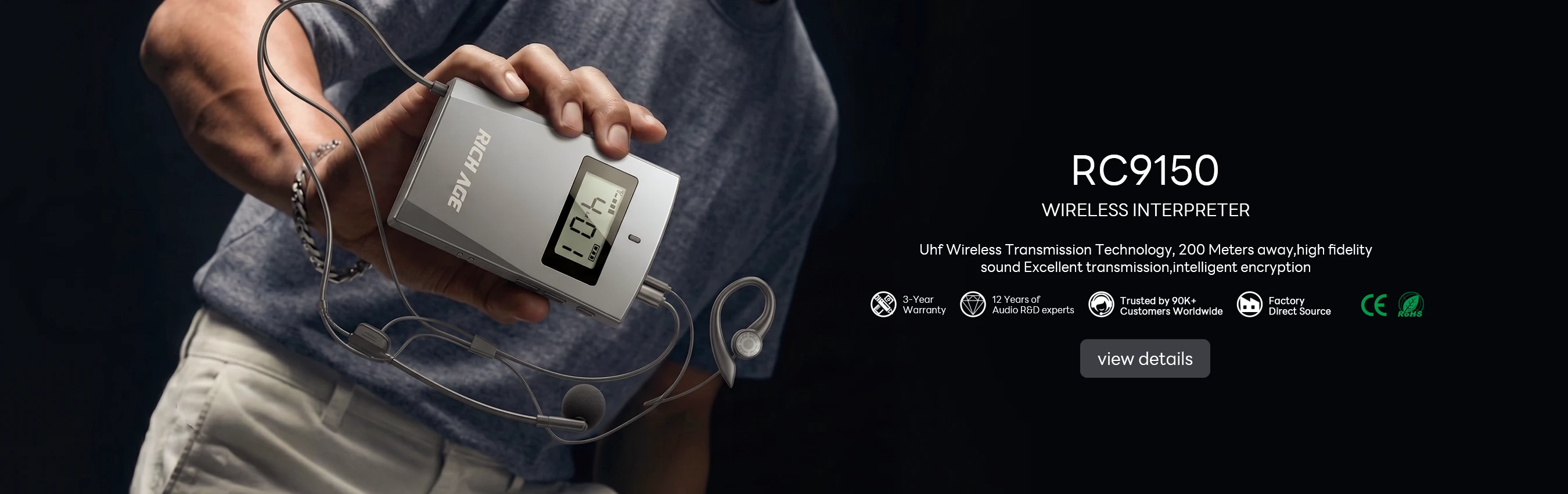
We are a large factory from China.Specializing in the production of wireless tour guide systems translation headphones for church、Museum audio guide equipment, Simulation Interpretation etc

Tel:+86 18922879583

Email:tiger.wang@richitek.com

How Does a Tour Guide System Work? A Simple Explanation for Modern Travel Experiences

How Does a Tour Guide System Work? A Simple Explanation for Modern Travel Experiences

Wireless audio transmission, UHF/2.4GHz technology, real‑time clarity — understanding the essential tool that connects guides and groups in museums, factories, and cultural sites.

In today’s travel and cultural tourism industries, tour guide systems have become essential for enhancing communication between guides and travelers. Whether exploring a historic site, visiting a museum, or taking a factory tour, a wireless system ensures that every word reaches the audience clearly — even in noisy or crowded environments. But how does a tour guide system actually work? Let’s break it down in a simple, professional, and trustworthy way.

How Does a Tour Guide System Work? A Simple Explanation for Modern Travel Experiences(图1)

Understanding the Core of a Tour Guide System

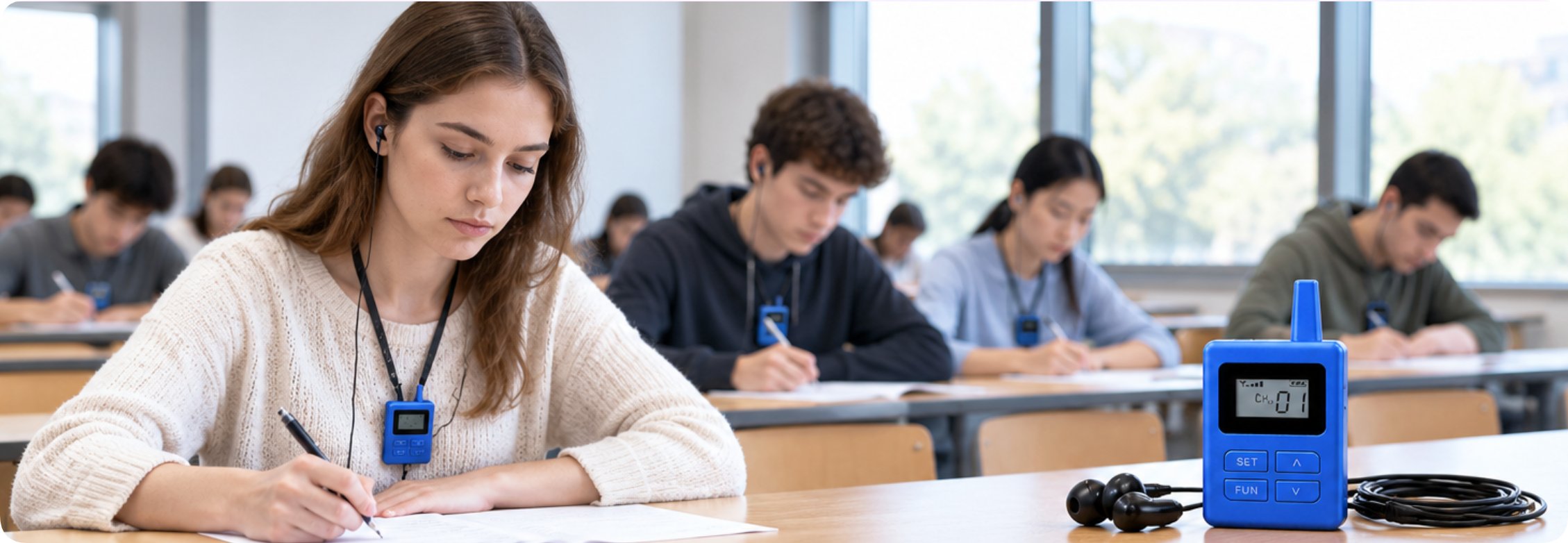
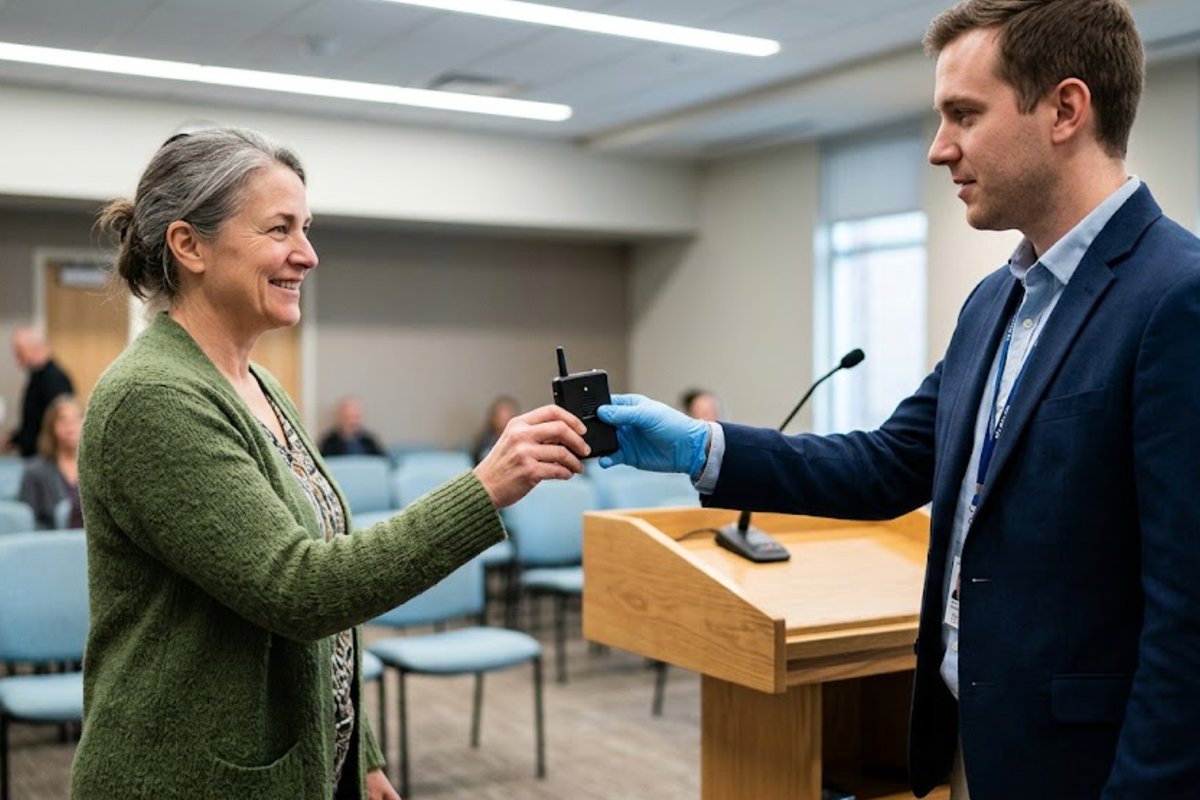
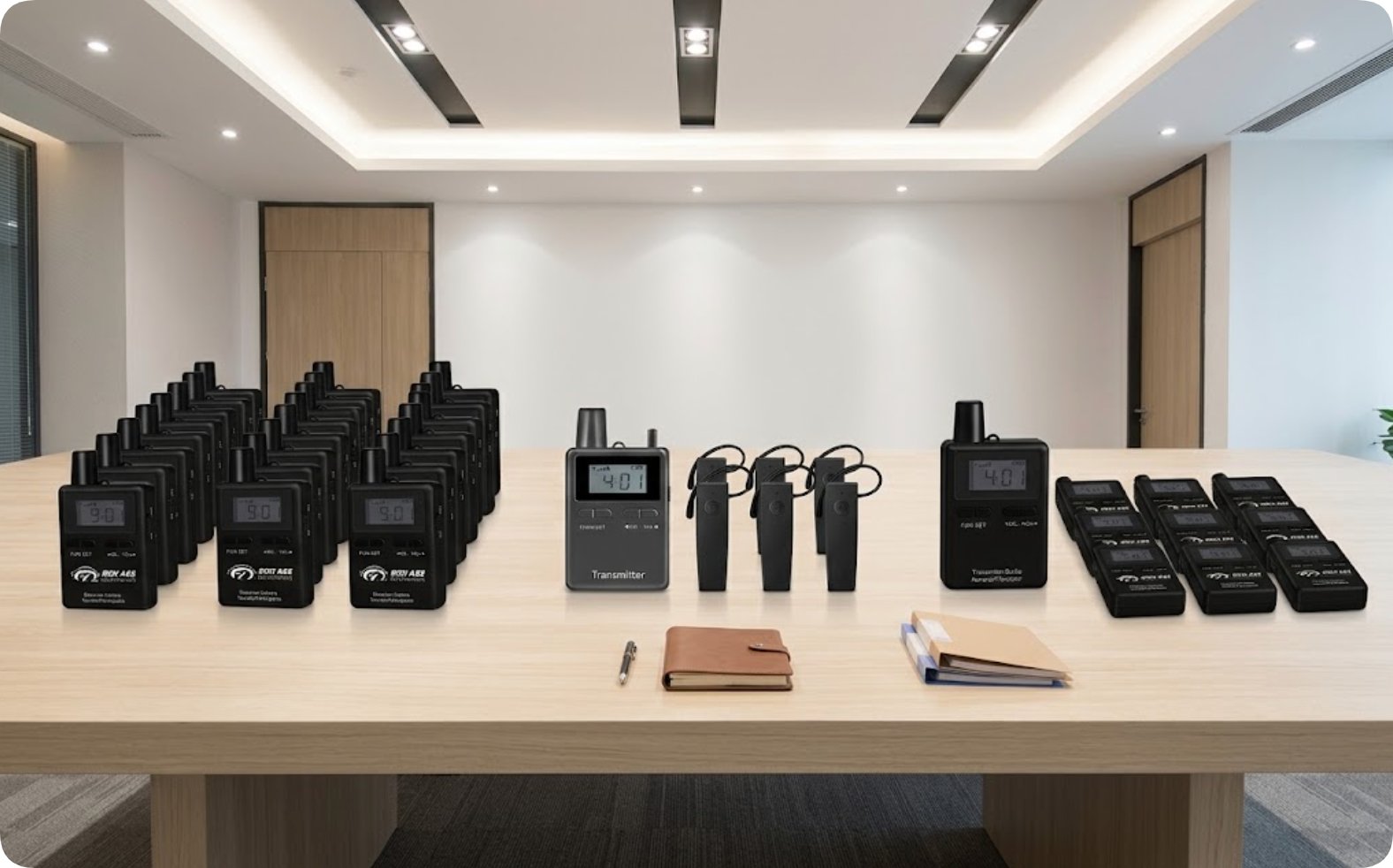
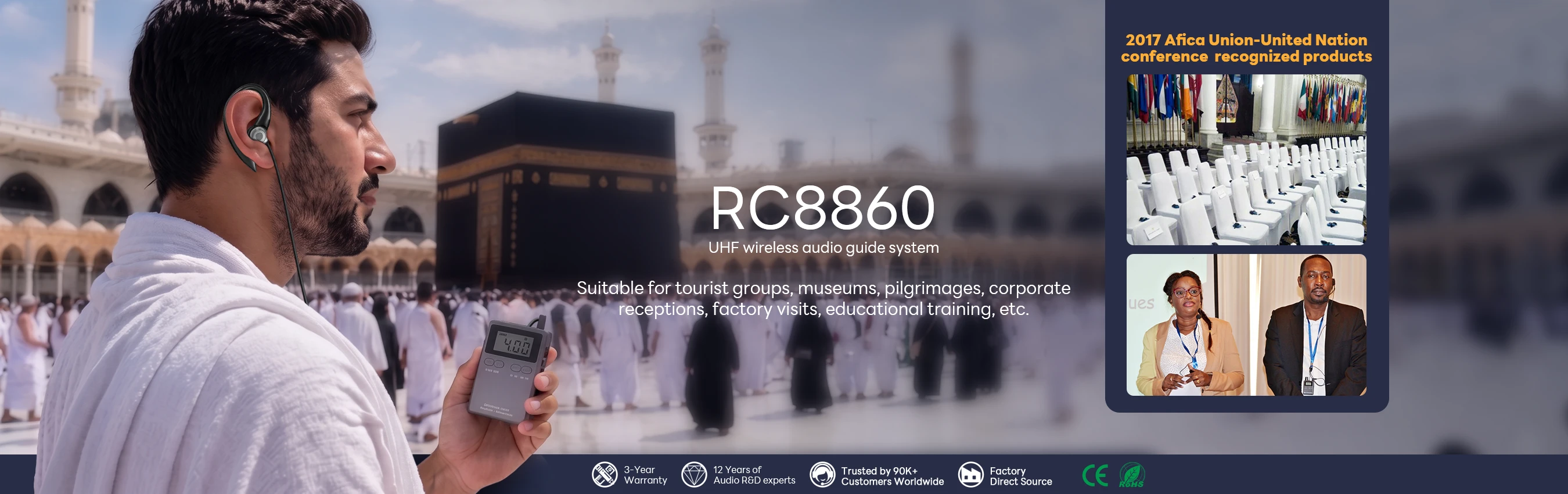
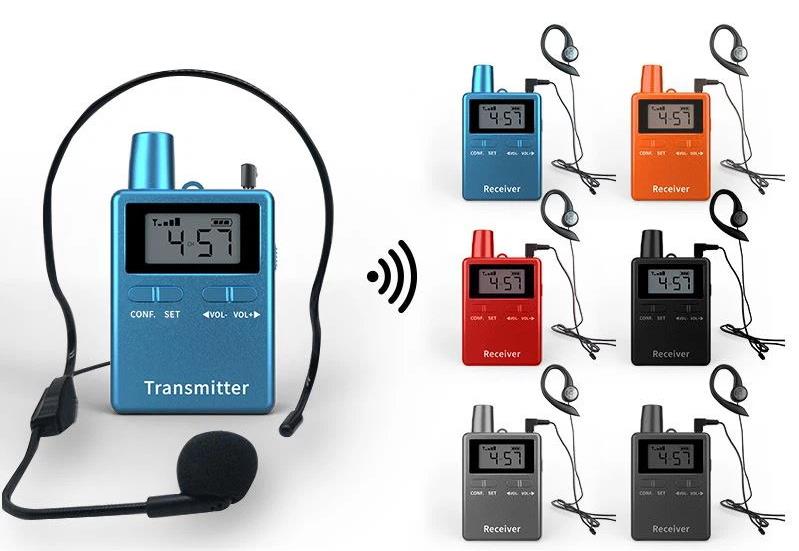
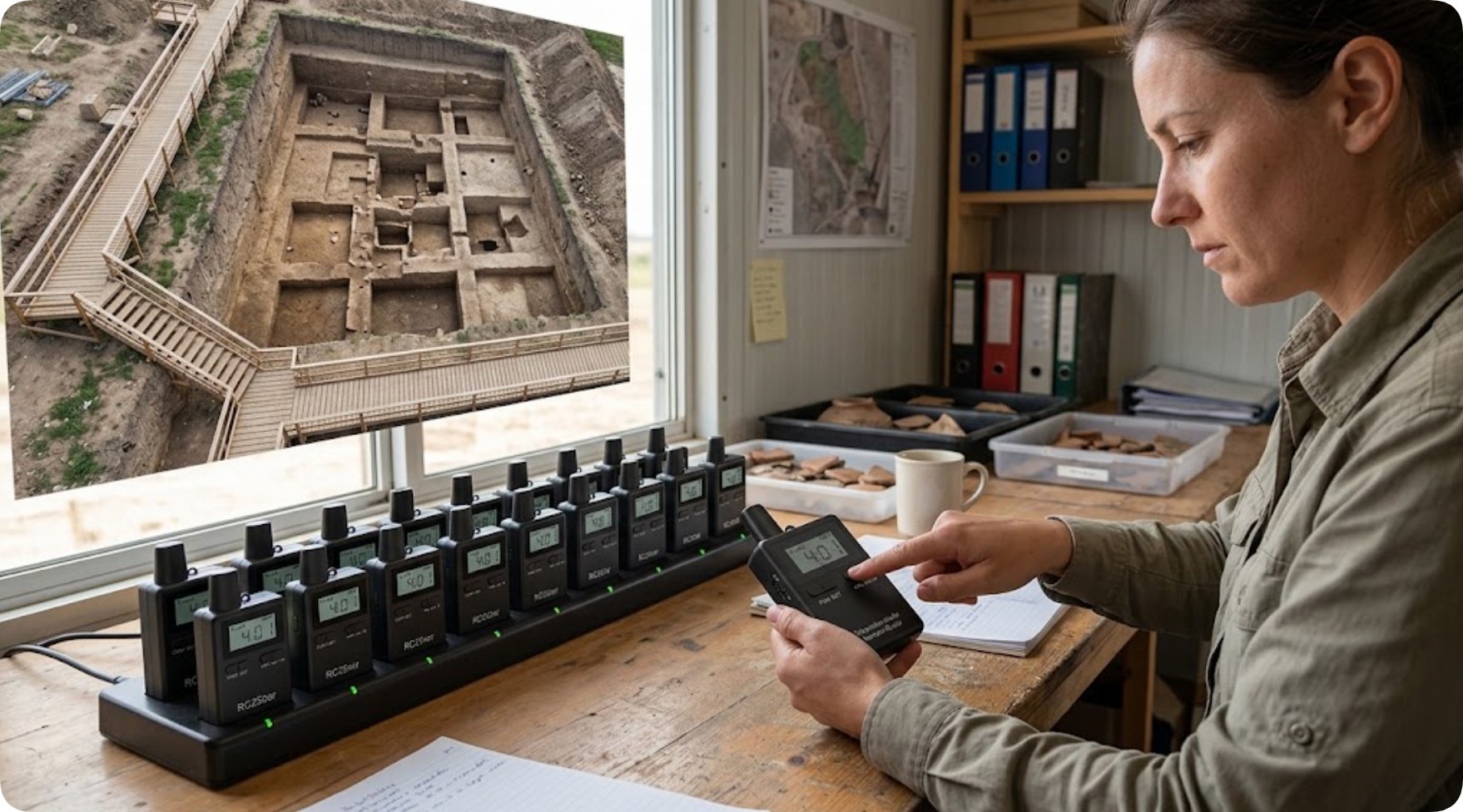
A typical wireless tour guide system consists of two main components: a transmitter (used by the guide) and multiple receivers (used by listeners). The guide speaks into a microphone connected to the transmitter, and the audio is wirelessly sent to each receiver in real time. Participants wear lightweight earpieces to hear the message clearly, even several meters away. These systems often operate on UHF (Ultra High Frequency) or 2.4GHz bands, ensuring stable signal transmission and minimizing interference. Advanced models even support multi‑channel communication, making them ideal for multilingual tours or simultaneous interpretation.
How Does a Tour Guide System Work? A Simple Explanation for Modern Travel Experiences(图2)

The Technology Behind the System

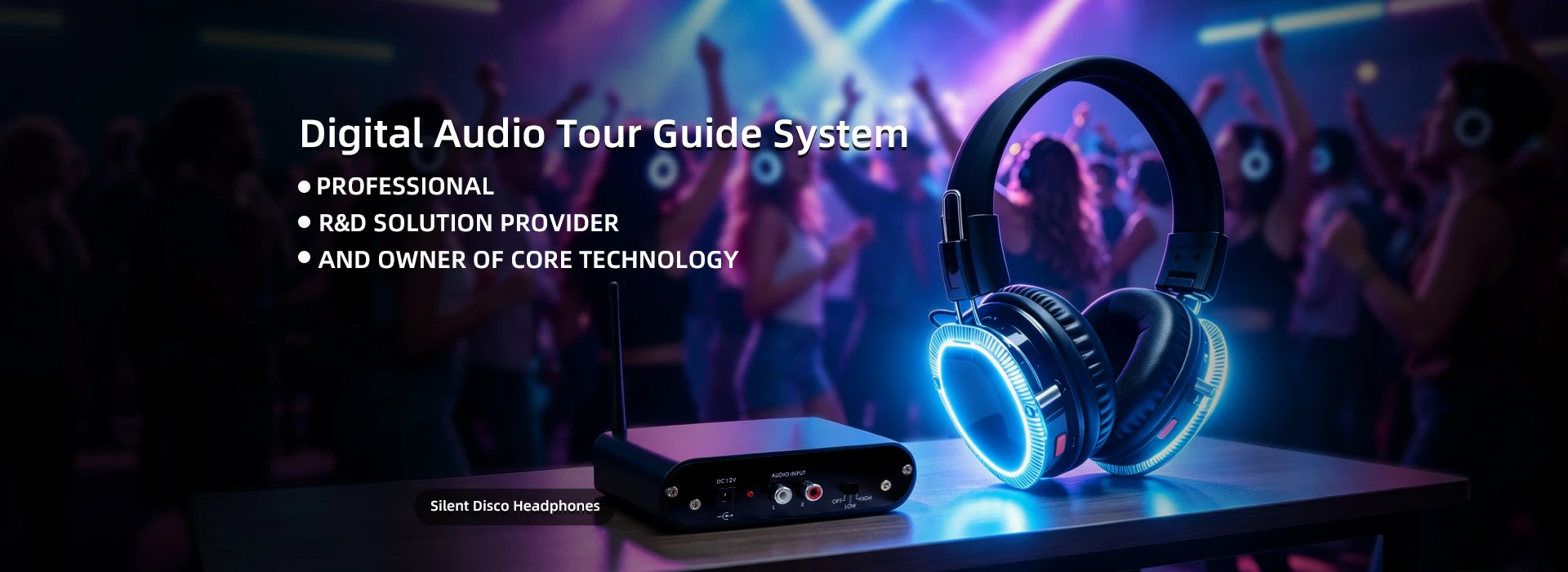
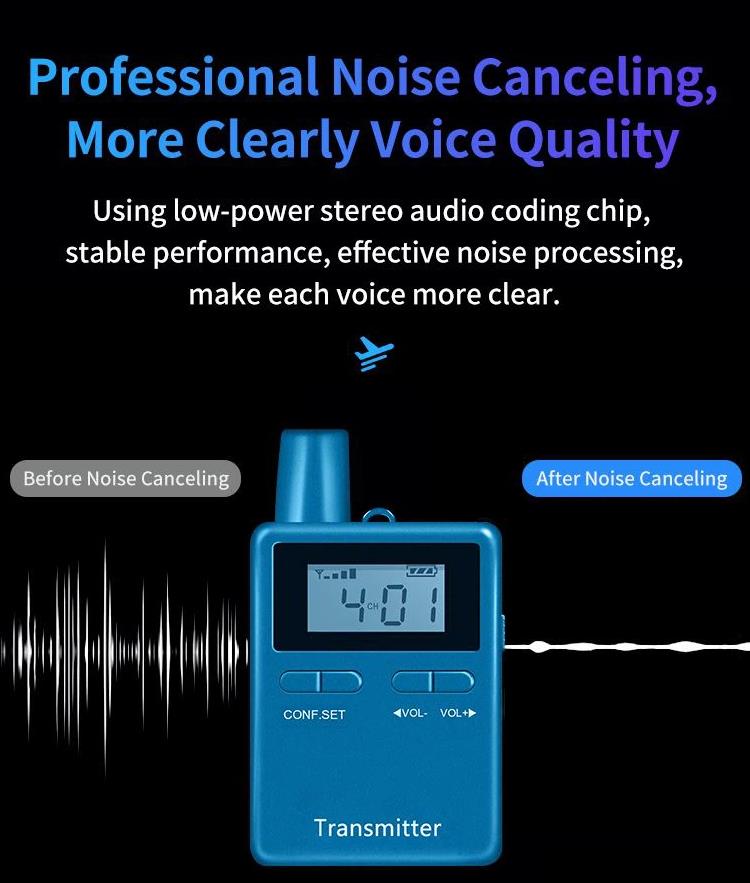
According to the Institute of Electrical and Electronics Engineers (IEEE), wireless audio transmission in tour guide systems uses techniques such as frequency modulation (FM) and digital signal processing (DSP) to maintain clarity and reduce background noise. This ensures high‑fidelity audio even in environments with echo or outdoor disturbances. Many modern systems also feature long battery life, encryption protocols, and anti‑interference technology. Some now integrate AI‑based noise cancellation or Bluetooth compatibility, making them adaptable to new audio accessories.

Where Tour Guide Systems Are Commonly Used

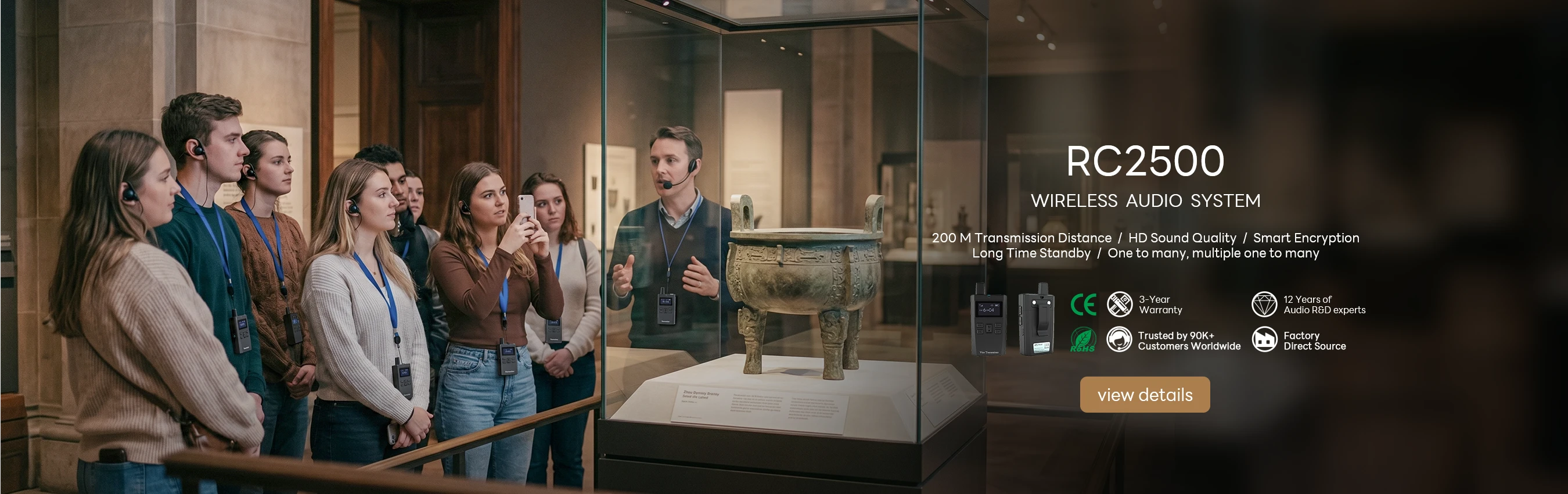
  • Museums & Art Galleries: Quiet environments require discreet, personal audio.

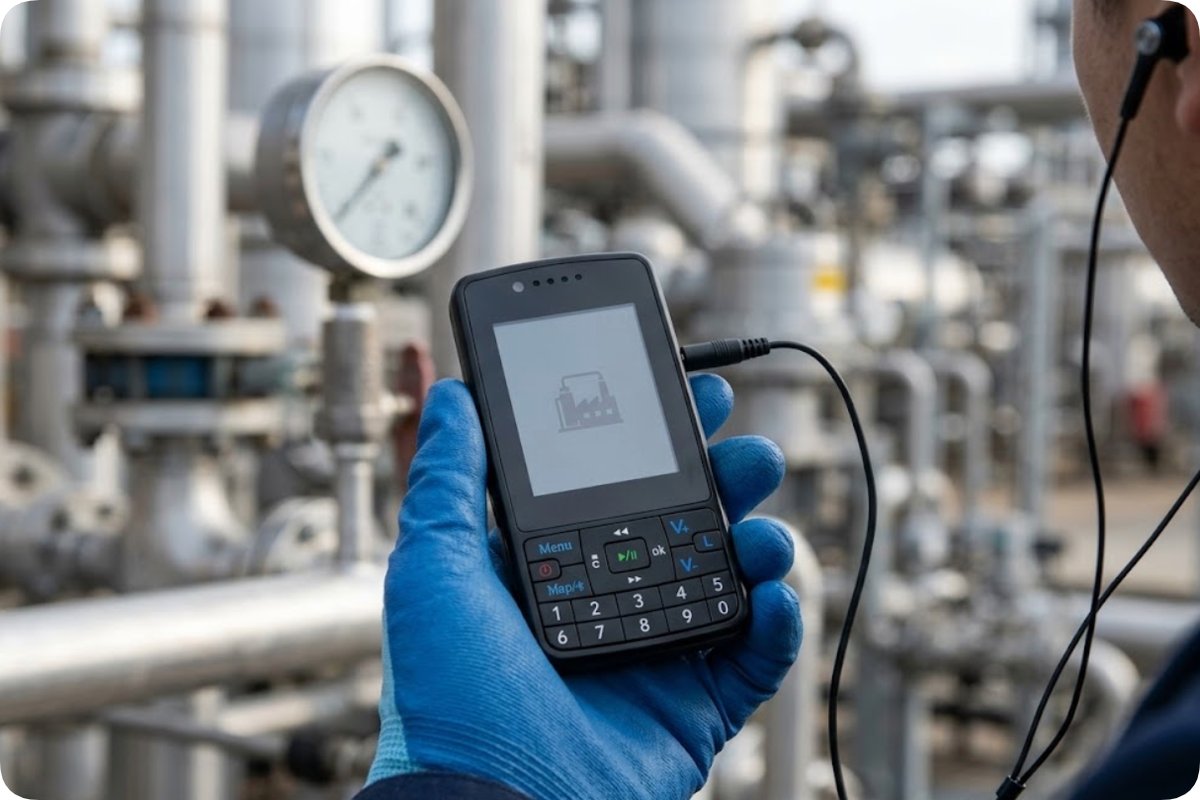
  • Factory & Industrial Tours: Machinery noise would otherwise drown out the guide.

  • Historical Sites & Outdoor Tours: Distance and open space make shouting ineffective.

  • Religious Services & Simultaneous Interpretation: Supporting multilingual participation.

How Does a Tour Guide System Work? A Simple Explanation for Modern Travel Experiences(图3)

How Does a Tour Guide System Work? A Simple Explanation for Modern Travel Experiences(图4)

Why Tour Guide Systems Matter in Modern Tourism

Clear communication enhances the visitor experience, improves learning outcomes, and increases engagement. According to a 2022 report from the World Tourism Organization (UNWTO), travelers value personalized and immersive experiences more than ever. Tour guide systems directly support this trend by allowing guides to connect with each listener without raising their voice. Additionally, as accessibility becomes a core principle in global tourism standards, these systems help cater to individuals with hearing challenges or those who speak different languages.

A Small Device with Big Impact

Tour guide systems may seem like a small technical addition, but their impact on communication efficiency, audience satisfaction, and tour professionalism is enormous. By wirelessly bridging the gap between guide and guest, they create a more connected, inclusive, and memorable experience. If you’re a tour operator, event organizer, or cultural institution, investing in a reliable tour guide system is no longer just a technical upgrade — it’s a strategic decision aligned with modern hospitality standards.

2025年05月10日 11:51
click: 969

How Does a Tour Guide System Work? A Simple Explanation for Modern Travel Experiences

time: 2025年05月10日 click:969

How Does a Tour Guide System Work? A Simple Explanation for Modern Travel Experiences

Wireless audio transmission, UHF/2.4GHz technology, real‑time clarity — understanding the essential tool that connects guides and groups in museums, factories, and cultural sites.

In today’s travel and cultural tourism industries, tour guide systems have become essential for enhancing communication between guides and travelers. Whether exploring a historic site, visiting a museum, or taking a factory tour, a wireless system ensures that every word reaches the audience clearly — even in noisy or crowded environments. But how does a tour guide system actually work? Let’s break it down in a simple, professional, and trustworthy way.

How Does a Tour Guide System Work? A Simple Explanation for Modern Travel Experiences(图1)

Understanding the Core of a Tour Guide System

A typical wireless tour guide system consists of two main components: a transmitter (used by the guide) and multiple receivers (used by listeners). The guide speaks into a microphone connected to the transmitter, and the audio is wirelessly sent to each receiver in real time. Participants wear lightweight earpieces to hear the message clearly, even several meters away. These systems often operate on UHF (Ultra High Frequency) or 2.4GHz bands, ensuring stable signal transmission and minimizing interference. Advanced models even support multi‑channel communication, making them ideal for multilingual tours or simultaneous interpretation.

How Does a Tour Guide System Work? A Simple Explanation for Modern Travel Experiences(图2)

The Technology Behind the System

According to the Institute of Electrical and Electronics Engineers (IEEE), wireless audio transmission in tour guide systems uses techniques such as frequency modulation (FM) and digital signal processing (DSP) to maintain clarity and reduce background noise. This ensures high‑fidelity audio even in environments with echo or outdoor disturbances. Many modern systems also feature long battery life, encryption protocols, and anti‑interference technology. Some now integrate AI‑based noise cancellation or Bluetooth compatibility, making them adaptable to new audio accessories.

Where Tour Guide Systems Are Commonly Used

  • Museums & Art Galleries: Quiet environments require discreet, personal audio.

  • Factory & Industrial Tours: Machinery noise would otherwise drown out the guide.

  • Historical Sites & Outdoor Tours: Distance and open space make shouting ineffective.

  • Religious Services & Simultaneous Interpretation: Supporting multilingual participation.
How Does a Tour Guide System Work? A Simple Explanation for Modern Travel Experiences(图3)

How Does a Tour Guide System Work? A Simple Explanation for Modern Travel Experiences(图4)

Why Tour Guide Systems Matter in Modern Tourism

Clear communication enhances the visitor experience, improves learning outcomes, and increases engagement. According to a 2022 report from the World Tourism Organization (UNWTO), travelers value personalized and immersive experiences more than ever. Tour guide systems directly support this trend by allowing guides to connect with each listener without raising their voice. Additionally, as accessibility becomes a core principle in global tourism standards, these systems help cater to individuals with hearing challenges or those who speak different languages.

A Small Device with Big Impact

Tour guide systems may seem like a small technical addition, but their impact on communication efficiency, audience satisfaction, and tour professionalism is enormous. By wirelessly bridging the gap between guide and guest, they create a more connected, inclusive, and memorable experience. If you’re a tour operator, event organizer, or cultural institution, investing in a reliable tour guide system is no longer just a technical upgrade — it’s a strategic decision aligned with modern hospitality standards.

×

Contact us

email:
name:
subject:
content: