.webp)

Equestrian Coaching Is Changing: Why Riding Instructors Are Switching to UHF Wireless Tour Guide Systems
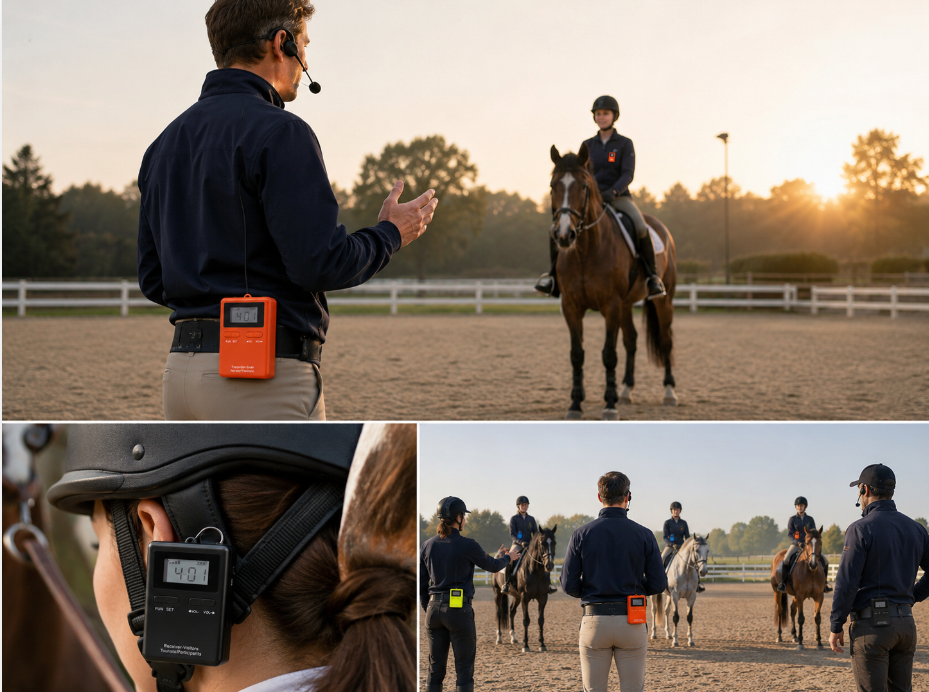
In modern riding instruction, communication is everything. Precision, timing, and tone directly influence how riders respond—and how horses react. Traditional voice-based coaching across large arenas is no longer practical in high-performance environments. Wireless communication systems are quickly becoming standard equipment in professional equestrian training.
Rising Demand for Smarter Coaching Tools in Equestrian Training
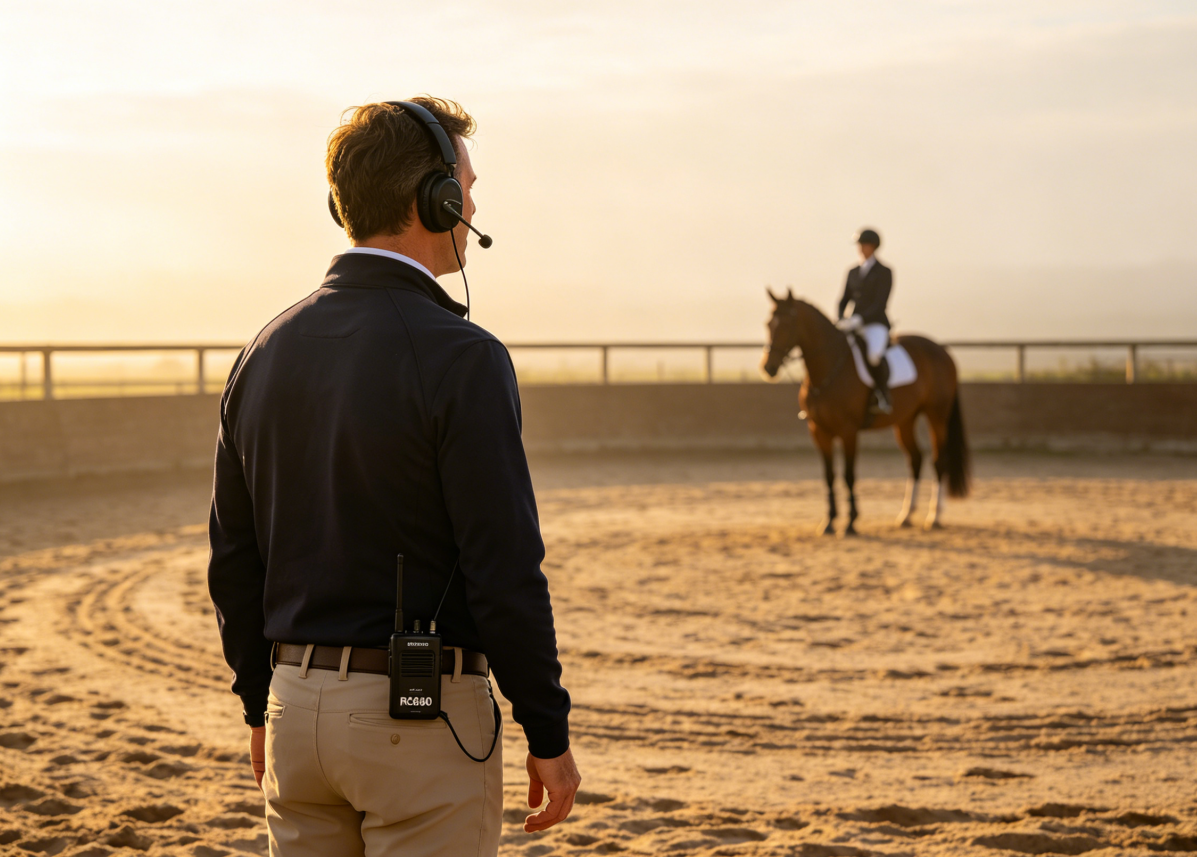
The equestrian industry is expanding globally, driven by increased participation, tourism, and professional training programs. Riding schools, competition venues, and training centers are under pressure to deliver higher-quality instruction while maintaining safety and efficiency.
At the same time, lesson environments are becoming more complex. Larger arenas, multiple simultaneous sessions, and diverse rider skill levels require clearer, more consistent communication between instructor and student.
This is where wireless tour guide systems for equestrian teaching are making a measurable difference.
Limitations of Traditional Voice-Based Instruction
In many riding schools, instructors still rely on projecting their voice across arenas that can exceed 50 meters in length. This approach introduces several challenges:
Inconsistent audio clarity, especially in windy outdoor environments
Instructor fatigue due to repeated shouting
Delayed rider response caused by missed or unclear instructions
Increased stress for sensitive horses reacting to loud voices
These factors reduce training efficiency and can negatively impact both rider confidence and horse behavior.
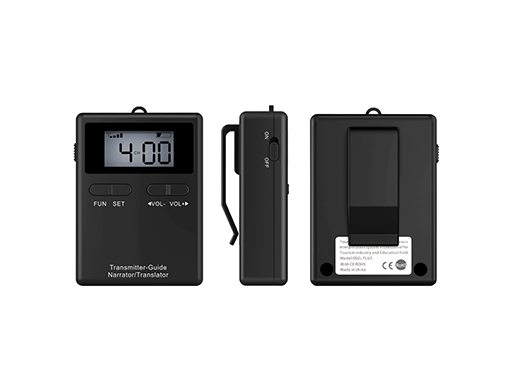
RC8860 UHF Tour Guide System for Riding Instruction
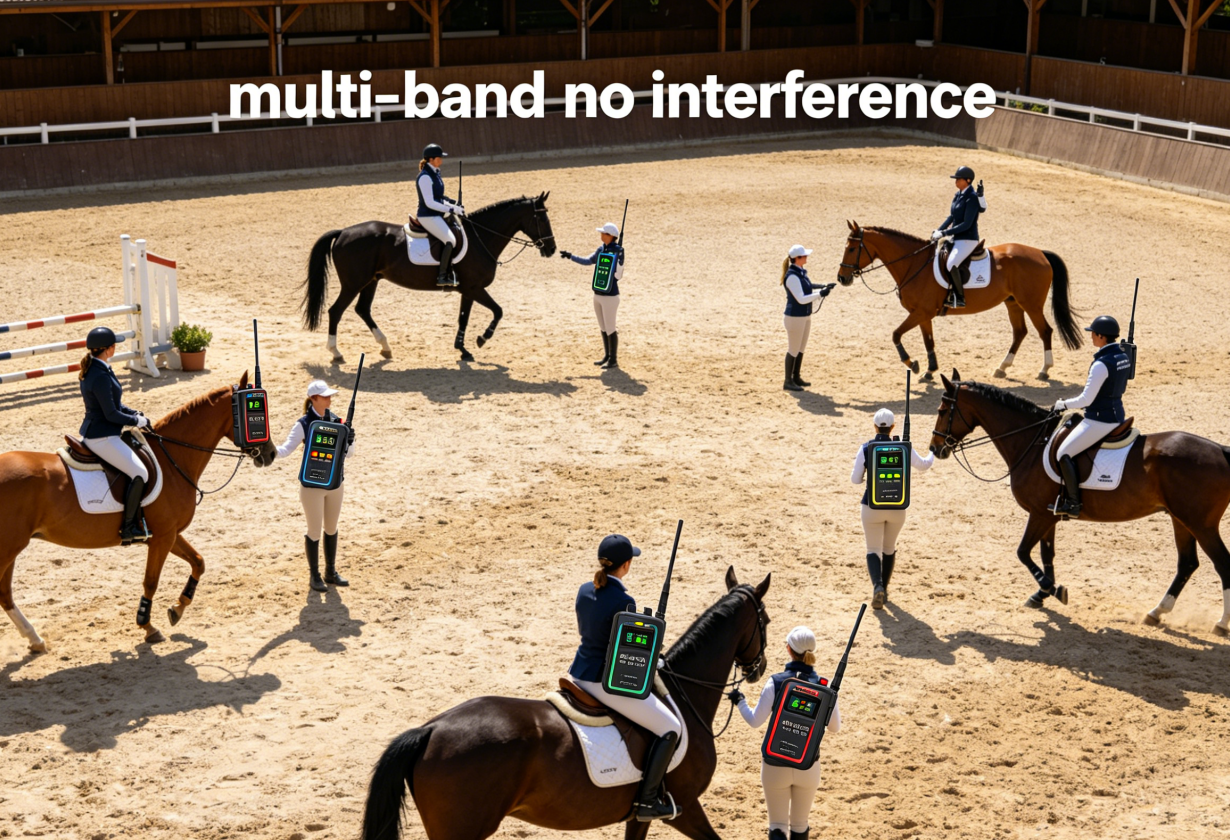
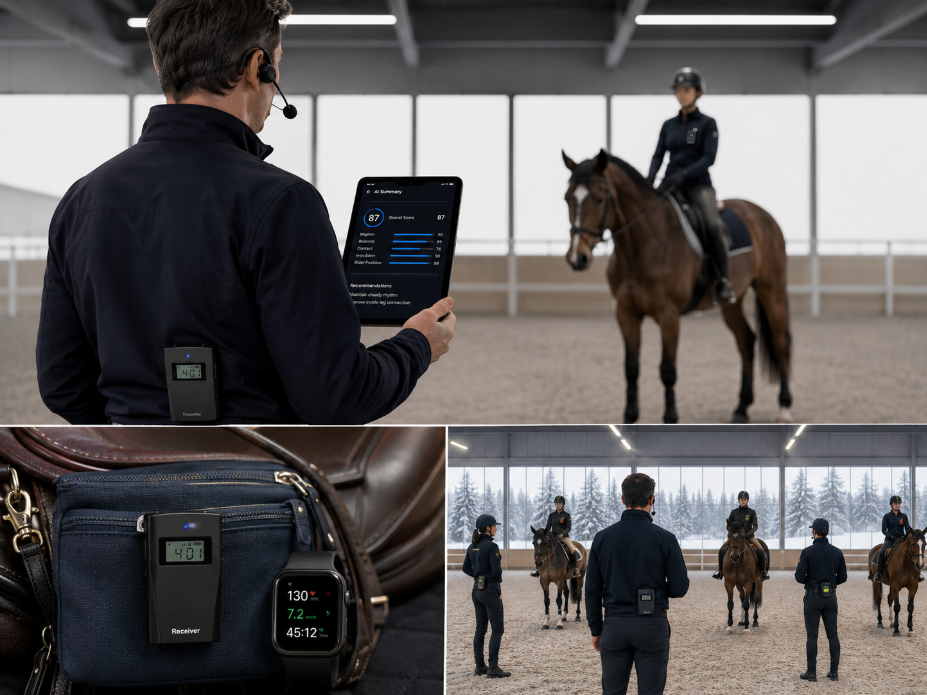
The RC8860 UHF wireless tour guide system is designed to provide stable, real-time communication across large riding spaces.
Using UHF transmission technology, the system ensures that every instruction reaches riders clearly, regardless of distance or movement.
Key features include:
Operating frequency: 863–865 MHz for stable signal performance
Up to 200 meters transmission range for large arenas and outdoor fields
20 selectable channels to support multiple instructors simultaneously
Lightweight transmitter and receiver for rider comfort
Long battery life suitable for full-day training sessions
Instructors can speak at a natural volume while maintaining full control of the lesson, improving communication precision without disrupting the horse’s focus.
Alternative Systems for Different Teaching Scenarios
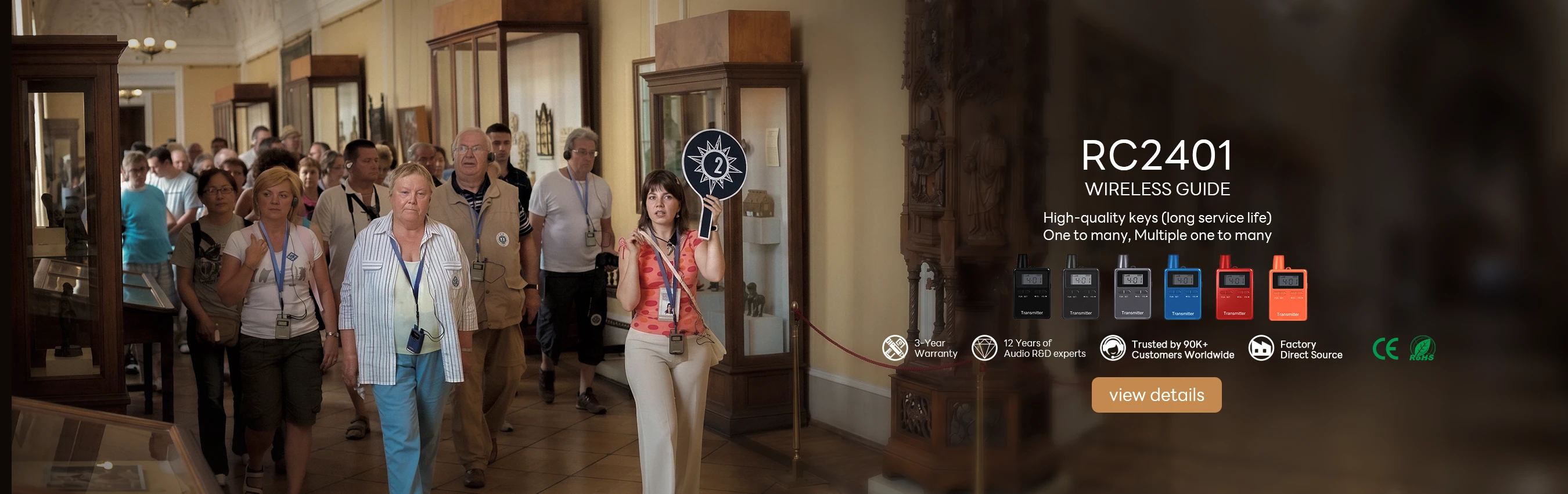
RC2401 – Practical Option for Small Riding Schools
The RC2401 wireless system provides a cost-effective solution for smaller facilities or independent instructors. It supports multiple channels and delivers reliable performance for daily lessons.
RC2402 – Optimized for Outdoor and Windy Conditions
The RC2402 tour guide system includes enhanced noise reduction, making it suitable for exposed riding arenas where wind interference is common.
How Wireless Systems Improve Riding Lessons
With direct audio transmission, instructors can deliver precise, real-time corrections without interruption. Riders receive instructions instantly, allowing for better timing and smoother execution of movements.
Benefits observed in training environments include:
Improved rider comprehension and faster skill development
Reduced instructor fatigue and more consistent coaching quality
Calmer horses due to quieter training environments
More efficient group lesson management
Applications Across Equestrian Disciplines
Wireless communication systems are now used in a wide range of equestrian activities:
Dressage and flatwork instruction
Show jumping and course training
Western riding and ranch work
Therapeutic and rehabilitation riding programs
Equestrian camps and group training sessions
Guided trail rides and equestrian tourism
A Smarter Approach to Equestrian Communication
As training environments evolve, communication tools must keep pace. Wireless tour guide systems provide a practical and scalable solution for improving lesson quality while reducing physical strain on instructors.
For riding schools and professional trainers, adopting this technology is not just an upgrade—it is a step toward more effective, modern coaching.
Explore equestrian teaching systems: Discover how wireless communication can improve your riding instruction and training efficiency.