.webp)

AI in Equestrian Coaching Needs Reliable Audio: Why UHF Tour Guide Systems Still Matter
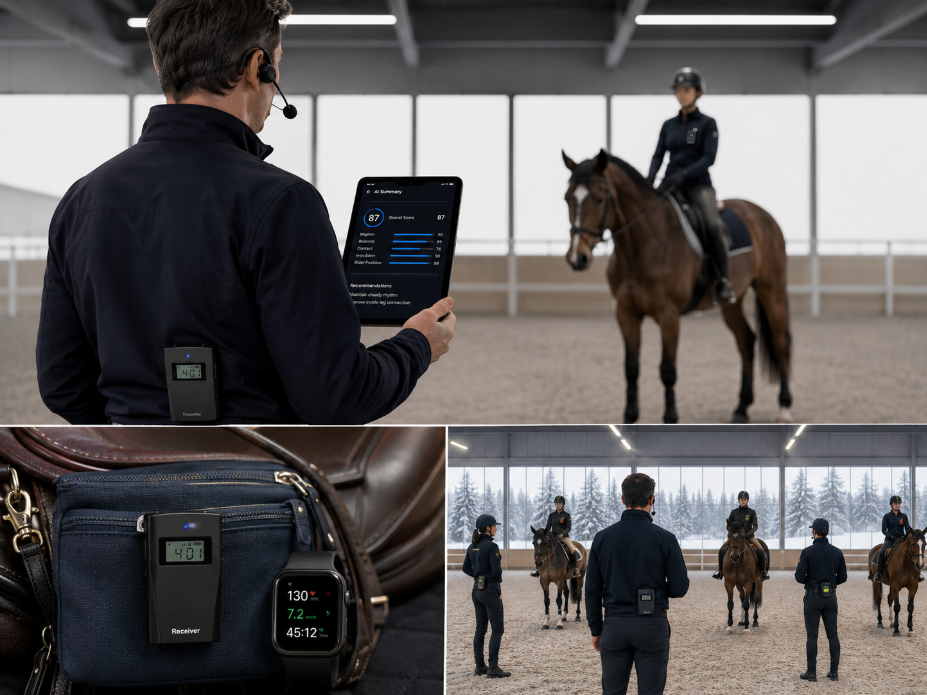
Artificial intelligence is entering equestrian training, offering motion tracking, performance analysis, and automated feedback. However, real-time coaching still depends on one critical element: clear, uninterrupted voice communication between instructor and rider. Without stable audio, even the most advanced systems lose effectiveness.
The Role of AI in Modern Riding Instruction
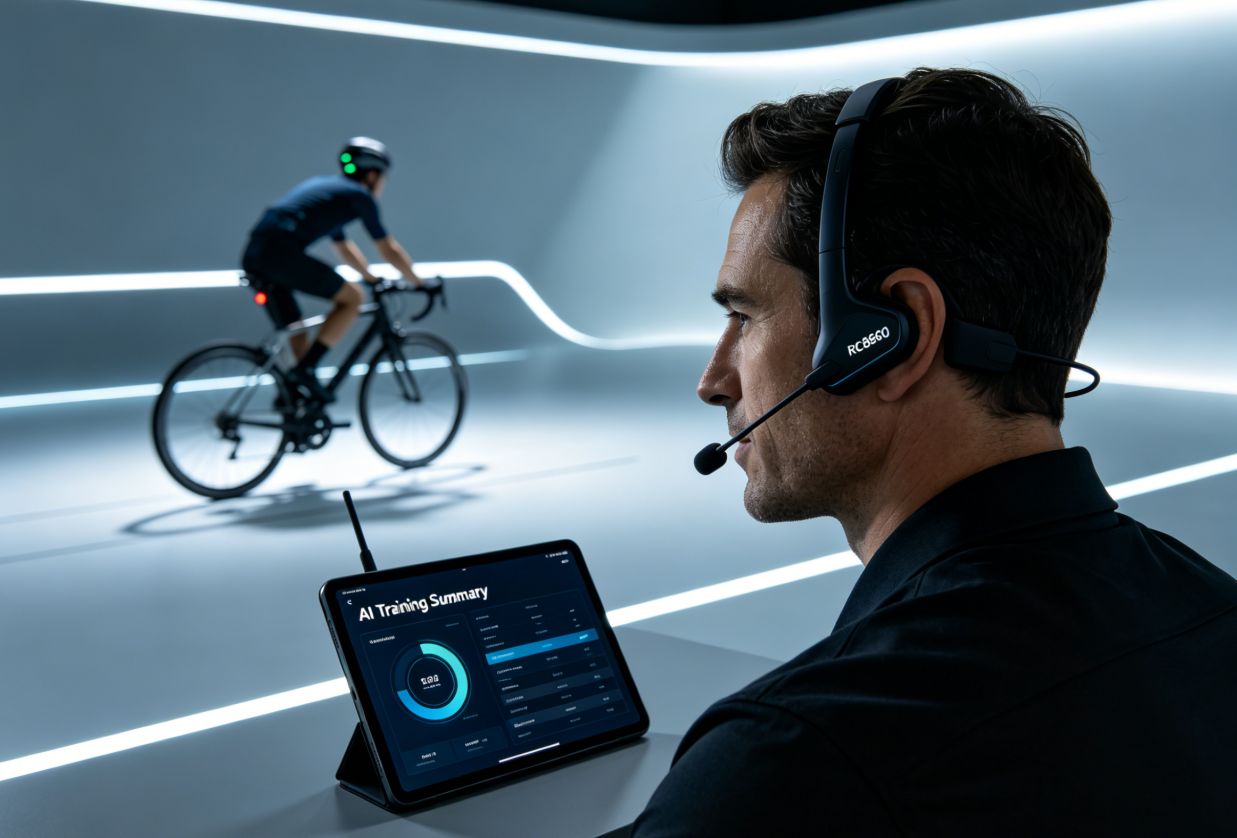
AI-driven tools are increasingly used to analyze rider posture, horse movement, and training patterns. These systems can generate reports, identify recurring mistakes, and support long-term skill development.
Despite these capabilities, AI functions primarily as a support layer. It processes data after or alongside a session but does not replace real-time instruction during active riding.
Why Audio Quality Determines AI Effectiveness
AI platforms rely on clean audio input to generate accurate insights. Voice instructions from coaches are often recorded, transcribed, and analyzed to improve training outcomes. Poor audio quality directly reduces the value of these systems.
Common challenges include:
Wind and environmental noise in outdoor arenas
Signal dropouts over long distances
Interference from other wireless devices
Inconsistent microphone performance
Addressing these issues is essential for both real-time communication and downstream AI processing.
RC8860 UHF System as a Reliable Communication Layer
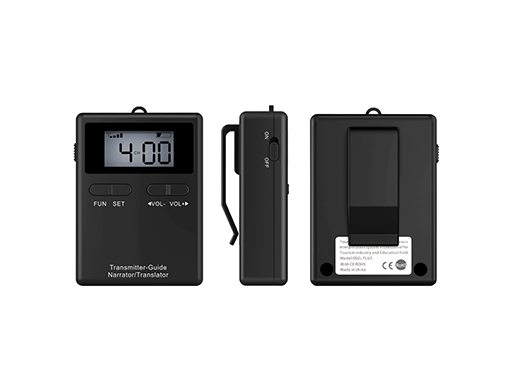
The RC8860 UHF tour guide system provides stable wireless communication designed for large, open environments such as riding arenas and training fields.
By delivering consistent voice transmission, the system supports both immediate instruction and high-quality audio capture for analysis tools.
Core capabilities include:
UHF frequency operation for strong signal stability
Extended transmission range suitable for large arenas
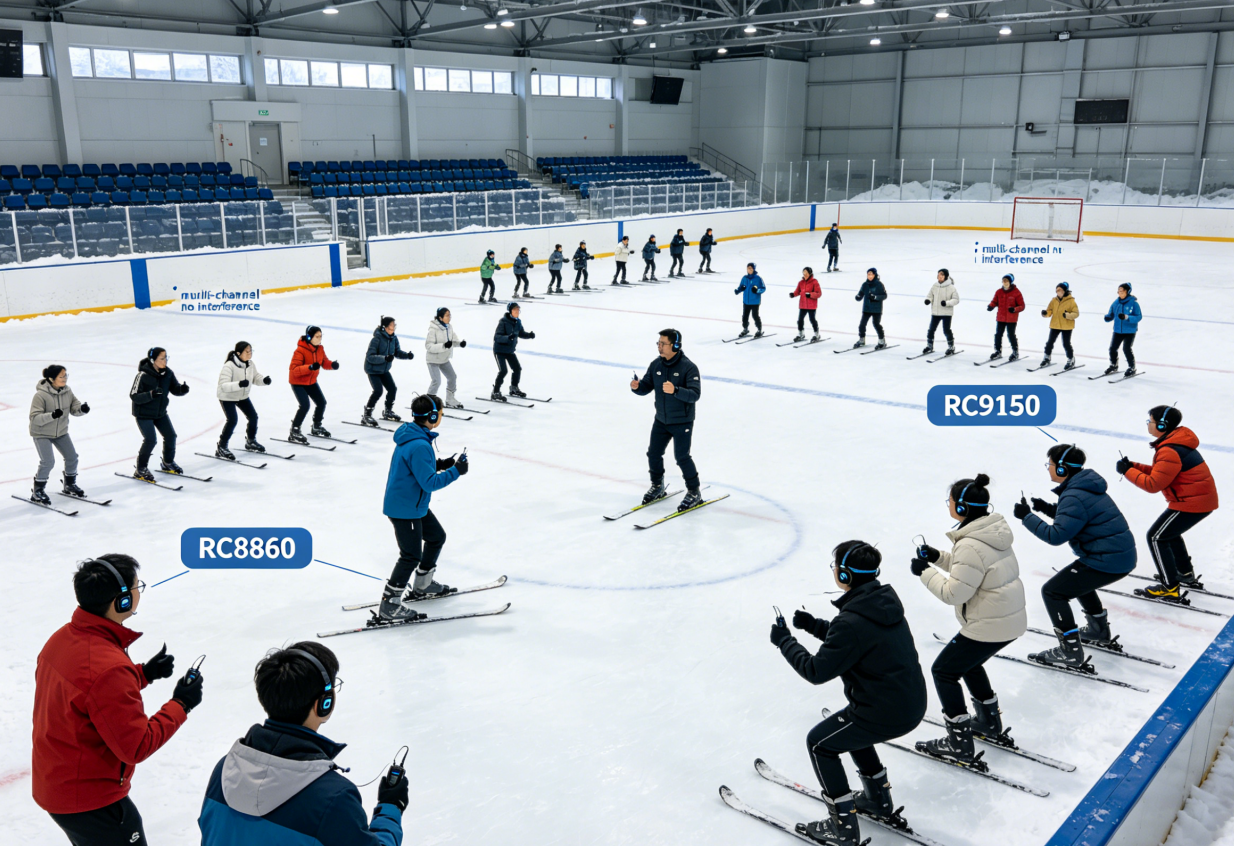
Multi-channel support for parallel training sessions
Lightweight design for instructor and rider comfort
Long battery life for continuous use throughout training days
These features make it suitable as a foundational communication layer in both traditional and technology-assisted coaching environments.
Noise-Controlled Audio for Data Accuracy
The RC2402 tour guide system introduces noise reduction capabilities that help maintain audio clarity in challenging outdoor conditions.
Cleaner input improves the reliability of voice-based analytics and ensures that instructions are accurately captured for later review.
Scalable Communication for Large Training Environments
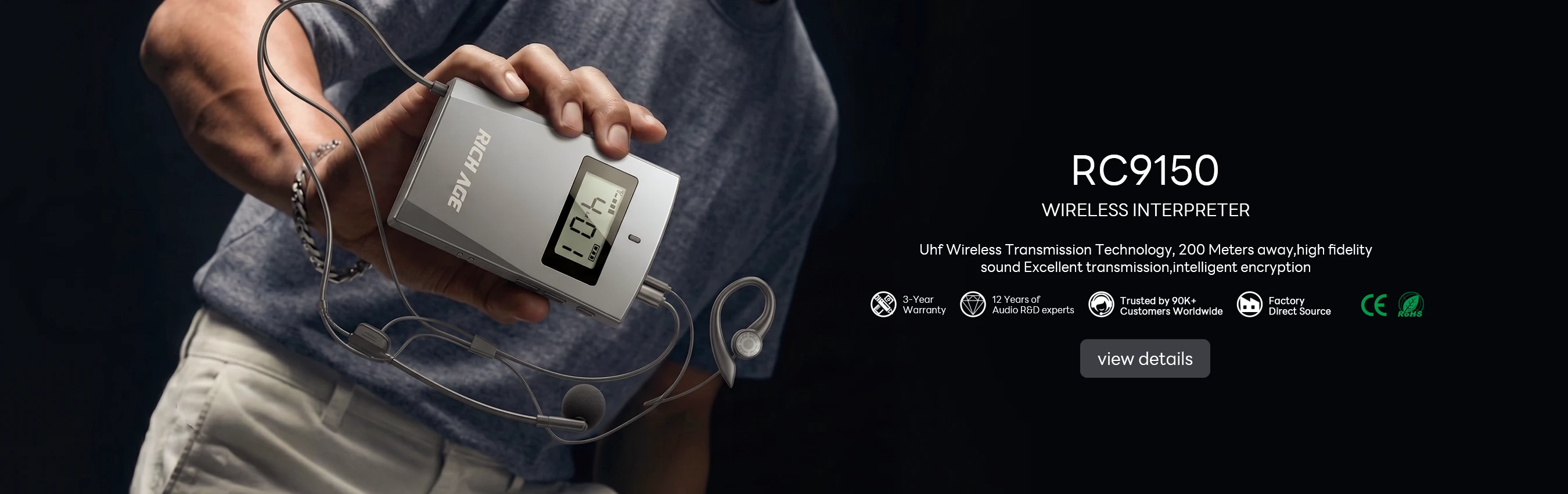
For larger events or multi-coach scenarios, the RC9150 wireless system supports expanded channel capacity and extended operational flexibility.
This enables multiple instructors to operate simultaneously without interference, maintaining consistent communication across complex training setups.
Combining Real-Time Coaching with Data Analysis
When integrated with AI tools, wireless communication systems create a dual-layer training approach:
Immediate feedback delivered directly to the rider
Simultaneous data capture for post-session analysis
Improved consistency between instruction and recorded data
Enhanced ability to track progress over time
This combination supports both short-term performance improvements and long-term skill development.
Reliable Communication Remains Essential
As equestrian technology evolves, foundational tools continue to play a critical role. Wireless tour guide systems provide the stability and clarity required for effective instruction, regardless of additional technologies in use.
Integrating dependable communication with emerging AI capabilities allows training programs to improve efficiency while maintaining the quality of real-time coaching.
Explore professional equestrian communication systems: Discover solutions designed to support both traditional coaching and modern training technologies.