.webp)
Choosing a communication system for tours or training is less about finding the "top-rated" hardware and more about matching the wireless transmission physics to your specific environment. In a B2B procurement context, a mismatch in frequency or battery management can lead to a complete failure of the investment within six months.
Is 2.4GHz Truly Universal for Your Facility?
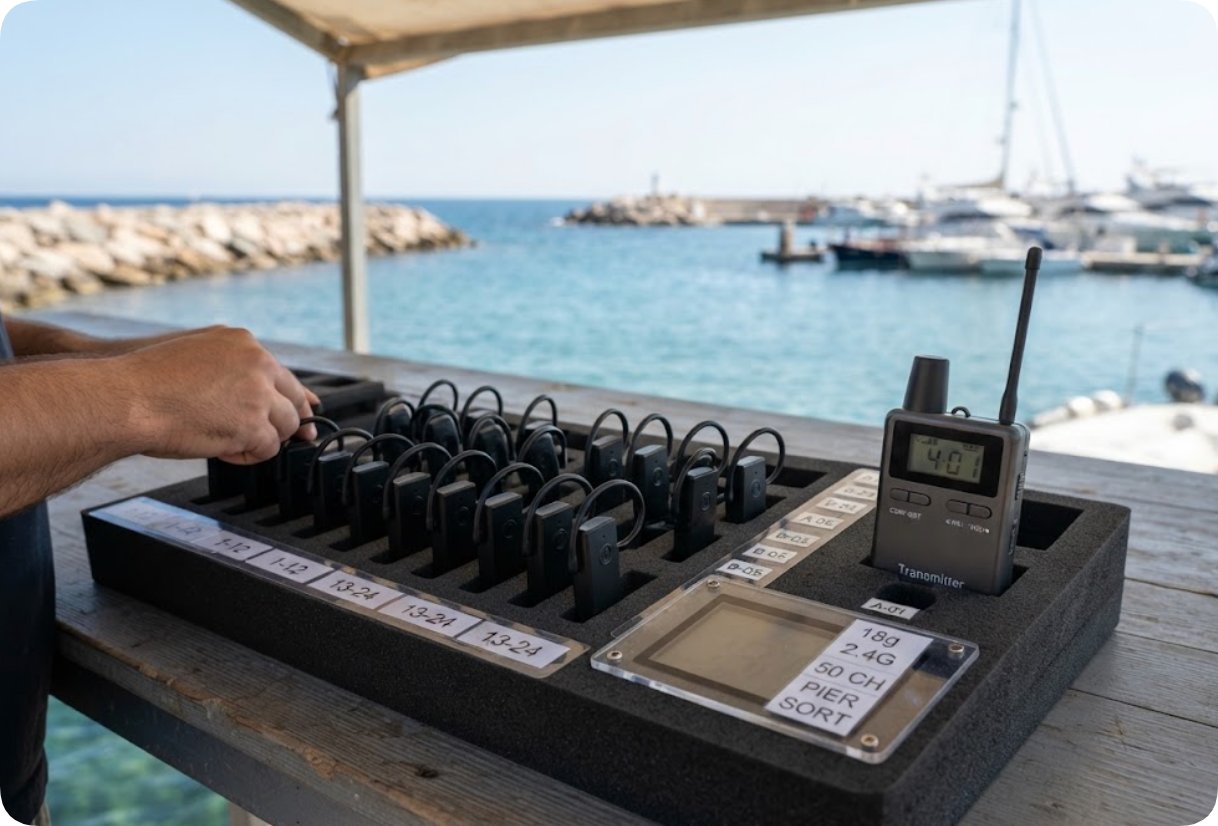
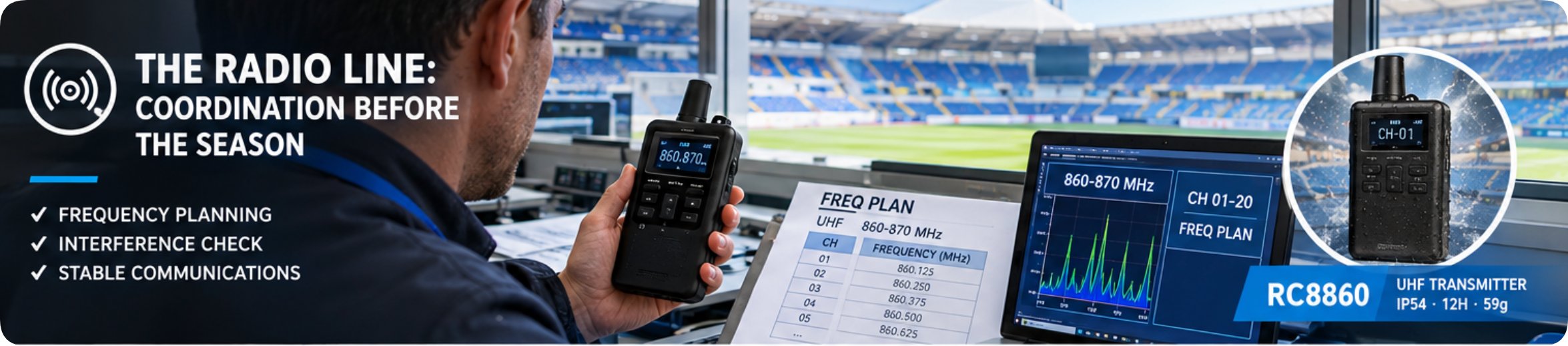
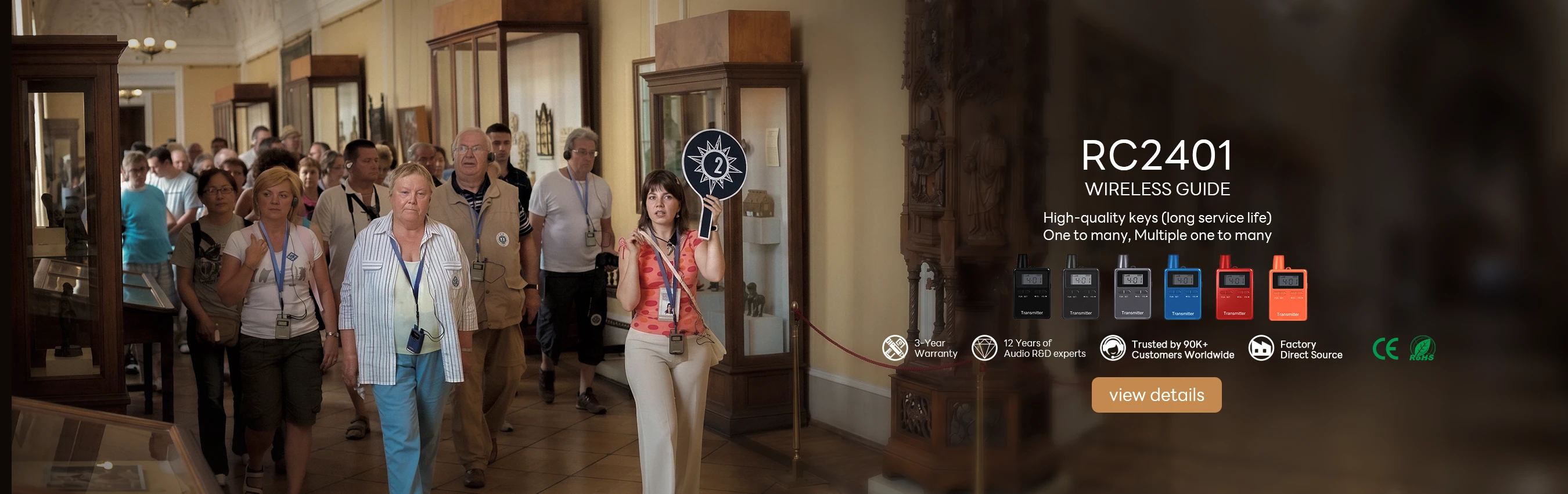
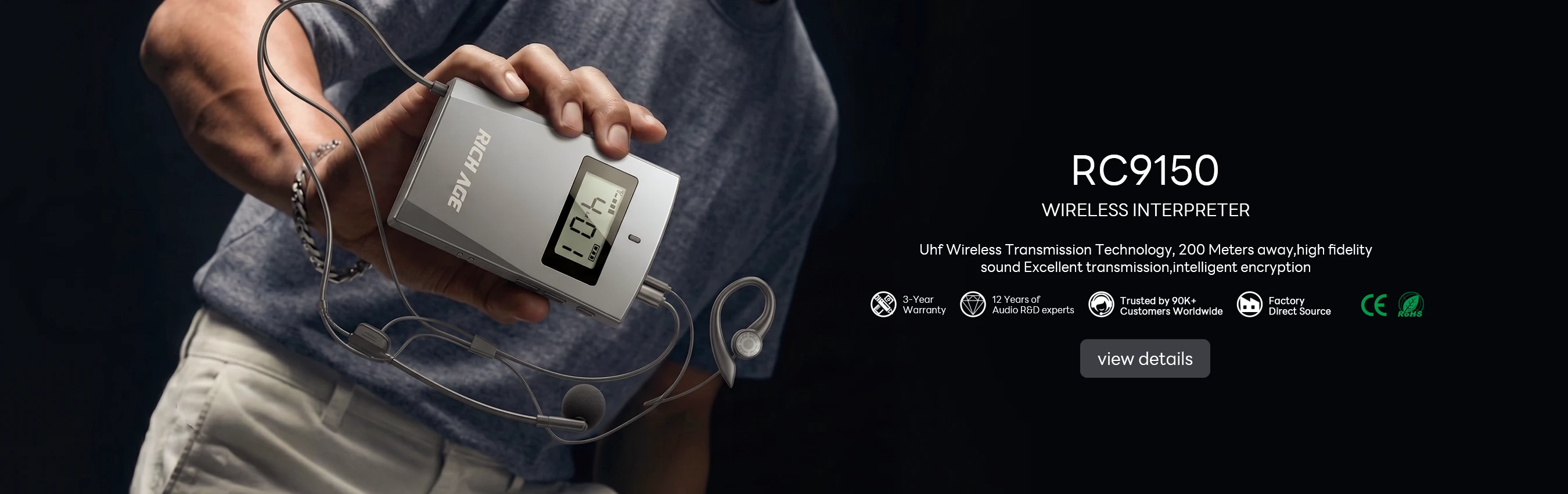
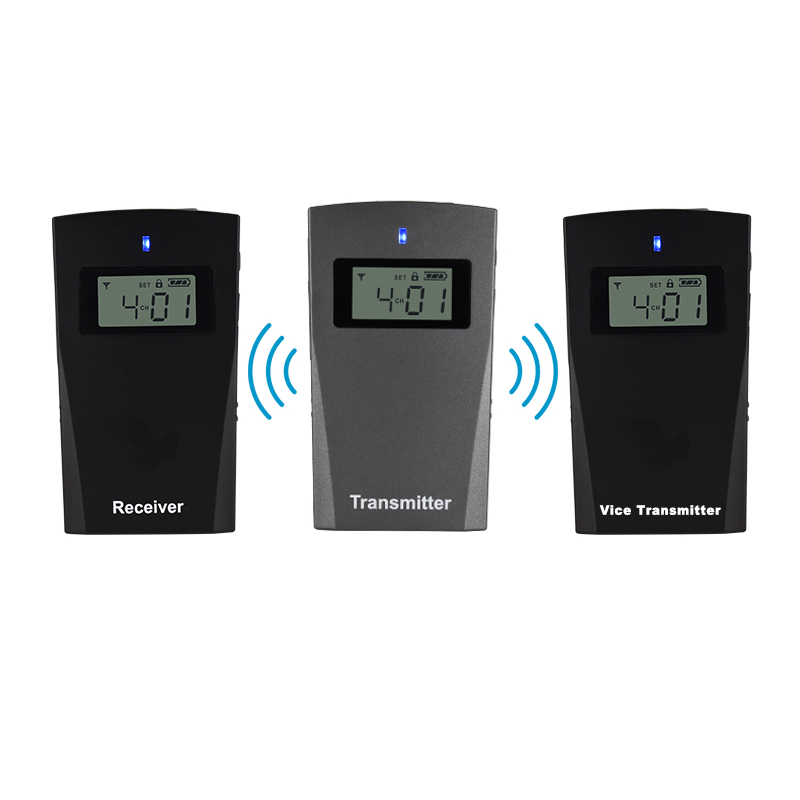
While 2.4GHz systems, like the RC2401, are legally compliant in almost every jurisdiction, they operate in the most crowded slice of the radio spectrum. If your facility is saturated with high-gain Wi-Fi routers or industrial IoT sensors, a 2.4GHz system may experience micro-dropouts. For global organizations, the RC2401's 50-channel capacity provides a safe baseline, but in dense RF environments, moving to a UHF or 900MHz band (such as the RC9150) often provides a more stable floor for audio clarity.

The Trade-off Between Weight and Battery Life
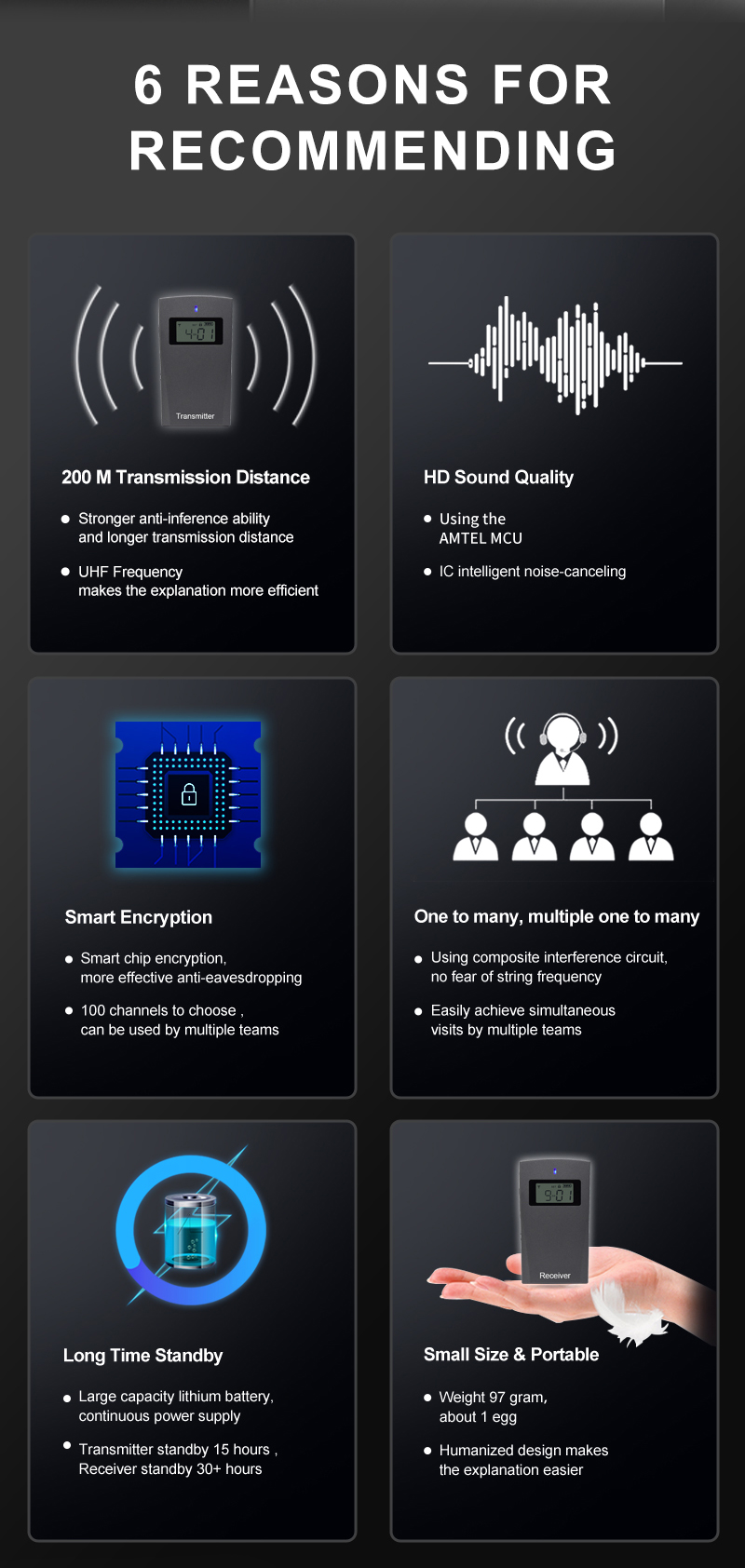
A common friction point in B2B deployments is the lifecycle of the receiver. Ultra-lightweight models (18g–60g) are preferred for VIP tours where aesthetics matter, but they come with physical limitations on battery density. If your operation requires continuous use over multiple shifts, a lightweight receiver like the RC2468 (earhook style) might require mid-day charging. Conversely, the RC9150, while heavier at 97g, offers a 30-hour runtime. You have to decide if the operational cost of managing a charging schedule is more expensive than the slight decrease in user comfort from a heavier device.
Range vs. Signal Penetration
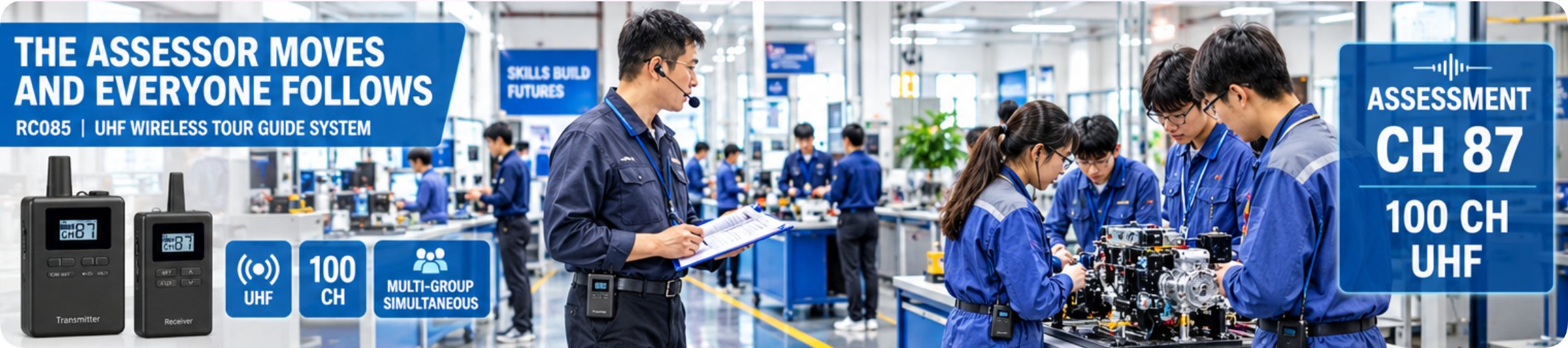
Most technical specs cite a "200-meter range," but this is almost always line-of-sight. In a manufacturing plant with significant metal shielding, large machinery, or concrete pillars, that range can drop by 60%. If your tour path involves moving between different buildings or around heavy shielding, a system with a higher bandwidth (like the 80MHz bandwidth of the RC2468) or a lower frequency (860MHz/900MHz) will generally handle signal diffraction better than standard 2.4GHz models.
One-Way vs. Two-Way Logic
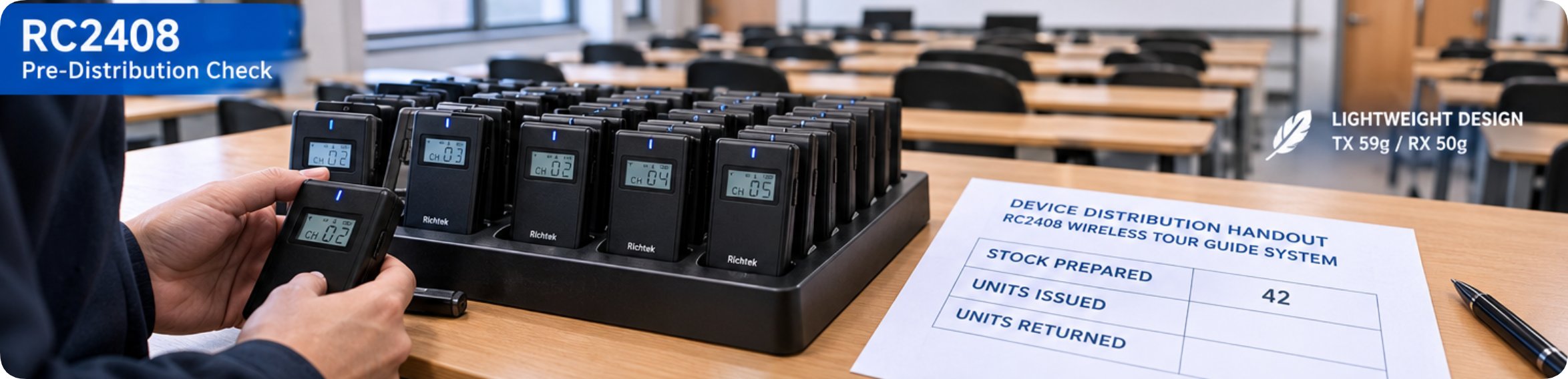
The decision to implement a two-way system is often driven by a desire for "interactivity," but in practice, it can be counterproductive. In a noisy factory, leaving multiple microphones open simultaneously can flood the master channel with ambient background noise. Unless your sessions specifically require a Q&A format where the audience is in a relatively quiet sub-section of the tour, a strictly one-way system (like the RC2408) is usually more reliable for maintaining the primary speaker’s audio priority.
Hardware Durability and Maintenance Realities
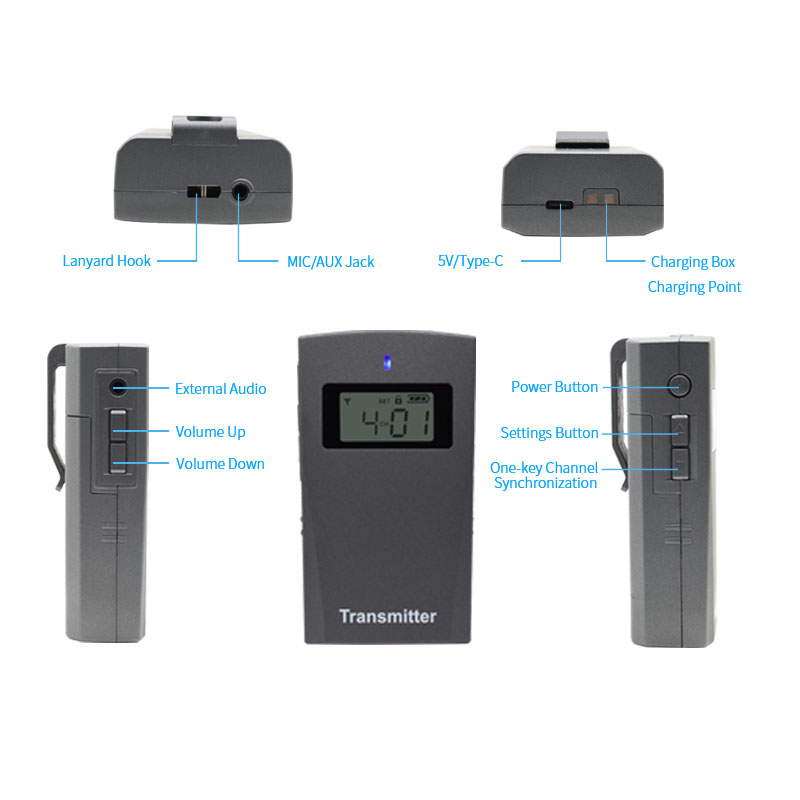
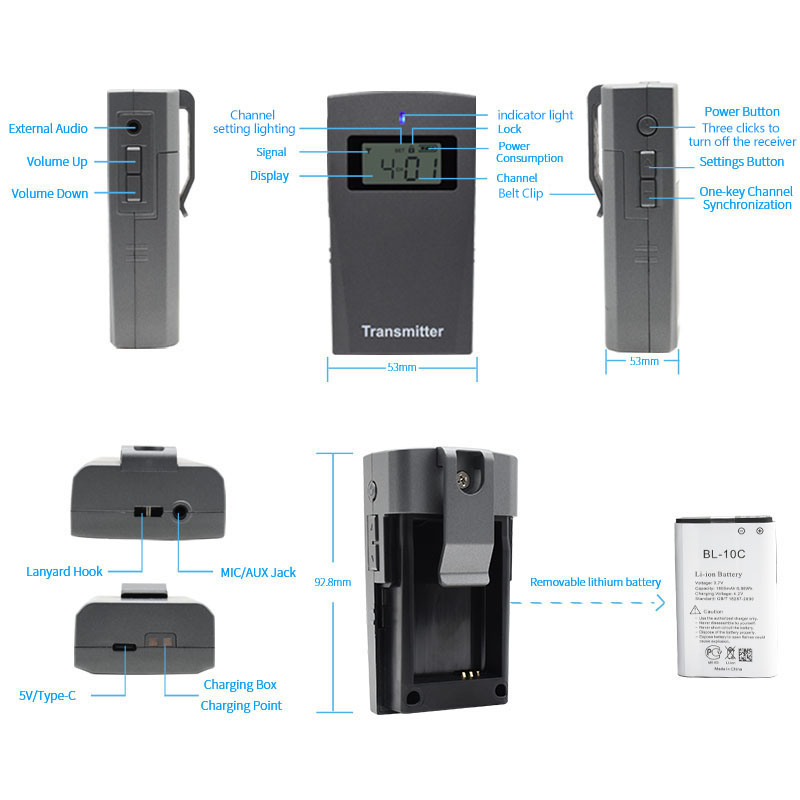
In an industrial setting, the most frequent point of failure is not the internal PCB, but the external ports and cables. Earhook receivers eliminate the "snagging" risk of traditional wired earphones but are more susceptible to physical breakage if dropped on concrete. When evaluating your procurement, look at the casing material and the ease of replacing individual components. A system that uses standard connectors or has a robust belt clip design will generally have a lower Total Cost of Ownership (TCO) over a three-year period.