
Translation Headphones vs. Traditional Church Interpretation: Which One Wins?
Wireless systems preserve sermon flow, boost translation accuracy, handle multiple languages, and cut long‑term costs — a practical comparison for modern churches.
Multilingual congregations are now common in many churches. To serve everyone well, leaders must choose between old‑school methods (live interpreters, pause‑and‑translate) and newer wireless solutions. Translation headphones for church have emerged as a powerful alternative. Below we break down six key areas where modern systems outperform traditional approaches.
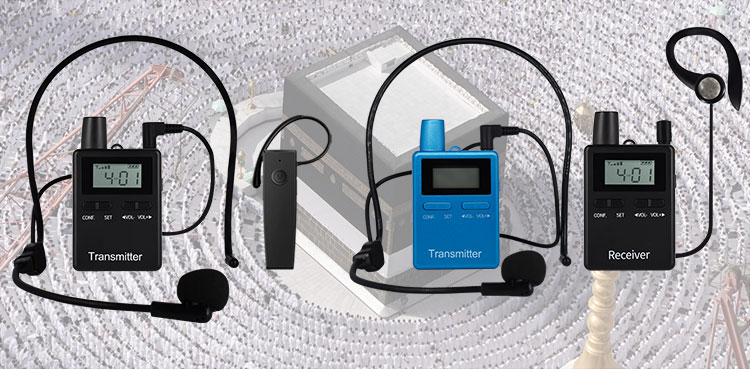
1. Keeping the Service Undisturbed
With sequential translation, the pastor speaks a sentence, stops, waits for the interpreter, then continues. This stop‑start rhythm breaks the spiritual flow and can feel awkward. Wireless headphones change that: the pastor speaks continuously, and listeners hear the translated version in real time without any audible interruption. The sanctuary remains quiet and reverent, yet every person receives the message clearly.

2. Higher Translation Accuracy
Live, on‑the‑fly interpretation is stressful. Even skilled interpreters may miss theological nuances or Bible verse references. A wireless system allows interpreters to work from a dedicated quiet spot, using professional headsets and microphones. They can focus fully, delivering precise, complete translations. The result: fewer errors, richer content, and a more authentic message for non‑native speakers.
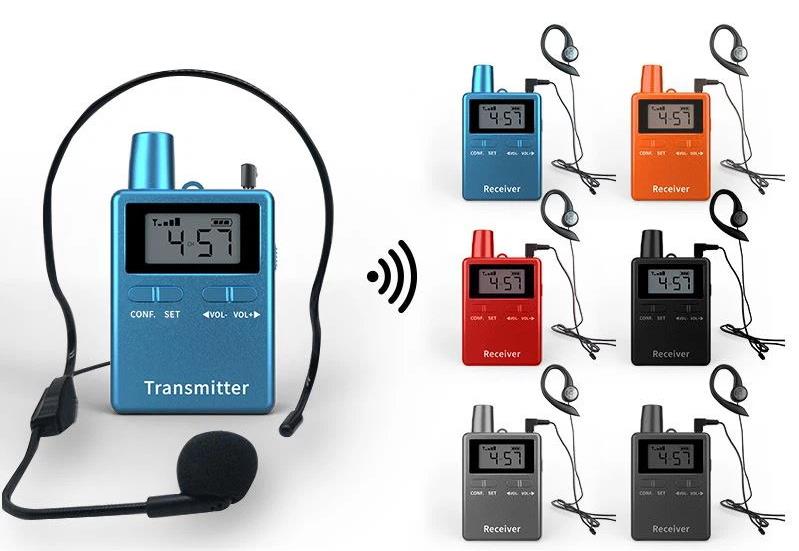
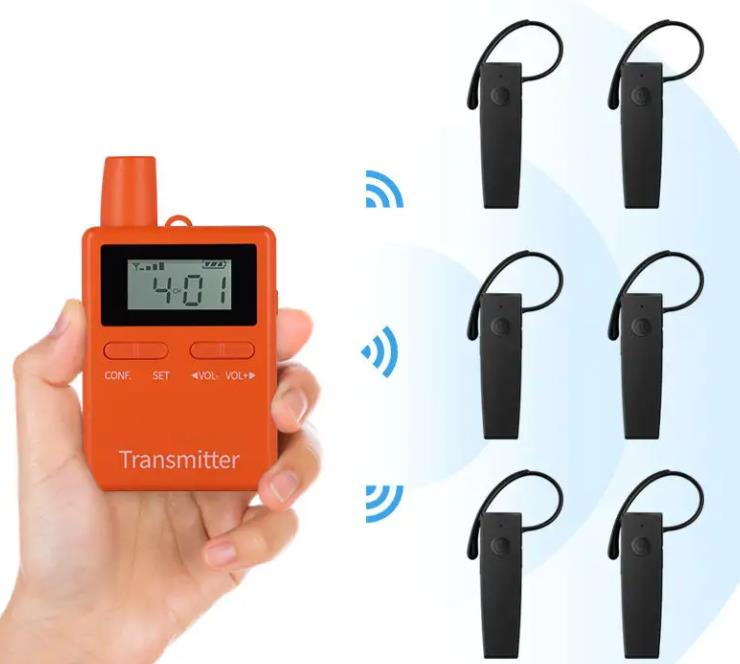
3. Handling Many Languages at Once
Traditional methods struggle with more than two languages. You might need separate services or crowded translation booths. Wireless headphones support dozens of independent channels (e.g., 20–50). Each listener selects their language — Spanish, Tagalog, French, Mandarin — and hears only that feed. No extra staff, no confusion. This makes truly multicultural worship services possible in one hall.
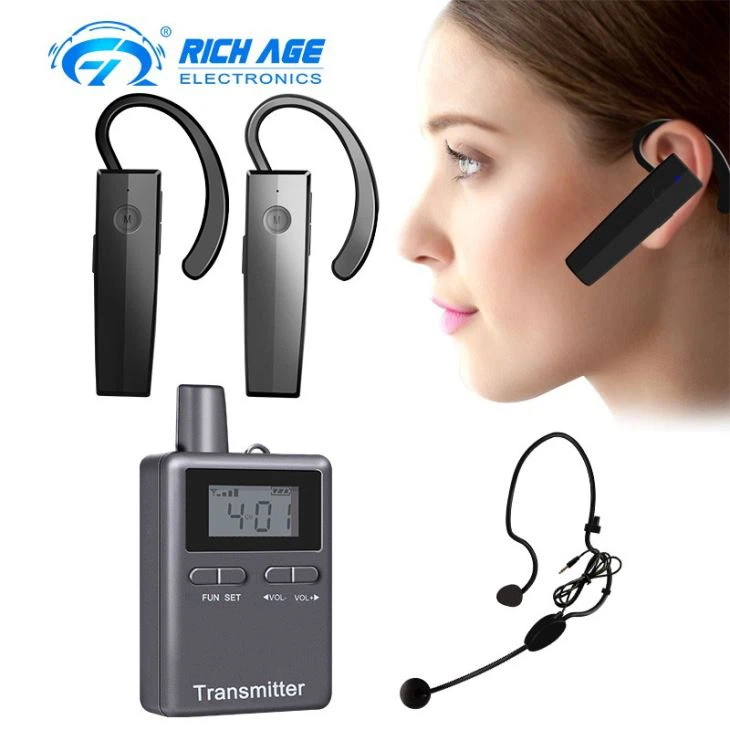
4. Deeper Engagement for Listeners
Waiting for interpretation is frustrating. By the time the translation arrives, the emotional moment may have passed. With real‑time wireless delivery, every listener stays in sync with the pastor’s tone, pacing, and passion. They laugh, reflect, and respond together with the rest of the congregation. Language becomes invisible — only the message remains.
5. Lower Overall Cost
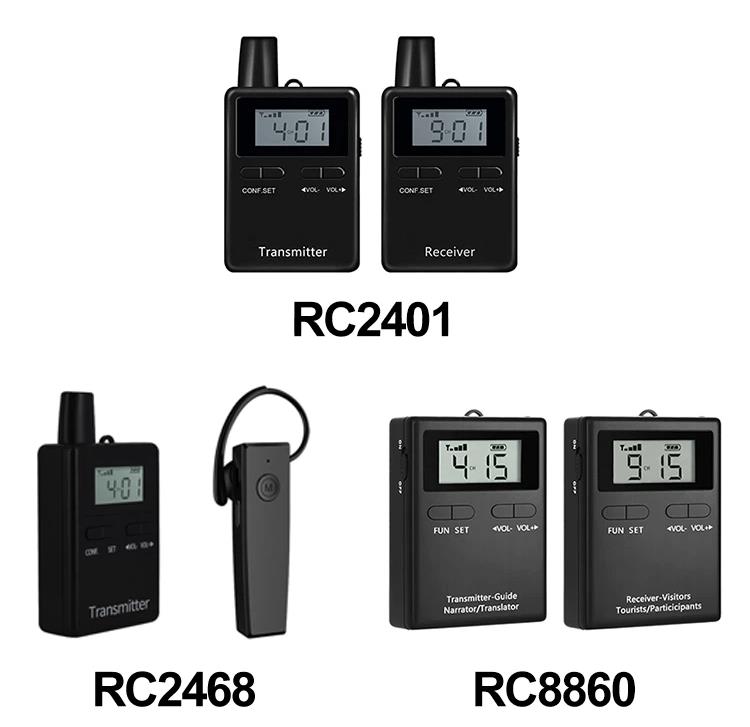
Hiring multiple live interpreters for each language section is expensive, especially week after week. A wireless translation system requires a modest upfront purchase (transmitter + receivers) and then just one or two interpreters per service. Over time, the savings are significant. Small and mid‑size churches can finally offer full multilingual ministry without breaking the budget.
6. Works for Any Church Event
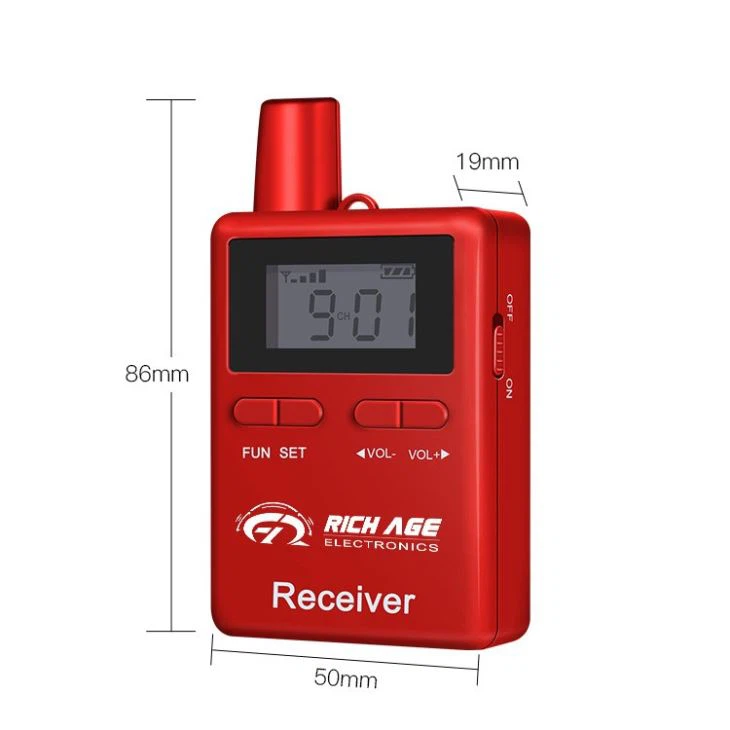
Beyond Sunday worship, churches hold Bible studies, weddings, funerals, baptisms, and conferences. Traditional interpretation setups are hard to move and reconfigure. Translation headphones are portable: pack the transmitter and a set of receivers, set up in minutes, and you’re ready. This flexibility ensures all church activities remain inclusive, regardless of language.


Final Verdict: Modern Tech Enhances Ministry
When you compare traditional interpretation with wireless translation headphones, the advantages are clear: uninterrupted worship, better accuracy, support for many languages, deeper listener engagement, lower long‑term costs, and easy deployment for any event. For churches serious about reaching a diverse congregation, upgrading to a professional wireless system is not just an option — it’s a wise investment in inclusive ministry.