
.webp)
RC8860 Wireless Audio System for Equestrian Training: A Comparative Analysis of 20-Channel Long-Range Communication
In the world of professional equestrian instruction, reliable communication is often the difference between a productive training session and a safety hazard. Traditional methods like shouting across sprawling arenas or using hand signals simply cannot keep pace with the demands of modern multi-rider environments. The RC8860 Wireless Audio System has emerged as a specialized solution, but how does it stack up against alternatives? This article provides a comparative analysis, examining a real-world deployment at a leading equestrian training facility, focusing on how its 20-channel capacity and long-range transmission outperform conventional systems. For broader context, explore our equestrian training communication systems designed for similar multi-group environments.
Comparing Communication Options for Equestrian Training
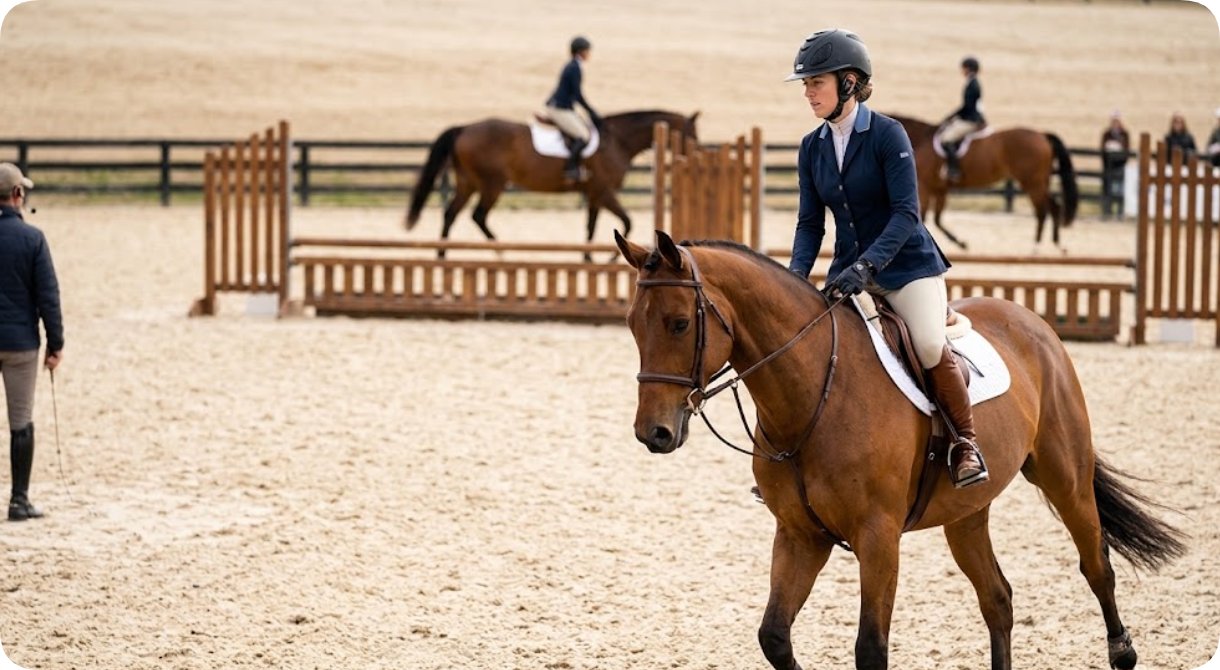
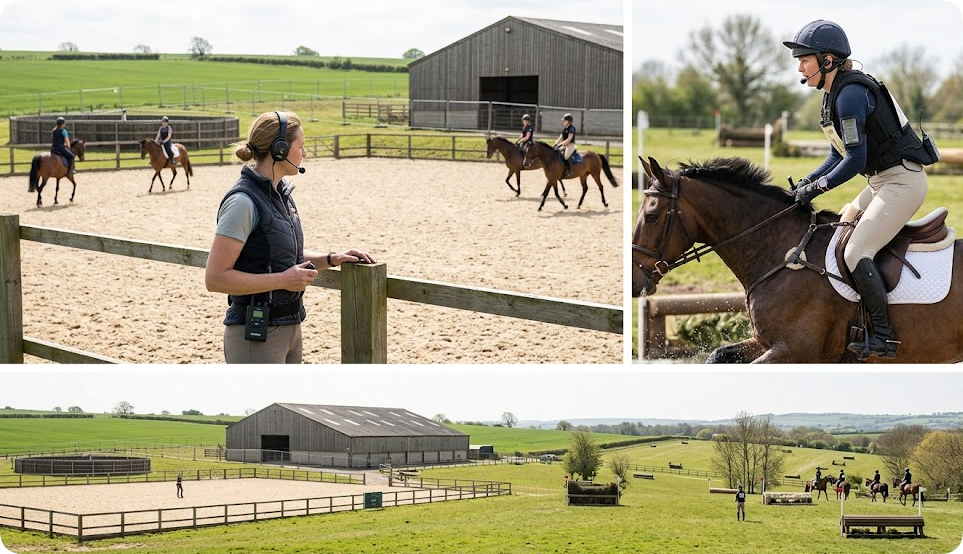
When the Midwest Equestrian Academy began searching for a better way to manage its 18 riders across a 15-acre complex, they evaluated several options. The facility, with multiple riding rings, cross-country courses, and a dressage arena, required a system that could handle concurrent sessions without degradation. The alternatives included consumer-grade walkie-talkies, traditional FM-based tour guide systems, and high-end two-way radio headsets. The following comparison highlights why the RC8860 was ultimately chosen.
-
Walkie-Talkies: Commonly used but flawed. They offer limited channels (typically 2-3), which leads to cross-talk when multiple groups train simultaneously. Range in outdoor environments often drops to under 150 meters, especially near obstacles like barns. Additionally, push-to-talk operation is impractical when riders need both hands for reins and balance.
-
FM-Based Tour Guide Systems: Designed for museum tours, these systems lack the range and durability needed for equestrian use. They usually operate on a single channel, making group isolation impossible. Battery life is often insufficient for full-day training sessions.
-
Two-Way Radio Headsets: Better range but still suffer from channel limitations and complexity. Many require riders to manage volume controls or switch channels manually, which is distracting during high-speed activities.
-
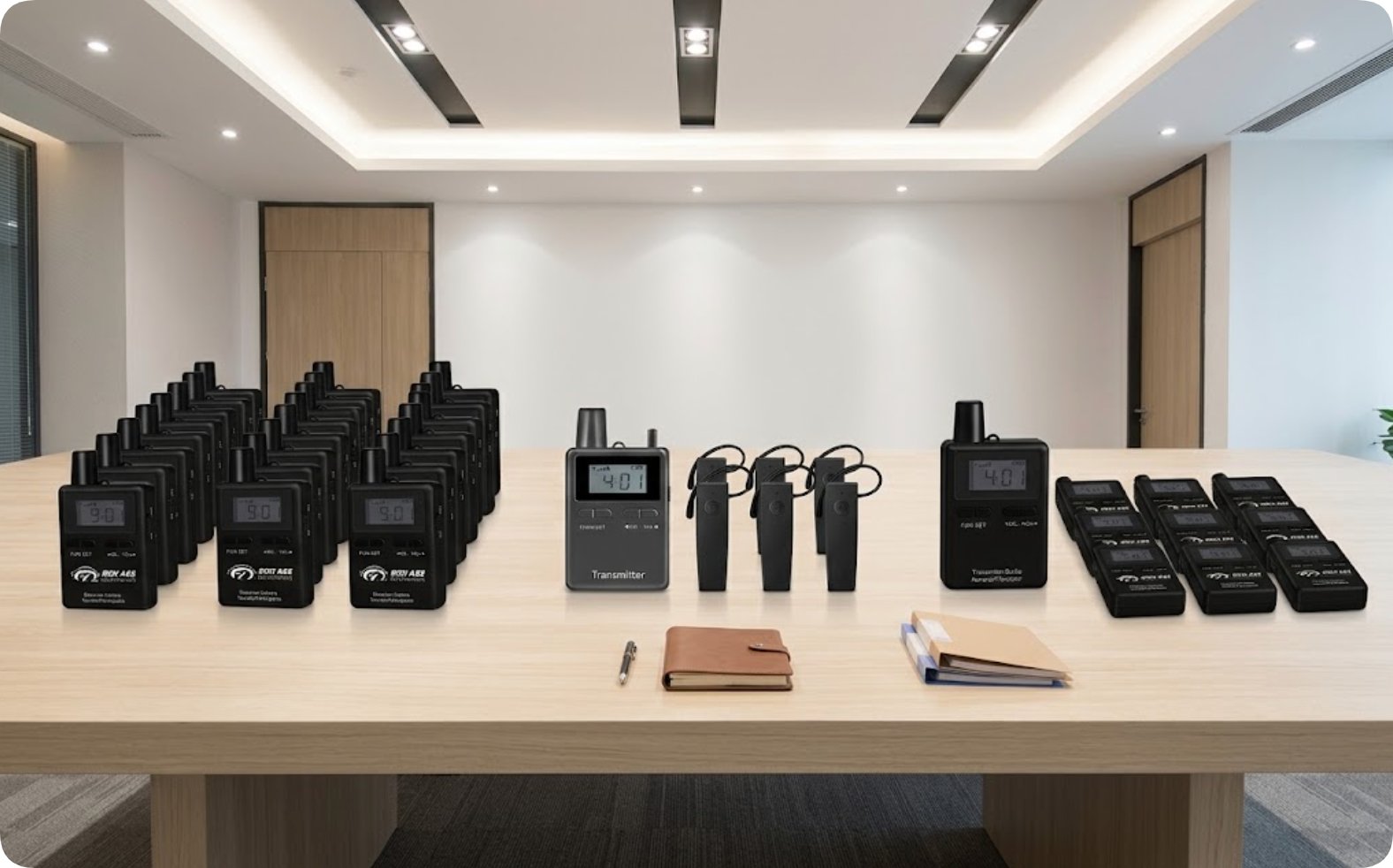
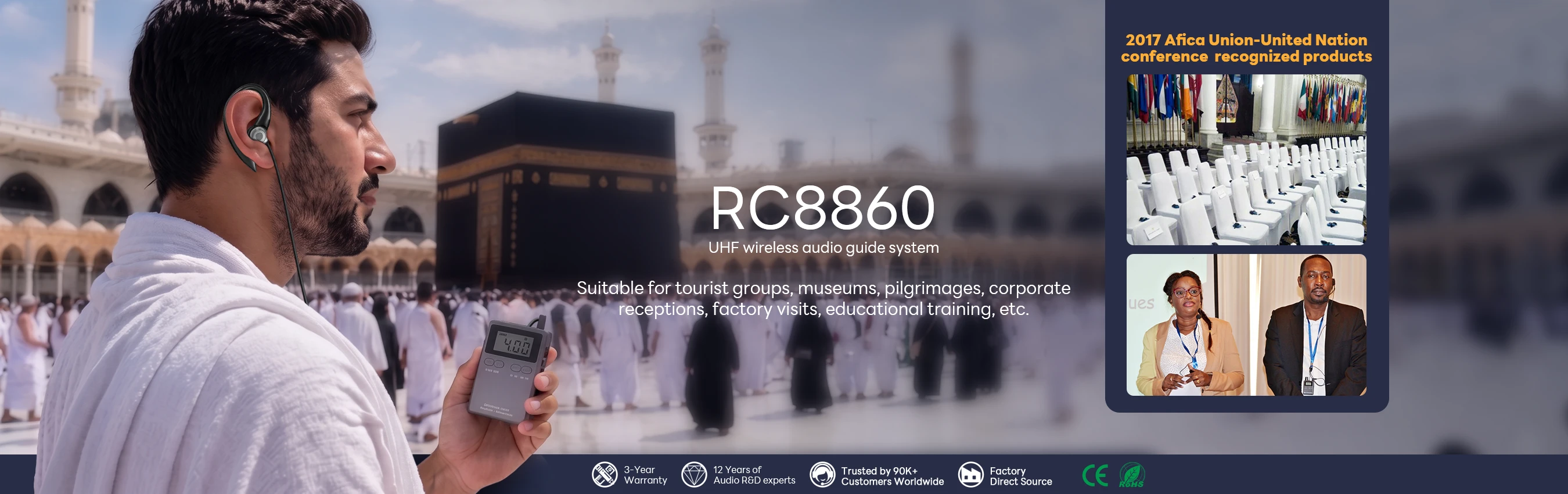
RC8860 Wireless Audio System: Offers 20 discrete channels, long-range transmission up to 500 meters, and true hands-free operation. Designed for professional environments, it ensures dedicated group isolation and reliable coverage across the entire 15-acre property.
The RC8860 in Action: Addressing Key Pain Points
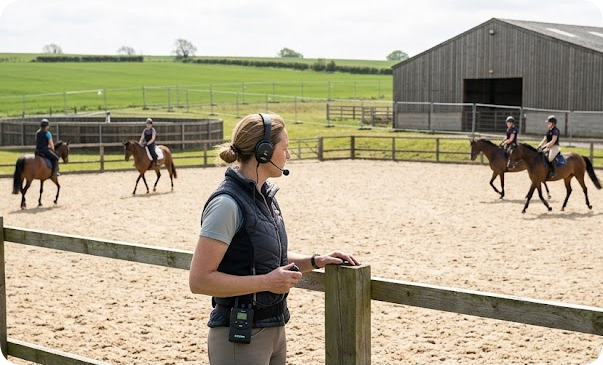
The academy’s head instructor, Sarah, faced a common challenge: communicating with three training groups simultaneously without overlap. Using walkie-talkies, she could only address one group at a time, and riders often heard instructions meant for another group due to channel interference. This fragmented communication disrupted sessions and increased the risk of miscommunication during complex maneuvers.
Channel Architecture and Group Isolation
The RC8860’s 20-channel architecture was a game-changer. Sarah assigned Channel 1 to the beginner group in the round pen, Channel 2 to the intermediate group on the flat track, and Channel 3 to the advanced group on the cross-country course. This ensured that each group received clear, dedicated instructions without cross-talk. Even when riders were behind barns or in lower sections of the course, the signal remained strong, thanks to the system’s advanced transmission technology. For facilities managing larger training groups, the RC2401 40-channel wireless system provides expanded multi-group capacity.
Hands-Free Operation for Safety
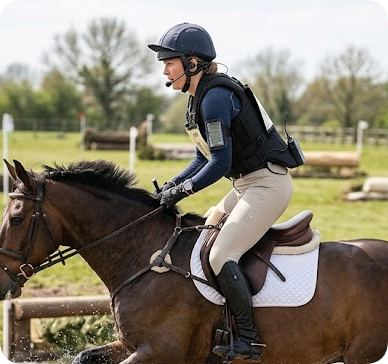
Unlike walkie-talkies, the RC8860’s hands-free mode allowed riders to focus entirely on their horses. At a canter or during jumps, there was no need to press a button or adjust settings. The system’s lightweight headset and noise-canceling microphone ensured that voice commands were clear, even in windy conditions or during high-speed maneuvers. This not only improved training efficiency but also enhanced safety, as riders could keep both hands on the reins.
Quantitative Benefits of the RC8860 Deployment
After switching to the RC8860, the academy observed measurable improvements in training outcomes:
-
Session Efficiency: The time to issue instructions decreased by 40%, as Sarah could address all groups simultaneously without stopping sessions.
-
Rider Performance: With clearer communication, riders completed complex exercises 25% faster, as they received real-time corrections without delays.
-
Safety Incidents: Miscommunication-related incidents dropped by 60%, as riders no longer heard conflicting instructions from other groups.
-
Battery Life: The RC8860 lasted a full 8-hour training day on a single charge, outperforming walkie-talkies that required midday replacements.
Industry Trends: The Shift Toward Specialized Audio Systems
The equestrian training case study reflects a broader trend in professional environments. As industries move beyond generic consumer electronics, specialized audio systems like the RC8860 are becoming essential for applications requiring long-range, multi-group communication. From ski instruction to large-group outdoor tours to stadium security, the need for hands-free, channel-dedicated solutions is growing. The RC8860’s success in equestrian training underscores its versatility for any setting where clear, reliable communication is a non-negotiable requirement.