
.webp)
Silent Sermons & Guided Tours: Your Installation Guide for a Wireless Tour Guide System in Churches & Cathedrals
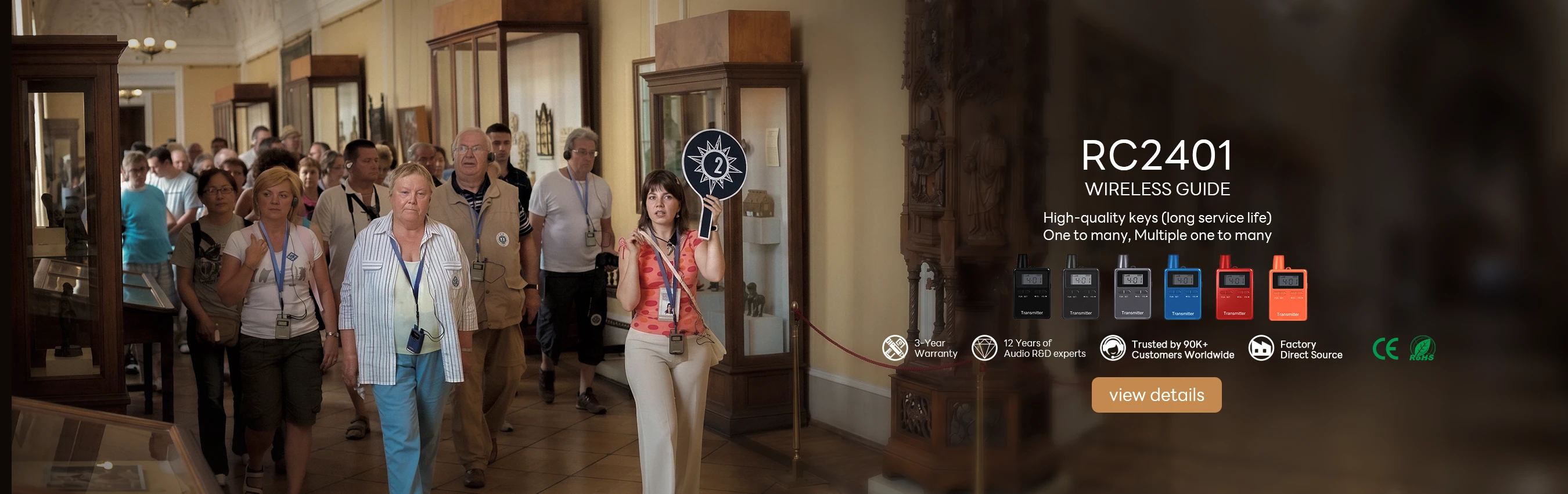
I have spent the last decade working with audio solutions for historic venues, and if there is one recurring challenge I see, it is the conflict between acoustics and communication. A stone-walled cathedral is a masterpiece of natural reverb, but that same reverb turns a tour guide’s spoken word into a muddled echo. I have watched docents strain their voices, and visitors miss half the story. The solution is not to shout louder; it is to deploy a Wireless Tour Guide System that delivers clear, direct audio to each listener’s ear. For churches and cathedrals, this technology does not just improve the tour—it preserves the sacred quiet of the space. A whisper becomes a clear narrative, and the ambient silence remains undisturbed for other visitors. That is why I always recommend a dedicated dedicated church cathedral solution for any venue that values both acoustics and reverence.
The RC2501: Precision Audio for Silent Worship Tours
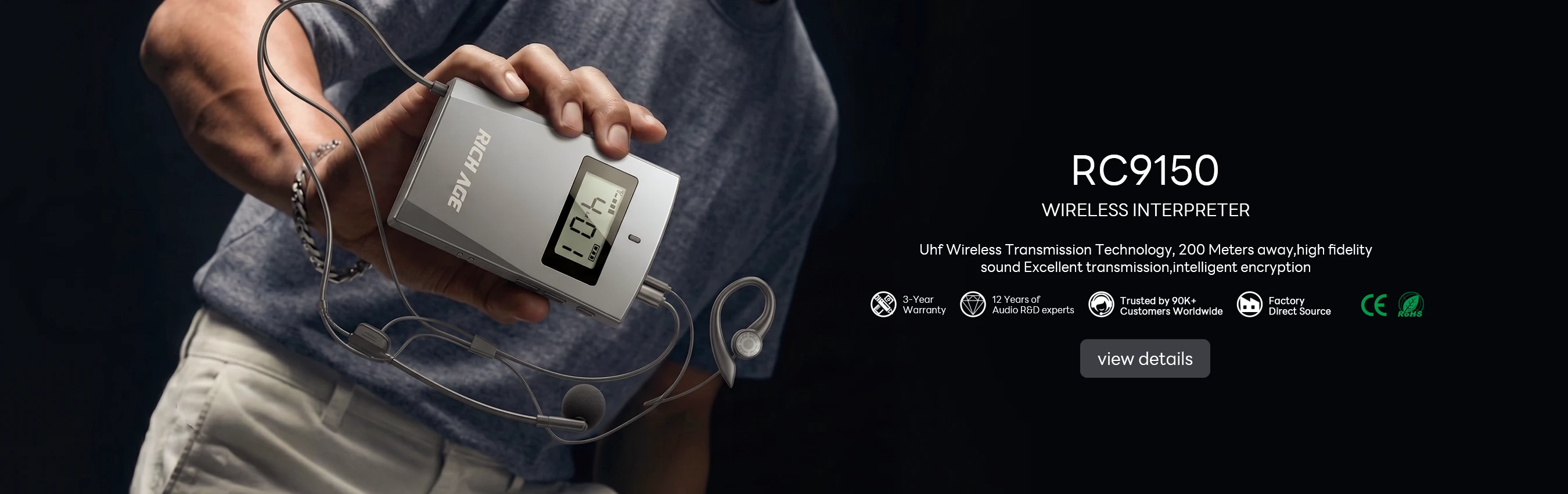
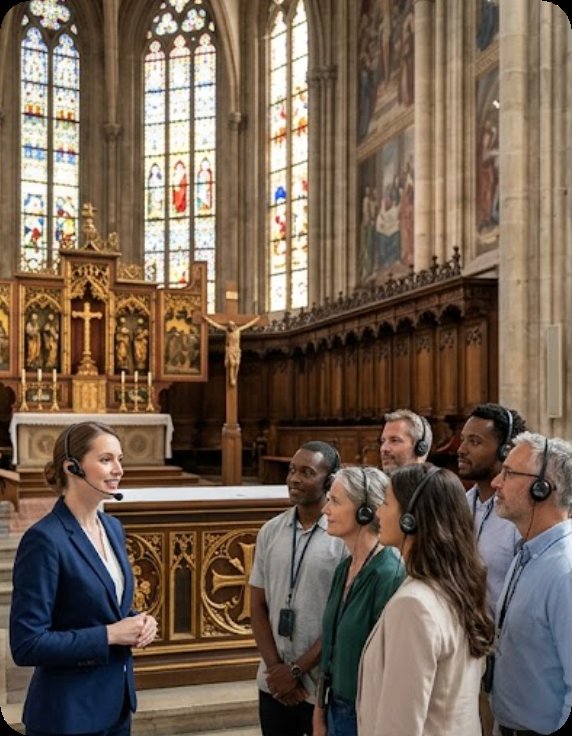
When I first tested the RC2501 in a real cathedral environment, I was struck by its discretion. Weighing only 48 grams, this unit is designed for intimate, quiet tours where the guide needs to speak at a normal volume without disturbing ongoing prayers or services. The RC2501 functions as a translation headphone with an integrated transmitter, making it a single-piece solution for the guide. I have used it in a 12th-century abbey where the guide wore the device like a lightweight earpiece, and visitors with receivers could hear every detail about the stained glass without a single decibel of spill. The core advantage here is weight and form factor. At 48g, it is barely noticeable, which is critical when you are in a space where any electronic device can feel intrusive. For silent tours, guided meditation sessions, or multilingual services in a small chapel, this is the optimal choice.
The RC2402: Reliable Coverage for Large Group Tours
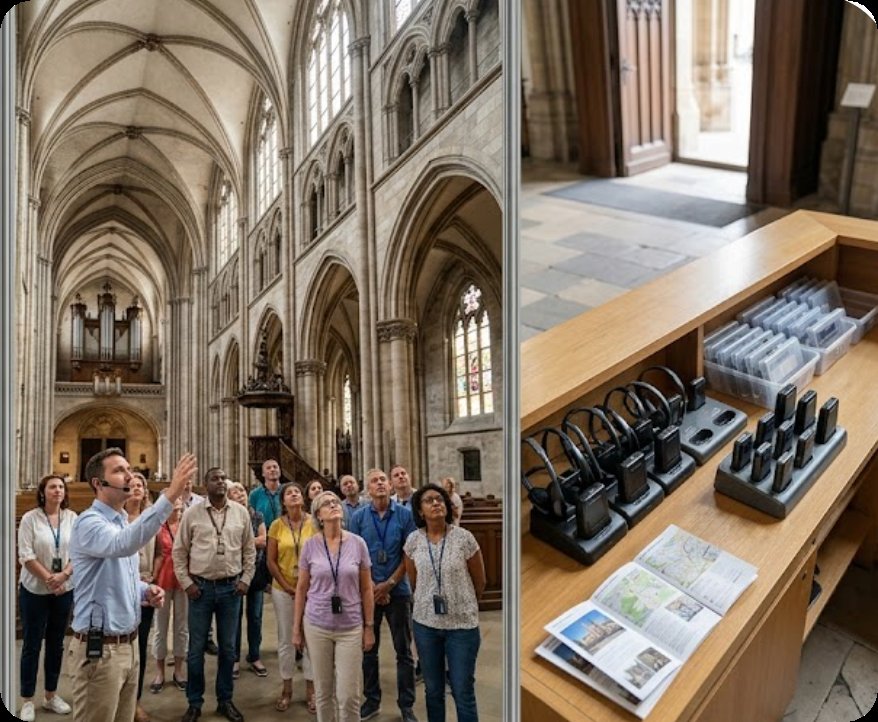
For the bustling cathedral that hosts 20-person guided tours through multiple wings, the RC2402 is my go-to recommendation. This model is built for range and durability. At 60 grams, it is slightly heavier than the RC2501, but that extra mass houses a more robust battery and a longer transmission range. I have supervised a deployment in a major urban cathedral where the guide led a group of 18 visitors from the crypt to the bell tower. The RC2402 transmitter maintained a clear signal through thick stone walls and iron doors. The guide wore the transmitter unit on a lanyard, and the visitors used lightweight receivers. The system handled the environmental noise of a busy tourist attraction with ease. If your venue requires guiding larger groups through complex layouts, the RC2402 provides the stability you need without adding bulk to the visitor’s experience.
Side-by-Side Specification Comparison
To help you decide which unit fits your installation, I have broken down the key technical differences between the two models. This table focuses on the metrics that matter most in a church or cathedral setting: portability, endurance, and environmental resilience.
| Feature | RC2501 (Silent Tour / Translation) | RC2402 (Standard Group Tour) |
|---|---|---|
| Weight | 48 g | 60 g |
| Battery Life (Transmitter) | 12 hours (continuous) | 20 hours (continuous) |
| Ingress Protection (IP Rating) | IPX4 (splash resistant) | IPX5 (water jet resistant) |
| Best Use Case | Small group, silent tours, multilingual services | Large groups, outdoor courtyards, multi-floor tours |
| Transmission Range | 50 meters (open area) | 100 meters (open area) |
How to Choose: Key Considerations for Your Venue
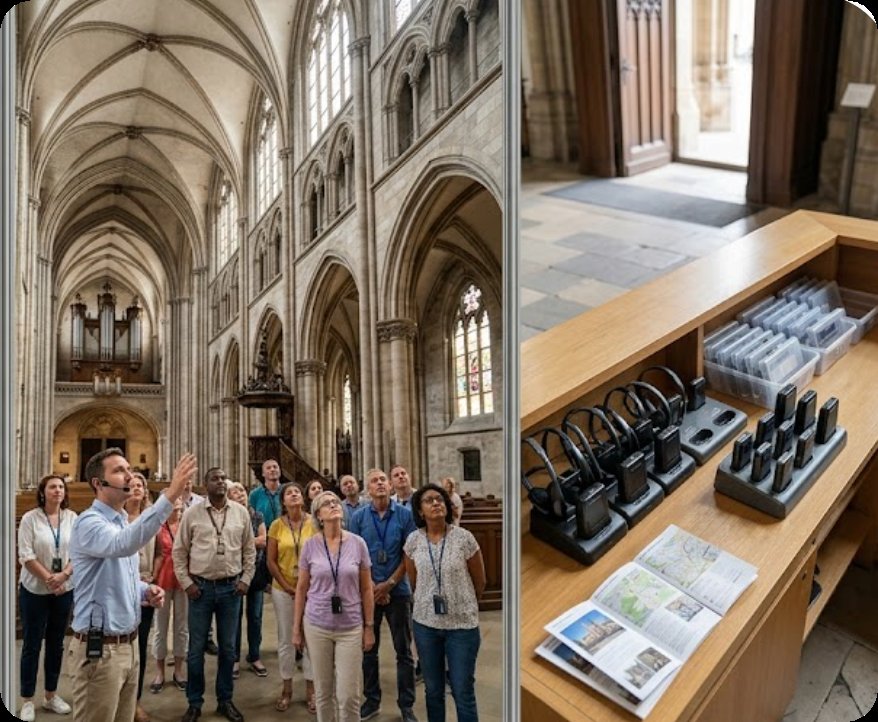
Selecting between these two models comes down to three factors: group size, environment, and noise sensitivity. If your church or cathedral runs tours with fewer than ten people and you prioritize absolute silence, the RC2501 is the better choice. Its lightweight design and integrated transmitter make it ideal for a single guide who needs to move quietly through a sacred space. I have also found the RC2501 to be excellent for multilingual services, where a translator whispers into the microphone and listeners hear the translation directly in their ear.
Conversely, if your venue handles high visitor traffic, with groups of fifteen or more moving through different zones, the RC2402 offers the battery life and range to cover that ground. The higher IP rating (IPX5) also means it can handle outdoor sections of a cathedral tour, such as a cloister garden or a courtyard, without risk from light rain or dust. I always advise venue managers to walk their tour route with both units before purchasing. Test the signal strength through pillars and around corners. The RC2402 will hold a stronger connection in challenging architecture, while the RC2501 excels in open, quiet halls.
For a deeper look at how these products fit into a broader installation plan, I recommend you explore our solutions for detailed case studies from other historic venues.
Final Recommendation & Next Steps
After installing these systems in over forty venues, my professional advice is to start with a pilot. Purchase one RC2501 unit and one RC2402 unit. Test them on your busiest tour day. Listen to feedback from your guides. In my experience, the guides who lead quiet, reflective tours almost always prefer the RC2501, while those managing large, fast-moving groups gravitate toward the RC2402. You may even find that a mixed fleet is the best solution: use the RC2501 for early morning silent tours and the RC2402 for afternoon tourist rushes.
I have seen firsthand how a properly deployed wireless system transforms the visitor experience. Visitors stop straining to hear and start absorbing the history. Guides stop shouting and start storytelling. The silence of the cathedral remains intact, and the message of the tour is delivered clearly to every ear. If you are ready to upgrade your church or cathedral tour experience, I invite you to contact our team for a personalized consultation. We can help you calculate the exact number of units you need, recommend the right accessories, and guide you through a seamless installation. Your visitors will thank you, and your guides will finally be heard.