
.webp)
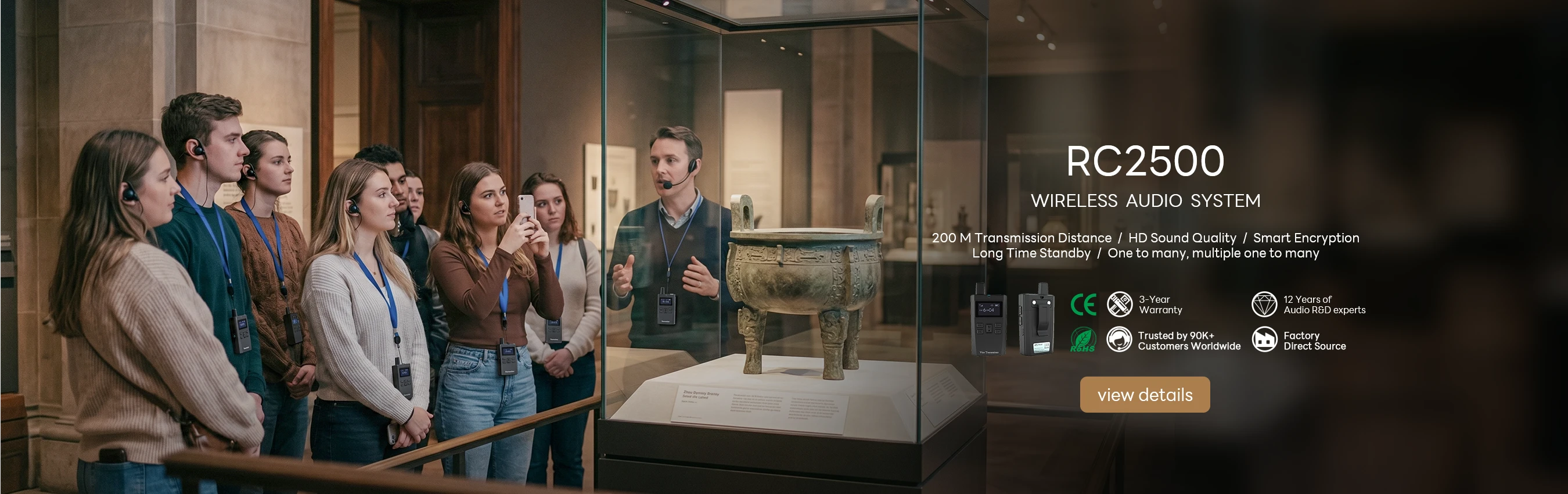
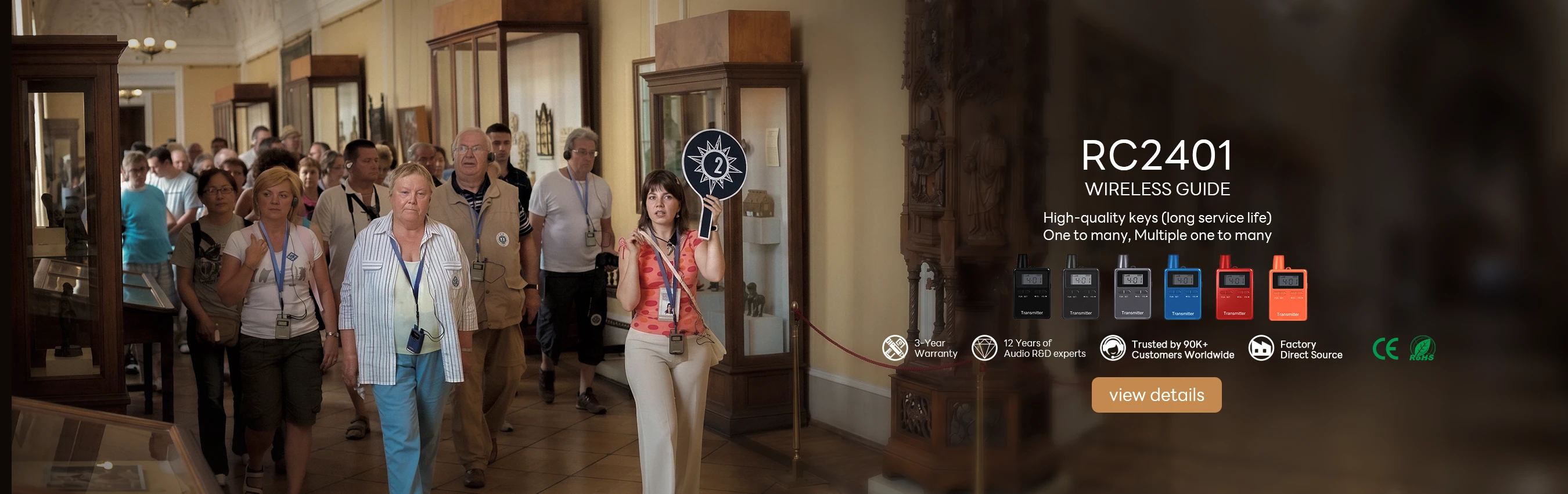
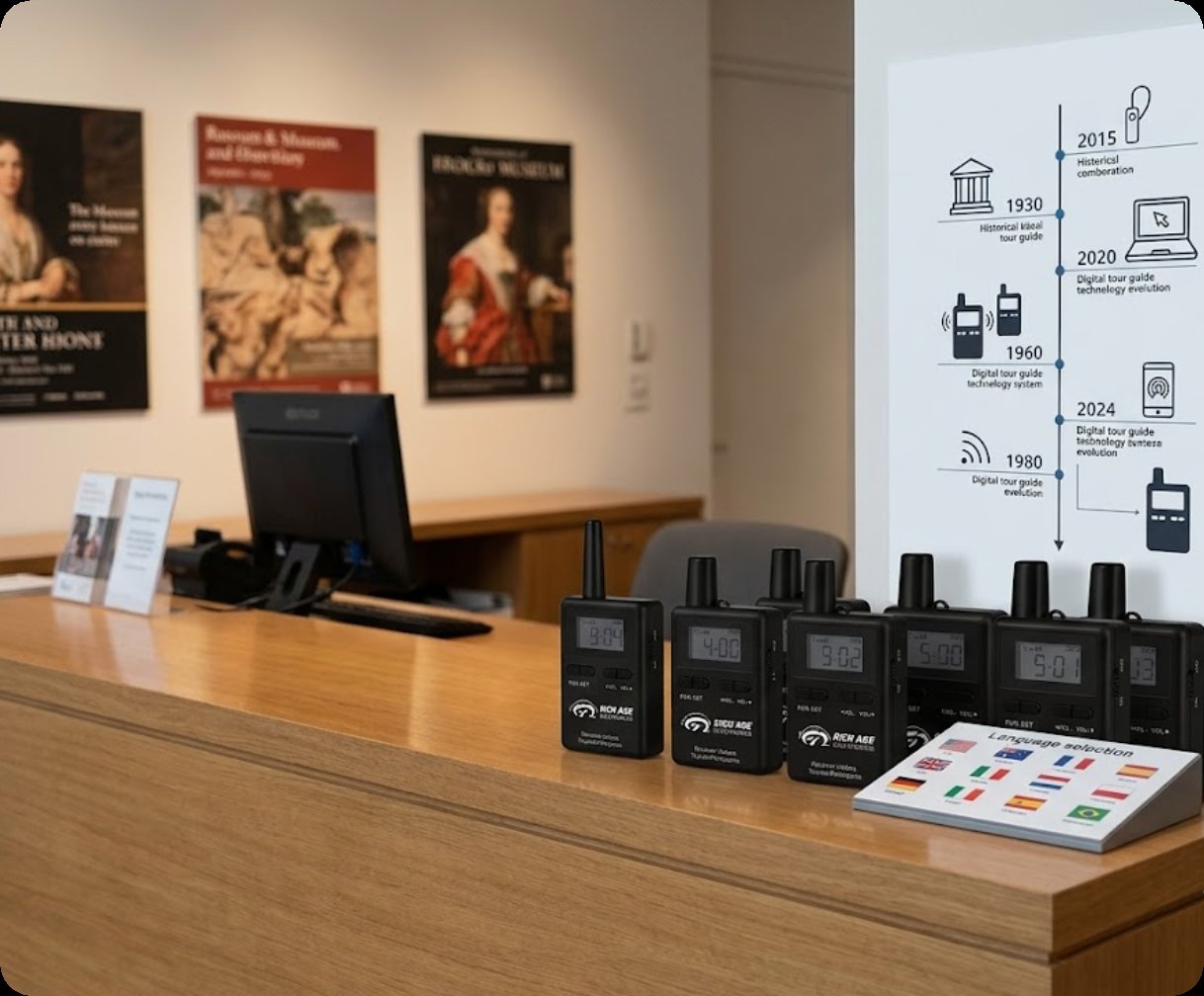
In my years of consulting with cultural institutions, I’ve seen the silent struggle of museum visitors who cannot understand the language of the exhibition. A static audio guide or a printed brochure simply cannot deliver the dynamic, real-time translation that a diverse international audience expects today. The modern museum must become a polyglot space, and that transformation is driven by technology. I believe that a robust Wireless Tour Guide System is no longer a luxury but a core operational tool. It allows curators to offer simultaneous interpretation in multiple languages without shouting over crowds or creating disruptive noise. When you move from a wired, fixed-point audio system to a portable, digital transmission model, you unlock the ability to let visitors move freely while hearing a clear, synchronized translation. This is the technical evolution that separates a good museum visit from a great one. For institutions serious about accessibility, I always recommend starting with dedicated museum multilingual solutions that prioritize both audio clarity and ease of deployment.
RC9150: The High-End 2.4G Simultaneous Interpretation System
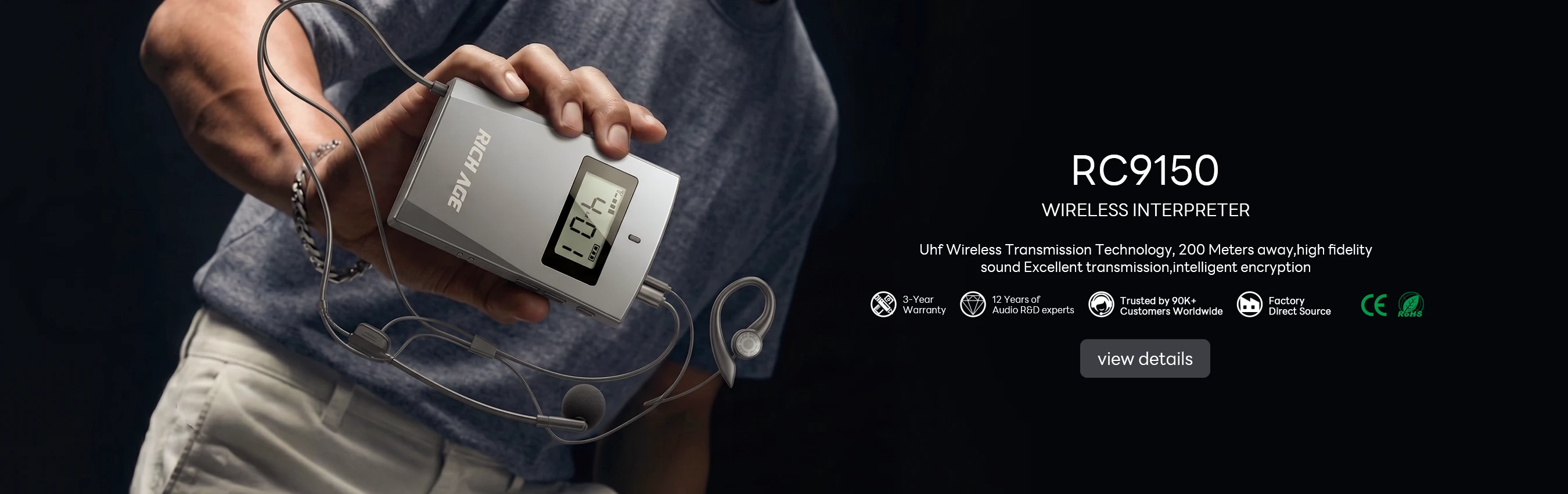
For flagship museums and large-scale exhibitions, the RC9150 is the gold standard. I position this as the professional interpreter’s tool. It is a high-end 2.4G system designed for simultaneous interpretation booths, where an interpreter must speak clearly while hearing the original audio. The core advantage here is the full-duplex communication and the robust anti-interference capability of the 2.4G band. Weighing only 75 grams, it is lightweight enough for long shifts, yet it packs a battery life that easily covers a full day of guided tours. The best scenario for the RC9150 is a formal conference hall within a museum, where a keynote presentation is being translated into three or four languages simultaneously. The audio is crisp, the latency is negligible, and the audience receives the translation on their own receivers, creating a seamless, professional experience.
RC2501: The Ultra-Light Translation Headphone for Silent Tours
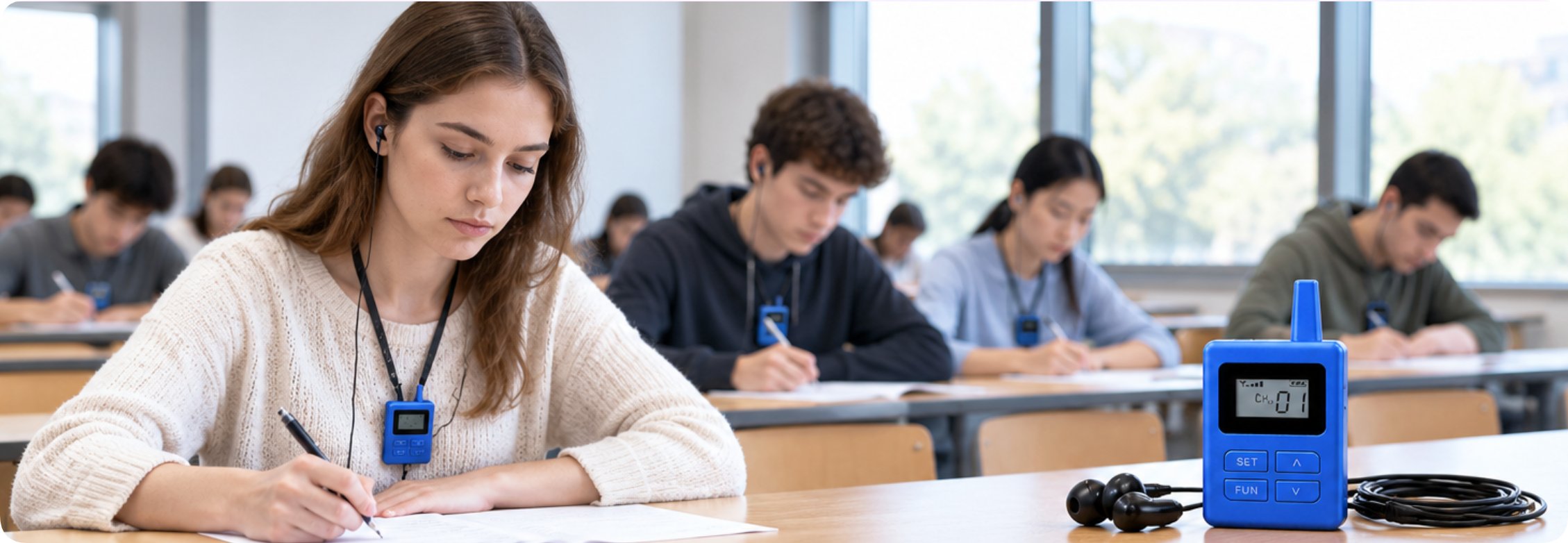
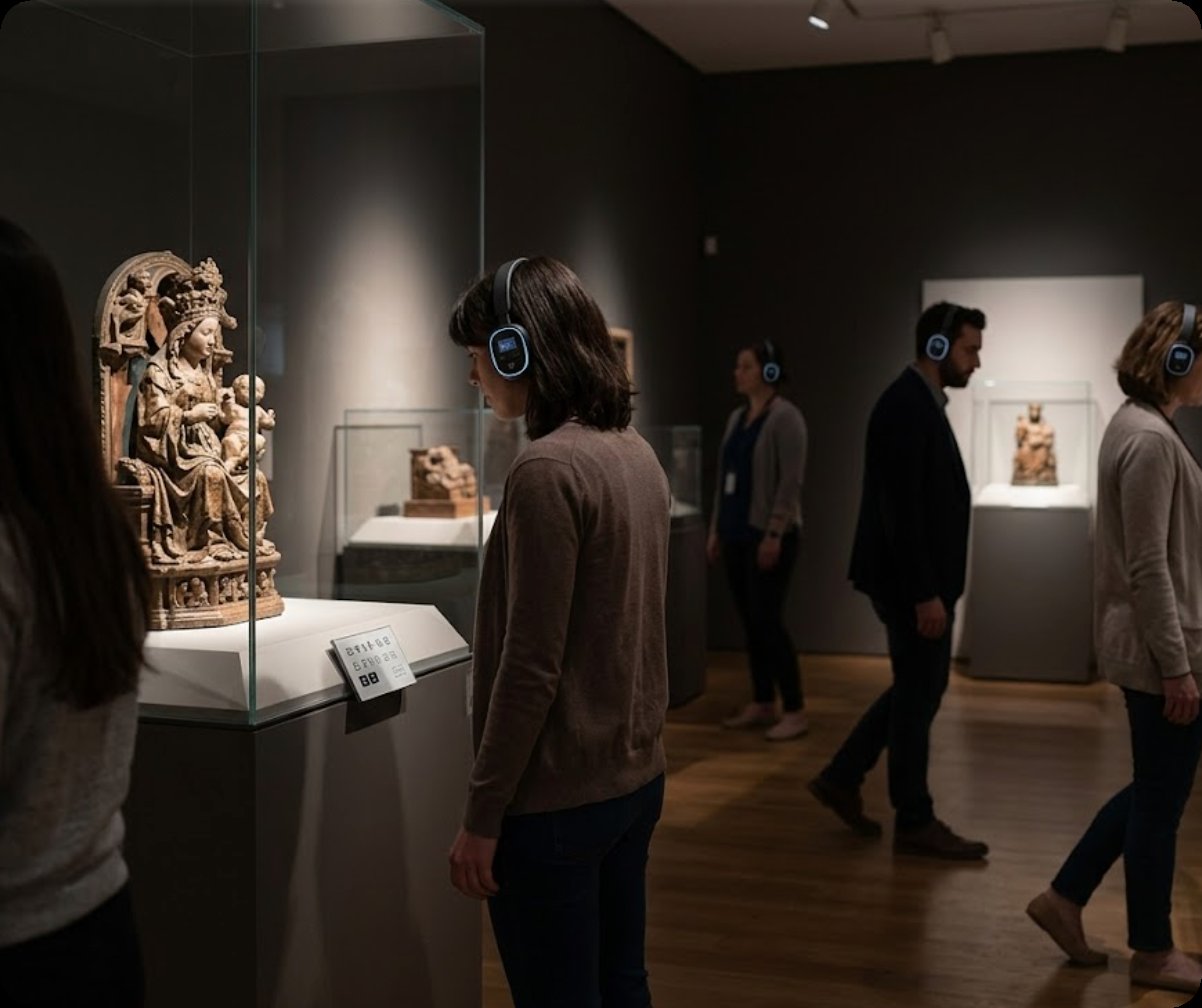
When the setting shifts from a large conference to a quiet, intimate gallery space, the RC2501 becomes the ideal choice. I see this model as a game-changer for “silent tours” in churches, historical chapels, or small museum wings where ambient noise must be minimized. The RC2501 is a translation headphone that integrates the receiver and earphone into a single, discreet unit weighing just 48 grams. This is the lightest option in our lineup, making it almost unnoticeable for visitors. The guide wears a separate transmitter and speaks in a normal voice, while the visitors hear the translation directly in their ears. This eliminates the need for bulky handheld receivers. The best use case for the RC2501 is a silent museum tour where the guide must whisper to avoid disturbing other patrons. The technology allows for a personal, intimate connection between the guide and the group, even in a sacred or silent space.
RC2402: The Standard Wireless Tour Guide for Medium Groups
For the majority of museum tours—those medium-sized groups of 15 to 20 visitors moving through a mix of indoor galleries and outdoor courtyards—the RC2402 is the workhorse. I recommend this model to institutions that need a reliable, easy-to-use system without the complexity of a full interpretation setup. The RC2402 is a standard wireless tour guide system that operates on a clear, stable frequency. At 60 grams, it is slightly heavier than the RC2501 but still comfortable for a two-hour tour. Its battery life is excellent, and the controls are intuitive for both guides and visitors. The best scenario for the RC2402 is a standard multilingual tour where the guide switches between languages for different groups. It is the perfect balance of performance and simplicity, ideal for museums that host daily tours in two or three languages. You can browse the full RC9150 series and its companions to see how they fit into a larger system.
Technical Comparison Table
| Model | Weight | Battery Life | Protection Rating | Best Use Scenario |
|---|---|---|---|---|
| RC9150 | 75 g | Up to 15 hours | IPX4 (splash resistant) | High-end simultaneous interpretation in museums |
| RC2501 | 48 g | Up to 12 hours | IPX5 (water resistant) | Silent tours in churches or quiet galleries |
| RC2402 | 60 g | Up to 14 hours | IPX4 (splash resistant) | Standard medium-group multilingual tours |
How to Choose the Right System for Your Museum
When selecting a wireless tour guide system for a multilingual museum environment, you must consider three key factors: group size, noise sensitivity, and audio complexity. For large groups requiring simultaneous interpretation in multiple languages, the RC9150 is the clear winner because of its professional-grade transmission and low latency. For tours in noise-sensitive areas like a church or a library, the ultra-light and discreet RC2501 is the only logical choice, as it allows for silent operation. For general-purpose daily tours with medium-sized groups, the RC2402 offers the best balance of weight, battery life, and ease of use. I also advise museum managers to think about scalability. It is often wise to mix models: use the RC9150 for special events and the RC2402 for daily operations. You can explore our solutions to see how other museums have configured their systems.
Upgrade Your Museum Tour Experience Today
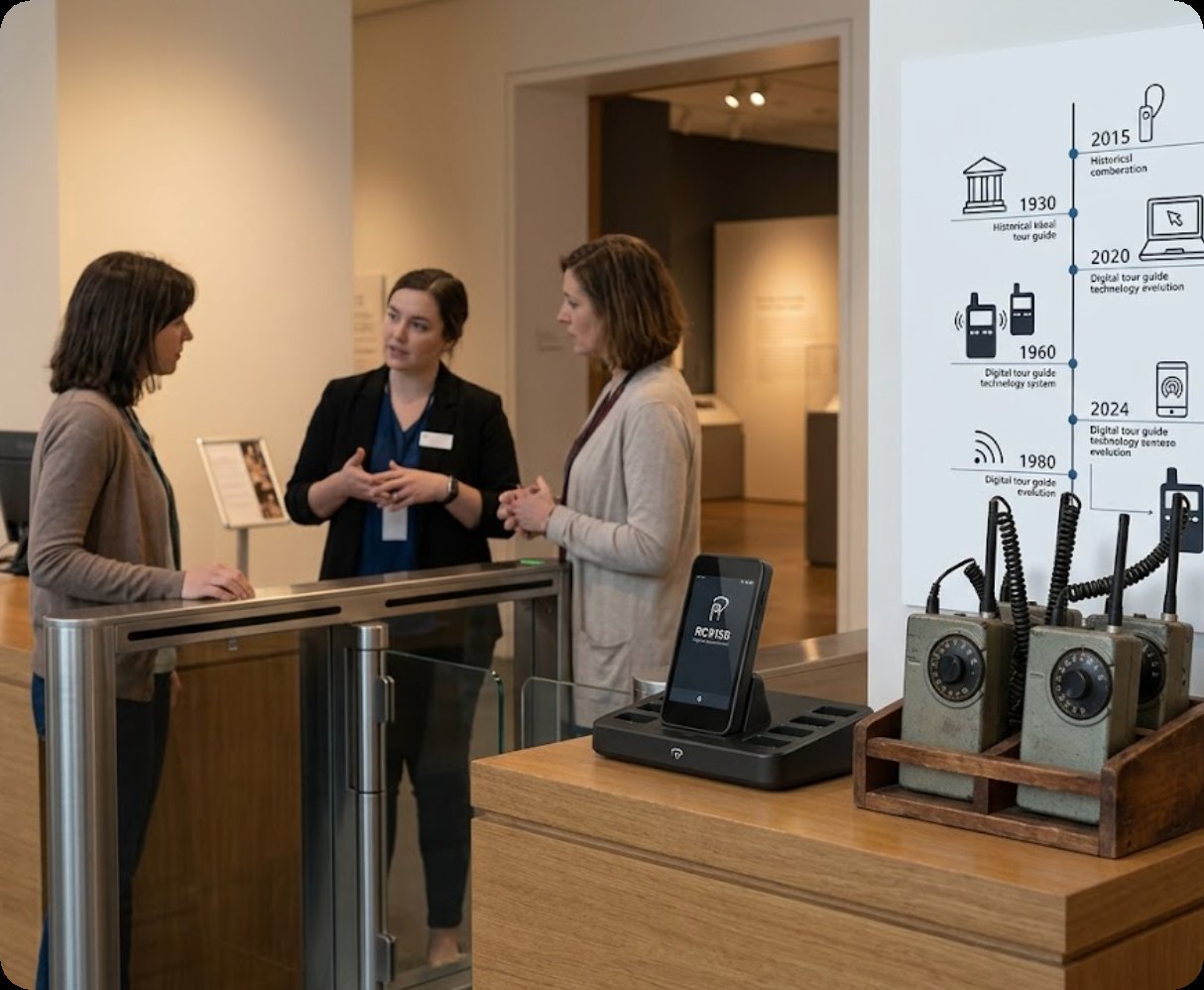
The technical evolution from fixed audio guides to portable, multi-language wireless systems has fundamentally changed how museums engage with international visitors. By choosing the right combination of the RC9150, RC2501, and RC2402, you can offer a tour that is clear, quiet, and inclusive. Do not let language barriers limit your visitors’ experience. Contact our team today to discuss a custom configuration for your museum, and let us help you build a tour system that speaks every language.