
.webp)
Regulatory Shifts Reshape Church Audio: Why the RC2401 Leads in Modern Interpretation Compliance
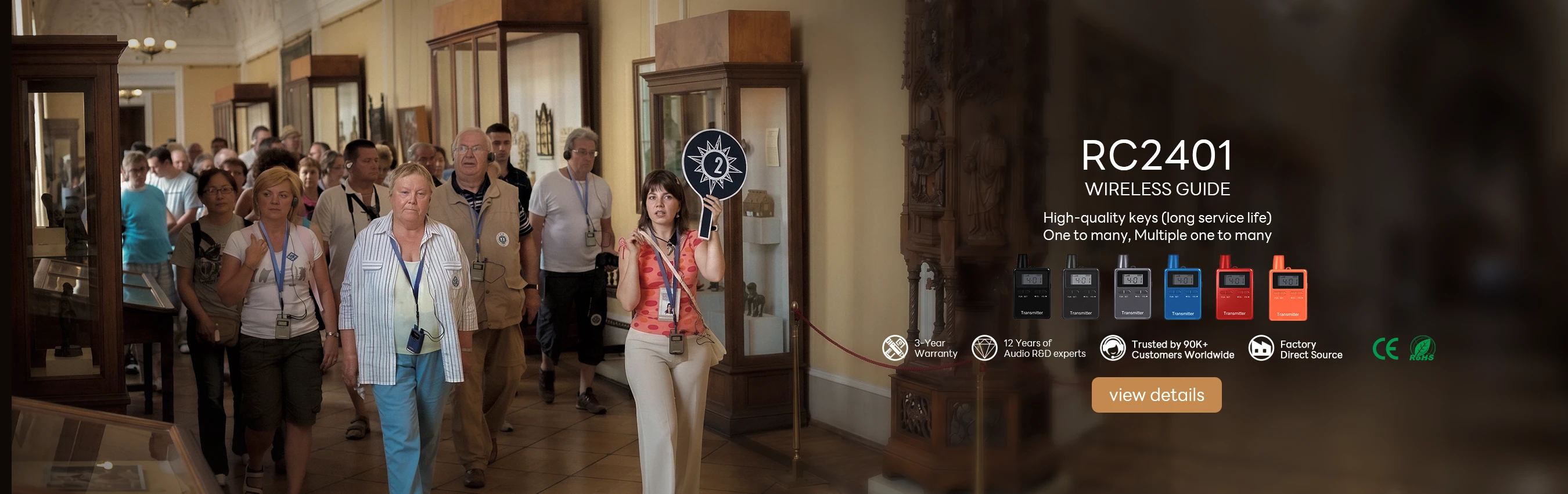
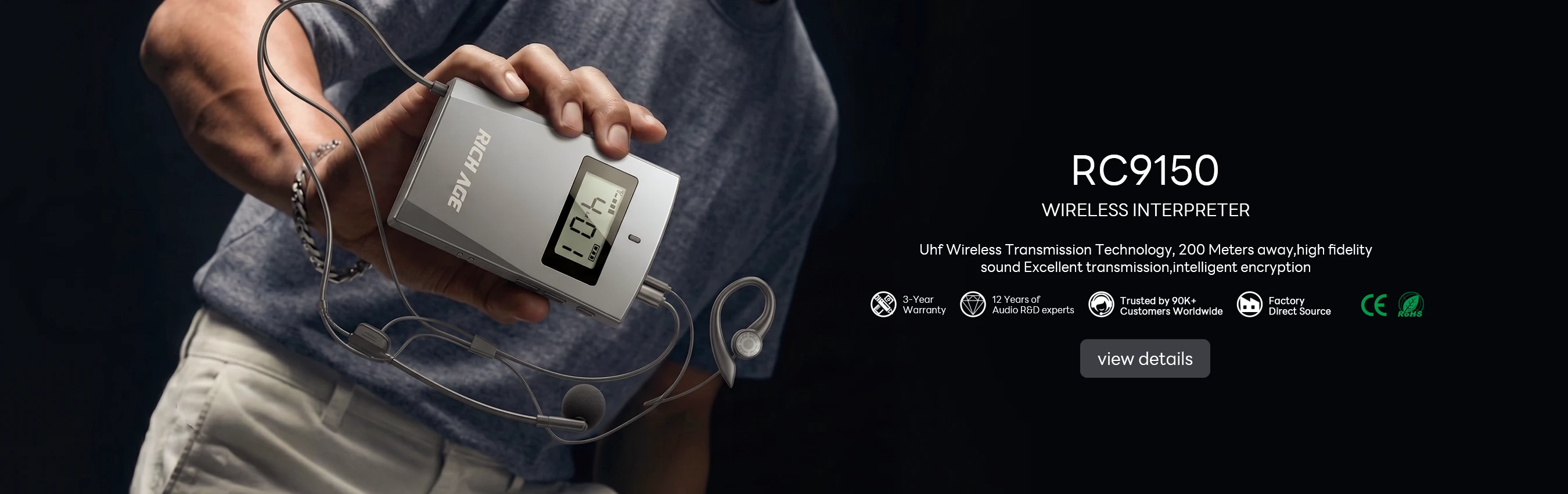
When congregations gather in increasingly multilingual settings, the spiritual message must transcend language barriers without dilution. In today’s policy-driven environment, providing simultaneous interpretation is evolving from a voluntary outreach effort into a regulatory requirement. The RC2401 Wireless System, with its 40-channel capacity, has emerged as a go-to solution for houses of worship navigating these shifting mandates. However, recent updates in audio quality standards, accessibility laws, and spectrum policies are compelling church administrators, AV integrators, and mission directors to reassess their deployment strategies. This article examines how policy changes directly impact interpretation technology choices, offering practical guidance for integrating the RC2401 into worship environments—drawing on expertise from Richitek's church interpretation solutions while satisfying compliance, enhancing user experience, and managing budgets. Behind the scenes, robust audio stream management ensures operational reliability in these complex setups.
Understanding the New Regulatory Framework for Church Interpretation
In the past, churches operated interpretation systems with considerable freedom, relying on basic equipment and goodwill. Today, a wave of policy reforms—particularly affecting institutions receiving public funding or hosting large assemblies—has tightened the rules. Three key areas now define how systems like the RC2401 are specified and deployed:
1. Enhanced Audio Fidelity and Latency Benchmarks
International standards for simultaneous interpretation equipment, including ISO 20109 and IEC 60914, now mandate stricter audio bandwidth (125 Hz to 15 kHz) and latency limits (under 40 milliseconds). Originally designed for conference halls, these requirements now apply to religious venues where reverberant acoustics can obscure speech. The RC2401’s digital transmission technology not only meets these thresholds but surpasses them, offering 40 interference-free channels that minimize cross-talk and maximize clarity. Recent revisions to IEC 60914 also include training and teaching scenarios—a valuable addition for churches using interpretation services as language-learning tools during services.
For churches upgrading their systems, the RC2401 provides a future-proof foundation. Its robust digital signal processing ensures compliance with evolving audio fidelity mandates, while its modular design allows for easy integration with existing audio infrastructure.
2. Accessibility and Inclusivity Mandates
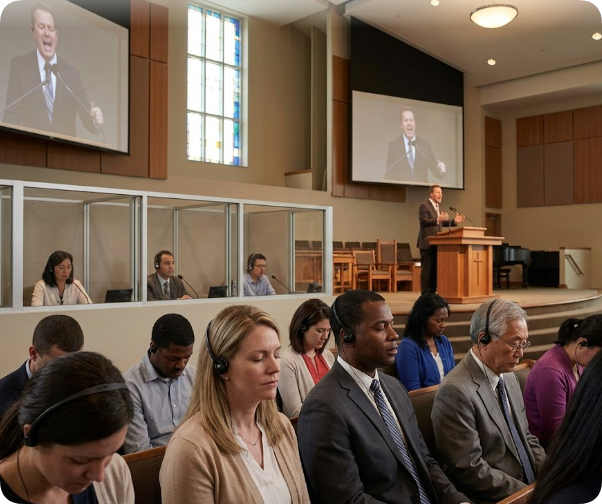
In the European union and parts of North America, new regulations require houses of worship that host public events or receive tax benefits to provide interpretation for non-native speakers. This transforms the RC2401 from a luxury into a compliance necessity. With capacity for 40 simultaneous language channels, the system can accommodate diverse congregations while future-proofing against growth. For example, a church in a multicultural urban area might use channels for Spanish, Mandarin, French, and ASL interpretation simultaneously, meeting both legal obligations and community needs.
These mandates also extend to training scenarios, where interpretation systems double as language-learning tools. The RC2401’s 40-channel capability allows churches to offer dedicated channels for specific languages or even for training interpreters, aligning with both accessibility goals and educational initiatives.
3. Spectrum and Interference Regulations
Recent spectrum allocation changes in several countries have restricted the use of certain wireless frequencies used by older interpretation systems. The RC2401 operates on a frequency-hopping digital protocol that avoids interference and complies with updated spectrum regulations. This ensures uninterrupted service during services, even in crowded urban environments where wireless congestion is common.
Church administrators must verify that their interpretation systems comply with local spectrum regulations. The RC2401’s adaptive frequency management allows it to automatically select clear channels, reducing the risk of interference and ensuring consistent audio quality.
Practical Deployment Strategies for the RC2401
Integrating the RC2401 into a worship environment requires careful planning to balance compliance, user experience, and cost. For smaller parishes with tighter budgets, the RC2501 wireless system may also be worth evaluating as a cost-effective entry point. Here are actionable steps for church administrators and AV integrators:
Assess Your Congregation’s Language Needs
Start by surveying your congregation to identify the primary languages spoken. This data will help you determine how many interpretation channels you need. The RC2401’s 40-channel capacity provides ample room for growth, but initial deployment can focus on the most commonly requested languages. For example, a church with a significant Spanish-speaking population might allocate 5 channels for Spanish, while reserving additional channels for future needs.
Optimize Audio Quality for Reverberant Spaces
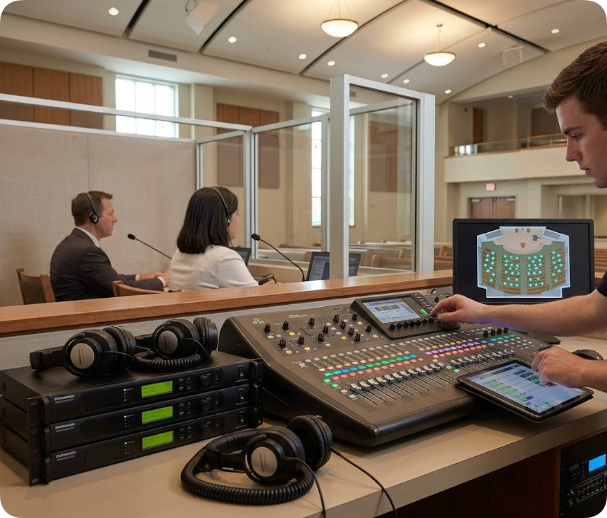
Churches often have challenging acoustics, with high ceilings and hard surfaces that create echoes. The RC2401’s digital transmission technology minimizes these issues by delivering clear, low-latency audio. For congregations that prioritize ultra-lightweight receiver units, the RC2468 tour guide system offers a compelling alternative with similar digital clarity. For best results, use external microphones with directional pickup patterns and position them close to interpreters.
Train Interpreters and Congregation Members
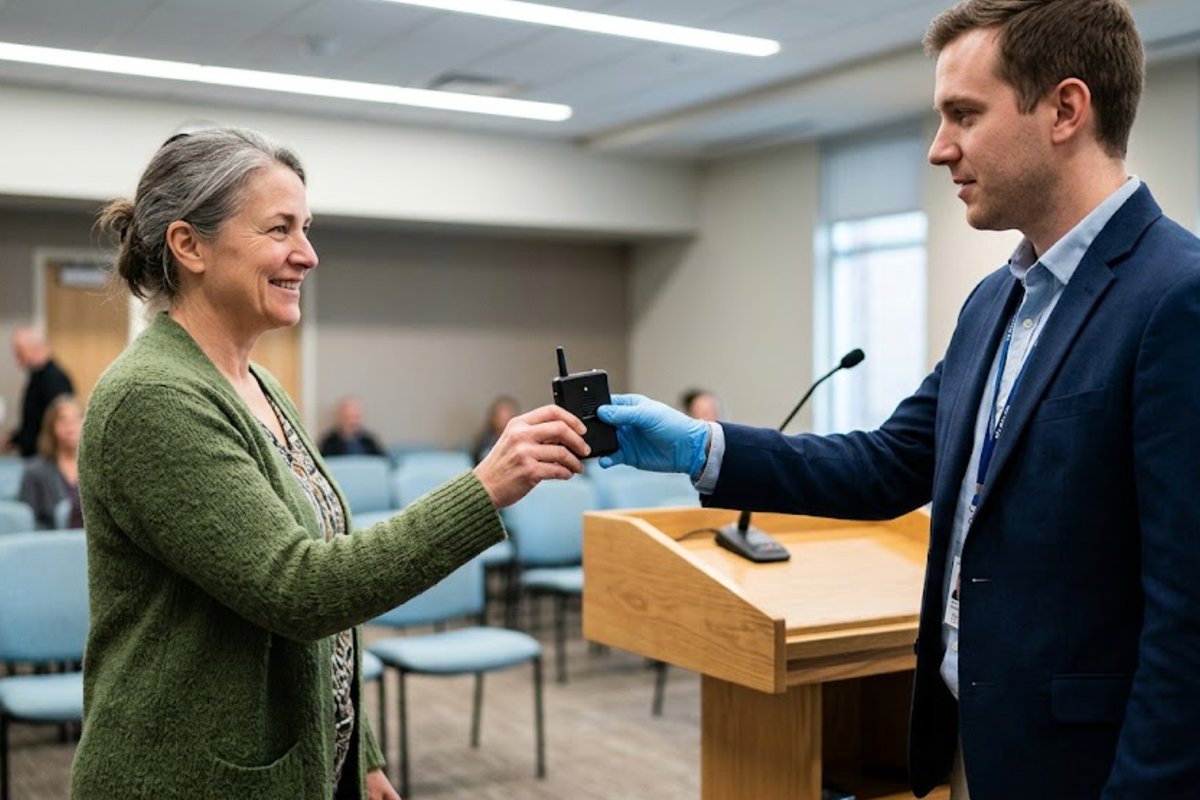
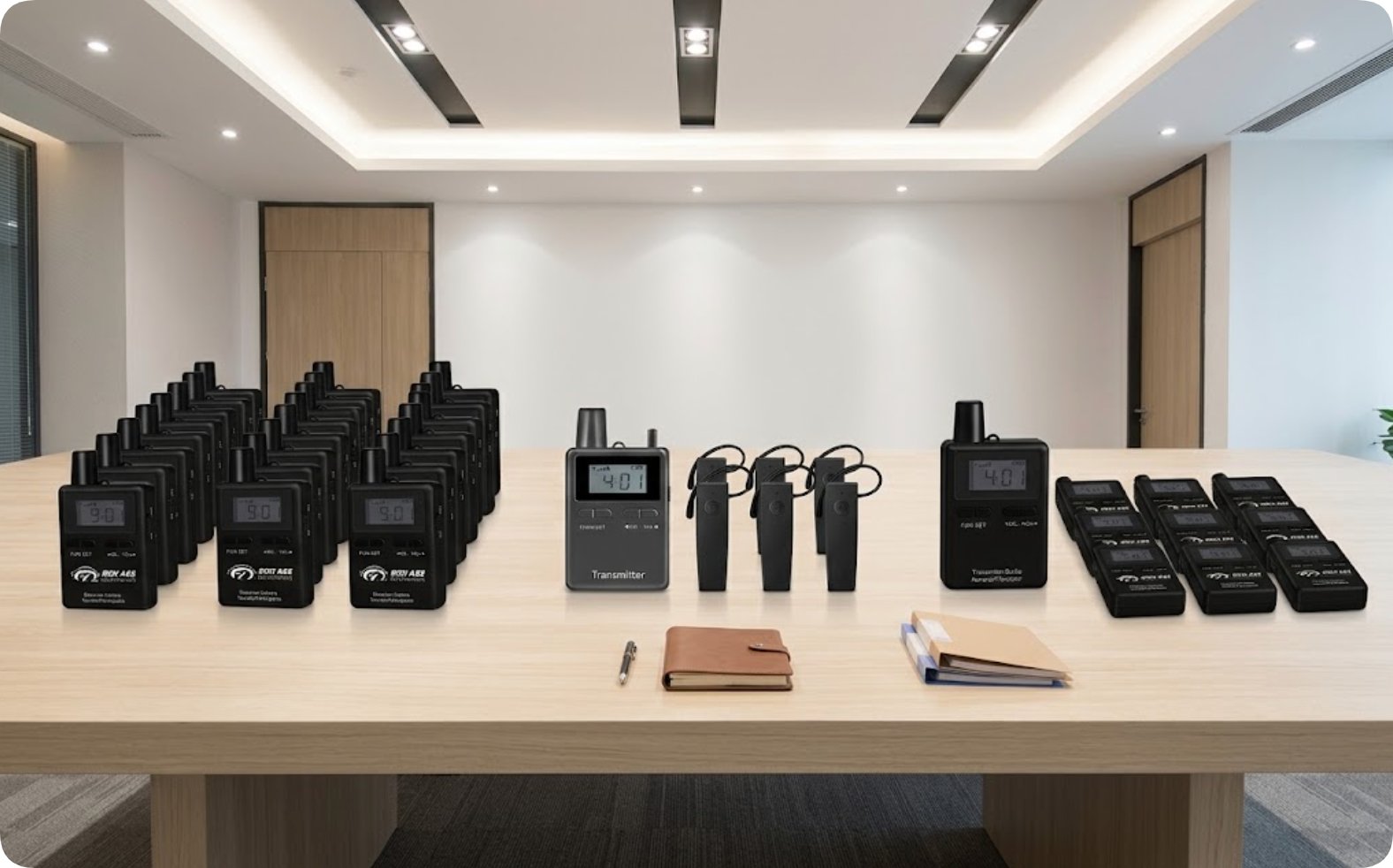
Successful implementation requires training for both interpreters and users. Provide interpreters with hands-on training on the RC2401’s transmitter and receiver units, emphasizing proper microphone technique and channel selection. For congregation members, offer simple instructions on how to tune into the desired language channel. Consider creating a short video tutorial that can be shared via the church website or social media.
Ensure Compliance with Accessibility Laws
Review local and national regulations regarding interpretation for non-native speakers. In many jurisdictions, churches that host public events or receive tax benefits must provide interpretation services. The RC2401’s 40-channel capability allows you to meet these requirements without overcomplicating your setup. Document your compliance efforts, including system specifications and usage logs, to demonstrate adherence to regulations.
Church Interpretation System Comparison Matrix
| Model Series | Channel Capacity | Audio Latency | Best Suited For Church Scenario |
|---|---|---|---|
| RC2401 | 40 Independent Channels | < 40 ms (ISO Compliant) | Multi-language large congregations & regulatory compliance |
| RC2501 | Optimized Channel Set | Low Latency Digital | Cost-effective entry point for smaller parishes |
| RC2468 | Multi-Channel Digital | Ultra-clear Audio | Worship venues prioritizing ultra-lightweight receivers |
Case Study: A Multicultural Church’s Compliance Journey
Consider the example of a large urban church in a multicultural city. The congregation includes speakers of Spanish, Mandarin, French, and American Sign Language (ASL). Historically, the church used a basic FM-based interpretation system with limited channels and frequent interference issues. After new accessibility mandates were enacted, the church faced the risk of non-compliance and potential loss of tax benefits.
The church upgraded to the RC2401 system, which provided 40 dedicated channels. They allocated 10 channels for Spanish, 8 for Mandarin, 5 for French, and 3 for ASL interpretation (using a video feed alongside audio). The remaining channels were reserved for future needs or special events. The system’s digital technology eliminated interference, and its low latency ensured that interpretation remained synchronized with the sermon.
To manage the system, the church monitored channel usage, adjusted audio levels in real time, and generated compliance reports for regulatory audits. The result was a seamless, compliant interpretation experience that enhanced inclusivity without disrupting the worship service.
Frequently Asked Questions (FAQ) for Church AV Integrators
Q: How does the RC2401 handle acoustic echo and reverberation common in historic cathedrals and large sanctuaries?
A: The RC2401 utilizes direct digital audio transmission paired with active noise-filtering technology, bypassing room acoustic echoes and delivering pristine speech directly to the listener's earpiece.
Q: Are bulk charging cases available for managing receiver fleets between Sunday services?
A: Yes. Richitek provides modular 32, 40, and 60-slot aluminum charging flight cases that allow church media teams to safely store, recharge, and lock up entire receiver fleets centrally between worship gatherings.
Future-Proofing Your Church’s Interpretation System
As regulations continue to evolve, churches must adopt flexible technology that can adapt to new requirements. The RC2401’s 40-channel design and digital architecture make it a future-proof investment. As discussed in our previous analysis of church interpretation ROI, proactive compliance planning also yields measurable cost benefits. Key considerations for long-term planning include:
Scalability: The RC2401 can expand from a few channels to the full 40 as your congregation’s language needs grow.
Integration: The system works seamlessly with existing audio equipment, reducing upgrade costs.
Remote Management: The RC2401 supports remote monitoring and adjustments, simplifying maintenance.
Training Support: The RC2401’s compatibility with training scenarios allows churches to use interpretation services as language-learning tools, aligning with educational mandates.
By adopting a proactive approach to compliance and technology, churches can ensure that their interpretation systems meet current regulations while preparing for future changes. The RC2401 provides the reliability and flexibility needed to navigate this evolving landscape.
Conclusion
The regulatory environment for church interpretation is undergoing significant transformation, driven by stricter audio quality standards, accessibility mandates, and spectrum policies. The RC2401 Wireless System, with its 40-channel capacity and digital technology, offers a compliant and future-proof solution for houses of worship. By understanding the new requirements and implementing strategic deployment practices, church administrators can enhance inclusivity, meet legal obligations, and deliver a superior worship experience for multilingual congregations. Whether you’re upgrading an existing system or deploying a new one, the RC2401 provides the foundation for success in this policy-driven era. Richitek supports all institutional deployments with free evaluation sample kits, custom OEM/ODM branding options, and a comprehensive 3-year factory warranty.