.webp)

💡 Why City Walking Tours Are Harder Than They Look
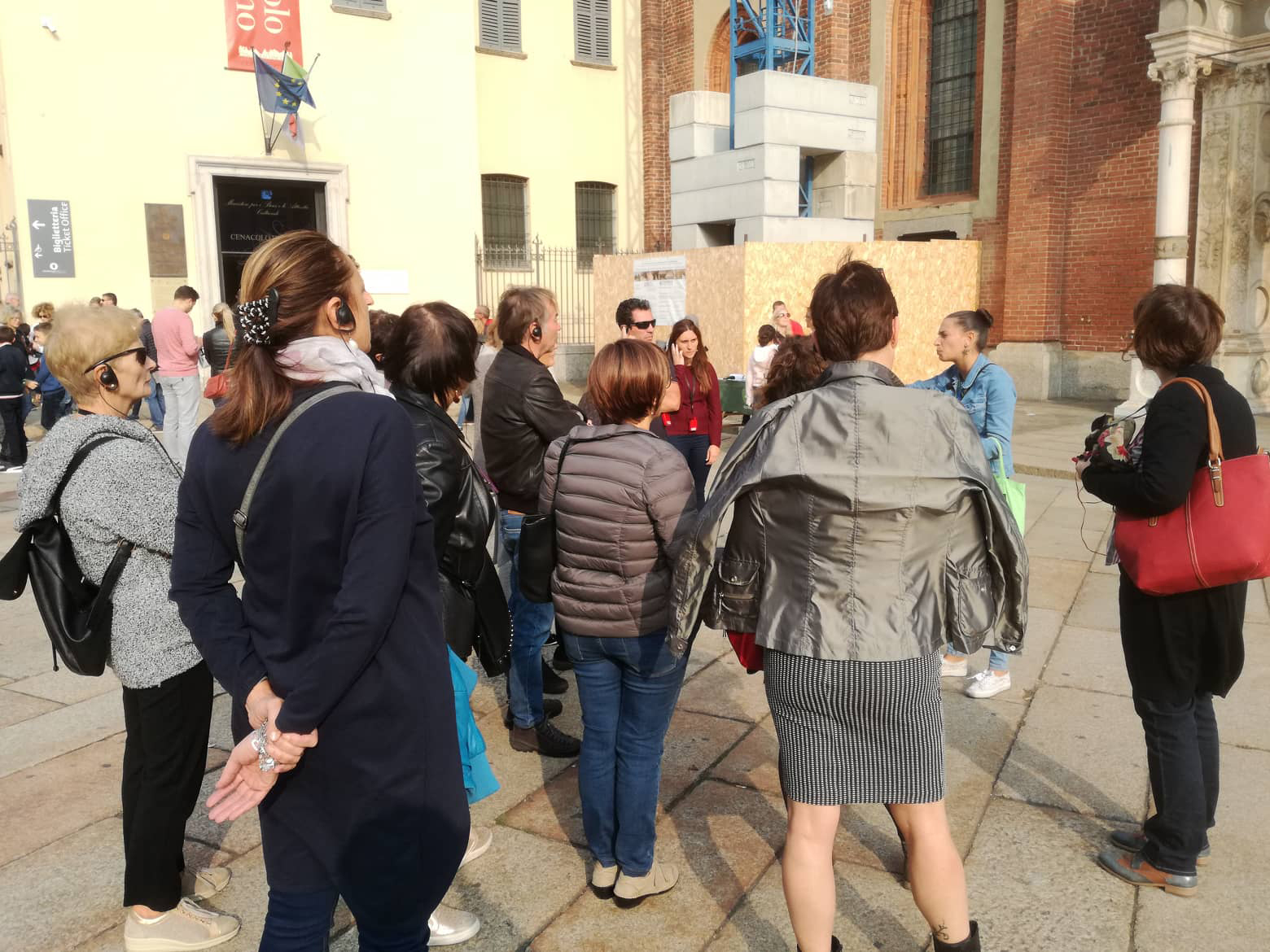
I have led enough city walking tours to know that the biggest enemy is not bad weather or tired feet — it is the sound of a busy street. You stand at a historic square, eager to explain the architecture, and the tour group is already drifting. Some wander toward shop windows. Others are straining to hear you over the tram noise. A few are simply lost. In my experience, the classic "follow me and listen" model breaks down the moment you step outside a quiet museum. That is why I have become a strong believer in dedicated city tourism solutions that keep every traveler connected to the guide’s voice, no matter how loud the surroundings get.
The problem is not the guide’s volume. It is the physics of open spaces. Sound disperses, traffic hums, and groups stretch out along narrow sidewalks. When you are leading fifteen people through a crowded European old town, you need more than a louder voice. You need a system that delivers crystal-clear audio directly to each ear, regardless of where the listener stands. That is exactly where Richitek’s Wireless Tour Guide System receivers have proven their worth in real-world city tours.
📱 RC2402: The Compact Workhorse for Everyday City Tours
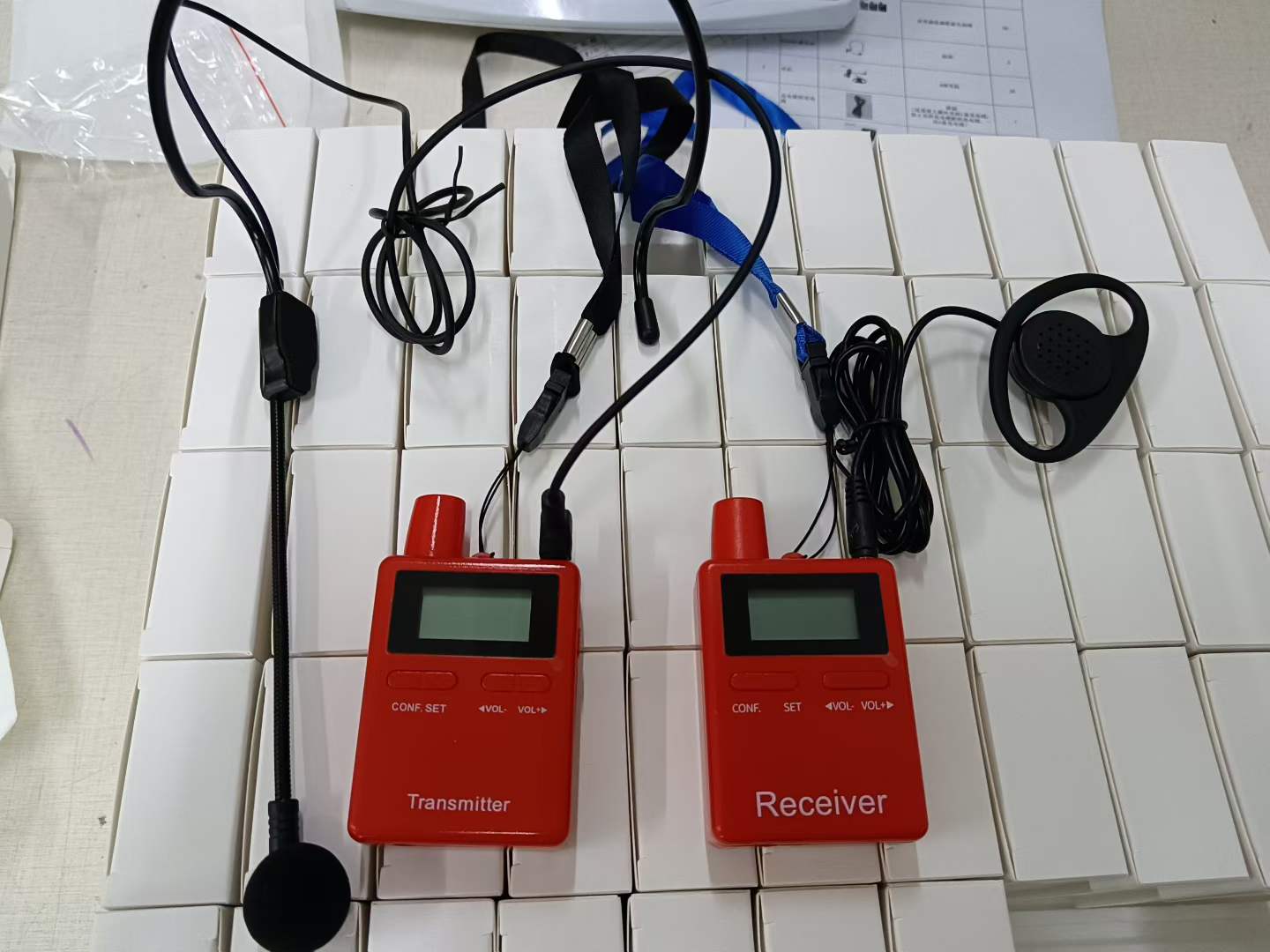
For most urban sightseeing groups, the RC2402 Wireless Tour Guide System is the first receiver I recommend. It is a compact unit weighing just 60 grams, which means tourists barely notice it hanging from a lanyard after the first five minutes. The controls are straightforward — volume up, volume down, and a channel set button — so even a traveler who has never used a tour guide device can figure it out in seconds. In a city tour scenario, this matters more than you might think. You do not want to spend ten minutes at the meeting point explaining how to operate the equipment. You want to start walking.
The RC2402 shines in outdoor environments where background noise fluctuates. Whether your group is crossing a tram junction or standing near a fountain, the audio remains consistent. The receiver’s low power consumption also means a full day of touring on a single charge. For a typical three-hour walking tour, you will have plenty of battery left for a second run in the afternoon. I have seen tour operators in Rome and Barcelona use the RC2402 for back-to-back groups without swapping batteries between tours.
RC2401: Multi-Channel Flexibility for Larger City Groups
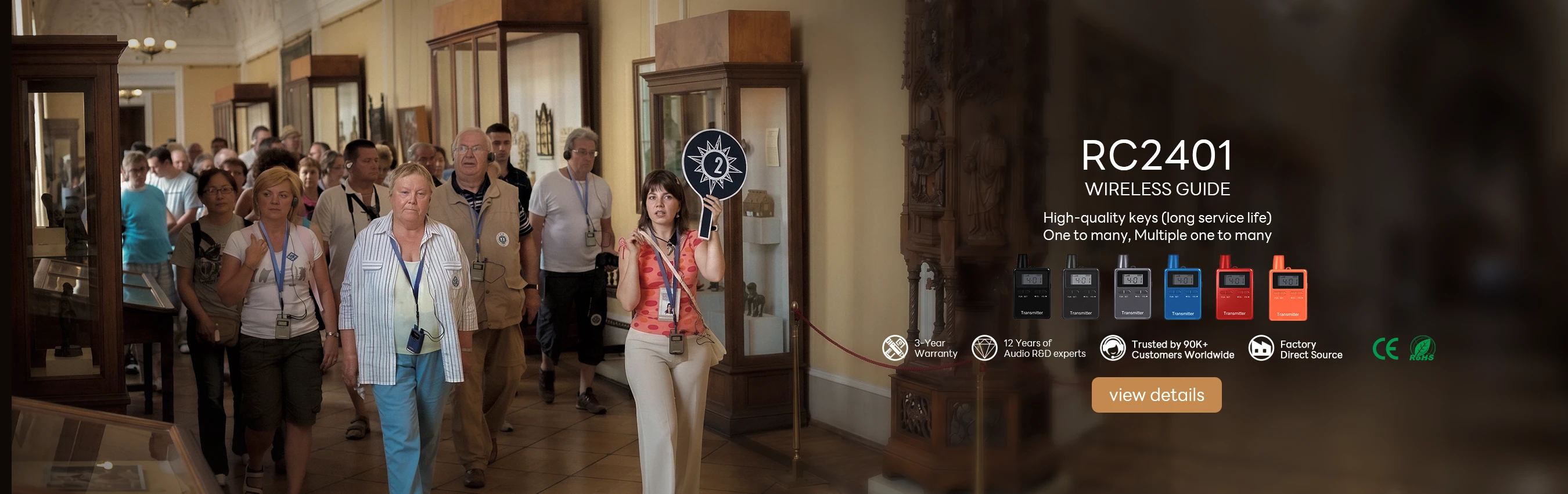
When the group size grows beyond twenty people, or when you need to run multiple language streams simultaneously, the RC2401 Wireless Audio Guide System is the better fit. This receiver is even lighter at 50 grams, but its real advantage lies in channel capacity. With more available channels, a single guide can switch between language groups, or multiple guides can operate in the same vicinity without interference. In a busy city square where several tour groups overlap, this is a lifesaver.
I once observed a tour operator in Prague managing three language groups at once — English, German, and Spanish — all using the RC2401. Each group had its own channel, and the guide simply switched the transmitter when moving from one cluster to the next. The tourists stayed with their designated language feed without confusion. For city tours that cater to international travelers, this multi-channel capability is not a luxury. It is a practical necessity. The RC2401 also handles the same demanding outdoor conditions as its sibling, with reliable transmission through crowds and around corners.
⚖️ RC2401 vs RC2402: Side-by-Side Comparison
| Feature | RC2402 | RC2401 |
|---|---|---|
| Weight | 60 g | 50 g |
| Battery Life | Full day (8+ hours) | Full day (8+ hours) |
| Channel Capacity | Standard (single group) | Multi-channel (multiple groups) |
| Best For | Small to medium city tours (up to 20 pax) | Large groups, multi-language tours, complex routes |
| Ideal Use Case | Historic walking tours, museum neighborhoods | Riverside promenades, busy squares, mixed-language groups |
If you are still unsure which model fits your operation, I recommend reviewing the detailed RC2401 vs RC2402 comparison to see the technical differences laid out clearly.
Case Story: A Sunny Morning in a European Riverside City
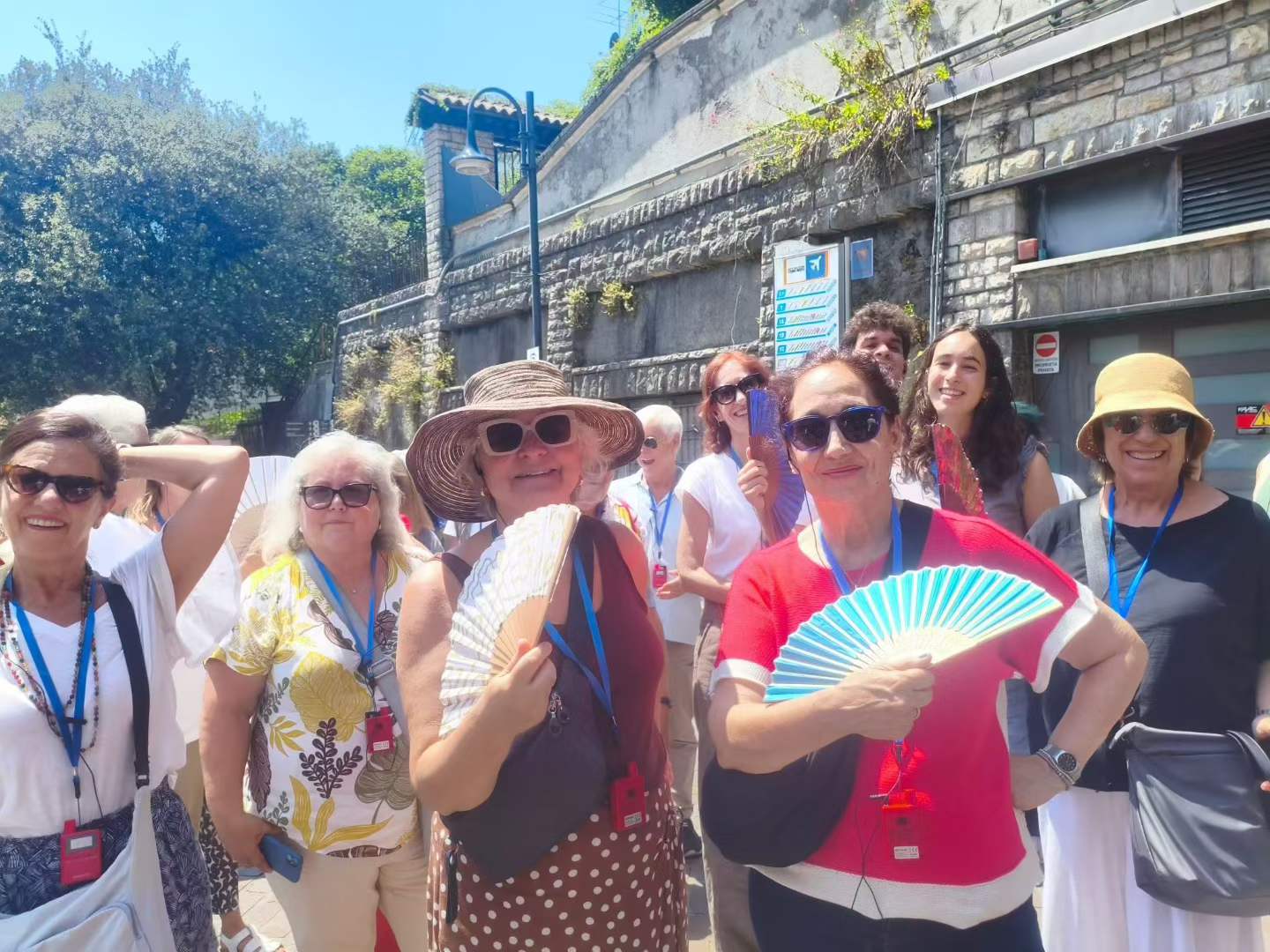
Let me walk you through a real scenario captured in a client photo. A group of about eighteen international tourists gathered on a cobblestone square in a historic European city. The morning sun was already warm, and the sound of a nearby tram and street musicians filled the air. The guide, a local historian, wore a small transmitter clipped to her collar. Around her neck, she carried a spare receiver — a bright red RC2402 — just in case.
Each tourist wore a matching red receiver on a lanyard. Some were middle-aged couples from North America. Others were younger travelers from Asia. A few had already fanned themselves with their maps, but no one looked confused about where to go or what to listen to. The guide spoke at a normal volume, pointing toward a baroque facade. Even the tourists at the back of the group, standing near a café terrace, were nodding and smiling. They could hear every word clearly, despite the ambient noise.
Later that same day, the group moved to a riverside promenade. The guide switched to a second transmitter paired with the RC2401 receivers for a different cluster of travelers who had joined for the afternoon segment. The walk along the water was peaceful, with sailboats bobbing in the harbor and Mediterranean-style buildings casting long shadows. The group spread out naturally — some walked ahead, others lingered to take photos — but the audio never dropped. The guide’s commentary on the harbor’s trading history reached every ear without her raising her voice once.
The client told us that what impressed them most was how effortless the equipment felt. No one complained about heavy devices or tangled earphones. The receivers were light enough to forget, and the battery held up through the entire day, including a late-evening food tour. For a mixed-nationality group with varying attention spans, the system kept everyone engaged without making them feel tethered to the guide. If you want to see similar real-world deployments, you can browse more case stories from other tour operators.
🎯 How to Choose the Right Receiver for Your City Tour Operation
Choosing between the RC2402 and the RC2401 comes down to three practical questions. First, how large is your typical group? If you rarely exceed fifteen people, the RC2402 will serve you well. It is simpler, lighter on the budget, and perfectly adequate for a standard walking tour. Second, do you run multiple language streams? If your clients include mixed nationalities and you need simultaneous interpretation, the multi-channel capability of the RC2401 is non-negotiable. Third, what is your route complexity? If your tour passes through busy squares, under bridges, or along winding alleys, the RC2401’s stronger channel management will give you more headroom to avoid interference from other nearby systems.
For most city tour operators, I suggest starting with the RC2402 as your workhorse unit. It covers the majority of daily scenarios. Keep a small set of RC2401 receivers on hand for special groups — large cruise ship passengers, multilingual delegations, or private tours with VIP clients. This hybrid approach gives you flexibility without over-investing in hardware you may not use every day.
🗺️ Ready to Improve Your City Tour Experience?
City walking tours are meant to be immersive. Travelers want to absorb history, architecture, and local stories without straining to hear. Richitek’s Wireless Tour Guide System receivers remove that barrier. Whether you choose the compact RC2402 for everyday tours or the multi-channel RC2401 for larger, more complex groups, you are investing in a smoother, more professional experience for your clients. The RC2402 series is ready for immediate deployment, and our team can help you determine the right mix of units for your fleet. Contact us today to discuss your requirements, request a sample, or get a quote for your next season.
From my own experience running tours in dense urban environments, the difference between a good tour and a forgettable one often comes down to audio clarity. I've seen guides lose their audience not because they lacked knowledge, but because the message got lost in the noise. A reliable wireless system isn't just gear—it's the bridge between the story and the listener. That's why I always recommend testing receivers in real street conditions before committing to a fleet.