
My View: My aunt has been legally blind for years, yet her curiosity about the world hasn’t faded. During one visit, she told me quietly, “I can’t see the colors, but I can imagine them—if someone tells me how.” That stayed with me. Later, I took her to a botanical garden that offered a sensory walking trail powered by RC2401 transmitters and RC2406 receivers. At each stop, a gentle voice described not just what the plants looked like, but how they felt, how they smelled, and even what seasons they thrived in. As she ran her fingers along a leaf and listened, her expression changed completely. It wasn’t just a visit anymore—it was participation. That’s when it became clear: wireless audio isn’t just a guide—it’s a bridge to inclusion.
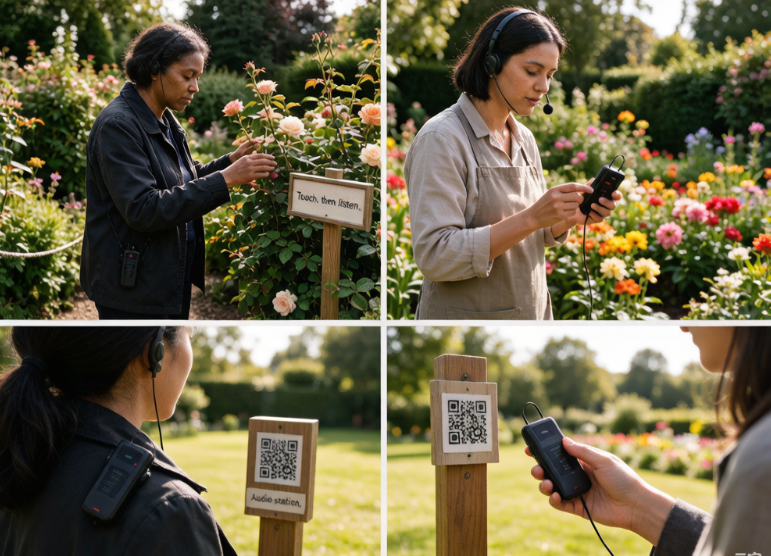
The concept of inclusive tourism has shifted dramatically in recent years. What was once considered a specialized offering is now a global priority. According to accessibility advocates, more than 2.2 billion people worldwide live with some form of visual impairment. For public spaces like botanical gardens, nature reserves, and ecological parks, this presents both a challenge and an opportunity: how to translate visual beauty into a multi-sensory experience.
Traditional signage and visual displays are inherently limited. Even mobile apps—while helpful—often require active interaction, downloads, and screen navigation. In contrast, a wireless audio guide system delivers information effortlessly and intuitively. Visitors simply wear a receiver, move naturally through the environment, and receive context-aware audio without needing to stop or search for information.
The RC2406 80-channel wireless system is particularly well-suited for this application. Its multi-channel capability allows different zones within a garden to broadcast unique content simultaneously. One channel may describe a rose garden in vivid detail, while another focuses on medicinal herbs or native woodland species. This layered approach transforms a passive visit into an exploratory journey guided by sound.
Range is equally important in open outdoor environments. With an effective coverage of up to 200 meters, visitors are not confined to fixed paths or crowded clusters. They can wander freely, pause where they feel most engaged, and still receive uninterrupted audio. This sense of independence is especially valuable for visitors with visual impairments, who often prefer a slower, more tactile pace.
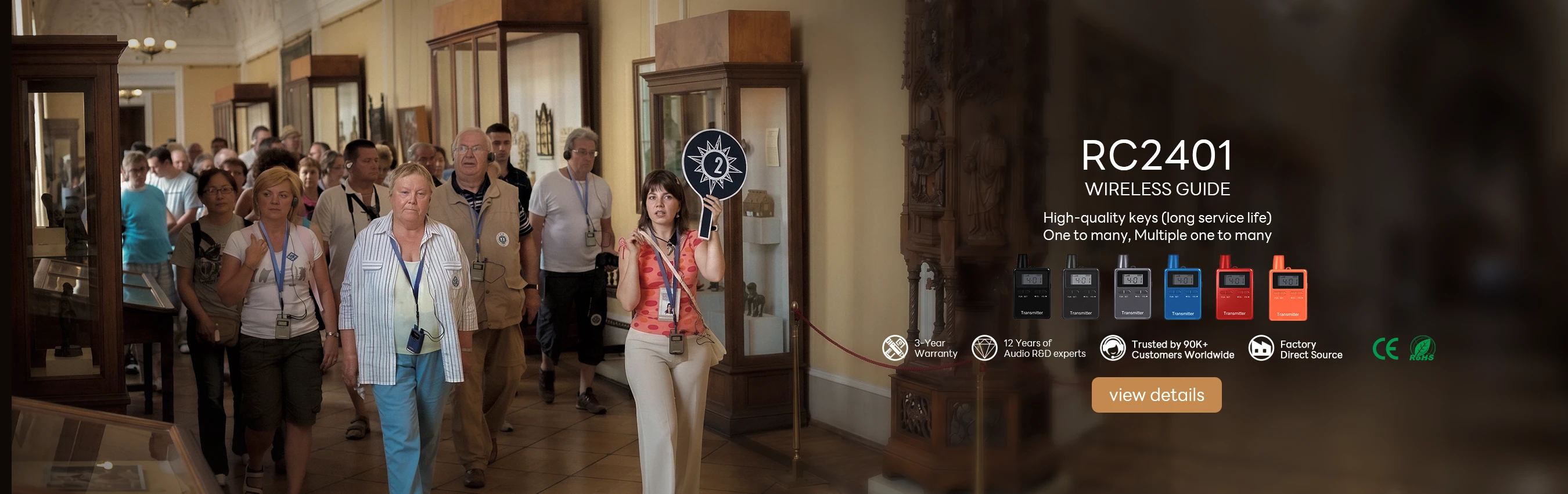
At the heart of the system is the RC2401 transmitter, designed for simplicity and reliability. Garden staff can create audio content using a standard microphone—no complex editing tools or technical expertise required. This lowers the barrier to entry for smaller institutions, allowing even community-run gardens to implement professional-level accessibility solutions.
One of the most effective implementations of this technology is the trigger-based audio system. Instead of requiring users to press buttons or navigate menus, audio content activates automatically when visitors enter specific zones. This can be achieved through pre-configured transmitters or optional GPS-based triggering. The result is a seamless experience where information arrives exactly when it’s needed—no effort required.
Feedback from garden directors highlights how transformative this approach can be. In one case, a botanical garden replaced its downloadable audio guide—which saw minimal engagement—with a live receiver-based system. Visitor usage increased dramatically, and more importantly, the quality of engagement improved. People spent more time at each station, interacting with plants while listening rather than simply passing through.
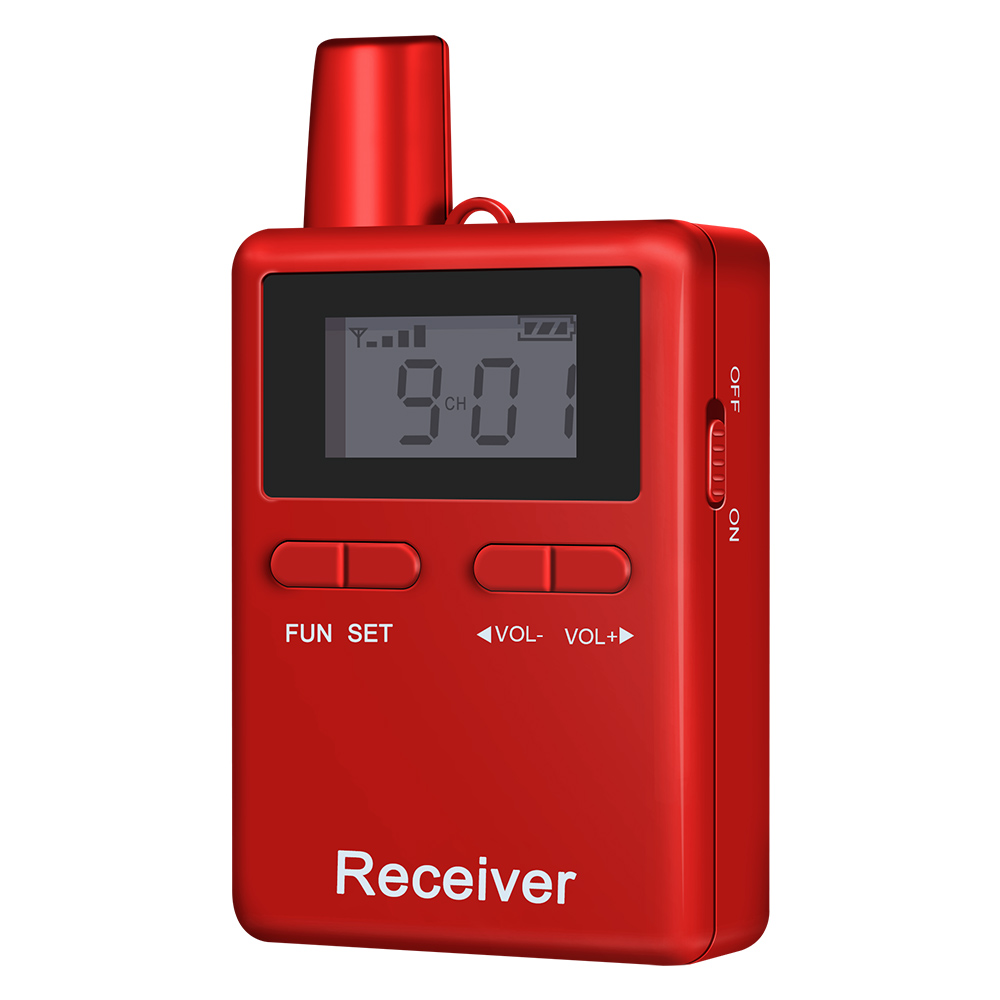
The RC2406 receiver is designed with user comfort in mind. Its lightweight construction ensures it can be worn for extended periods without fatigue. The intuitive controls, including individual volume adjustment, allow each visitor to tailor the experience to their needs. This is particularly important in mixed groups where hearing sensitivity may vary.
Accessibility goes beyond visual impairment. Sensory gardens are increasingly used in therapeutic settings, including programs for individuals with dementia or Alzheimer’s disease. In these environments, audio pacing becomes critical. Slow, descriptive narration with intentional pauses can create a calming rhythm, helping reduce anxiety and improve focus. The RC2406 system supports this approach by delivering clear, uninterrupted audio tailored to individual listening preferences.
Another advantage is scalability. Gardens can expand their audio content over time without replacing hardware. New plant sections, seasonal exhibits, or educational themes can be added simply by assigning additional channels or updating recorded material. This flexibility ensures that the system remains relevant as the space evolves.
From an operational perspective, the RC2401 transmitter offers dependable performance throughout the day. Its 10-hour battery life covers standard opening hours, while its straightforward interface makes it easy for volunteers and staff to manage. There is no need for constant technical supervision, reducing maintenance costs and training requirements.
Importantly, implementing a wireless tour guide system also enhances overall visitor satisfaction—not just for those with accessibility needs. Families, international tourists, and educational groups all benefit from clear, engaging audio that adds depth to the experience. This broader appeal makes the investment both socially responsible and commercially viable.
In today’s digital landscape, user experience directly influences online visibility. Reviews frequently mention accessibility, ease of navigation, and quality of interpretation. Keywords such as “accessible garden,” “audio tour,” and “inclusive visitor experience” play a growing role in search rankings. By integrating a professional audio guide system, venues position themselves more competitively in both search engines and travel platforms.
Final Thought: Accessibility is not a feature to be added later—it is a foundation for meaningful experiences. A wireless audio guide system like the RC2406 and RC2401 transforms how visitors interact with nature, turning observation into understanding. Whether in a botanical garden, park, or ecological reserve, the ability to “hear” the environment opens the door for everyone to connect with it fully.
Products used: RC2406 80-Channel System, RC2401 Wireless Audio Guide. RC2406 details Wireless Audio Guide | RC2401 details Wireless Audio Guide