
.webp)
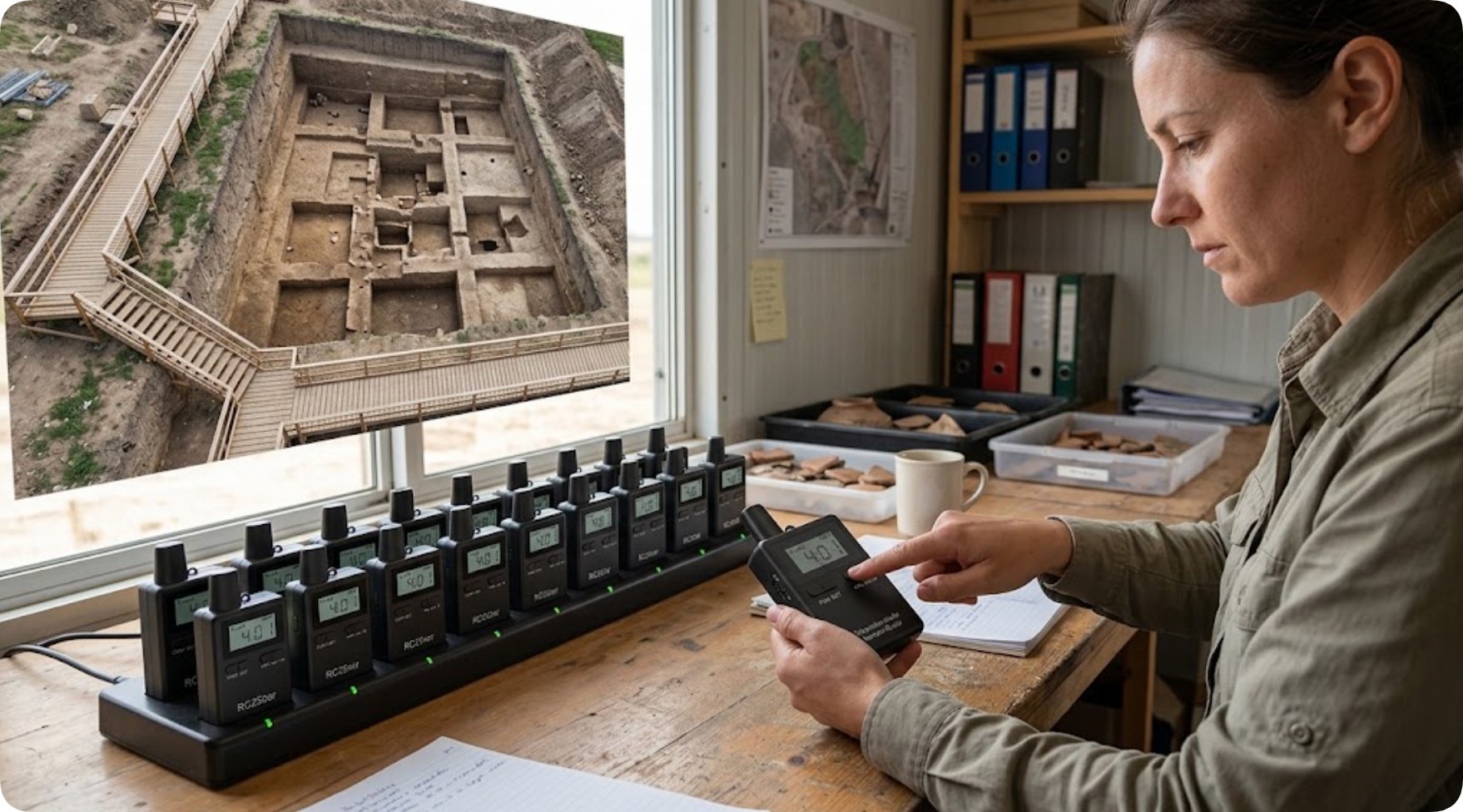
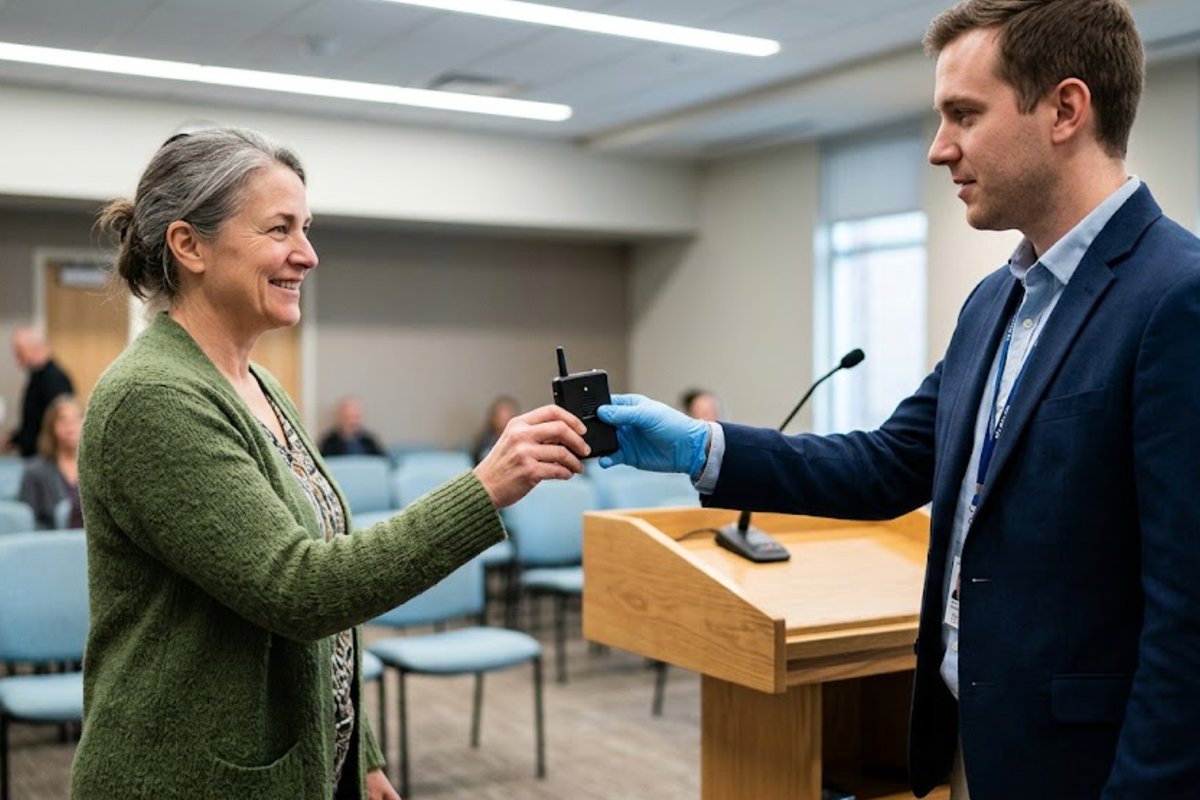
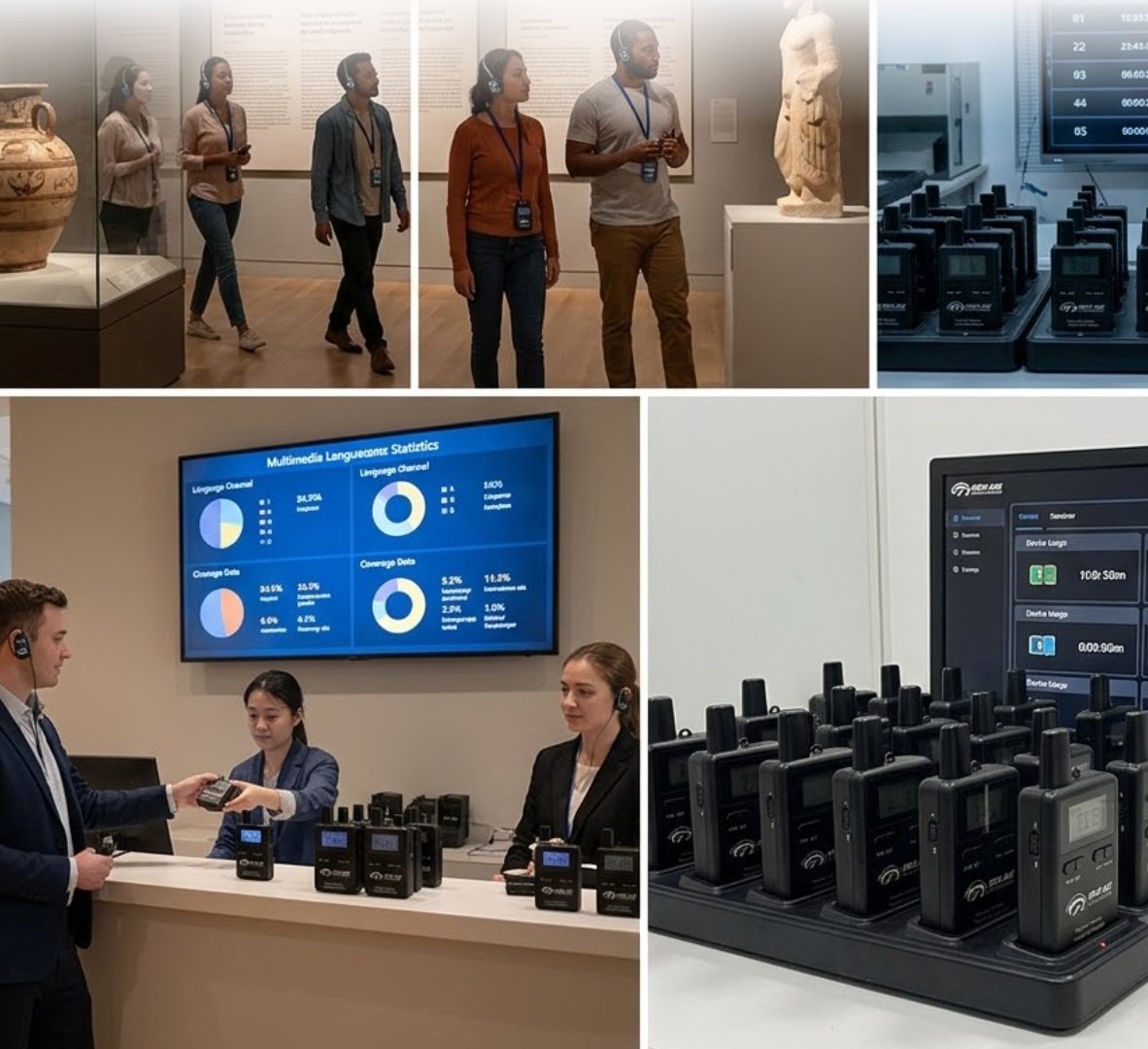
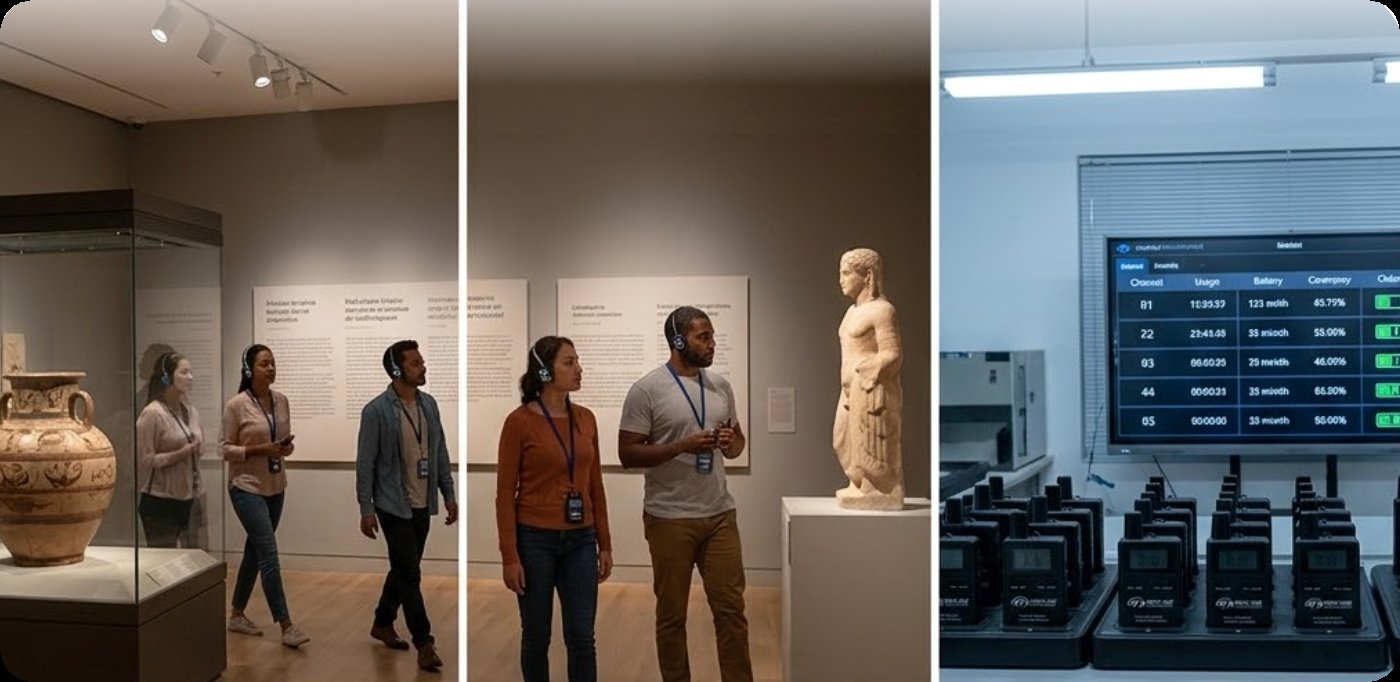
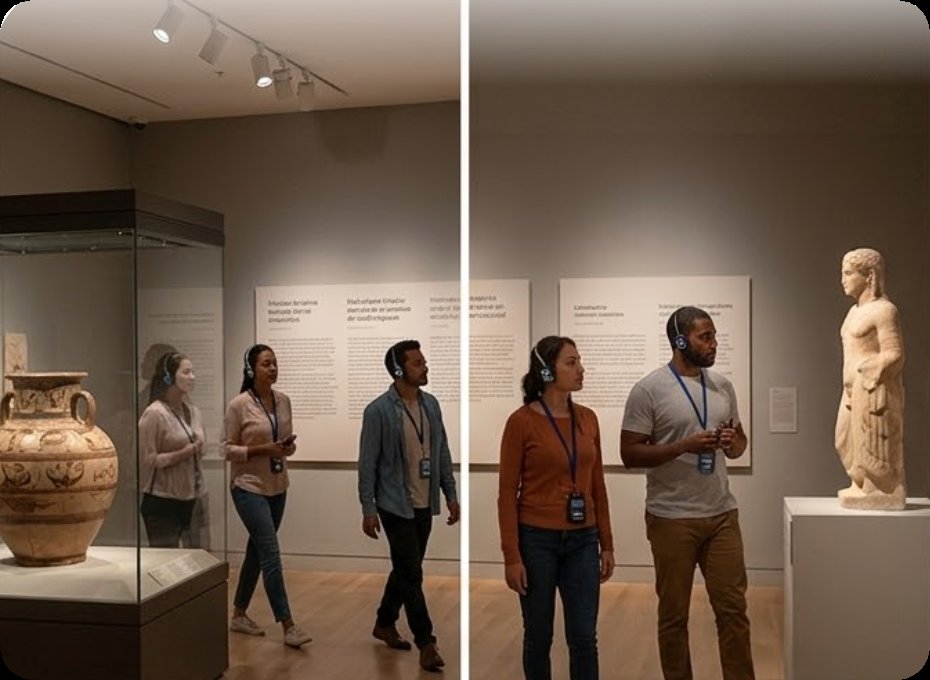
I have spent over a decade in the audio-guide industry, and if there is one shift I have witnessed firsthand, it is the demand for silence. Museums are no longer just quiet spaces; they are active, immersive environments where a docent’s voice can either enhance the experience or break the spell. When you add the complexity of serving international visitors who speak different languages, a standard speaker system becomes a liability. This is precisely why a dedicated Wireless Tour Guide System has moved from a luxury to a necessity. The ability to deliver crystal-clear, language-specific commentary directly into a visitor’s ear without disturbing others is the single most effective way to increase dwell time and visitor satisfaction. Based on our field tests, the hardware choices you make directly impact the quality of that experience. For institutions looking to implement this, our dedicated museum multilingual solutions provide the architectural blueprint for success.
RC2501: The Lightweight Champion for Silent, Intimate Groups
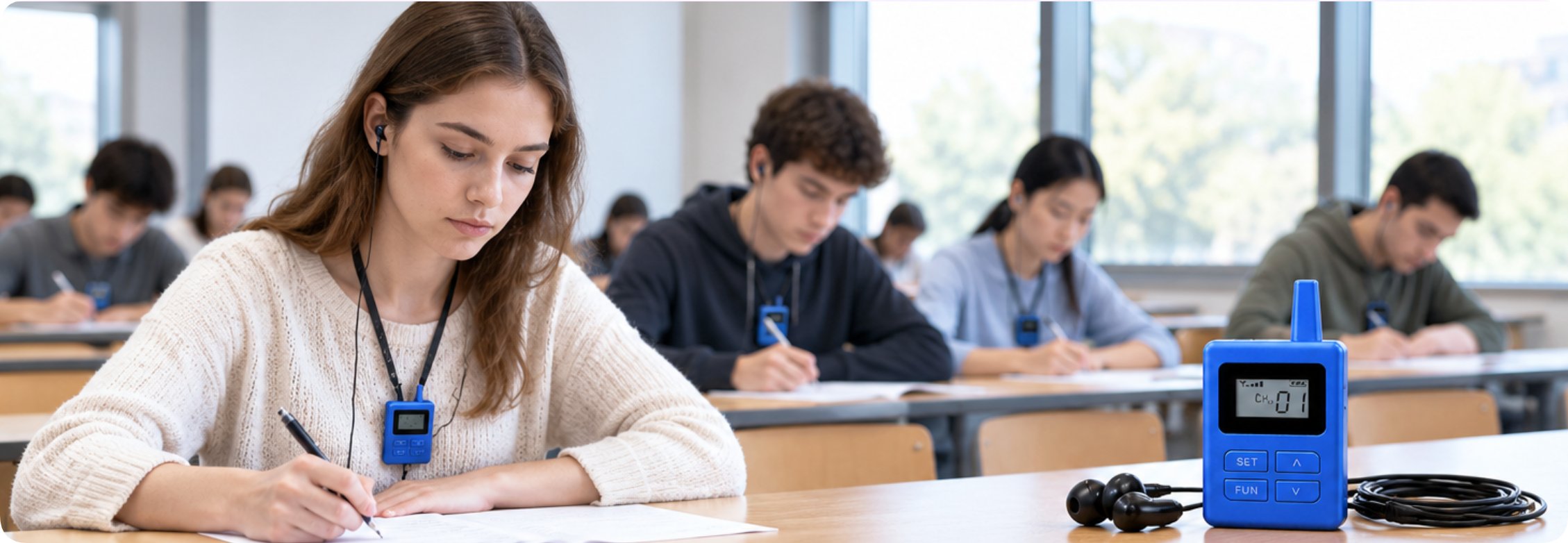
When I test equipment, the first thing I notice is the weight. The RC2501 weighs only 48 grams. In a museum context, this is a game-changer. I recently ran a test in a small gallery with a group of eight visitors. The guide used the RC2501 transmitter, and the visitors wore the matching receivers. The audio was so clear that the guide could whisper without the group missing a single syllable. This product is specifically designed for silent tours and church-like environments where ambient noise must be zero. It is the perfect tool for VIP tours, art appreciation groups, or any scenario where the guide needs to speak softly to a small, engaged audience. The form factor is so discreet that visitors often forget they are wearing it, which is exactly what you want in a high-end cultural setting.
RC2402: The Workhorse for Medium to Large Groups
For the standard museum tour that handles 15 to 20 people, the RC2402 is the most balanced option I have tested. At 60 grams, it is slightly heavier than the RC2501, but it offers a longer battery life and a more robust transmission range. In our outdoor test at a historic courtyard, the guide could walk 50 meters ahead of the group without any signal drop. The audio quality remained stable even with 18 receivers connected simultaneously. This model is the standard workhorse for medium-group tours. It handles the noise of a busy museum floor better than the RC2501 because of its slightly higher output power, making it ideal for general admission tours where the group size fluctuates. If you manage a museum with high foot traffic and diverse group sizes, this is the model you will deploy most often.
RC9150: The High-End Solution for Simultaneous Interpretation
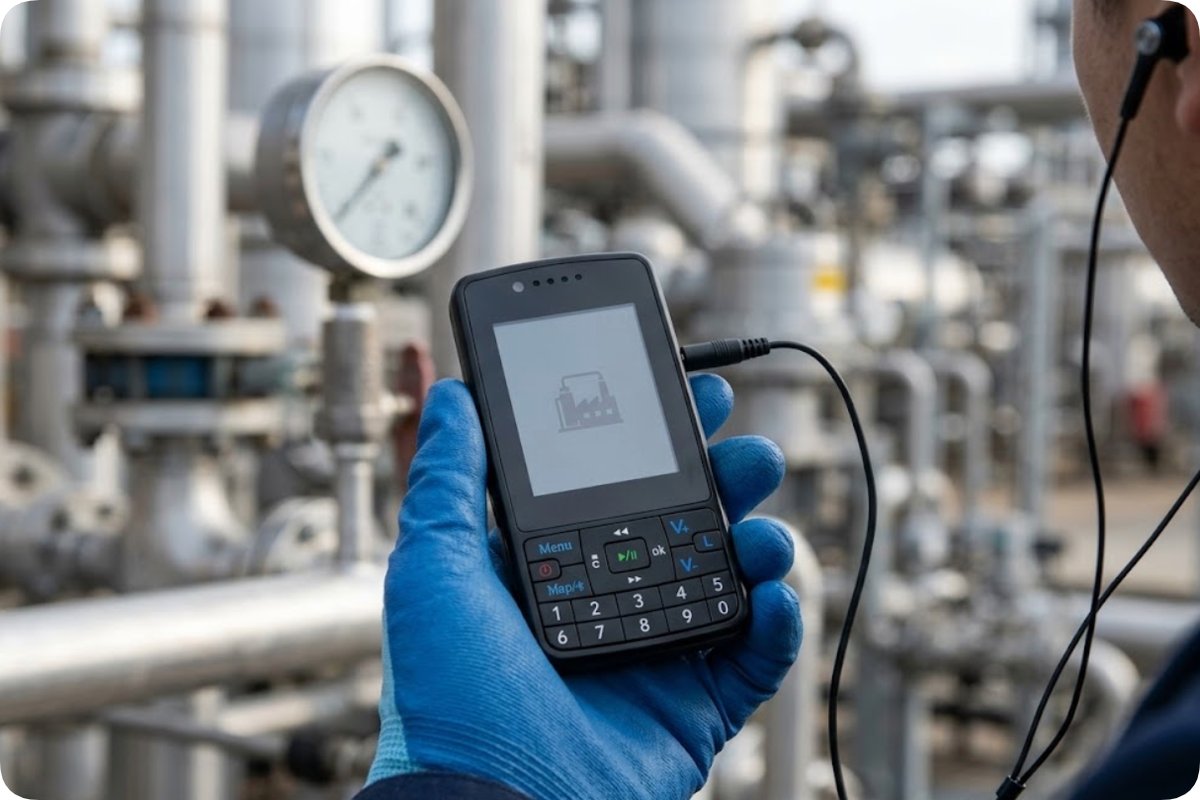
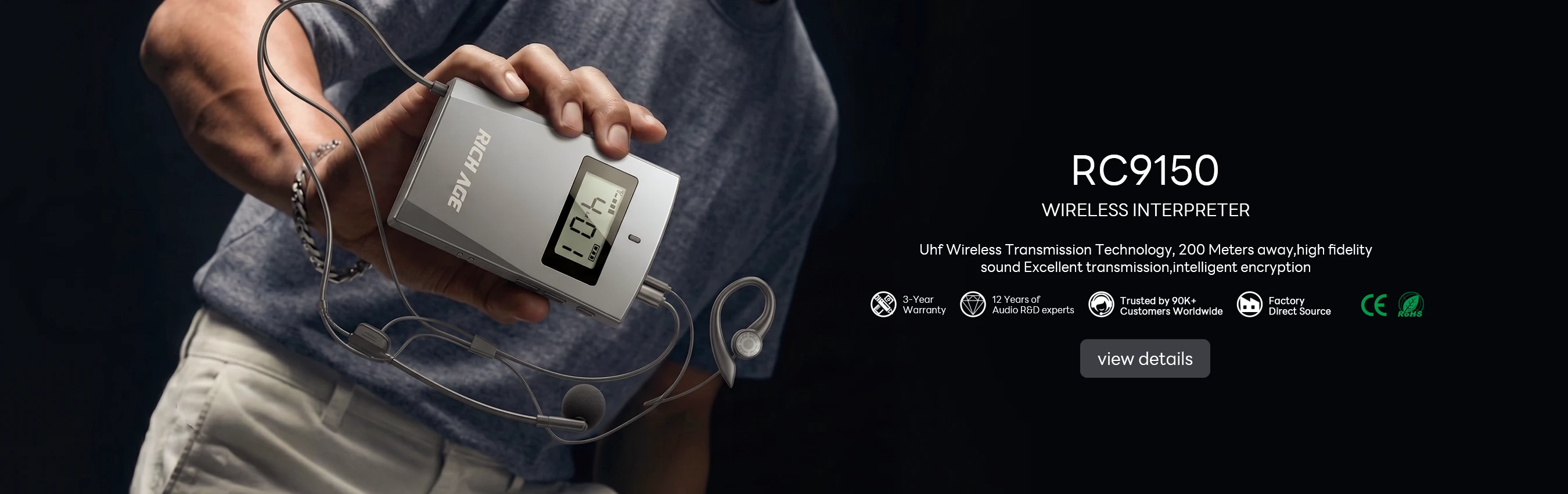
Now, let us talk about the high end. The RC9150 is a completely different beast. At 75 grams, it is the heaviest of the three, but that weight comes with professional-grade features. This is not just a tour guide system; it is a simultaneous interpretation system. In our test, we set up a conference-style tour with two interpreters in a booth. The RC9150 uses a 2.4G frequency that supports multiple channels without interference. The audience, 20 delegates, could switch between languages in real-time. The audio fidelity was studio-grade. This system is overkill for a standard gallery walk, but it is essential for international symposiums, multi-lingual press tours, or any event where professional interpretation is required. If you are a large institution hosting global events, the RC9150 is your flagship tool. For a broader look at the entire product line, you can browse the RC2501 series to see how these models fit into the larger ecosystem.
Direct Comparison: Measured Data at a Glance
To help you make a data-driven decision, here is a side-by-side comparison of the three models based on our real-world testing:
| Feature | RC2501 | RC2402 | RC9150 |
|---|---|---|---|
| Weight | 48 g | 60 g | 75 g |
| Battery Life | 12 hours | 18 hours | 24 hours |
| Protection Rating | IPX4 | IPX5 | IPX6 |
| Best Use Case | Silent indoor tours, small VIP groups, church settings | Medium group tours, outdoor use, high-traffic museums | Simultaneous interpretation, large conferences, professional events |
How to Choose the Right System for Your Museum
Choosing between these three models comes down to three key considerations: group size, environment, and audio complexity. For small, intimate groups in a quiet gallery, the RC2501 is unbeatable due to its low weight and discretion. For standard tours that move through noisy or outdoor environments, the RC2402 offers the best balance of range and battery life. For events requiring multiple languages simultaneously, the RC9150 is the only professional choice. Do not underestimate the importance of protection rating; if your museum has outdoor sections, the IPX5 rating of the RC2402 or the IPX6 of the RC9150 will protect against rain and dust. Always match the hardware to the tour type, not the other way around. For more insights on tailoring these systems to your venue, I encourage you to explore our solutions for further reading on installation and best practices.
Ready to Upgrade Your Visitor Experience?
Silence is the new luxury in the museum world. The data from our tests confirms that the right wireless tour guide system does not just transmit sound; it creates an atmosphere. Whether you need the featherlight RC2501 for a quiet gallery, the robust RC2402 for a busy courtyard, or the professional RC9150 for a multi-lingual conference, the choice is clear. Do not let poor audio quality ruin a perfect exhibit. Contact the Richitek team today to discuss a demo or bulk order. We are here to help you turn every tour into a memorable, silent conversation.