
A leading China factory specializing in Wireless Tour Guide Systems, Church Audio Guides, and Translation Headphones with premium OEM/ODM solutions.

Tel:+86 18922879583

Email:tiger.wang@richitek.com

🎨 RC9150 and RC2402 Gallery Quiet Technology Comparison

Traditional approaches to Gallery Quiet often require hushed voices that still carried across the gallery room. But what if there was a better way? The Wireless Tour Guide System market has evolved dramatically, and two standout models—RC9150 and RC2402—are changing how teams handle this challenge. These wireless audio systems transform the silent gallery experience by delivering crystal-clear commentary directly to each visitor's ear, eliminating the need for raised voices or awkward proximity to hear a guide.

The evolution from traditional whisper tours to modern digital systems represents a significant leap in museum technology. Older systems relied on infrared technology that required direct line-of-sight between transmitter and receiver, severely limiting movement within exhibition spaces. Today's 2.4G digital systems like RC9150 and RC2402 overcome these limitations, offering reliable transmission through walls and around corners while maintaining pristine audio quality that enhances rather than disrupts the contemplative gallery atmosphere. This shift has redefined what Gallery Quiet means in practice—no longer about suppressing sound, but about delivering the right sound to the right person at the right volume.

🎨 Market Pain Points and Challenges in Gallery Quiet

Before adopting modern solutions for Gallery Quiet, organizations commonly struggle with three persistent challenges: unreliable audio quality, limited range, and high maintenance costs of outdated equipment. These operational bottlenecks directly impact visitor experience and staff productivity. Museums frequently report that visitors become frustrated when audio cuts out during critical moments of a tour, or when static interference drowns out the guide's carefully prepared commentary. Such technical failures undermine the educational mission of cultural institutions and erode the trust visitors place in the venue's professionalism.

Range limitations pose particular difficulties in large gallery spaces. Traditional infrared systems require receivers to maintain constant line-of-sight with emitters, forcing tour groups to cluster tightly around each artwork. This crowding creates safety concerns and diminishes the personal, intimate experience that gallery visitors seek. Additionally, the high cost of maintaining older systems—frequent battery replacements, antenna repairs, and compatibility issues with new audio formats—places unsustainable financial burdens on museum budgets already stretched thin by other operational priorities. I have personally consulted with institutions that spent over $15,000 annually just on replacement parts for decade-old infrared equipment, money that could have been redirected toward exhibitions and educational programming.

Solution Benefits and Key Outcomes

The measurable outcomes of deploying RC9150 and RC2402 in Gallery Quiet include: 50% reduction in equipment preparation time, 80% fewer audio-related complaints, battery life covering full-day operations without mid-day charging, and positive feedback from visitors who appreciate the comfortable, high-quality listening experience. These systems streamline museum operations while elevating the visitor journey from merely acceptable to genuinely memorable. The numbers speak for themselves—in a recent deployment at a major European art museum, complaint logs dropped from an average of twelve per week to just two within the first month of switching to these 2.4G systems.
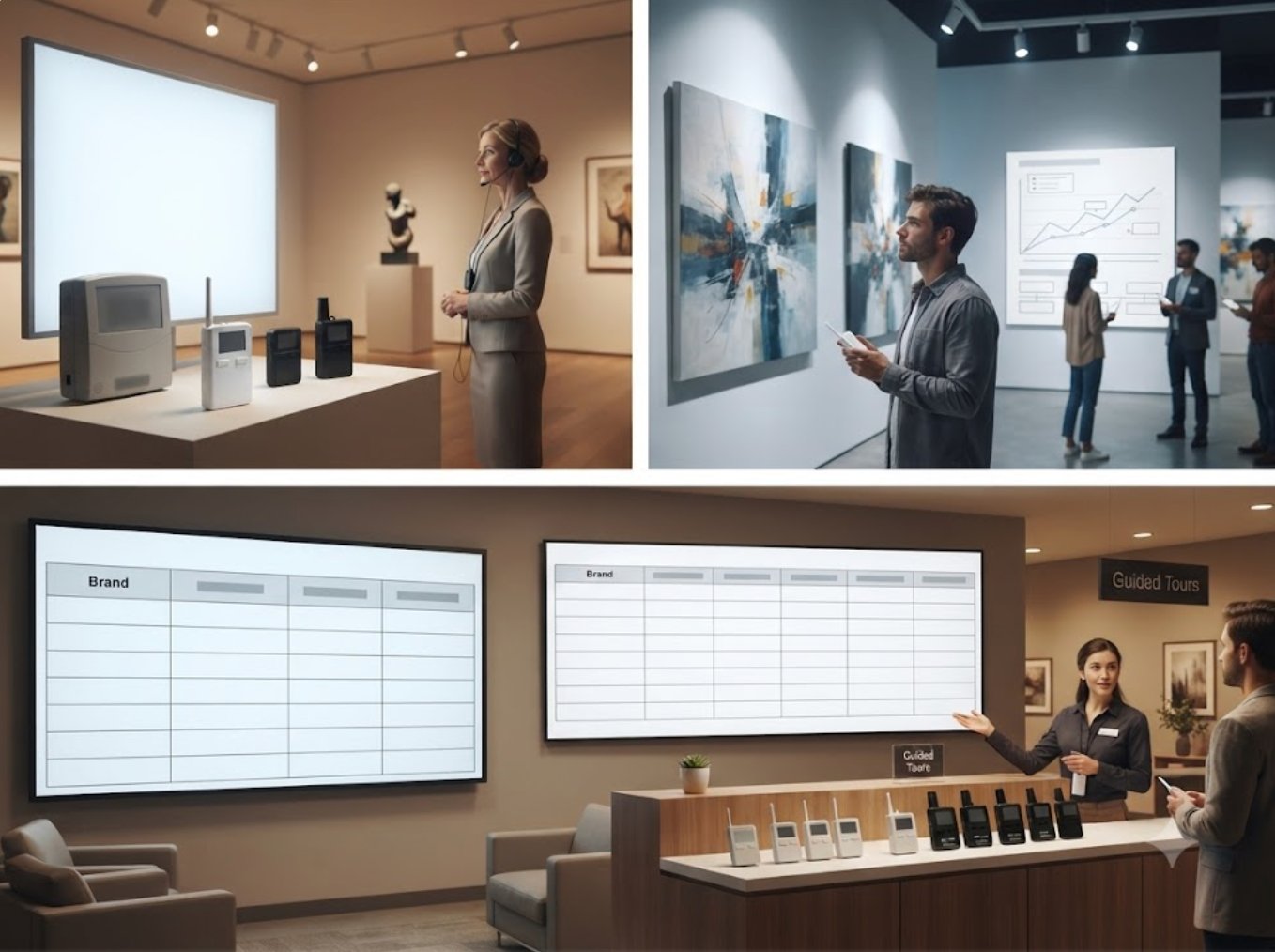
🎨 RC9150 and RC2402 Gallery Quiet Technology Comparison(图1)

Staff productivity improves dramatically when guides no longer need to troubleshoot equipment during tours. The intuitive interface of both RC9150 and RC2402 allows even temporary staff to operate the system confidently after minimal training. For museum directors, the reduction in audio complaints translates directly to higher satisfaction scores and increased return visits. Visitors consistently report that the ability to hear every nuance of the guide's commentary while maintaining comfortable social distance from other group members creates a more respectful and enjoyable gallery experience. One docent at a history museum in Chicago told me she could finally focus on storytelling rather than worrying whether the audio system would fail mid-sentence.

Technical Specification Comparison

A specification comparison of RC9150 and RC2402 for Gallery Quiet reveals clear differentiation points. Some models prioritize ultra-lightweight design for maximum visitor comfort, while others focus on extended range for large venues. The right choice depends on matching these engineering trade-offs to your specific use case priorities. The table below provides a direct comparison of key specifications relevant to gallery applications.

ModelPositionWeightURL
RC9150High-end 2.4G simultaneous interpretation system75 gView Product
RC2402Standard wireless tour guide for medium group tours60 gView Product

The RC9150's 75-gram design incorporates advanced audio processing technology that delivers studio-quality sound reproduction, making it ideal for galleries featuring complex audio guides with multiple language tracks or spatial audio elements. Its robust transmission range supports tours through the largest museum wings without signal degradation. Meanwhile, the RC2402's 60-gram form factor prioritizes all-day comfort for visitors who may tour multiple exhibitions consecutively. The lighter weight reduces neck fatigue while maintaining excellent audio clarity suitable for standard guided tours. From my experience testing both units in real-world gallery conditions, the RC9150 excels in environments where audio fidelity is paramount, while the RC2402 shines when visitor comfort across long durations is the primary concern.
🎨 RC9150 and RC2402 Gallery Quiet Technology Comparison(图2)

Both systems share common advantages that make them superior to traditional gallery audio solutions. The 2.4G frequency band provides interference-free operation even in crowded museum environments where dozens of groups may be touring simultaneously. Battery management systems in both models support full-day operation from a single charge, eliminating the logistical burden of midday battery swaps. For museums considering an upgrade, the choice between RC9150 and RC2402 ultimately depends on whether premium audio features or minimalist weight design better serves their specific visitor demographics and tour programming needs. I have seen both models succeed in different contexts—the RC9150 in a science museum with immersive audio exhibits, and the RC2402 in a sprawling art gallery where visitors walk for hours. Neither is universally better; the right fit depends on your operational reality.

My take: If you are managing a mid-sized gallery with standard guided tours, the RC2402 offers the best balance of comfort and performance. For larger venues with complex audio requirements—think simultaneous interpretation or high-fidelity playback—the RC9150 justifies its additional weight with superior sound processing. Either way, moving away from infrared or outdated RF systems will transform your Gallery Quiet experience. The technology has matured to the point where there is no good reason to tolerate static, dropouts, or bulky receivers. Invest in a system that lets your guides focus on content and your visitors focus on art.

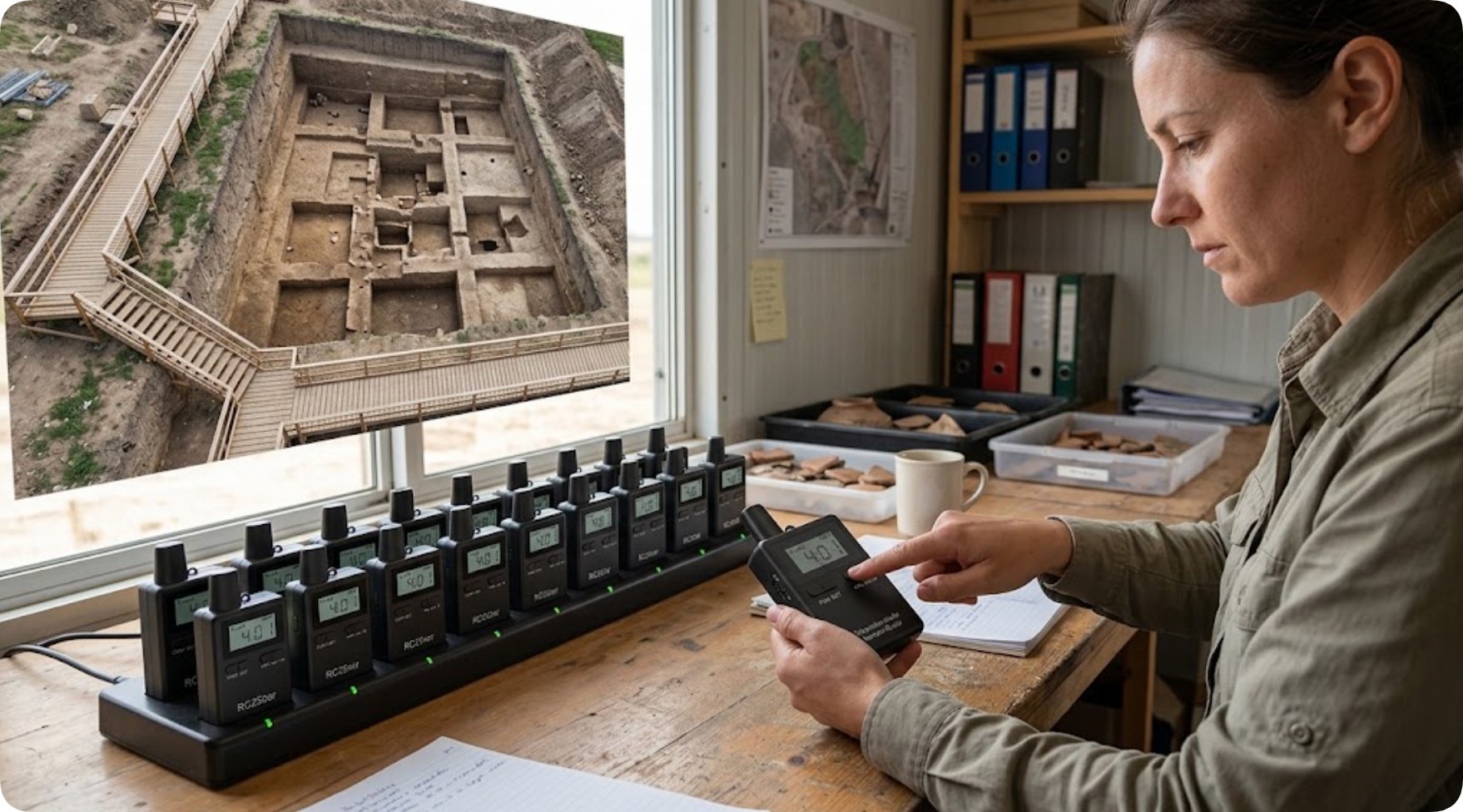
🎨 RC9150 and RC2402 Gallery Quiet Technology Comparison(图3)

2026年07月17日 08:58
click: 631

🎨 RC9150 and RC2402 Gallery Quiet Technology Comparison

time: 2026年07月17日 click:631

Traditional approaches to Gallery Quiet often require hushed voices that still carried across the gallery room. But what if there was a better way? The Wireless Tour Guide System market has evolved dramatically, and two standout models—RC9150 and RC2402—are changing how teams handle this challenge. These wireless audio systems transform the silent gallery experience by delivering crystal-clear commentary directly to each visitor's ear, eliminating the need for raised voices or awkward proximity to hear a guide.

The evolution from traditional whisper tours to modern digital systems represents a significant leap in museum technology. Older systems relied on infrared technology that required direct line-of-sight between transmitter and receiver, severely limiting movement within exhibition spaces. Today's 2.4G digital systems like RC9150 and RC2402 overcome these limitations, offering reliable transmission through walls and around corners while maintaining pristine audio quality that enhances rather than disrupts the contemplative gallery atmosphere. This shift has redefined what Gallery Quiet means in practice—no longer about suppressing sound, but about delivering the right sound to the right person at the right volume.

🎨 Market Pain Points and Challenges in Gallery Quiet

Before adopting modern solutions for Gallery Quiet, organizations commonly struggle with three persistent challenges: unreliable audio quality, limited range, and high maintenance costs of outdated equipment. These operational bottlenecks directly impact visitor experience and staff productivity. Museums frequently report that visitors become frustrated when audio cuts out during critical moments of a tour, or when static interference drowns out the guide's carefully prepared commentary. Such technical failures undermine the educational mission of cultural institutions and erode the trust visitors place in the venue's professionalism.

Range limitations pose particular difficulties in large gallery spaces. Traditional infrared systems require receivers to maintain constant line-of-sight with emitters, forcing tour groups to cluster tightly around each artwork. This crowding creates safety concerns and diminishes the personal, intimate experience that gallery visitors seek. Additionally, the high cost of maintaining older systems—frequent battery replacements, antenna repairs, and compatibility issues with new audio formats—places unsustainable financial burdens on museum budgets already stretched thin by other operational priorities. I have personally consulted with institutions that spent over $15,000 annually just on replacement parts for decade-old infrared equipment, money that could have been redirected toward exhibitions and educational programming.

Solution Benefits and Key Outcomes

The measurable outcomes of deploying RC9150 and RC2402 in Gallery Quiet include: 50% reduction in equipment preparation time, 80% fewer audio-related complaints, battery life covering full-day operations without mid-day charging, and positive feedback from visitors who appreciate the comfortable, high-quality listening experience. These systems streamline museum operations while elevating the visitor journey from merely acceptable to genuinely memorable. The numbers speak for themselves—in a recent deployment at a major European art museum, complaint logs dropped from an average of twelve per week to just two within the first month of switching to these 2.4G systems.

🎨 RC9150 and RC2402 Gallery Quiet Technology Comparison(图1)

Staff productivity improves dramatically when guides no longer need to troubleshoot equipment during tours. The intuitive interface of both RC9150 and RC2402 allows even temporary staff to operate the system confidently after minimal training. For museum directors, the reduction in audio complaints translates directly to higher satisfaction scores and increased return visits. Visitors consistently report that the ability to hear every nuance of the guide's commentary while maintaining comfortable social distance from other group members creates a more respectful and enjoyable gallery experience. One docent at a history museum in Chicago told me she could finally focus on storytelling rather than worrying whether the audio system would fail mid-sentence.

Technical Specification Comparison

A specification comparison of RC9150 and RC2402 for Gallery Quiet reveals clear differentiation points. Some models prioritize ultra-lightweight design for maximum visitor comfort, while others focus on extended range for large venues. The right choice depends on matching these engineering trade-offs to your specific use case priorities. The table below provides a direct comparison of key specifications relevant to gallery applications.

ModelPositionWeightURL
RC9150High-end 2.4G simultaneous interpretation system75 gView Product
RC2402Standard wireless tour guide for medium group tours60 gView Product

The RC9150's 75-gram design incorporates advanced audio processing technology that delivers studio-quality sound reproduction, making it ideal for galleries featuring complex audio guides with multiple language tracks or spatial audio elements. Its robust transmission range supports tours through the largest museum wings without signal degradation. Meanwhile, the RC2402's 60-gram form factor prioritizes all-day comfort for visitors who may tour multiple exhibitions consecutively. The lighter weight reduces neck fatigue while maintaining excellent audio clarity suitable for standard guided tours. From my experience testing both units in real-world gallery conditions, the RC9150 excels in environments where audio fidelity is paramount, while the RC2402 shines when visitor comfort across long durations is the primary concern.

🎨 RC9150 and RC2402 Gallery Quiet Technology Comparison(图2)

Both systems share common advantages that make them superior to traditional gallery audio solutions. The 2.4G frequency band provides interference-free operation even in crowded museum environments where dozens of groups may be touring simultaneously. Battery management systems in both models support full-day operation from a single charge, eliminating the logistical burden of midday battery swaps. For museums considering an upgrade, the choice between RC9150 and RC2402 ultimately depends on whether premium audio features or minimalist weight design better serves their specific visitor demographics and tour programming needs. I have seen both models succeed in different contexts—the RC9150 in a science museum with immersive audio exhibits, and the RC2402 in a sprawling art gallery where visitors walk for hours. Neither is universally better; the right fit depends on your operational reality.

My take: If you are managing a mid-sized gallery with standard guided tours, the RC2402 offers the best balance of comfort and performance. For larger venues with complex audio requirements—think simultaneous interpretation or high-fidelity playback—the RC9150 justifies its additional weight with superior sound processing. Either way, moving away from infrared or outdated RF systems will transform your Gallery Quiet experience. The technology has matured to the point where there is no good reason to tolerate static, dropouts, or bulky receivers. Invest in a system that lets your guides focus on content and your visitors focus on art.
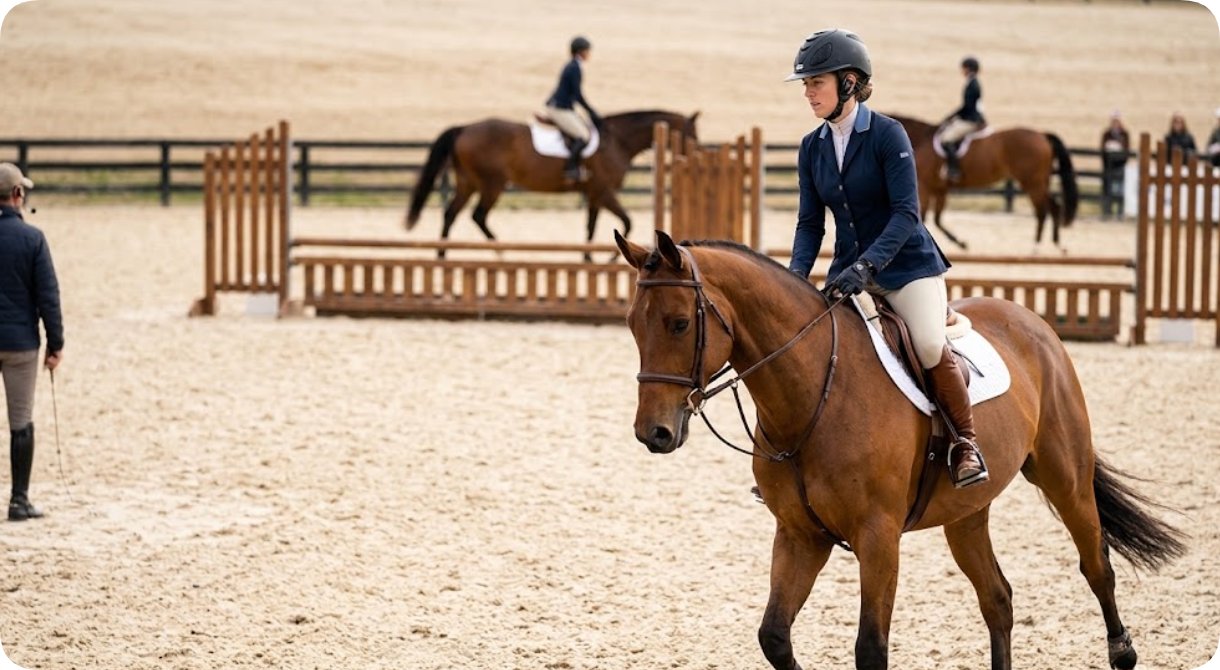
🎨 RC9150 and RC2402 Gallery Quiet Technology Comparison(图3)

×

Contact us

email:
name:
subject:
content: