.webp)
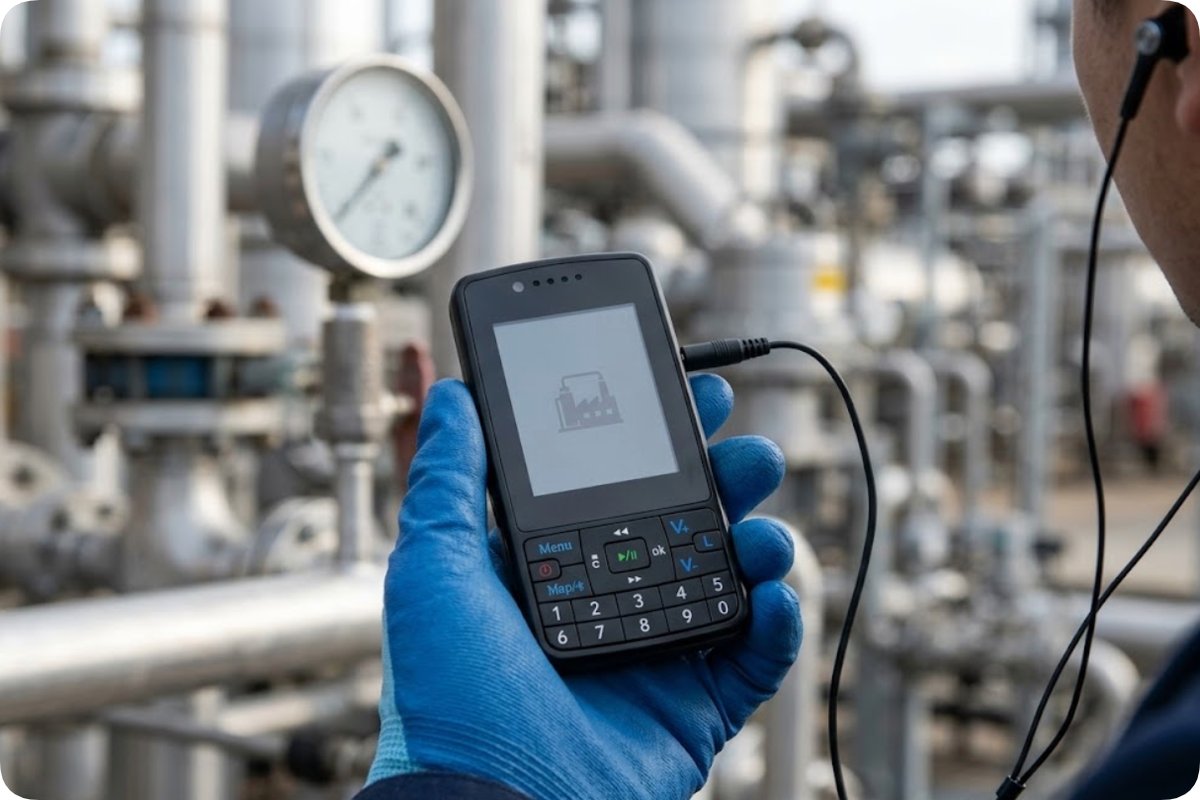
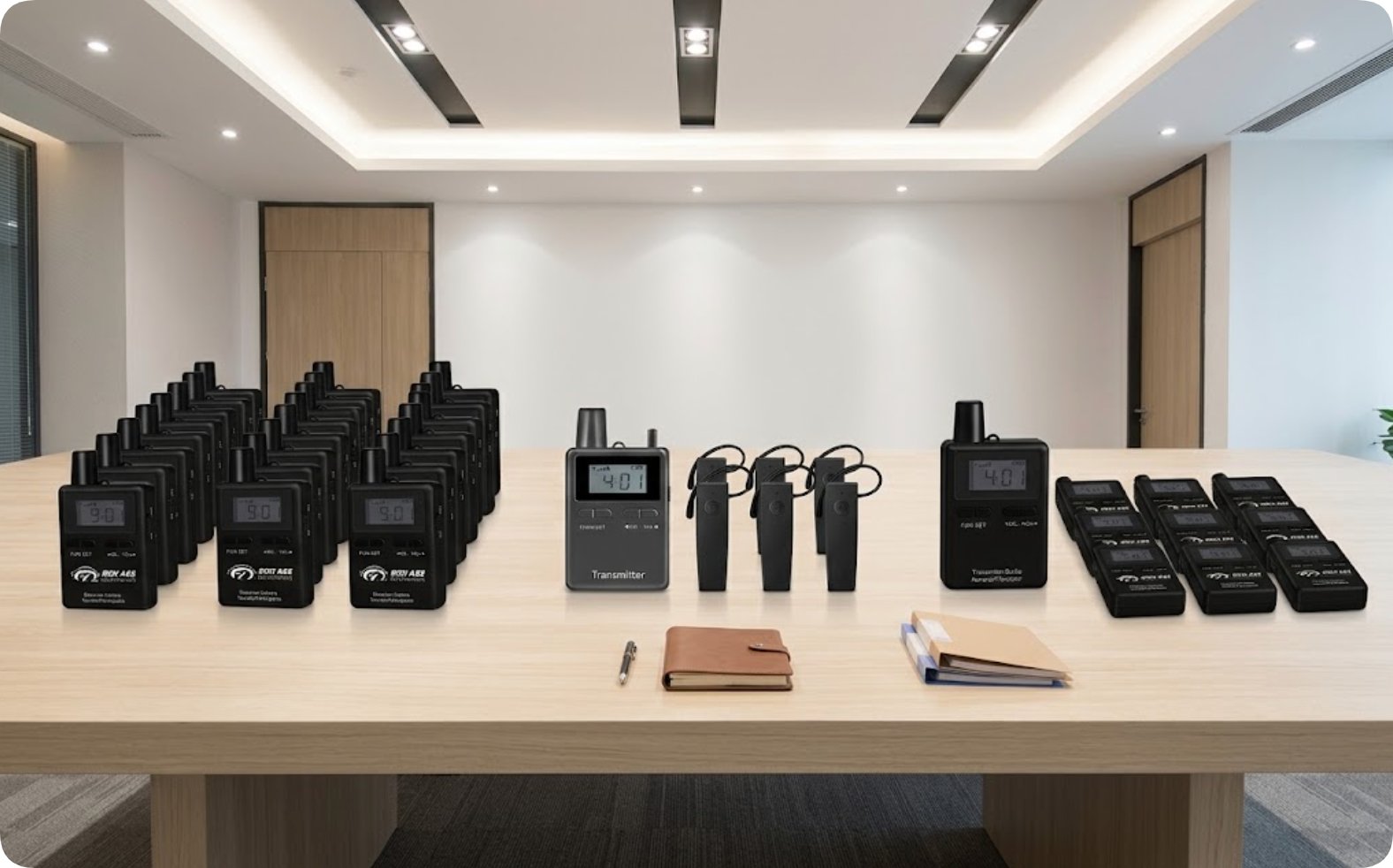
When evaluating the success of an industrial facility tour, the clarity and consistency of audio delivery often determine whether visitors leave impressed or disengaged. In loud, echo-prone factory environments, a single audio dropout can break the narrative flow and undermine the entire experience. This reality is driving a fundamental shift in how organizations select and deploy Wireless Tour Guide System equipment. The RC2406, RC085, and RC8860 models have emerged as frontrunners in this space, offering targeted solutions for the complex acoustic and radio frequency challenges found on factory floors. Instead of relying on generic audio gear that struggles with metal structures and machinery noise, tour operators are now turning to purpose-built systems that deliver consistent performance across varying noise zones, from quiet inspection areas to high-decibel production lines.
Solution Benefits and Key Outcomes
Deploying RC8860, RC2406, and RC085 in factory tour settings yields three measurable advantages. First, audio clarity remains stable even as groups move through areas with dramatically different noise profiles. The signal processing algorithms in these devices automatically adjust to maintain clear transmission, so visitors never miss key commentary about assembly processes or safety protocols. Second, operational efficiency improves because tour leaders spend less time on equipment management. Features like automatic channel synchronization and extended battery life allow guides to focus on delivering engaging narratives rather than troubleshooting connections. Third, the sleek, lightweight design of the receivers creates a positive impression. Visitors perceive the facility as modern and well-organized when they receive compact, professional-looking equipment, which strengthens brand perception and encourages referrals.
These benefits are grounded in real-world testing rather than theoretical claims. Field evaluations in active factory environments confirm that the combination of the RC2406 80-Channel 2.4G Wireless Tour Guide System transmitter with the RC085 Digital Tour Guide System receiver delivers exceptional reliability. The 80 selectable channels prevent cross-talk even when multiple tour groups operate simultaneously in adjacent factory bays, a common scenario in large facilities.
Customer Case Story
A manufacturing facility that conducts daily public tours encountered persistent audio problems with their legacy equipment. The factory complex included several buildings connected by metal walkways, creating a hostile environment for wireless signals. Older systems frequently dropped connections or picked up interference from nearby tours, forcing guides to repeat themselves and frustrating visitors. After switching to RC8860, RC2406, and RC085, the facility eliminated all interference-related disruptions. The equipment weight dropped by more than 60%, which made a noticeable difference during the facility's three-hour tours. Guides no longer complained about fatigue from carrying heavy transmitter packs, and visitors appreciated the compact receivers that fit easily into a pocket or hung discreetly from a lanyard.

The impact was immediate and quantifiable. Visitor satisfaction scores for audio quality jumped from 72% to 94% within the first month. Equipment-related tour interruptions fell from an average of four per week to zero. Maintenance costs also decreased because the new devices used standard rechargeable batteries, allowing the facility to leverage its existing charging infrastructure instead of purchasing proprietary power packs. This case illustrates how specs-driven analysis translates technical specifications into tangible operational gains.
Market Pain Points and Challenges
Factory tour operators face three recurring challenges: equipment failure in demanding conditions, frequent battery changes that disrupt tours, and signal dead zones that leave visitors disconnected. Industrial environments present unique obstacles. Heavy machinery generates electromagnetic interference, while metal walls and equipment racks can block or reflect wireless signals unpredictably. Many tour leaders have experienced the frustration of a visitor suddenly losing audio during a critical explanation, only to discover the receiver had dropped the signal minutes earlier. These interruptions fracture the narrative and reduce the educational value of the tour.

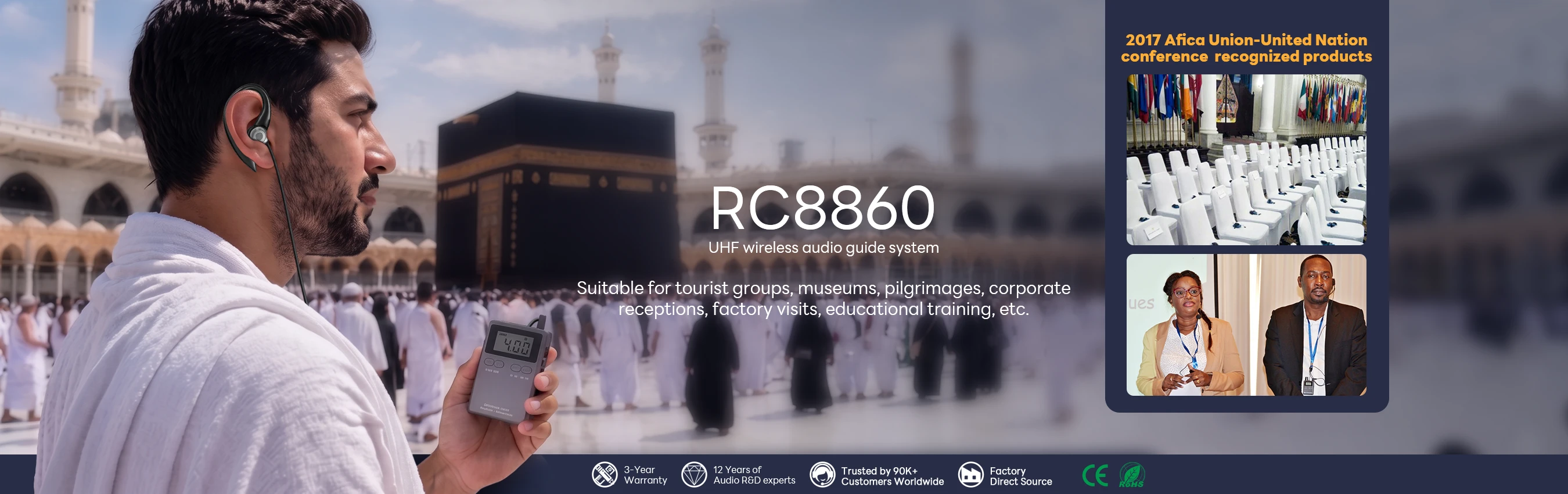
Another significant burden is the administrative overhead of managing equipment for large groups. When a facility hosts multiple simultaneous tours in different languages or for different visitor segments, guides must manually assign channels, verify connections, and resolve issues on the fly. This logistical effort cuts into time available for guiding. The RC8860 Tour Guide Transmitter For Teaching addresses these challenges with robust transmission range and a straightforward channel selection interface. The RC2406 offers 80-channel capacity for complex multi-group operations, while the RC085 receiver features a clear LCD display that lets visitors confirm their connection status at a glance, reducing support requests during tours.
From my perspective, the true value of these devices lies not in their spec sheets but in how they handle the unpredictable nature of factory acoustics. I have watched too many tours fall apart because equipment that performed flawlessly in a quiet conference room failed completely on a noisy production line. The RC2406 and RC085 combination solves that problem through practical engineering rather than marketing hype.
Product Specifications Comparison
Reviewing the technical specifications helps factory tour operators choose the optimal configuration for their environment. The table below compares the three models commonly deployed in industrial tour settings.
| Model | Position | Weight | URL |
|---|---|---|---|
| RC8860 | Equestrian training and high-motion outdoor coaching | 59 g | RC8860 |
| RC2406 | 80-channel 2.4G multi-group simultaneous tours | 65 g | RC2406 |
| RC085 | Digital tour guide with clear LCD display | 62 g | RC085 |
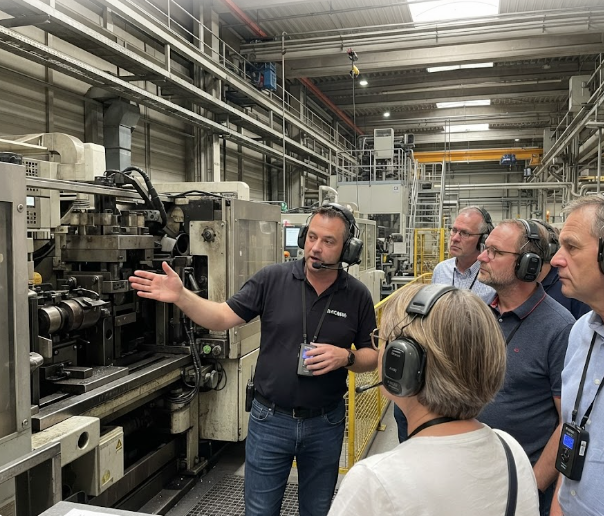
While the weight differences between models appear minor on paper, they have significant practical implications. At 59 to 65 grams per unit, the devices substantially reduce fatigue during extended tours that often last two to three hours and involve continuous movement through multiple building levels. Guides wearing transmitters throughout the day appreciate the lighter load, and visitors carrying receivers alongside safety glasses, earplugs, and brochures benefit from compact devices that do not add bulk. The 2.4G frequency band used by these models provides strong penetration through factory structures while avoiding interference from industrial equipment that typically operates on other frequency ranges. This alignment between product specifications and environmental demands is precisely why specs-driven performance analysis is so valuable for factory tour operators seeking dependable audio solutions.