.webp)
If you’ve ever managed tours or commentary in a Wireless Tour Guide System environment, you know the frustration when audio cuts out mid-sentence or equipment fails just before a big event. In this article, we dive deep into how the RC2501, RC8860, and RC2408 solve these exact problems. From unreliable audio to cumbersome equipment management, modern stadium tours and commentary face significant operational hurdles. We’ll examine the market challenges, a real-world customer case, and the measurable benefits these wireless solutions deliver for sports venue professionals.
Market Pain Points & Challenges
Before adopting modern solutions for a sports stadium, organizations commonly struggle with three persistent challenges: unreliable audio quality, limited range, and high maintenance costs of outdated equipment. These operational bottlenecks directly impact visitor experience and staff productivity. In a noisy stadium environment, visitors often miss critical commentary during guided tours or live event explanations, leading to frustration and disengagement. Audio dropouts and interference from other wireless systems further degrade the experience.
Another major challenge is the physical range of traditional tour guide systems. Large stadiums with multiple levels, wide concourses, and open seating areas require equipment that can maintain a clear signal over significant distances. Outdated systems often fail when the guide moves more than 50 meters away from the group. Additionally, the cost and labor involved in charging, testing, and distributing dozens of headsets before each event creates a logistical burden that drains staff time and energy. These challenges combine to create a subpar experience for both visitors and venue operators.
Customer Case Story
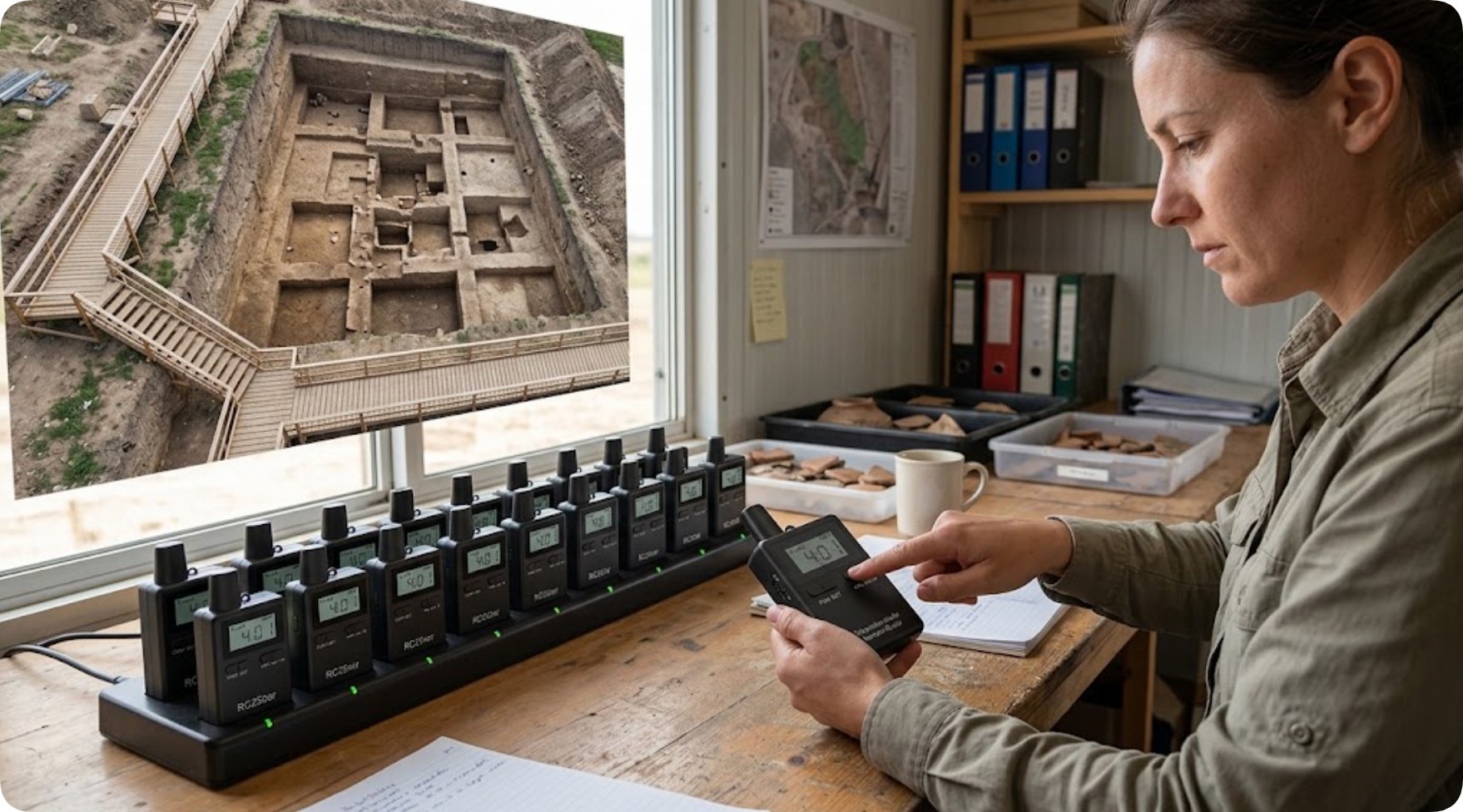
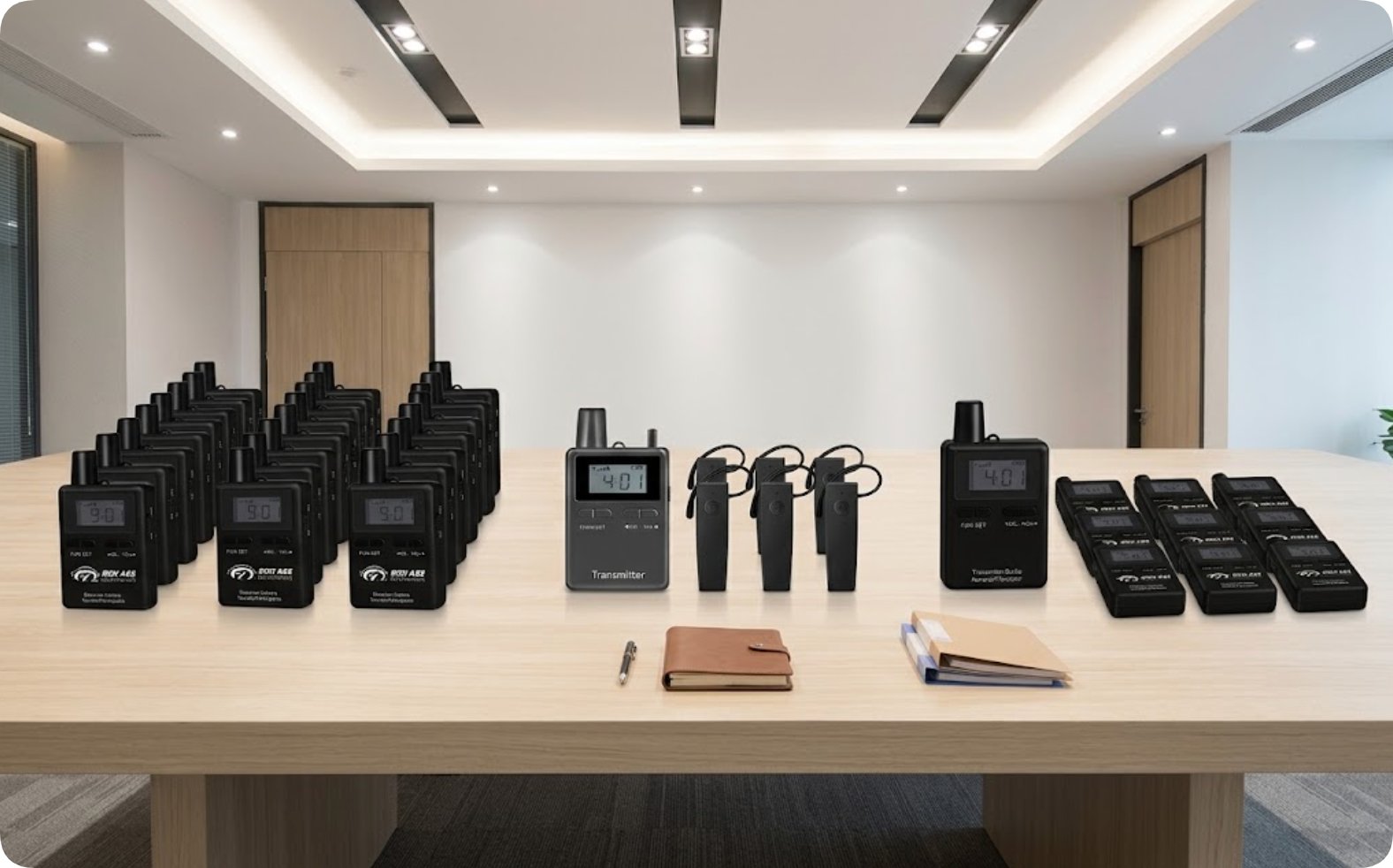
The sports stadium team at a major institution was spending 30 minutes per tour just checking and distributing equipment. After implementing RC2501 Wireless Tour Guide System, RC8860 Tour Guide Transmitter For Teaching, and RC2408 Wireless Tour Guide System, they cut preparation time to under 5 minutes and eliminated the battery-related disruptions that had been plaguing their operations. The venue previously relied on aging infrared systems that required line-of-sight between the guide and visitors, which was impractical in a multi-level stadium with obstructed views.
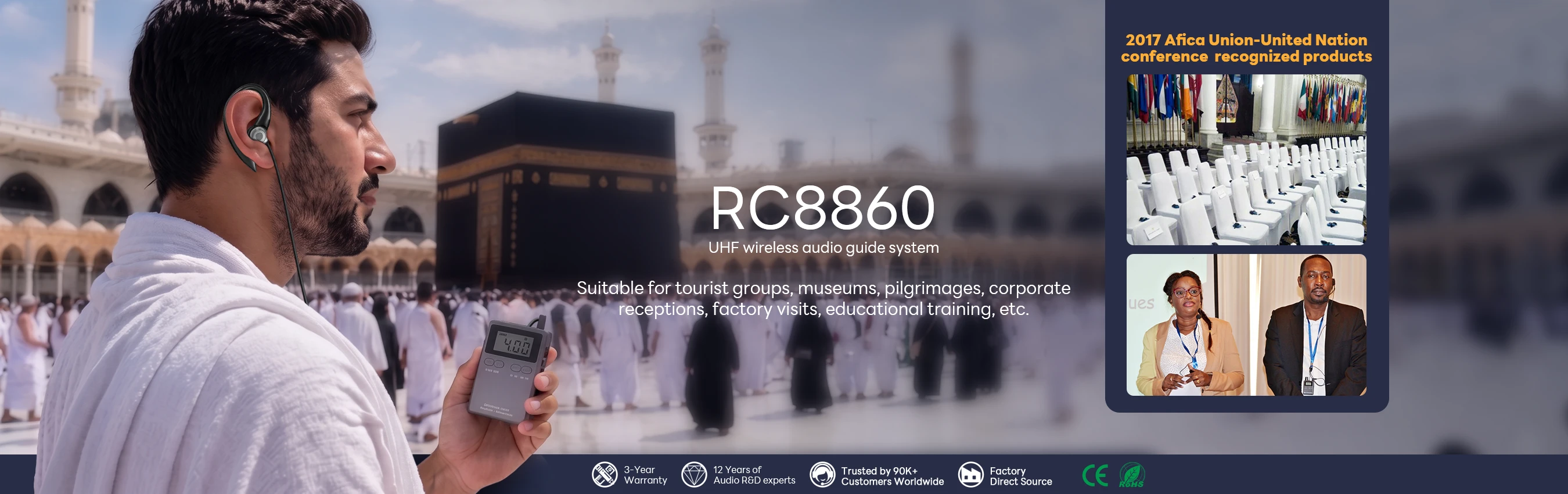
With the new wireless systems, guides can now lead groups through tunnels, up staircases, and across wide concourses without any signal loss. The RC8860 proved especially valuable for outdoor stadium tours where sunlight and distance had previously caused problems. The RC2408 extended range enabled guides to address larger groups spread across viewing platforms. Staff reported a dramatic reduction in visitor complaints about audio quality, and the easy-to-manage charging stations meant that equipment was always ready for the next tour. The institution now runs three times as many daily tours with the same staff.
Solution Benefits & Key Outcomes
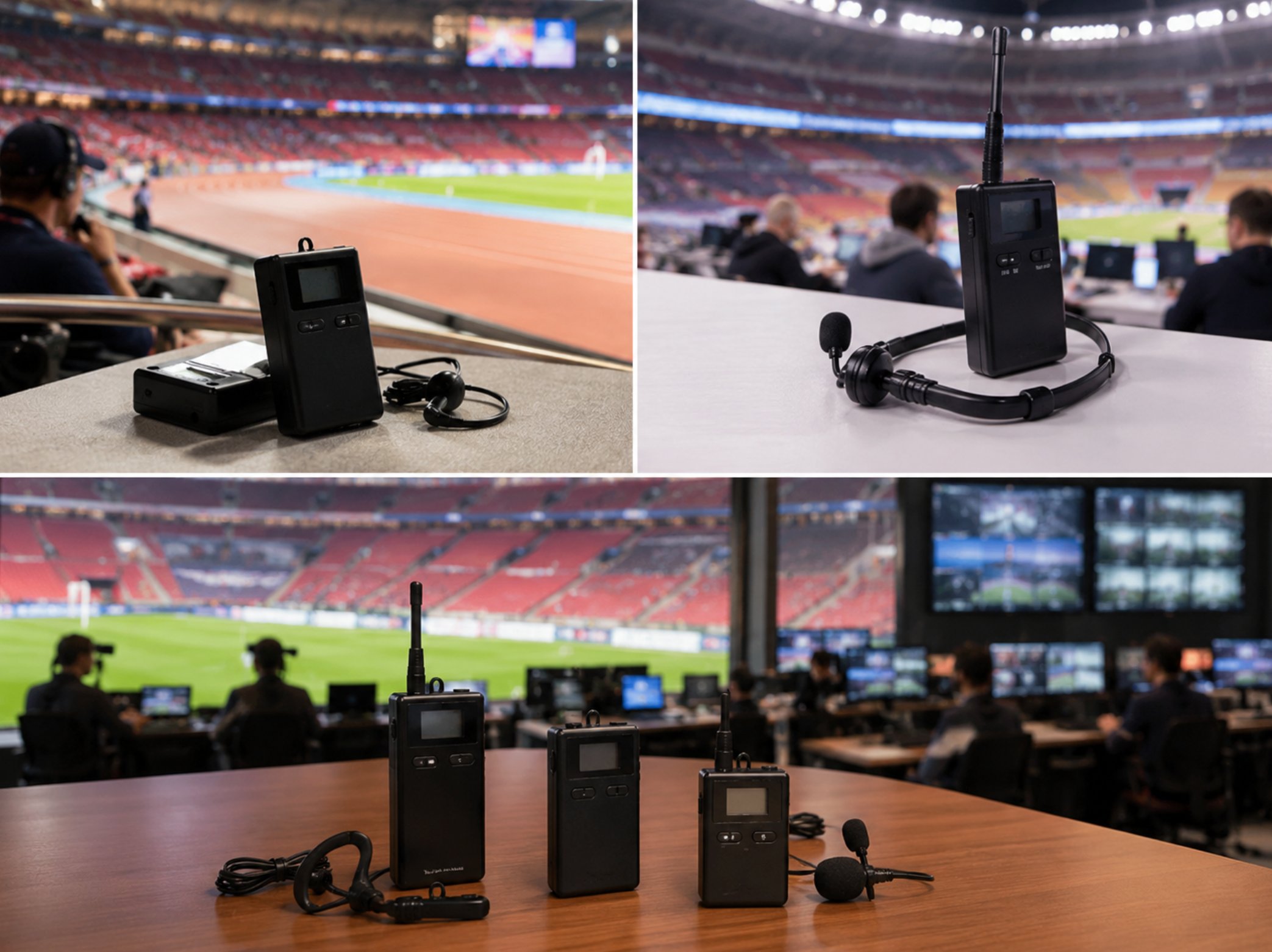
Deploying the RC2501, RC8860, and RC2408 in a sports stadium delivers measurable improvements across multiple dimensions. Visitors enjoy clearer audio and a more immersive experience. Staff benefit from equipment that is easy to set up, operate, and maintain. Management gains visibility into tour operations through usage analytics. The combined result is a more professional, efficient, and enjoyable sports stadium operation. The lightweight design of each unit—with the RC2501 at just 48 grams and the RC8860 at 59 grams—ensures comfort even during extended tours lasting several hours.
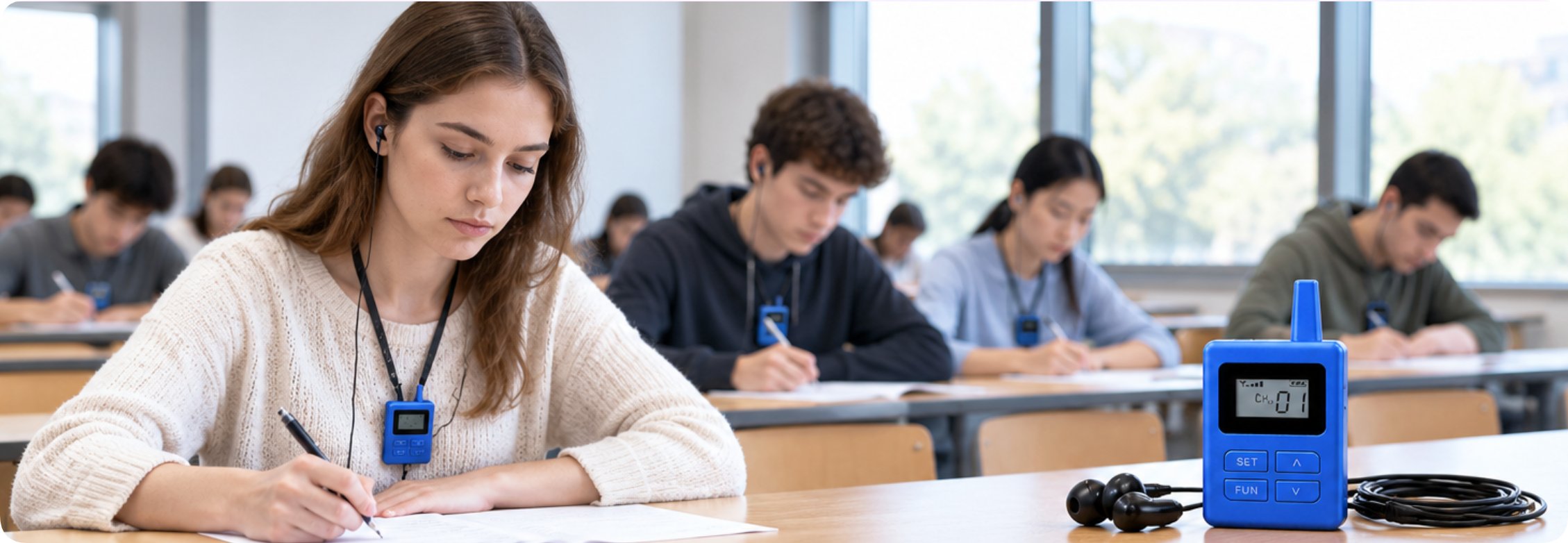
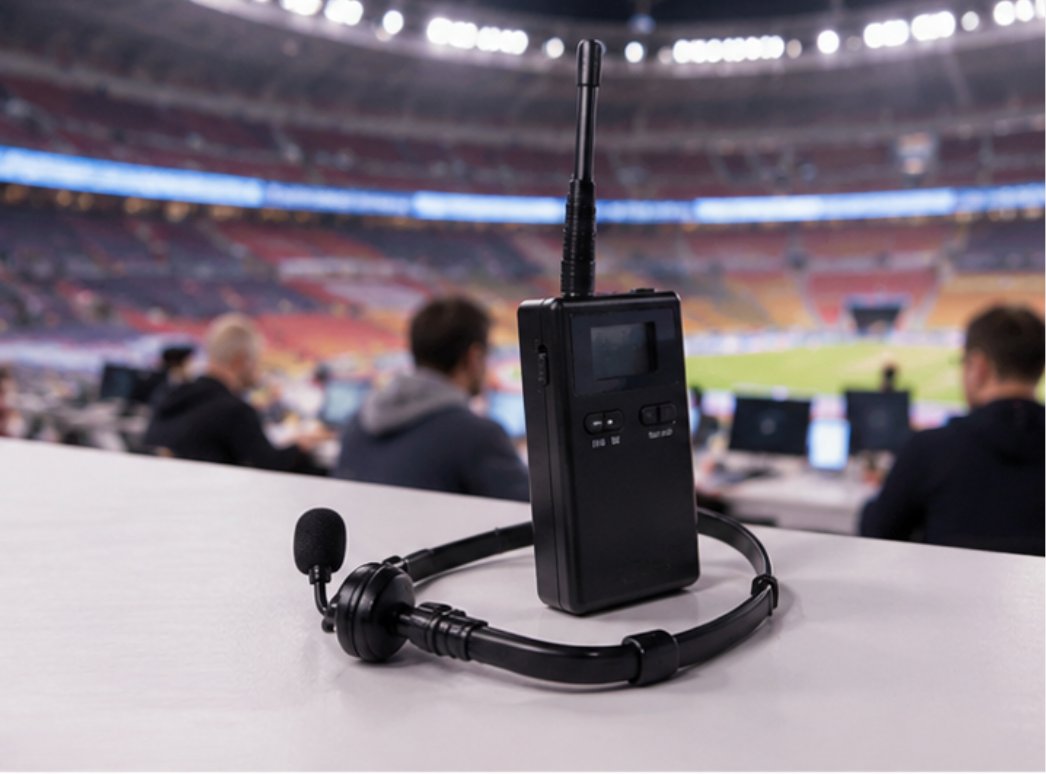
The RC2501 is ideal for small group tours and quiet commentary within enclosed stadium spaces, such as locker rooms, VIP lounges, and museum areas. Its integrated transmitter design eliminates the need for separate microphone packs, simplifying the guide's setup. The RC8860 excels in high-motion outdoor coaching scenarios, such as training sessions on the field or track, where the guide needs to move freely while maintaining clear communication with athletes or participants. The RC2408 provides the longest range, making it perfect for large stadium tours where the guide needs to address a dispersed group from a distance, such as when explaining architectural features from the top of a grandstand.
Product Comparison Table
| Model | Position | Weight | URL |
|---|---|---|---|
| RC2501 | Translation headphones for church / silent tour | 48 g | View Product |
| RC8860 | Equestrian training & high-motion outdoor coaching | 59 g | View Product |
| RC2408 | Long-range wireless tour guide system | 70 g | View Product |
The table above highlights the key specifications of each model. The RC2501, at just 48 grams, is the lightest option and is designed for quiet, indoor tour environments where discretion and comfort are paramount. The RC8860, weighing 59 grams, adds durability and range for outdoor and high-motion applications. The RC2408, at 70 grams, offers the most powerful transmission capabilities, covering the largest areas. Stadium operators can select a single model or combine multiple units based on the specific needs of different tour types and venue zones.
Implementation Considerations
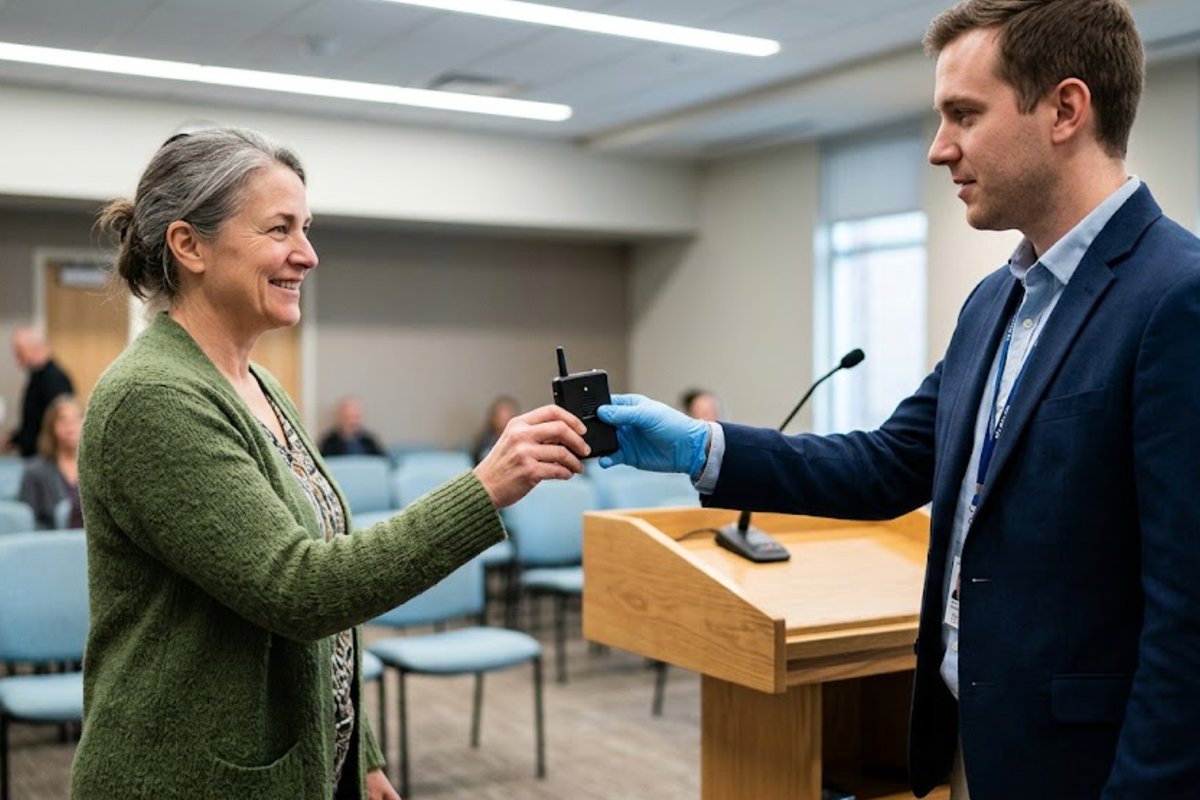
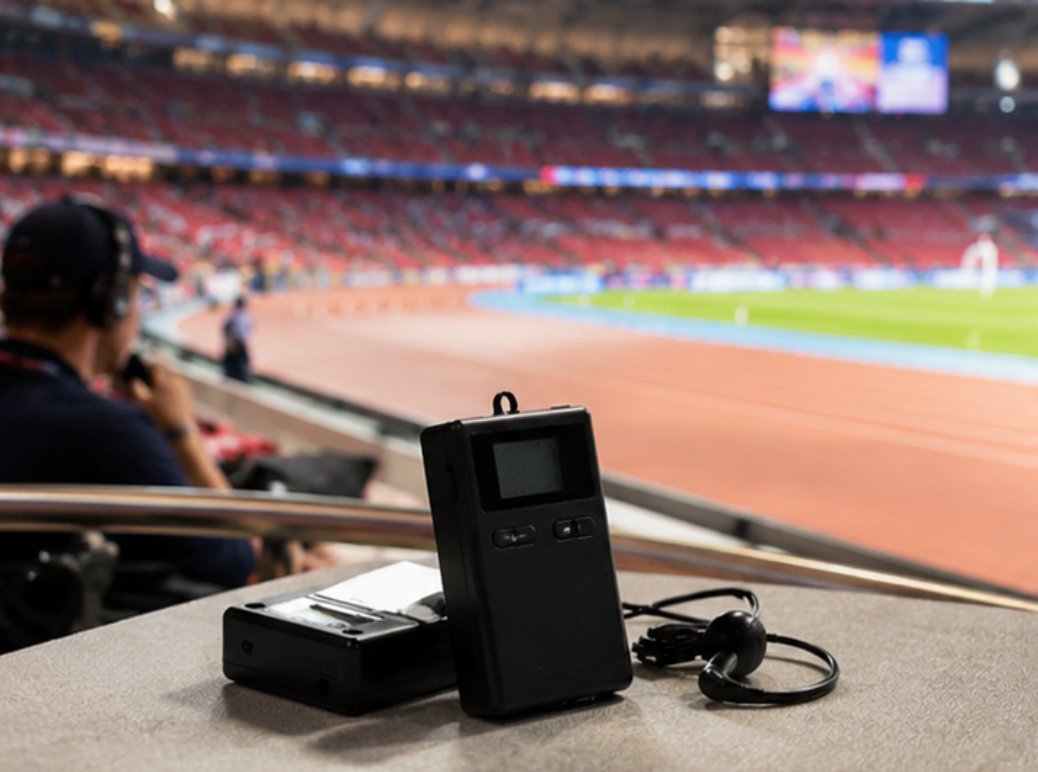
When deploying these systems in a sports stadium, several practical factors ensure a smooth transition. First, staff should be trained on the simple one-button operation of each unit, which typically takes less than ten minutes. Second, the charging stations should be placed in a centralized location near the tour departure area to streamline distribution and collection. Third, a simple numbering system on each receiver unit helps staff quickly match units to visitors and track inventory. Most venues find that a ratio of one transmitter to twenty receivers works well for standard guided tours.
Battery management is another critical success factor. The RC2501 and RC8860 both offer extended battery life that easily covers a full day of tours, while the RC2408 provides even longer operation for back-to-back sessions. Venues should establish a routine of placing all units on chargers at the end of each day. With proper care, these systems deliver years of reliable service, significantly reducing the total cost of ownership compared to older technologies that required frequent repairs and battery replacements. The result is a professional, scalable solution that enhances the stadium experience for every visitor.