
Enhancing Memory Care through Therapeutic Horticulture: The Role of RC2401 Wireless Audio Systems
Utilizing 2.4GHz Assistive Listening Technology to Reduce Agitation and Improve Focus in Dementia and Alzheimer's Garden Programs.

My View: My grandmother’s journey with Alzheimer’s has been a lesson in finding joy in the fragments. She might not recall my name, but the muscle memory for planting marigolds remains intact. At her memory care facility, they introduced a "Talking Garden" using RC2401 transmitters and RC2406 receivers. Instead of a therapist shouting over the wind, a gentle, familiar voice whispers instructions directly into her ear. During my last visit, I watched her plant three pots with a level of focus I haven't seen in years. No wandering, no agitation—just the peace of the soil. It was a revelation: audio technology isn't just for tours; it’s a cognitive bridge for those losing their way.

The Global Dementia Crisis and the Therapeutic Response
With over 55 million people worldwide living with dementia, the strain on care facilities is reaching a breaking point. Non-pharmacological interventions, such as therapeutic horticulture, have gained immense traction. Gardening provides sensory stimulation, maintains fine motor skills, and offers a profound sense of agency. However, the logistical challenge is significant: how does a single therapist guide a group of seniors who struggle with hearing loss, background noise distraction, and short-term memory lapses?
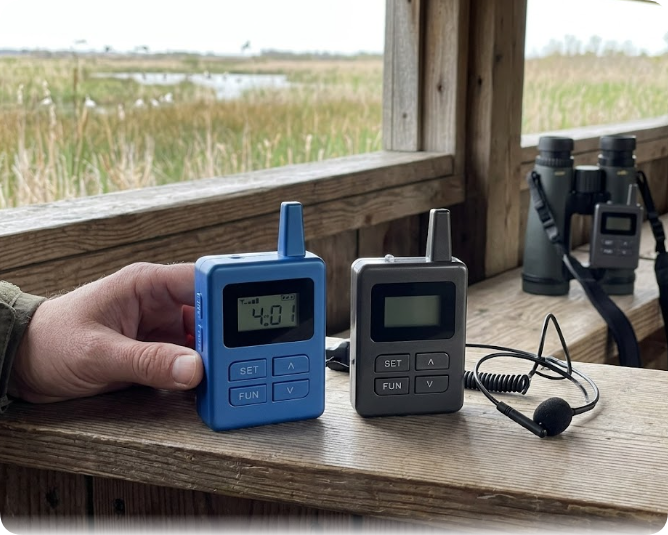
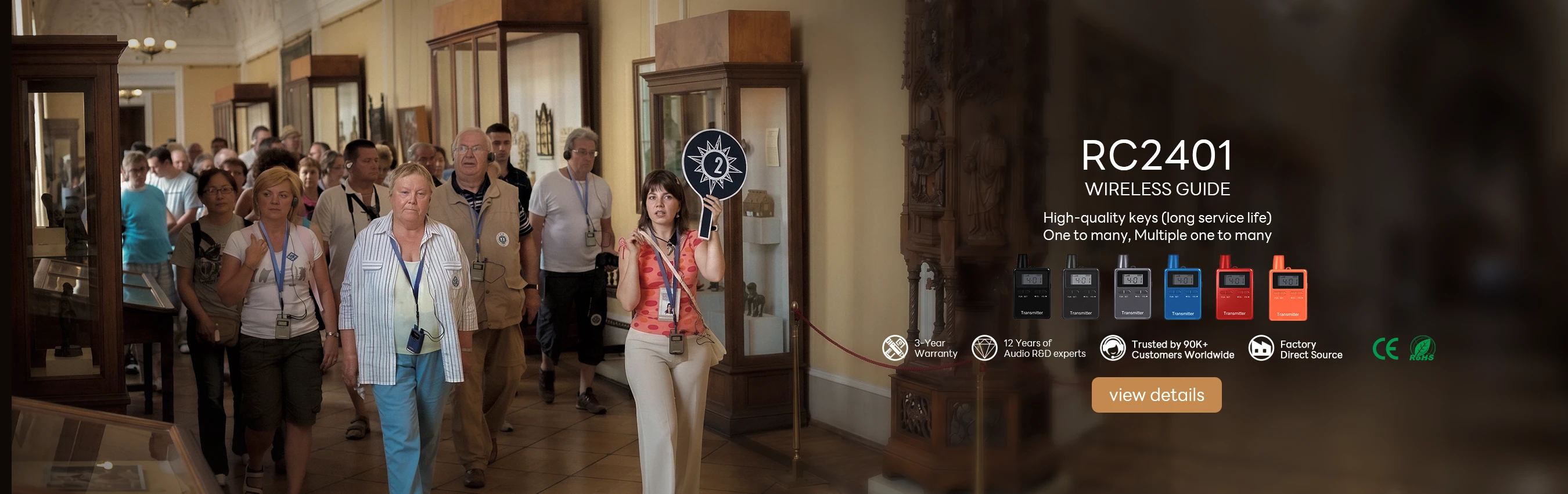
This is where the Richitek RC2401 system steps in. Operating on the global 2.4GHz frequency, it provides a stable, interference-free "audio tether" between the caregiver and the resident. In a garden setting, where the sound of wind or distant lawnmowers can cause a dementia patient to become overwhelmed and "shut down," the direct-to-ear audio provides a comforting focal point that filters out environmental chaos.
Operational Benefits for Memory Care Facilities
Improved Caregiver Ratios: Traditionally, gardening for dementia requires 1:2 or 1:3 staffing. With the RC2401, a single therapist can manage 8 to 10 residents effectively, as the voice-in-ear keeps participants on task without the need for constant physical intervention.
Reduced Vocal Strain: Caregivers no longer need to raise their voices to overcome hearing aids or distance. A calm, modulated tone via the microphone reduces the "emotional contagion" of stress in the garden.
Cognitive Scaffolding: The system provides "step-by-step" scaffolding. By delivering one instruction at a time ("Now, pick up the trowel"), the cognitive load on the senior is minimized, leading to a higher rate of task completion.
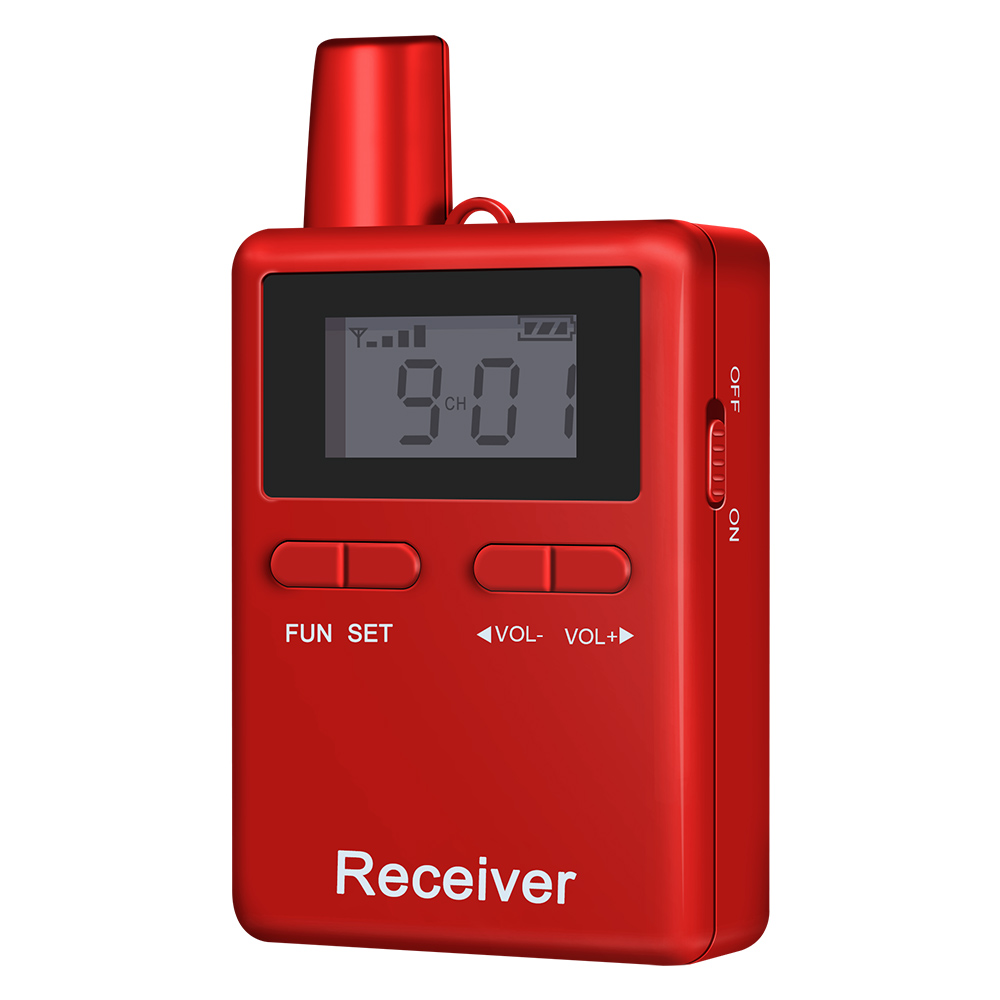
The RC2406 receiver features an ergonomic ear-hook design compatible with traditional hearing aids.
Designed for Seniors: The RC2406 Engineering
The success of assistive technology in elderly care depends entirely on simplicity. The RC2406 receiver was selected for memory care for several ergonomic reasons. First, its ultra-lightweight build ensures it doesn't cause fatigue or irritation on sensitive skin. Second, the individual volume adjustment is a mechanical wheel rather than a complex menu, allowing seniors to intuitively find a comfortable level for their specific hearing needs.
The 200-meter transmission range is equally vital. In large therapeutic landscapes or sensory parks, residents may want to wander to a specific flower bed or bird feeder. The RC2401 allows them that freedom while keeping them safely connected to the group's narrative. From a management perspective, the Type-C charging interface and 80-channel capability allow multiple wings of a care home to operate simultaneous programs—gardening in one area, adaptive exercise in another—without signal crossover.
Versatility Beyond the Soil
While the "Talking Garden" is the flagship application, the RC2401/RC2406 combo is being adapted for various therapeutic modalities:
Adaptive Cooking Classes: Instructions for measuring and mixing are delivered via the headset, reducing the danger of seniors becoming confused near heat sources.
Museum Memory Tours: Slow-paced tours of local history museums where the audio system allows seniors to hear the curator even in reverberant marble halls.
Pet Therapy: Ensuring residents can hear the handler's instructions regarding the animals, fostering a safer and more rewarding interaction.
Guided Meditation: Using the system to lead seniors through breathing exercises in outdoor "quiet zones" where privacy and clarity are paramount.
A Sustainable Investment for Care Facilities
For non-profit care homes and private geriatric centers, the cost-performance ratio of the RC2401 is a key factor. Unlike medical-grade FM systems that can cost thousands per unit, this professional audio guide system offers high-fidelity sound and industrial-grade durability at a fraction of the cost. The 10-hour transmitter battery life covers a full clinical shift, and the 80-channel synchronization means the fleet can grow alongside the facility's needs.
Site directors emphasize that the primary ROI isn't just financial—it's the quality of life. When agitation scores drop by 60%, the atmosphere of the entire facility changes. Staff burnout decreases, family satisfaction increases, and most importantly, residents like my grandmother reclaim a piece of their dignity through productive, guided work.