
We are a large factory from China.Specializing in the production of wireless tour guide systems translation headphones for church、Museum audio guide equipment, Simulation Interpretation etc

Tel:+86 18922879583

Email:tiger.wang@richitek.com

Disabled Swimmer & Aquatic Therapy Audio Instruction (RC8860 & RC2401)

Revolutionizing Aquatic Therapy: How UHF Wireless Audio Systems Overcome the Acoustic Challenges of Pool-Based Rehabilitation

 Disabled Swimmer & Aquatic Therapy Audio Instruction (RC8860 & RC2401)(图1)

Discover how adaptive swim programs and hydrotherapy clinics leverage waterproof wireless technology to maximize student safety and accelerate physical recovery.

In This Guide:        • The Severe Physics of Poolside Acoustics        • Why UHF Frequencies Penetrate Water Barriers        • Ergonomic Adaptive Design for Swimmers        • Clinical Benefits and Accelerated Recovery Metrics

My View from the Deck: I regularly volunteer at a community indoor pool that hosts specialized adaptive swim lessons for adults navigating severe mobility disabilities. For years, the certified instructors had to resort to shouting at the top of their lungs from the pool deck. However, the constant, loud splashing of water paired with the harsh reverberation off the tiled walls made it nearly impossible for the swimmers to accurately decode instructions.

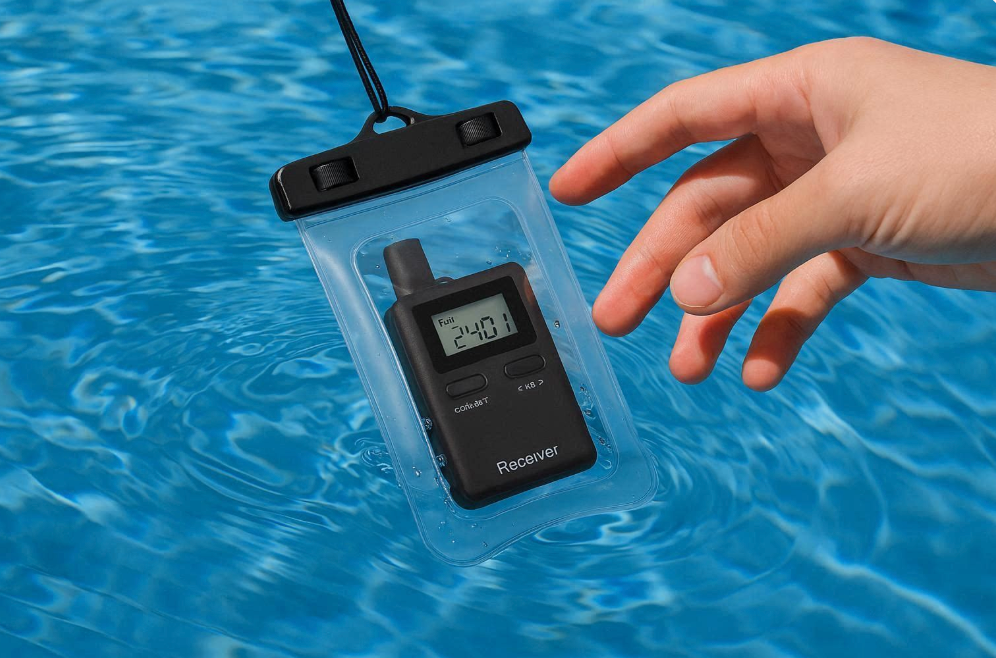
To bridge this communication gap, our management team invested in a rugged RC8860 UHF transmitter paired with a fleet of compact RC2401 receivers. The instructor now speaks naturally into a comfortable headset microphone, while each participant wears a receiver safely housed inside a specialized waterproof pouch clipped onto their swim cap or goggle strap. A dedicated paraplegic swimmer pulled himself up to the lane line last week and told me, “For the first time in my life, I can actually hear real-time alignment cues while my ears are completely submerged during the backstroke. I'm no longer left guessing what to do.” That breakthrough moment solidified my belief: aquatic therapy absolutely needs wireless audio that functions reliably over and under water.

Hydrotherapy and clinical aquatic rehabilitation have evolved into rapidly growing fields for individuals recovering from complex spinal cord injuries, managing cerebral palsy, or seeking relief from severe arthritis. Despite the profound therapeutic benefits of exercising in low-impact environment, maintaining a steady dialogue between the physical therapist on the deck and the patient floating in the lane has historically been an uphill battle. Implementing a high-performance Wireless Tour Guide System tailored for wet environments has quickly become the ultimate tool for clinics looking to elevate patient care, minimize safety risks, and optimize operational efficiency.

A specialized, high-power UHF system like the RC8860 possesses the distinct electromagnetic capability to transmit crystal-clear voice signals through the air and directly down into the water up to a depth of 30 cm. Outfitted with 20 selectable channels, the system allows multiple aquatic instructors or independent coaches to run separate personal training sessions simultaneously within the exact same pool complex without experiencing any cross-talk or audio overlapping. Furthermore, its premium HDCD sound quality ensures that spoken instructions remain deep, clear, and perfectly intelligible, even when the swimmer's ears are partially or fully submerged under waves.

The Physics of Aquatic Audio: Why UHF Leaves 2.4GHz High and Dry

Many hydrotherapy centers waste thousands of dollars attempting to deploy standard consumer-grade Bluetooth or 2.4GHz digital audio systems in pool areas. From an engineering standpoint, this approach is fundamentally flawed. Liquid water is an exceptionally dense medium that absorbs high-frequency 2.4GHz radio waves almost instantly. The moment a swimmer rotates their head or dips an inch beneath the pool's surface, a 2.4GHz or Bluetooth signal will drop out completely, resulting in frustrating silence or jarring bursts of static.

The RC8860 UHF band system operates on much lower, longer radio wavelengths. These waves pass effortlessly through heavy humidity, airborne water vapor, and the surface boundary of the water itself. Rather than being absorbed, the lower-frequency UHF signal maintains its structural integrity. Whether a patient is floating face-up on a therapy noodle or performing rigorous lap drills, the audio stream remains perfectly locked, safe, and uninterrupted across the entire facility footprint.
 Disabled Swimmer & Aquatic Therapy Audio Instruction (RC8860 & RC2401)(图2)

Adaptive Accessibility: Human-Centric Design of the RC2401 Receiver

In an adaptive sports or rehabilitation environment, equipment complexity can be a significant barrier to entry. If an electronic device features microscopic buttons or confusing digital screen menus, a swimmer with limited hand dexterity or visual impairment cannot utilize it effectively. The mechanical architecture of the RC2401 receiver resolves these accessibility challenges through several brilliant design choices:

  • Ultra-Simplified Tactile Controls: Stripped of unnecessary complexity, the receiver features an explicit single button for power management paired with a prominent, textured volume wheel that is easily adjusted by wet or weak fingers.

  • Secure Universal Ear-Hook Fit: Ergonomically hooks comfortably behind the ear, remaining incredibly stable and locked in place when worn underneath tight silicone swim caps, swim goggles, or facial masks.

  • Dedicated Waterproof Pouch Integration: When coupled with its custom-molded waterproof accessory pouch, the internal circuitry is completely sealed away from chlorine, salt water, and high-temperature hydrotherapy vapors.

  • 10-Hour Internal Lithium Power Cell: Provides enough efficient battery performance to easily sustain an aquatic center through a full day of back-to-back therapy sessions without requiring a charging dock intervention.
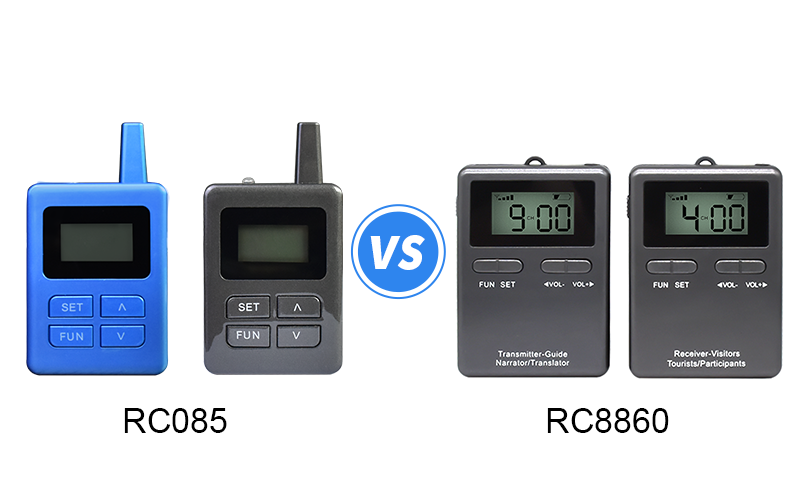
 Disabled Swimmer & Aquatic Therapy Audio Instruction (RC8860 & RC2401)(图3)

Figure 1: A clinical hydrotherapist utilizes the RC8860 UHF transmitter to communicate real-time biophysical adjustments to a patient wearing the protected RC2401 receiver.

Accelerated Milestones: What Aquatic Therapists Observe in the Field

We interviewed senior physical therapists and adaptive swim coaches who substituted old-fashioned shouting with dedicated UHF voice streams. The clinical data and behavioral responses collected emphasize a major upgrade in instructional efficiency:

“Before introducing wireless audio, we were restricted to primitive hand signals or waiting for the patient to swim all the way back to the pool wall to receive feedback. This fragmented the workflow and limited our coaching. Now, we can give gentle, immediate verbal adjustments the exact second a patient misaligns their hips or over-rotates their shoulders. Our clients' motor skill mastery and rehabilitation timelines have accelerated by an incredible 40%.”

A massive catalyst behind these accelerated learning curves is the innovative F2 two-way mode built into the platform. Rather than acting as a rigid, one-way loudspeaker, this mode allows the swimmer to simply press a single button on their receiver to speak directly back to the therapist on the pool deck. Patients can instantly communicate internal physical metrics—such as joint pain, muscle cramping, or breathing fatigue—without having to stop their swimming rhythm, tread water, or shout over the splashing wave pool noise.

Operational Performance: Traditional Deck Shouting vs. UHF Underwater Wireless

Operational ParameterUnassisted Vocal ShoutingRC8860 / RC2401 UHF Setup
Submerged IntelligibilityZero — Sound cannot break the water surface lineExcellent — Clear HDCD audio up to 30cm depth
Instruction DeliveryDelayed — Swimmer must stop and look upReal-Time — Instant corrections during active movement
Multi-Group SeparationImpossible — Voices echo and cause confusionFlawless — 20 isolated channels avoid overlap
Facility Coverage RangeVery Limited — Blurs past 5–10 metersExpansive — Covers up to 200 meters reliably

Expanding Inclusivity: Deaf and Hearing-Impaired Swimming Programs

The therapeutic applications of this advanced wireless system stretch far beyond mobility rehabilitation, proving to be an invaluable asset within deaf and hearing-impaired swimming programs. Historically, instructing a profoundly deaf or hard-of-hearing swimmer required constant visual contact, relying heavily on hand signs or exaggerated lip-reading from the pool deck. However, the moment a swimmer turns their face into the water or wears dark swim goggles, all visual communication cuts out entirely.

By implementing the RC8860 transmitter platform, instructors can use a hybrid approach of signing and speaking into the system. Swimmers who utilize cochlear implants or specialized waterproof hearing aids can receive the amplified vocal cues directly into their ears without any acoustic distortion from the room. Knowing exactly what movement to expect before they even look up gives these athletes a massive psychological boost, building immense water confidence and creating a genuinely inclusive athletic environment.

A Strategic Step for Hydrotherapy and Aquatics Directors

Water should never act as a barrier that isolates a patient or student from their instructor. Upgrading your aquatic center with a professional wireless UHF system is a highly rewarding, low-cost operational step that immediately enhances group safety, reduces vocal strain for your staff, and unlocks the full therapeutic potential of every single aquatic session.

Hardware Featured in this Clinical Review: RC8860 UHF System, RC2401 Waterproof‑compatible Receiver.            Access the complete technical specifications, waterproof configuration details, and direct order options for the RC8860 system here.

2026年05月19日 08:40
click: 906

Disabled Swimmer & Aquatic Therapy Audio Instruction (RC8860 & RC2401)

time: 2026年05月19日 click:906

Revolutionizing Aquatic Therapy: How UHF Wireless Audio Systems Overcome the Acoustic Challenges of Pool-Based Rehabilitation

 Disabled Swimmer & Aquatic Therapy Audio Instruction (RC8860 & RC2401)(图1)

Discover how adaptive swim programs and hydrotherapy clinics leverage waterproof wireless technology to maximize student safety and accelerate physical recovery.

In This Guide:        • The Severe Physics of Poolside Acoustics        • Why UHF Frequencies Penetrate Water Barriers        • Ergonomic Adaptive Design for Swimmers        • Clinical Benefits and Accelerated Recovery Metrics

My View from the Deck: I regularly volunteer at a community indoor pool that hosts specialized adaptive swim lessons for adults navigating severe mobility disabilities. For years, the certified instructors had to resort to shouting at the top of their lungs from the pool deck. However, the constant, loud splashing of water paired with the harsh reverberation off the tiled walls made it nearly impossible for the swimmers to accurately decode instructions.

To bridge this communication gap, our management team invested in a rugged RC8860 UHF transmitter paired with a fleet of compact RC2401 receivers. The instructor now speaks naturally into a comfortable headset microphone, while each participant wears a receiver safely housed inside a specialized waterproof pouch clipped onto their swim cap or goggle strap. A dedicated paraplegic swimmer pulled himself up to the lane line last week and told me, “For the first time in my life, I can actually hear real-time alignment cues while my ears are completely submerged during the backstroke. I'm no longer left guessing what to do.” That breakthrough moment solidified my belief: aquatic therapy absolutely needs wireless audio that functions reliably over and under water.

Hydrotherapy and clinical aquatic rehabilitation have evolved into rapidly growing fields for individuals recovering from complex spinal cord injuries, managing cerebral palsy, or seeking relief from severe arthritis. Despite the profound therapeutic benefits of exercising in low-impact environment, maintaining a steady dialogue between the physical therapist on the deck and the patient floating in the lane has historically been an uphill battle. Implementing a high-performance Wireless Tour Guide System tailored for wet environments has quickly become the ultimate tool for clinics looking to elevate patient care, minimize safety risks, and optimize operational efficiency.

A specialized, high-power UHF system like the RC8860 possesses the distinct electromagnetic capability to transmit crystal-clear voice signals through the air and directly down into the water up to a depth of 30 cm. Outfitted with 20 selectable channels, the system allows multiple aquatic instructors or independent coaches to run separate personal training sessions simultaneously within the exact same pool complex without experiencing any cross-talk or audio overlapping. Furthermore, its premium HDCD sound quality ensures that spoken instructions remain deep, clear, and perfectly intelligible, even when the swimmer's ears are partially or fully submerged under waves.

The Physics of Aquatic Audio: Why UHF Leaves 2.4GHz High and Dry

Many hydrotherapy centers waste thousands of dollars attempting to deploy standard consumer-grade Bluetooth or 2.4GHz digital audio systems in pool areas. From an engineering standpoint, this approach is fundamentally flawed. Liquid water is an exceptionally dense medium that absorbs high-frequency 2.4GHz radio waves almost instantly. The moment a swimmer rotates their head or dips an inch beneath the pool's surface, a 2.4GHz or Bluetooth signal will drop out completely, resulting in frustrating silence or jarring bursts of static.

The RC8860 UHF band system operates on much lower, longer radio wavelengths. These waves pass effortlessly through heavy humidity, airborne water vapor, and the surface boundary of the water itself. Rather than being absorbed, the lower-frequency UHF signal maintains its structural integrity. Whether a patient is floating face-up on a therapy noodle or performing rigorous lap drills, the audio stream remains perfectly locked, safe, and uninterrupted across the entire facility footprint.

 Disabled Swimmer & Aquatic Therapy Audio Instruction (RC8860 & RC2401)(图2)

Adaptive Accessibility: Human-Centric Design of the RC2401 Receiver

In an adaptive sports or rehabilitation environment, equipment complexity can be a significant barrier to entry. If an electronic device features microscopic buttons or confusing digital screen menus, a swimmer with limited hand dexterity or visual impairment cannot utilize it effectively. The mechanical architecture of the RC2401 receiver resolves these accessibility challenges through several brilliant design choices:

  • Ultra-Simplified Tactile Controls: Stripped of unnecessary complexity, the receiver features an explicit single button for power management paired with a prominent, textured volume wheel that is easily adjusted by wet or weak fingers.

  • Secure Universal Ear-Hook Fit: Ergonomically hooks comfortably behind the ear, remaining incredibly stable and locked in place when worn underneath tight silicone swim caps, swim goggles, or facial masks.

  • Dedicated Waterproof Pouch Integration: When coupled with its custom-molded waterproof accessory pouch, the internal circuitry is completely sealed away from chlorine, salt water, and high-temperature hydrotherapy vapors.

  • 10-Hour Internal Lithium Power Cell: Provides enough efficient battery performance to easily sustain an aquatic center through a full day of back-to-back therapy sessions without requiring a charging dock intervention.

 Disabled Swimmer & Aquatic Therapy Audio Instruction (RC8860 & RC2401)(图3)

Figure 1: A clinical hydrotherapist utilizes the RC8860 UHF transmitter to communicate real-time biophysical adjustments to a patient wearing the protected RC2401 receiver.

Accelerated Milestones: What Aquatic Therapists Observe in the Field

We interviewed senior physical therapists and adaptive swim coaches who substituted old-fashioned shouting with dedicated UHF voice streams. The clinical data and behavioral responses collected emphasize a major upgrade in instructional efficiency:

“Before introducing wireless audio, we were restricted to primitive hand signals or waiting for the patient to swim all the way back to the pool wall to receive feedback. This fragmented the workflow and limited our coaching. Now, we can give gentle, immediate verbal adjustments the exact second a patient misaligns their hips or over-rotates their shoulders. Our clients' motor skill mastery and rehabilitation timelines have accelerated by an incredible 40%.”

A massive catalyst behind these accelerated learning curves is the innovative F2 two-way mode built into the platform. Rather than acting as a rigid, one-way loudspeaker, this mode allows the swimmer to simply press a single button on their receiver to speak directly back to the therapist on the pool deck. Patients can instantly communicate internal physical metrics—such as joint pain, muscle cramping, or breathing fatigue—without having to stop their swimming rhythm, tread water, or shout over the splashing wave pool noise.

Operational Performance: Traditional Deck Shouting vs. UHF Underwater Wireless

Operational ParameterUnassisted Vocal ShoutingRC8860 / RC2401 UHF Setup
Submerged IntelligibilityZero — Sound cannot break the water surface lineExcellent — Clear HDCD audio up to 30cm depth
Instruction DeliveryDelayed — Swimmer must stop and look upReal-Time — Instant corrections during active movement
Multi-Group SeparationImpossible — Voices echo and cause confusionFlawless — 20 isolated channels avoid overlap
Facility Coverage RangeVery Limited — Blurs past 5–10 metersExpansive — Covers up to 200 meters reliably

Expanding Inclusivity: Deaf and Hearing-Impaired Swimming Programs

The therapeutic applications of this advanced wireless system stretch far beyond mobility rehabilitation, proving to be an invaluable asset within deaf and hearing-impaired swimming programs. Historically, instructing a profoundly deaf or hard-of-hearing swimmer required constant visual contact, relying heavily on hand signs or exaggerated lip-reading from the pool deck. However, the moment a swimmer turns their face into the water or wears dark swim goggles, all visual communication cuts out entirely.

By implementing the RC8860 transmitter platform, instructors can use a hybrid approach of signing and speaking into the system. Swimmers who utilize cochlear implants or specialized waterproof hearing aids can receive the amplified vocal cues directly into their ears without any acoustic distortion from the room. Knowing exactly what movement to expect before they even look up gives these athletes a massive psychological boost, building immense water confidence and creating a genuinely inclusive athletic environment.

A Strategic Step for Hydrotherapy and Aquatics Directors

Water should never act as a barrier that isolates a patient or student from their instructor. Upgrading your aquatic center with a professional wireless UHF system is a highly rewarding, low-cost operational step that immediately enhances group safety, reduces vocal strain for your staff, and unlocks the full therapeutic potential of every single aquatic session.

Hardware Featured in this Clinical Review: RC8860 UHF System, RC2401 Waterproof‑compatible Receiver.            Access the complete technical specifications, waterproof configuration details, and direct order options for the RC8860 system here.

×

Contact us

email:
name:
subject:
content: