
.webp)
From stadium concourses to open-air heritage sites, outdoor large venue tours place a different kind of demand on audio equipment than a quiet museum gallery ever will. Wind, distance, bright sunlight, and the simple fact that a group spreads out over dozens of meters all work against a guide's voice. In my experience running audio for field tours, the biggest failure is not sound quality on paper but reliability when the group is moving and the environment is unpredictable. That is exactly why a dedicated city and outdoor tour audio system earns its place in the kit, not as a luxury but as the difference between a group that stays together and one that drifts.
Built for Riders in Motion
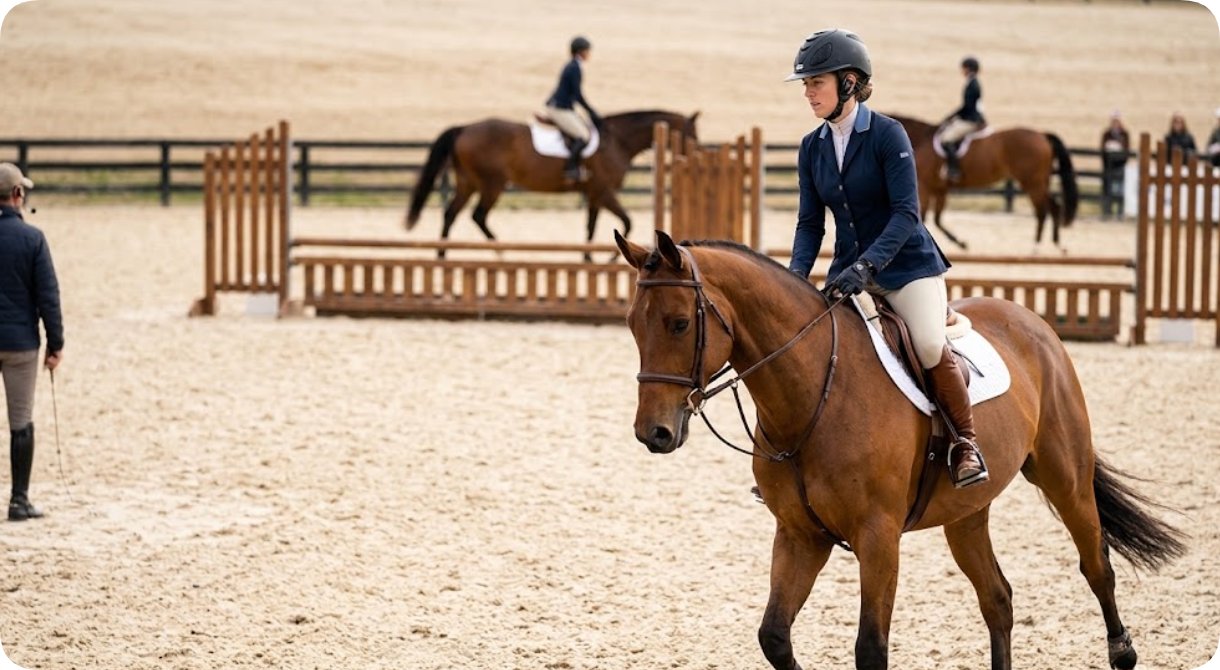
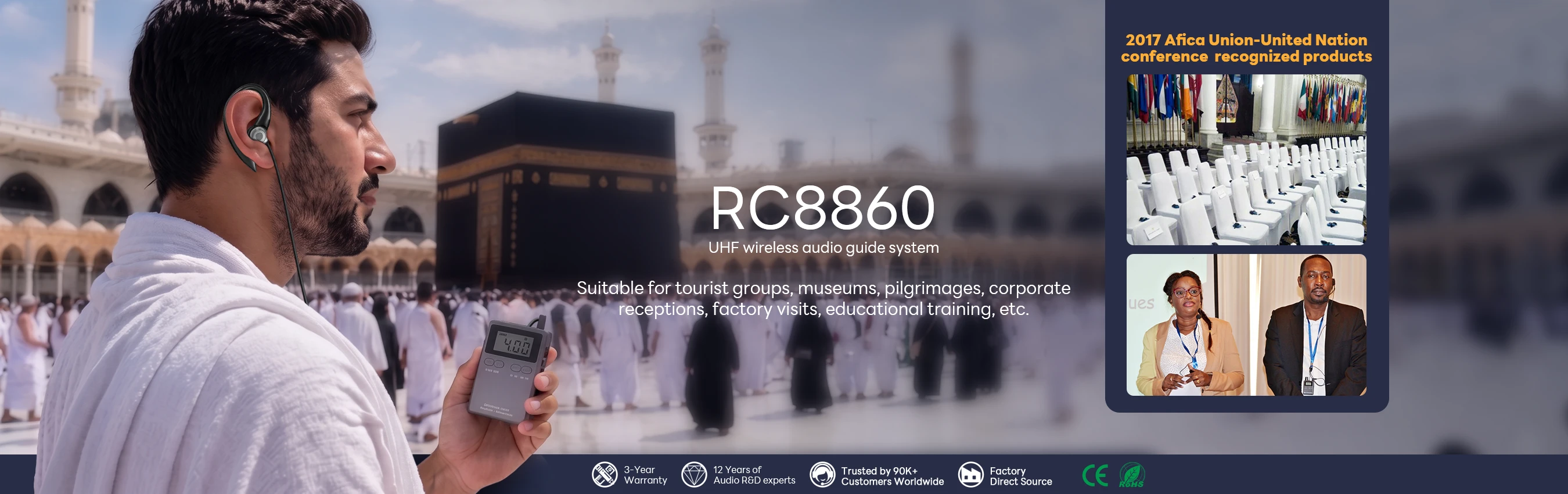
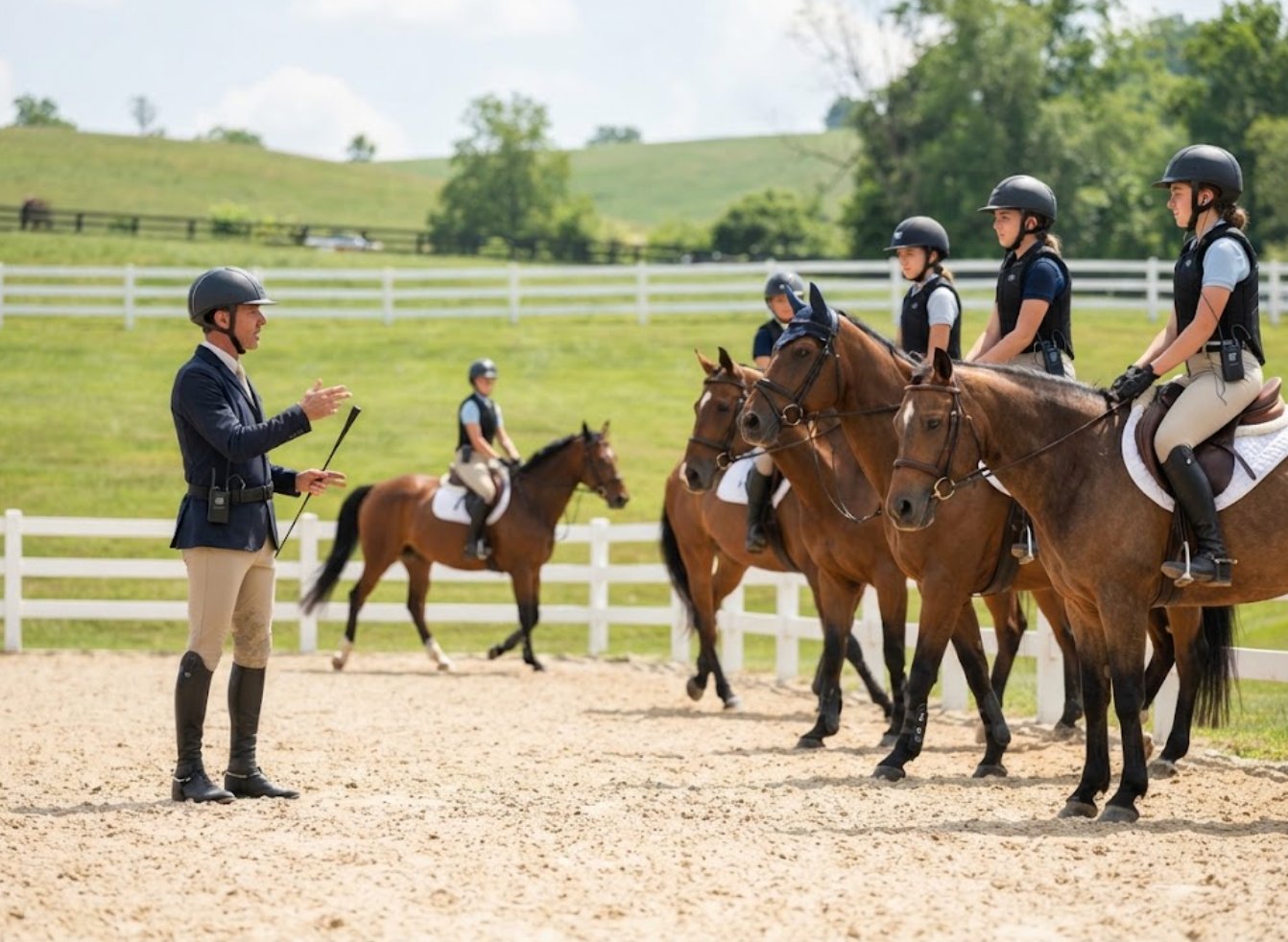
The RC8860 transmitter was designed for exactly the kind of high-motion coaching where a guide cannot stand still. At 59 grams it clips to a waistband or belt and stays put while the instructor demonstrates a technique on horseback or walks alongside a trainee. Its IP54 rating means dust and light rain on an open training arena will not sideline the unit, which matters far more outdoors than it does indoors.
Battery life runs to about 12 hours, enough for a full day of sessions without a mid-day recharge. The real advantage in an equestrian or coaching context is the secure, close-range link: riders receive clear instruction even while moving, turning what used to be a shouted, half-heard lesson into a calm, repeatable one. For any program where the teacher is mobile and the students are on the move, this is the unit I reach for first.
One Signal That Covers Wide Ground
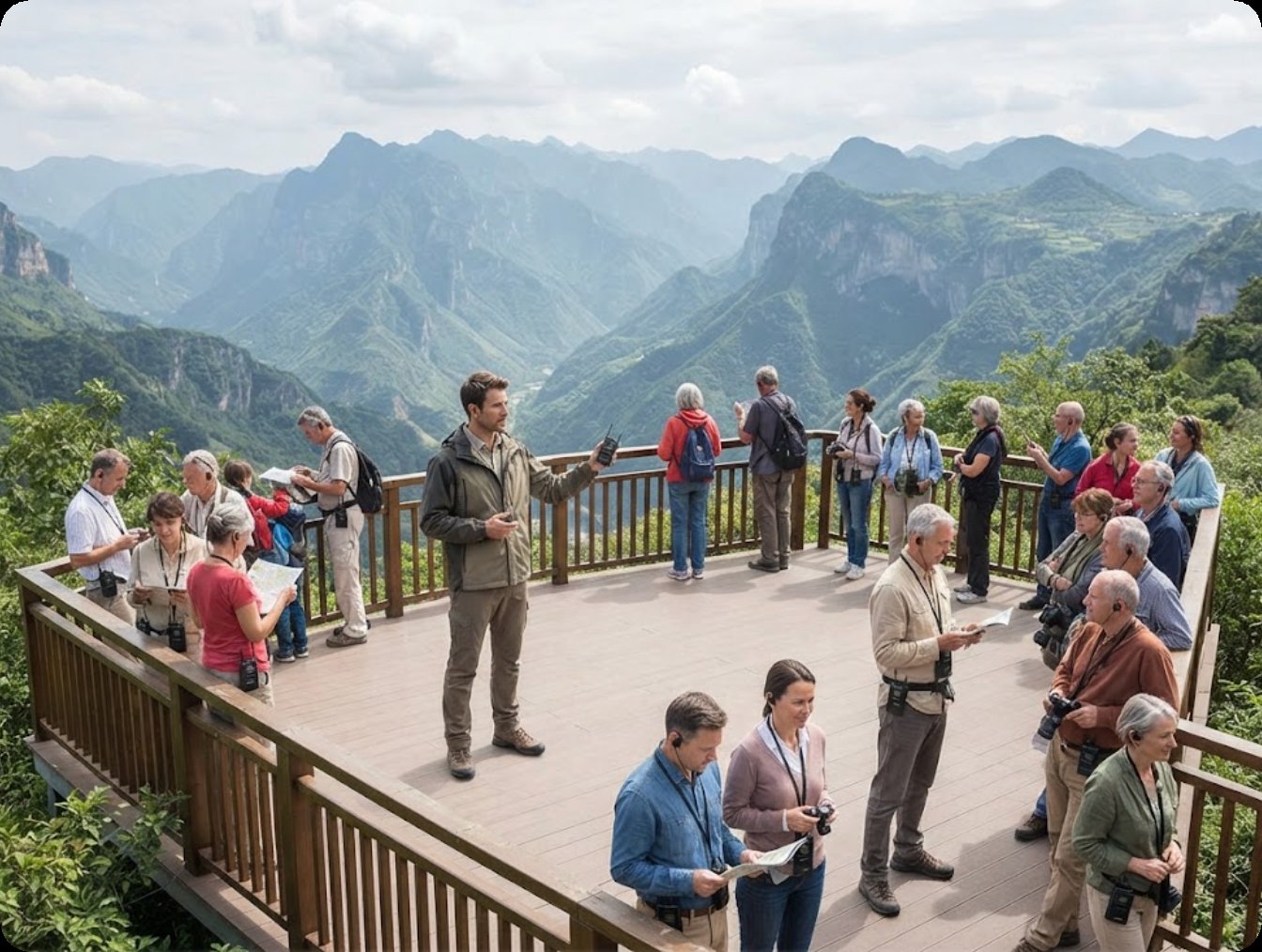
When the group is large and the space is wide, the RC2408 wireless tour guide system takes over. At 70 grams it is only slightly heavier than the RC8860, yet it is built as a long-range transmitter for tours where the guide stands at one vantage point and the audience spreads across a viewing platform, a piazza, or a stadium stand. Its 14-hour battery comfortably covers a full day of back-to-back departures.
The RC2408 shines when the value is in the view, not in proximity to the guide. Visitors can wander a few meters to photograph a facade or read a plaque while the commentary keeps playing, which is the single biggest quality-of-experience shift outdoor operators report after switching to wireless. With an IP42 rating it handles normal outdoor conditions, and the longer range keeps a 20- to 30-person group on the same channel without the guide raising their voice.
How RC8860 and RC2408 Compare
Both units share the same family philosophy of light weight and all-day battery, but they solve different outdoor problems. The table below lays out the practical differences a tour operator should weigh before buying.
| Model | Weight | Battery Life | Ingress Protection | Best Outdoor Use |
|---|---|---|---|---|
| RC8860 | 59 g | 12 hours | IP54 | High-motion coaching, equestrian training, close-range instruction |
| RC2408 | 70 g | 14 hours | IP42 | Long-range group tours, viewing platforms, wide stadium stands |
Choosing the Right Unit for the Field
The decision comes down to how the guide and the group move. If the instructor is mobile and the trainees are active, the RC8860's secure close link and tougher IP54 shell fit best. If the group is large, spread out, and there to see a sight, the RC2408's longer range keeps everyone on the same commentary without clustering at the guide's elbow. Many operators run both: RC8860 for hands-on coaching blocks and RC2408 for the walking or standing tour segments. Across the full wireless tour guide range the two cover most open-air scenarios without overlap.
Budgeting is simpler than teams expect. Because both units run a full day on one charge, a single set serves multiple departures, and the low weight means guides actually carry them instead of leaving them in the office. The upgrade pays for itself in fewer repeated explanations and fewer lost guests.
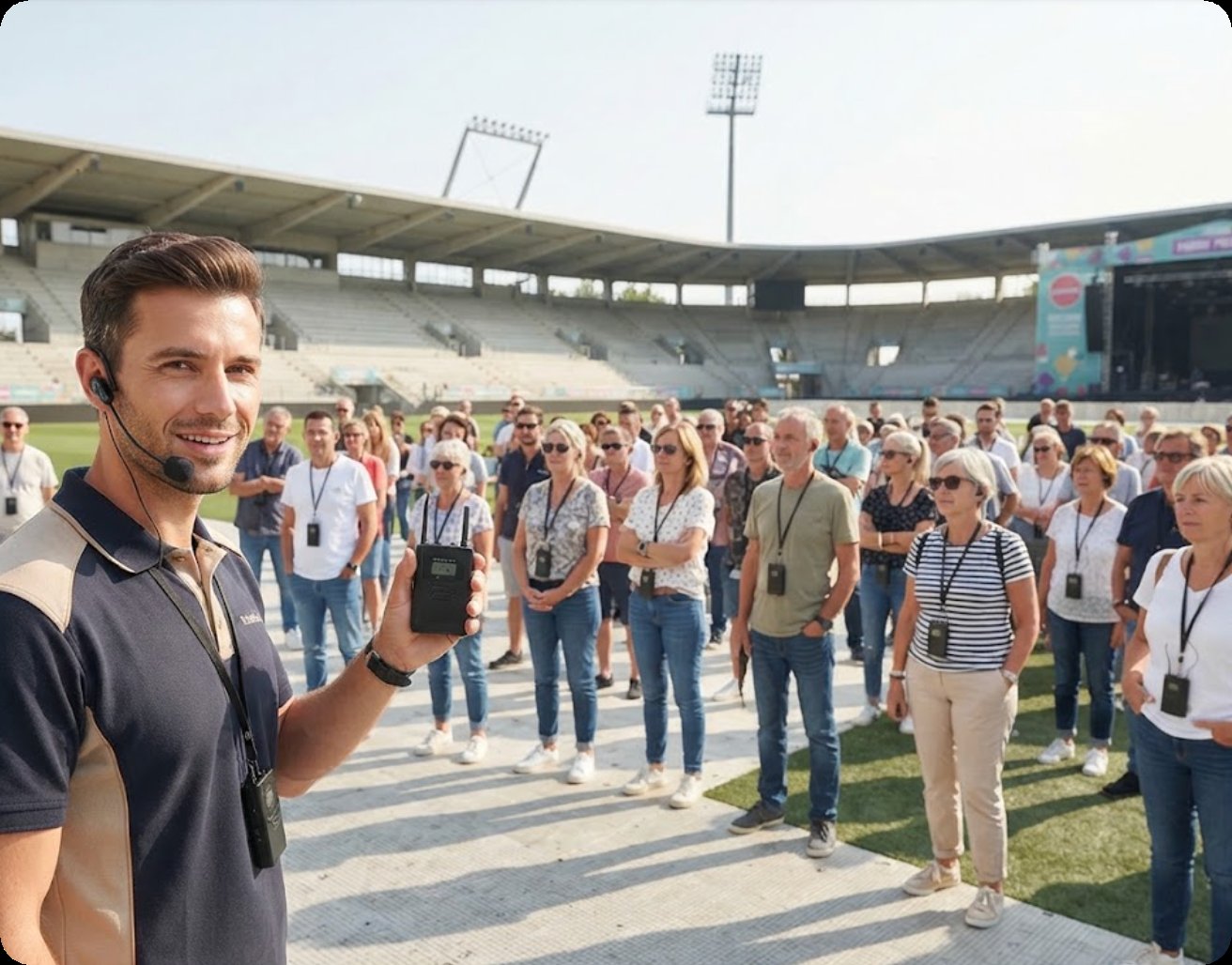
For the largest crowds, a stadium or festival layout is where the long-range unit proves itself: one guide at the stage front keeps a standing audience of dozens on the same channel, with no cable and no shouting. It is the scenario the RC2408 was built around.
See It Working in a Real Outdoor Tour
The pattern repeats across operators: once a team tries wireless outdoors, going back to shouted commentary feels unprofessional. A 60-guest European coach tour case shows the same lesson at scale, where a single guide kept a large group aligned across a moving route using long-range units. If your next program involves open air, distance, or motion, start the build with the right transmitter rather than hoping a loud voice will hold the group together.