
.webp)
A winery or brewery quote reads like a closed number. Kits, transmitters, receivers, charging racks, carry cases — the vendor counts the hardware and the price stands. What the sheet does not show is everything the building itself does to that hardware once the season starts. Wine estates are wet, sticky, humid places with stone cellars, busy tasting rooms and a product that changes every single year. Those conditions do not appear as line items, yet they decide what the kit really costs between the day it arrives and the day it is replaced.
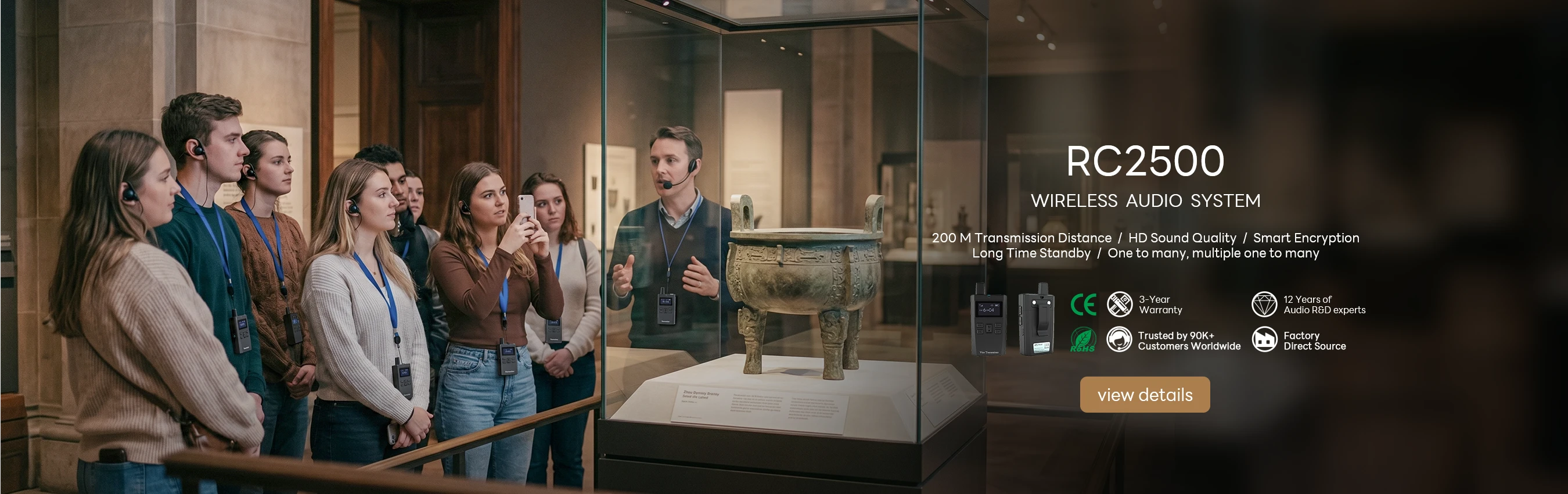
Three devices frame the comparison here. The RC2408 is the interference-proof option with 80 channels on the 2.4 GHz band. The RC2401 is the standard workhorse of the same band with 50 channels. The 2.8-inch semi-auto digital audio guide works differently: visitors type an exhibit number on a keypad and hear the commentary themselves, which makes it the self-guided layer of a cellar-door visit. All three will spend their working lives near oak, glass and dripping bottles, and each one leaks money in a different place.
What the Hardware Quote Actually Covers
Open any quotation for tour equipment and the rows are physical: transmitters, receivers, chargers, earphones, cases, shipping. The keypad player even lists its goodwill extras — complimentary earphones and a one-year warranty on the unit, accessories excluded. What no row captures is the operating layer around the devices: who wipes them down, who recharges them, who re-records the audio when the blend changes, and how many spare units a crowded weekend consumes. A winery that budgets only the quoted figure treats those tasks as free labor, and then discovers them one by one as small unbudgeted expenses that arrive on their own schedule.
Tasting Room Traffic Wears Down Receivers
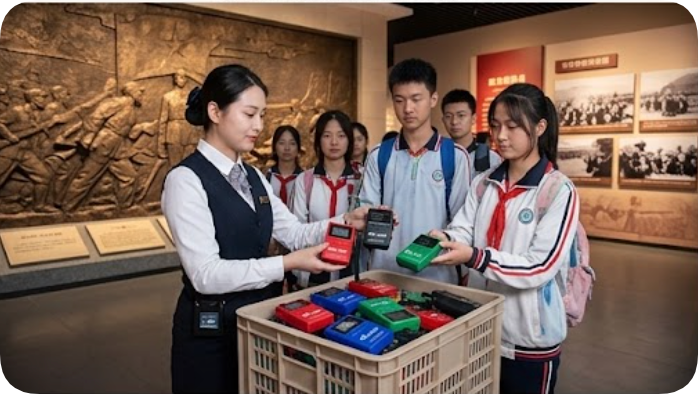
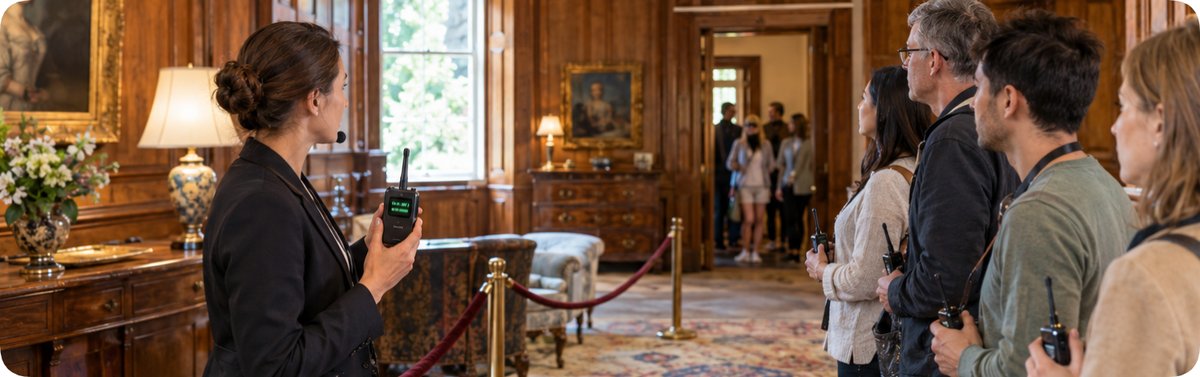
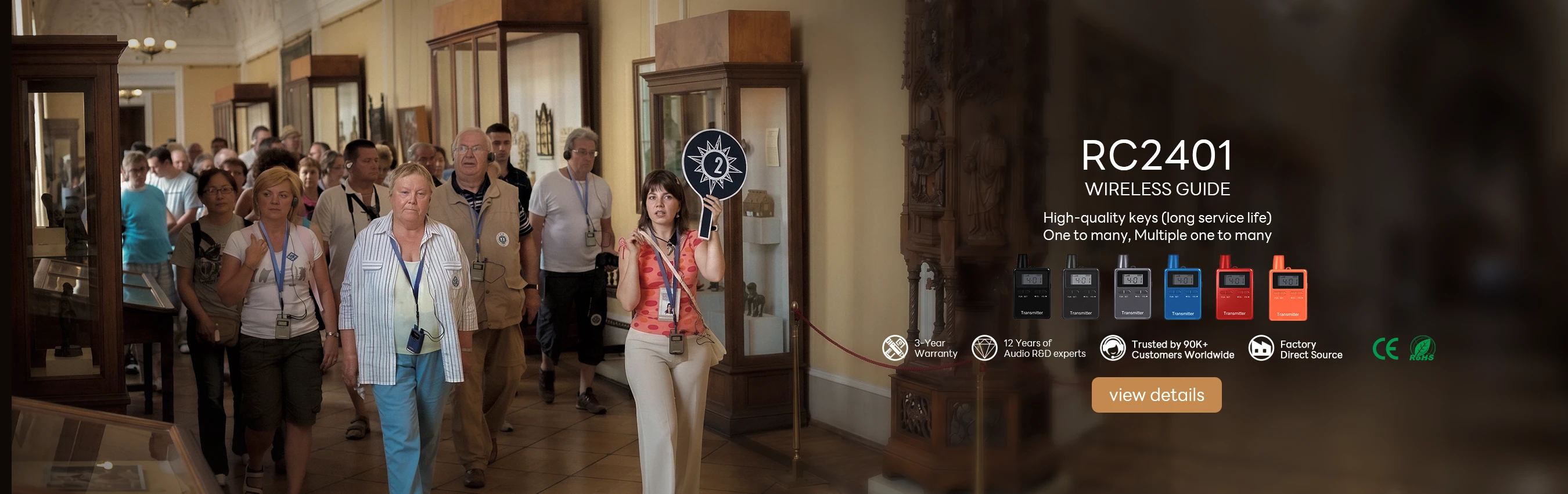
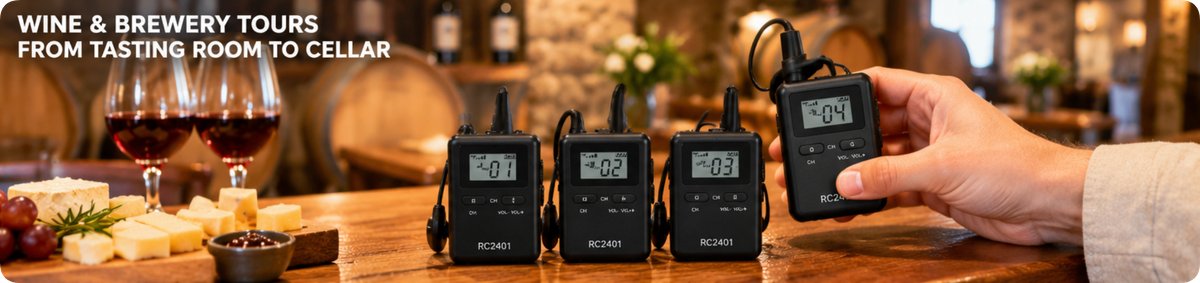
Tasting rooms are the harshest rooms a receiver ever works. Visitors hold a glass in one hand and the unit in the other, so the shell of every RC2401 wireless audio guide system picks up rings of red wine, drops of spirit and the residue of cheese plates. At 50 grams the receiver is light enough that people pocket it between stops, which is exactly how units end up run through a dishwasher or left on a barrel rail. None of this shows up as a failure — the housing survives — but the finish degrades, the printing wears, and the rental impression fades. The unquoted cost here is a wipe-down rotation after every pour-heavy tour, plus a small pool of cosmetic spares so that no visitor ever receives the worst-looking unit in the case.
Cellar Air Taxes a Kit in Storage
Barrel cellars keep a climate that wine loves and electronics tolerate at best. Between departures, kits sit on metal shelving in air that is cool, humid and faintly alcoholic; stone walls sweat and barrels breathe. Storage in that air taxes the kit in slow ways — charging contacts oxidize, DC port pins dull, and a transmitter left at full charge for weeks ages its cell faster than daily cycling would. The unquoted cost is a storage discipline: units come back to a dry room, batteries rest at mid-charge, and somebody walks the shelf with a charger every couple of weeks even when no tour is booked. The routine takes one person ten minutes, which is precisely why it never appears on any budget line — until the season it gets skipped. Estates that skip the discipline meet the cost later, as a batch of units that will not wake up on the morning of a booked visit, and a rush order for replacements that arrives after the guests do.
New Vintages Mean New Recordings
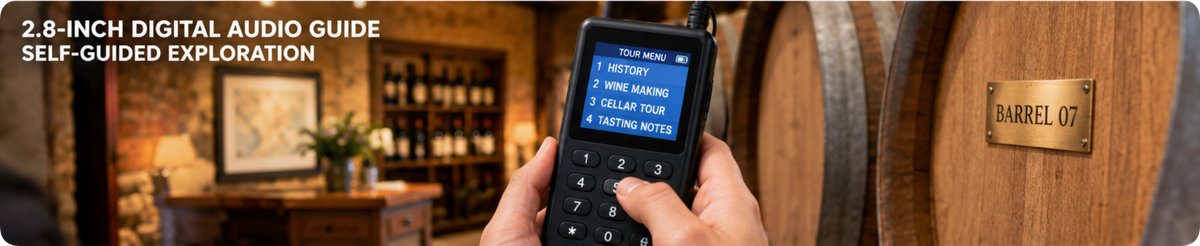
The self-guided layer carries a cost no other device in the building has: content refresh. A 2.8-inch semi-auto digital audio guide holds up to 9999 audio files across 16 languages on 2 GB of memory, keyed to numbers a visitor types on the 0-9 pad. Every time the winery releases a new vintage, retires a blend or renames a barrel row, the recording behind that number goes stale — and 16 language tracks go stale together. The hardware lasts for years; the audio is an annual crop. Budgeting the player without budgeting its recordings is the classic cellar-door mistake, because the re-record bill lands quietly, once per vintage, in studio time or staff hours that were never in the equipment quote.
Crowded Harvest Days Need More Channels
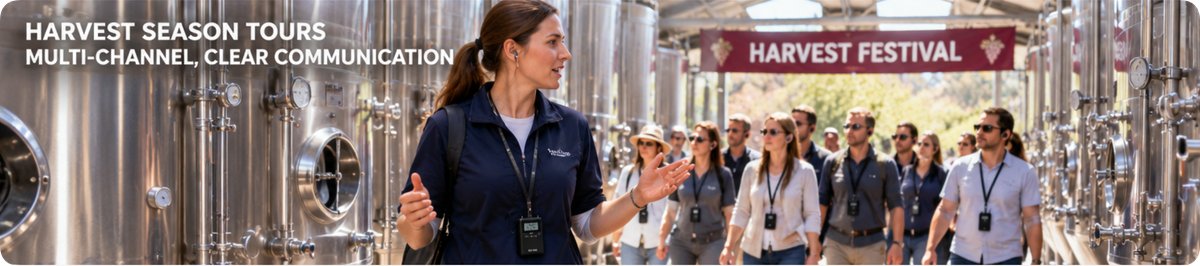
Harvest festivals and release weekends compress a whole season of radio traffic into two days, and the 2.4 GHz band does not care that it is a special occasion — Wi-Fi, staff headsets and neighboring booths all compete for it. On a 50-channel unit, a crowded day can mean waiting for a clear channel and re-running the introduction, which converts radio congestion directly into guide overtime. The RC2408 wireless tour guide system carries 80 channels for exactly this arithmetic: more clear slots at the same 10 mW output and the same 200 meter working range, so tank rows and outdoor pours stay separated on the dial. The premium over the basic kit is visible on the quote; the overtime it prevents is not, and that is the side of the ledger worth reading twice.
Three Devices, Three Ownership Lines
| Device | What the quote lists | What the season adds |
|---|---|---|
| RC2401 kit | 50 channels; transmitter 10h, receiver 20h; 59g transmitter and 50g receiver | Wipe-down rotation after tastings; cosmetic spares for the counter |
| RC2408 kit | 80 channels; same 10h and 20h battery figures | Fewer festival re-runs; the premium buys clear slots, not features |
| 2.8-inch keypad guide | 16 languages, 9999 files on 2GB; 18h per charge; one-year warranty | Re-recorded tracks each vintage; replacement earphones by volume |
Read the table as three ownership styles rather than three price tags. The basic kit costs attention — cleaning, spares, careful storage. The 80-channel kit converts a slice of that attention into radio headroom on the four or five days a year when the estate is full. The keypad player shifts cost from hardware to content, and its annual recording crop is the only line that reliably recurs.
Charging Labor Between Two Departures
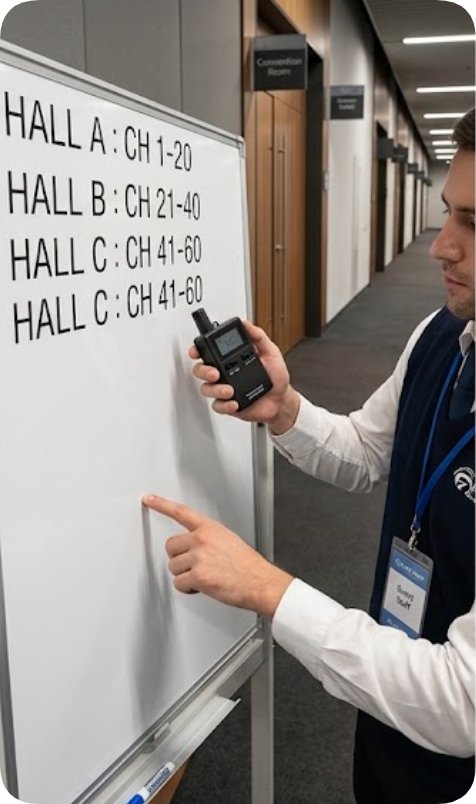
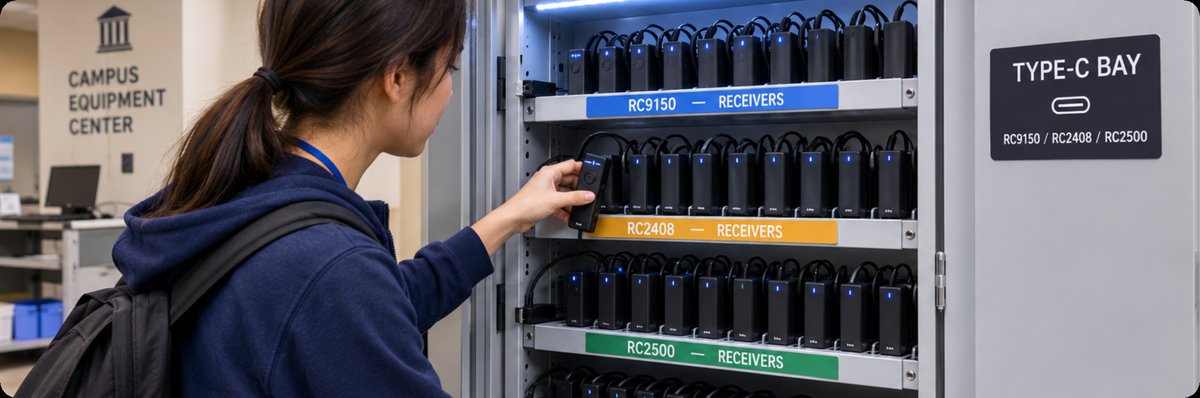
Battery figures look like runtime but behave like staffing. A receiver rated for 20 hours covers a morning cellar tour and an afternoon tasting walk on one charge, so a two-departure day needs no midday handling — as long as somebody actually put every unit on the rack the night before. Transmitters rated at 10 hours clear a full guiding day with margin. The unquoted cost is the rota: one named person, every evening, DC ports checked, racks confirmed, dead units swapped for spares. The task is thirty quiet minutes a night, invisible in any payroll plan because it hides inside someone's ordinary shift. Wineries that assign this role to "whoever is around" discover the real price when the first morning tour of a booked weekend starts with silent receivers, and the fix costs more than the rota ever would have.
Questions to Settle Before the Season Opens
Ask how the quote behaves in the building, not on paper. Walk the production and facility tour setups to see how similar estates structure their kits, compare the full wireless tour guide system range against the three devices above, and read the current deployment solutions notes before signing. Settle four things in writing: who owns the nightly charge, where the dry storage room is, how many spares a festival weekend consumes, and which vintage the recordings are keyed to. The quote pays for the hardware; the answers pay for everything else.