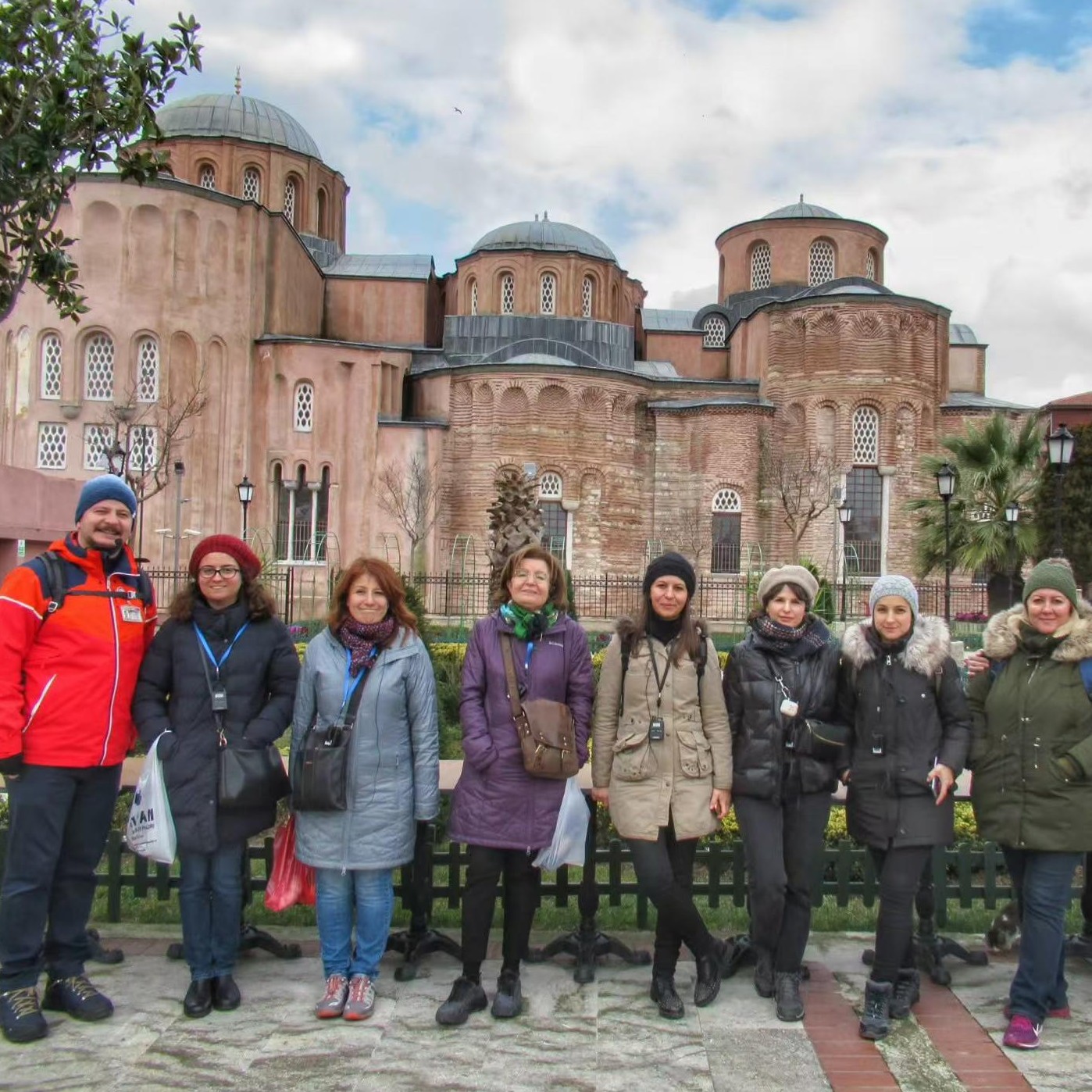
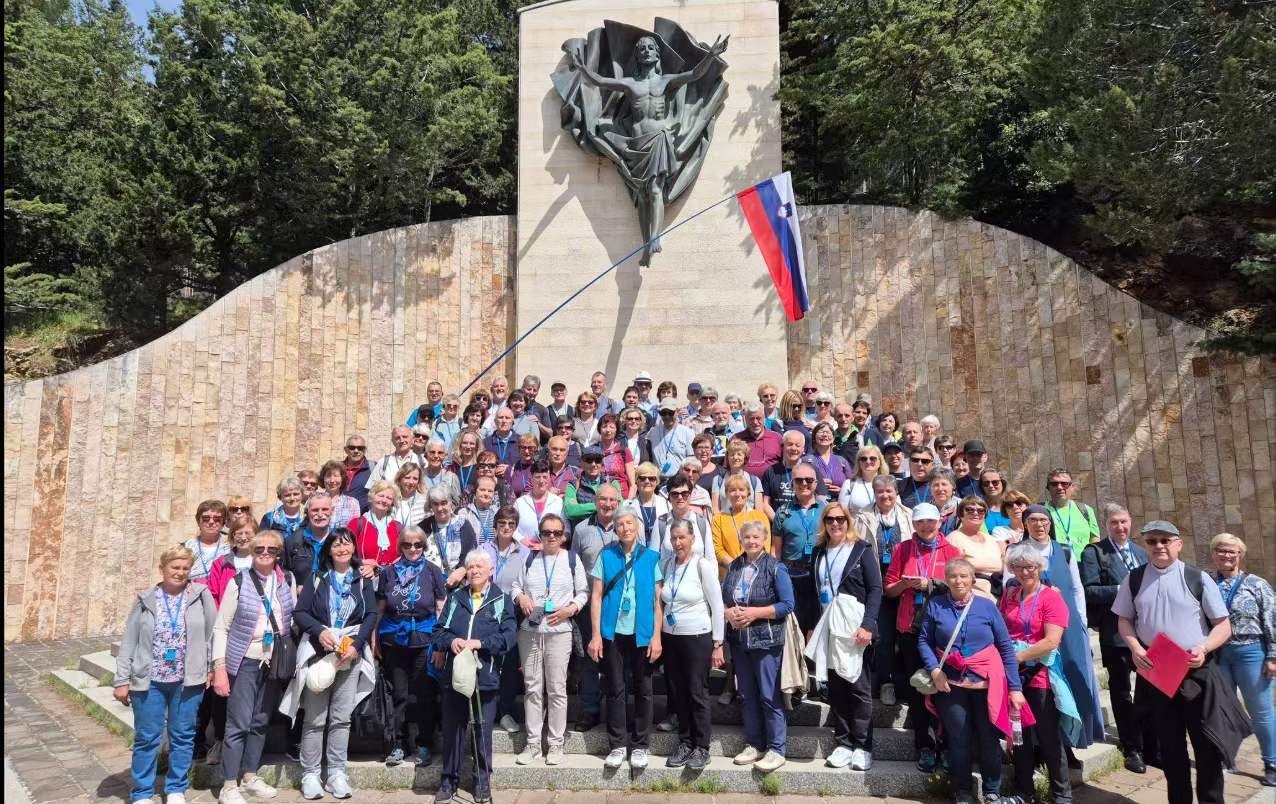
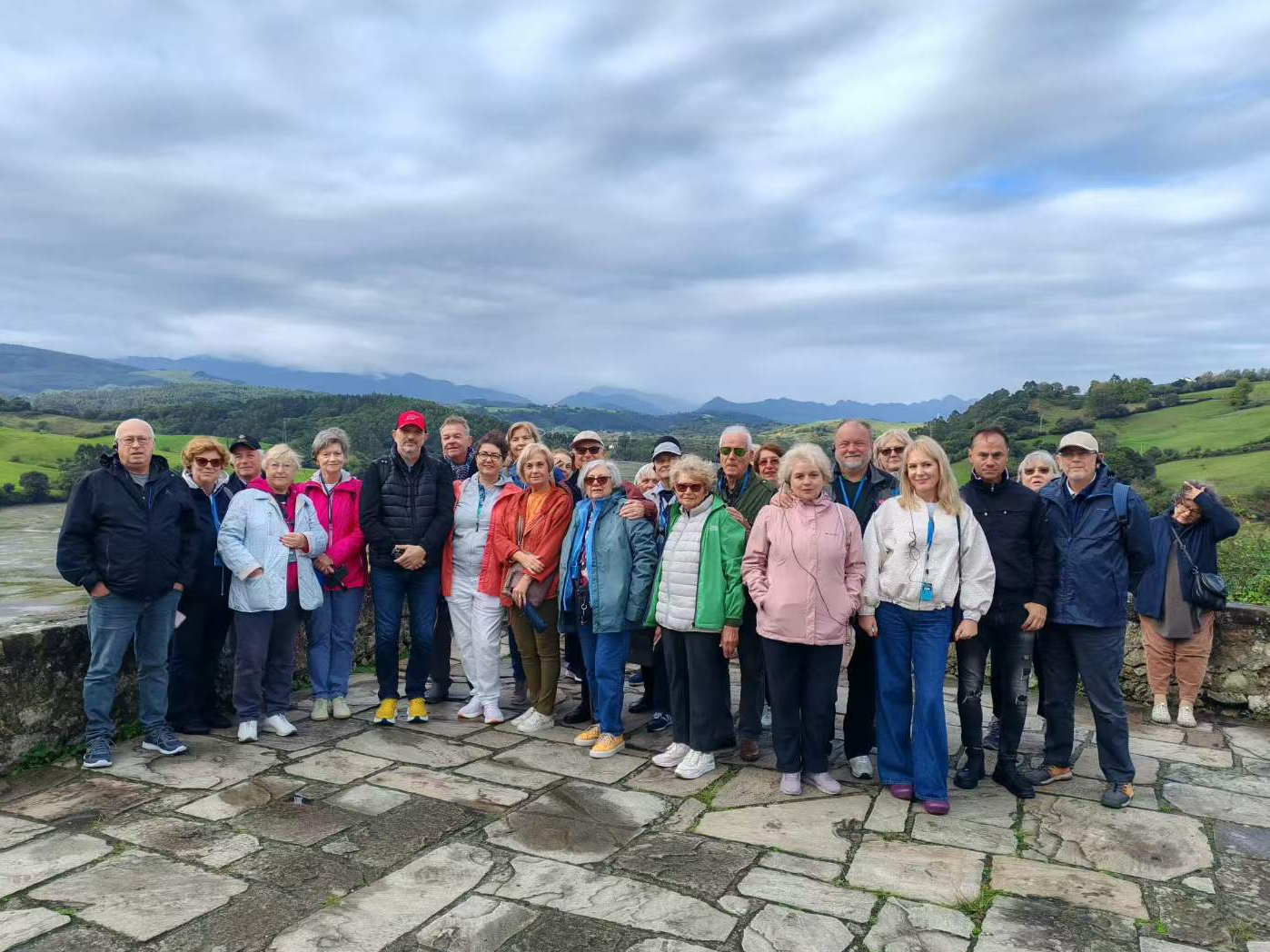
The guide who sent us the photograph runs heritage city walks through a fortified old town, and the picture says most of what this article needs to: thirty-odd guests spread across a stone overlook, most of them wearing a slim neck-strap receiver, nobody crowding, nobody asking the guide to speak up. That photo is the third batch this operator has returned this month, and each batch shows the same quiet fact — the equipment is no longer the hard part of the walk. The hard part is deciding who carries what: which unit goes to the lead guide, which goes to the assistant walking mid-group, which receivers are pre-tuned for the sub-group that will peel off at the chapel, and which spares ride in the case for the moment a battery dips low. Staffing a heritage group is a logistics exercise, and the three models in this piece — the RC085, the RC2401 and the RC2468 — map onto those roles with very little overlap between them.
None of the figures below are estimates. Every specification quoted here is taken from the current published spec sheet for each model, and where a figure is not published we say so rather than inferring one. The comparison table in the middle of the article keeps to that same rule: if a row cannot be fairly filled for all three units, the row comes out entirely.
💡 Why a Heritage Group Splits Into Three Roles
A heritage walk rarely fails because the transmitter is out of range. It fails because one person is asked to do three jobs at once: narrate, watch the route, and manage the hardware. The fix that experienced operators converge on is a role split rather than a bigger group — a lead guide who only speaks, a second guide or co-guide who owns the middle of the column, and a sweeper who reclaims units and swaps batteries at the rear. Three roles, three equipment profiles. The RC085 anchors the first role because its transmitter is built for a full day of continuous talking; the RC2468 serves the second because an 18-gram ear-hook unit disappears during a two-hour walk; and the RC2401 covers the third, where long receiver runtime matters more than any other figure. The next three sections take each role in turn.
🎯 The Lead Guide Runs on the RC085
The lead guide's transmitter is the one unit that cannot be swapped mid-walk without breaking the narration, so its battery figure decides the shape of the day. The RC085 transmitter is rated at 12 hours on a 3.7V 1200mAh pack — the longest transmitter runtime among the three models here — and it transmits on the UHF 470-510 MHz band with 100 channels, which matters when several operators launch walks from the same square at the same hour. Output power is 8-10 mW and rated transmission distance is 1-200 m, the same distance figure the other two models carry, so range is not the differentiator; channel headroom and transmitter stamina are. The receiver side holds to a 20-hour figure on a 3.7V 1000mAh cell at 60 grams, with the transmitter at 65 grams. Two details on the spec sheet suit a lead role specifically: the RC085 accepts an optional head-worn or lavalier microphone, which frees the guide's hands for a map or a railing, and its receiver sensitivity is listed at approximately -102 dBm, a figure that helps at the edge of the 200 m envelope when the group strings out along a rampart. Colour options are black, iron grey and blue on volume orders, which is worth noting for operators who hand units out at the door and want an obvious visual check at the gate.
One caution belongs here rather than in the table. The published frequency response differs in form across the three models — the RC085 sheet lists 50 Hz-12 kHz as a single range, while the two 2.4G models list separate transmitter and receiver figures (50 Hz-200 kHz for transmit, 50 Hz-12 kHz for receive). Because the formats differ, this article does not collapse them into one comparable row; the figures are quoted as published, in place, where each model is discussed.
Group Splitting Belongs to the RC2468
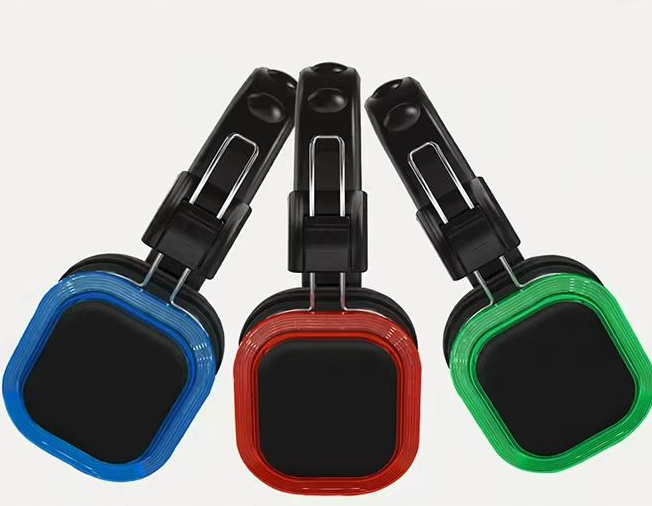
When a party of forty divides at the gate — one sub-group to the mosaic courtyard, one to the tower climb — the second guide needs receivers that guests literally forget they are wearing. The RC2468 receiver weighs 18 grams in ear-hook form, the lightest figure on any Richitek spec sheet, and at that weight a guest who joins the wrong sub-group can be re-equipped in seconds without protest. The published figures: 2.4G operation across 2403-2483 MHz, 50 channels, 10 mW output, 1-200 m distance, a receiver cell of 3.7V 300mAh rated at approximately 8 hours, and a transmitter sharing the same 59-gram, 1500mAh, 10-hour profile as the RC2401. The shorter receiver runtime is the honest trade of the 18-gram figure — 300 milliamp-hours cannot also be 20 hours — and the staffing answer is not to deny it but to place the model where walks run two to three hours, which is precisely the length of a single heritage circuit. Charging is via Micro USB at 5V/1A. On colour, the sheet states the transmitter ships in multiple colours while the receiver is black only, with custom colours available on volume orders — which is exactly how colour-coded fleets get specified: the operator orders the receiver stock in fixed colour batches, and each sub-group's units live in a marked slot of the charging case. A pairing map taped inside the lid — which channel belongs to which sub-group, which colour tags which route — turns the 50-channel budget into something a temporary guide can read at a glance.
The RC2401 Covers the Second Column and the Spares
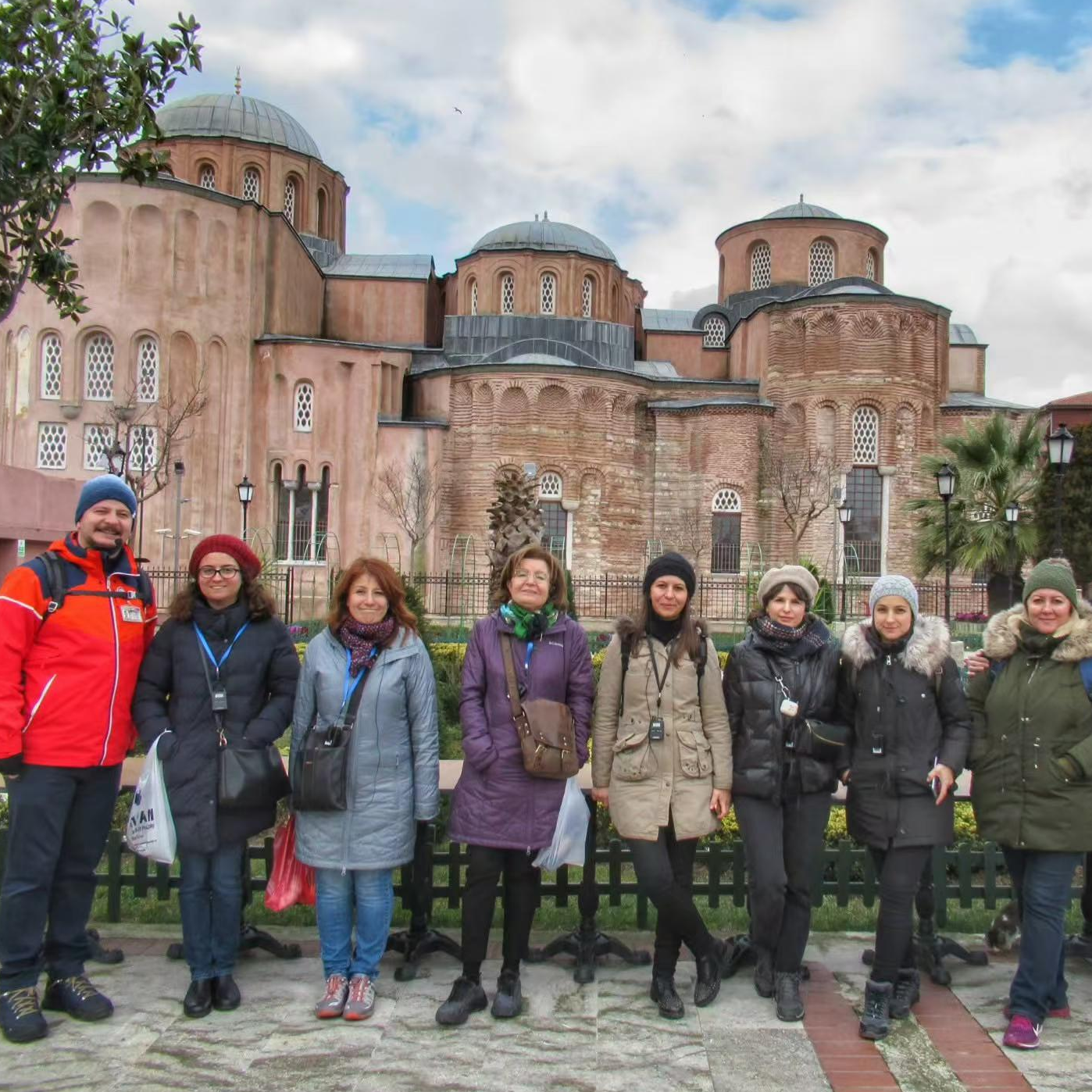
Every operator we return photos from runs the same quiet arithmetic: a full fleet cannot all be premium units, so the spare pool and the second column run on the value line. The RC2401 is that line's anchor — described on its own sheet as the basic 2.4G standard model — and its receiver figure is the reason it suits the spares case: 20 hours on a 3.7V 1000mAh cell at 50 grams, matching the RC085 receiver hour-for-hour while costing less per unit. The transmitter is rated 10 hours on 3.7V 1500mAh at 59 grams, output is 10 mW across 2403-2483 MHz with 50 channels, and charging runs through a DC port. Colour is listed as multi-colour with volume customisation, so a mixed fleet can still look deliberate at the hand-out table. In the staffing plan this model plays two parts: it equips the assistant who walks mid-column and mostly listens, and it fills the spare pouch, because a receiver that holds 20 hours can be handed to any guest at any point in the day without a charge check. Units circulate back through a hand-back point at the vehicle, and the battery rotation is trivial for that reason — spares go out full in the morning and reclaim the case at dusk, with no mid-day charging choreography at all.
The Three Models Side by Side
| Role in the Fleet | RC085 | RC2401 | RC2468 |
|---|---|---|---|
| Assigned staffing layer | Lead guide, full-day narration | Mid-column assistant, spare pool | Sub-group guides, ear-hook sets |
| Band and channel count | UHF 470-510 MHz, 100 channels | 2.4G 2403-2483 MHz, 50 channels | 2.4G 2403-2483 MHz, 50 channels |
| Transmitter runtime | 12 h on 3.7V 1200mAh | 10 h on 3.7V 1500mAh | 10 h on 3.7V 1500mAh |
| Receiver runtime | 20 h on 3.7V 1000mAh | 20 h on 3.7V 1000mAh | approx. 8 h on 3.7V 300mAh |
| Unit weights | 65 g TX / 60 g RX | 59 g TX / 50 g RX | 59 g TX / 18 g RX ear-hook |
| Microphone options | Optional head-worn or lavalier | Standard handheld | Standard handheld |
Read as a purchasing sheet, the table argues for buying in tiers rather than in bulk. A thirty-receiver order built entirely on one model leaves every role slightly mis-fitted; the same budget split across the three profiles above leaves none of them wrong. The rows are kept to figures published for all three units — weight, runtime, band, channels — and the microphone row is filled from each sheet's own wording, which is why the RC085 cell alone names an option. To see where each tier sits in the current catalogue, browse our wireless tour guide system range.
Writing the Pairing Map Before the Season Opens
The hardware settles nothing until someone writes down who tunes to what. A one-page pairing map — channel per group, colour per route, one sign-out line per unit — is the difference between a fleet that works and a fleet that needs its owner present. On a 100-channel UHF system like the RC085, the map can hold up to ten simultaneous walks before coordination effort grows; on the 50-channel 2.4G units, the practical exercise is assigning each sub-group a channel block and writing the block, not the channel, on the case. Operators who skip this page rediscover its value the first time two buses arrive together at the cathedral steps. The map costs nothing, survives in a case lid, and turns a three-model fleet into something a seasonal hire can run on their first morning. For fleet sizing across different group formats, explore our solutions before the season locks its rosters.
Hand-Back, Recharge and the Evening Reclaim
The last layer of the plan is the one guests never see. Units come back through a single hand-back point, are counted against the sign-out sheet, and go onto charge in their case slots — DC ports for the RC2401 spares, Micro USB for the RC2468 ear-hooks, USB for the RC085 receivers. A battery rotation rule as simple as "out full, back empty, case closed" keeps the morning hand-out under ten minutes, and the 20-hour receiver figures on both neck-strap models mean a unit missed at evening reclaim is still fit for the first walk next day. The sweeper signs the case shut. That is the whole evening routine, and it is deliberately boring — a heritage operation does not want its staff inventing procedures at 19:00, it wants them following a page that was written once, in the off-season, next to a charging rack that always looks the same.