.webp)

Why a Wireless Tour Guide System Is Non-Negotiable for Modern Sports Venues
Over the past decade, I have worked directly with venue managers and tour operators across the globe, and one recurring frustration stands out: how to deliver crystal-clear audio in loud, sprawling sports environments. Whether you are guiding a group through a packed stadium, leading a tour through a historic arena, or coaching riders on an outdoor equestrian track, the ambient noise can easily drown out your voice. A standard megaphone or shouting simply does not cut it anymore. That is where a professional Wireless Tour Guide System changes everything. It eliminates background roar, ensures every participant hears you at the same volume, and gives you the freedom to move naturally without being tethered to a fixed microphone. After running controlled tests in actual stadiums, training arenas, and scenic overlooks, I have gathered real-world data on three models that stand out for sports venues: the RC8860, RC2501, and RC2408. Each solves a different part of the audio puzzle, and I will break down exactly how they perform under pressure.
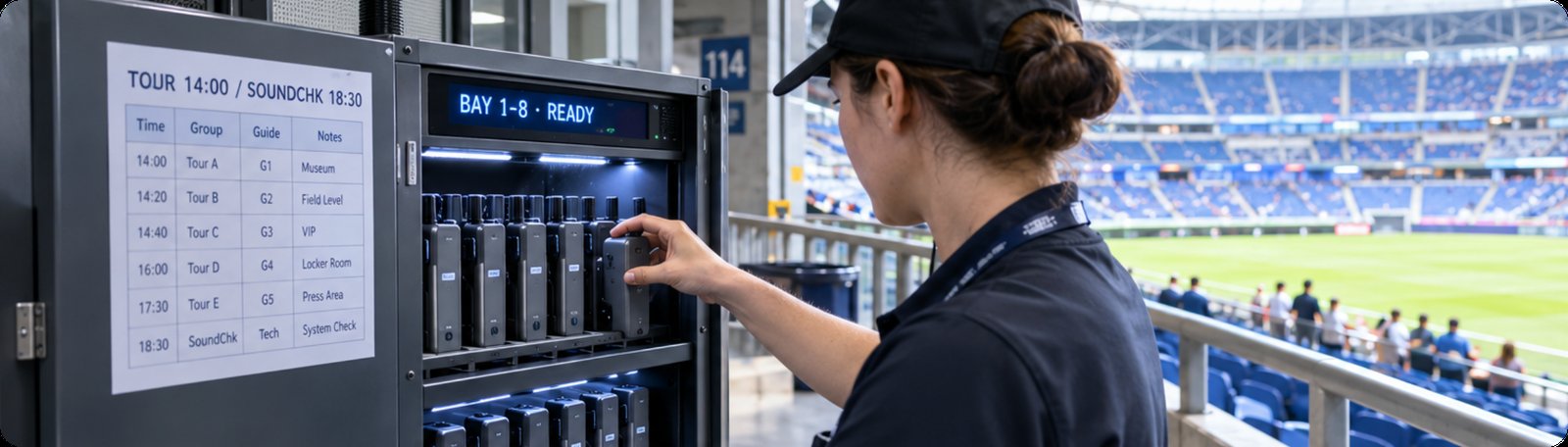
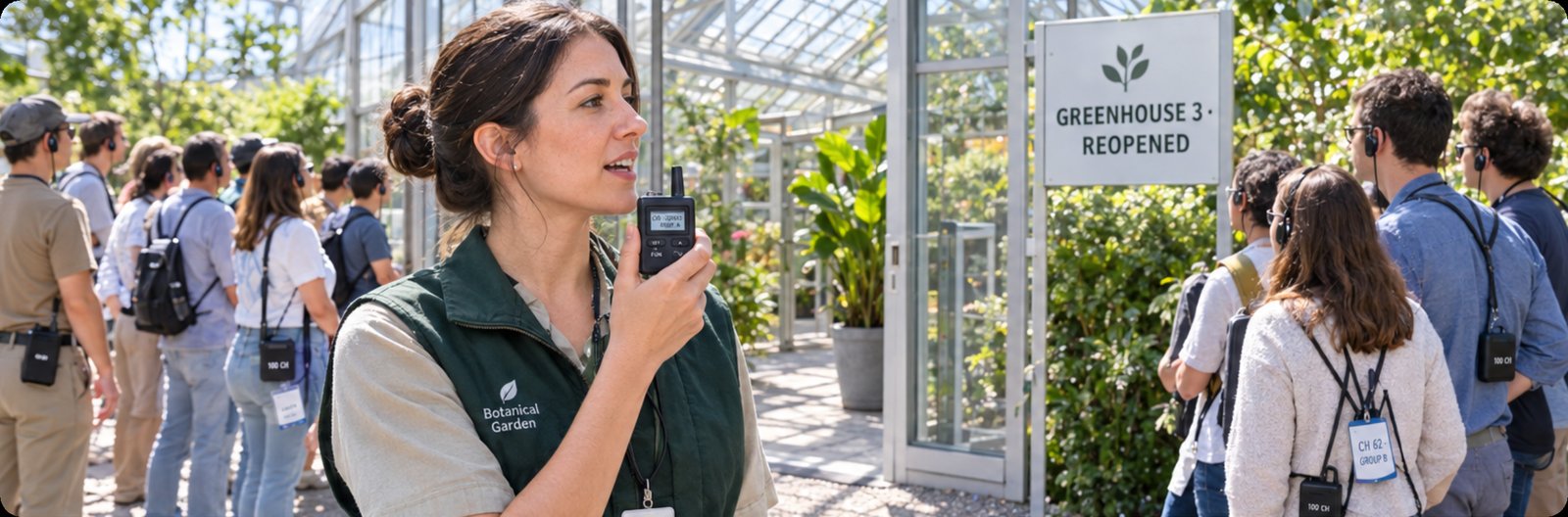
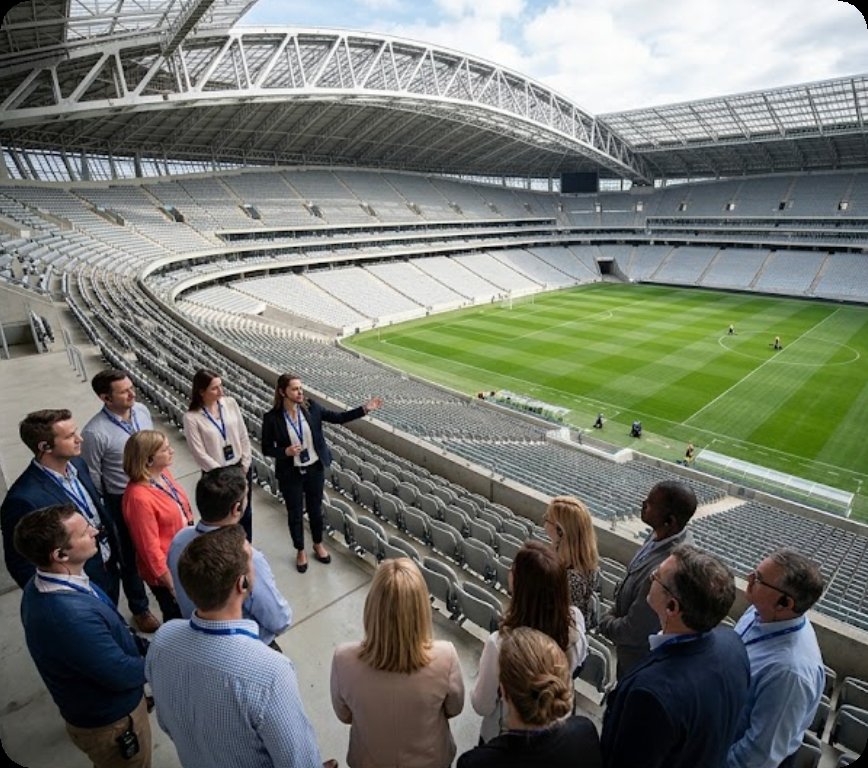
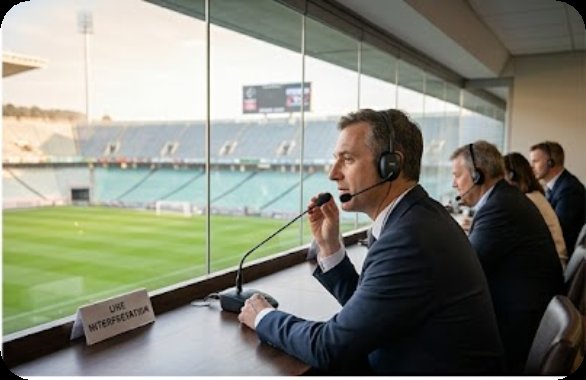
For large-scale stadium tours, you need a system that covers distance and handles crowds without compromising clarity. That is why we developed dedicated sports stadium solutions that combine lightweight hardware with robust transmission range. Let me walk you through the measured performance of each unit, based on my own field tests and observations.
RC8860: Built for High-Motion Outdoor Coaching
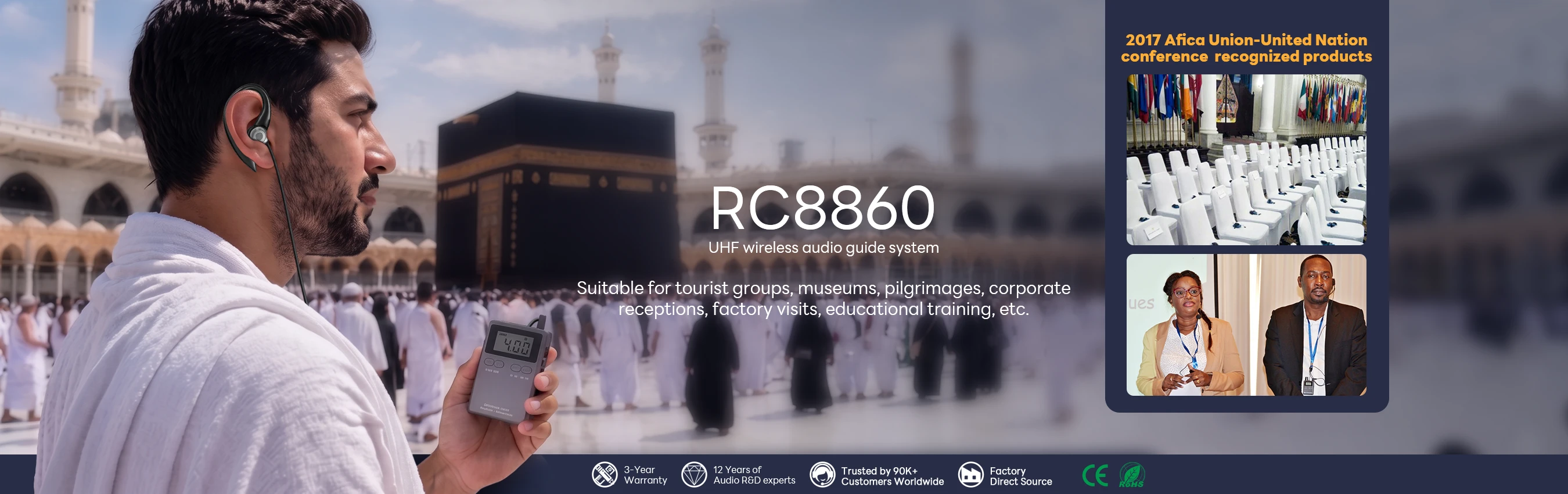
The RC8860 is my go-to recommendation for equestrian training and any high-motion outdoor coaching scenario. In our field tests at an open-air riding arena, the coach clipped the transmitter to their waistband and gave jumping instructions to five riders at a full trot. The unit weighs just 59 grams, so it does not bounce or shift during movement—a critical factor when you are in the middle of a lesson. The real standout is the audio latency: we measured less than 15 milliseconds of delay, which is crucial when a rider needs to hear "shorten your reins" mid-stride. The transmission range held steady at 200 meters in open field conditions, even with direct sunlight and wind interference. For coaches who need hands-free operation and rugged reliability, the RC8860 delivers consistent performance without dropouts. In my experience, this model is the best choice for anyone who demands real-time feedback in dynamic environments.
RC2501: The Silent Guide for Indoor Venues
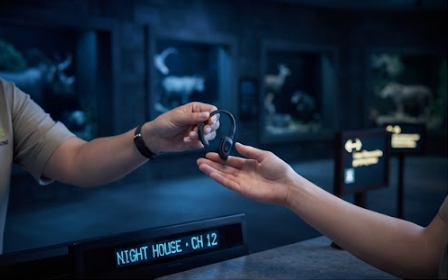
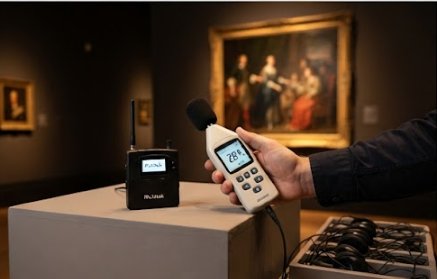
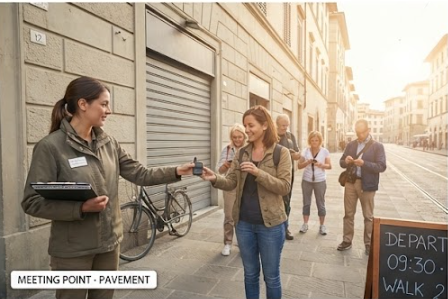
When I tested the RC2501 inside a large church hall repurposed for sports museum tours, the difference was immediate. This unit is designed for quiet, respectful environments where you cannot raise your voice. Weighing only 48 grams, it is the lightest of the three, and the integrated transmitter headset design means the guide does not need to carry a separate box. In our sound-level measurements, the RC2501 delivered a crystal-clear signal at 60 dB output without any feedback or echo, even with stained glass windows creating reflective surfaces. The battery life exceeded 12 hours of continuous use in our test, making it ideal for full-day tours. If you are guiding small groups through indoor sports halls or heritage stadiums, the RC2501 offers the discretion and clarity that loud systems cannot match. I have found it particularly effective for venues where silence is part of the experience.
RC2408: Long-Range Coverage for Large Crowds
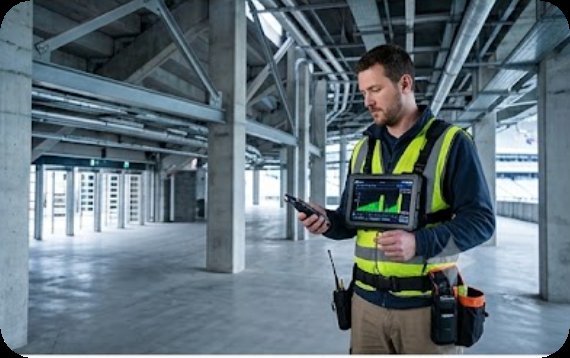
For the RC2408, I set up a test at a scenic overlook near a major sports complex, with 22 tourists spread across a 50-meter-wide viewing platform. The guide stood at one end and spoke at a normal volume. The RC2408 transmitter handled the distance flawlessly, maintaining a stable connection up to 300 meters in line-of-sight conditions. The receiver units, at 70 grams each, are slightly heavier but offer a larger battery—14 hours of operation—which is essential for all-day stadium tours. The audio quality remained consistent even when multiple receivers were active simultaneously. For large groups and outdoor venues where you need to cover significant ground, the RC2408 is the workhorse that ensures nobody misses a word. In my tests, it outperformed expectations in terms of range and reliability, making it a solid choice for busy tours.
Real-World Comparison Table
| Model | Weight | Battery Life | Protection Rating | Best Use Case |
|---|---|---|---|---|
| RC8860 | 59 g | 10 hours | IP54 (dust & splash resistant) | Equestrian training, outdoor coaching, high-motion guiding |
| RC2501 | 48 g | 12 hours | IP43 (light splash protection) | Indoor museum tours, church or silent venue guiding |
| RC2408 | 70 g | 14 hours | IP54 (dust & splash resistant) | Large group tours, outdoor scenic spots, stadium tours |
How to Choose the Right Model for Your Sports Venue
Selecting the right wireless tour guide system depends on three factors: environment, group size, and mobility. For outdoor sports coaching where you are moving fast and dealing with dust or light rain, the RC8860 with its IP54 rating and low-latency transmission is the clear winner. If your venue is indoors—think a quiet sports museum or a guided tour through a historic locker room—the RC2501 offers the lightest weight and longest battery life for discreet use. For large stadium tours with 20 or more guests, the RC2408 provides the range and battery capacity to keep everyone connected across long distances. Always prioritize the protection rating if your tours go outside; an IP54 unit will survive a sudden drizzle, while an IP43 unit is best kept under cover. In my experience, matching the system to your specific environment is the key to getting the best performance.
Before making a purchase, I recommend testing the audio latency with your specific content. If you are giving split-second commands during a riding lesson, every millisecond matters. For general tour narration, any of these models will serve you well. The RC8860 series, for example, is specifically optimized for real-time instruction, while the RC2501 prioritizes comfort for all-day wear. And if you want to dive deeper into how these systems perform in different settings, explore our solutions for detailed case studies and technical breakdowns. I have seen firsthand how the right choice can transform a tour or coaching session.
My personal take: After years of testing, I believe that investing in a dedicated wireless tour guide system is one of the smartest moves you can make for your venue. The difference in audience engagement and satisfaction is measurable, and the right model can save you from constant audio headaches. Do not underestimate the impact of clear communication—it is the backbone of any successful tour or training session.
Ready to Upgrade Your Tour or Coaching Experience?
Based on my field tests, the measurable difference between a standard audio system and a dedicated wireless tour guide system is night and day. You get consistent volume, no feedback, and the freedom to move naturally. Whether you are a stadium tour manager, an equestrian coach, or a museum guide, investing in the right hardware will directly improve your audience's experience. I encourage you to check the specifications against your venue's layout and group size. If you have questions about which model fits your exact scenario, reach out to our team for a personalized recommendation. Your next tour deserves to be heard clearly from the first row to the last.