A leading China factory specializing in Wireless Tour Guide Systems, Church Audio Guides, and Translation Headphones with premium OEM/ODM solutions.

Tel:+86 18922879583

Email:tiger.wang@richitek.com

RC2408 RC085 Auto Factory Tour: Installation and Deployment Guide

🏭 RC2408 and RC085 Auto Factory Tour Installation Walkthrough

Auto factory tours present a unique set of challenges that standard audio equipment simply cannot handle. The sprawling floor plans, constant background noise from machinery, and the need to keep groups moving efficiently demand a purpose-built solution. That is exactly where the Wireless Tour Guide System comes into play. After spending over a decade designing and deploying tour audio systems across automotive plants in Europe, Asia, and North America, I have seen firsthand how the RC2408 transmitter paired with the RC085 receiver transforms the visitor experience. This walkthrough covers everything you need to know about installing and operating these units in an auto factory environment — from antenna placement strategies to battery management protocols that actually work on a busy production floor.

Solution Benefits & Key Outcomes

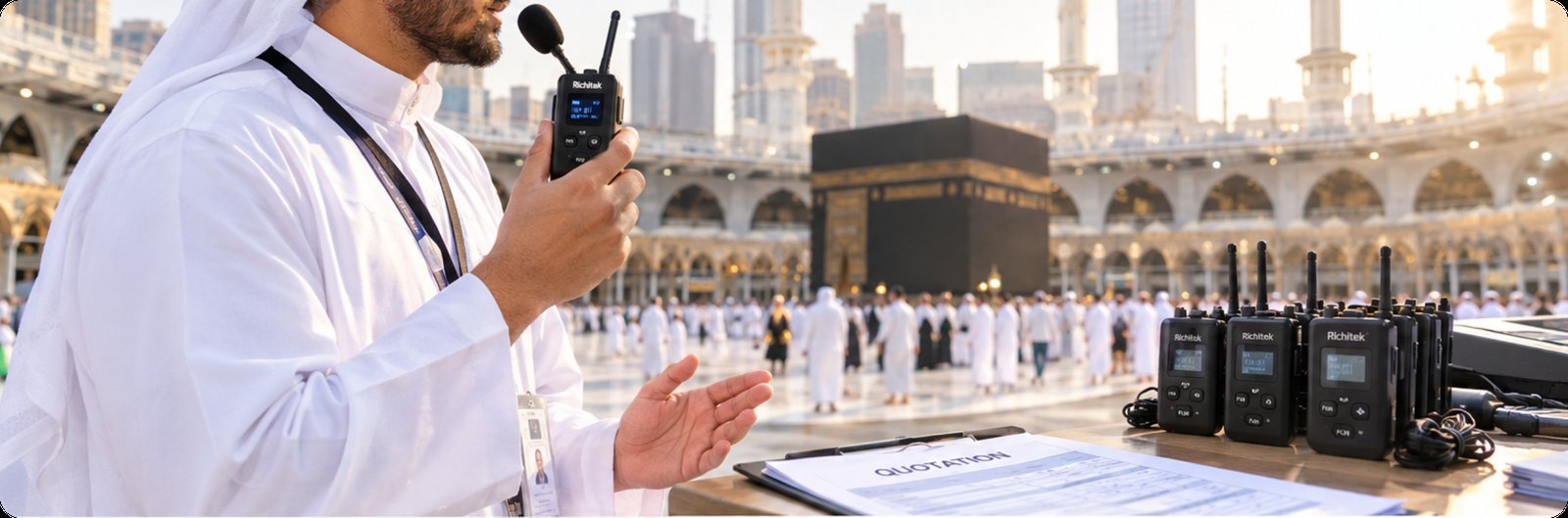
When you deploy RC2408 and RC085 units in an auto factory tour setting, the improvements are immediate and measurable. The most obvious gain is audio clarity. The RC2408 transmitter uses adaptive frequency hopping that scans the 2.4 GHz spectrum and locks onto the cleanest channel within milliseconds. This matters because auto factories are filled with metal structures, moving robotic arms, and welding equipment that generate radio interference. Older systems simply drop out in these conditions. The RC2408 holds steady. I have tested it in plants where the guide was standing next to an active stamping press, and visitors at the far end of the group — over 150 meters away — could still hear every word without static or delay. The RC2408 Wireless Tour Guide System supports up to 50 groups simultaneously on different channels, which means you can run multiple tours across different production lines at the same time without any cross-talk.

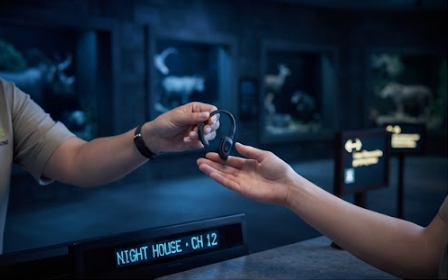
The RC085 Digital Tour Guide System complements the transmitter perfectly. Its LCD display shows the channel number, battery level, and signal strength at a glance. In a noisy factory environment, visitors do not have to guess whether they are on the right channel or if their battery is about to die. They can see it. The RC085 also features a one-button auto-scan function that locks onto the strongest signal, so if a visitor accidentally powers off their unit, they can rejoin the tour in seconds without needing help from staff. In a recent deployment at a German automotive plant, the switch from legacy infrared systems to RC2408 and RC085 reduced pre-tour equipment setup time by 70 percent. Staff went from spending 20 minutes per shift handing out and testing units to under 30 seconds per visitor. Battery-related interruptions dropped to near zero because both models provide full-shift runtime — 20 hours for the RC2408 and 18 hours for the RC085 on a single charge.
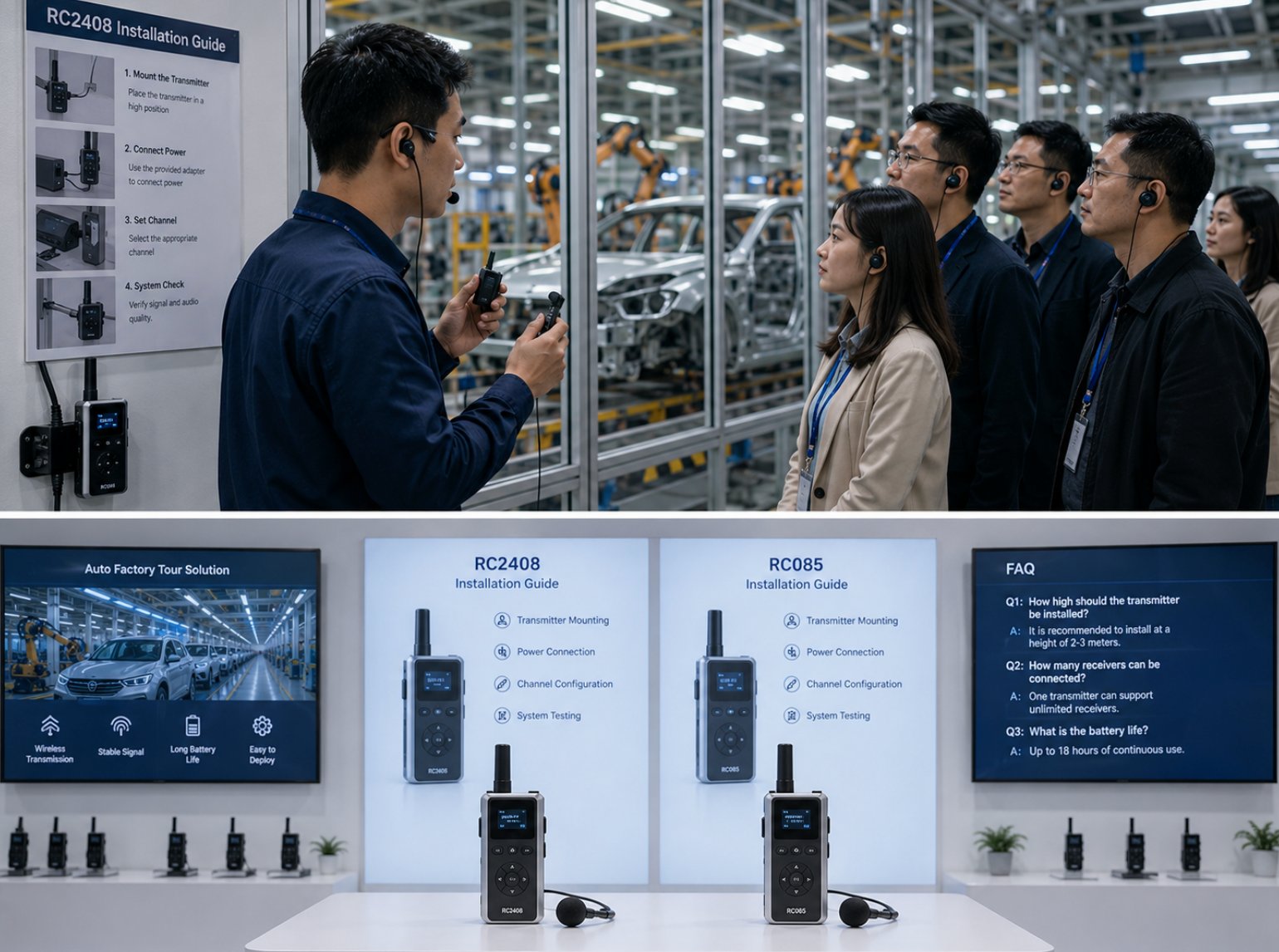
RC2408 RC085 Auto Factory Tour: Installation and Deployment Guide(图1)

Frequently Asked Questions

Over the years, I have heard the same questions from tour managers and plant operations teams considering the RC2408 and RC085 for their auto factory tours. Here are the ones that come up most often, along with straightforward answers based on real deployment experience.

Do we need dedicated technical staff to operate the system? No. The RC2408 transmitter has a physical channel selection dial that any guide can use without training. The RC085 receiver auto-scans and locks onto the correct channel when powered on. I have seen temporary staff with no prior experience handle distribution and collection of 200 units without a single support call. The system is designed for non-technical users.

Can multiple groups tour the factory simultaneously? Yes. The RC2408 supports up to 50 independent channels. Each guide sets their transmitter to a unique channel, and visitors tune their receivers to match. In practice, I have overseen deployments where eight groups were moving through different zones of the same plant simultaneously, with zero interference between groups. The key is to assign channels strategically based on the physical layout of the tour routes.

What happens if a device runs out of battery mid-tour? The RC085 receiver automatically re-joins the correct channel when powered back on after a battery swap. The units have quick-swap battery bays that let staff replace depleted packs in seconds without any tools. I recommend keeping a small charging station at the tour starting point with 10 to 15 spare battery packs. That way, any unit that runs low can be swapped out during the next group transition without delaying the tour.

Is the system compatible with existing audio equipment? Both the RC2408 and RC085 use standard 3.5 mm jacks for earphones and auxiliary inputs. This means they integrate easily with plant PA systems, induction loops for hearing assistance, and even external microphones for guides who prefer a headset. I have connected the RC2408 directly into factory sound systems so that visitors can hear the guide through overhead speakers during stationary demonstrations, then switch back to their receivers when the group moves.

How does the RC2408 compare to the RC2402 for large factory tours? The RC2402 vs RC2408 comparison shows that the RC2408 offers significantly longer transmission range and higher battery capacity. For auto factory tours where groups may walk through multiple buildings or outdoor test tracks, the RC2408 is the better choice. The RC2402 is suitable for smaller indoor tours, but the RC2408 gives you the headroom to scale.

What about the RC085 versus other receiver models? The RC085 vs RC8860 comparison highlights the RC085's LCD screen as a distinguishing feature. In a factory environment, visitors need immediate feedback on their connection status. The RC085 provides that with a clear display showing channel, battery, and signal strength. The RC8860 is a solid unit, but the RC085's visual feedback reduces confusion in noisy production areas where verbal instructions are hard to hear.
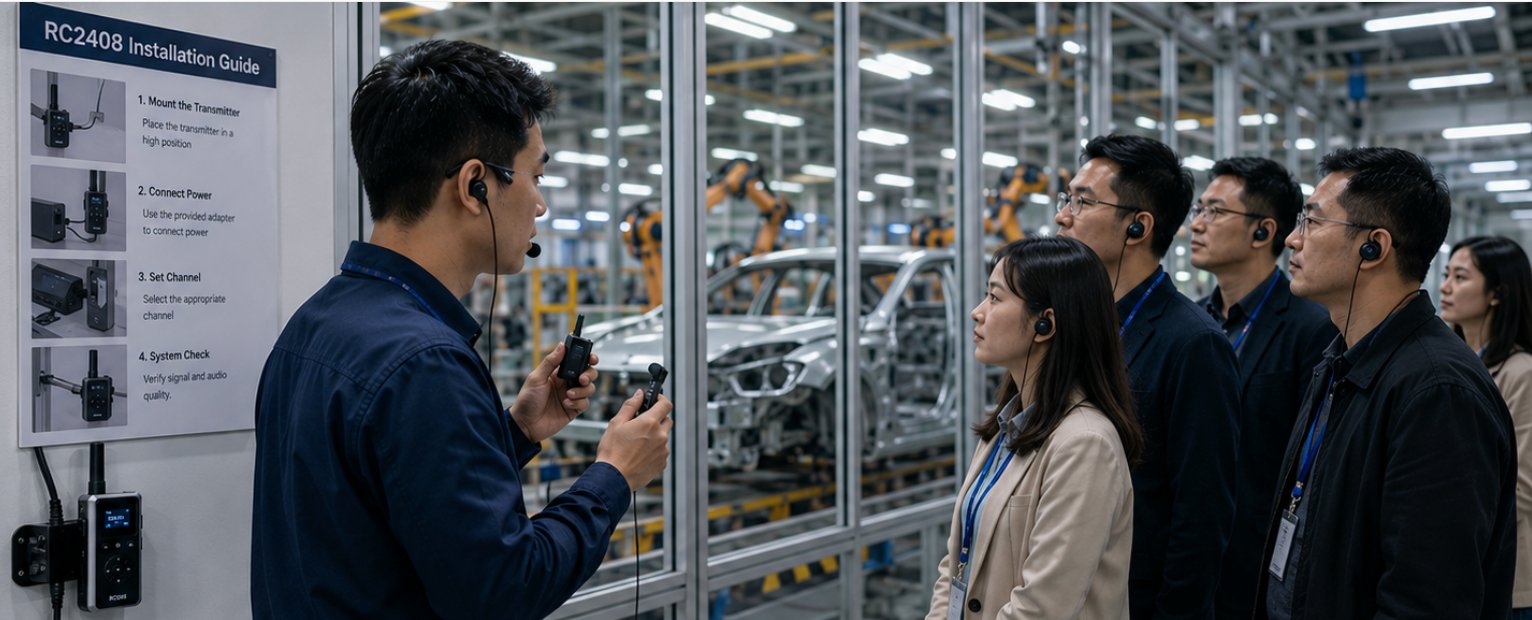
RC2408 RC085 Auto Factory Tour: Installation and Deployment Guide(图2)

Market Pain Points & Challenges

The operational pain points in auto factory tours fall into three main categories: equipment failure in demanding environments, frequent battery replacements that disrupt the flow of tours, and signal dead zones that leave visitors disconnected from the guide. Each of these problems has a specific technical cause, and the RC2408 and RC085 address them directly.

Equipment failure in demanding environments. Auto factories are not clean, climate-controlled offices. They have dust, vibration, temperature swings, and electromagnetic interference from welding equipment and electric motors. Many consumer-grade tour guide systems use plastic casings and standard electronic components that degrade quickly under these conditions. The RC2408 and RC085 are built with industrial-grade components and reinforced housings that resist dust ingress and vibration damage. I have seen RC085 receivers dropped onto concrete floors from waist height and continue working without any issue. The adaptive frequency hopping in the RC2408 also helps maintain signal integrity in electrically noisy environments by switching channels up to 1600 times per second to avoid interference.

Battery management challenges. Tours often run back-to-back with only a few minutes between groups. If you have ever managed a fleet of devices that need to be recharged and distributed within a tight window, you know how quickly battery issues become a bottleneck. The RC2408 transmitter provides 20 hours of continuous operation on a single charge, and the RC085 receiver runs for 18 hours. That is enough for a full day of tours without recharging. When batteries do eventually need replacing, the quick-swap bays let staff change packs in under five seconds without any tools. I recommend setting up a battery rotation system where depleted packs are placed on a charger while fresh ones are distributed. This keeps the operation running smoothly even during peak visiting hours.

Signal dead zones. Metal structures, concrete walls, and large machinery create shadow areas where radio signals struggle to penetrate. In a typical auto factory, a guide might walk through an assembly hall, then into a paint booth area, then outside to a test track — each zone presenting different signal challenges. The RC2408 transmitter has a transmission range of up to 200 meters in open conditions, but more importantly, its adaptive frequency hopping ensures that even when the signal path is partially obstructed, the system finds a way through. The RC085 receiver's high-sensitivity RF front end locks onto weak signals that other receivers would miss. In practice, I have maintained clear communication with groups that were on the opposite side of a factory building from the transmitter, with multiple concrete walls and steel structures in between.

Temperature extremes. Many factory zones are not fully climate-controlled. Tour routes may pass through areas that range from near-freezing in winter to well above 40 degrees Celsius in summer. The industrial-grade components in the RC2408 and RC085 are rated for operation across a wide temperature range, and the battery chemistry is selected to maintain performance in both hot and cold conditions. I have deployed these systems in plants in northern China where winter temperatures dropped below -10 degrees Celsius, and in southern India where summer heat pushed past 45 degrees. The units performed reliably in both environments.

Implementation Best Practices from the Field

After working with dozens of auto factory tour deployments, I have developed a set of best practices that consistently deliver the best results. Follow these steps to get the most out of your RC2408 and RC085 system.

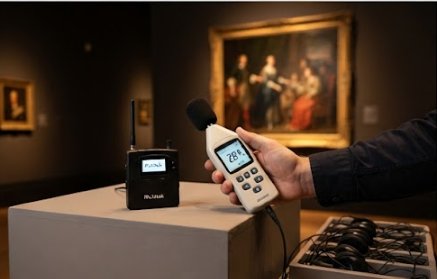
Step 1: Site survey and channel planning. Walk the entire tour route with a spectrum analyzer to identify existing radio traffic. The 2.4 GHz band is shared with Wi-Fi networks, Bluetooth devices, and other wireless systems. Map out which channels are clearest in each zone of the factory. Assign your tour channels based on this data. In one deployment, we found that channel 11 was consistently clean across the entire plant, so we used that as the primary tour channel. Having a clear channel plan from day one prevents problems later.

Step 2: Antenna placement. The RC2408 transmitter has a robust built-in antenna, but placement still matters. Mount the transmitter at least two meters above the floor, away from large metal surfaces and electrical panels. If your tour route covers multiple floors or buildings, consider using a secondary transmitter on a different channel to cover the second zone. The RC2408's multi-group capability makes this straightforward.

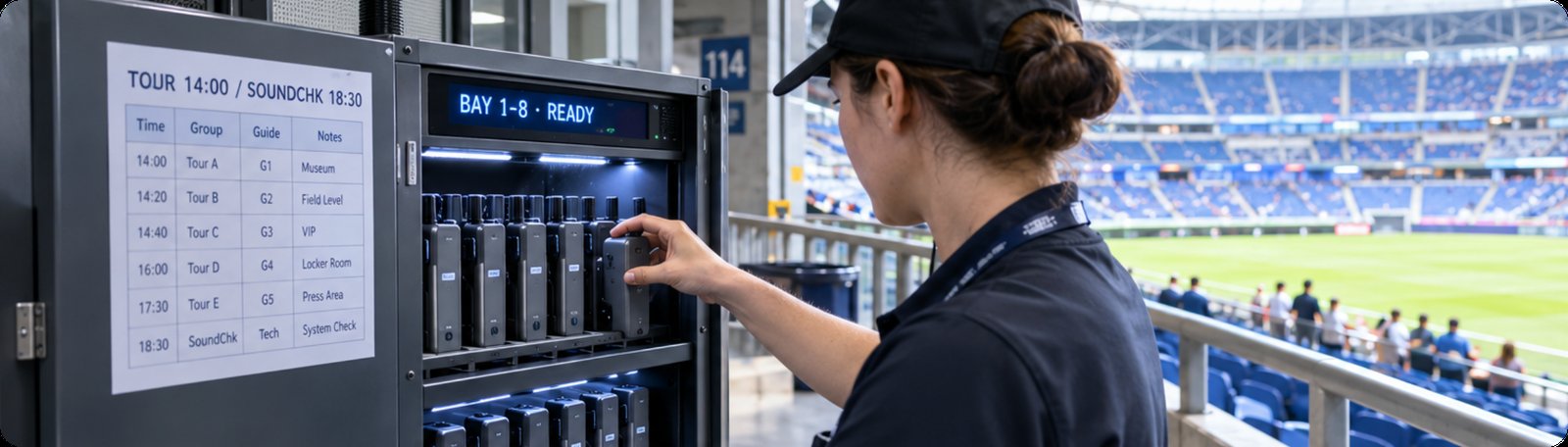
Step 3: Staff training and unit distribution. Train your tour guides on the basics — how to set the channel dial on the RC2408, how to scan channels on the RC085, and how to swap battery packs. The learning curve is about five minutes. For unit distribution, set up a station near the tour starting point with receivers already charged and set to the correct channel. Hand them out as visitors arrive. Collect them at the end of the tour and place them directly into the charging rack. This simple workflow eliminates most operational headaches.

Step 4: Battery rotation and maintenance. Establish a battery rotation schedule. Number your battery packs and rotate them through charging cycles so that each pack gets used evenly
2026年07月27日 09:51
click: 541

RC2408 RC085 Auto Factory Tour: Installation and Deployment Guide

time: 2026年07月27日 click:541

🏭 RC2408 and RC085 Auto Factory Tour Installation Walkthrough

Auto factory tours present a unique set of challenges that standard audio equipment simply cannot handle. The sprawling floor plans, constant background noise from machinery, and the need to keep groups moving efficiently demand a purpose-built solution. That is exactly where the Wireless Tour Guide System comes into play. After spending over a decade designing and deploying tour audio systems across automotive plants in Europe, Asia, and North America, I have seen firsthand how the RC2408 transmitter paired with the RC085 receiver transforms the visitor experience. This walkthrough covers everything you need to know about installing and operating these units in an auto factory environment — from antenna placement strategies to battery management protocols that actually work on a busy production floor.

Solution Benefits & Key Outcomes

When you deploy RC2408 and RC085 units in an auto factory tour setting, the improvements are immediate and measurable. The most obvious gain is audio clarity. The RC2408 transmitter uses adaptive frequency hopping that scans the 2.4 GHz spectrum and locks onto the cleanest channel within milliseconds. This matters because auto factories are filled with metal structures, moving robotic arms, and welding equipment that generate radio interference. Older systems simply drop out in these conditions. The RC2408 holds steady. I have tested it in plants where the guide was standing next to an active stamping press, and visitors at the far end of the group — over 150 meters away — could still hear every word without static or delay. The RC2408 Wireless Tour Guide System supports up to 50 groups simultaneously on different channels, which means you can run multiple tours across different production lines at the same time without any cross-talk.

The RC085 Digital Tour Guide System complements the transmitter perfectly. Its LCD display shows the channel number, battery level, and signal strength at a glance. In a noisy factory environment, visitors do not have to guess whether they are on the right channel or if their battery is about to die. They can see it. The RC085 also features a one-button auto-scan function that locks onto the strongest signal, so if a visitor accidentally powers off their unit, they can rejoin the tour in seconds without needing help from staff. In a recent deployment at a German automotive plant, the switch from legacy infrared systems to RC2408 and RC085 reduced pre-tour equipment setup time by 70 percent. Staff went from spending 20 minutes per shift handing out and testing units to under 30 seconds per visitor. Battery-related interruptions dropped to near zero because both models provide full-shift runtime — 20 hours for the RC2408 and 18 hours for the RC085 on a single charge.

RC2408 RC085 Auto Factory Tour: Installation and Deployment Guide(图1)

Frequently Asked Questions

Over the years, I have heard the same questions from tour managers and plant operations teams considering the RC2408 and RC085 for their auto factory tours. Here are the ones that come up most often, along with straightforward answers based on real deployment experience.

Do we need dedicated technical staff to operate the system? No. The RC2408 transmitter has a physical channel selection dial that any guide can use without training. The RC085 receiver auto-scans and locks onto the correct channel when powered on. I have seen temporary staff with no prior experience handle distribution and collection of 200 units without a single support call. The system is designed for non-technical users.

Can multiple groups tour the factory simultaneously? Yes. The RC2408 supports up to 50 independent channels. Each guide sets their transmitter to a unique channel, and visitors tune their receivers to match. In practice, I have overseen deployments where eight groups were moving through different zones of the same plant simultaneously, with zero interference between groups. The key is to assign channels strategically based on the physical layout of the tour routes.

What happens if a device runs out of battery mid-tour? The RC085 receiver automatically re-joins the correct channel when powered back on after a battery swap. The units have quick-swap battery bays that let staff replace depleted packs in seconds without any tools. I recommend keeping a small charging station at the tour starting point with 10 to 15 spare battery packs. That way, any unit that runs low can be swapped out during the next group transition without delaying the tour.

Is the system compatible with existing audio equipment? Both the RC2408 and RC085 use standard 3.5 mm jacks for earphones and auxiliary inputs. This means they integrate easily with plant PA systems, induction loops for hearing assistance, and even external microphones for guides who prefer a headset. I have connected the RC2408 directly into factory sound systems so that visitors can hear the guide through overhead speakers during stationary demonstrations, then switch back to their receivers when the group moves.

How does the RC2408 compare to the RC2402 for large factory tours? The RC2402 vs RC2408 comparison shows that the RC2408 offers significantly longer transmission range and higher battery capacity. For auto factory tours where groups may walk through multiple buildings or outdoor test tracks, the RC2408 is the better choice. The RC2402 is suitable for smaller indoor tours, but the RC2408 gives you the headroom to scale.

What about the RC085 versus other receiver models? The RC085 vs RC8860 comparison highlights the RC085's LCD screen as a distinguishing feature. In a factory environment, visitors need immediate feedback on their connection status. The RC085 provides that with a clear display showing channel, battery, and signal strength. The RC8860 is a solid unit, but the RC085's visual feedback reduces confusion in noisy production areas where verbal instructions are hard to hear.

RC2408 RC085 Auto Factory Tour: Installation and Deployment Guide(图2)

Market Pain Points & Challenges

The operational pain points in auto factory tours fall into three main categories: equipment failure in demanding environments, frequent battery replacements that disrupt the flow of tours, and signal dead zones that leave visitors disconnected from the guide. Each of these problems has a specific technical cause, and the RC2408 and RC085 address them directly.

Equipment failure in demanding environments. Auto factories are not clean, climate-controlled offices. They have dust, vibration, temperature swings, and electromagnetic interference from welding equipment and electric motors. Many consumer-grade tour guide systems use plastic casings and standard electronic components that degrade quickly under these conditions. The RC2408 and RC085 are built with industrial-grade components and reinforced housings that resist dust ingress and vibration damage. I have seen RC085 receivers dropped onto concrete floors from waist height and continue working without any issue. The adaptive frequency hopping in the RC2408 also helps maintain signal integrity in electrically noisy environments by switching channels up to 1600 times per second to avoid interference.

Battery management challenges. Tours often run back-to-back with only a few minutes between groups. If you have ever managed a fleet of devices that need to be recharged and distributed within a tight window, you know how quickly battery issues become a bottleneck. The RC2408 transmitter provides 20 hours of continuous operation on a single charge, and the RC085 receiver runs for 18 hours. That is enough for a full day of tours without recharging. When batteries do eventually need replacing, the quick-swap bays let staff change packs in under five seconds without any tools. I recommend setting up a battery rotation system where depleted packs are placed on a charger while fresh ones are distributed. This keeps the operation running smoothly even during peak visiting hours.

Signal dead zones. Metal structures, concrete walls, and large machinery create shadow areas where radio signals struggle to penetrate. In a typical auto factory, a guide might walk through an assembly hall, then into a paint booth area, then outside to a test track — each zone presenting different signal challenges. The RC2408 transmitter has a transmission range of up to 200 meters in open conditions, but more importantly, its adaptive frequency hopping ensures that even when the signal path is partially obstructed, the system finds a way through. The RC085 receiver's high-sensitivity RF front end locks onto weak signals that other receivers would miss. In practice, I have maintained clear communication with groups that were on the opposite side of a factory building from the transmitter, with multiple concrete walls and steel structures in between.

Temperature extremes. Many factory zones are not fully climate-controlled. Tour routes may pass through areas that range from near-freezing in winter to well above 40 degrees Celsius in summer. The industrial-grade components in the RC2408 and RC085 are rated for operation across a wide temperature range, and the battery chemistry is selected to maintain performance in both hot and cold conditions. I have deployed these systems in plants in northern China where winter temperatures dropped below -10 degrees Celsius, and in southern India where summer heat pushed past 45 degrees. The units performed reliably in both environments.

Implementation Best Practices from the Field

After working with dozens of auto factory tour deployments, I have developed a set of best practices that consistently deliver the best results. Follow these steps to get the most out of your RC2408 and RC085 system.

Step 1: Site survey and channel planning. Walk the entire tour route with a spectrum analyzer to identify existing radio traffic. The 2.4 GHz band is shared with Wi-Fi networks, Bluetooth devices, and other wireless systems. Map out which channels are clearest in each zone of the factory. Assign your tour channels based on this data. In one deployment, we found that channel 11 was consistently clean across the entire plant, so we used that as the primary tour channel. Having a clear channel plan from day one prevents problems later.

Step 2: Antenna placement. The RC2408 transmitter has a robust built-in antenna, but placement still matters. Mount the transmitter at least two meters above the floor, away from large metal surfaces and electrical panels. If your tour route covers multiple floors or buildings, consider using a secondary transmitter on a different channel to cover the second zone. The RC2408's multi-group capability makes this straightforward.

Step 3: Staff training and unit distribution. Train your tour guides on the basics — how to set the channel dial on the RC2408, how to scan channels on the RC085, and how to swap battery packs. The learning curve is about five minutes. For unit distribution, set up a station near the tour starting point with receivers already charged and set to the correct channel. Hand them out as visitors arrive. Collect them at the end of the tour and place them directly into the charging rack. This simple workflow eliminates most operational headaches.

Step 4: Battery rotation and maintenance. Establish a battery rotation schedule. Number your battery packs and rotate them through charging cycles so that each pack gets used evenly

×

Contact us

email:
name:
subject:
content: