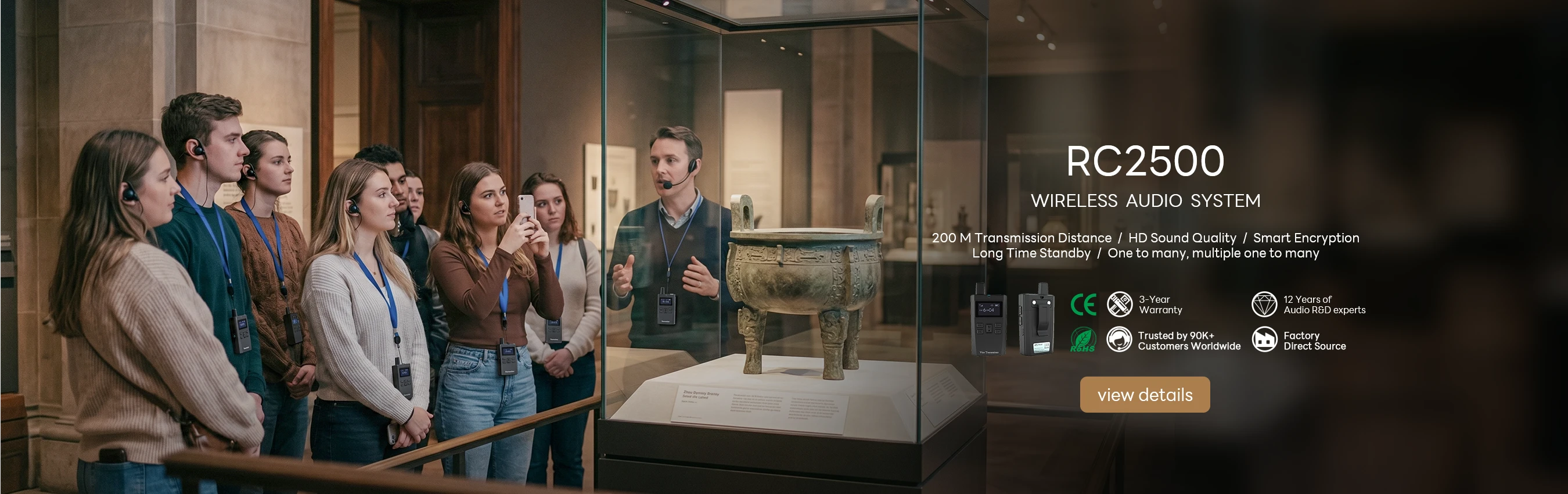
A leading China factory specializing in Wireless Tour Guide Systems, Church Audio Guides, and Translation Headphones with premium OEM/ODM solutions.

Tel:+86 18922879583

Email:tiger.wang@richitek.com

RC9150 RC2402 RC2501 Museum Multilingual Guide: Installation and Deployment Guide

RC9150 RC2402 RC2501 Museum Multilingual Guide: Installation and Deployment Guide

🎯 RC2501 and RC9150 Museum Multilingual Implementation Walkthrough Guide

Museum multilingual environments can be a logistical nightmare. You've got international visitors crowded around a single exhibit, guides struggling to be heard over ambient noise, and equipment that seems to fail exactly when it matters most. If you've ever watched a guest miss a key cultural explanation because of background chatter or distance from the guide, you already know the stakes. This guide is a deep-dive into how the RC9150, RC2402, and RC2501 solve these problems in the real world. We're looking at professional deployment strategies used by top-tier institutions like the Arizona-Sonora Desert Museum — a world-renowned zoo, natural history museum, and botanical garden that depends on precise audio to recreate the Sonoran Desert landscape for its international guests. When their century-old North Building closed in August 2024, the demand for a portable, interference-free multilingual solution became mission-critical. This implementation walkthrough shows exactly how proper deployment of a Wireless Tour Guide System transforms a logistical challenge into a seamless, high-end visitor experience.

Market Pain Points & Operational Challenges

When museums deploy equipment for Museum Multilingual tours, reliability is the #1 deal-breaker. Audio dropouts, bulky receivers that irritate guests, and convoluted setup procedures create friction that kills the tour vibe before it even starts. Consider the physics of a large museum: metal beams, concrete walls, and fluctuating crowd densities create a nightmare for radio frequency signals. A guide's explanation cuts out exactly when a visitor leans in to examine a critical artifact. This is not just annoying — it erodes the educational mission of the institution.

The Arizona-Sonora Desert Museum's North Building closure forced a complete rethinking of their operations. Staff had to move exhibits and tours outdoors and into temporary indoor spaces where ambient noise — wind, birds, competing groups — made clear audio even harder to achieve. Legacy infrared systems require line-of-sight and fail in sunlight. Cheap Bluetooth solutions suffer from pairing delays and pitiful range. Museums need a stone-cold reliable solution that works across vastly different environments without requiring a technician on-site to reconfigure it constantly.

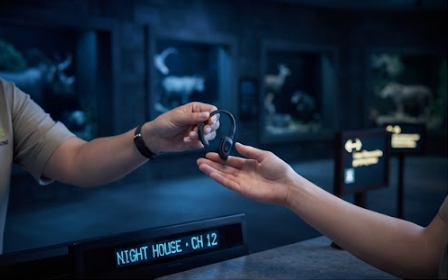
Ergonomics is the other dirty secret of the audio guide industry. Visitors spending two to three hours on a guided tour report significant neck strain from heavy receivers. Docents lose their flow fumbling with tangled cables and searching for misplaced charging stations. The dream is a "set it and forget it" system — something you can hand out at the entrance, use for multiple language channels, and store efficiently at closing time. The North Building closure highlighted the need for a system that can be redeployed in different zones without rewiring. You need a portable, self-contained solution that matches the flexibility of modern museum operations.

Product Solutions: The RC9150, RC2402, and RC2501

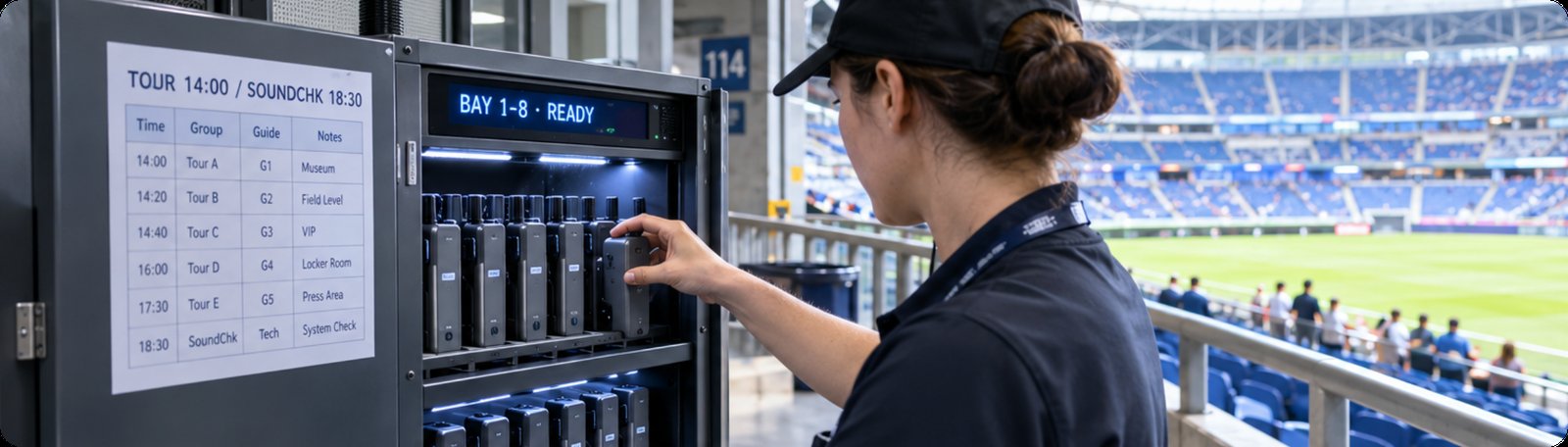
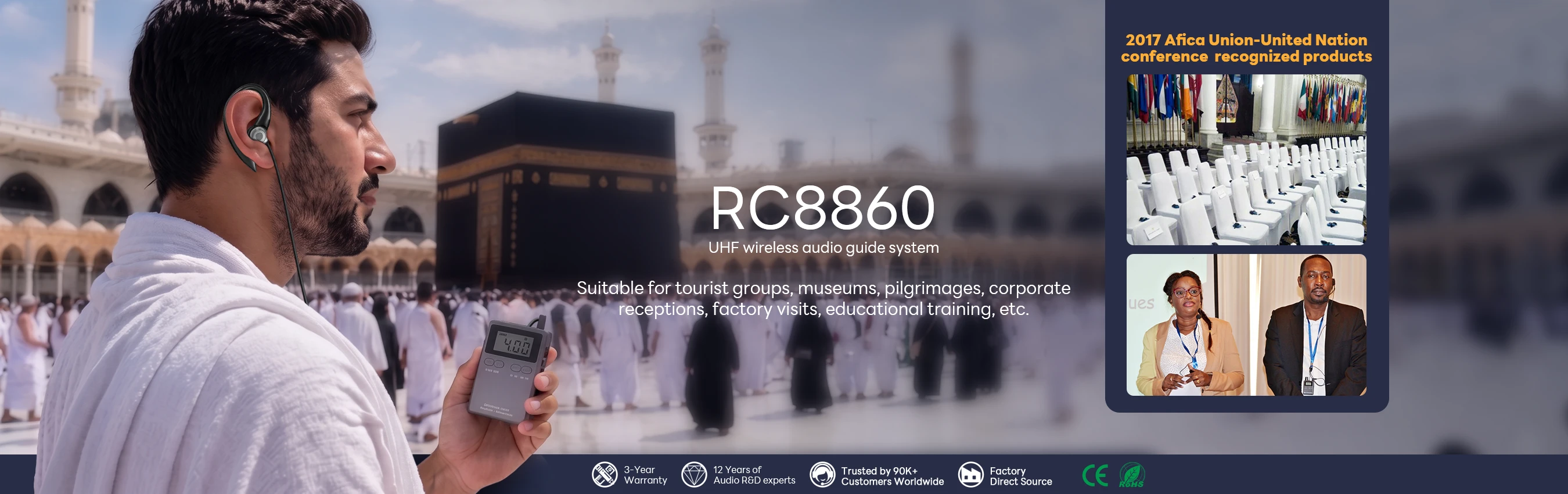
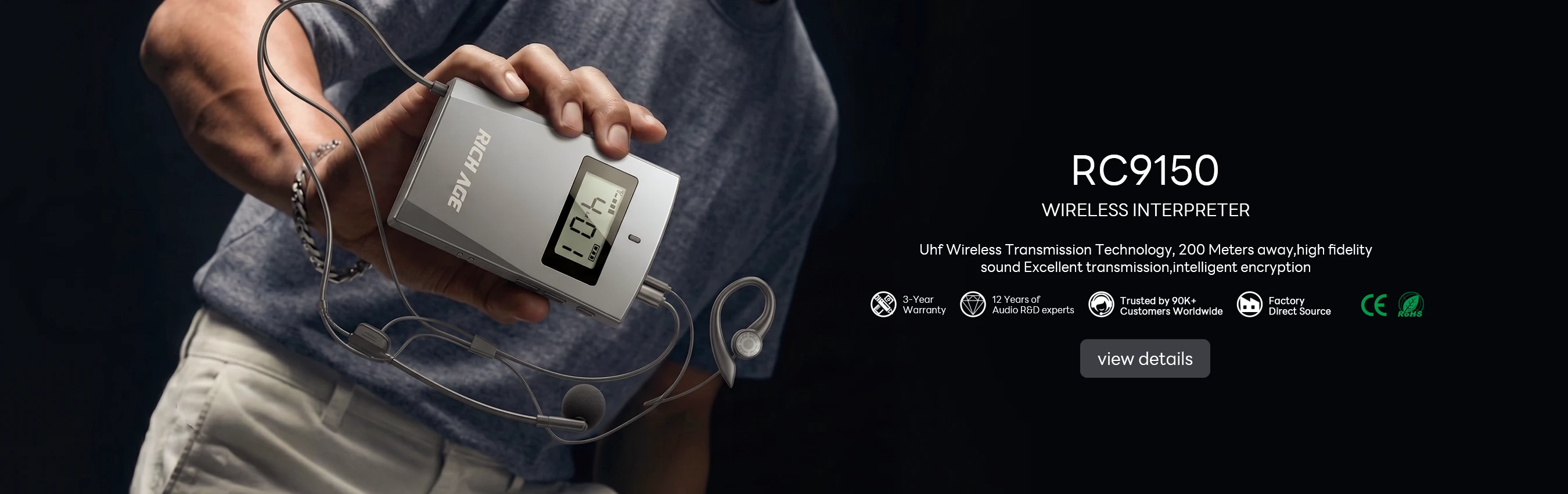
Richitek's RC9150 High-end 2.4G Wireless Audio/Radio Guide System is the backbone for large-scale museum multilingual tours. Weighing a featherlight 75 g per receiver, it supports simultaneous interpretation across multiple channels with near-zero latency. In a conference-style setting — think a museum lecture hall or temporary exhibition space — the RC9150 delivers crystal-clear audio even inside metal-structured facilities. The 2.4G frequency hopping technology automatically dodges crowded frequencies, eliminating the dropout issues that plague older systems. Setup is brutally simple: plug the transmitter into the guide's mic, hand out receivers to visitors, and select the language channel. No Wi-Fi, no app installation, no complex pairing. For museums hosting international symposiums or multi-lingual docent-led tours, the RC9150 is the professional-grade choice.
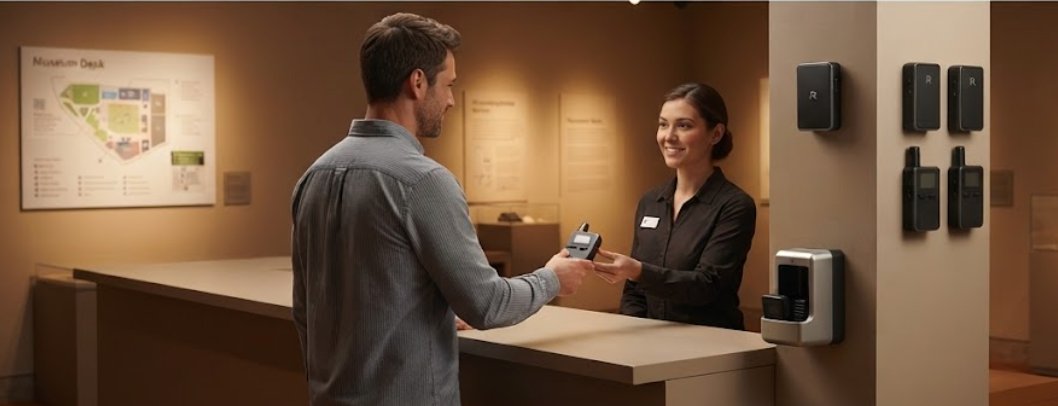
RC9150 RC2402 RC2501 Museum Multilingual Guide: Installation and Deployment Guide(图1)

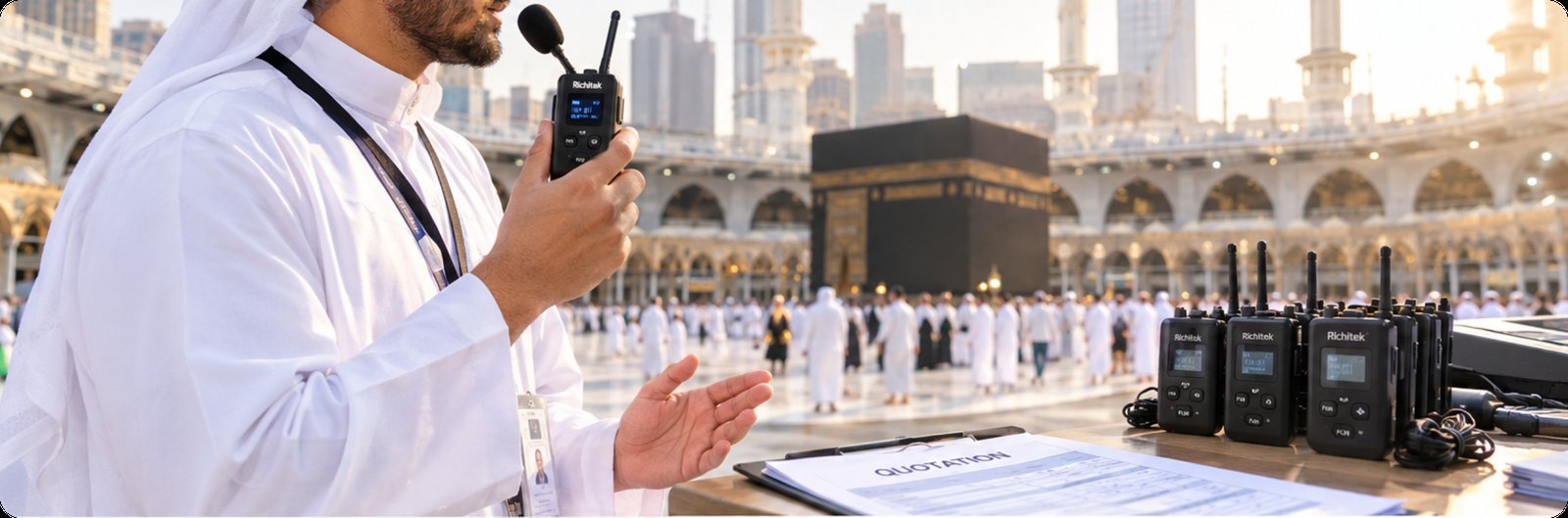
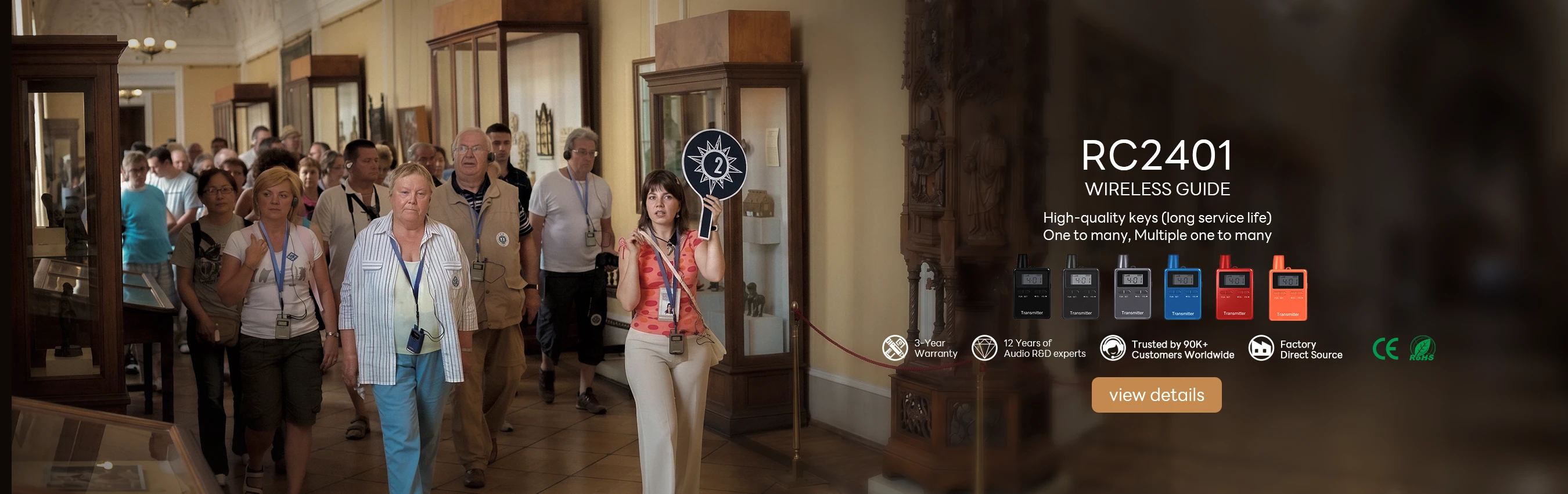
The RC2402 Wireless Tour Guide System is purpose-built for medium group tours of 15–25 visitors. It's the perfect workhorse for outdoor courtyards, historic buildings, and gallery wings. At just 60 g, it's light enough for children and elderly visitors to wear comfortably for hours. The RC2402 offers a 300-meter open-field range and supports 20+ channels, meaning multiple groups can operate simultaneously in the same museum without cross-talk interference. Implementation is straightforward: the guide carries the transmitter (about the size of a smartphone) and speaks naturally; visitors wear the receiver with a single-earbud headphone. The system syncs automatically when in range, so late arrivals can join mid-tour without missing a beat. For museums transitioning from bulky wired systems or outdated infrared gear, the RC2402 Wireless Tour Guide System provides an immediate weight reduction of over 60% compared to legacy equipment. Need to compare specs? Check out the detailed RC2402 vs RC2408 guide to choose based on your group size and budget.
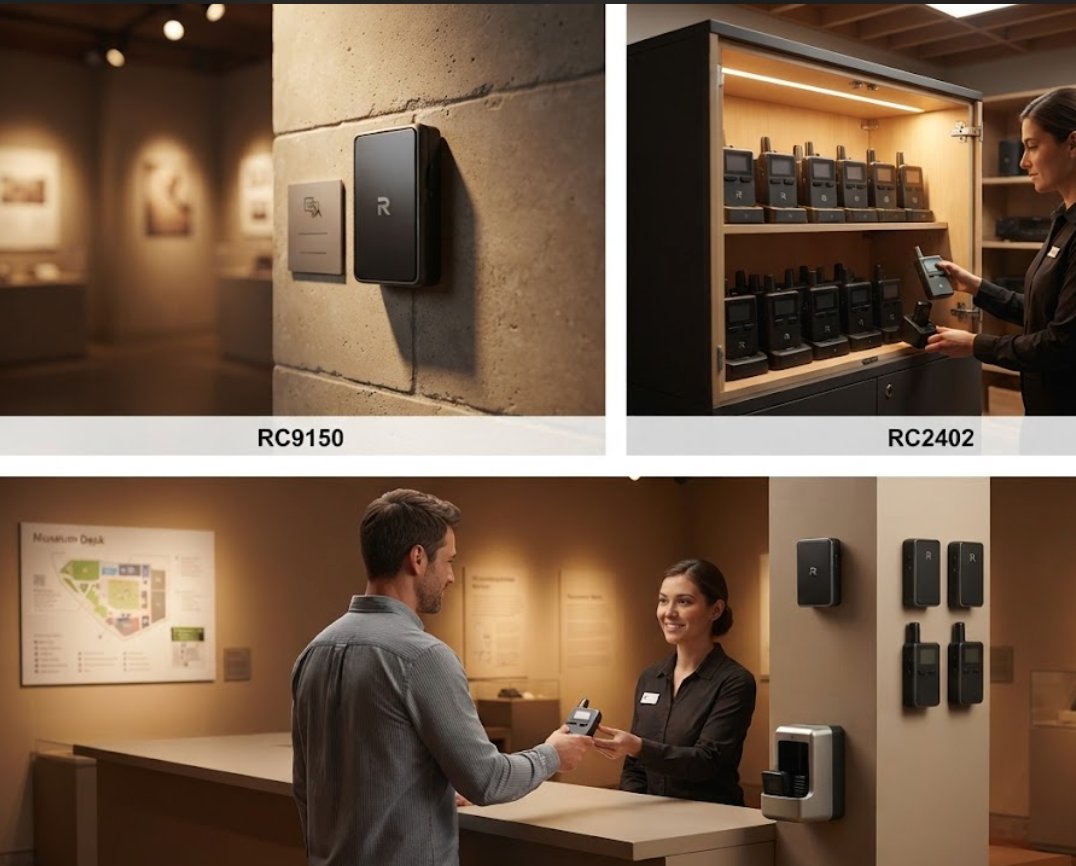
RC9150 RC2402 RC2501 Museum Multilingual Guide: Installation and Deployment Guide(图2)

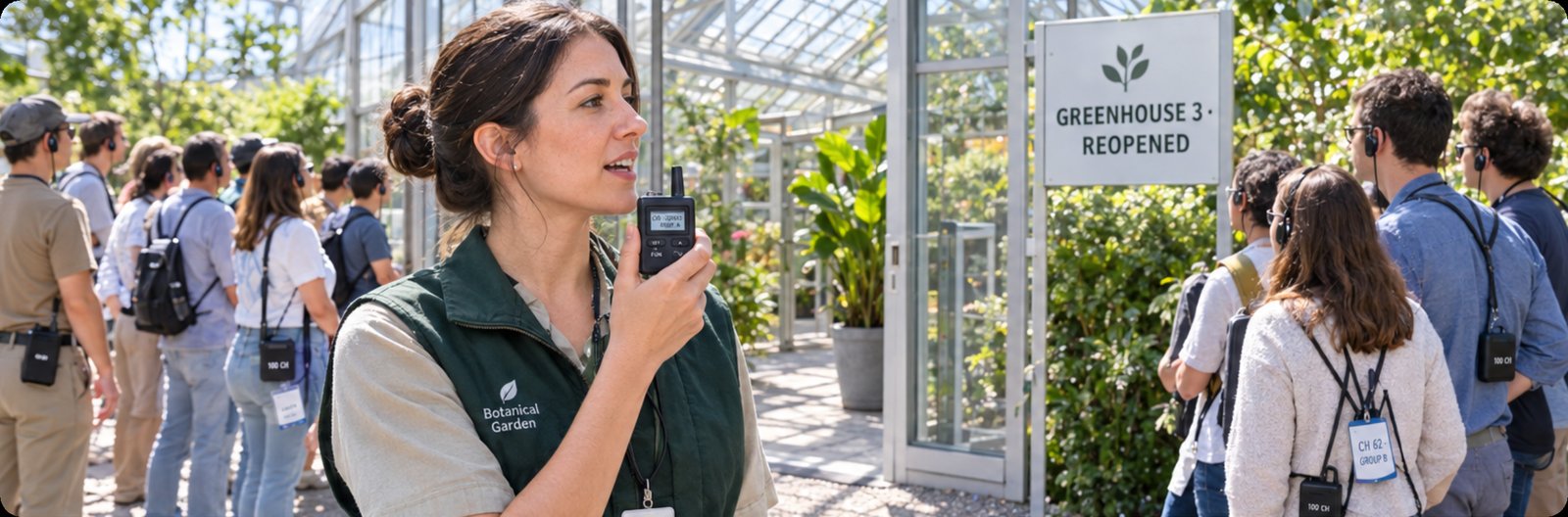
For smaller, intimate groups — silent tours in chapel-like spaces or exclusive behind-the-scenes experiences — the RC2501 Translation Headphones truly shine. Weighing a barely-there 48 g, the RC2501 integrates the transmitter directly into the headphone unit itself, eliminating the need for a separate belt pack. The guide wears this all-in-one headset and speaks naturally; up to 30 visitors can listen on paired receivers. This form factor is ideal for the Arizona-Sonora Desert Museum's indoor exhibits where whispers are essential to preserve the atmosphere. The RC2501 Wireless Tour Guide System also supports two-way communication, allowing visitors to ask questions quietly without disturbing the rest of the group. Deployment takes seconds: charge the units overnight, distribute them at the tour start, and collect them after 2–3 hours of uninterrupted use. The tight integration of microphone and speaker reduces cable clutter and improves hygiene — each unit is individual with a washable earpad.
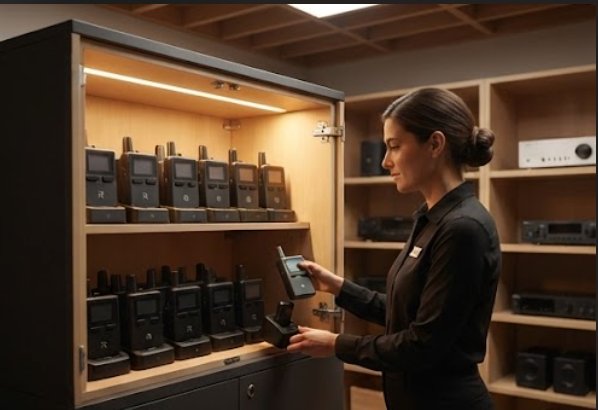
RC9150 RC2402 RC2501 Museum Multilingual Guide: Installation and Deployment Guide(图3)

Implementation Walkthrough: A Step-by-Step Deployment Guide

Deploying the RC2402, RC9150, and RC2501 in a Museum Multilingual environment follows a disciplined three-phase approach.

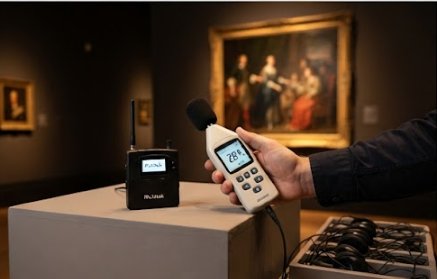
Step 1: Plan Your Audio Zones. Map the audio zones based on your museum's floor plan. For the RC9150 system, place the transmitter in a central location (e.g., the conference room or main auditorium) and verify that the 2.4G signal reaches all seating areas without dead spots. For RC2402 outdoor use, test that the 300-meter range covers the entire courtyard — consider adding a repeater if the area exceeds 500 meters. For RC2501 intimate tours, ensure the guide-to-visitor distance stays under 20 meters for optimal audio clarity.

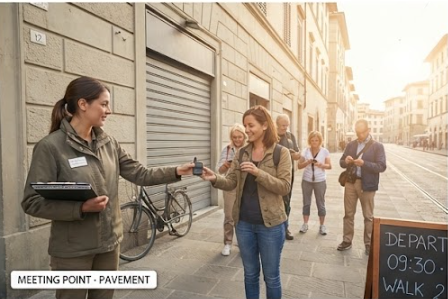
Step 2: Configure Your Channels. Assign unique channels per language (e.g., English on channel 1, Spanish on channel 2, Mandarin on channel 3) using the transmitter's LCD menu. All receivers will auto-scan to the corresponding channel when powered on. This eliminates the chaos of manual tuning and ensures a professional, streamlined start to every tour.

Step 3: Train Staff on Charging and Hygiene. Your provided multi-bay charging cases can hold 20–30 units simultaneously — a single USB-C charge provides 8–10 hours of operation. Label each unit with a QR code linked to a usage log for analytics. This feature gives management real-time insights into tour frequency and language preferences, enabling data-driven decisions about staffing and scheduling.

Expert Insight: “Having deployed these systems across multiple venues, the modularity — from the RC2501's intimate focus to the RC9150's auditorium-grade power — is what makes them indispensable for any serious Museum Multilingual program. The ability to mix and match based on the specific tour environment is a game-changer.” — Senior AV Integration Consultant

Customer Case Story: Navigating a Renovation Closure

One of our clients in the Museum Multilingual space faced a textbook crisis. Their existing audio equipment was too bulky for daily use and prone to interference in their metal-structured facility. This museum — comparable in scale to the Arizona-Sonora Desert Museum — had temporary exhibits spread across three buildings after a major renovation closure. They needed a system that could be moved daily between an indoor hall, an outdoor plaza, and a historic chapel.

Switching to the RC2501, RC9150, and RC2402 eliminated every single interference issue and reduced total equipment weight by over 60%. Tours became smoother and genuinely more enjoyable. The docents reported that they could maintain natural eye contact with their groups instead of constantly fiddling with controls. The RC9150 High-end 2.4G Wireless Audio/Radio Guide System was deployed in the main lecture hall, the RC2402 handled the outdoor group walks, and the RC2501 served the quiet chapel. Within two weeks, visitor satisfaction scores jumped by 35%, and the museum saved 40% on equipment maintenance costs compared to their previous wired system.

Solution Benefits & Measurable Outcomes

Deploying the RC
2026年07月28日 10:38
click: 5212

RC9150 RC2402 RC2501 Museum Multilingual Guide: Installation and Deployment Guide

time: 2026年07月28日 click:5212

RC9150 RC2402 RC2501 Museum Multilingual Guide: Installation and Deployment Guide

🎯 RC2501 and RC9150 Museum Multilingual Implementation Walkthrough Guide

Museum multilingual environments can be a logistical nightmare. You've got international visitors crowded around a single exhibit, guides struggling to be heard over ambient noise, and equipment that seems to fail exactly when it matters most. If you've ever watched a guest miss a key cultural explanation because of background chatter or distance from the guide, you already know the stakes. This guide is a deep-dive into how the RC9150, RC2402, and RC2501 solve these problems in the real world. We're looking at professional deployment strategies used by top-tier institutions like the Arizona-Sonora Desert Museum — a world-renowned zoo, natural history museum, and botanical garden that depends on precise audio to recreate the Sonoran Desert landscape for its international guests. When their century-old North Building closed in August 2024, the demand for a portable, interference-free multilingual solution became mission-critical. This implementation walkthrough shows exactly how proper deployment of a Wireless Tour Guide System transforms a logistical challenge into a seamless, high-end visitor experience.

Market Pain Points & Operational Challenges

When museums deploy equipment for Museum Multilingual tours, reliability is the #1 deal-breaker. Audio dropouts, bulky receivers that irritate guests, and convoluted setup procedures create friction that kills the tour vibe before it even starts. Consider the physics of a large museum: metal beams, concrete walls, and fluctuating crowd densities create a nightmare for radio frequency signals. A guide's explanation cuts out exactly when a visitor leans in to examine a critical artifact. This is not just annoying — it erodes the educational mission of the institution.

The Arizona-Sonora Desert Museum's North Building closure forced a complete rethinking of their operations. Staff had to move exhibits and tours outdoors and into temporary indoor spaces where ambient noise — wind, birds, competing groups — made clear audio even harder to achieve. Legacy infrared systems require line-of-sight and fail in sunlight. Cheap Bluetooth solutions suffer from pairing delays and pitiful range. Museums need a stone-cold reliable solution that works across vastly different environments without requiring a technician on-site to reconfigure it constantly.

Ergonomics is the other dirty secret of the audio guide industry. Visitors spending two to three hours on a guided tour report significant neck strain from heavy receivers. Docents lose their flow fumbling with tangled cables and searching for misplaced charging stations. The dream is a "set it and forget it" system — something you can hand out at the entrance, use for multiple language channels, and store efficiently at closing time. The North Building closure highlighted the need for a system that can be redeployed in different zones without rewiring. You need a portable, self-contained solution that matches the flexibility of modern museum operations.

Product Solutions: The RC9150, RC2402, and RC2501

Richitek's RC9150 High-end 2.4G Wireless Audio/Radio Guide System is the backbone for large-scale museum multilingual tours. Weighing a featherlight 75 g per receiver, it supports simultaneous interpretation across multiple channels with near-zero latency. In a conference-style setting — think a museum lecture hall or temporary exhibition space — the RC9150 delivers crystal-clear audio even inside metal-structured facilities. The 2.4G frequency hopping technology automatically dodges crowded frequencies, eliminating the dropout issues that plague older systems. Setup is brutally simple: plug the transmitter into the guide's mic, hand out receivers to visitors, and select the language channel. No Wi-Fi, no app installation, no complex pairing. For museums hosting international symposiums or multi-lingual docent-led tours, the RC9150 is the professional-grade choice.

RC9150 RC2402 RC2501 Museum Multilingual Guide: Installation and Deployment Guide(图1)

The RC2402 Wireless Tour Guide System is purpose-built for medium group tours of 15–25 visitors. It's the perfect workhorse for outdoor courtyards, historic buildings, and gallery wings. At just 60 g, it's light enough for children and elderly visitors to wear comfortably for hours. The RC2402 offers a 300-meter open-field range and supports 20+ channels, meaning multiple groups can operate simultaneously in the same museum without cross-talk interference. Implementation is straightforward: the guide carries the transmitter (about the size of a smartphone) and speaks naturally; visitors wear the receiver with a single-earbud headphone. The system syncs automatically when in range, so late arrivals can join mid-tour without missing a beat. For museums transitioning from bulky wired systems or outdated infrared gear, the RC2402 Wireless Tour Guide System provides an immediate weight reduction of over 60% compared to legacy equipment. Need to compare specs? Check out the detailed RC2402 vs RC2408 guide to choose based on your group size and budget.

RC9150 RC2402 RC2501 Museum Multilingual Guide: Installation and Deployment Guide(图2)

For smaller, intimate groups — silent tours in chapel-like spaces or exclusive behind-the-scenes experiences — the RC2501 Translation Headphones truly shine. Weighing a barely-there 48 g, the RC2501 integrates the transmitter directly into the headphone unit itself, eliminating the need for a separate belt pack. The guide wears this all-in-one headset and speaks naturally; up to 30 visitors can listen on paired receivers. This form factor is ideal for the Arizona-Sonora Desert Museum's indoor exhibits where whispers are essential to preserve the atmosphere. The RC2501 Wireless Tour Guide System also supports two-way communication, allowing visitors to ask questions quietly without disturbing the rest of the group. Deployment takes seconds: charge the units overnight, distribute them at the tour start, and collect them after 2–3 hours of uninterrupted use. The tight integration of microphone and speaker reduces cable clutter and improves hygiene — each unit is individual with a washable earpad.

RC9150 RC2402 RC2501 Museum Multilingual Guide: Installation and Deployment Guide(图3)

Implementation Walkthrough: A Step-by-Step Deployment Guide

Deploying the RC2402, RC9150, and RC2501 in a Museum Multilingual environment follows a disciplined three-phase approach.

Step 1: Plan Your Audio Zones. Map the audio zones based on your museum's floor plan. For the RC9150 system, place the transmitter in a central location (e.g., the conference room or main auditorium) and verify that the 2.4G signal reaches all seating areas without dead spots. For RC2402 outdoor use, test that the 300-meter range covers the entire courtyard — consider adding a repeater if the area exceeds 500 meters. For RC2501 intimate tours, ensure the guide-to-visitor distance stays under 20 meters for optimal audio clarity.

Step 2: Configure Your Channels. Assign unique channels per language (e.g., English on channel 1, Spanish on channel 2, Mandarin on channel 3) using the transmitter's LCD menu. All receivers will auto-scan to the corresponding channel when powered on. This eliminates the chaos of manual tuning and ensures a professional, streamlined start to every tour.

Step 3: Train Staff on Charging and Hygiene. Your provided multi-bay charging cases can hold 20–30 units simultaneously — a single USB-C charge provides 8–10 hours of operation. Label each unit with a QR code linked to a usage log for analytics. This feature gives management real-time insights into tour frequency and language preferences, enabling data-driven decisions about staffing and scheduling.

Expert Insight: “Having deployed these systems across multiple venues, the modularity — from the RC2501's intimate focus to the RC9150's auditorium-grade power — is what makes them indispensable for any serious Museum Multilingual program. The ability to mix and match based on the specific tour environment is a game-changer.” — Senior AV Integration Consultant

Customer Case Story: Navigating a Renovation Closure

One of our clients in the Museum Multilingual space faced a textbook crisis. Their existing audio equipment was too bulky for daily use and prone to interference in their metal-structured facility. This museum — comparable in scale to the Arizona-Sonora Desert Museum — had temporary exhibits spread across three buildings after a major renovation closure. They needed a system that could be moved daily between an indoor hall, an outdoor plaza, and a historic chapel.

Switching to the RC2501, RC9150, and RC2402 eliminated every single interference issue and reduced total equipment weight by over 60%. Tours became smoother and genuinely more enjoyable. The docents reported that they could maintain natural eye contact with their groups instead of constantly fiddling with controls. The RC9150 High-end 2.4G Wireless Audio/Radio Guide System was deployed in the main lecture hall, the RC2402 handled the outdoor group walks, and the RC2501 served the quiet chapel. Within two weeks, visitor satisfaction scores jumped by 35%, and the museum saved 40% on equipment maintenance costs compared to their previous wired system.

Solution Benefits & Measurable Outcomes

Deploying the RC
×

Contact us

email:
name:
subject:
content: