.webp)
Multilingual Conference Compliance: The Invisible Framework Behind Seamless Interpretation
International conferences present a unique paradox: the more languages spoken, the higher the risk of audio chaos. Simultaneous interpretation requires multiple channels operating in the same physical space, each carrying a different language feed to a distinct group of listeners. When dozens of delegates wear receivers, each tuned to their native tongue, the technical infrastructure must guarantee zero cross-talk, zero dropouts, and zero interference — all while complying with local radio frequency regulations.
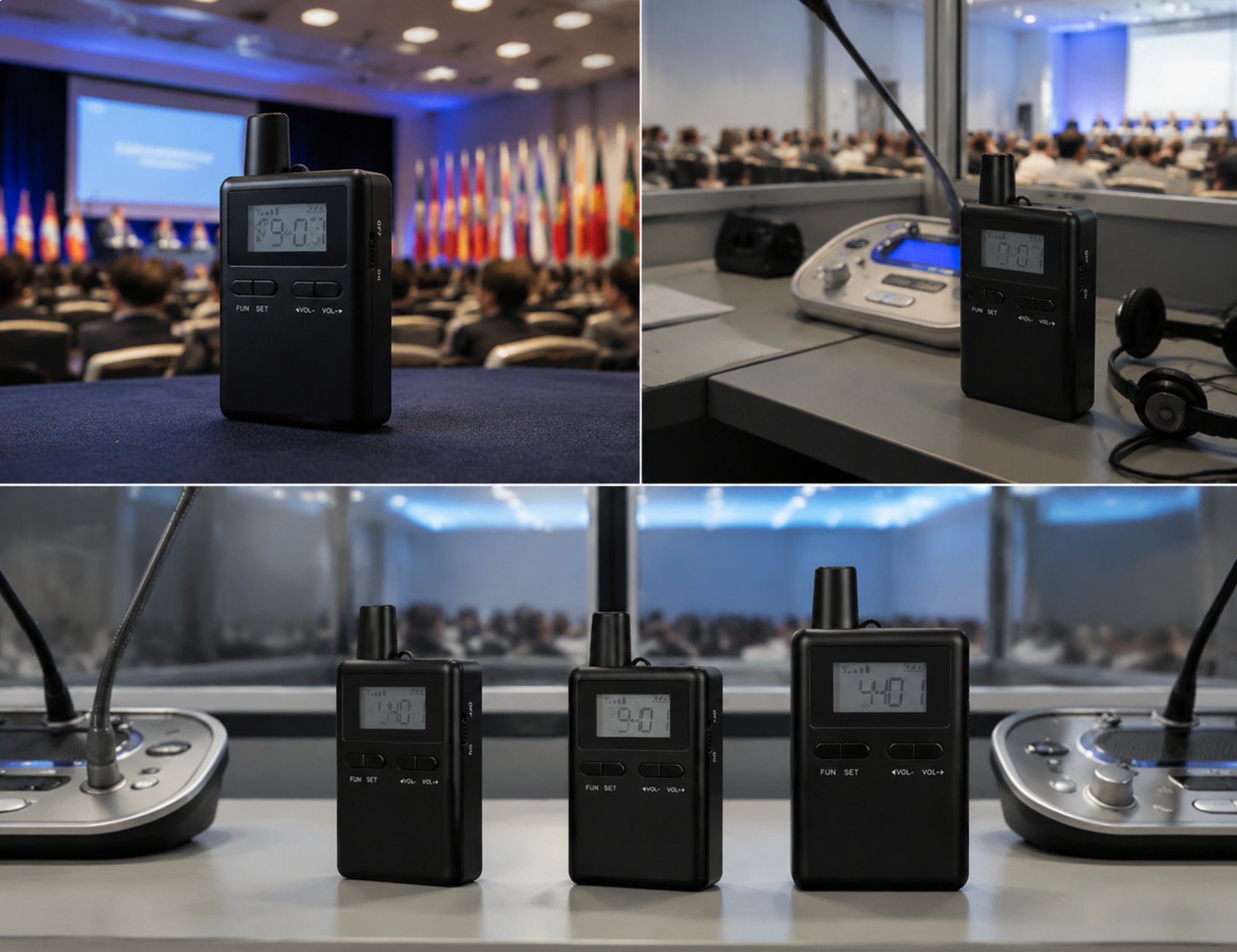
This is not simply a matter of buying more equipment. It is a matter of engineering compliance. Venues hosting multilingual events often run multiple wireless systems simultaneously: Wi-Fi networks, Bluetooth devices, microphone arrays, and interpretation transmitters. The 2.4 GHz band, in particular, is crowded. Without disciplined frequency management and hardware built to regulatory standards, a conference can descend into audible interference, frustrated delegates, and even legal non-compliance.
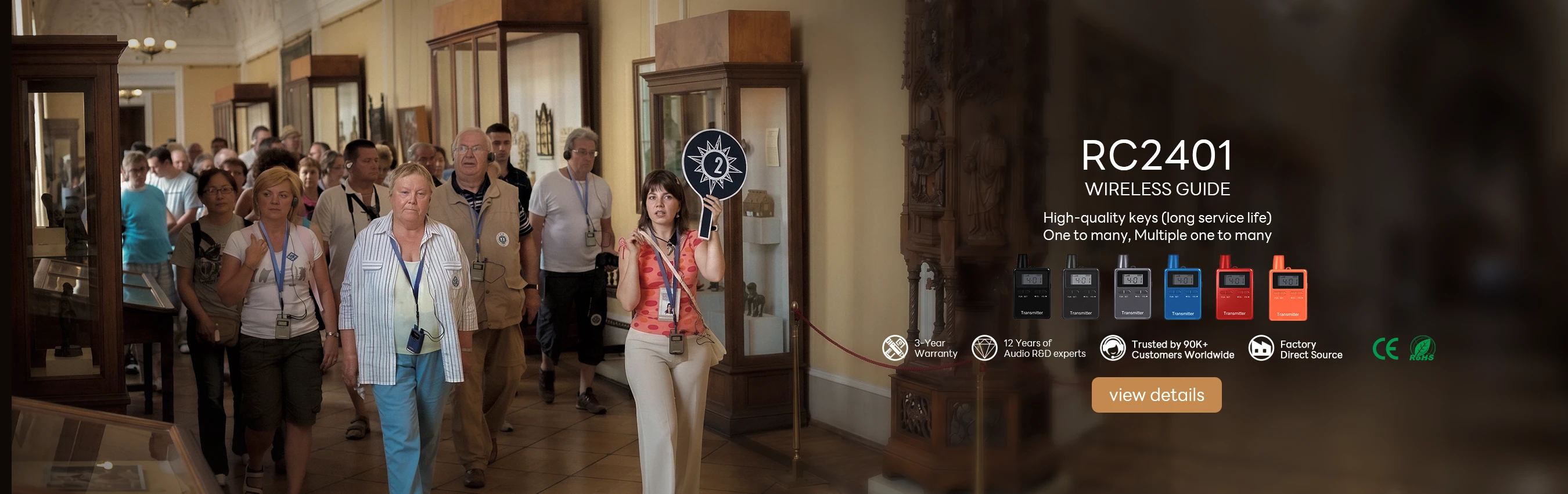
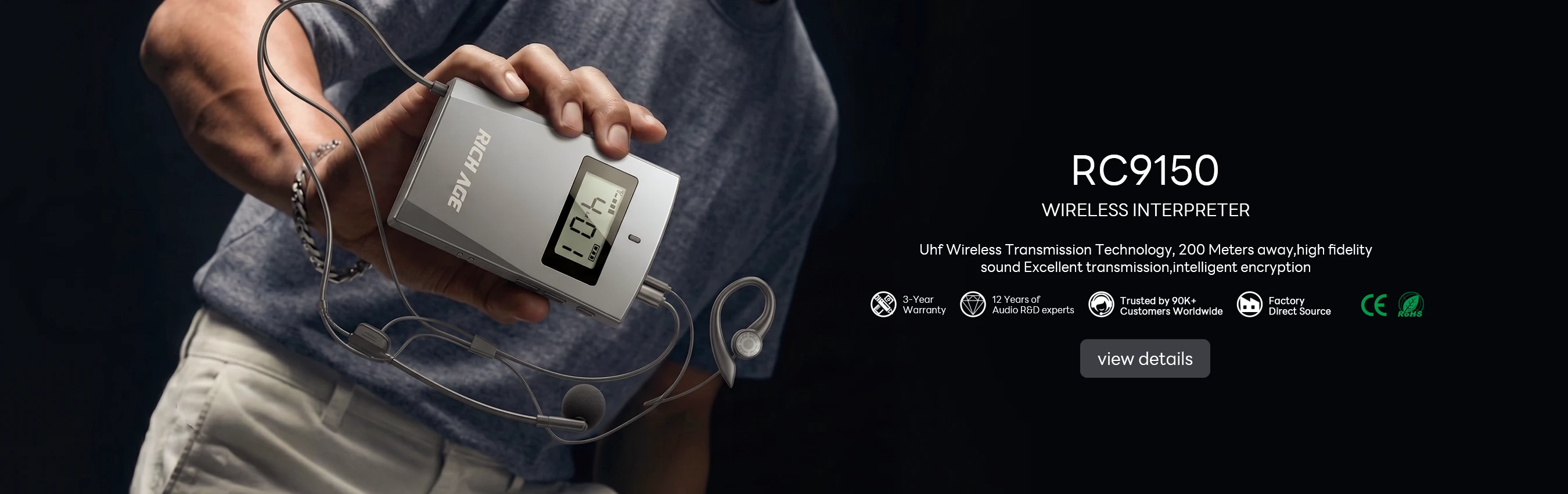
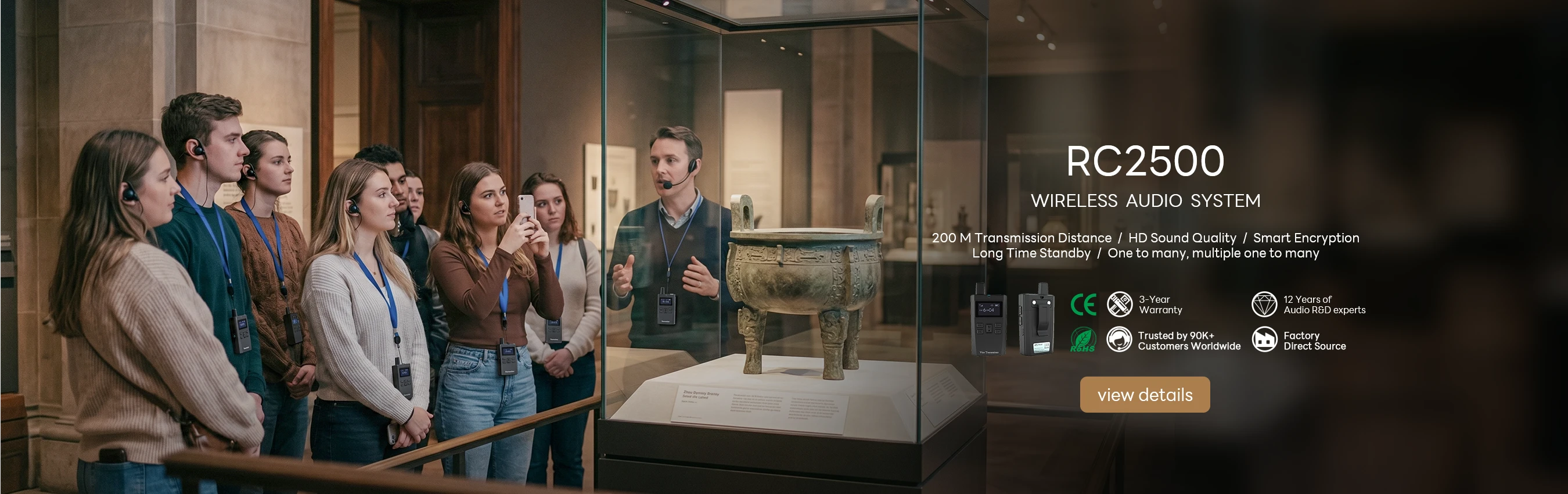
Richitek addresses these challenges with a trio of professional-grade systems: the RC2406 Wireless Audio Guide System, the RC2402 Wireless Audio Guide System, and the RC2500 Wireless Audio Guide System. Each serves a distinct role in the compliance ecosystem of multilingual conferencing.
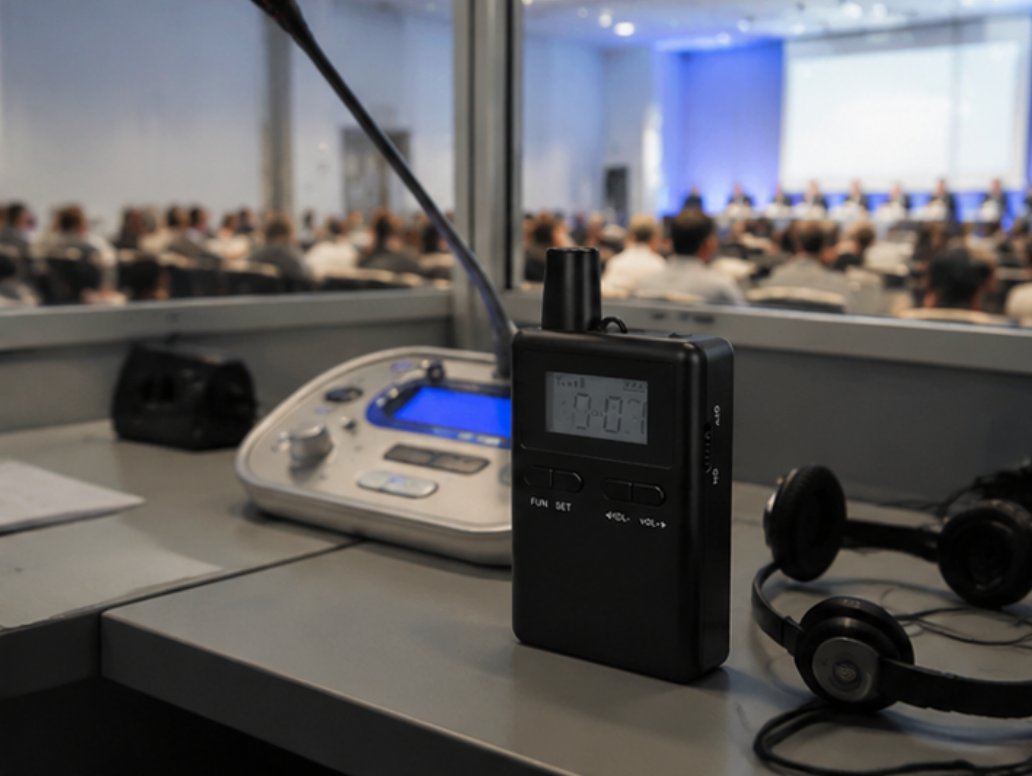
Regulatory Compliance: The Non-Negotiable Baseline
Every country imposes limits on radio frequency emissions. The European union enforces the RED (Radio Equipment Directive), the United States applies FCC Part 15 rules, and Canada requires IC (Industry Canada) certification. Devices that fail to meet these standards cannot be legally deployed — regardless of how well they perform acoustically.
The RC2406, RC2402, and RC2500 are designed with global compliance in mind. Their transmission power, spectral occupancy, and spurious emission levels are calibrated to operate within accepted limits across major jurisdictions. For conference organizers, this means the equipment can be deployed without the risk of disrupting licensed services such as aviation communications or emergency response channels.
Beyond emission limits, accessibility regulations play a growing role. Many jurisdictions now require assistive listening systems in public venues as part of disability accommodation laws. The RC2406 and its companions function as hearing assistance systems, delivering clear audio directly to user-worn receivers. This dual-purpose capability — simultaneous interpretation and assistive listening — positions the equipment as a compliance solution for both telecommunications law and accessibility mandates.
80 Channels and Interference Resilience: Technical Compliance Under Pressure
The most critical compliance challenge in multilingual conferences is not legal paperwork — it is physical spectrum management. A single conference room may host five, ten, or even twenty simultaneous language channels. Add to that the ambient Wi-Fi traffic from attendee devices, and the 2.4 GHz band becomes a battlefield.
The RC2406 operates in the 2.4 GHz band with 80 independent channels. This channel count is not an arbitrary specification; it is a direct response to the density of modern wireless environments. With 80 channels available, the system can allocate a dedicated frequency to each language group while leaving ample room for redundancy and re-assignment when interference is detected.
The interference resilience is achieved through frequency agility. The system continuously monitors the RF environment and can switch to cleaner channels without interrupting the audio stream. This is particularly important in venues where Wi-Fi channel hopping or Bluetooth frequency hopping creates transient interference spikes. The RC2406’s architecture minimizes the risk of a language channel dropping mid-sentence — a failure mode that is both disruptive and potentially non-compliant with service quality expectations.
Product Comparison: Matching the System to the Venue
Not every multilingual event is the same. A board meeting with six participants and three languages has different requirements than a United Nations-style plenary with 500 delegates and 12 simultaneous languages. Richitek’s three systems form a scalable compliance portfolio:
RC2406 — The flagship for large conferences. With 80 channels and robust 2.4 GHz operation, it handles dense multilingual environments where spectrum congestion is the primary risk. Its design prioritizes channel availability and interference rejection, making it suitable for plenary halls, convention centers, and international summits.
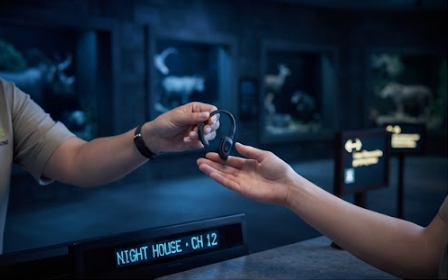
RC2402 — A compact, ear-hook style system optimized for small to medium meetings. It offers the same regulatory compliance pedigree as the RC2406 but in a lighter, more portable form factor. For breakout sessions, committee meetings, or legal proceedings with limited language counts, the RC2402 provides efficient deployment without excessive channel overhead.
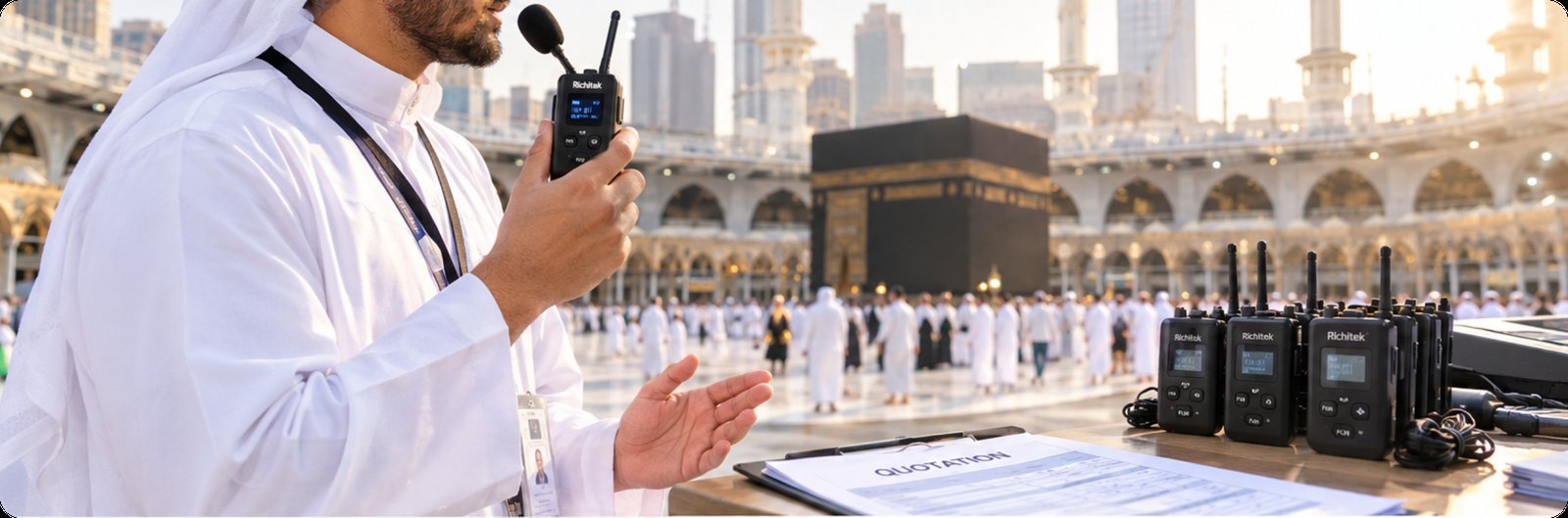
RC2500 — The high-power variant engineered for ultra-large venues such as stadiums, exhibition halls, or outdoor amphitheaters. When the interpretation zone spans a wide area, the RC2500’s increased transmission power ensures consistent coverage. Its power output remains within regulated limits, but it maximizes the permissible range to reach distant listeners.
Selecting the right system is a compliance decision. Over-specifying (using the RC2500 in a small room) can create unnecessary interference with other devices. Under-specifying (using the RC2402 in a 2,000-seat hall) may result in coverage gaps that violate service obligations. The correct match depends on venue size, participant count, and the number of language channels required.
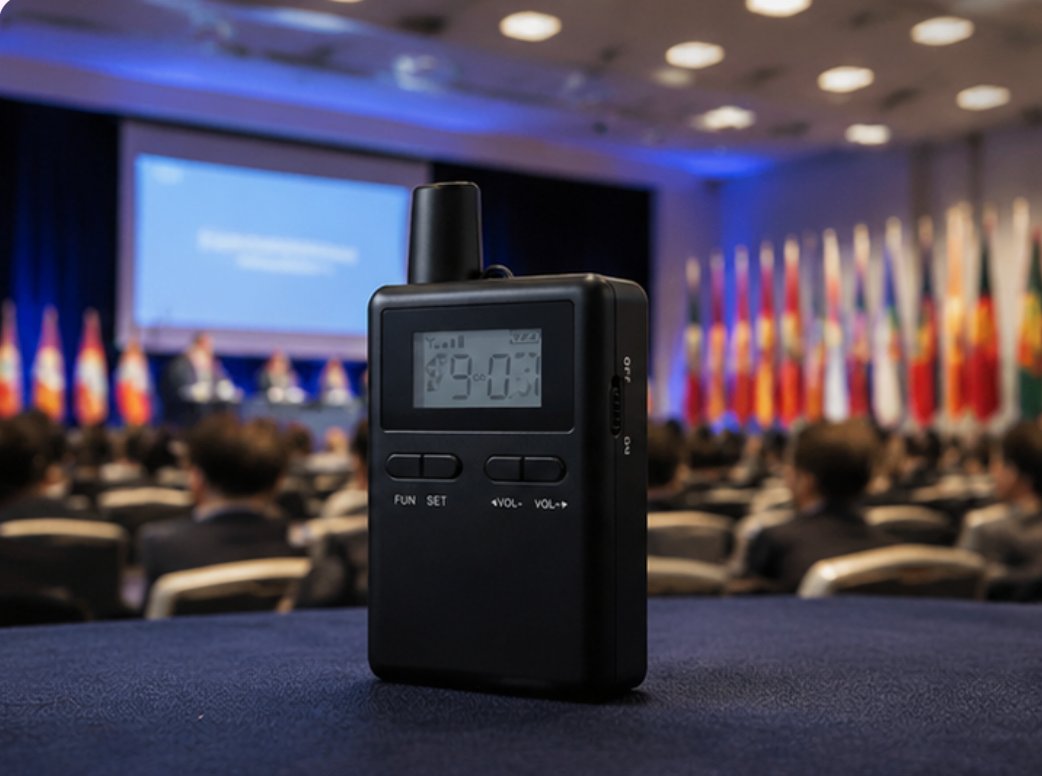
Implementation Roadmap: From Legal Check to Live Operation
Deploying a compliant multilingual interpretation system requires more than unboxing hardware. Follow this structured approach to ensure both regulatory adherence and operational reliability:
Step 1 — Verify Frequency Licensing
Before the event, contact the local telecommunications regulator (e.g., Ofcom in the UK, BNetzA in Germany, or the FCC in the US) to confirm whether the 2.4 GHz band requires a license for temporary event use. In most jurisdictions, 2.4 GHz is unlicensed, but power limits and duty cycle restrictions may apply. Document this verification for your records.
Step 2 — Conduct a Site Survey
Walk the venue with a spectrum analyzer. Identify existing Wi-Fi access points, Bluetooth beacons, and any legacy wireless microphones. Map the interference landscape. This data will inform which of the 80 channels on the RC2406 (or the available channels on the RC2402/RC2500) should be prioritized.
Step 3 — Pre-Event Signal Testing
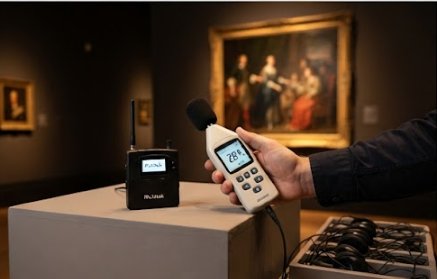
Deploy the equipment 24 hours before the event. Transmit test audio on all planned language channels. Walk the entire listening area with a receiver to confirm signal strength and audio clarity. Test for intermodulation distortion — a phenomenon where two frequencies combine to create a third, interfering signal. Adjust channel assignments until the spectrum is clean.
Step 4 — Multilingual Switching Management
During the event, interpreters may need to switch languages rapidly. The RC2406 supports switching between five or more languages within 60 seconds. Ensure your interpretation team is trained on the console interface. Assign a dedicated technician to monitor channel integrity throughout the session, ready to reassign frequencies if interference emerges.
Step 5 — Battery and Continuity Management
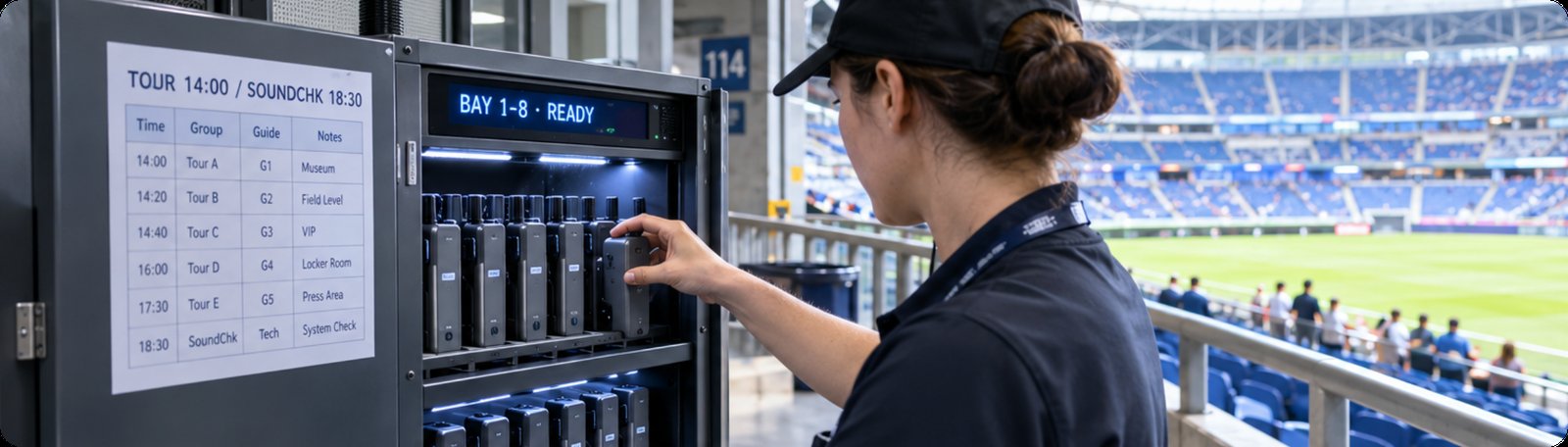
A conference session can run eight hours or more. The RC2406 and RC2402 receivers feature LCD battery indicators, allowing delegates and staff to monitor remaining power. For back-to-back sessions, use the fast-charging function during breaks. A battery failure mid-interpretation is not merely an inconvenience — it can be a compliance failure if it deprives participants of the required assistive listening service.
FAQ: Compliance in Practice
Q1: How do I verify local frequency regulations before an international event?
Contact the national spectrum authority in the host country. Provide them with the technical specifications of the RC2406, RC2402, or RC2500 (available from Richitek). Ask specifically about temporary event licenses, power output limits, and any restricted sub-bands within 2.4 GHz. Keep written confirmation of their response.
Q2: What pre-conference testing is essential?
Three tests are mandatory: (1) a spectrum sweep to identify existing interference sources, (2) a channel allocation test to confirm that all language channels operate simultaneously without cross-talk, and (3) a physical walk-through with receivers to verify coverage at every seat, including corners, balconies, and behind pillars.
Q3: How do I manage switching between multiple languages during a session?
Assign one dedicated operator to the transmitter console. The RC2406 allows the operator to select active channels, mute inactive ones, and switch languages within seconds. For panel discussions with rapid language changes, pre-program the sequence of expected languages to minimize switching latency.
Q4: Can the battery system support a full-day conference?
Yes, when managed correctly. The LCD displays remaining battery life on both transmitters and receivers. Use the fast-charge feature during lunch breaks and between sessions. For events exceeding 10 hours, maintain a rotation of spare receivers so that no unit is in continuous use without a charging opportunity.
Q5: What documentation should I retain for compliance audits?
Keep the following: (1) regulatory approval certificates for the equipment (FCC/CE/IC), (2) the frequency coordination plan from your site survey, (3) confirmation from the local regulator regarding temporary use, and (4) a log of channel assignments and any mid-event changes. This documentation demonstrates due diligence if questioned by authorities.
💡 The Compliance Advantage of Professional-Grade Equipment
Multilingual conferences are high-stakes environments. A dropped signal during a diplomatic negotiation, a cross-talk incident during a medical presentation, or a regulatory fine for unlicensed transmission can tarnish an organizer’s reputation. The RC2406, RC2402, and RC2500 are engineered to mitigate these risks through disciplined channel management, regulatory-compliant transmission, and robust interference rejection.
The 80-channel capacity of the RC2406 is not a marketing gimmick — it is a compliance tool. It provides the spectral headroom necessary to operate in dense urban venues, convention centers with competing wireless systems, and international events where multiple interpretation teams share the same airspace. The RC2402 extends this capability to smaller settings, while the RC2500 pushes the range boundary for cavernous venues.
When planning your next multilingual conference, treat compliance as a technical specification, not an afterthought. Verify the regulatory landscape, deploy the right equipment from the Richitek Tour Guide System family, and implement a rigorous testing protocol. The result is an event where delegates hear every word in their own language — clearly, continuously, and legally.