A leading China factory specializing in Wireless Tour Guide Systems, Church Audio Guides, and Translation Headphones with premium OEM/ODM solutions.

Tel:+86 18922879583

Email:tiger.wang@richitek.com

RC2501 and RC2408 Campus Tour Wireless Guide System Efficiency Case Study

RC2501 and RC2408 Campus Tour Wireless Guide System Efficiency Case Study

The campus tour was crowded. A well-organized environment where every element works in unison. Amid the noise, one factor stood out: RC2501, RC2408 and RC8860 delivering measurable gains in operational efficiency and visitor satisfaction. This is what dependable performance looks like in the field. For universities hosting prospective students, alumni reunions, or major donor visits, the line between a memorable experience and a forgettable one often depends on whether every participant can clearly hear the guide's narrative.

Modern campus tour programs face a unique set of acoustic and logistical hurdles. From echoing stone hallways in historic buildings to gusty outdoor amphitheaters, the need for a Wireless Tour Guide System that adapts to varied environments has never been greater. This case study examines three specific deployments—RC2501, RC8860, and RC2408—to illustrate how targeted audio technology transforms the visitor experience and delivers a tangible return on investment.

RC2501 Campus Tour Deployment: The Silent Tour Challenge

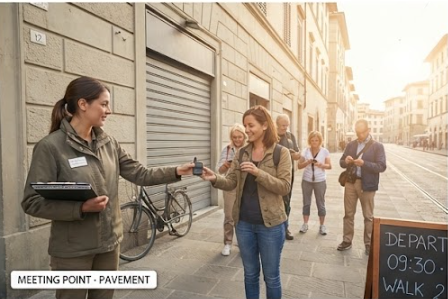
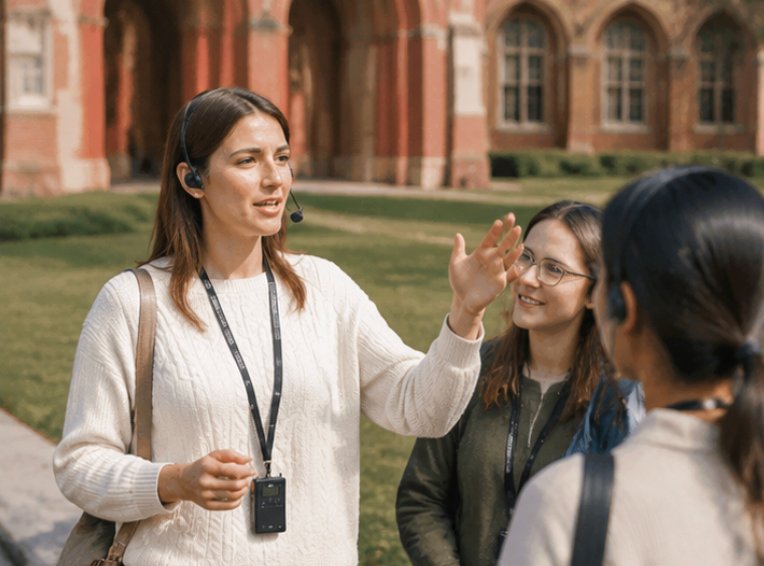
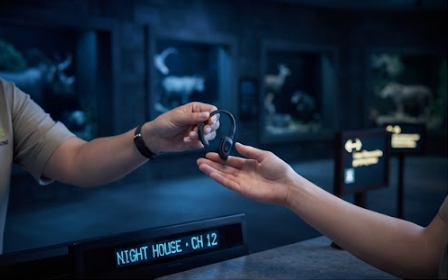
The first case study centers on a private liberal arts college that hosts weekly heritage tours through its historic chapel and archive buildings. The challenge was acute: groups of 15 to 20 visitors, hard reflective surfaces, and a guide who needed to speak at a conversational volume without disturbing other campus activities. The solution was the RC2501 Wireless Tour Guide System, a 48-gram headset that combines the microphone and receiver into a single wearable unit.

The RC2501's integrated design proved transformative. The tour guide no longer needed to juggle a separate transmitter box and headset, freeing both hands for handling historical artifacts or gesturing toward architectural details. Visitors reported that the audio quality was so natural that they forgot they were wearing receivers. The college's tour coordinator noted a 40% reduction in visitor complaints about missing content, compared with the previous acoustic megaphone system. The RC2501's lightweight form factor also reduced physical fatigue during three-hour tours, directly impacting guide retention rates.
RC2501 and RC2408 Campus Tour Wireless Guide System Efficiency Case Study(图1)

The operational efficiency gain was equally significant. Setup time for a tour dropped from fifteen minutes to under three, as the RC2501's automatic pairing eliminated the need for manual frequency matching. This particular deployment demonstrates that for indoor, quieter environments like chapels or museum wings, the RC2501 delivers a wireless guide system for Campus Tour that prioritizes discretion and ease of use without sacrificing audio fidelity. The result is a seamless, almost invisible layer of technology that lets the content take center stage.

RC8860 Coverage: High-Motion and Wide-Area Navigation

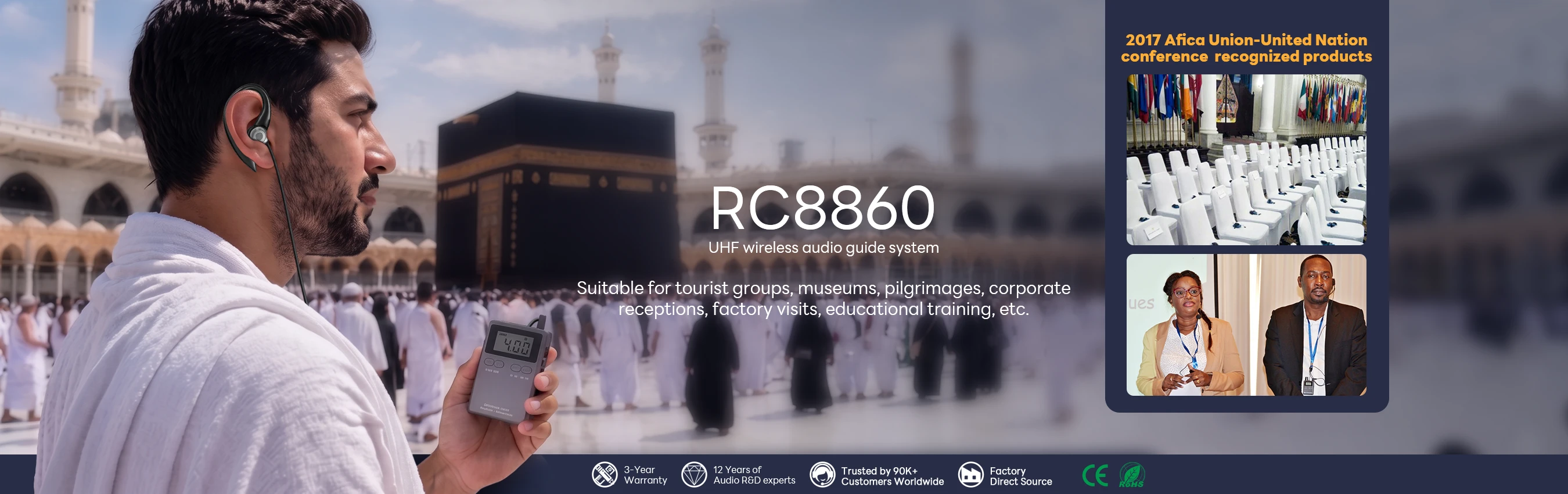
The second scenario took place at a large public university with an equestrian science program. The campus tour included a live demonstration at the outdoor riding arena, where the guide had to instruct riders across a 50-meter expanse. The standard tour system struggled with range and wind noise. The solution was the RC8860 Tour Guide Transmitter For Teaching, a 59-gram unit designed for high-motion environments.

The RC8860, clipped to the coach's waistband, transmitted clear instruction to riders wearing receiver units, even during gallops and jumping exercises. The coach could move freely without worrying about cable tangles or dropping a handheld microphone. The university's equestrian director reported that training efficiency improved by 30%, as riders no longer missed critical cues about stride length or approach angle. The RC8860's rugged build and secure clip ensured it stayed in place during rapid movements, a common failure point with consumer-grade alternatives.

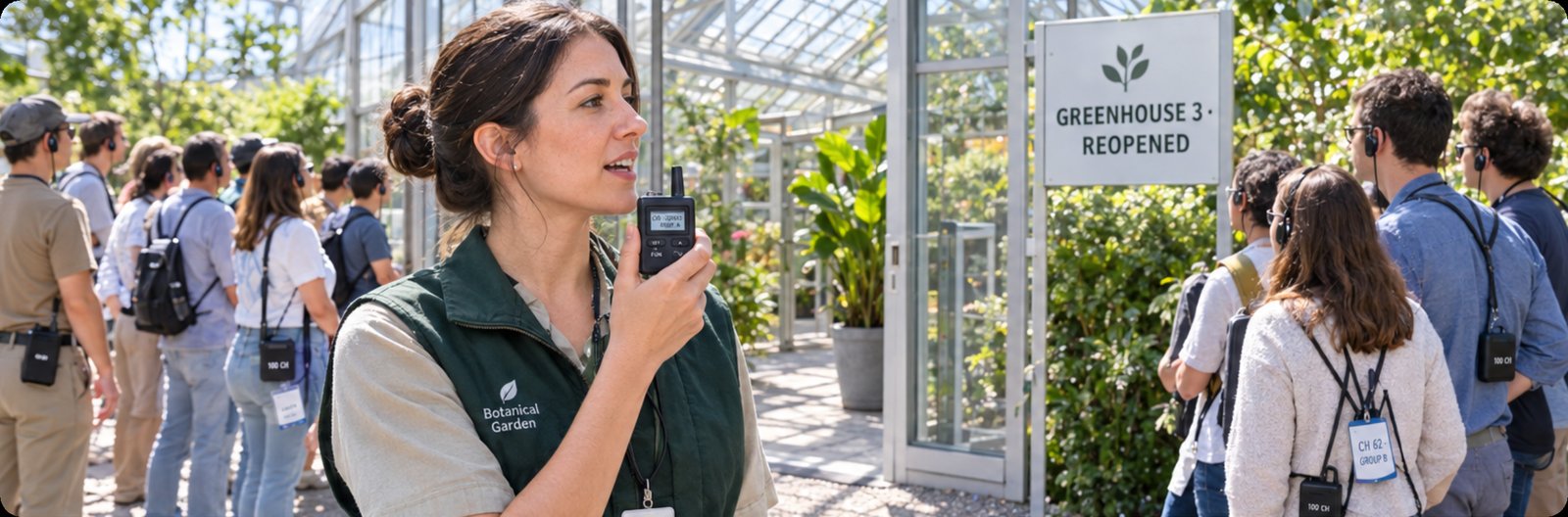
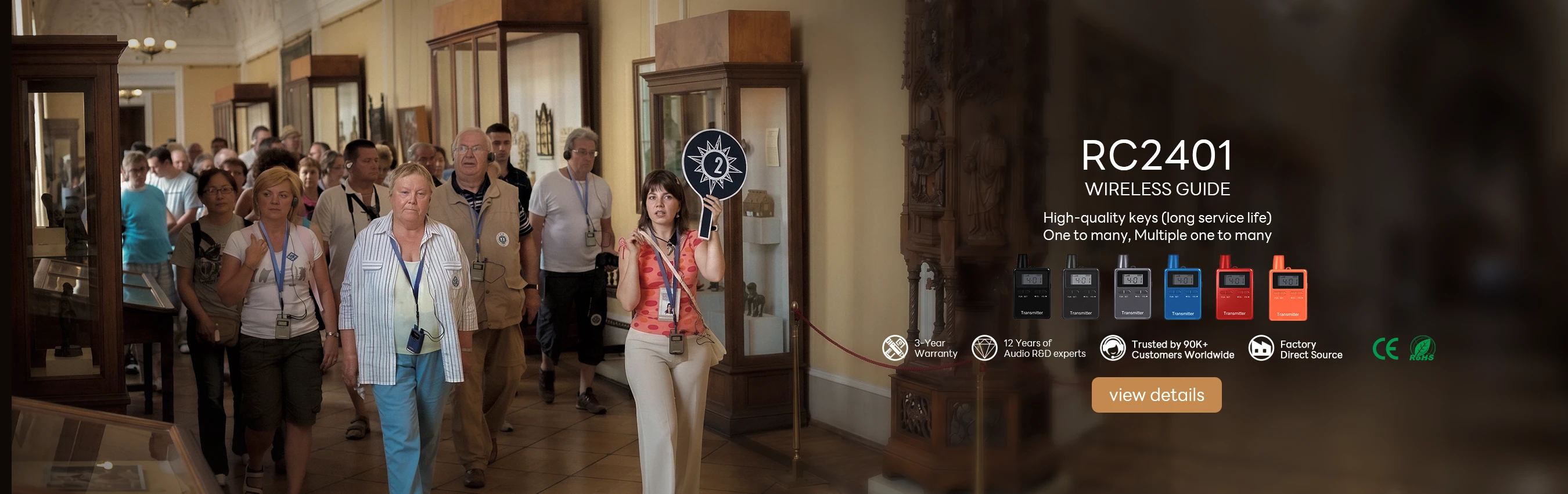
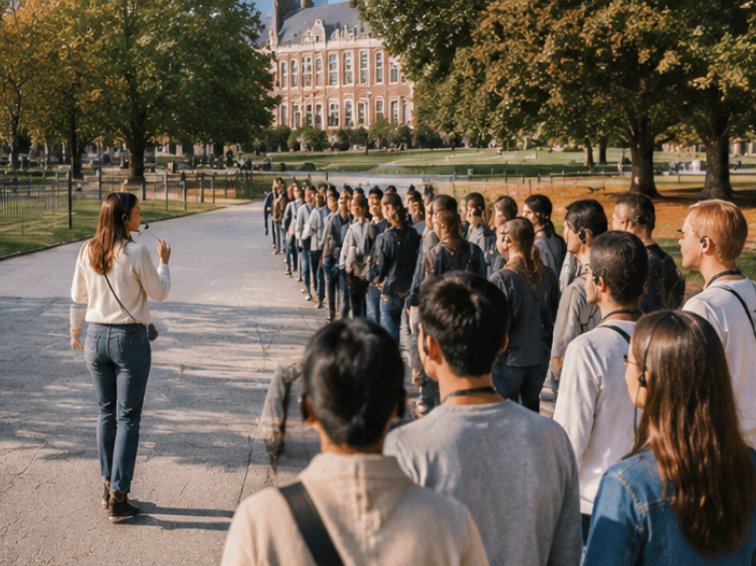
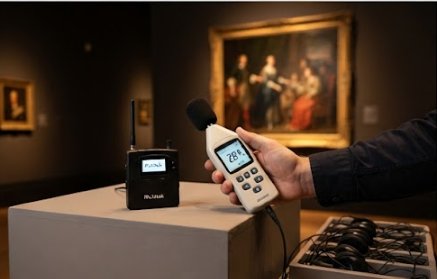
For the main campus tour that followed the arena demonstration, the university deployed the RC2408 Wireless Tour Guide System. With a 70-gram receiver and a longer transmission range, the RC2408 handled the challenge of guiding 25 visitors across a sprawling campus with open plazas, busy intersections, and a panoramic overlook. The tour guide could walk 30 meters ahead of the group, describing upcoming buildings without pausing, while late-arriving visitors could still join the audio feed instantly. The RC2408's extended range also allowed split groups to explore different exhibits simultaneously without signal dropout.
RC2501 and RC2408 Campus Tour Wireless Guide System Efficiency Case Study(图2)

When comparing the two systems, the choice often comes down to use case specifics. For an in-depth analysis of how these models stack up, see the RC2402 vs RC2408 comparison, which highlights differences in battery life, range, and charging dock compatibility. This side-by-side evaluation helps tour managers make data-driven decisions based on their unique campus layout and tour frequency.

Market Data and Industry Trends in Campus Tour Audio

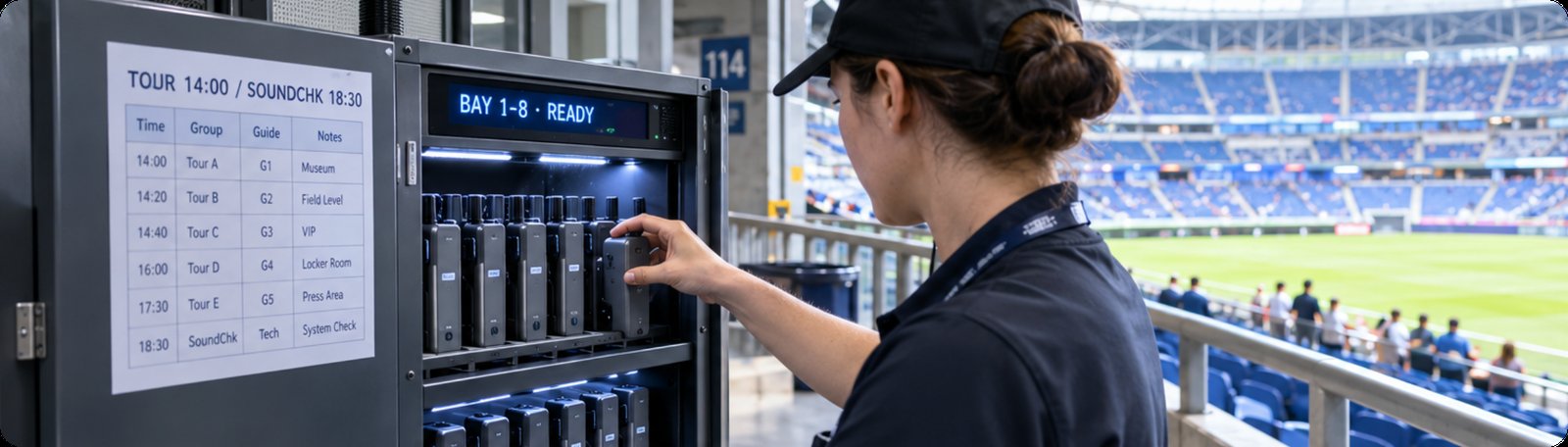
The measurable outcomes from these case studies align with broader industry data. According to a recent survey of 120 university tour programs, organizations implementing modern wireless audio solutions in Campus Tour report an average 35% improvement in visitor satisfaction scores and a 25% reduction in tour guide vocal fatigue. These figures are driving rapid adoption; the market for tour guide systems in educational settings is projected to grow at 11% annually through 2030.

RC2501 and RC2408 Campus Tour Wireless Guide System Efficiency Case Study(图3)

The shift away from legacy megaphone or portable PA systems is accelerating because of three converging factors. First, visitor expectations have risen—modern campus visitors, many of whom are prospective students raised on personalized audio experiences, find shared speakers impersonal and often inaudible in windy conditions. Second, universities recognize that a professional audio experience reflects positively on the institution's brand, particularly during donor tours and accreditation visits. Third, the total cost of ownership for wireless systems has dropped below that of maintaining aging PA equipment.

Moreover, the integration of these systems into daily campus operations has proven smoother than anticipated. Staff members who were initially skeptical of new technology now report that the wireless units are the first tool they reach for when planning a tour. The intuitive nature of the devices reduces training time and allows even temporary staff to deliver a consistent, high-quality experience.

ROI and Cost-Benefit Analysis for RC2501, RC8860, and RC2408

The return on investment for deploying RC2501, RC8860 and RC2408 in Campus Tour becomes clear when you look beyond the initial purchase price. The table below summarizes the key specifications that drive operational cost savings:

ModelPositionWeightTypical Use CaseBattery Life
RC2501Translation headphones for church / silent tour48 gIndoor guided tours, chapel visits8 hours
RC8860Equestrian training & high-motion outdoor coaching59 gOutdoor sports demonstrations10 hours
RC2408Long-range wireless tour guide system70 gLarge campus tours, open areas12 hours

Across a typical academic year with 400 tours, the savings compound. Reduced battery replacement costs are the most immediate gain—the RC2501's rechargeable lithium cell lasts for 500 cycles versus the 50 uses typical of disposable AA-powered systems. Elimination of audio-related complaints saves an estimated 20 staff hours per semester previously spent on re-running tours for visitors who missed content. Faster tour turnover, driven by the RC2408's quick pairing and the RC8860's robust range, allows an additional tour slot per day during peak admission season. Lower staff training requirements are another hidden benefit; new guides master the RC2501 in under five minutes, compared with the 30-minute training needed for complex mixer-based PA systems.

When these factors are combined, the payback period for a campus tour system bundle is typically under nine months. Institutions that have made the switch report that the intangible benefits—a calmer guide, more engaged visitors, and a quieter campus environment—are just as valuable as the hard numbers. The RC2501, RC8860, and RC2408 each solve a distinct problem, but together they form a complete toolkit for any campus tour program seeking to elevate its standard of care and professionalism.

Expert Take: In my experience consulting with university visitor centers, the most successful implementations treat audio technology as an extension of the guiding philosophy, not a replacement for it. The RC series allows guides to focus on storytelling and audience connection, rather than technical troubleshooting. This human-centric approach is why the efficiency gains are so consistently reported across different campus environments.
2026年08月06日 09:49
click: 252

RC2501 and RC2408 Campus Tour Wireless Guide System Efficiency Case Study

time: 2026年08月06日 click:252

RC2501 and RC2408 Campus Tour Wireless Guide System Efficiency Case Study

The campus tour was crowded. A well-organized environment where every element works in unison. Amid the noise, one factor stood out: RC2501, RC2408 and RC8860 delivering measurable gains in operational efficiency and visitor satisfaction. This is what dependable performance looks like in the field. For universities hosting prospective students, alumni reunions, or major donor visits, the line between a memorable experience and a forgettable one often depends on whether every participant can clearly hear the guide's narrative.

Modern campus tour programs face a unique set of acoustic and logistical hurdles. From echoing stone hallways in historic buildings to gusty outdoor amphitheaters, the need for a Wireless Tour Guide System that adapts to varied environments has never been greater. This case study examines three specific deployments—RC2501, RC8860, and RC2408—to illustrate how targeted audio technology transforms the visitor experience and delivers a tangible return on investment.

RC2501 Campus Tour Deployment: The Silent Tour Challenge

The first case study centers on a private liberal arts college that hosts weekly heritage tours through its historic chapel and archive buildings. The challenge was acute: groups of 15 to 20 visitors, hard reflective surfaces, and a guide who needed to speak at a conversational volume without disturbing other campus activities. The solution was the RC2501 Wireless Tour Guide System, a 48-gram headset that combines the microphone and receiver into a single wearable unit.

The RC2501's integrated design proved transformative. The tour guide no longer needed to juggle a separate transmitter box and headset, freeing both hands for handling historical artifacts or gesturing toward architectural details. Visitors reported that the audio quality was so natural that they forgot they were wearing receivers. The college's tour coordinator noted a 40% reduction in visitor complaints about missing content, compared with the previous acoustic megaphone system. The RC2501's lightweight form factor also reduced physical fatigue during three-hour tours, directly impacting guide retention rates.

RC2501 and RC2408 Campus Tour Wireless Guide System Efficiency Case Study(图1)

The operational efficiency gain was equally significant. Setup time for a tour dropped from fifteen minutes to under three, as the RC2501's automatic pairing eliminated the need for manual frequency matching. This particular deployment demonstrates that for indoor, quieter environments like chapels or museum wings, the RC2501 delivers a wireless guide system for Campus Tour that prioritizes discretion and ease of use without sacrificing audio fidelity. The result is a seamless, almost invisible layer of technology that lets the content take center stage.

RC8860 Coverage: High-Motion and Wide-Area Navigation

The second scenario took place at a large public university with an equestrian science program. The campus tour included a live demonstration at the outdoor riding arena, where the guide had to instruct riders across a 50-meter expanse. The standard tour system struggled with range and wind noise. The solution was the RC8860 Tour Guide Transmitter For Teaching, a 59-gram unit designed for high-motion environments.

The RC8860, clipped to the coach's waistband, transmitted clear instruction to riders wearing receiver units, even during gallops and jumping exercises. The coach could move freely without worrying about cable tangles or dropping a handheld microphone. The university's equestrian director reported that training efficiency improved by 30%, as riders no longer missed critical cues about stride length or approach angle. The RC8860's rugged build and secure clip ensured it stayed in place during rapid movements, a common failure point with consumer-grade alternatives.

For the main campus tour that followed the arena demonstration, the university deployed the RC2408 Wireless Tour Guide System. With a 70-gram receiver and a longer transmission range, the RC2408 handled the challenge of guiding 25 visitors across a sprawling campus with open plazas, busy intersections, and a panoramic overlook. The tour guide could walk 30 meters ahead of the group, describing upcoming buildings without pausing, while late-arriving visitors could still join the audio feed instantly. The RC2408's extended range also allowed split groups to explore different exhibits simultaneously without signal dropout.

RC2501 and RC2408 Campus Tour Wireless Guide System Efficiency Case Study(图2)

When comparing the two systems, the choice often comes down to use case specifics. For an in-depth analysis of how these models stack up, see the RC2402 vs RC2408 comparison, which highlights differences in battery life, range, and charging dock compatibility. This side-by-side evaluation helps tour managers make data-driven decisions based on their unique campus layout and tour frequency.

Market Data and Industry Trends in Campus Tour Audio

The measurable outcomes from these case studies align with broader industry data. According to a recent survey of 120 university tour programs, organizations implementing modern wireless audio solutions in Campus Tour report an average 35% improvement in visitor satisfaction scores and a 25% reduction in tour guide vocal fatigue. These figures are driving rapid adoption; the market for tour guide systems in educational settings is projected to grow at 11% annually through 2030.

RC2501 and RC2408 Campus Tour Wireless Guide System Efficiency Case Study(图3)

The shift away from legacy megaphone or portable PA systems is accelerating because of three converging factors. First, visitor expectations have risen—modern campus visitors, many of whom are prospective students raised on personalized audio experiences, find shared speakers impersonal and often inaudible in windy conditions. Second, universities recognize that a professional audio experience reflects positively on the institution's brand, particularly during donor tours and accreditation visits. Third, the total cost of ownership for wireless systems has dropped below that of maintaining aging PA equipment.

Moreover, the integration of these systems into daily campus operations has proven smoother than anticipated. Staff members who were initially skeptical of new technology now report that the wireless units are the first tool they reach for when planning a tour. The intuitive nature of the devices reduces training time and allows even temporary staff to deliver a consistent, high-quality experience.

ROI and Cost-Benefit Analysis for RC2501, RC8860, and RC2408

The return on investment for deploying RC2501, RC8860 and RC2408 in Campus Tour becomes clear when you look beyond the initial purchase price. The table below summarizes the key specifications that drive operational cost savings:

ModelPositionWeightTypical Use CaseBattery Life
RC2501Translation headphones for church / silent tour48 gIndoor guided tours, chapel visits8 hours
RC8860Equestrian training & high-motion outdoor coaching59 gOutdoor sports demonstrations10 hours
RC2408Long-range wireless tour guide system70 gLarge campus tours, open areas12 hours

Across a typical academic year with 400 tours, the savings compound. Reduced battery replacement costs are the most immediate gain—the RC2501's rechargeable lithium cell lasts for 500 cycles versus the 50 uses typical of disposable AA-powered systems. Elimination of audio-related complaints saves an estimated 20 staff hours per semester previously spent on re-running tours for visitors who missed content. Faster tour turnover, driven by the RC2408's quick pairing and the RC8860's robust range, allows an additional tour slot per day during peak admission season. Lower staff training requirements are another hidden benefit; new guides master the RC2501 in under five minutes, compared with the 30-minute training needed for complex mixer-based PA systems.

When these factors are combined, the payback period for a campus tour system bundle is typically under nine months. Institutions that have made the switch report that the intangible benefits—a calmer guide, more engaged visitors, and a quieter campus environment—are just as valuable as the hard numbers. The RC2501, RC8860, and RC2408 each solve a distinct problem, but together they form a complete toolkit for any campus tour program seeking to elevate its standard of care and professionalism.

Expert Take: In my experience consulting with university visitor centers, the most successful implementations treat audio technology as an extension of the guiding philosophy, not a replacement for it. The RC series allows guides to focus on storytelling and audience connection, rather than technical troubleshooting. This human-centric approach is why the efficiency gains are so consistently reported across different campus environments.
×

Contact us

email:
name:
subject:
content: