.webp)

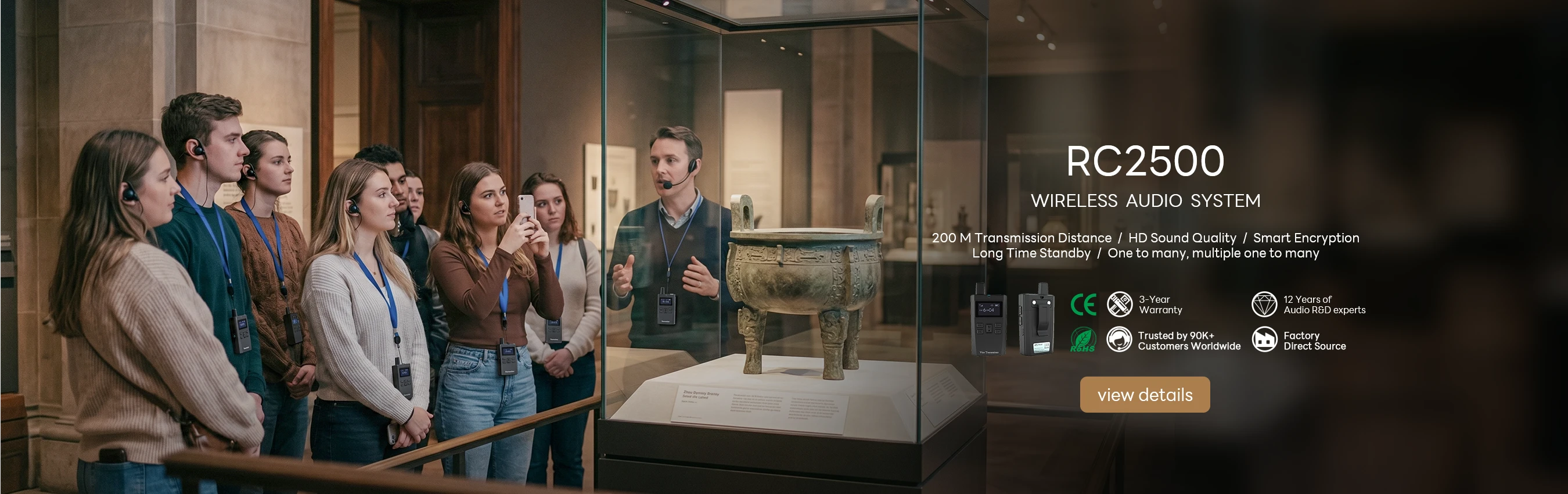
In the realm of modern tourism, where seamless communication and immersive experiences are increasingly valued, the advent of wireless guide systems has revolutionized how travelers engage with their surroundings. These innovative devices offer a plethora of advantages from multiple perspectives, fundamentally altering the landscape of travel.

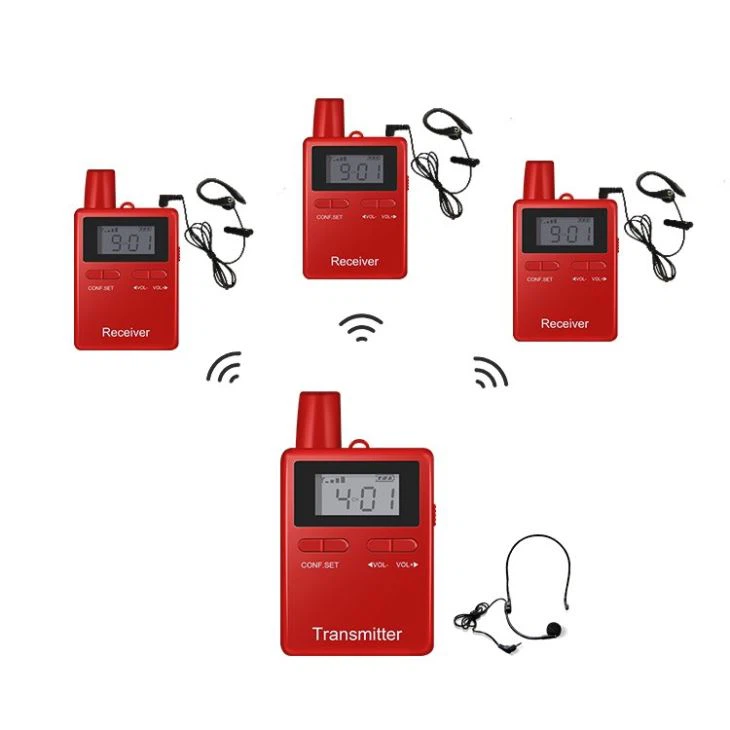
Enhancing Tourist Experience
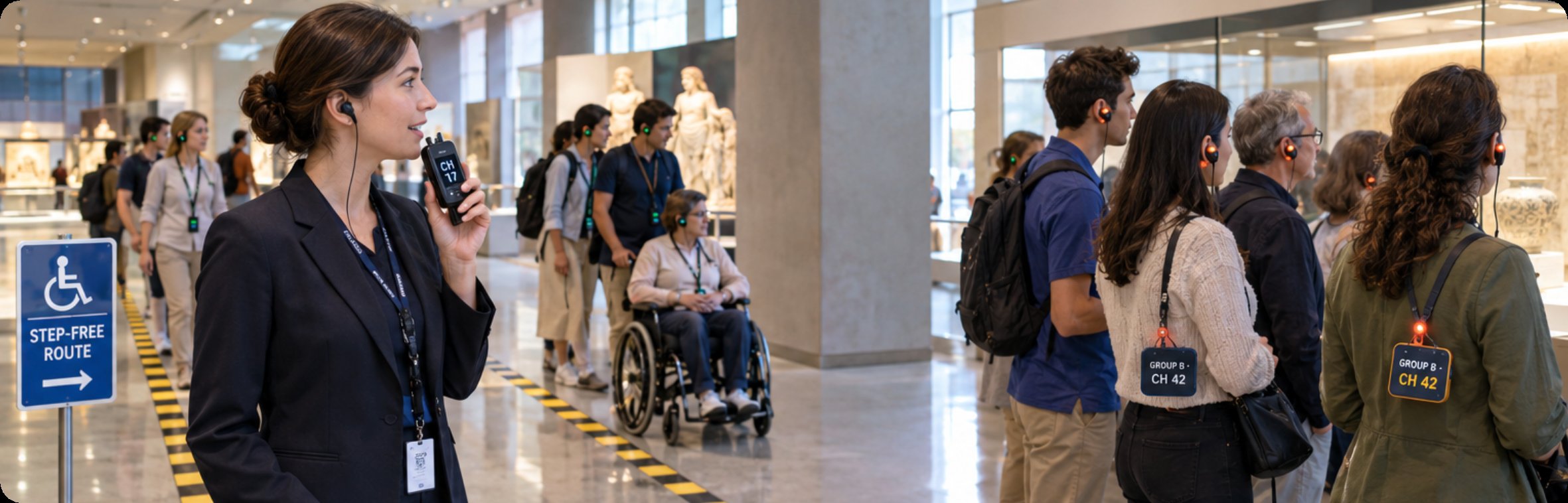
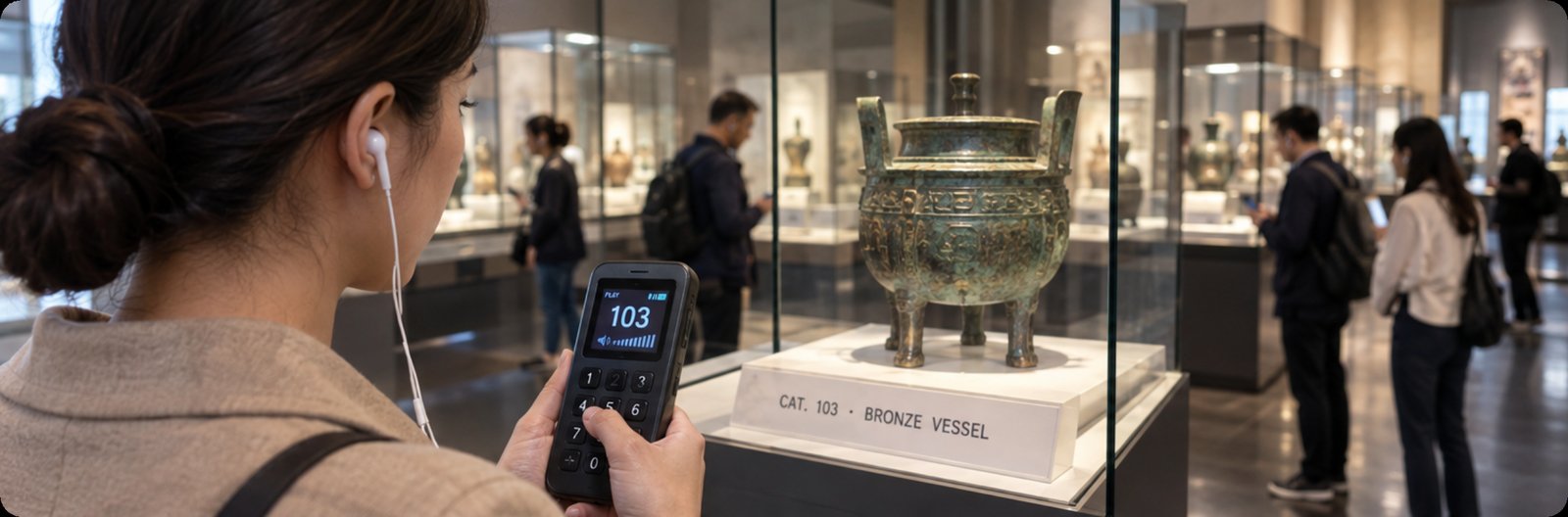
The primary advantage of wireless guide systems lies in their ability to enhance the tourist experience manifold. Unlike traditional guided tours where participants may struggle to hear the guide over ambient noise or miss crucial information, these systems provide crystal-clear audio directly to each participant. This ensures that every detail of the tour, from historical anecdotes to architectural insights, is delivered clearly and comprehensively. As a result, tourists can fully immerse themselves in the tour without straining to catch every word.
Flexibility and Personalization
Another significant advantage is the flexibility and personalization that wireless guide systems afford. Tourists can choose their preferred language from a variety of options, making tours accessible to a global audience. Moreover, these systems often allow users to adjust the volume to their comfort level, ensuring a pleasant auditory experience for everyone. Tourists can explore attractions at their own pace while still receiving informative commentary, thus catering to both the curious explorer and the meticulous learner.

Accessibility and Inclusivity
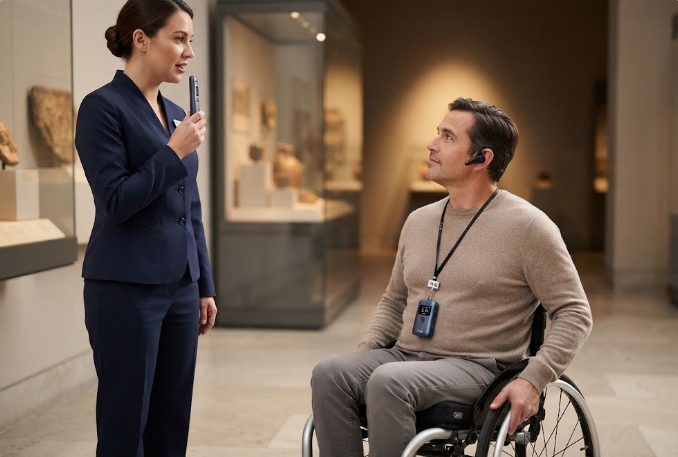
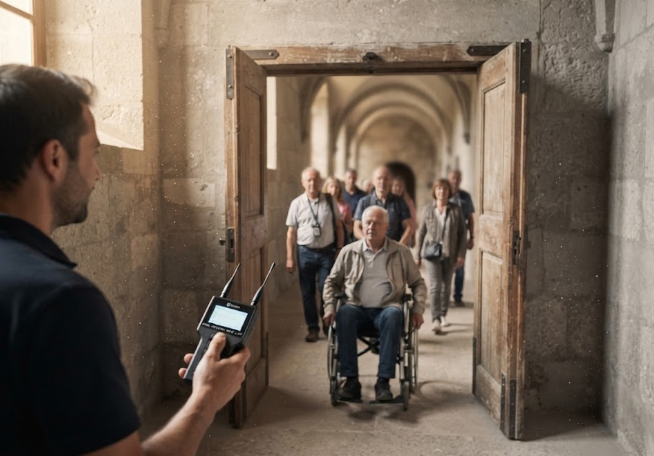
Wireless guide systems also promote accessibility and inclusivity in tourism. They cater to individuals with hearing impairments by offering compatibility with hearing aids or providing visual aids alongside audio guides. This inclusivity ensures that all tourists, regardless of their abilities, can fully participate in and enjoy the tour experience. Moreover, the systems accommodate large groups without compromising the quality of the tour, making them ideal for educational tours, corporate outings, and family vacations alike.
Efficiency and Conservation
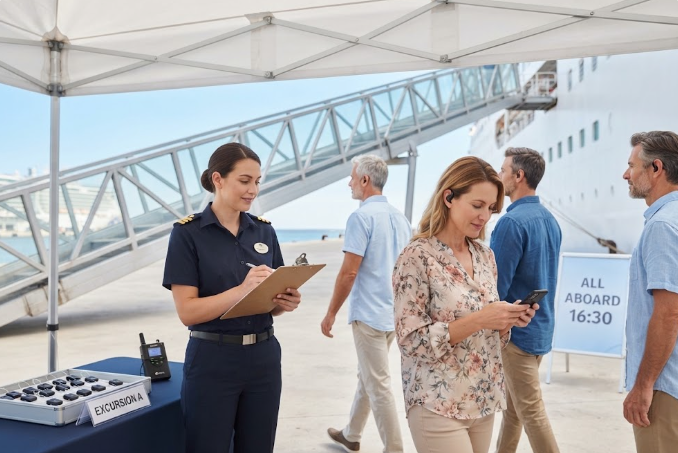
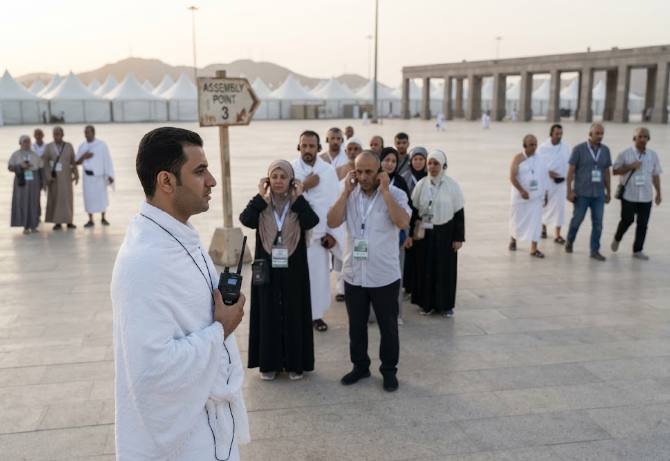
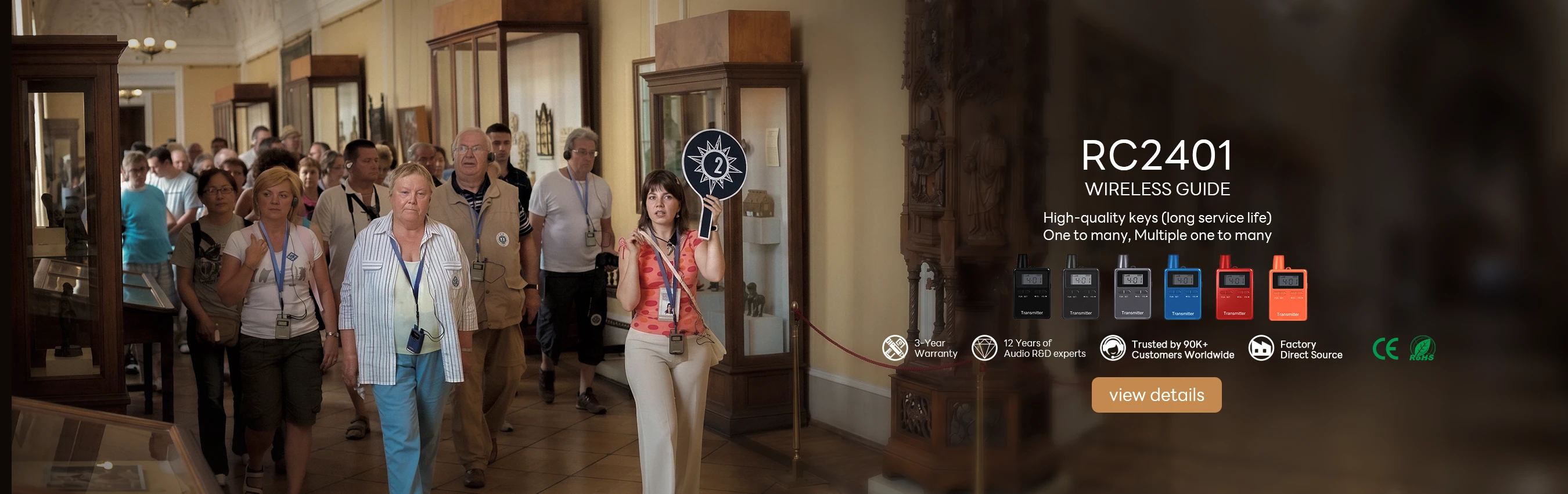
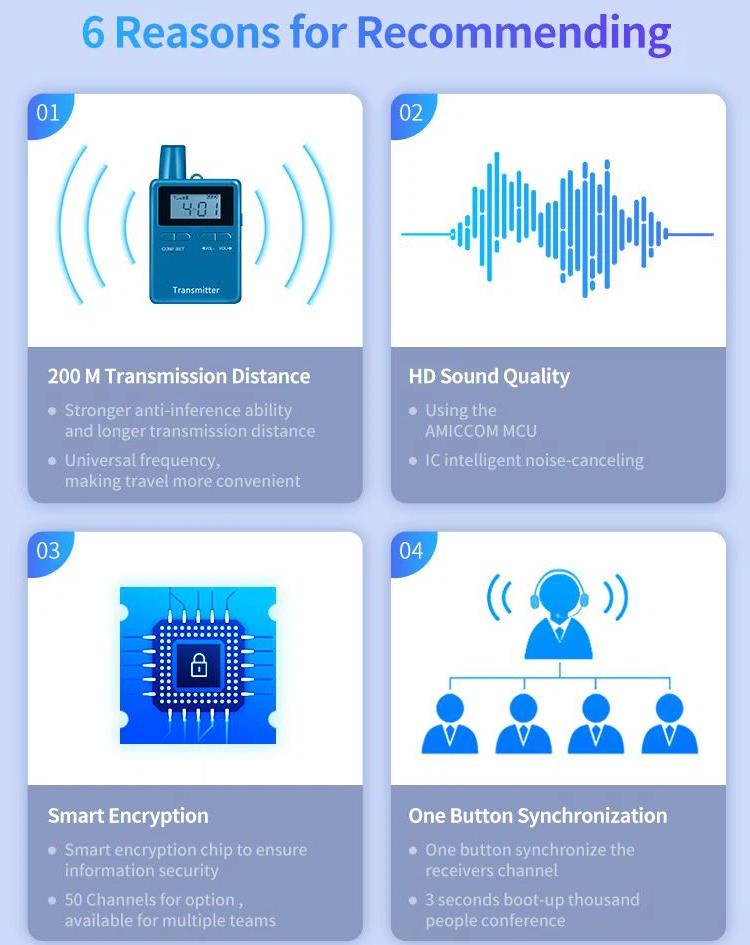
From an operational standpoint, wireless guide systems streamline tour logistics and contribute to environmental conservation. Tour guides can manage larger groups efficiently, reducing the need for loudspeakers or repetitive explanations. This not only enhances the flow of the tour but also minimizes disruptions to the local environment and other tourists. Furthermore, by eliminating the use of paper maps or brochures, these systems contribute to sustainable tourism practices, reducing paper waste and promoting eco-friendly travel initiatives.

Future Directions and Integration
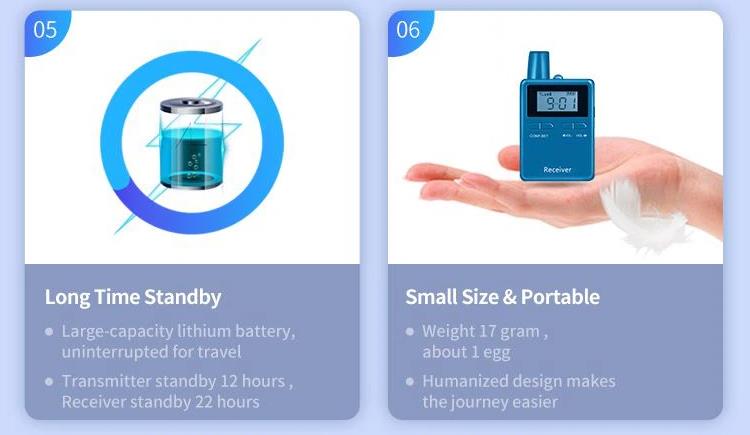
Looking ahead, the integration of wireless guide systems with emerging technologies holds promise for further transforming the tourism industry. Augmented reality (AR) features could provide real-time visual overlays, enriching the tour experience with interactive elements and historical reconstructions. Additionally, advancements in connectivity and device design may lead to even more compact, user-friendly systems that offer seamless integration with smartphones and wearable technology.

The adoption of wireless guide systems represents a pivotal shift in how tourism experiences are crafted and consumed. By enhancing communication clarity, supporting personalization, and fostering inclusivity, these systems empower tourists to engage more deeply with destinations around the world. As technology continues to evolve, so too will the ways in which we explore and appreciate the cultural and historical richness of our global heritage.