.webp)
The first sign of trouble wasn’t the weather, the traffic, or the narrow cobblestone streets of an Italian hilltop town. It was the tangled mess of wires at the back of the coach. For a European tour operator running a 10-day, 8-city itinerary through Italy and Austria, the daily routine had become a battlefield. Sixty guests, mostly retired couples celebrating an anniversary trip, were handed bulky wired headsets that promised audio clarity but delivered static, snapped cords, and dead batteries by lunchtime.
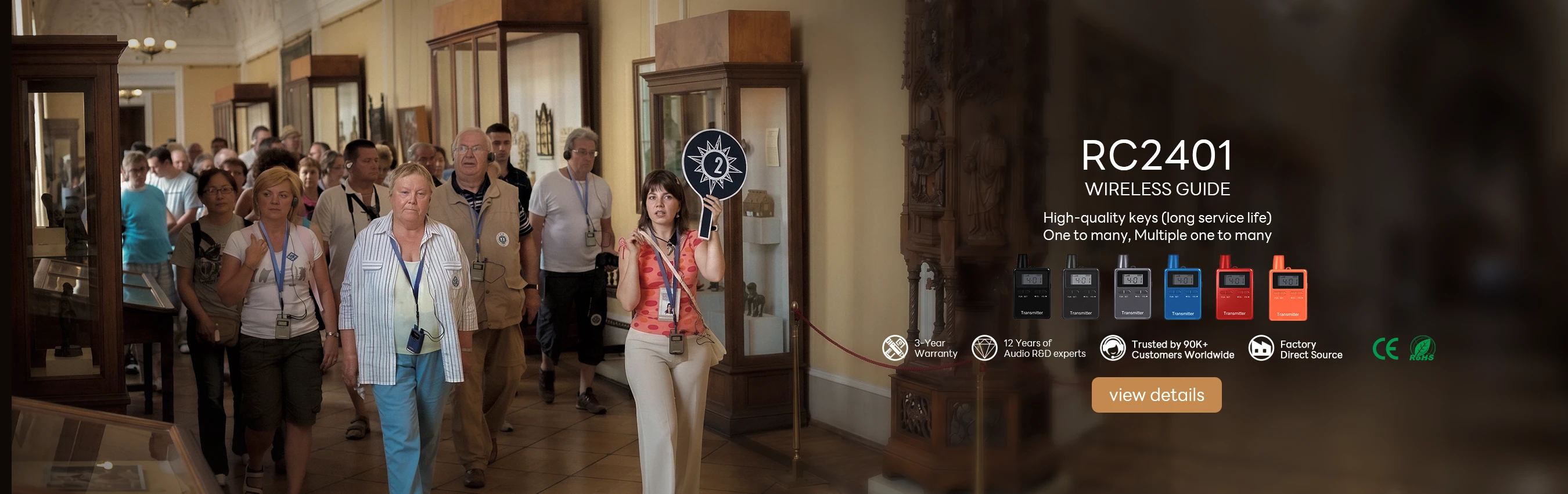
The operations director for this mid-sized coach tour company, based in Munich, finally reached his breaking point on a sweltering afternoon in Siena. "We lost 30 minutes at every single stop," he recalled. "We would pull into the parking lot, and instead of walking toward the basilica, we were untangling cables. It was embarrassing." The solution came in the form of a bulk order of Richitek tour guide systems—specifically, 60 wireless receivers and 4 transmitters. The result transformed their entire operational model. "We landed in Rome, split into four languages, and walked straight out of the airport together," he said. "It was the first time in three seasons we didn't lose a single guest in the first hour."
The Old Way Was Breaking the Anniversary Trip
Before the switch to wireless, the operator’s equipment was a liability. The previous system relied on infrared and wired connections, which were never designed for the rigors of a multi-day European coach tour.
Wired Headsets Failed in Hot Weather
The Italian summer sun was unforgiving. Cords melted in the heat, the rubberized coating degrading after just a few hours of direct sunlight. Batteries, which were supposed to last a full day, died by early afternoon—usually right before the most important guided segment at a castle or cathedral. The tour director had to carry a backpack full of spare batteries, adding physical strain to an already demanding job.
Language Groups Turned into Chaos
With 60 guests speaking four languages (English, German, Italian, and French), the old system required four separate tour starts. The English group would leave first, followed by the German group 15 minutes later, and so on. By the time the French group finally departed, the English group was already lost in the maze of a medieval town center. The "group plan" effectively turned into four independent buses, with no way to coordinate a meeting point.
Replacement Costs Ate the Profit Margin
Every broken headset was a financial hit. A single damaged unit cost up to 80 euros to replace. Multiply that by the 60 units in the fleet, and a single bad tour—where a guest tripped on a cord or pulled a connector loose—could wipe out the season's profit margin entirely. The operator needed a system that was durable, centralized, and—most importantly—wireless.
💡 Why the Operator Chose Richitek for a 60-Receiver Bulk Order
After an exhaustive search that included comparing tour guide systems from three different manufacturers, the Munich-based operator settled on Richitek for three primary reasons: procurement simplicity, channel capacity, and ergonomics.
One-Source Bulk Procurement with Full Certification
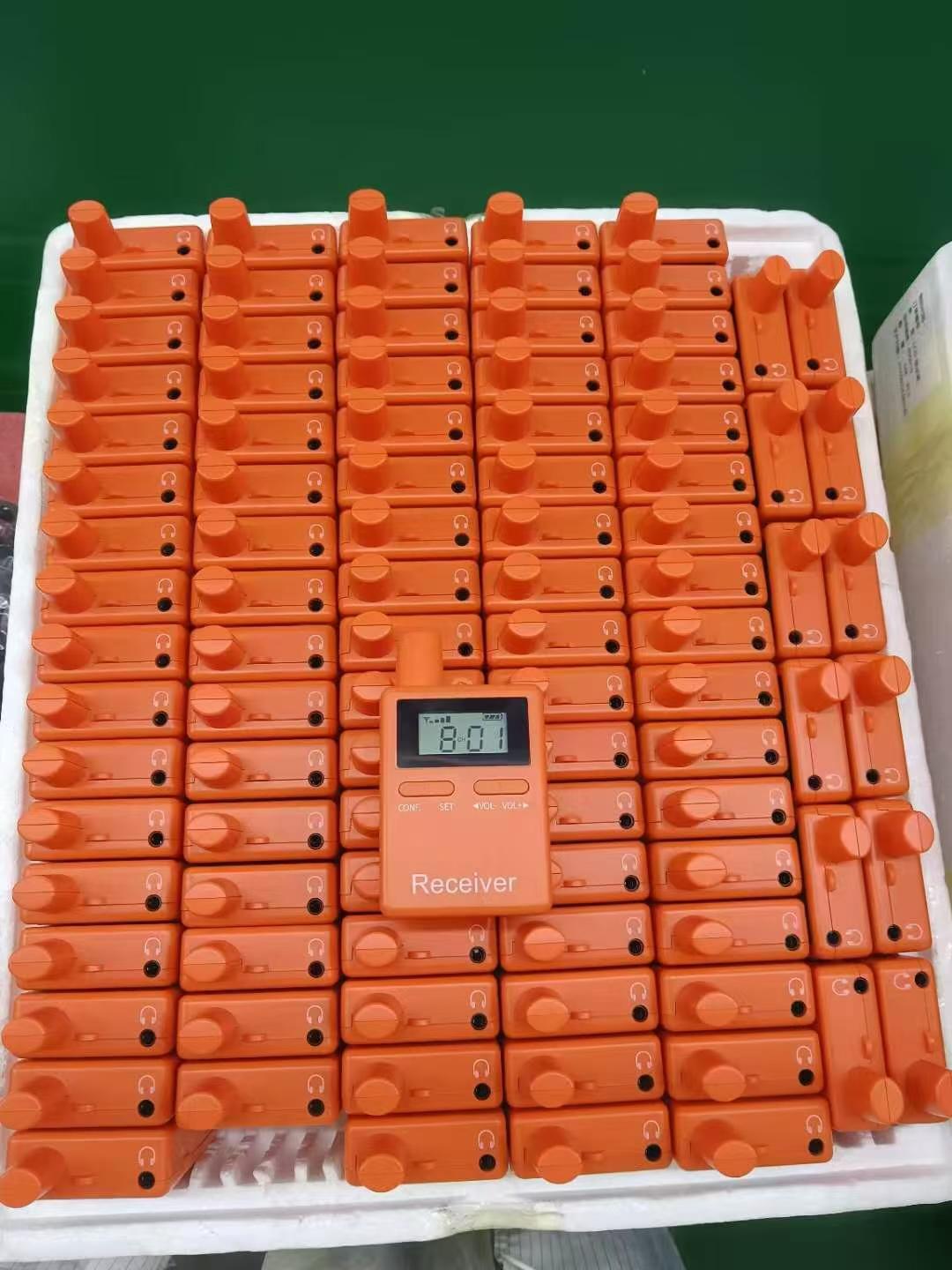
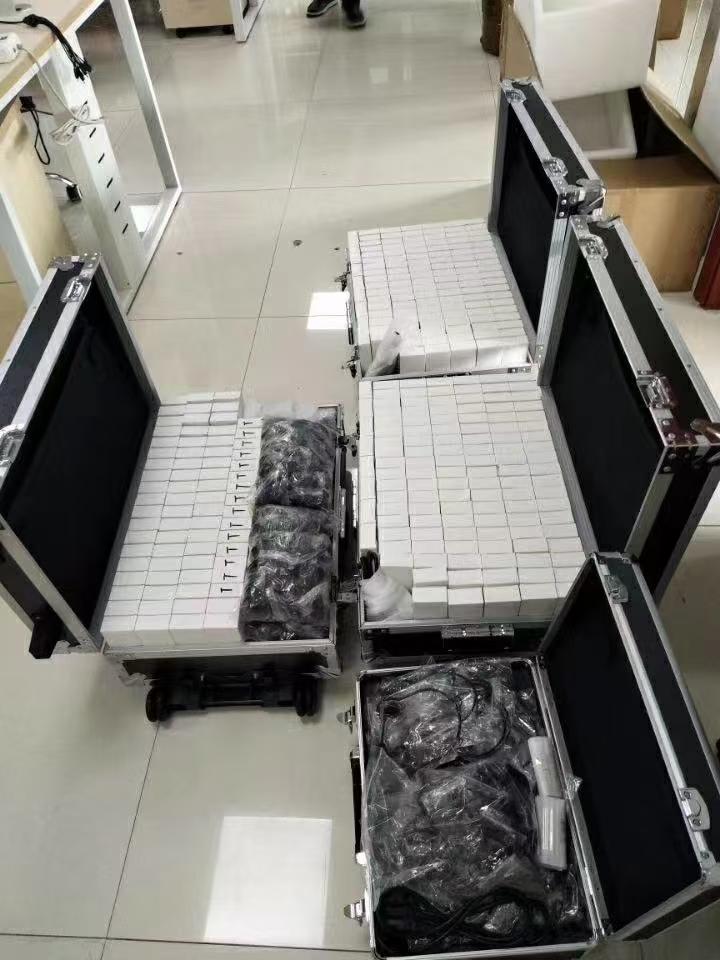
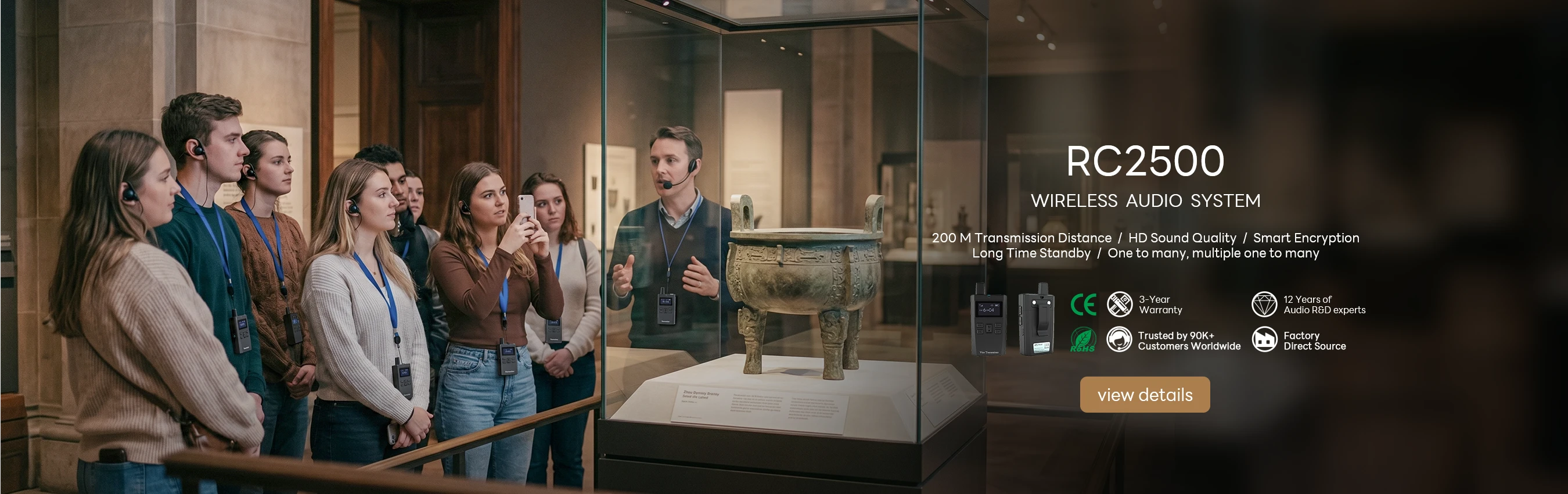
The operator’s insurance company required strict CE and RoHS certification paperwork for any electronic equipment crossing EU borders. Richitek provided the full compliance documentation upfront, packaged neatly with the shipment. The order was simple: 4 transmitters, 60 receivers, and 1 centralized charging case. Everything arrived in a single, ruggedized shipping container that was small enough to fit in the undercarriage luggage bay of the coach.
80-Channel Capacity in a Single Room
The tour schedule demanded that four language groups operate simultaneously, often within meters of each other. In a stone castle with thick walls and no Wi-Fi, RF interference is a constant threat. The Richitek system’s 80-channel capacity allowed each guide to lock onto a dedicated frequency. There was zero crosstalk, even when the English and German groups passed each other in a narrow stairwell. The compact tour guide receiver easily handled the dense RF environment.
One-Handed Operation for Senior Guests
With 25 guests over the age of 65, the operator needed a device that didn't require manual dexterity. The Richitek receiver features a simple lanyard design. Guests could clip it to their shirt, adjust the volume with a single thumb, and never had to bend down to fix a cord. This "no-tangle, no-effort" design became the single most praised feature in the post-tour feedback forms.
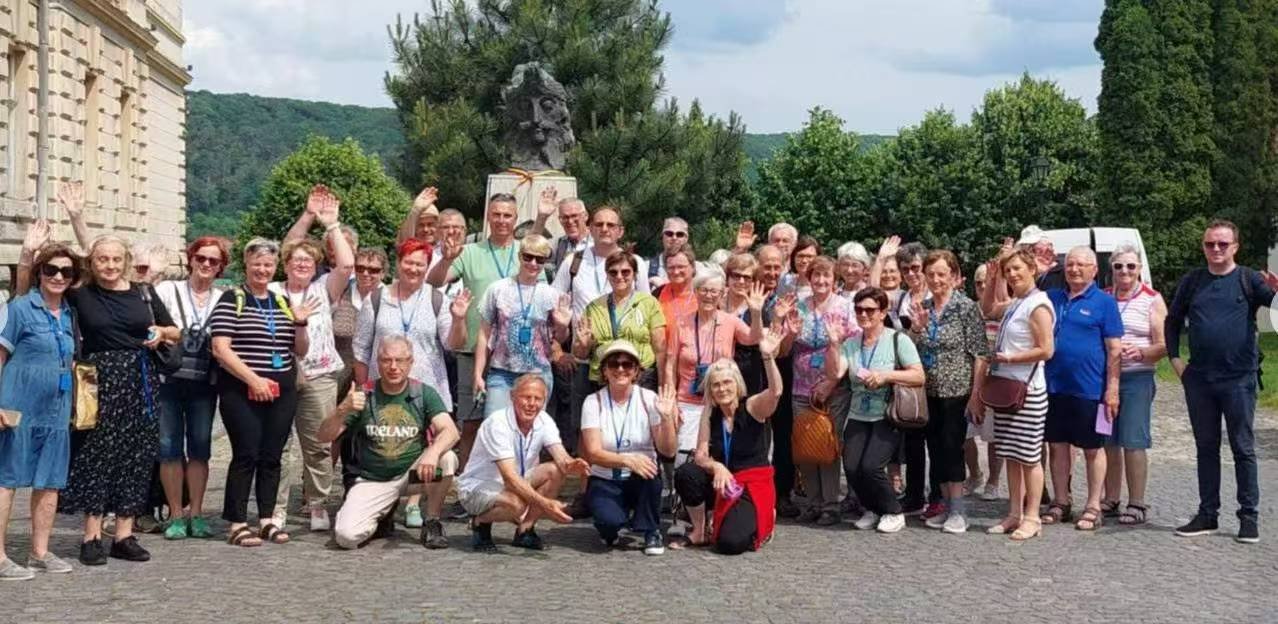
🗺️ A Day on the Tour: Walkthrough of a 10-Day Itinerary
To understand the impact, let’s look at a typical day on the road. The itinerary below shows the scale of the operation, which covered over 1,200 kilometers of driving.
| Day | City / Site | Activity | Language Groups |
|---|---|---|---|
| 1 | Rome (Colosseum) | Arrival & Orientation | 4 |
| 2 | Orvieto | Hilltop Cathedral Tour | 4 |
| 3 | Siena / San Gimignano | Basilica & Terrace Walk | 4 |
| 4 | Florence (Uffizi) | Renaissance Art Focus | 4 |
| 5 | Verona | Roman Arena & Old Town | 4 |
| 6 | Innsbruck (Austria) | Castle & Courtyard Tour | 4 |
| 7 | Salzburg | Sound of Music Sites | 4 |
| 8 | Vienna | Schönbrunn Palace | 4 |
| 9 | Munich | Closing Dinner & Farewell | 4 |
| 10 | Munich Airport | Departure | N/A |
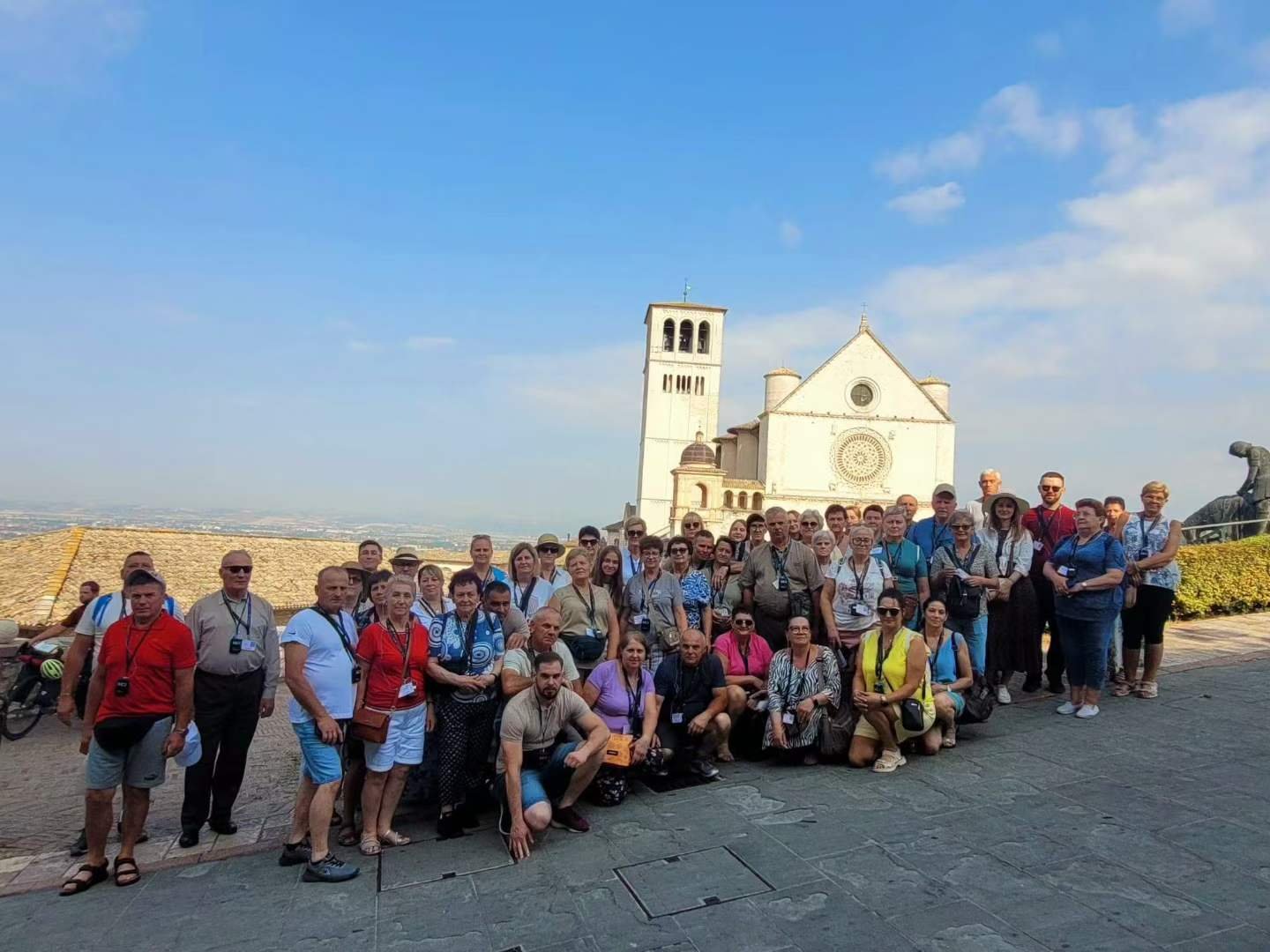
Day 3: The Italian Hilltop Basilica Stop
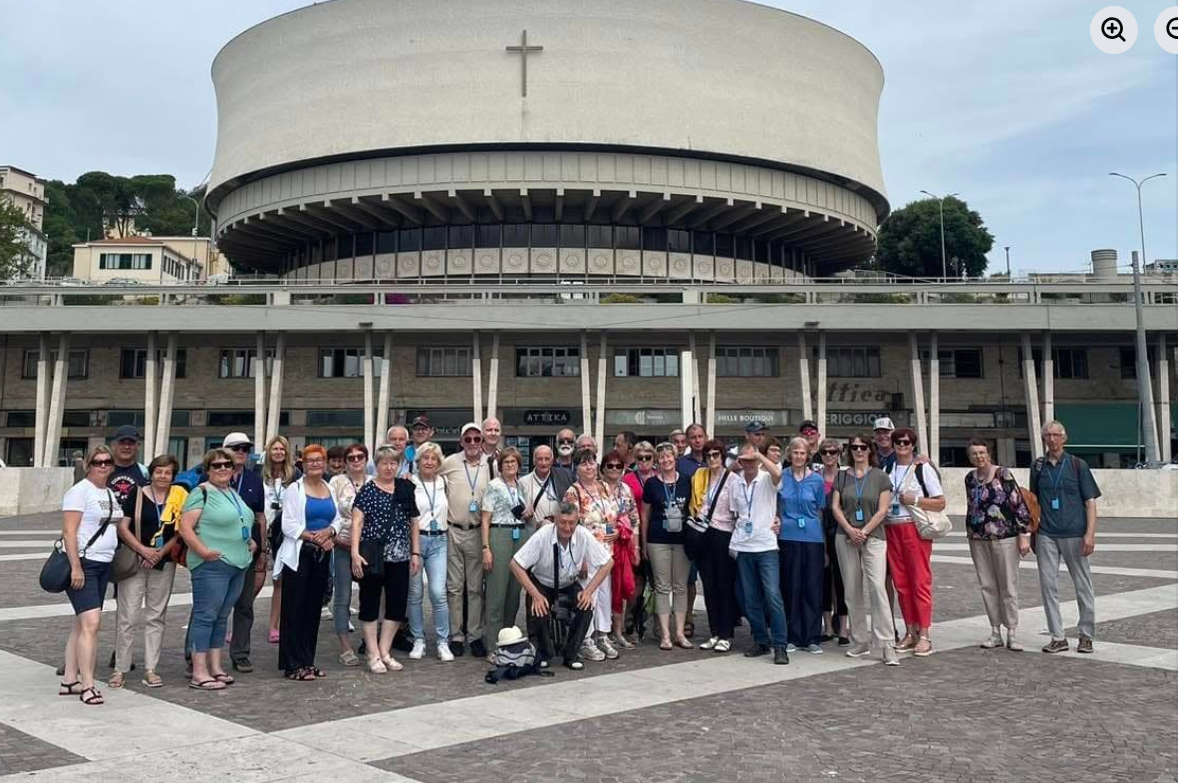
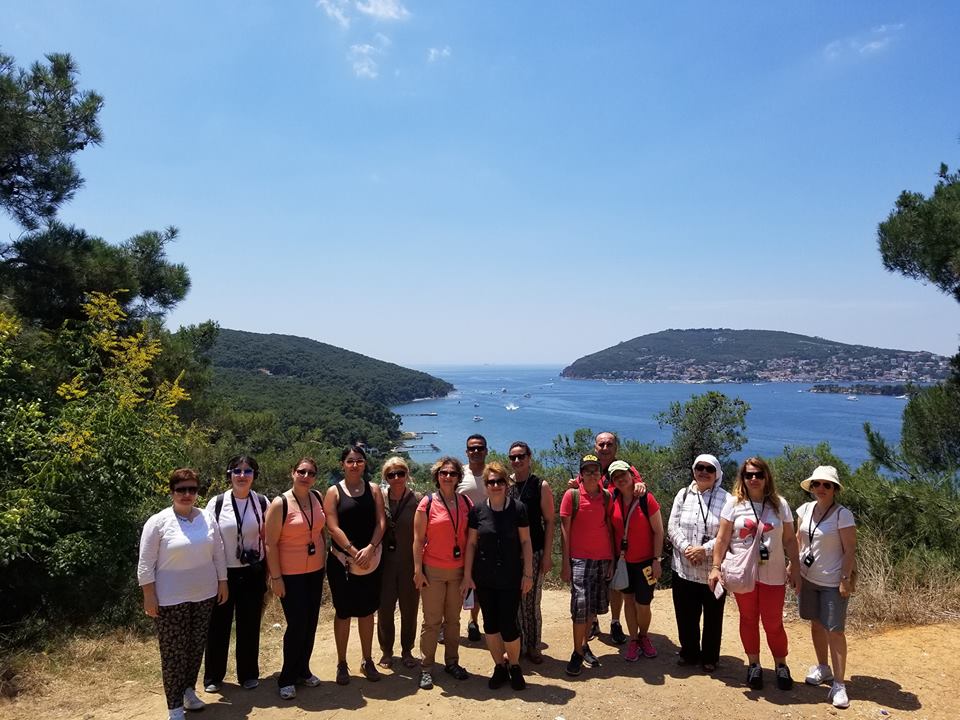
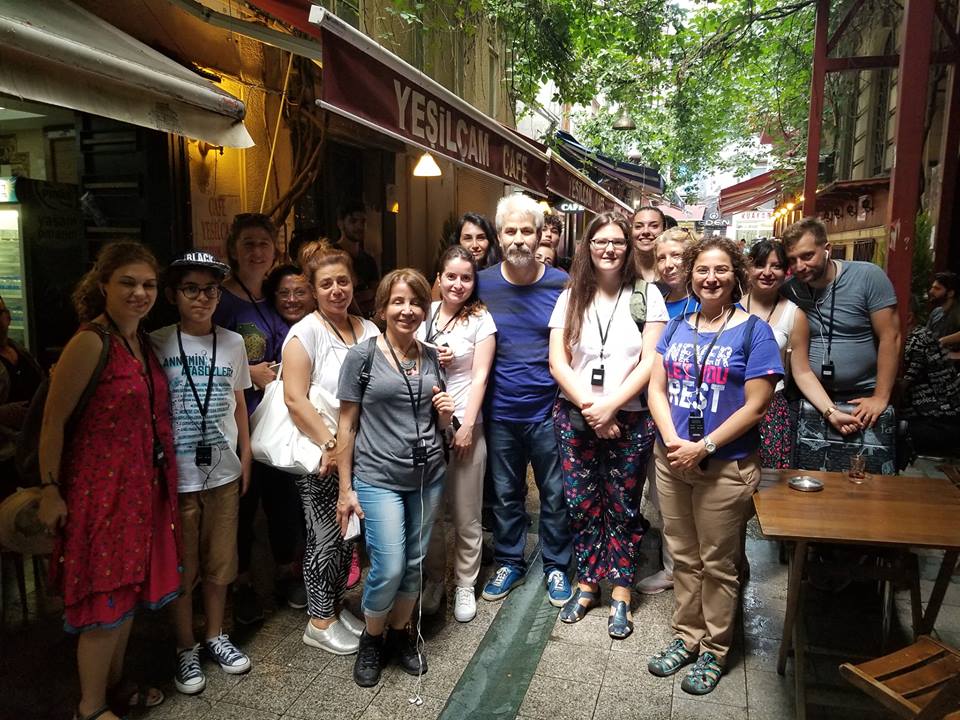
In Siena, the coach parked at the base of the hill. The tour director gave a simple instruction: "Find your language flag." Within four minutes, all 60 guests were split into their language groups, each led by a guide wearing a Richitek transmitter. The groups moved up the hill in a staggered formation, but thanks to the 150-meter range, they could hear their guide clearly even when separated by stone arches. The entire group reached the basilica terrace together—a first in the operator’s history.
Day 6: The Austrian Castle Range Test
The castle in Innsbruck presented the toughest challenge: a wide, open stone courtyard with high walls that usually caused reflections and dead zones. The guide walked to the far end of the courtyard, roughly 80 meters from the main group. The signal held perfectly. There was not a single dropout, no static, and no need for the guide to repeat herself. The guests later commented that it felt like the guide was standing right next to them.
Day 9: The Overnight Charging Routine
After the closing dinner in Munich, the tour director plugged the 60 receivers into the centralized charging case. The case refilled all units to 100% overnight using a single wall outlet. By 7:00 AM the next morning, the equipment was packed and ready for the airport transfer. No hunting for individual USB chargers. No dead units. Just a seamless handoff to the next tour group.
The Numbers After the First Season
The results of the first full season were staggering. The operator tracked three key performance indicators before and after the Richitek deployment.
Total Tour Duration Dropped by 1.5 Hours
Previously, every stop incurred a 30-minute "equipment tax" for troubleshooting. With 8 stops on the itinerary, that added up to 4 hours of wasted time. The new system reduced this to zero. Guests spent more time at the sites and less time waiting on the bus. The tour director noted that the entire itinerary was now running ahead of schedule, allowing for spontaneous photo stops.
Guest Satisfaction Skyrocketed
The post-tour survey scores jumped from a mediocre 7.8 to an outstanding 9.4. The two most common comments in the feedback section were "the audio was crystal clear in every language" and "I loved that I didn't have to fiddle with any wires." The "no-tangle, no-effort" fit was the deciding factor for the senior demographic.
Immediate Reorder for the Autumn Season
Within two weeks of the final tour, the operations director placed a reorder for the same bulk package—but this time, he expanded the fleet to support 80 guests in 4 languages for the upcoming Iberian Peninsula itinerary. He also started using the sightseeing tour operator solutions page to plan a training module for his new guides.
💰 What Tour Operators Should Look For in a Wireless Bulk Deployment
Based on this operator’s experience, there are three non-negotiable technical requirements for any multi-day, multi-language European tour.
Channel Count and Range
You need at least 80 channels to handle simultaneous language groups in close proximity. A range of 150 meters line-of-sight is the minimum for outdoor stops like hilltop basilicas or castle courtyards. Anything less will result in dropped audio and confused guests.
Battery Life and Centralized Charging
A full day on a single charge is essential. But the real game-changer is a centralized charging case that refills 60 units overnight. This eliminates the logistical nightmare of managing individual chargers in a hotel room. It also protects your investment, as a single case is far easier to secure than 60 loose devices.
Certification and Customs Compliance
For tours crossing multiple European borders, CE and RoHS certification is not optional—it is a legal requirement. Your insurance provider and customs officials will ask for the paperwork. Richitek provides this documentation with every bulk order, ensuring your coach is never delayed at a border checkpoint. For a deeper dive into how this scales across different use cases, explore the tour guide solutions for tourism operators.

Conclusion: The Backbone of Modern Multi-City Tours
For this European coach operator, Richitek was not just a piece of hardware—it was the operational backbone that allowed them to scale from 60 to 80 guests without adding staff. The transition from tangled wires to a clean, wireless, multi-language system turned a stressful logistical puzzle into a smooth, enjoyable journey for both the guests and the guides. The tour director summed it up best: "We used to spend our energy managing equipment. Now we spend it managing the experience. That’s the difference Richitek made."