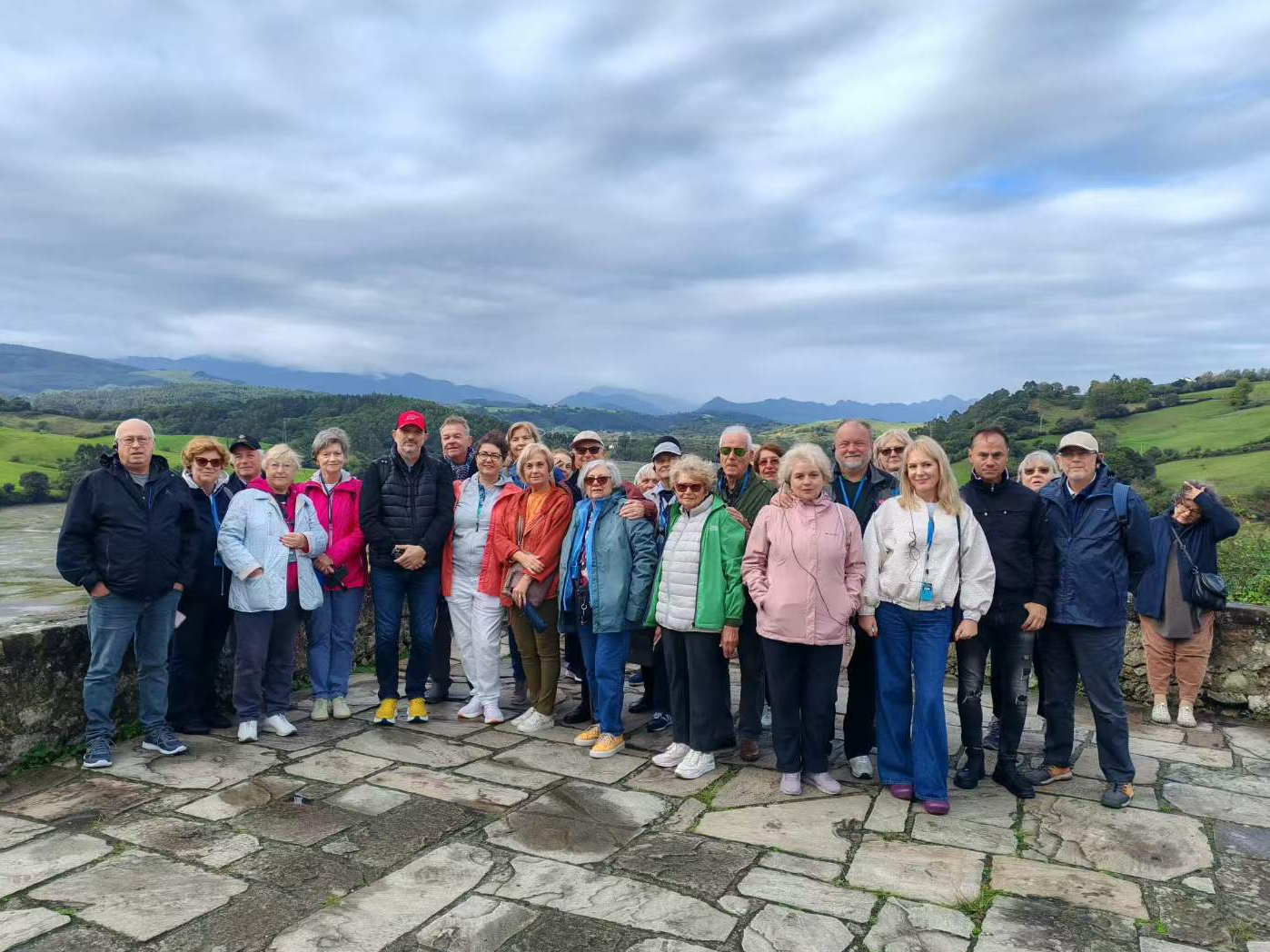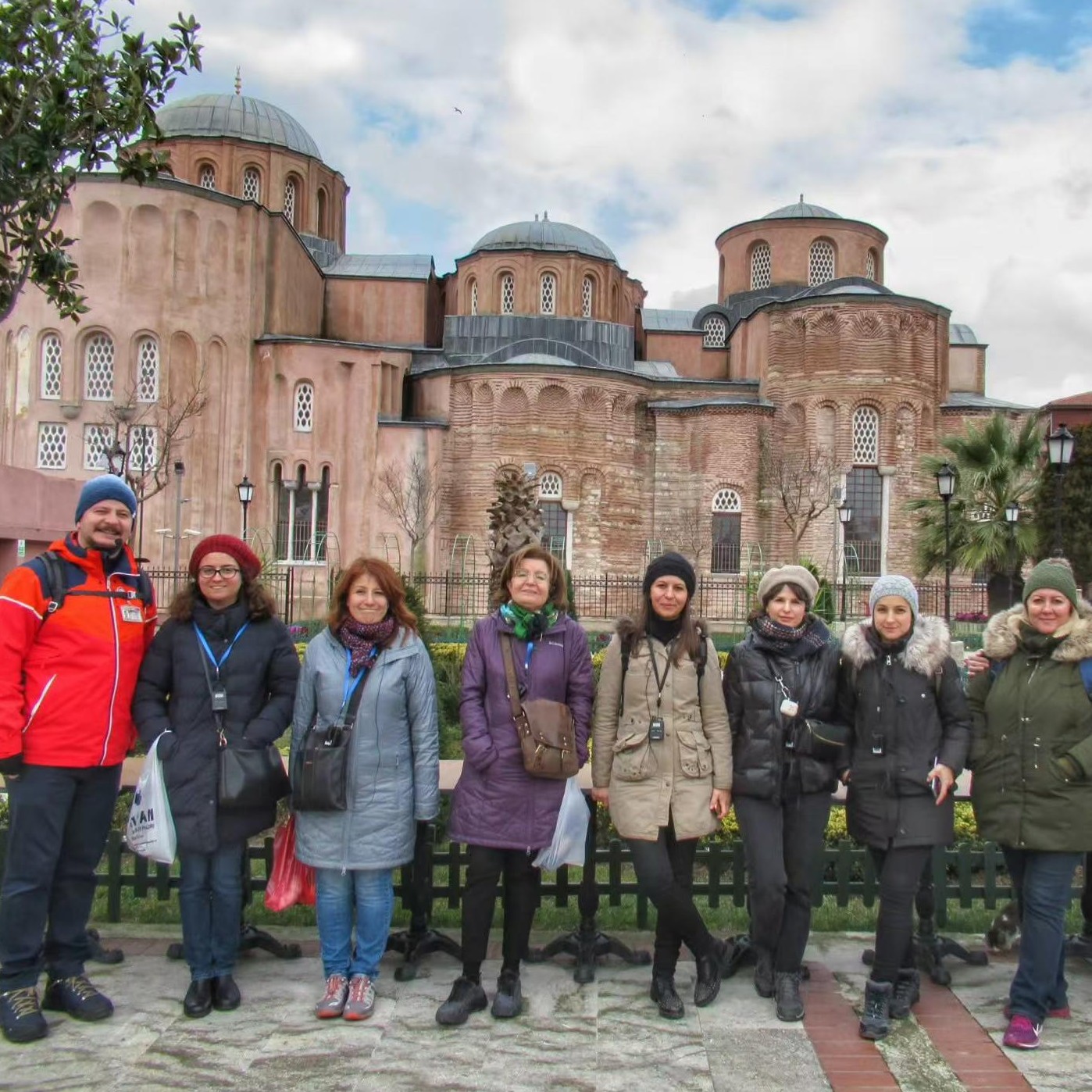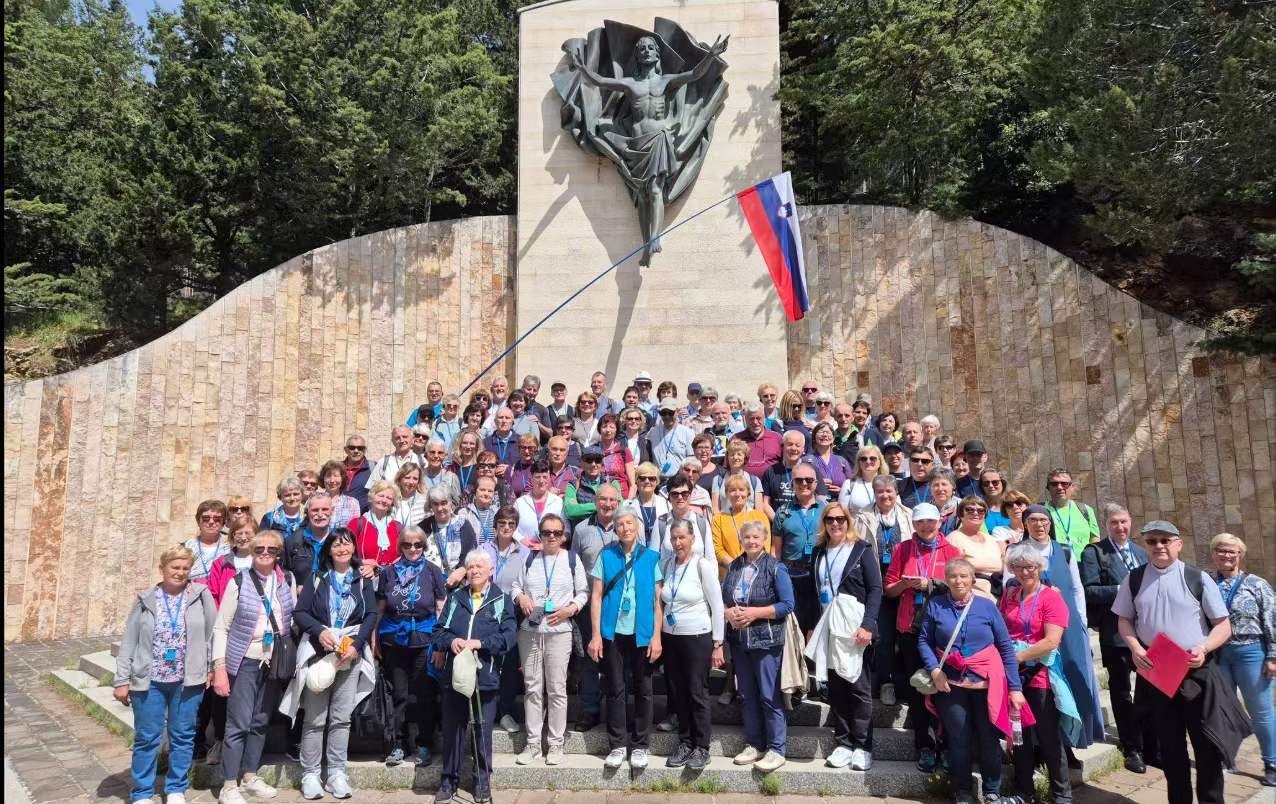
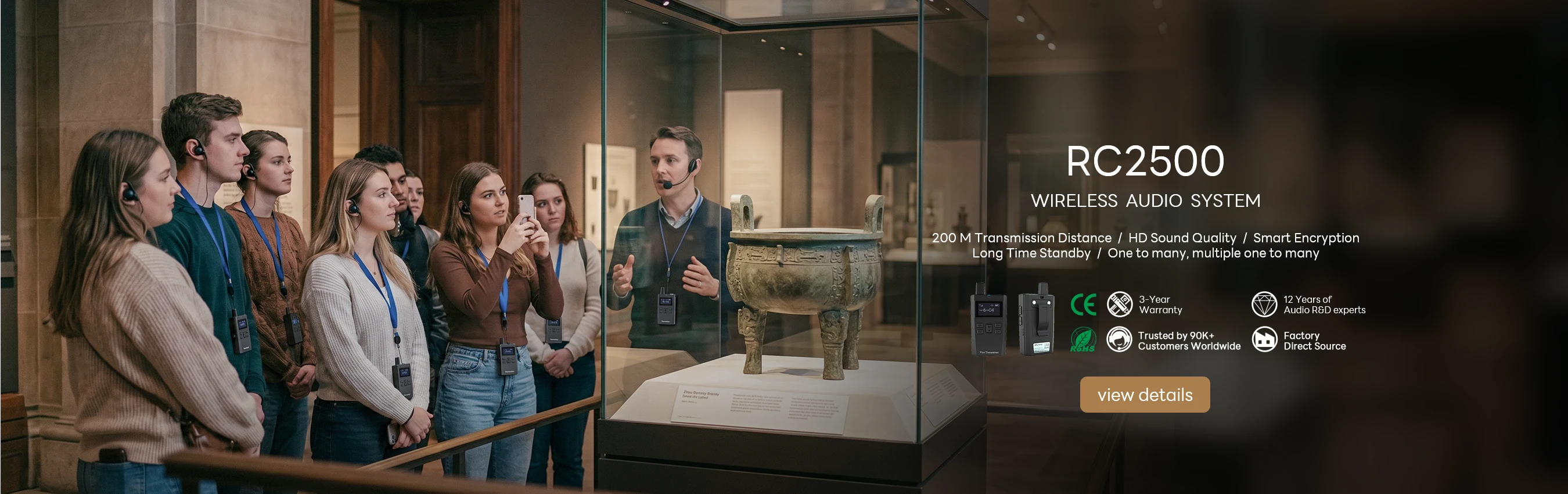

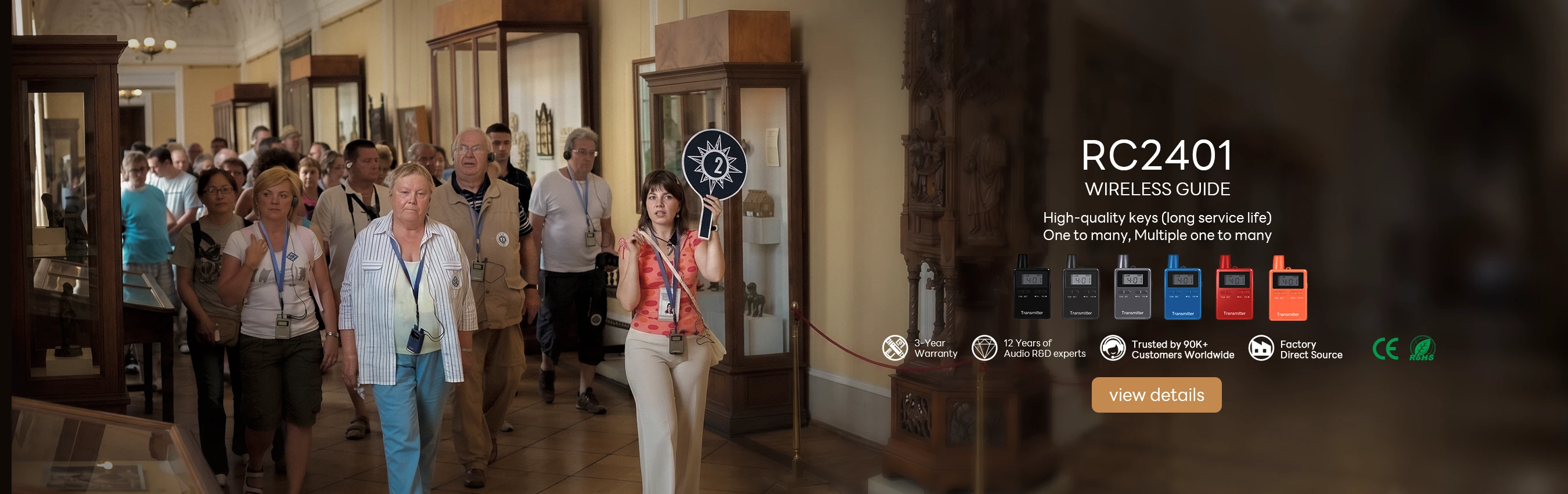
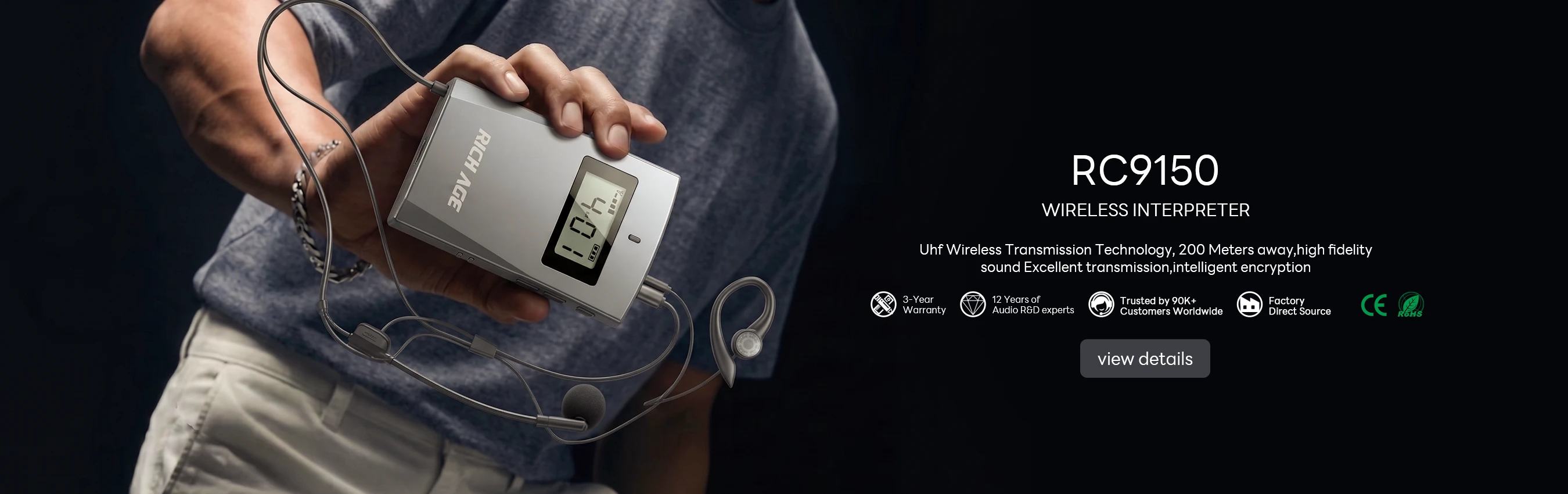
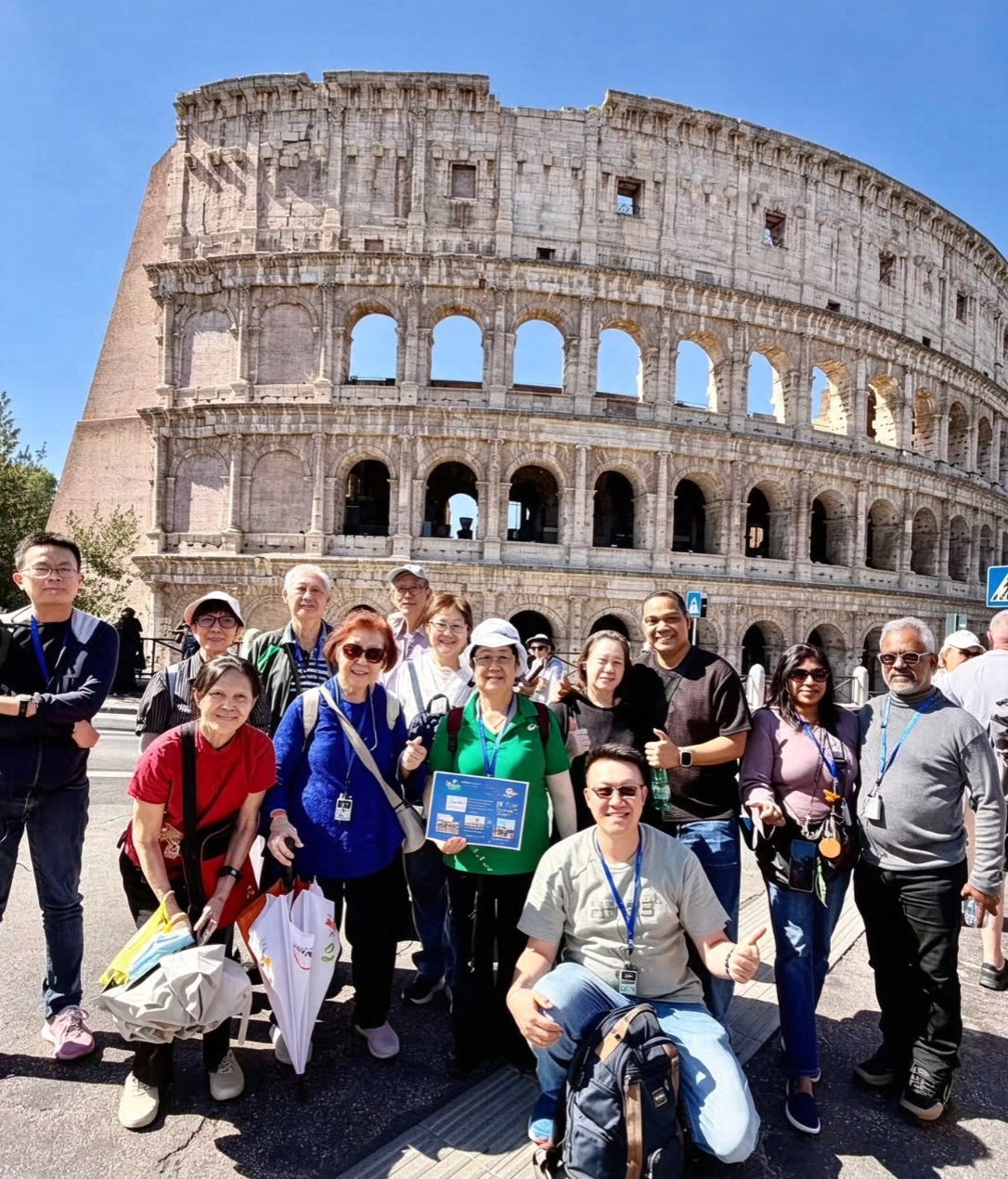
When the tour operator sent back two photographs from the road, one showed the group on a river embankment with a suspension tower behind them and the other showed the same travelers under the travertine arcades of an ancient amphitheater. Both shots captured the same blue lanyards around the same necks, but the radios doing the work in each city were not the same units, and that was never an accident. The kit that left the warehouse contained three models on purpose, and each one was booked onto the legs of the run where its specifications answered a different problem.
This case walks through the assignment the way the operator drew it up before departure: an 80-channel 2.4 GHz unit holding the crowded waterfront boarding, a UHF set threading the stone galleries where 2.4 GHz reflections multiply, and a long-endurance flagship managing the pairing bench between hotels. City Tour Wireless Audio Solutions like this one rarely fail on raw range, because 200 meters covers any coaching position a guide will ever need; they fail on interference, on battery drift, and on devices that drift out of sync between morning and afternoon sessions.
Three Devices, Three Jobs Before Departure Day
The warehouse manifest for this run read like a deliberate study in contrasts. The RC085 brought a 470-510 MHz UHF band with 100 channels and a transmitter rated at 8-10mW, the RC2406 brought 80 channels of 2.4 GHz PLL synthesis tuned for crowded air, and the RC2500 brought a 50-channel flagship whose transmitter lasts 15 hours and whose receivers hold more than 35 hours on a charge. All three obey the same 1-200m transmission distance and the same 10mW-class output discipline, so nothing about the split was driven by power. It was driven by where each radio would spend its day.
Assigning radios to itinerary legs sounds like overkill for a two-city coach tour until the first morning, when three other groups are boarding within forty meters of your dock and two of them are running 2.4 GHz gear of their own. The operator had been through that scramble before, on a season when every receiver on the boat seemed to pick up fragments of somebody else's commentary, and the fix that stuck was to stop treating the kit as interchangeable.
At the Embankment: Crowded Air and 80 Channels
The Paris legs concentrated the worst spectrum conditions of the whole run. Riverbanks pack tour boats, open-top coaches and walking parties into a strip of air maybe a hundred meters wide, and the operator's own frequency scan on arrival counted at least four competing transmissions inside the 2.4 GHz band before noon. The RC2406 was assigned there because its 80 channels give a channel planner room to step around the congestion instead of negotiating with it, and because PLL control holds the chosen channel steady once the group pushes off from the quay.
The photograph the client returned from that stretch shows the group assembled on the embankment with receivers already hanging from blue lanyards, taken in the last light before boarding. The guide's transmitter stayed clipped at chest height for the entire walk, which matters on a route where both hands are needed for headcounts at gangways. On receiver weight the RC2406 carries 50 grams per unit, light enough that the oldest members of the group stopped noticing the lanyards after the first ten minutes, and its receivers run 20 hours per charge so nobody swapped packs at the lunch stop.

Travertine Walls and the Case for UHF
Rome posed the opposite problem. The amphitheater circuit funnels visitors through arched galleries and high stone corridors where a 2.4 GHz signal reflects off every surface, and multipath reflections are exactly the failure mode that makes listeners hear a hollow double of the guide's voice. The RC085 took those legs because its 470-510 MHz UHF band behaves differently around massive stone: lower frequencies wrap the arches instead of ricocheting off them, and with 100 channels available the operator could pre-stage a clean channel for the interior route separate from the plaza segment outside.
The second returned photograph shows the group under the upper arcades, receivers on, spaced loosely along the gallery wall in the kind of loose file that would break a line-of-sight system. UHF penetration through the gallery's shadowed pockets held the commentary continuous where a reflective 2.4 GHz signal would have stuttered. The RC085 transmitter weighs 65 grams and runs 12 hours on its 1200mAh pack, covering the longest walking day of the run with margin, and its receivers weigh 60 grams each with 20-hour endurance. The operator also ordered the headset microphone option, whose sensitivity is rated near -102dBm, after deciding that hands-free narration was worth more on cobblestones than on pavement.
⚖️ The Pairing Bench Between Hotels
Every evening the kit came back to a folding table in the hotel lobby, and that table was the RC2500's posting. The flagship's job was administrative: 50 devices crossing two cities and five charging cycles without a single morning spent re-pairing. Its one-key sync pulled freshly charged receivers onto the working channel in seconds, and the same one-press logic handled shutdown and mute when the guide wanted the group silent in a chapel or a museum vestibule. On a run where the average participant age was well past sixty, the operator deliberately kept the heaviest units off the lanyards: the RC2500 transmitter and receiver both weigh 104 grams, so they served as the working spares and the demonstration pair rather than the all-day wear.
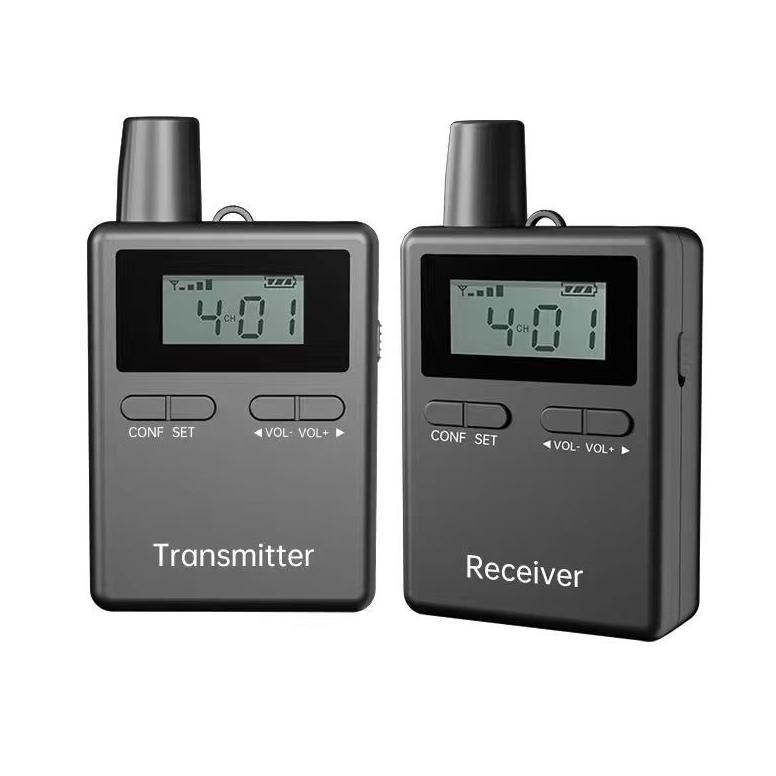
The returned close-up shows the transmitter and receiver side by side with both displays reading the same channel, a photograph the client took precisely because matching displays were the whole point of that evening bench. Both units in the shot sit on Type-C charging, which let the operator standardize one cable type across the flagships and the power bank stock, while the RC085 charges over USB and the RC2406 over a DC port on the same multi-way board.
🔋 Battery Math Across Consecutive Departures
The run demanded five consecutive departure days, and the charging plan held because the endurance figures were never averaged across models. The RC2500 transmitter's 15-hour rating and 35-plus-hour receiver endurance meant its pair could skip the overnight bench entirely and still cover a 12-hour coaching day. The RC085 transmitter, at 12 hours from a 3.7V 1200mAh cell, went onto the bench every second night, and the RC2406 transmitter at 10 hours from its 1500mAh pack docked nightly alongside its receivers, which also run 20 hours. Nothing ran to empty: the operator's rule was to rotate any unit showing under a quarter of its display battery at the evening count, and the log from the run shows that rule caught exactly two transmitters across the whole tour.
What surprised the operator most was how little the transmission distance spec mattered. At no point on either city's route did the guide stand more than 80 meters from the farthest listener, well inside the 1-200m window every model in the kit shares. The differentiators that actually moved the experience were channel headroom at the waterfront, band behavior inside stone galleries, and the sync discipline of the bench, in that order.
Side-by-Side, the Numbers the Operator Compared
The operator kept a single comparison sheet taped inside the charging case lid, and the columns below are the ones that survived every revision of that sheet.
| Comparison Dimension | RC2406 | RC085 | RC2500 |
|---|---|---|---|
| Core Frequency Band | 2403-2483 MHz | 470-510 MHz | 2403-2483 MHz |
| Number of Channels | 80 | 100 | 50 |
| Output Power | 10mW | 8-10mW | 10mW |
| Transmitter Battery Life | 10h | 12h | 15h |
| Receiver Battery Life | 20h | 20h | 35+h |
| Transmitter / Receiver Weight | 59g / 50g | 65g / 60g | 104g / 104g |
| Charging Port | DC Port | USB | Type-C |
Reading the sheet left to right explains the assignment at a glance: the middle column buys band behavior, the left column buys channel headroom, and the right column buys endurance and administrative convenience. Published walkthroughs from other operators show the same pattern from different starting points, with the deployment logic changing while the hardware table stays constant.
What Carries Over to Your Own European Season
Two practices from this run transfer to almost any multi-stop coaching program. The first is to assign radios by the worst hour of the route rather than the average one, because the embankment at noon and the gallery at three in the afternoon are the moments that generate complaints, and neither cares how well the kit performed at the hotel. The second is to treat the nightly bench as a formal station with a named owner, since the two transmitter swaps the log caught were both flagged at that table rather than on the street.
Operators weighing a similar split can start from the our wireless tour guide system range overview to see where each model sits, then match the heaviest and longest-endurance unit to the administrative role rather than the walking one. For a shorter single-city version of the same logic, the season reports collected under explore our solutions cover how other operators trimmed the three-role split down to two without losing the evening bench discipline.