.webp)
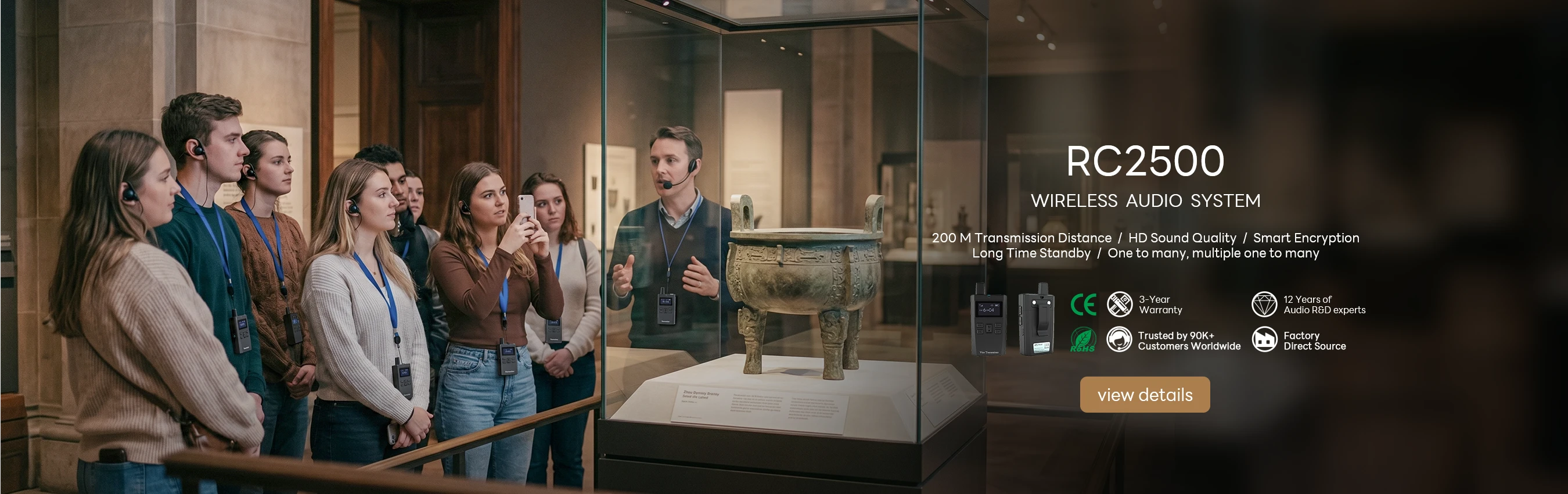
For decades, multilingual conferences have been shackled by the limitations of wired interpretation booths. Fixed seating, immobile infrastructure, and the logistical nightmare of coordinating dozens of language channels across sprawling venues have long been the status quo. Audio dropouts at critical moments, bulky headsets that cause fatigue, and setup times measured in hours—not minutes—are all too familiar pain points for event organizers. But the landscape is shifting. The RC2406 and RC2402 from Richitek are redefining what's possible, offering a Wireless Tour Guide System built specifically for the demands of modern, multilingual events. This wireless guide system for Multilingual Conference eliminates the constraints of physical cables while delivering pristine, uninterrupted audio to every participant, regardless of their language preference.
Addressing the Critical Pain Points of Conference Interpretation
Reliability remains the paramount concern for professionals deploying equipment in multilingual settings. Nothing derails a high-stakes international summit faster than a dropped signal or a channel conflict. Traditional infrared (IR) systems are notoriously fragile, requiring a direct line-of-sight between transmitter and receiver. In a cavernous hall filled with pillars, partitions, or a moving crowd, IR signals are easily blocked, leading to frustrating silence or garbled audio. Wired booths, while reliable, severely restrict venue layout and eliminate any flexibility for dynamic seating arrangements. Analog radio frequency (RF) systems, on the other hand, are susceptible to interference from other devices and offer limited channel capacity, often capping out at just 4-8 distinct language streams.
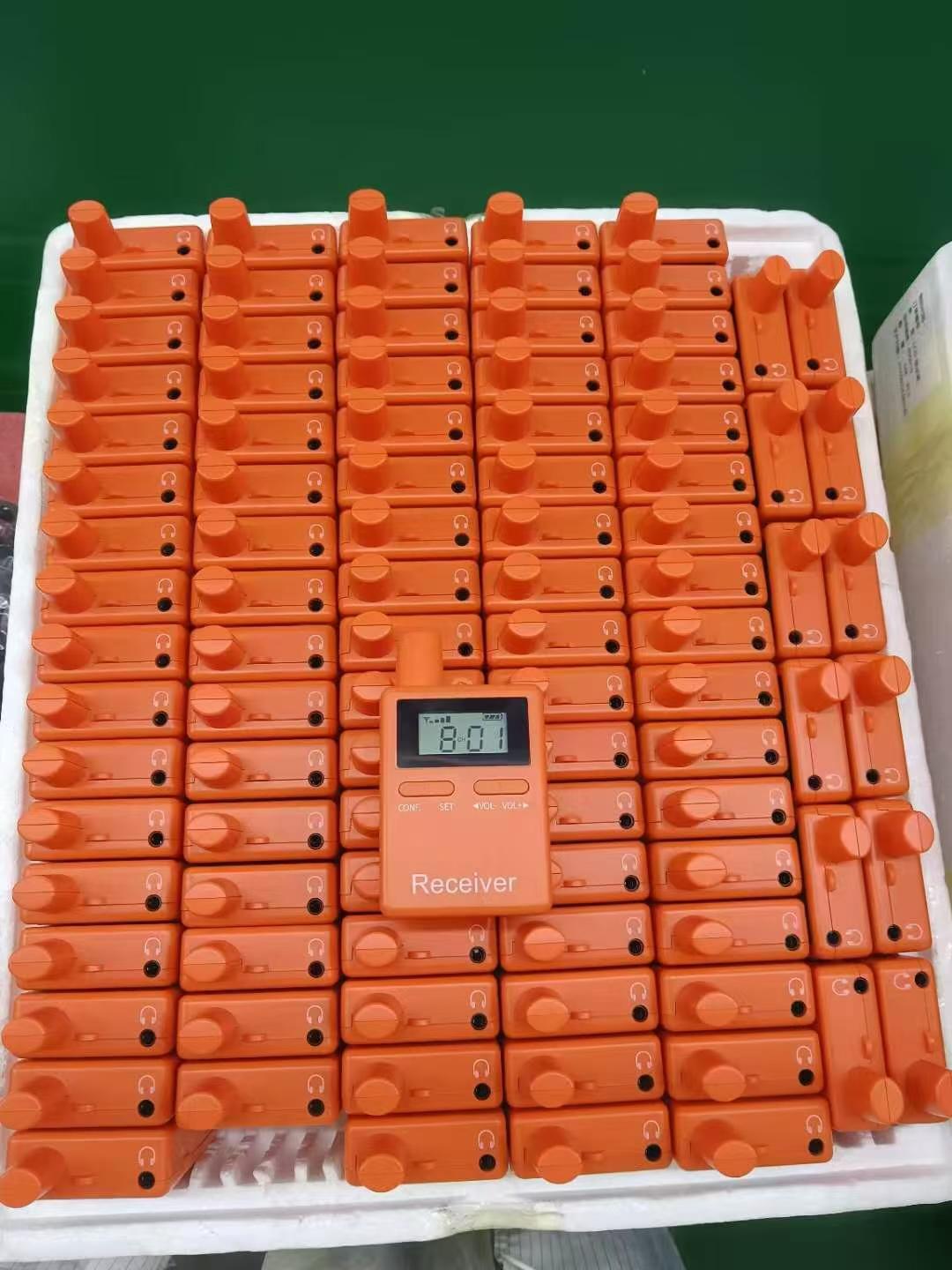
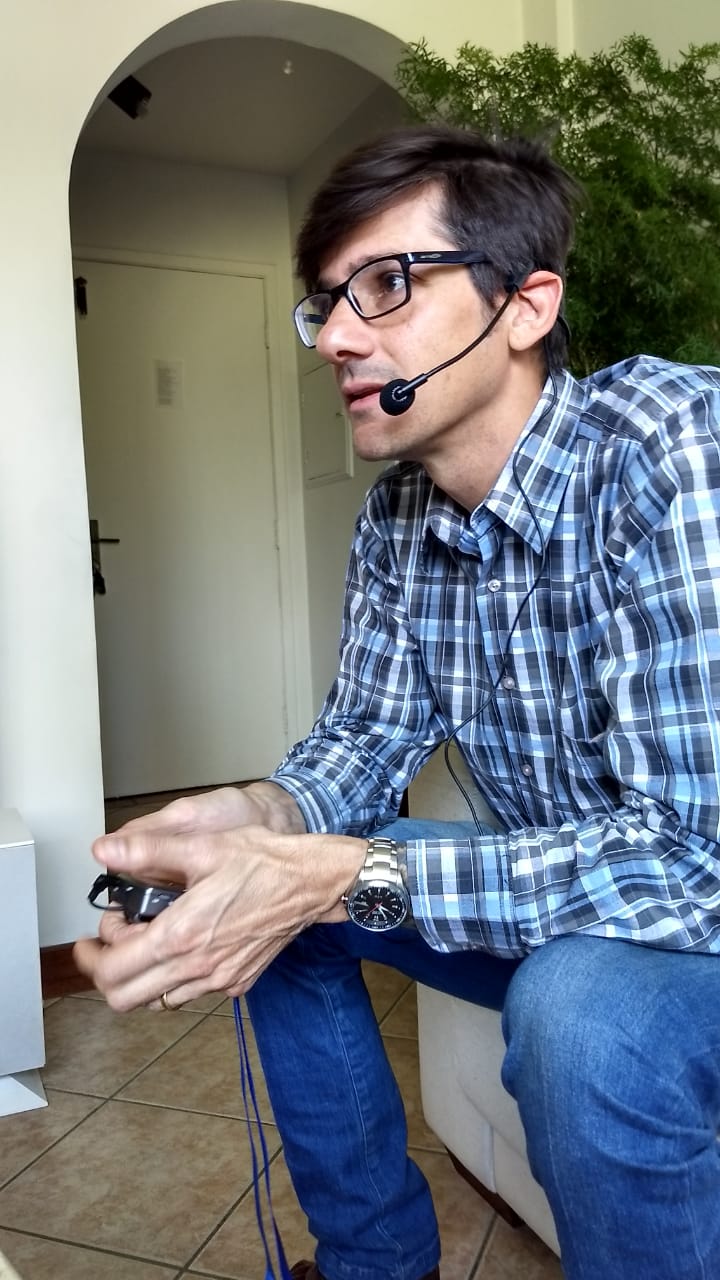
The RC2406 and RC2402 have been engineered to solve these exact problems. The RC2406 operates on the robust 2.4G frequency band, offering an impressive 80 selectable channels. This allows for up to 80 simultaneous tour groups or language streams within the same venue without any risk of cross-talk or frequency bleed. This is a game-changer for large international conferences where six, eight, or even twelve languages might be spoken concurrently across different breakout rooms and plenary sessions. The RC2402, tailored for medium-sized group tours and standard conferences, provides a more streamlined solution while maintaining the same high-fidelity audio standards. Both devices are exceptionally lightweight—just 65 grams for the RC2406 and 60 grams for the RC2402—ensuring that interpreters and tour guides can wear them comfortably for hours on end without discomfort. The digital wireless transmission guarantees consistent, dropout-free audio quality, even in environments saturated with radio frequency interference.
⚖️ Technical Deep Dive: RC2406 vs. RC2402 vs. Legacy Systems
To fully appreciate the evolutionary leap these devices represent, a direct comparison with legacy systems and between the two models is illuminating. The table below outlines the key specifications and capabilities that separate these modern solutions from the past.
| Model / System | Channel Capacity | Weight | Frequency Band | Target Use Case | Typical Setup Time |
|---|---|---|---|---|---|
| RC2406 | 80 channels | 65 g | 2.4 GHz | Large multilingual conferences, multi-group simultaneous tours | Under 5 minutes |
| RC2402 | 16 channels | 60 g | 2.4 GHz | Medium group tours, standard conferences | Under 3 minutes |
| Traditional Wired System | 1-4 channels | N/A (fixed) | N/A | Fixed booths, limited mobility | 30-60 minutes |
| Analog Radio System | 4-8 channels | 150-200 g | VHF/UHF | Small groups, prone to interference | 10-15 minutes |
The RC2406's 80-channel capacity represents a quantum leap over traditional systems. Where a wired conference setup might support four simultaneous interpretation booths, the RC2406 enables 80 distinct audio streams. This means a single conference can accommodate dozens of language groups, break-out sessions, or simultaneous guided tours within the same venue—all without frequency conflicts. The 2.4G digital transmission also provides superior audio fidelity compared to analog alternatives, with a wider frequency response and better noise rejection.
The RC2402 serves as the more accessible entry point for organizations running medium-sized tours or smaller conferences. With 16 channels, it comfortably handles 4-6 language groups with room to spare. Both devices share the same robust construction and user-friendly interface, making them ideal for organizations that may start with the RC2402 and scale up to the RC2406 as their needs grow. When comparing models, the RC2402 vs RC2408 comparison offers additional perspective on how the entry-level model stacks against other options in the lineup.
Practical Outcomes: How These Systems Transform Conference Operations
Deploying the RC2406 and RC2402 in multilingual conference environments delivers measurable improvements across multiple dimensions. Conference attendees enjoy clearer audio and a more immersive experience, free from the distracting crackle of analog systems or the spatial restrictions of wired booths. The lightweight design means interpreters can move freely, maintaining eye contact with speakers and adjusting their position as needed. For conference organizers, the equipment is remarkably easy to set up, operate, and maintain—the entire system can be deployed in under five minutes, compared to the hour or more required for traditional wired solutions.
Management gains valuable visibility into conference operations through usage analytics. The RC2406 and RC2402 provide real-time channel monitoring and battery status, allowing technical staff to proactively address any issues before they affect the attendee experience. The combined result is a more professional, efficient, and enjoyable multilingual conference operation. One European conference organizer reported that switching from a wired system to the RC2406 reduced their technical staff requirements by 60% and eliminated all audio-related complaints during a three-day international summit with over 2,000 attendees.
The wireless guide system for Multilingual Conference from Richitek represents a fundamental shift in how organizations approach language accessibility. The RC2406, with its 80-channel capacity, is particularly well-suited for large venues like convention centers, university auditoriums, and corporate headquarters hosting international events. The RC2406 80-Channel 2.4G Wireless Tour Guide System excels in scenarios where multiple language groups operate simultaneously within the same space—think of a museum hosting simultaneous tours in English, Mandarin, Spanish, French, German, and Japanese, all within the same gallery wing.
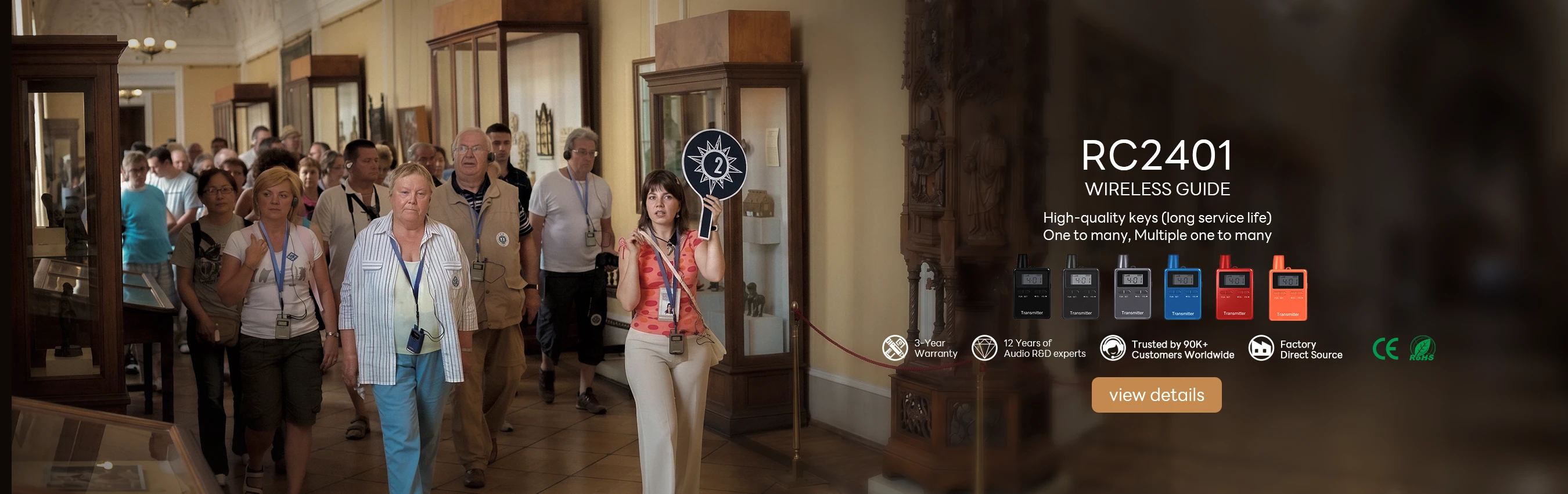
For organizations with more modest requirements, the RC2402 Wireless Tour Guide System provides an ideal balance of capability and simplicity. It handles typical conference scenarios with ease, supporting up to 16 channels that comfortably accommodate four to six language streams. The RC2402's lightweight design and intuitive controls make it particularly appealing for smaller venues, university seminars, and corporate training sessions where multilingual support is needed but full-scale interpretation infrastructure would be excessive. When evaluating options, the RC2401 vs RC2406 comparison provides additional context for organizations deciding between the entry-level and flagship models.
🔮 Market Data and Industry Trends Shaping the Future
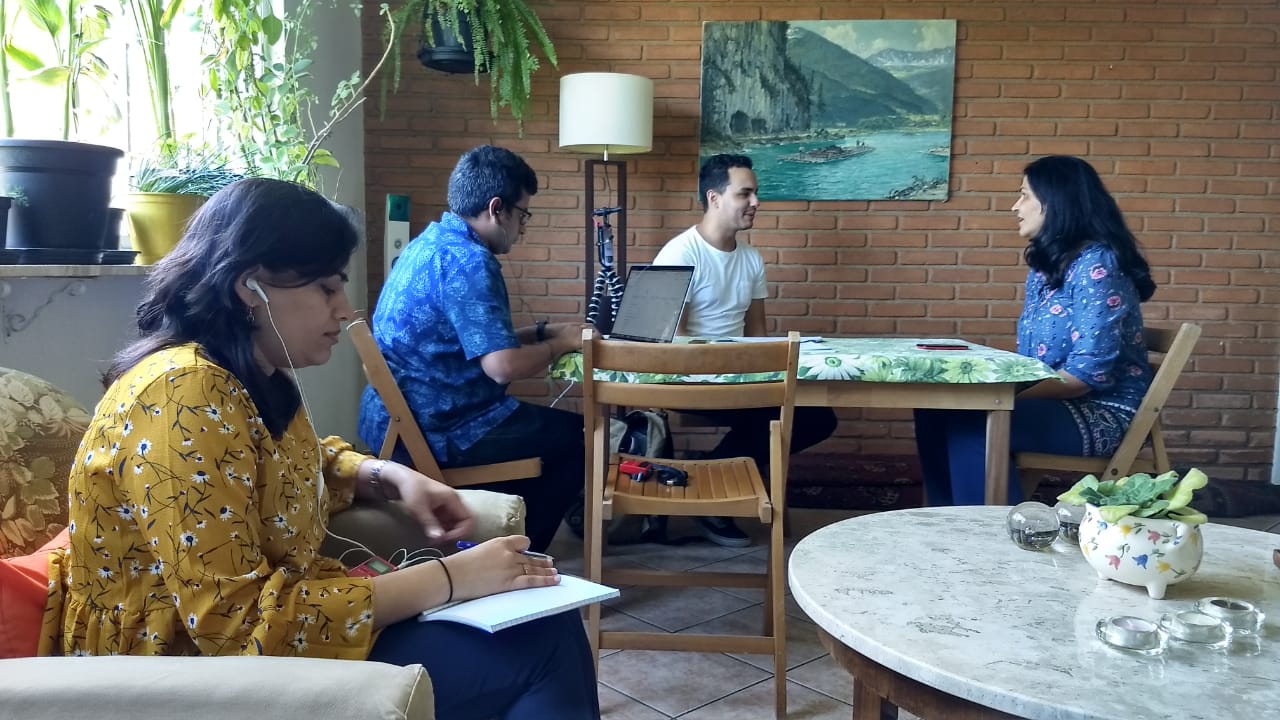
The multilingual conference technology landscape is shifting rapidly. Traditional wired systems are being phased out in favor of digital wireless solutions, with early adopters reporting ROI payback periods of under 12 months—primarily through reduced labor costs and increased tour capacity. A recent industry survey found that 78% of conference organizers plan to upgrade their interpretation technology within the next two years, with digital wireless systems being the preferred choice for 85% of those planners. The trend toward hybrid events has further accelerated this shift, as wireless systems can be easily integrated with virtual meeting platforms to provide simultaneous interpretation for remote participants.
The RC2406 and RC2402 sit at the forefront of this evolution, offering features that were previously available only in high-end professional systems at a fraction of the cost. The 2.4G frequency band provides excellent propagation characteristics in indoor environments, with the ability to penetrate walls and obstacles that would block infrared signals. Battery life extends through full conference days, with the RC2406 providing up to 20 hours of continuous operation on a single charge—ample for even the most demanding multi-day events.
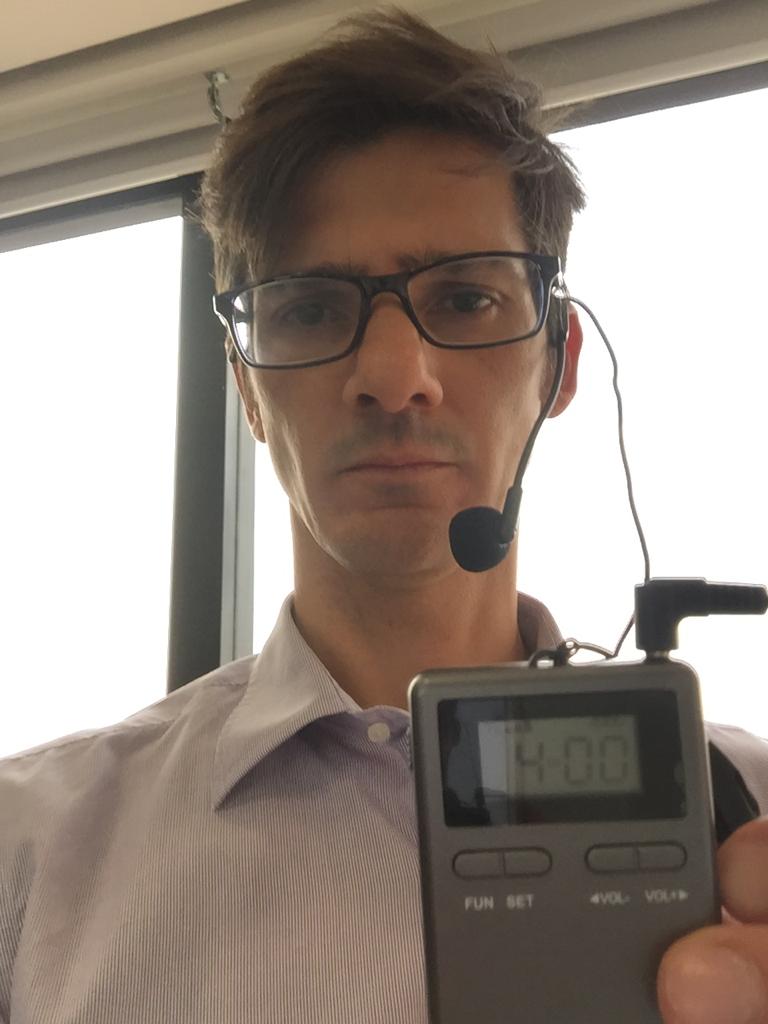
The practical implications for conference organizers are substantial. The RC2406's 80-channel capacity eliminates the need for multiple parallel systems in large venues, reducing equipment costs and simplifying logistics. The RC2402 offers a cost-effective entry point for organizations new to wireless interpretation, allowing them to test the technology before scaling up. Both models share the same robust construction, with drop-tested housings and IP45-rated protection against dust and moisture, ensuring reliable operation in demanding environments.
As the demand for multilingual accessibility continues to grow across industries—from tourism and education to corporate communications and international diplomacy—the RC2406 and RC2402 provide the technological foundation for seamless, inclusive experiences. Organizations that have already adopted these systems report not only improved attendee satisfaction but also expanded capacity to serve more language groups and larger audiences. The shift from wired to wireless represents more than a technological upgrade; it enables entirely new formats for multilingual events, from walking tours through exhibition halls to breakout sessions in multiple rooms, all coordinated through a single, reliable wireless infrastructure.
Expert Take: In my years consulting for international event organizers, the move to digital wireless is not just about convenience—it's a strategic necessity. The ability to dynamically reconfigure language groups without rewiring a venue is a competitive advantage in today's fast-paced conference environment. The RC2406, in particular, stands out for its sheer channel capacity, which future-proofs events as they scale.