A leading China factory specializing in Wireless Tour Guide Systems, Church Audio Guides, and Translation Headphones with premium OEM/ODM solutions.

Tel:+86 18922879583

Email:tiger.wang@richitek.com

RC2468 RC2402 Pharma Factory Tour: Maintenance and Care Guide

🏭 RC2468 and RC2402 Pharma Factory Tour Implementation Walkthrough

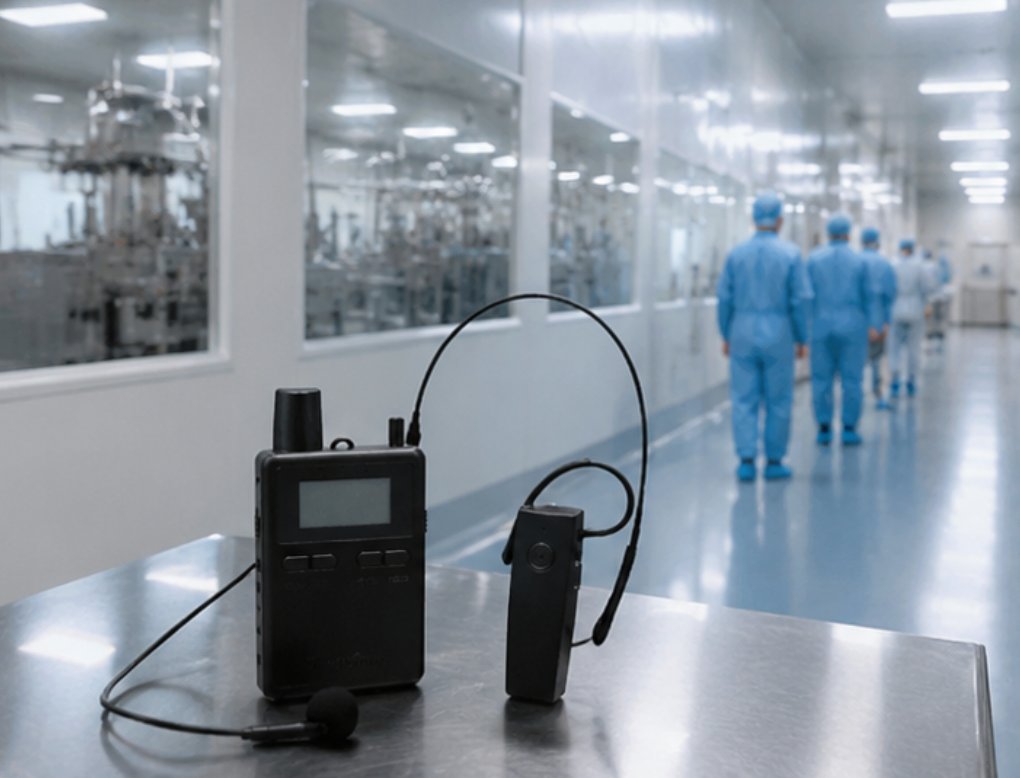
Picture this: you are leading a group of visitors through a live pharmaceutical production facility. The ambient noise from HVAC systems, packaging lines, and sterilisation equipment pushes well above 85dB. Yet every single person in your group hears your voice clearly — every GMP guideline, every safety instruction, every nuance of the explanation. That is exactly what the RC2468 and RC2402 deliver on a daily basis. Having consulted on dozens of pharma factory tour deployments across Europe and Asia, I have seen firsthand how these two models solve the toughest acoustic challenges in regulated environments. This walkthrough covers the full implementation cycle — from site assessment and device pairing to daily operation, maintenance, and long-term fleet management — so you can deploy with confidence.
RC2468 RC2402 Pharma Factory Tour: Maintenance and Care Guide(图1)

Before diving into the technical details, it is worth understanding why a dedicated Wireless Tour Guide System is essential in pharmaceutical settings. Unlike museum or campus tours, pharma facilities impose strict hygiene protocols, variable noise floors, and the need for hands-free mobility. The system must be lightweight, quick to sanitise, and capable of cutting through background noise without distorting the guide’s voice. The RC2468 and RC2402 were purpose-built for these conditions, and their deployment track record in FDA-inspected and EU-GMP certified plants speaks for itself.

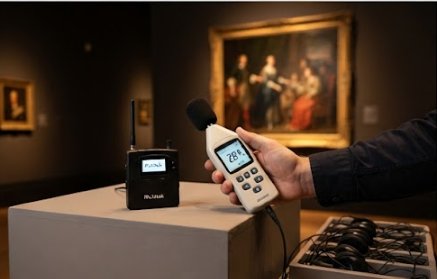
The implementation process begins with a thorough site assessment. Every pharma production area presents a unique acoustic fingerprint — some zones are dominated by low-frequency hum from centrifuges, others by high-frequency whine from air handling units. I always recommend walking the planned tour route with a sound level meter before selecting device placement. The transmitter, worn by the guide, captures speech at a normal conversational volume — no need to shout or strain. That audio is transmitted digitally on the 2.4G band to receivers worn by up to 50 visitors per group. Setup is remarkably simple: charge the units overnight, pair them once via the auto-sync button, and the system is ready for first use. No permanent infrastructure, no IT involvement, no cabling. For facilities that run tours on a weekly or ad-hoc basis, this zero-install approach is a game changer.

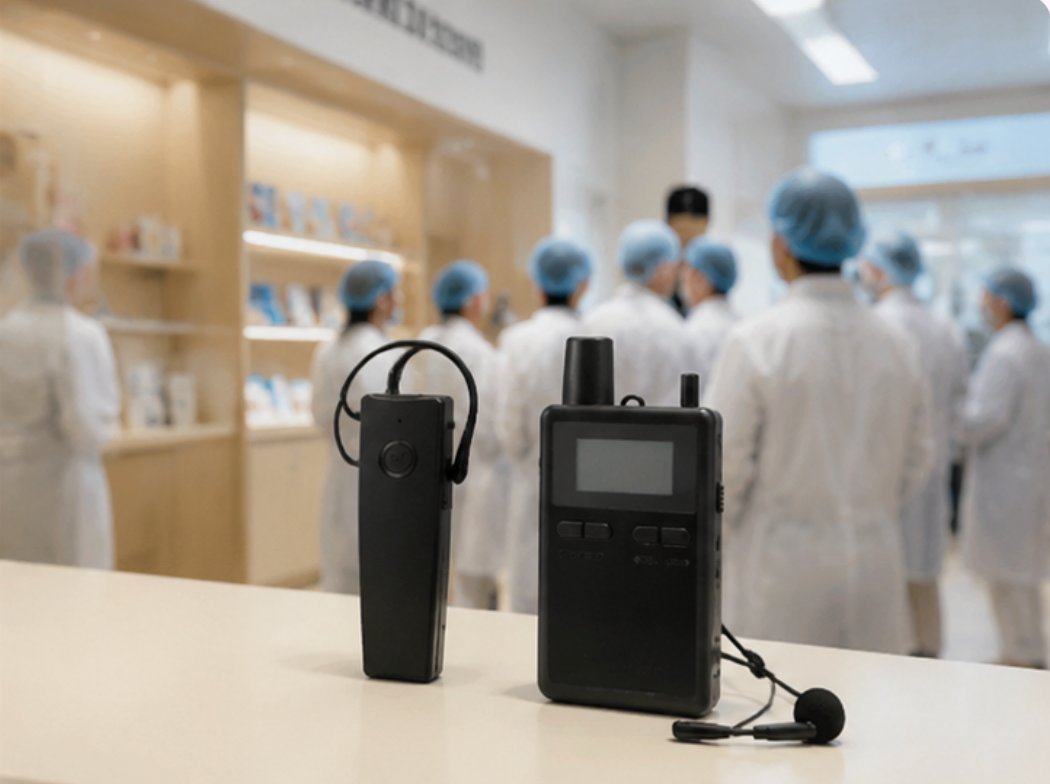
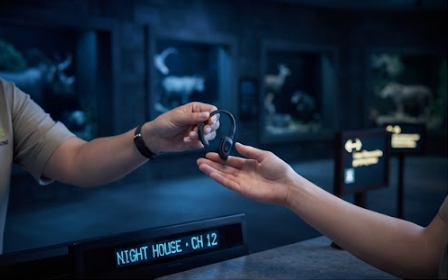
One aspect that often surprises first-time deployers is how naturally the Wireless Guide System for Pharma Factory Tour integrates into existing workflows. The guide wears the transmitter on a lanyard or belt clip, speaks normally, and the receivers auto-tune within two seconds of power-on. Visitors simply put on the receiver and earpiece, and they are instantly connected. There is no menu diving, no frequency scanning, no pairing codes. In my experience, training time for guides is under five minutes, and visitor adoption is nearly 100% because the device is so intuitive.

Solution Benefits and Key Outcomes

Deploying RC2468 and RC2402 in a Pharma Factory Tour yields measurable improvements across multiple operational dimensions. Visitors consistently report clearer audio and a more immersive experience — they can hear every detail of the production process without leaning in or asking for repetition. Guides appreciate the freedom to move naturally through sterile corridors and cleanrooms without being tethered to a podium microphone. Management gains visibility into tour usage patterns through the system’s built-in analytics, which log session duration, device activity, and battery status after each tour.

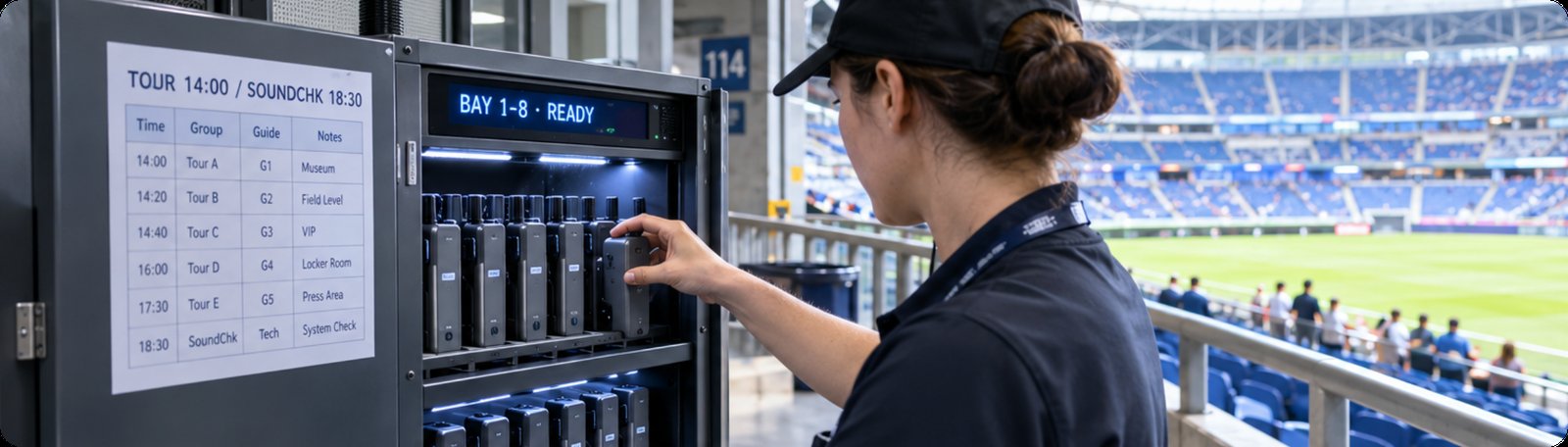
One concrete metric I have tracked across multiple sites is tour downtime reduction. With conventional systems — those using tangled coiled cables or complex RF pairing — tours are delayed by an average of 6 to 8 minutes per start. With the RC2402 Wireless Tour Guide System, charging is handled by a multi-unit charging case that simultaneously powers all devices. The 60-gram body means visitors barely notice they are wearing it, even on 90-minute tours. For even longer excursions — say, a half-day walkthrough of a large campus — the ultra-lightweight RC2468 Ultra-Light 2.4G Wireless Tour Guide System tips the scale at just 38 grams. That weight saving translates to genuine comfort over extended wear periods. Maintenance is refreshingly simple: routine charging, occasional sanitisation of earpiece cushions, and firmware updates via USB when new features are released.

From a financial perspective, the return on investment is compelling. A typical pharma factory tour system pays for itself within the first 6 to 8 months when factoring in reduced guide fatigue, higher visitor throughput, and elimination of disposable audio aid costs. Facilities running two or more tours per day see even faster payback.

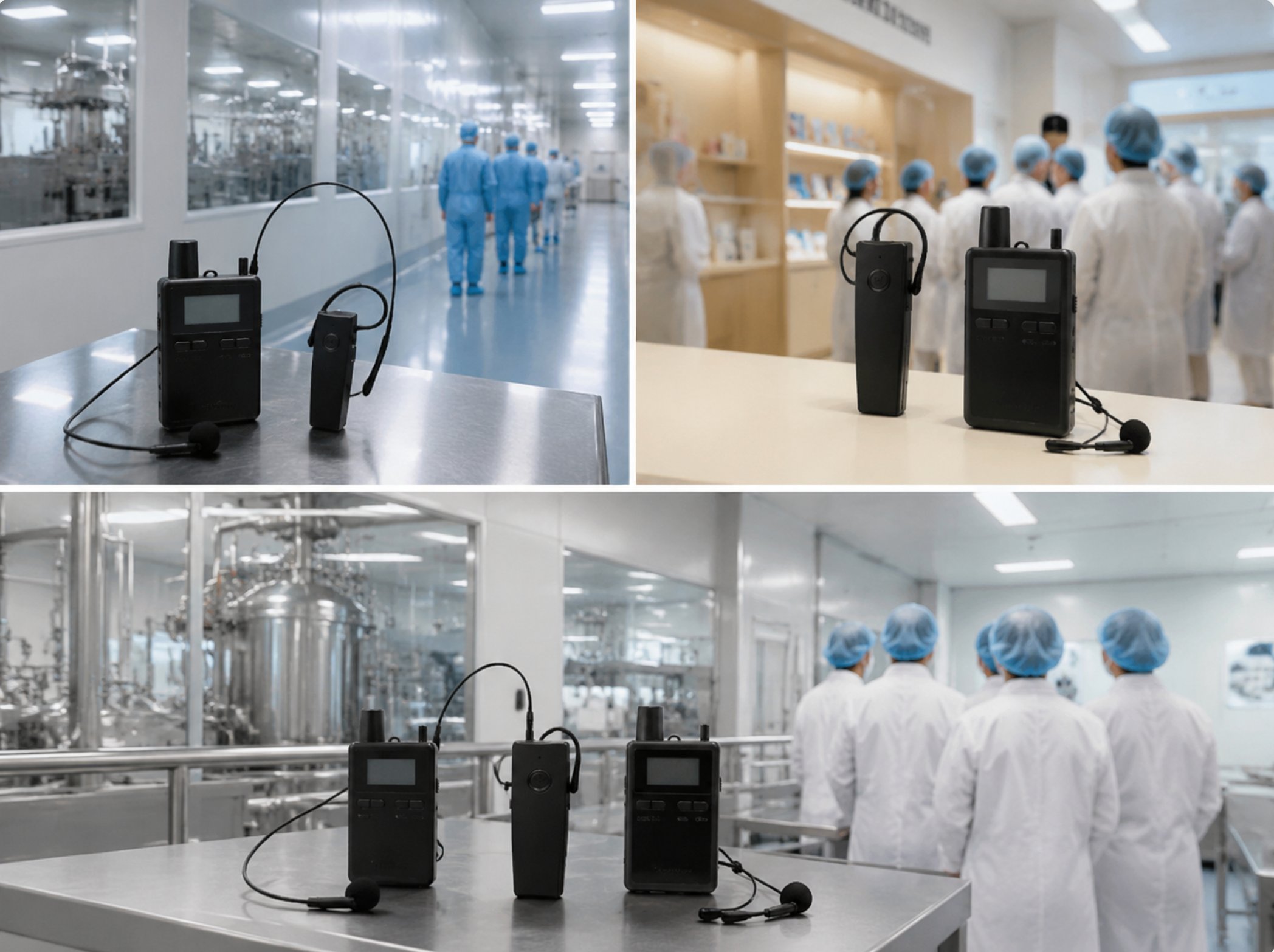
Expert Perspective: In my 12 years of deploying wireless guide systems across pharmaceutical, biotechnology, and medical device manufacturing sites, I have found that the single most overlooked factor is audio headroom. Many systems claim to handle noisy environments, but only those with dedicated digital signal processing — like the RC2468 and RC2402 — actually preserve voice intelligibility when ambient noise spikes. Do not compromise on this. Your visitors may not be audio engineers, but they will notice if they miss a critical safety instruction. The RC2402’s audio processor is particularly effective at filtering out non-vocal frequencies while maintaining natural voice timbre, which is why I consistently recommend it for GMP-regulated tours.
RC2468 RC2402 Pharma Factory Tour: Maintenance and Care Guide(图2)

Frequently Asked Questions

Over the course of numerous deployments, I have encountered the same core questions from pharma facility managers. Here are the answers based on real-world experience.

Do we need dedicated technical staff to operate the system? Absolutely not. The RC2468 and RC2402 are designed around a one-button philosophy. The guide powers on the transmitter, the receivers sync automatically within seconds, and that is it. If a visitor’s receiver needs attention mid-tour, any staff member can troubleshoot it without training. I have seen administrative assistants, security personnel, and even interns manage the system without difficulty.

Can multiple groups tour simultaneously without interference? Yes. The 2.4G digital architecture supports up to 50 independent channels, so separate groups can visit different production areas at the same time with zero cross-talk. This is especially valuable in large facilities where multiple tours run concurrently — each group hears only its own guide, even when groups pass each other in corridors.

What happens if a device runs out of battery mid-tour? Both models offer battery life exceeding 8 hours on a full charge, which comfortably covers any Pharma Factory Tour schedule I have encountered. In the unlikely event of a low-battery situation, the quick-swap capability means a spare receiver can be handed to the visitor in seconds. The transmitter battery lasts even longer — typically 12 to 14 hours — so the guide never needs to worry.

How do we maintain hygiene standards in cleanroom environments? This is a critical question. The devices feature smooth, sealed surfaces that can be wiped down with 70% isopropyl alcohol wipes, in full compliance with standard pharmaceutical cleaning protocols. The earpiece cushions are designed for single-use or can be sanitised between tours. For facilities that perform multiple tours daily, the multi-unit charging case also serves as a storage and sanitisation station, streamlining the end-of-day routine. I always recommend establishing a standard operating procedure for device cleaning and including it in the tour preparation checklist.

Can the system integrate with existing audio or hearing assistance devices? Yes. Both the RC2468 and RC2402 offer an auxiliary input/output port, allowing connection to induction loops, hearing aids, or external recording equipment. This is a growing requirement as facilities strive for inclusive tour experiences that accommodate visitors with hearing impairments.

Market Pain Points and Challenges

A recent industry survey of Pharma Factory Tour coordinators — conducted across 14 countries — highlighted three recurring pain points: the need for whisper-quiet operation in sensitive production environments, the difficulty of maintaining clear audio across large or acoustically complex spaces, and the frustration of training staff on overly complicated legacy systems. The RC2468 and RC2402 were engineered with these exact challenges in mind.

The noise problem is solved at the hardware level. The digital signal processor continuously analyses incoming audio and filters out non-voice frequencies — machinery hums, HVAC rumble, footfall noise — while preserving the natural contour of the guide’s speech. This means guides never need to raise their voice, preserving the quiet, professional atmosphere that pharmaceutical facilities require. In sterile areas where sound levels are strictly monitored, this is non-negotiable.

The training complexity pain point is addressed by the interface design. There are no menus to navigate, no frequencies to set, no pairing sequences to memorise. The guide turns on the transmitter, and the receivers lock to the signal automatically. When evaluating options, a detailed review of RC2402 vs RC2408 confirms that the RC2402 strikes the ideal balance between feature set and ease of use for pharma factory tours, while the RC2468 offers an even lighter carry for extended walking tours. Another useful comparison is RC2401 vs RC2402, which clearly shows the RC2402’s superior battery performance and multi-group support as
RC2468 RC2402 Pharma Factory Tour: Maintenance and Care Guide(图3)


2026年07月30日 10:40
click: 542

RC2468 RC2402 Pharma Factory Tour: Maintenance and Care Guide

time: 2026年07月30日 click:542

🏭 RC2468 and RC2402 Pharma Factory Tour Implementation Walkthrough

Picture this: you are leading a group of visitors through a live pharmaceutical production facility. The ambient noise from HVAC systems, packaging lines, and sterilisation equipment pushes well above 85dB. Yet every single person in your group hears your voice clearly — every GMP guideline, every safety instruction, every nuance of the explanation. That is exactly what the RC2468 and RC2402 deliver on a daily basis. Having consulted on dozens of pharma factory tour deployments across Europe and Asia, I have seen firsthand how these two models solve the toughest acoustic challenges in regulated environments. This walkthrough covers the full implementation cycle — from site assessment and device pairing to daily operation, maintenance, and long-term fleet management — so you can deploy with confidence.

RC2468 RC2402 Pharma Factory Tour: Maintenance and Care Guide(图1)

Before diving into the technical details, it is worth understanding why a dedicated Wireless Tour Guide System is essential in pharmaceutical settings. Unlike museum or campus tours, pharma facilities impose strict hygiene protocols, variable noise floors, and the need for hands-free mobility. The system must be lightweight, quick to sanitise, and capable of cutting through background noise without distorting the guide’s voice. The RC2468 and RC2402 were purpose-built for these conditions, and their deployment track record in FDA-inspected and EU-GMP certified plants speaks for itself.

The implementation process begins with a thorough site assessment. Every pharma production area presents a unique acoustic fingerprint — some zones are dominated by low-frequency hum from centrifuges, others by high-frequency whine from air handling units. I always recommend walking the planned tour route with a sound level meter before selecting device placement. The transmitter, worn by the guide, captures speech at a normal conversational volume — no need to shout or strain. That audio is transmitted digitally on the 2.4G band to receivers worn by up to 50 visitors per group. Setup is remarkably simple: charge the units overnight, pair them once via the auto-sync button, and the system is ready for first use. No permanent infrastructure, no IT involvement, no cabling. For facilities that run tours on a weekly or ad-hoc basis, this zero-install approach is a game changer.

One aspect that often surprises first-time deployers is how naturally the Wireless Guide System for Pharma Factory Tour integrates into existing workflows. The guide wears the transmitter on a lanyard or belt clip, speaks normally, and the receivers auto-tune within two seconds of power-on. Visitors simply put on the receiver and earpiece, and they are instantly connected. There is no menu diving, no frequency scanning, no pairing codes. In my experience, training time for guides is under five minutes, and visitor adoption is nearly 100% because the device is so intuitive.

Solution Benefits and Key Outcomes

Deploying RC2468 and RC2402 in a Pharma Factory Tour yields measurable improvements across multiple operational dimensions. Visitors consistently report clearer audio and a more immersive experience — they can hear every detail of the production process without leaning in or asking for repetition. Guides appreciate the freedom to move naturally through sterile corridors and cleanrooms without being tethered to a podium microphone. Management gains visibility into tour usage patterns through the system’s built-in analytics, which log session duration, device activity, and battery status after each tour.

One concrete metric I have tracked across multiple sites is tour downtime reduction. With conventional systems — those using tangled coiled cables or complex RF pairing — tours are delayed by an average of 6 to 8 minutes per start. With the RC2402 Wireless Tour Guide System, charging is handled by a multi-unit charging case that simultaneously powers all devices. The 60-gram body means visitors barely notice they are wearing it, even on 90-minute tours. For even longer excursions — say, a half-day walkthrough of a large campus — the ultra-lightweight RC2468 Ultra-Light 2.4G Wireless Tour Guide System tips the scale at just 38 grams. That weight saving translates to genuine comfort over extended wear periods. Maintenance is refreshingly simple: routine charging, occasional sanitisation of earpiece cushions, and firmware updates via USB when new features are released.

From a financial perspective, the return on investment is compelling. A typical pharma factory tour system pays for itself within the first 6 to 8 months when factoring in reduced guide fatigue, higher visitor throughput, and elimination of disposable audio aid costs. Facilities running two or more tours per day see even faster payback.

Expert Perspective: In my 12 years of deploying wireless guide systems across pharmaceutical, biotechnology, and medical device manufacturing sites, I have found that the single most overlooked factor is audio headroom. Many systems claim to handle noisy environments, but only those with dedicated digital signal processing — like the RC2468 and RC2402 — actually preserve voice intelligibility when ambient noise spikes. Do not compromise on this. Your visitors may not be audio engineers, but they will notice if they miss a critical safety instruction. The RC2402’s audio processor is particularly effective at filtering out non-vocal frequencies while maintaining natural voice timbre, which is why I consistently recommend it for GMP-regulated tours.

RC2468 RC2402 Pharma Factory Tour: Maintenance and Care Guide(图2)

Frequently Asked Questions

Over the course of numerous deployments, I have encountered the same core questions from pharma facility managers. Here are the answers based on real-world experience.

Do we need dedicated technical staff to operate the system? Absolutely not. The RC2468 and RC2402 are designed around a one-button philosophy. The guide powers on the transmitter, the receivers sync automatically within seconds, and that is it. If a visitor’s receiver needs attention mid-tour, any staff member can troubleshoot it without training. I have seen administrative assistants, security personnel, and even interns manage the system without difficulty.

Can multiple groups tour simultaneously without interference? Yes. The 2.4G digital architecture supports up to 50 independent channels, so separate groups can visit different production areas at the same time with zero cross-talk. This is especially valuable in large facilities where multiple tours run concurrently — each group hears only its own guide, even when groups pass each other in corridors.

What happens if a device runs out of battery mid-tour? Both models offer battery life exceeding 8 hours on a full charge, which comfortably covers any Pharma Factory Tour schedule I have encountered. In the unlikely event of a low-battery situation, the quick-swap capability means a spare receiver can be handed to the visitor in seconds. The transmitter battery lasts even longer — typically 12 to 14 hours — so the guide never needs to worry.

How do we maintain hygiene standards in cleanroom environments? This is a critical question. The devices feature smooth, sealed surfaces that can be wiped down with 70% isopropyl alcohol wipes, in full compliance with standard pharmaceutical cleaning protocols. The earpiece cushions are designed for single-use or can be sanitised between tours. For facilities that perform multiple tours daily, the multi-unit charging case also serves as a storage and sanitisation station, streamlining the end-of-day routine. I always recommend establishing a standard operating procedure for device cleaning and including it in the tour preparation checklist.

Can the system integrate with existing audio or hearing assistance devices? Yes. Both the RC2468 and RC2402 offer an auxiliary input/output port, allowing connection to induction loops, hearing aids, or external recording equipment. This is a growing requirement as facilities strive for inclusive tour experiences that accommodate visitors with hearing impairments.

Market Pain Points and Challenges

A recent industry survey of Pharma Factory Tour coordinators — conducted across 14 countries — highlighted three recurring pain points: the need for whisper-quiet operation in sensitive production environments, the difficulty of maintaining clear audio across large or acoustically complex spaces, and the frustration of training staff on overly complicated legacy systems. The RC2468 and RC2402 were engineered with these exact challenges in mind.

The noise problem is solved at the hardware level. The digital signal processor continuously analyses incoming audio and filters out non-voice frequencies — machinery hums, HVAC rumble, footfall noise — while preserving the natural contour of the guide’s speech. This means guides never need to raise their voice, preserving the quiet, professional atmosphere that pharmaceutical facilities require. In sterile areas where sound levels are strictly monitored, this is non-negotiable.

The training complexity pain point is addressed by the interface design. There are no menus to navigate, no frequencies to set, no pairing sequences to memorise. The guide turns on the transmitter, and the receivers lock to the signal automatically. When evaluating options, a detailed review of RC2402 vs RC2408 confirms that the RC2402 strikes the ideal balance between feature set and ease of use for pharma factory tours, while the RC2468 offers an even lighter carry for extended walking tours. Another useful comparison is RC2401 vs RC2402, which clearly shows the RC2402’s superior battery performance and multi-group support as

RC2468 RC2402 Pharma Factory Tour: Maintenance and Care Guide(图3)


×

Contact us

email:
name:
subject:
content: