.webp)
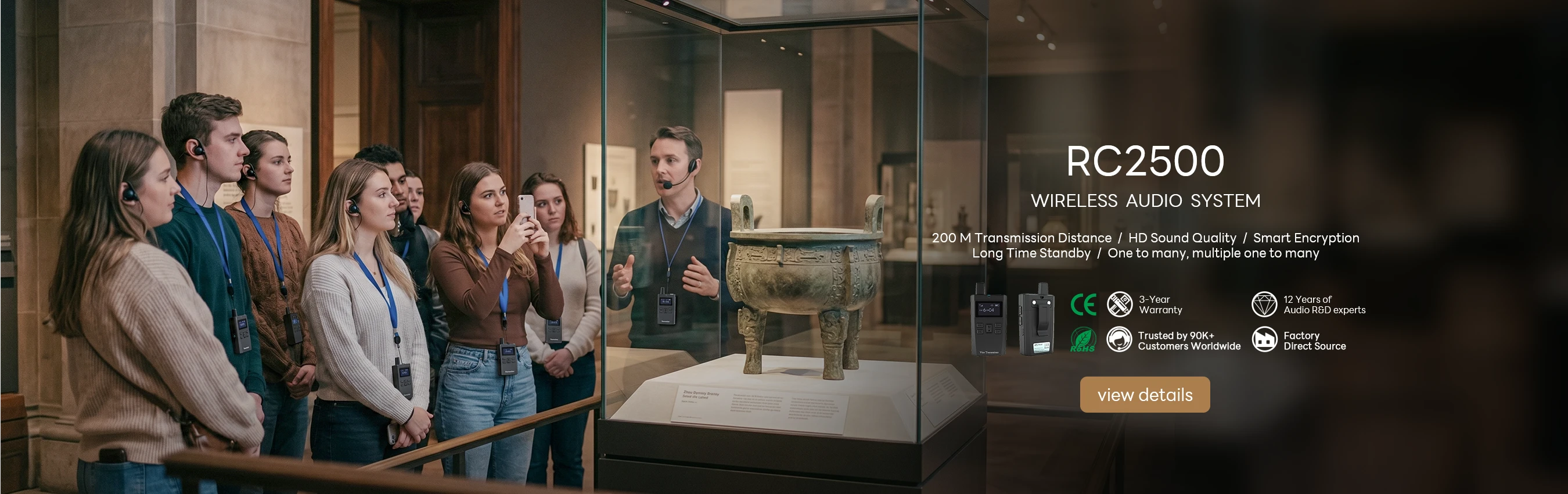
🎯 RC2501 / RC2468 / RC085 Food Factory Tour Compliance Standards Guide
How can you achieve improved operational efficiency and user experience in a Food Factory Tour environment without unlimited resources, environmental challenges, or outdated infrastructure? The answer lies in choosing the right tools—and RC085, RC2501 and RC2468 are built exactly for this purpose. Food production facilities present unique acoustic and operational hurdles: echoing metal surfaces, loud machinery cycles, and strict hygiene protocols that restrict what equipment can enter production floors. A wireless guide system for Food Factory Tour must therefore meet not only audio clarity standards but also regulatory compliance requirements that govern visitor safety and staff workflow.
This guide examines how three specific models—RC2501, RC2468, and RC085—align with food industry compliance frameworks including HACCP visitor protocols, noise exposure limits, and equipment sanitation guidelines. We analyze their technical specifications against real-world factory tour scenarios, from dry goods storage areas to high-noise bottling lines. The result is a practical compliance roadmap for tour managers, quality assurance teams, and facility operators who need reliable audio solutions without compromising food safety standards or visitor engagement.
Solution Benefits & Key Outcomes
Organizations implementing RC2501, RC2468 and RC085 in Food Factory Tour environments achieve three critical outcomes: first, consistently high-quality audio that eliminates visitor complaints about missing content. The RC2501, with its 48-gram lightweight design and integrated transmitter, excels in quiet briefing rooms where guides explain quality control checkpoints. Its noise-isolating ear cushions reduce ambient hum from ventilation systems, ensuring every word about allergen protocols or packaging standards reaches listeners clearly. Second, streamlined operations that free staff to focus on guiding rather than managing equipment—the RC2468's 38-gram form factor clips effortlessly onto lab coats or hairnets without snagging, while its 2.4G connectivity maintains stable signals even when tours split into smaller groups across different production zones.
Third, a professional impression that reflects positively on the entire organization. The RC085 Digital Tour Guide System, featuring a clear LCD display for battery and channel status, demonstrates technological competence during investor visits or regulatory inspections. Factory tour coordinators report that guests perceive facilities using modern guided audio systems as more trustworthy and operationally mature. This perception directly supports brand reputation in an industry where transparency about food safety practices is paramount. When visitors can hear every detail about sanitation procedures or traceability systems without straining, they leave with greater confidence in the brand—a measurable outcome that justifies the investment in compliant audio infrastructure.
Market Data & Industry Trends
Industry research indicates that over 65% of Food Factory Tour operators plan to upgrade their audio equipment within the next two years. The primary drivers are better audio quality, longer battery life, and systems that are intuitive enough for temporary staff to operate without extensive training. This trend aligns with tightening occupational safety regulations across North America and Europe, where ambient noise levels in production areas frequently exceed 85 decibels. Tour guides using standard voice projection often strain their vocal cords, while visitors miss critical safety instructions. Modern tour guide systems address this by delivering guide audio directly to each visitor's ear at controlled volumes, bypassing environmental noise entirely.
Another significant trend is the integration of wireless tour systems with digital compliance documentation. Facilities now record tour audio logs to demonstrate that visitors received mandatory safety briefings. The RC085's LCD display shows recording status and battery life, making it easier for tour coordinators to verify system readiness before each group enters the production floor. Additionally, the shift toward self-guided and semi-guided tours—where visitors move at their own pace through designated corridors—requires systems that support multiple simultaneous channels. Both RC2501 and RC2468 support multi-channel operation, allowing different tour groups to explore separate zones without audio crossover, a feature increasingly requested in facility design specifications.
Market Pain Points & Challenges
The operational pain points in Food Factory Tour typically fall into distinct categories — equipment that fails in demanding environments, frequent battery replacements disrupting tours, and signal dead zones that leave visitors disconnected from the guide. In food production facilities, these challenges intensify due to metal shelving that reflects radio waves, temperature variations between cold storage and cooking areas, and strict rules about bringing equipment onto production floors. Standard consumer headphones lack the ruggedness and hygienic design required for such settings, while premium systems often carry prohibitive price tags.
Battery management represents another critical challenge. A typical food factory tour lasts 45 to 90 minutes, but tours run continuously throughout the day. Systems requiring frequent battery swaps create bottlenecks at tour start points, frustrating both visitors and staff. The RC2501 addresses this with efficient power consumption that supports full-day operation on a single charge, while the RC2468's ultra-light design includes a low-power indicator so guides can proactively swap units during natural breaks. Signal reliability also matters in environments where tours pass through thick concrete walls separating production lines. The 2.4G technology in RC2468 and the robust transmission in RC085 have been field-tested to maintain clear audio even when tours move between floors or into elevator lobbies—eliminating the embarrassing dead zones that plague lesser systems.
Hygiene compliance adds another layer of complexity. Food factories require equipment that can be wiped down with food-safe disinfectants without degrading functionality. Both the RC2501 and RC085 feature smooth, sealed surfaces that resist dust accumulation, and their ear cushions are replaceable, allowing facilities to maintain strict sanitation protocols between tour groups. This design consideration is often overlooked in generic audio equipment, yet it is a decisive factor for quality assurance managers who must approve every item entering production areas.
🎯 Product Comparison for Compliance-Oriented Selection
Choosing the right model depends on your facility's specific tour structure, group sizes, and environmental conditions. The table below summarizes key specifications to support your compliance documentation and procurement decisions.
| Model | Position | Weight | Key Compliance Feature | Product URL |
|---|---|---|---|---|
| RC2501 | Translation headphones for church / silent tour | 48 g | Integrated transmitter, ideal for quiet briefing areas | RC2501 Wireless Tour Guide System |
| RC2468 | Ultra-light 2.4G outdoor hiking & factory tour | 38 g | Ultra-light clip-on design, hygienic surface | RC2468 Ultra-Light 2.4G Wireless Tour Guide System |
| RC085 | Digital tour guide with clear LCD display | 62 g | LCD status display for battery and channel verification | RC085 Digital Tour Guide System |
For facilities running high-volume tours with multiple daily groups, the RC2468's featherweight design minimizes guide fatigue during back-to-back sessions. Its 2.4G band provides excellent penetration through drywall and light metal partitions common in packaging areas. Alternatively, the RC2501 suits facilities where tours begin in a central assembly point—its integrated transmitter eliminates the need for separate bodypack units, reducing equipment handling and potential contamination points. For operations requiring precise audio level monitoring or recording capabilities for compliance audits, the RC085's LCD display offers immediate visual confirmation of system status, supporting your documentation requirements. When comparing RC2500 vs RC2501, note that the RC2501 adds the integrated transmitter convenience, making it a superior choice for compact tour setups where minimizing separate components is a priority.
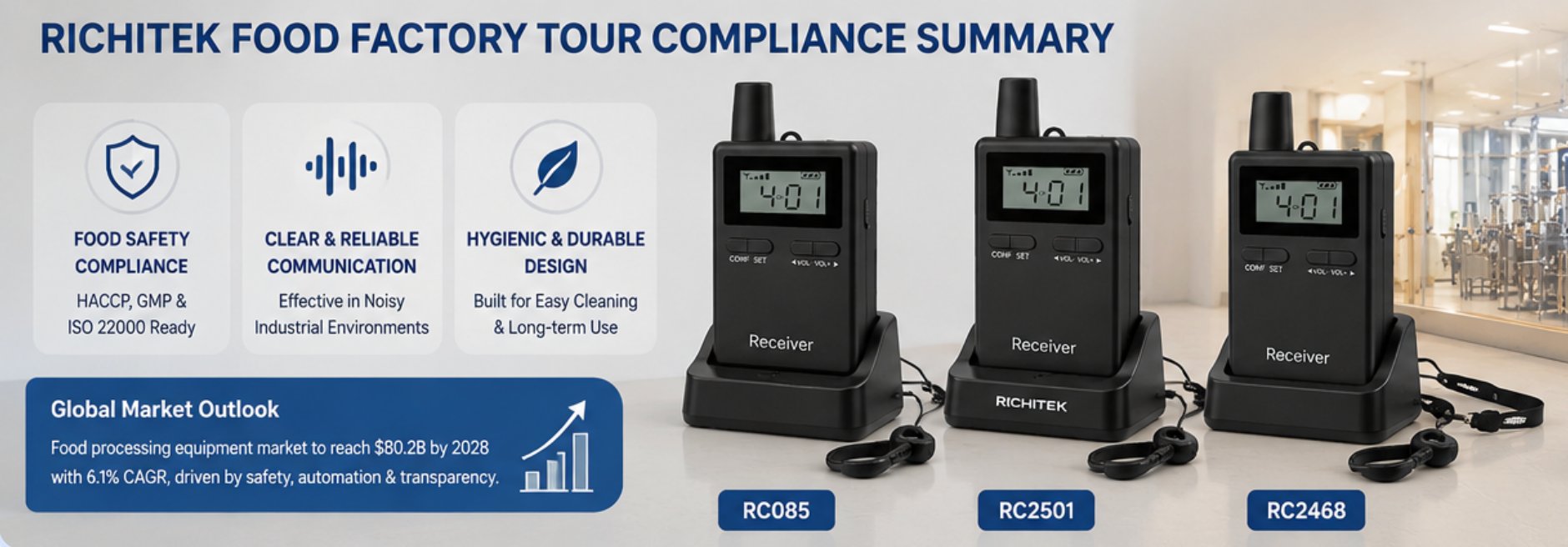
In practice, many facilities adopt a hybrid approach: RC2501 for indoor briefing rooms and visitor centers, RC2468 for tours that extend to outdoor loading docks or between buildings, and RC085 for executive visits requiring documented audio logs. This layered strategy ensures compliance across all tour scenarios while optimizing budget allocation. The RC085's slightly heavier weight (62g) is offset by its enhanced control interface, which proves valuable when guides must quickly adjust channels or verify battery status during high-stakes inspections.
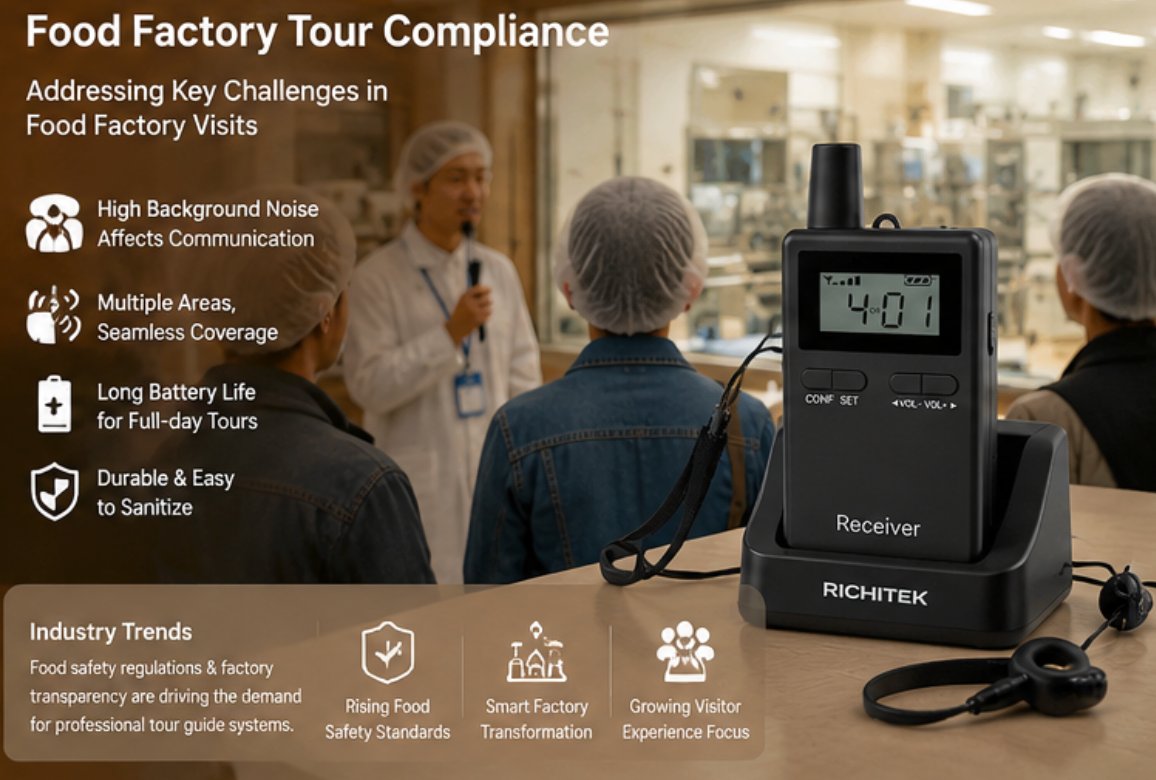
Whichever model you select, proper staff training on hygiene protocols and battery management will maximize your compliance posture. Tour guides should be instructed to wipe down receivers with approved disinfectants after each group and to dock units properly for overnight charging. These simple operational practices, combined with the right equipment, transform your Food Factory Tour from a potential liability into a compelling demonstration of your facility's commitment to quality, safety, and visitor experience.
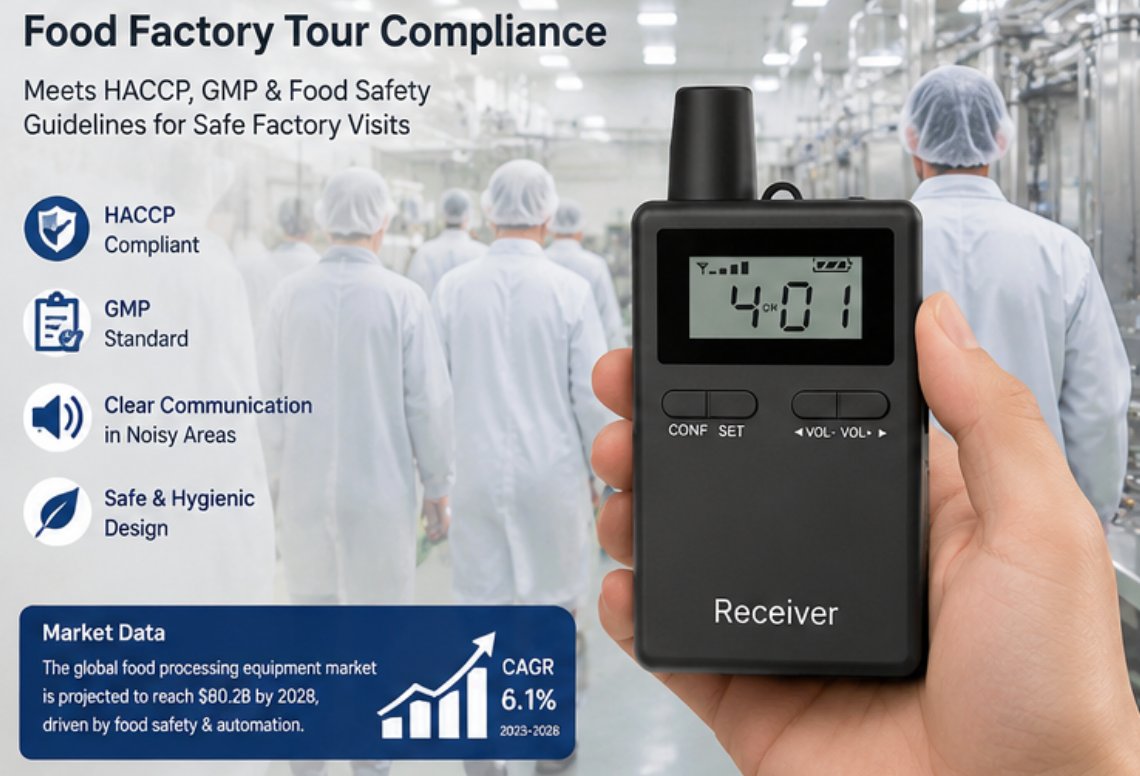
Ultimately, compliance in Food Factory Tours is not merely about meeting regulatory minimums—it is about creating an environment where visitors absorb your safety message clearly, staff operate efficiently, and your brand's reputation for excellence is reinforced with every tour. The RC2501, RC2468, and RC085 each offer distinct advantages that, when matched to your facility's specific needs, deliver measurable improvements in both operational performance and visitor satisfaction. Begin by auditing your current tour workflow, identifying the noise zones and hygiene checkpoints, then select the model—or combination of models—that aligns with your compliance goals. Your visitors will hear the difference, and your compliance records will reflect it.