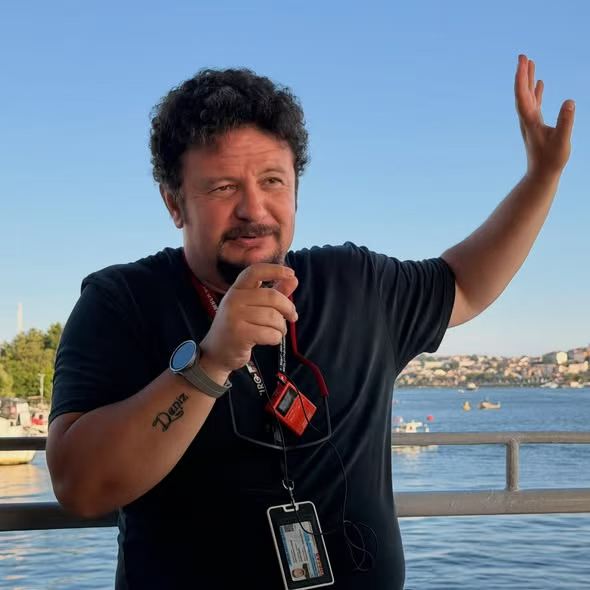

I have come back from Istanbul with a clear picture of what a wireless guide system actually has to do in a city that never gets quiet. The route crossed a touristy old street, a famously painted stairway, and a walled garden attached to a historic building, in a single afternoon, with a group that spoke four languages between them. None of it was a museum. All of it mattered, and all of it is what the RC2406, the RC2402, and the RC2401 carried without complaint. This is what that afternoon looked like from the operator's side, and it is the kind of afternoon that city tour wireless guide solutions are built for once groups stop being able to hear a guide over traffic.
🏛️ The First Stop on Foot
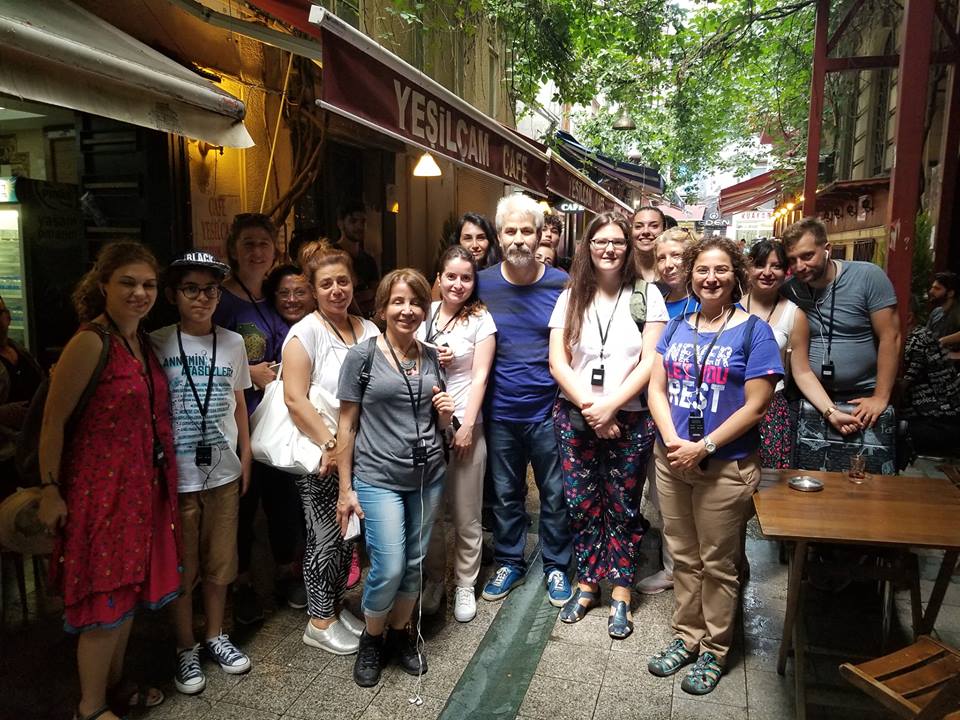
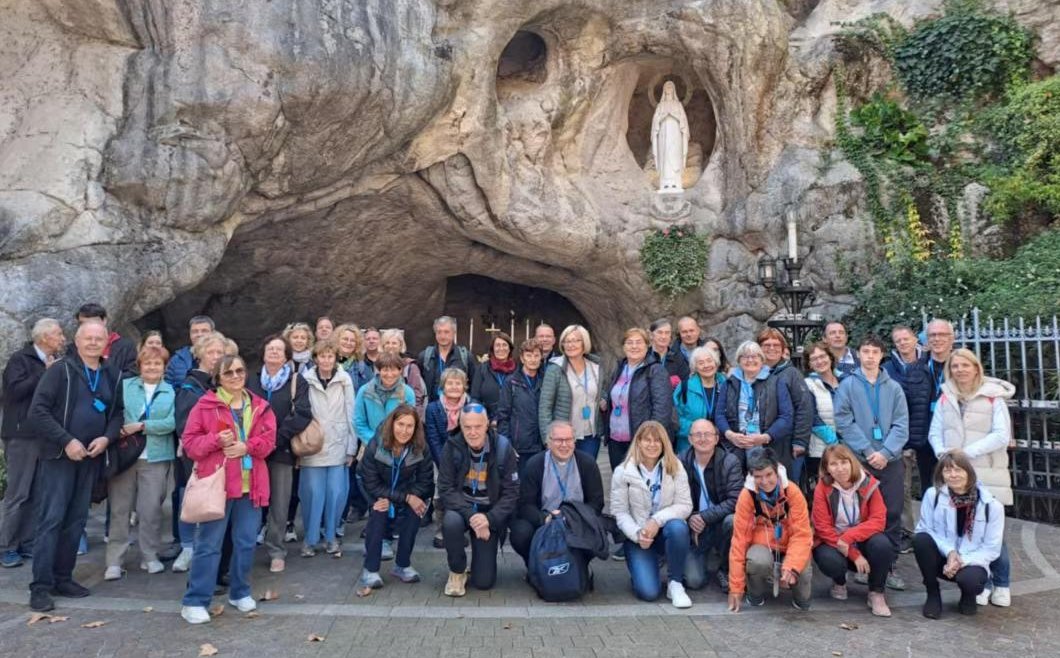
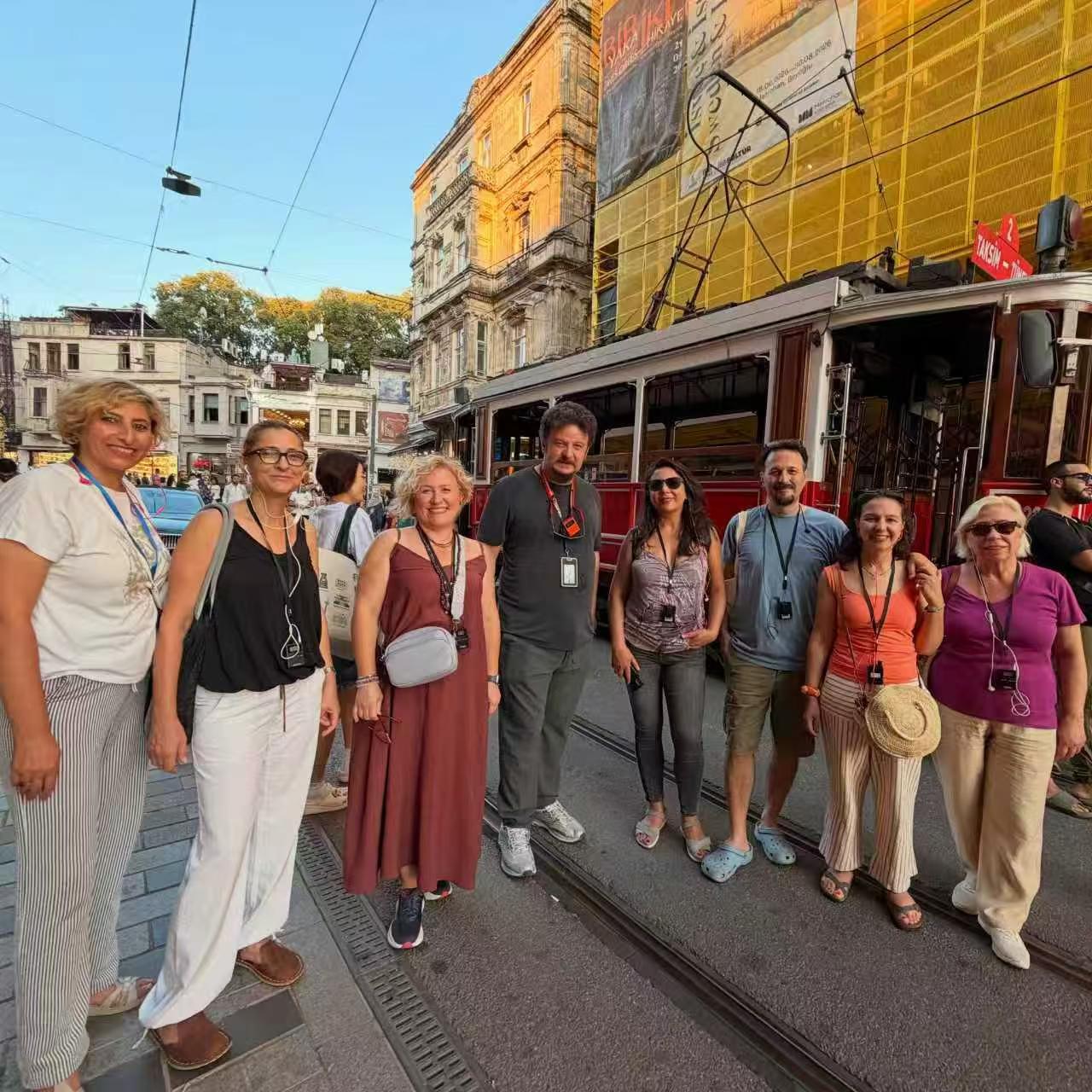
The first stop was a narrow commercial street lined with antique shops, with a tram running down the middle and a sign for a famous cinema at the top of the block. The group assembled at one end and began walking. This is the moment a guide system earns its keep, because at the start of a walking tour the group is tight, the guide is speaking, and the noise of the street is at its loudest. The RC2402 carried that opening stretch without anyone leaning in or asking the guide to repeat. The visitors who had walked into a new country that morning were suddenly hearing the street the way the guide was describing it.
📷 Stops That Become Photo Moments
The structure of a city walking tour is a long walk punctuated by short stops, and the short stops are where the guide does most of the real work. A two-minute pause in front of a door, a five-minute stop at a courtyard, a group photo before moving on. These are the moments where a system either keeps the group together or loses them to a passing tram. What worked here was discipline: the guide paused, spoke, and the group heard. No one drifted forward to take a better photo, because the better photo was the next one, and the system kept them on schedule.
🪜 Stairways and Hillside Walks
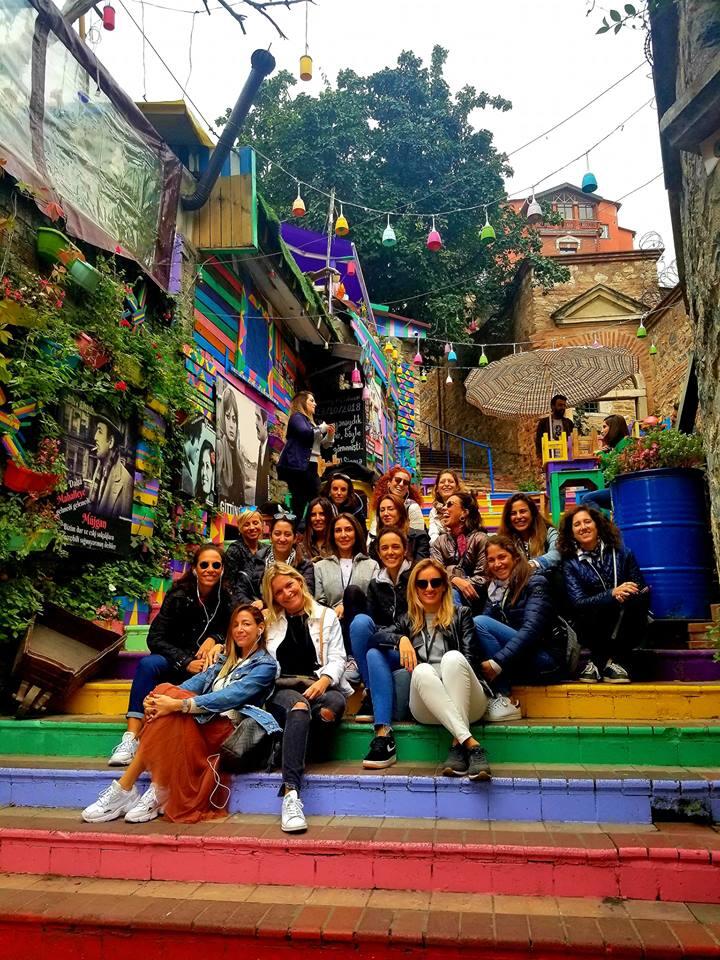
The famous painted stairway in Balat sits on a hillside, and a hillside changes how a wireless signal behaves. Concrete rises, and the concrete rises. Reflections off tile and painted stucco create a different interference pattern than open streets. The midday sun also heats the equipment, which is the kind of detail that does not show up in a specification sheet. None of it mattered for the group, because the gear kept a clean link up the climb and across the photograph. That is the only test that actually counts in the field.
🌳 The Garden That Closes the Day
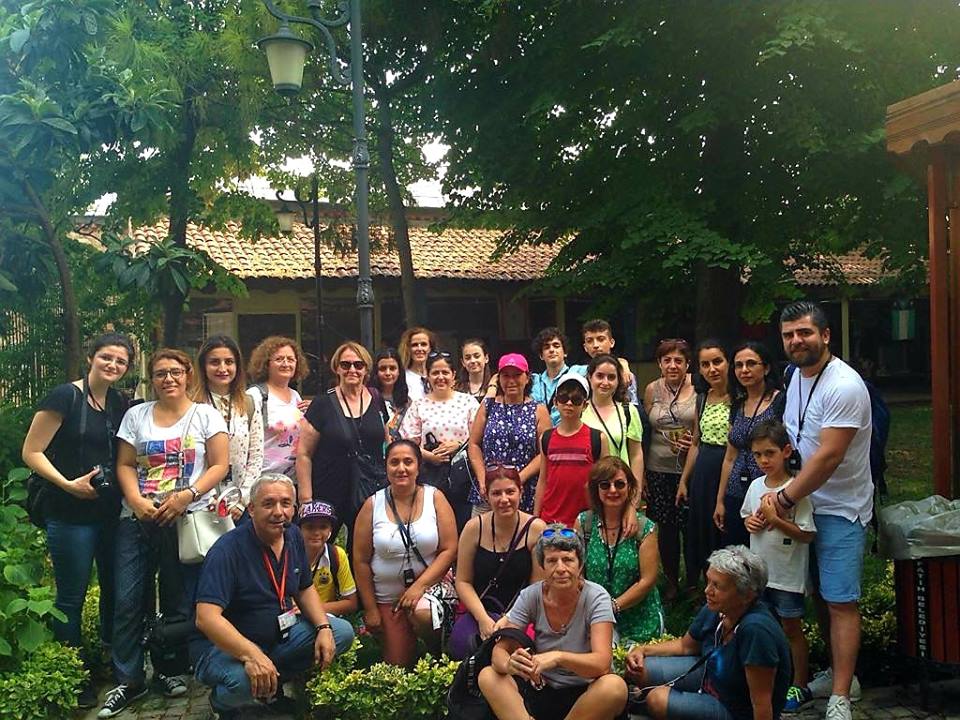
The last stop of the afternoon was a walled garden attached to a small historic building, with shaded paths and the sound of the city dropping away. By that point the group had been listening for over two hours across three languages, and the energy was the kind that only a garden walk can recover. The RC2406 took over for the multilingual part of the afternoon, and the garden became the place where the different language cohorts finally heard the same guide at the same moment, which is a small pleasure specific to a tour that uses channels well.
🗣️ Where Multilingual Came In
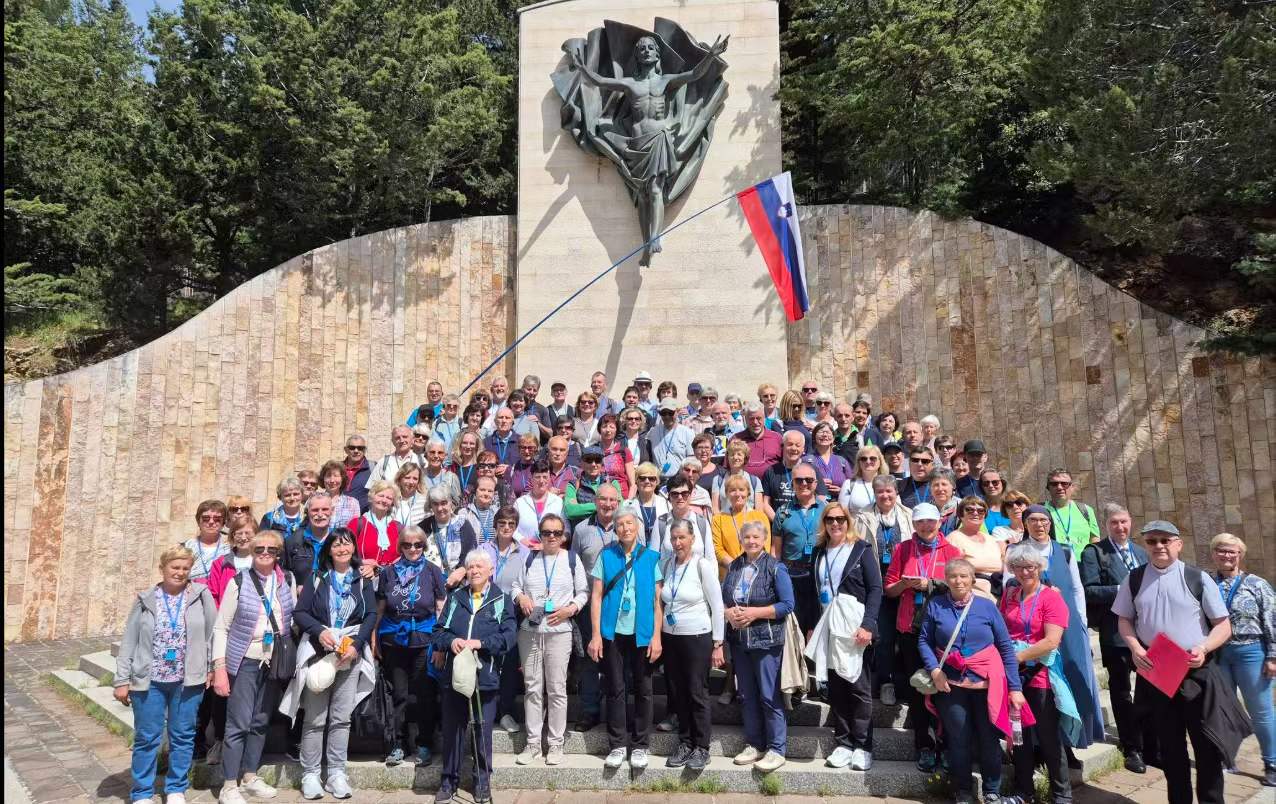
The group was four languages. That is more than a typical European city tour, but it is not unusual for Istanbul, and it is exactly the load case a multilingual system is built for. The practical test is not whether the guide can speak four languages but whether the group can listen in four languages without stepping on each other. The 80-channel platform handled that across three live languages at once, and the guide switched channels for a private remark to a single family without losing the rest of the group.
📊 What the Operator Saw on Day One
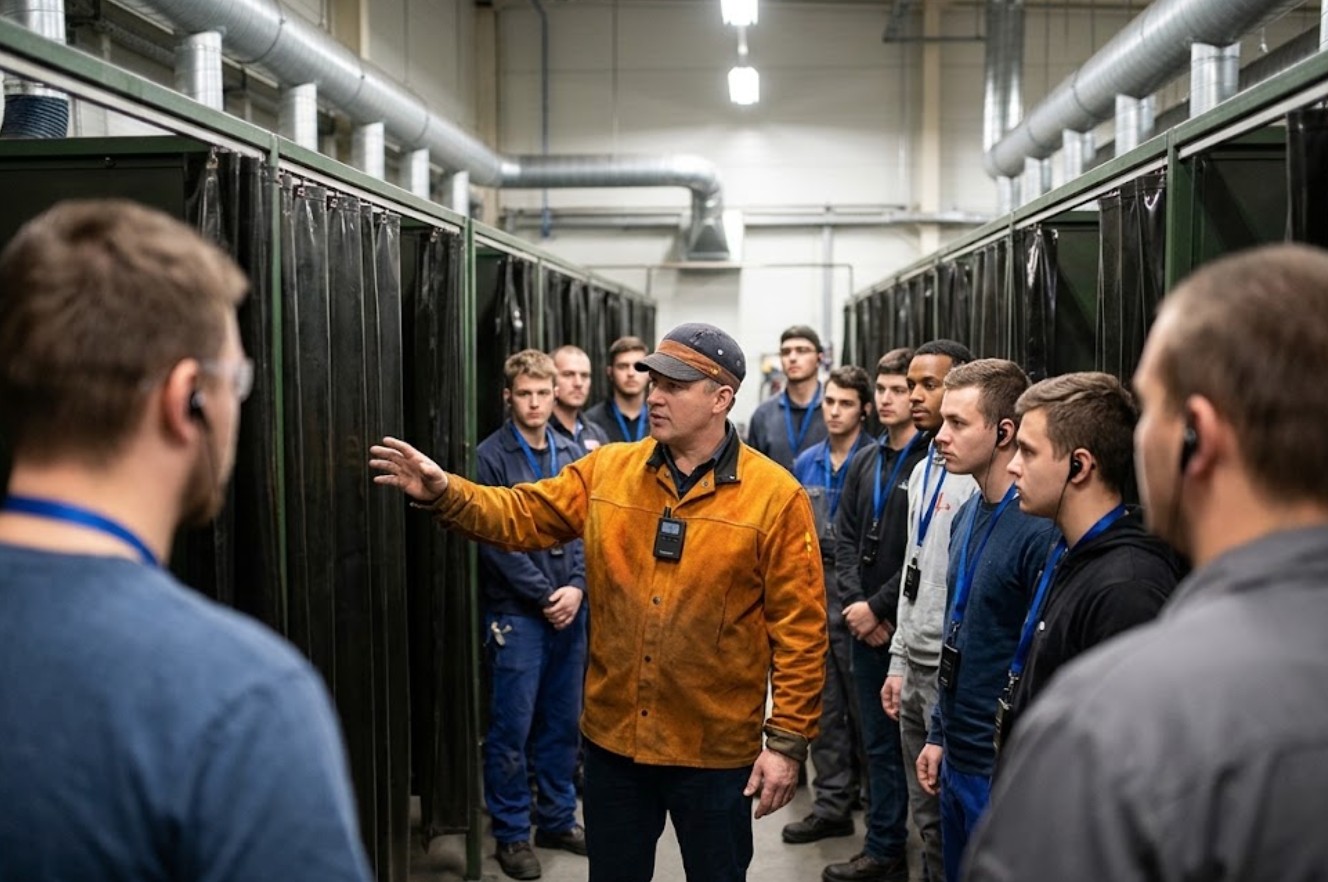
By the end of the season the operator had a simple read on what the system had bought them. The guide no longer had to raise her voice over traffic or stop to repeat herself at the top of a stairway. The group stayed cohesive enough that they arrived at each stop together, which changed the day's timing enough to fit a fourth stop. The system did not so much add capacity as remove friction, and that is the cleanest description of what a wireless guide system is supposed to do on a route like this.
| Stop | Setting | What mattered most | Unit on the route |
|---|---|---|---|
| First stop | Busy commercial street | Voice at the start of the walk | RC2402 |
| Painted stairway | Concrete hillside, midday sun | Signal across reflective surfaces | RC2402 + RC2406 |
| Walled garden | Shaded, multilingual cohort | Channel isolation between languages | RC2406 |
| Between stops | Charging at the van | Discipline for the next morning | RC2401 parallel pool |
⚖️ ⚙️ The Charging Routine Between Stops
The equipment that mattered between stops was a small fleet of RC2401 receivers kept on a numbered charge rack in the operator's van. Every evening the guides docked the units that needed charging and pulled the ones that were ready for the next morning. The discipline that made the next day's first stop work was the routine that ended the previous day. No one had to think about battery state at eight in the morning, because the rack had already settled it the night before.
💡 Reusable for Similar Routes
The combination used on this route is reusable on any city walking tour with mixed-language groups and a few stops that move indoors and outdoors. For a view of how a similar kit is deployed on a pilgrimage route with the same multilingual requirement, read a Hajj and Umrah audio guide case study, which uses a similar kit across very different terrain. Browse the wireless tour guide system range to match the three roles to the units that performed them on this route.