
A leading China factory specializing in Wireless Tour Guide Systems, Church Audio Guides, and Translation Headphones with premium OEM/ODM solutions.

Tel:+86 13825295213

Email:tiger.wang@richitek.com

RC2401 and RC2406: A Heritage Site Tour Day, Told from the Operator's Side

The kit on the rack looked the same as the kit we sent a year earlier, and that was deliberate. This is a heritage tour operator who runs evening walks through a courtyard site, and what he wanted to know when he came back to us was not whether the next generation of receivers sounded better. It was whether the same three units that had carried his summer field day could also carry a winter evening when the temperature drops and the visitors stay longer. The kit passed both. This is what that day looked like from his side, and what he said after. More on wireless tour guide systems for heritage tours generally, but this is what this one looks like up close.

🏛️ How the Group Found Us

His group had been running site tours with a competing system for several seasons, and the day he rang us was the day his lead guide refused to use it again. The complaint was not about audio. It was about the channel hop every time the group walked past the courtyard colonnade. The lead guide's name was on every visitor survey, and management decided that was the variable to fix.

What we sent over was the kit he is still using: a compact transmitter, a pocket-sized receiver set, and a long-endurance unit as the standby. None of it was specified as new. He asked for the models he had borrowed on a trial afternoon a week earlier, and we agreed the trial was the procurement.

🎯 👤 The Guide Who Tested Three Generations

The lead guide on this site has been doing evening tours for sixteen years and has used three generations of wireless guides. His first observation about the current kit was about weight: the transmitter is light enough to wear on a lanyard without the lanyard sliding off the shoulder when he leans forward, which had been a chronic complaint with his previous set. His second observation was about the receiver's screen: bright enough to read under courtyard lighting at dusk, without being so bright that it pulls the visitor's eye away from the building.

His third observation was the one that mattered most to us. He had spent a season with a competitor whose receiver locked onto a single channel and could not be switched mid-tour without restarting the unit. The current receiver lets him reassign channels on the fly, which means a tour that ends with an indoor reading room and a tour that ends at the courtyard gift shop can run on the same hardware without a stop at the charging rack in between.

🌾 A Working Morning That Carried the Same Kit

Two weeks before the heritage evening tour opened for the year, the same guide used the same three units at an agriculture field day. The group was twenty plus, with a mix of growers and agronomists, and the day was a long one: site walks in the morning, technical demonstrations through the afternoon, and a closing reception that ran well into the evening.

RC2401 and RC2406: A Heritage Site Tour Day, Told from the Operators Side(图1)

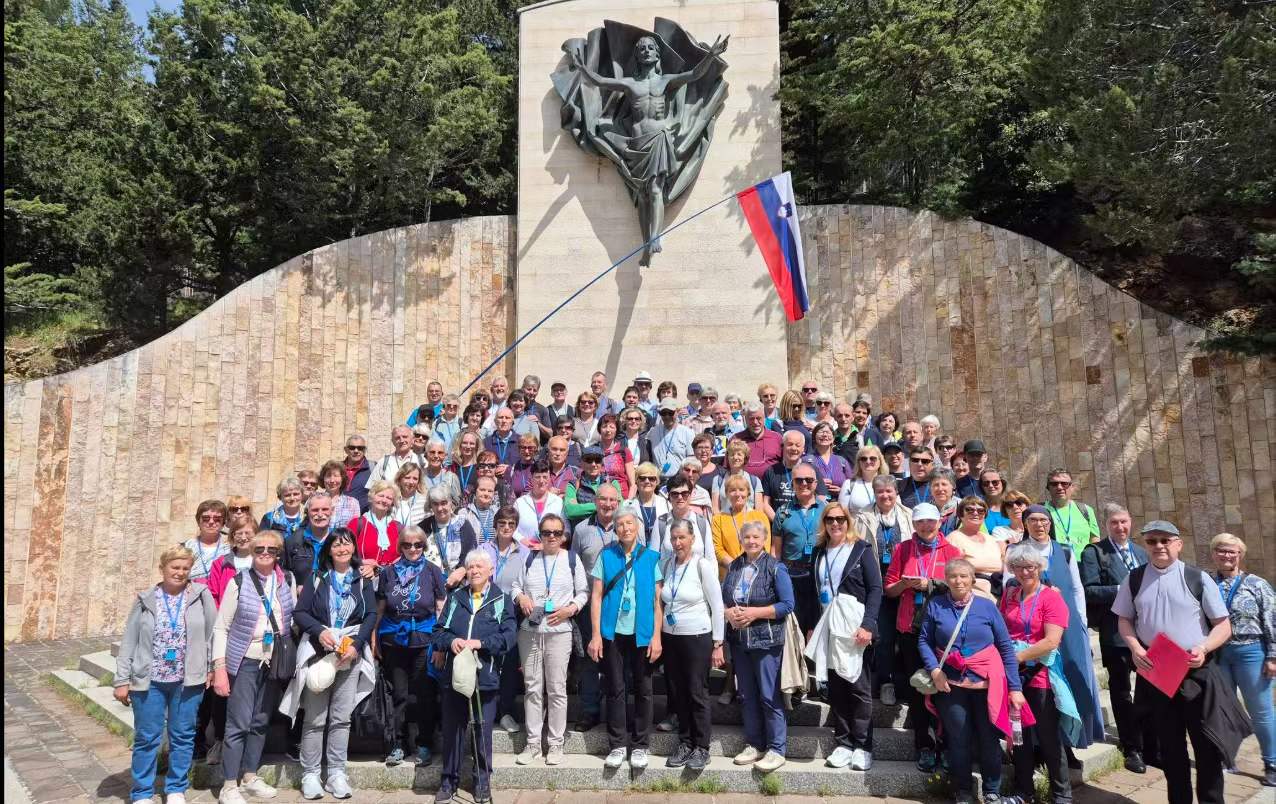
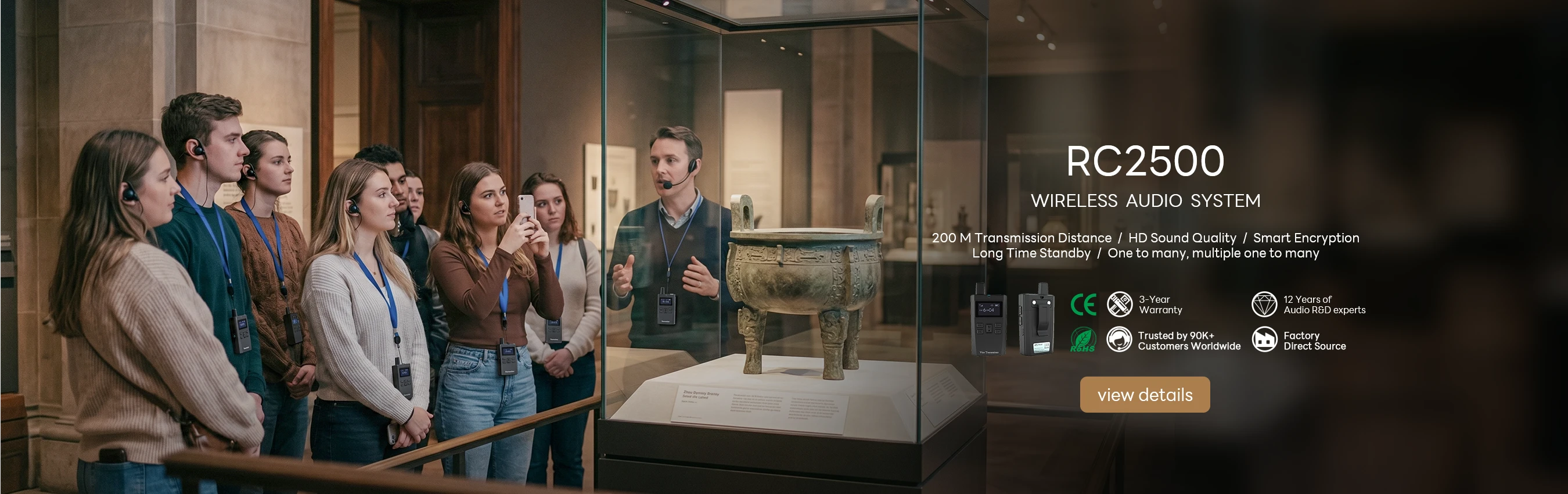
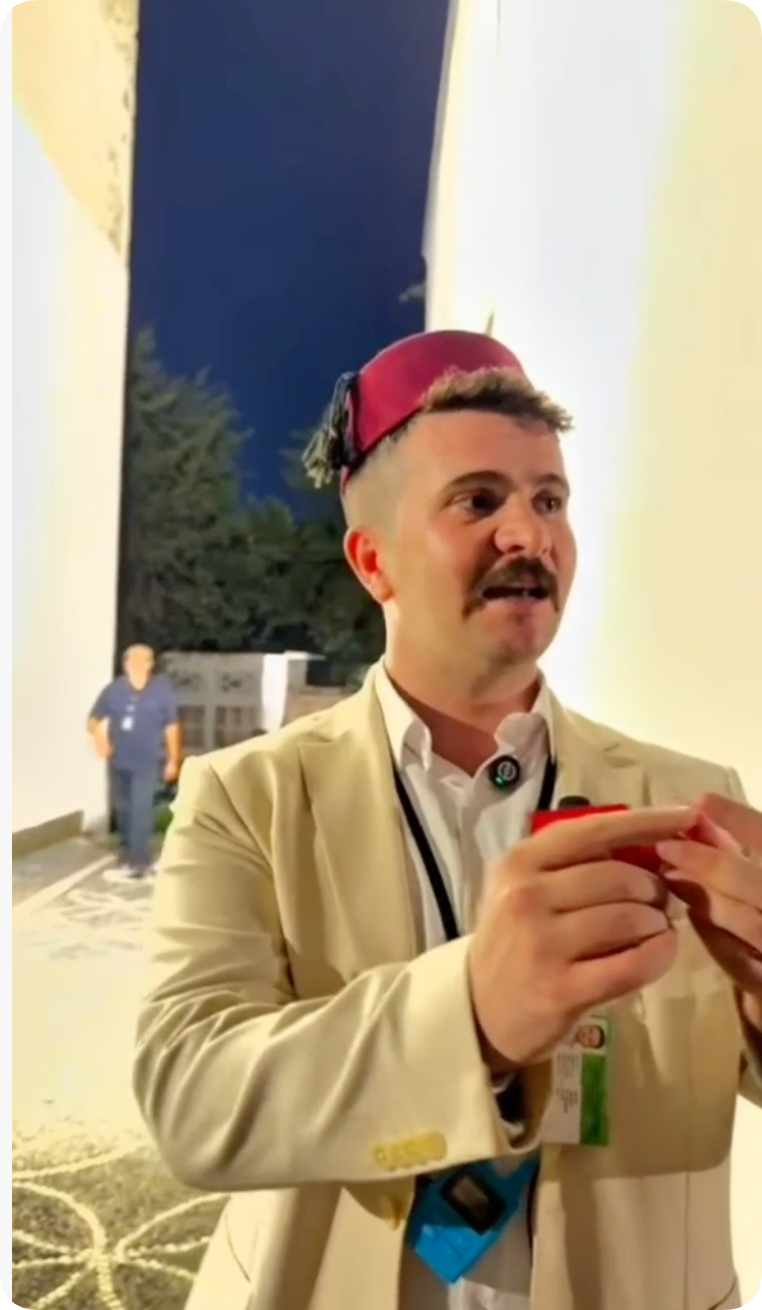
The receiver sat on a visitor's neck for the full day without the visitor reporting it as heavy, and the transmitter's battery outlasted the day by enough margin that the lead guide chose not to swap to the standby unit. That is the same standby unit that carries the heritage tour's evening slot, which is how the working morning became the test of the heritage kit as well. The pocket-sized receiver here is the RC2401, paired with a body-worn transmitter and a long-endurance standby.

💡 🌙 Why the Evening Was the Real Test

Evening tours have a different failure mode than daytime tours. The challenge is not distance or noise in the open air. The challenge is that visitors stay later than expected, move slower because the courtyard is darker, and the guide's voice has to carry across reflective stone surfaces at a volume that would be uncomfortable indoors. The kit that worked in the wheat field at midday had to work in the courtyard at dusk.
RC2401 and RC2406: A Heritage Site Tour Day, Told from the Operators Side(图2)

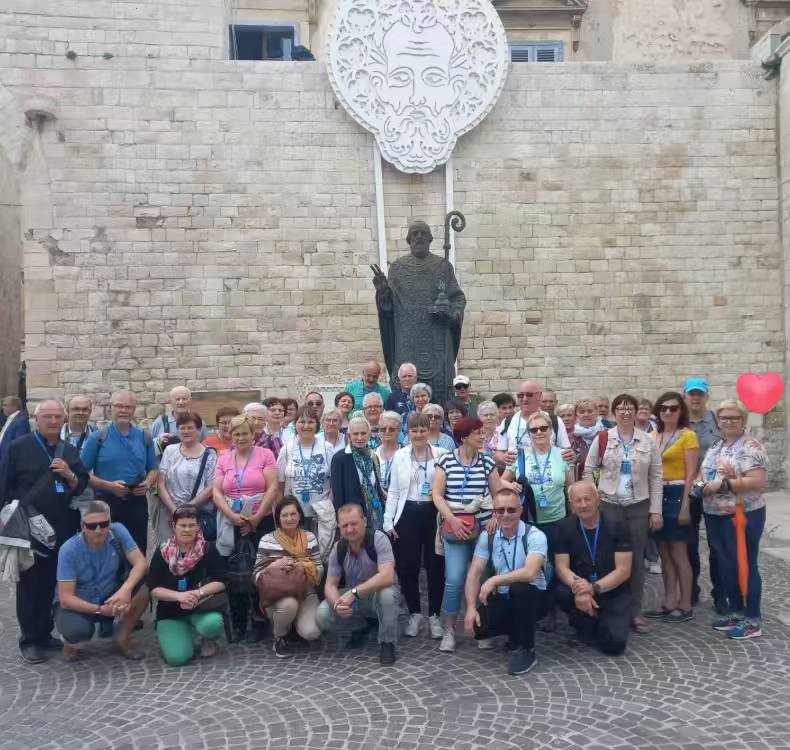
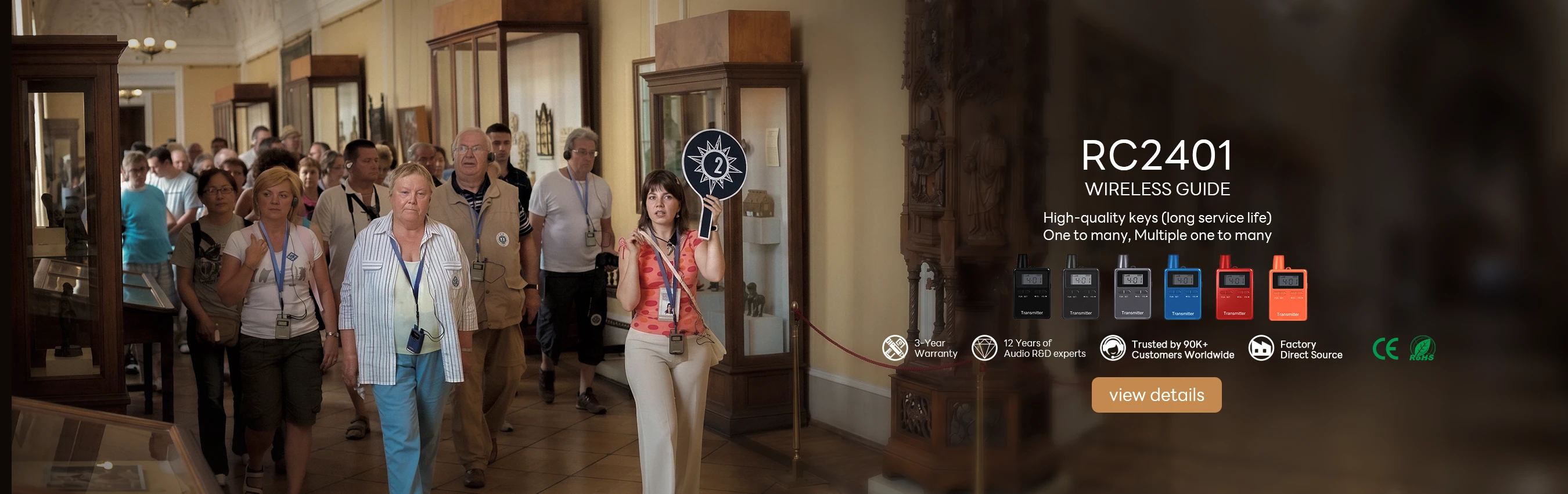
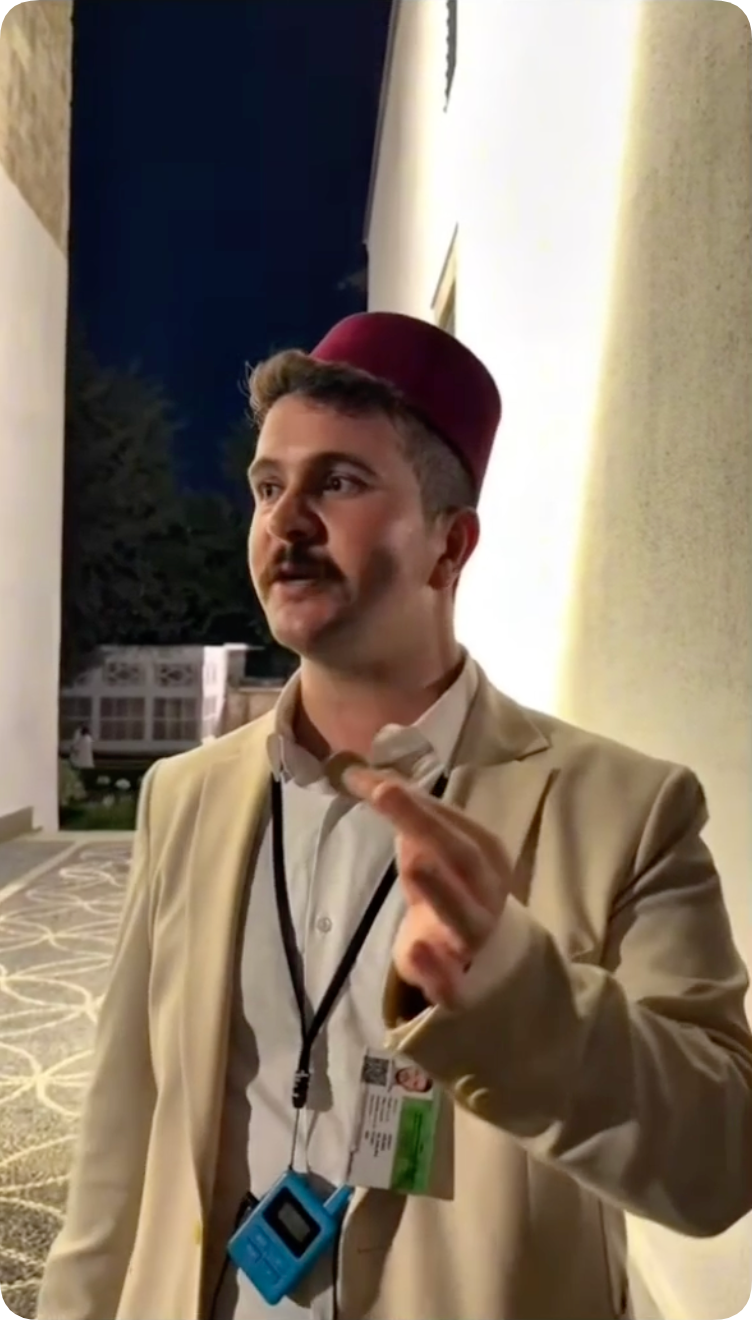
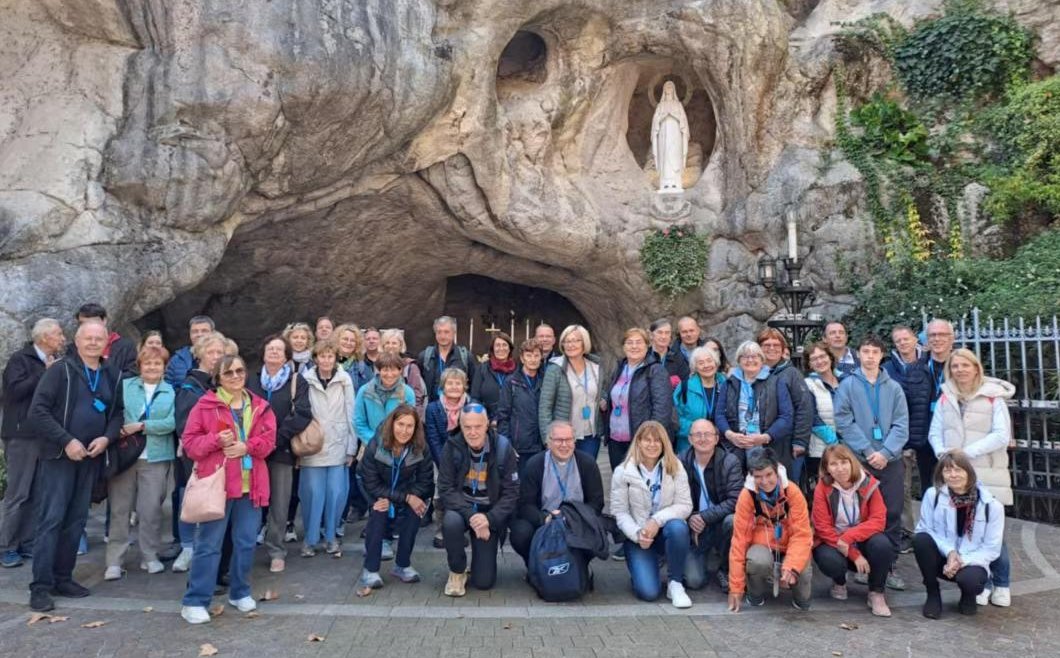
The transmitter held its signal across the courtyard even when the group walked the long way around the colonnade, which is the geometry that broke the previous kit. The lead guide's reading from his own equipment notes was that the receiver's auto-gain handled the quieter visitor voices at the back of the group without the guide having to repeat sentences, which was the change that mattered for visitor comments. The compact transmitter on the lanyard here is the RC2406, and the receiver clipped to his chest is the matching visitor unit from the same generation.

📡 What Each Unit Carried

The compact transmitter sat on the lead guide's lanyard and ran the full evening without a battery warning. The pocket-sized receivers went out to visitors at the start of the tour and were returned at the end, and the long-endurance unit sat on the charging rack between tours and was pulled only if a receiver failed or a private booking ran longer than the standard slot.
RC2401 and RC2406: A Heritage Site Tour Day, Told from the Operators Side(图3)

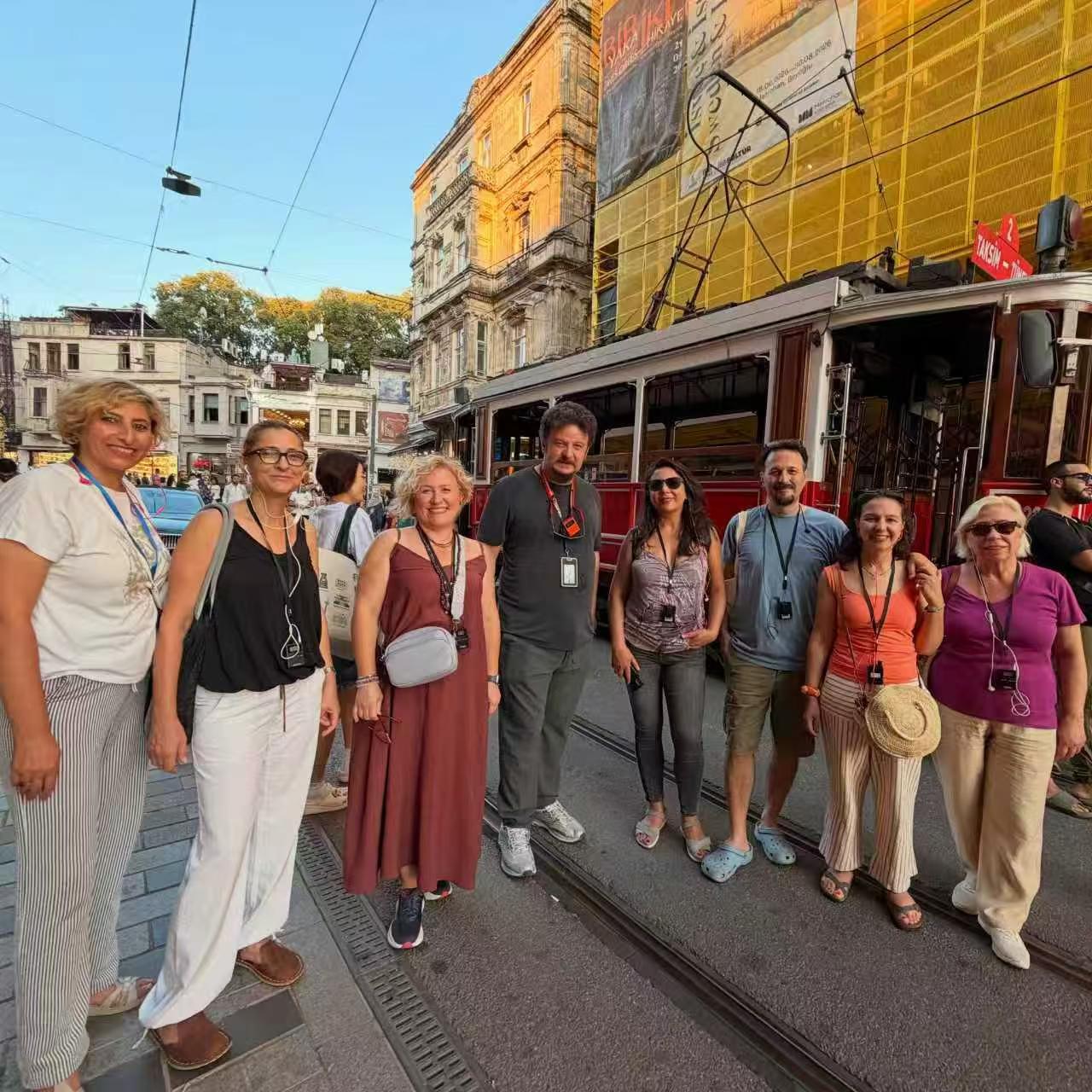
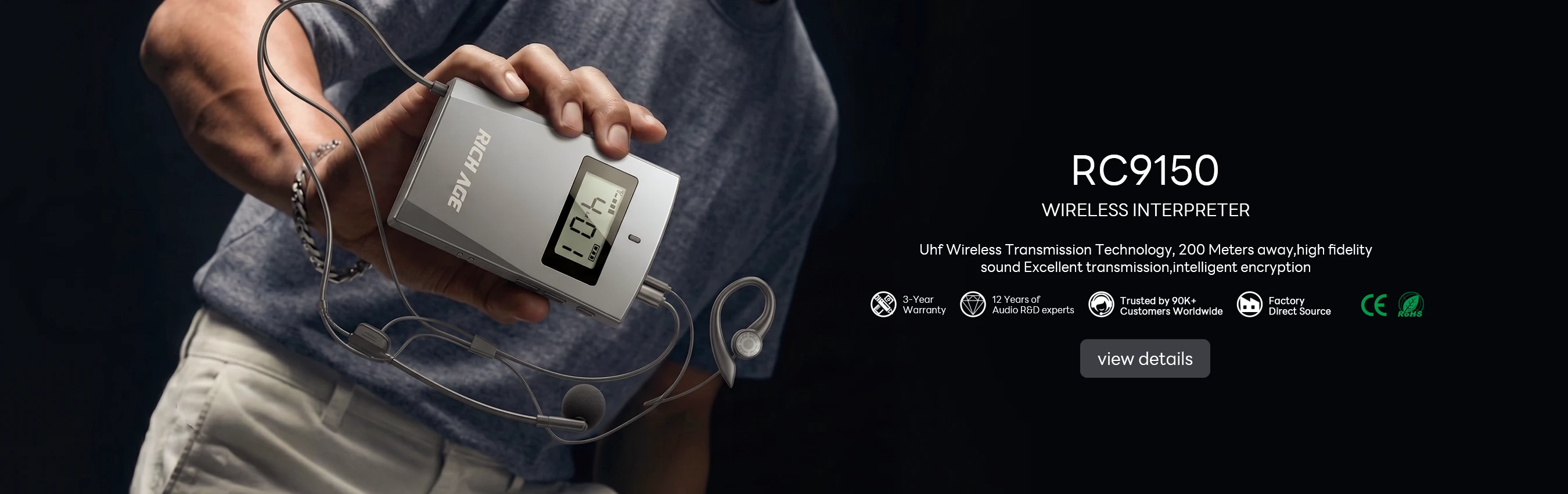
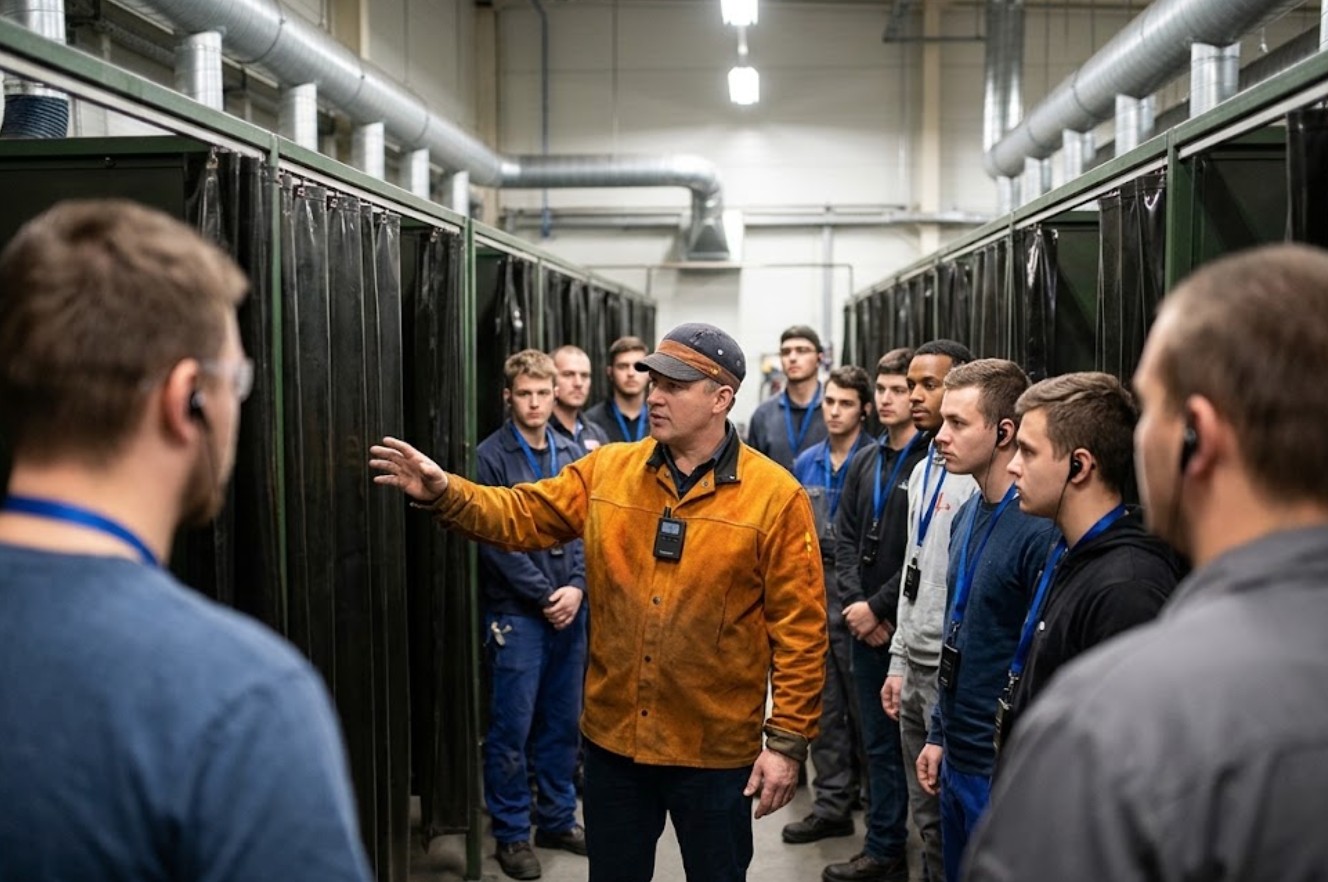
The way the operator described the standby unit was not as a spare but as an insurance. The kit works on any two of the three units; the third is the margin that means a private booking does not get cancelled because of one bad receiver. The long-endurance standby here is the RC9150, kept on the rack between slots and pulled only when the kit needs to run an extra evening.

🔋 🔋 Battery at the End of Ten Hours

The lead guide runs one evening tour a day in winter, and a morning and an afternoon tour in summer, with the charging rack between slots. By the end of a ten-hour day in summer he is not relying on the standby unit at all, and the receivers go back to the rack still showing more than thirty percent on their indicator. In winter, with the evening slot adding two hours on top of a half-day site walk, the standby unit's value is the difference between finishing the tour and apologising about an audible click as a receiver dies.

The previous kit's most failure mode, by his own account, was a receiver dying mid-tour and the guide carrying the dead unit back to the office rather than the visitor handing it over at the gate. Visitors notice that. It is the kind of small detail that does not appear in any survey and does appear in every group booking the following season.

🔊 Where the Audio Held

The hardest point on the evening walk is the colonnade. The colonnade is a long stone walkway with arches on one side and the courtyard wall on the other, and it produces an echo that the previous kit could not damp out without pushing the guide's volume into the range where visitors start to wince. The current kit's receiver does not pull a louder signal into a louder speaker; it pulls a cleaner signal into a quieter speaker, which is the only honest answer for a stone walkway.

The second hardest point is the gift shop at the end. The gift shop is small, busy, and acoustically hard. Visitors who have spent ninety minutes outdoors walk into a small room and the guide's voice goes from carrying across open air to competing with a coffee machine. The current kit's receiver held intelligible speech in that room, which is the place the previous kit lost visitors.

🎯 ✅ What the Guide Recommends Now

His recommendation, when we asked what to tell the next operator, was practical. Do the trial the way he did it. Use the same three units across two different tour types in the same week. If the field day at midday passes without complaint, the evening at dusk will pass as well, because the failure mode in the evening is not the equipment but the visitor expectations, and the equipment does not change either way.

The other thing he said, which we did not put in the trial agreement, was about the colonnade. Run one tour all the way around the colonnade before you sign anything. If that passes, you have bought the right kit. If it does not, no amount of paper will fix the problem.

For anyone planning a heritage tour rollout and comparing kit to kit, the same questions apply to wireless tour guide system options generally. The colonnade test is the one that earns the contract. There is also a heritage site feedback story on the same site, from a different guide, that complements this one.
2026年09月08日 14:22
click: 131
no data

RC2401 and RC2406: A Heritage Site Tour Day, Told from the Operator's Side

time: 2026年09月08日 click:131

The kit on the rack looked the same as the kit we sent a year earlier, and that was deliberate. This is a heritage tour operator who runs evening walks through a courtyard site, and what he wanted to know when he came back to us was not whether the next generation of receivers sounded better. It was whether the same three units that had carried his summer field day could also carry a winter evening when the temperature drops and the visitors stay longer. The kit passed both. This is what that day looked like from his side, and what he said after. More on wireless tour guide systems for heritage tours generally, but this is what this one looks like up close.

🏛️ How the Group Found Us

His group had been running site tours with a competing system for several seasons, and the day he rang us was the day his lead guide refused to use it again. The complaint was not about audio. It was about the channel hop every time the group walked past the courtyard colonnade. The lead guide's name was on every visitor survey, and management decided that was the variable to fix.

What we sent over was the kit he is still using: a compact transmitter, a pocket-sized receiver set, and a long-endurance unit as the standby. None of it was specified as new. He asked for the models he had borrowed on a trial afternoon a week earlier, and we agreed the trial was the procurement.

🎯 👤 The Guide Who Tested Three Generations

The lead guide on this site has been doing evening tours for sixteen years and has used three generations of wireless guides. His first observation about the current kit was about weight: the transmitter is light enough to wear on a lanyard without the lanyard sliding off the shoulder when he leans forward, which had been a chronic complaint with his previous set. His second observation was about the receiver's screen: bright enough to read under courtyard lighting at dusk, without being so bright that it pulls the visitor's eye away from the building.

His third observation was the one that mattered most to us. He had spent a season with a competitor whose receiver locked onto a single channel and could not be switched mid-tour without restarting the unit. The current receiver lets him reassign channels on the fly, which means a tour that ends with an indoor reading room and a tour that ends at the courtyard gift shop can run on the same hardware without a stop at the charging rack in between.

🌾 A Working Morning That Carried the Same Kit

Two weeks before the heritage evening tour opened for the year, the same guide used the same three units at an agriculture field day. The group was twenty plus, with a mix of growers and agronomists, and the day was a long one: site walks in the morning, technical demonstrations through the afternoon, and a closing reception that ran well into the evening.

RC2401 and RC2406: A Heritage Site Tour Day, Told from the Operators Side(图1)

The receiver sat on a visitor's neck for the full day without the visitor reporting it as heavy, and the transmitter's battery outlasted the day by enough margin that the lead guide chose not to swap to the standby unit. That is the same standby unit that carries the heritage tour's evening slot, which is how the working morning became the test of the heritage kit as well. The pocket-sized receiver here is the RC2401, paired with a body-worn transmitter and a long-endurance standby.

💡 🌙 Why the Evening Was the Real Test

Evening tours have a different failure mode than daytime tours. The challenge is not distance or noise in the open air. The challenge is that visitors stay later than expected, move slower because the courtyard is darker, and the guide's voice has to carry across reflective stone surfaces at a volume that would be uncomfortable indoors. The kit that worked in the wheat field at midday had to work in the courtyard at dusk.

RC2401 and RC2406: A Heritage Site Tour Day, Told from the Operators Side(图2)

The transmitter held its signal across the courtyard even when the group walked the long way around the colonnade, which is the geometry that broke the previous kit. The lead guide's reading from his own equipment notes was that the receiver's auto-gain handled the quieter visitor voices at the back of the group without the guide having to repeat sentences, which was the change that mattered for visitor comments. The compact transmitter on the lanyard here is the RC2406, and the receiver clipped to his chest is the matching visitor unit from the same generation.

📡 What Each Unit Carried

The compact transmitter sat on the lead guide's lanyard and ran the full evening without a battery warning. The pocket-sized receivers went out to visitors at the start of the tour and were returned at the end, and the long-endurance unit sat on the charging rack between tours and was pulled only if a receiver failed or a private booking ran longer than the standard slot.

RC2401 and RC2406: A Heritage Site Tour Day, Told from the Operators Side(图3)

The way the operator described the standby unit was not as a spare but as an insurance. The kit works on any two of the three units; the third is the margin that means a private booking does not get cancelled because of one bad receiver. The long-endurance standby here is the RC9150, kept on the rack between slots and pulled only when the kit needs to run an extra evening.

🔋 🔋 Battery at the End of Ten Hours

The lead guide runs one evening tour a day in winter, and a morning and an afternoon tour in summer, with the charging rack between slots. By the end of a ten-hour day in summer he is not relying on the standby unit at all, and the receivers go back to the rack still showing more than thirty percent on their indicator. In winter, with the evening slot adding two hours on top of a half-day site walk, the standby unit's value is the difference between finishing the tour and apologising about an audible click as a receiver dies.

The previous kit's most failure mode, by his own account, was a receiver dying mid-tour and the guide carrying the dead unit back to the office rather than the visitor handing it over at the gate. Visitors notice that. It is the kind of small detail that does not appear in any survey and does appear in every group booking the following season.

🔊 Where the Audio Held

The hardest point on the evening walk is the colonnade. The colonnade is a long stone walkway with arches on one side and the courtyard wall on the other, and it produces an echo that the previous kit could not damp out without pushing the guide's volume into the range where visitors start to wince. The current kit's receiver does not pull a louder signal into a louder speaker; it pulls a cleaner signal into a quieter speaker, which is the only honest answer for a stone walkway.

The second hardest point is the gift shop at the end. The gift shop is small, busy, and acoustically hard. Visitors who have spent ninety minutes outdoors walk into a small room and the guide's voice goes from carrying across open air to competing with a coffee machine. The current kit's receiver held intelligible speech in that room, which is the place the previous kit lost visitors.

🎯 ✅ What the Guide Recommends Now

His recommendation, when we asked what to tell the next operator, was practical. Do the trial the way he did it. Use the same three units across two different tour types in the same week. If the field day at midday passes without complaint, the evening at dusk will pass as well, because the failure mode in the evening is not the equipment but the visitor expectations, and the equipment does not change either way.

The other thing he said, which we did not put in the trial agreement, was about the colonnade. Run one tour all the way around the colonnade before you sign anything. If that passes, you have bought the right kit. If it does not, no amount of paper will fix the problem.

For anyone planning a heritage tour rollout and comparing kit to kit, the same questions apply to wireless tour guide system options generally. The colonnade test is the one that earns the contract. There is also a heritage site feedback story on the same site, from a different guide, that complements this one.

no data
×

Contact us

email:
name:
subject:
content: