
A leading China factory specializing in Wireless Tour Guide Systems, Church Audio Guides, and Translation Headphones with premium OEM/ODM solutions.

Tel:+86 18922879583

Email:tiger.wang@richitek.com

Museum Audio Guide System Case Analysis: Optimizing Acoustic Architecture and Visitor Flow in Cultural Spaces

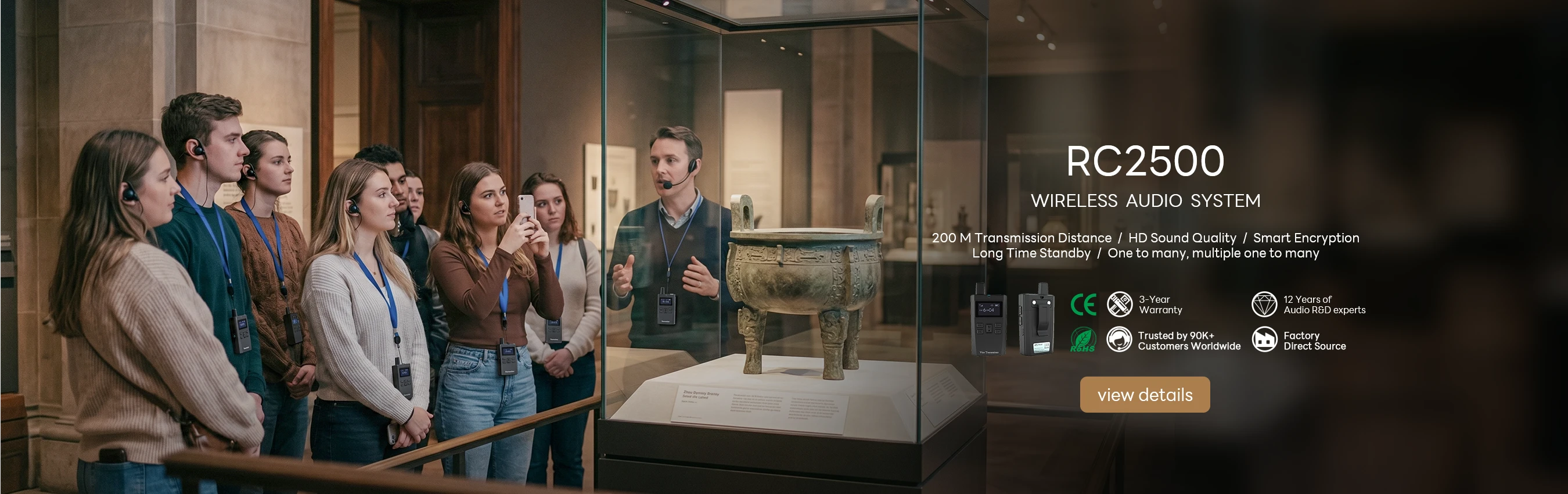
Modern curatorial design demands a seamless balance between visual exhibition aesthetics and acoustic immersion. In high-traffic cultural institutions, historical landmarks, and art galleries, delivering narrative-driven educational content to diverse, international crowds presents significant spatial challenges. Ambient crowd chatter, structural echoing, and complex architectural layouts frequently disrupt intellectual engagement.

This operational case evaluation examines how implementing a premium Museum Audio Guide architecture mitigates these spatial barriers. By moving away from disruptive external loudspeaker solutions and embracing digital, localized wireless transmission, world-class galleries can orchestrate immersive, self-paced educational journeys while maintaining absolute acoustic serenity within the exhibition halls.


Museum Audio Guide System Case Analysis: Optimizing Acoustic Architecture and Visitor Flow in Cultural Spaces(图1)


Case Scenario I: Overcoming Acoustic Reverberation in Marble and Vaulted High-Ceiling Galleries

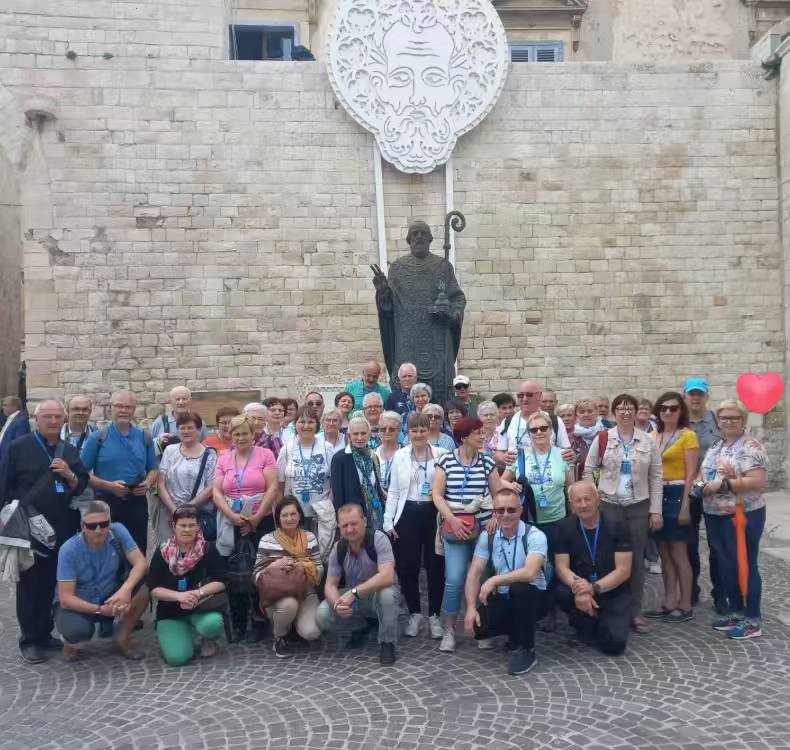
Many prominent national museums and historical cathedrals are constructed with vaulted ceilings, exposed brick, and polished marble floors. While visually magnificent, these hard, non-porous surfaces create an acoustic nightmare: sound waves reflect indefinitely, generating long reverberation times (often exceeding 2.5 seconds) and continuous background echoes. When traditional tour groups visit, vocal overlapping quickly renders regular speech unintelligible.

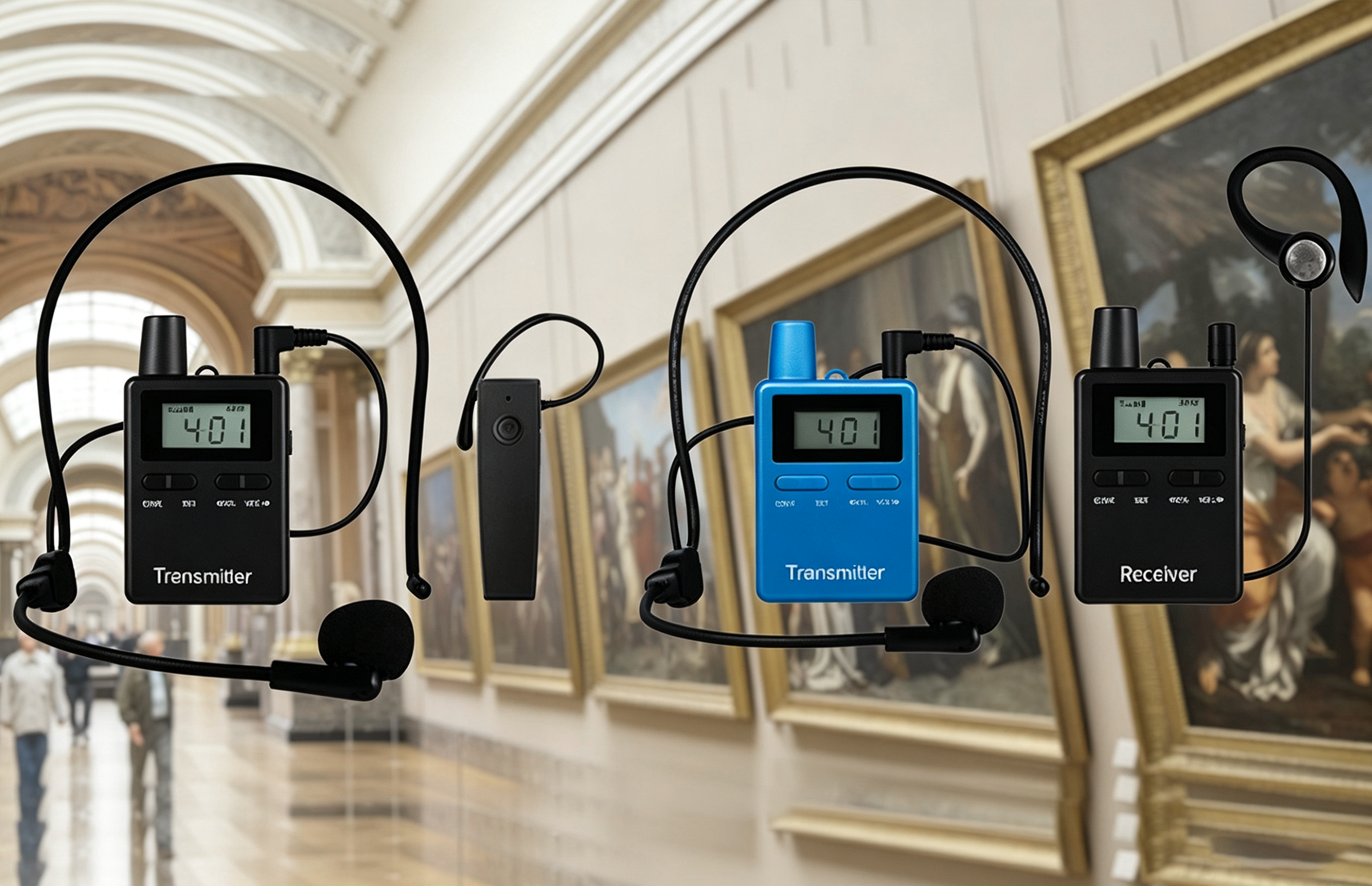
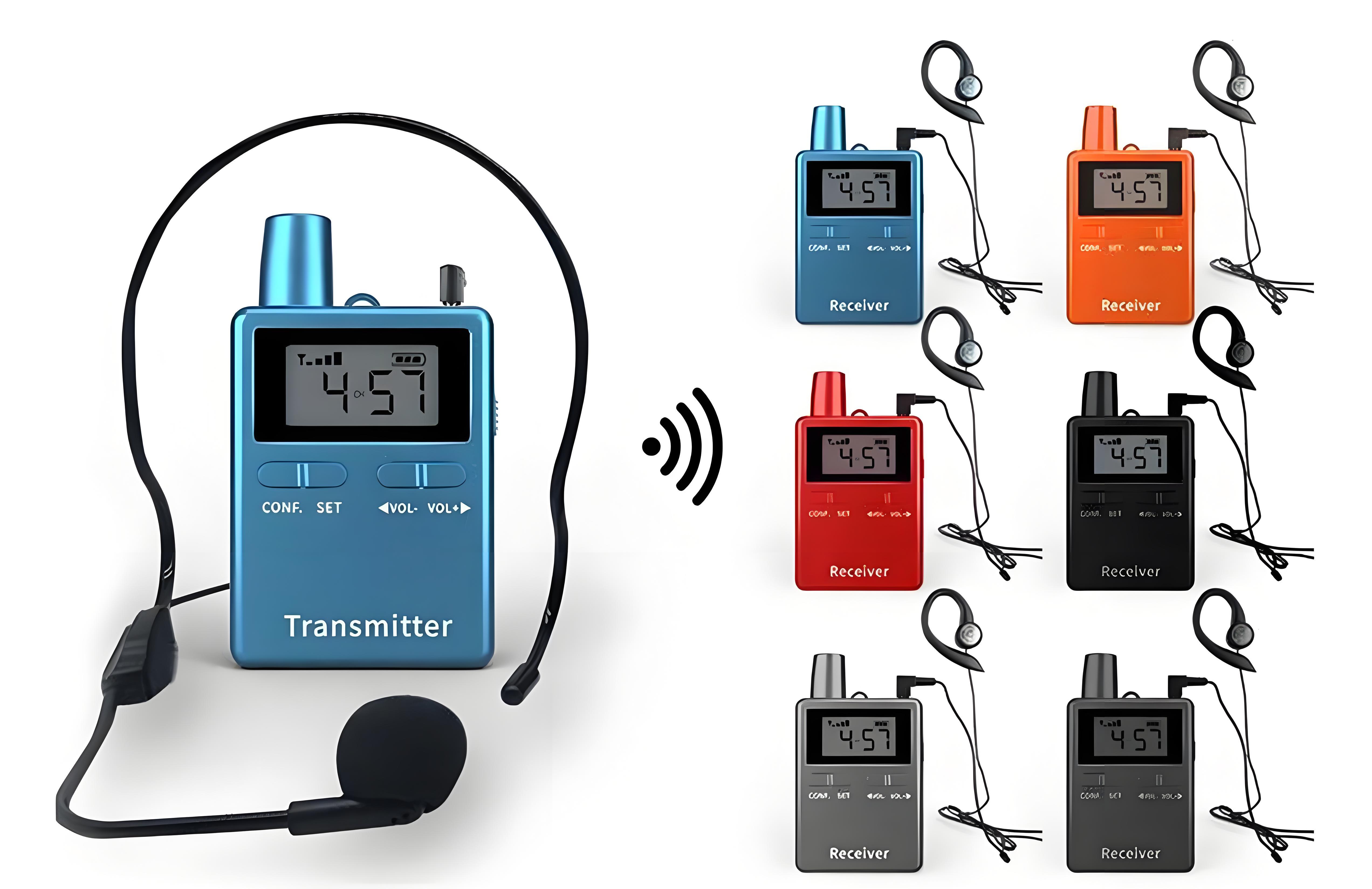
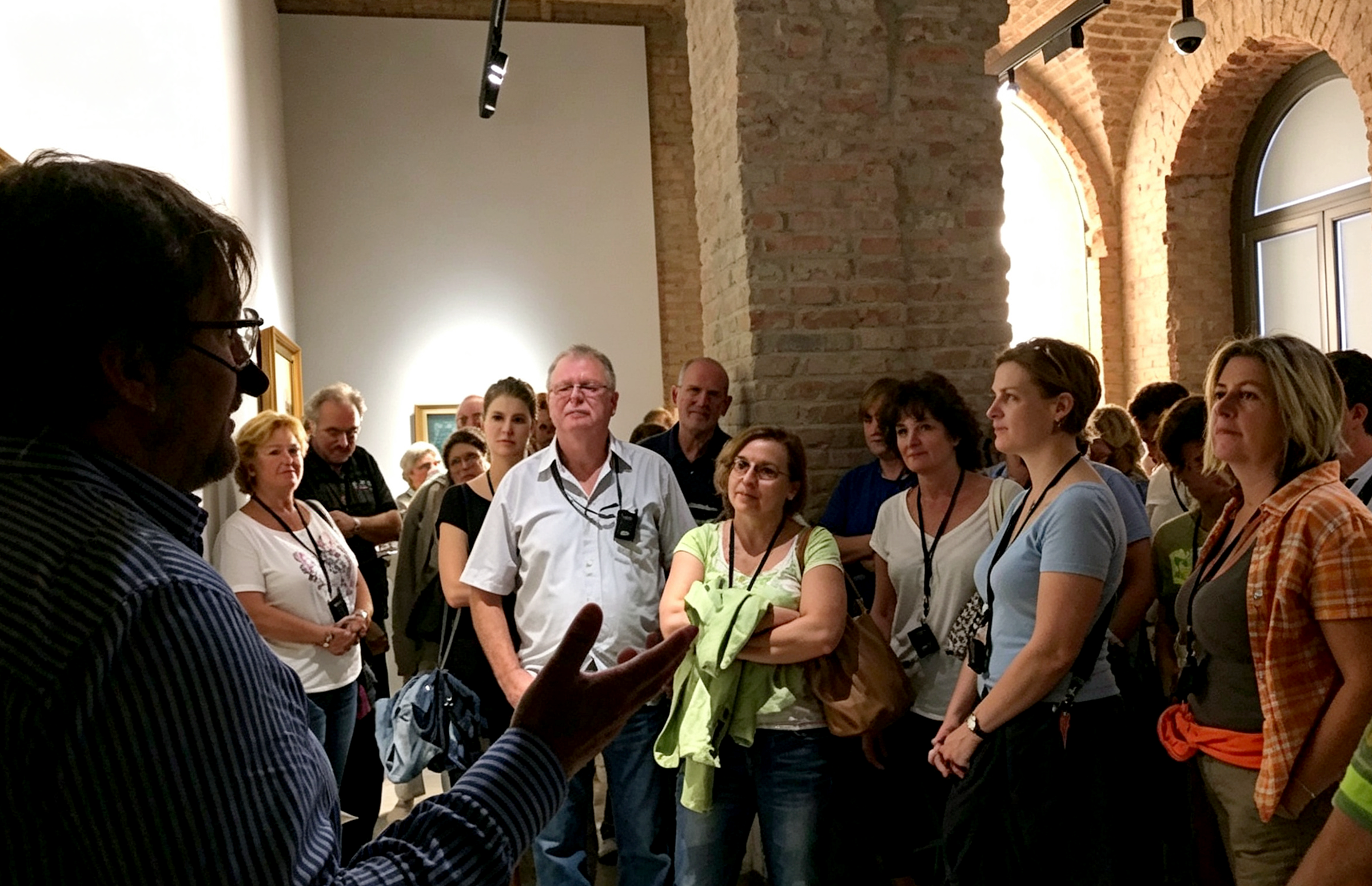
In our recent structural deployment cases, curators successfully bypassed this architectural constraint. Rather than installing expensive, permanent acoustic dampening panels that deface historical building structures, guides utilize low-power digital transmitters. The audio brief is contained entirely within a localized, encrypted frequency spectrum, broadcasting directly to visitors' ergonomic receivers. This architecture isolates the narrative from structural sound reflections, allowing visitors to appreciate fine details of medieval architecture or Renaissance art while enjoying pristine, studio-quality speech clarity.


Case Scenario II: High-Profile International Conventions & Multi-Language Exhibition Audits

When a museum hosts a cross-continental travelling exhibition or a bilateral cultural summit, it must simultaneously accommodate VIP delegations, foreign curators, and domestic academic reviewers. Managing these concurrent groups within the same physical hall requires an absolute guarantee against signal bleed, overlapping narration, or channel interference.

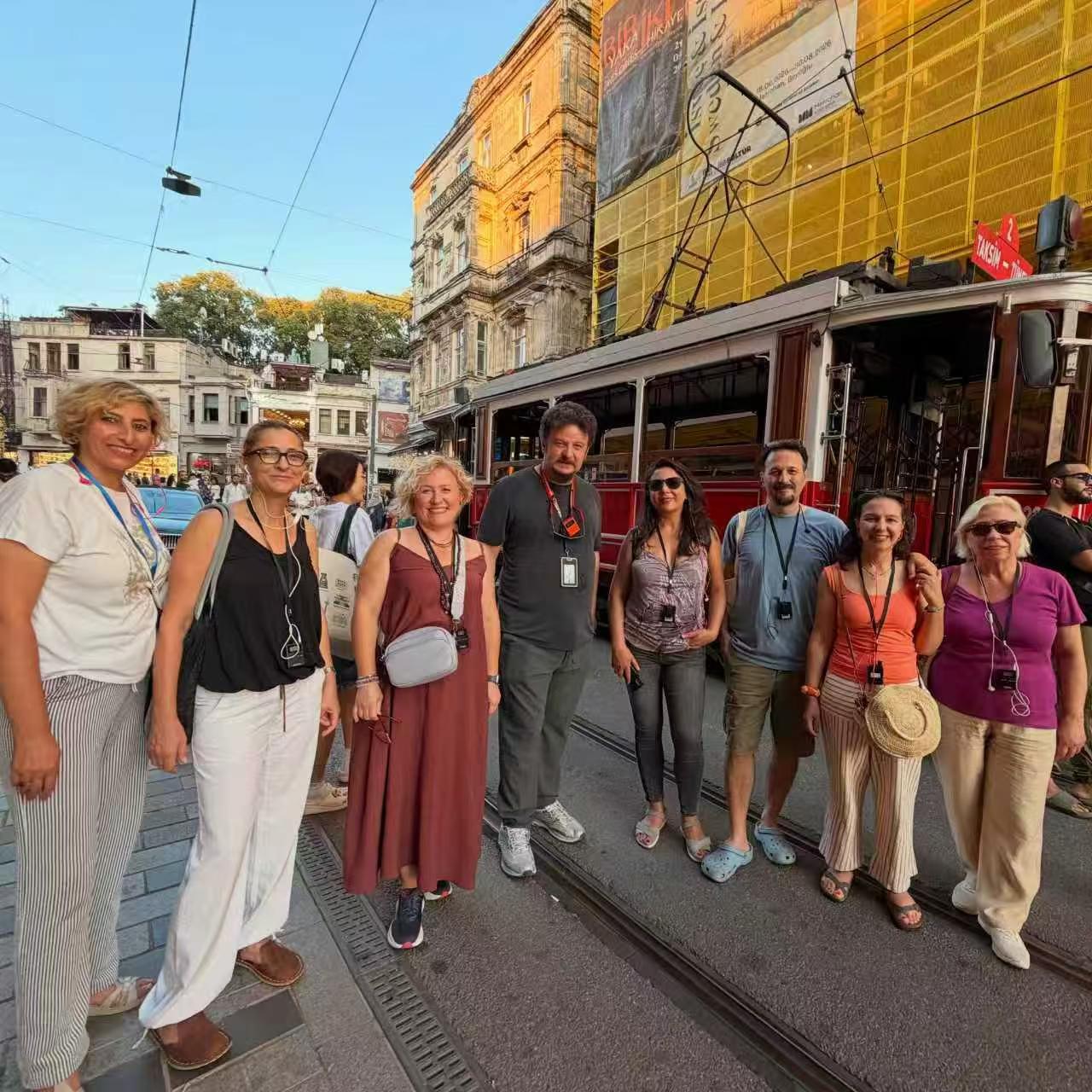
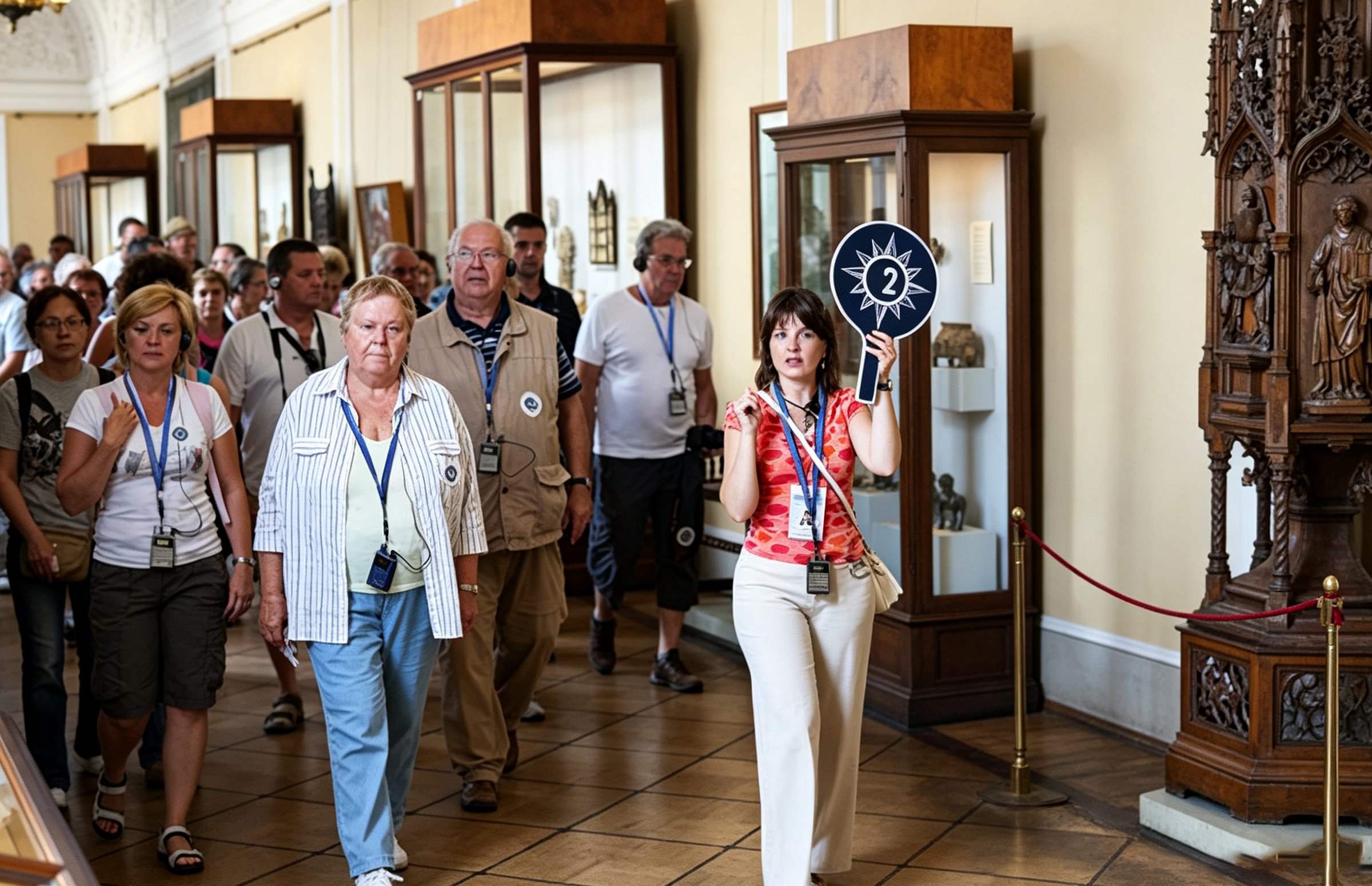
By integrating our advanced Museum & Gallery Audio Solutions, venues can deploy up to 50 distinct, isolated channels within the exact same gallery footprint. For example, during a high-security art history audit case, three distinct translation streams (English, Mandarin, and French) were maintained simultaneously. Interpreters followed the lead curator at a safe distance, broadcasting real-time academic insights on separate channels. Diplomats and auditors selected their native language dynamically on their handheld units, ensuring zero verbal friction and maintaining rigorous diplomatic scheduling accuracy.

Museum Audio Guide System Case Analysis: Optimizing Acoustic Architecture and Visitor Flow in Cultural Spaces(图2)

Museum Audio Guide System Case Analysis: Optimizing Acoustic Architecture and Visitor Flow in Cultural Spaces(图3)


Technical Performance Architecture: Mitigating RF Signal Cross-Talk in Smart Museums

The modern museum landscape is increasingly dense with RF (Radio Frequency) noise. High-density guest Wi-Fi zones, internal security radio grids, and localized Bluetooth museum beacons create an environment ripe for signal collision. Cheap consumer-grade audio hardware or legacy analog FM gear struggles heavily under these conditions, presenting guests with constant background static, unexpected signal dropouts, or cross-talk from adjacent tour groups.

Richitek’s museum-grade systems employ proprietary Digital UHF processing paired with intelligent frequency-hopping. The hardware continuously scans localized wavebands, skipping congested RF zones to ensure unbroken audio synchronization.

To help museum procurement directors choose the precise hardware profile for their spatial footprint, we maintain a comprehensive Model Head-to-Head Comparison Grid. For galleries requiring automatic proximity-triggered playback via RFID or infra-red sensors versus live guided speech, referencing specific engineering data such as our RC2401 vs RC2406 spectrum analysis provides direct guidance on battery longevity and multi-channel density configuration.


Museum Operational VectorsStandard Analog Systems / MegaphonesRichitek Digital UHF Curatorial FleetActual Institutional Case Impact
🤫 Noise Floor & Static FiltrationNoticeable tape hiss and white noise; prone to sudden interference from building security radios.Pure digital crystal-clear filtering; zero noise floor for perfect narrative absorption.Visitors remain deeply connected to the exhibit theme without suffering from ear fatigue.
🔋 Multi-Day Operations FootprintRequires frequent disposable battery replacements; high ongoing operational costs.High-density lithium polymer integration with 20+ hours of continuous operational life.Guarantees seamless execution during massive, peak-season museum holiday rushes.
🎨 Curatorial Aesthetics & WeightBulky, heavy hardware with visible antennas that distract from gallery wardrobe standards.Ultra-lightweight, sleek minimalist profiles featuring entirely integrated internal antennas.Complements upscale corporate galas, VIP previews, and strict museum dress codes.
🧼 5S Public Health SafeguardsPorous, over-ear open foam pads that trap cosmetic oils, sweat, and environmental dust.Non-porous, hypoallergenic polymer ear-hooks optimized for quick sanitation wipe-downs.Ensures effortless compliance with international health regulations and visitor comfort standards.


Institutional Validation: Global Curatorial Success Testimonials

“We integrated the Richitek digital guide architecture for a large-scale international temporary exhibition. Because our main gallery features immense 30-foot tall concrete arches, sound echo was a massive obstacle. This system entirely solved our acoustic clarity issues, allowing our docents to guide academic groups without competing against the building's natural reverberation.”
           —— Julia, Chief Gallery Curator & Exhibition Design Lead
“Allowing our visitors to engage with archaeological collections at their own individual pace has transformed our visitor feedback scores. The sound transmission remains completely flawless and crisp even when large, overlapping tour groups are standing directly in front of the same artifact display cases.”
           —— Manager Wang, Head of Museum Operations & Strategic Development

Museum Audio Guide System Case Analysis: Optimizing Acoustic Architecture and Visitor Flow in Cultural Spaces(图4)

Museum Audio Guide System Case Analysis: Optimizing Acoustic Architecture and Visitor Flow in Cultural Spaces(图5)


Institutional Procurement FAQ: Operational Reliability & Lifecycle Assessment

Q1: How do Richitek systems ensure clear transmission across multi-room or segmented historical structures?
           Unlike consumer Bluetooth hardware which drops out past 10 meters, our industrial-grade digital UHF transmission offers an expansive 180-250 meter non-line-of-sight (NLOS) penetration radius. The omnidirectional radio waves penetrate thick brick masonry, reinforced concrete pillars, and solid timber gallery partitions effortlessly, preventing guests from experiencing signal dropouts as they move between disjointed exhibition rooms.

Q2: What mechanism prevents cross-channel signal bleeding when multiple tour groups overlap in small gallery alcoves?
           Our devices employ advanced digital ID encryption alongside smart localized frequency isolation. Each designated channel locks securely to its specific master transmitter signal. Even if three separate tour groups are standing directly in front of the exact same painting or display cabinet, the receivers will entirely reject overlapping radio waves from adjacent channels, delivering perfect audio isolation for every individual group.

Q3: What options are available for automated, self-guided visitor playback without an active human docent?
           We offer advanced integration layers including automated RFID zone mapping and infra-red pinpoint triggers. As a visitor wearing a self-guided device approaches a pre-mapped historical artifact or display zone, the receiver instantly catches the localized signal and triggers the corresponding pre-recorded audio track automatically. This allows museums to offer comprehensive, high-tier educational tours in dozens of languages completely independent of human staffing availability.


Elevate Your Institution's Curatorial Excellence Today

Protect your venue's structural serenity, eliminate visitor flow bottleneck points, and project world-class educational clarity during high-profile art exhibitions. Richitek offers specialized B2B institutional order fulfillment, tiered wholesale pricing structures, rapid international express shipping, and comprehensive OEM/ODM corporate logo and chassis color customization to align with your institution's global branding mandates.


⚡ Click Here to Contact Our Curatorial Engineering Team for an Instant Venue Evaluation, Bulk Price Tier Quote, or On-Site Fleet Sample Demo!


To tackle the loud machinery background, this multi-national enterprise successfully deployed the RC2406 80-Channel 2.4G Wireless Tour Guide System for their VIP visitors.

2025年07月08日 13:50
click: 732

Museum Audio Guide System Case Analysis: Optimizing Acoustic Architecture and Visitor Flow in Cultural Spaces

time: 2025年07月08日 click:732

Modern curatorial design demands a seamless balance between visual exhibition aesthetics and acoustic immersion. In high-traffic cultural institutions, historical landmarks, and art galleries, delivering narrative-driven educational content to diverse, international crowds presents significant spatial challenges. Ambient crowd chatter, structural echoing, and complex architectural layouts frequently disrupt intellectual engagement.

This operational case evaluation examines how implementing a premium Museum Audio Guide architecture mitigates these spatial barriers. By moving away from disruptive external loudspeaker solutions and embracing digital, localized wireless transmission, world-class galleries can orchestrate immersive, self-paced educational journeys while maintaining absolute acoustic serenity within the exhibition halls.


Museum Audio Guide System Case Analysis: Optimizing Acoustic Architecture and Visitor Flow in Cultural Spaces(图1)


Case Scenario I: Overcoming Acoustic Reverberation in Marble and Vaulted High-Ceiling Galleries

Many prominent national museums and historical cathedrals are constructed with vaulted ceilings, exposed brick, and polished marble floors. While visually magnificent, these hard, non-porous surfaces create an acoustic nightmare: sound waves reflect indefinitely, generating long reverberation times (often exceeding 2.5 seconds) and continuous background echoes. When traditional tour groups visit, vocal overlapping quickly renders regular speech unintelligible.

In our recent structural deployment cases, curators successfully bypassed this architectural constraint. Rather than installing expensive, permanent acoustic dampening panels that deface historical building structures, guides utilize low-power digital transmitters. The audio brief is contained entirely within a localized, encrypted frequency spectrum, broadcasting directly to visitors' ergonomic receivers. This architecture isolates the narrative from structural sound reflections, allowing visitors to appreciate fine details of medieval architecture or Renaissance art while enjoying pristine, studio-quality speech clarity.


Case Scenario II: High-Profile International Conventions & Multi-Language Exhibition Audits

When a museum hosts a cross-continental travelling exhibition or a bilateral cultural summit, it must simultaneously accommodate VIP delegations, foreign curators, and domestic academic reviewers. Managing these concurrent groups within the same physical hall requires an absolute guarantee against signal bleed, overlapping narration, or channel interference.

By integrating our advanced Museum & Gallery Audio Solutions, venues can deploy up to 50 distinct, isolated channels within the exact same gallery footprint. For example, during a high-security art history audit case, three distinct translation streams (English, Mandarin, and French) were maintained simultaneously. Interpreters followed the lead curator at a safe distance, broadcasting real-time academic insights on separate channels. Diplomats and auditors selected their native language dynamically on their handheld units, ensuring zero verbal friction and maintaining rigorous diplomatic scheduling accuracy.


Museum Audio Guide System Case Analysis: Optimizing Acoustic Architecture and Visitor Flow in Cultural Spaces(图2)

Museum Audio Guide System Case Analysis: Optimizing Acoustic Architecture and Visitor Flow in Cultural Spaces(图3)


Technical Performance Architecture: Mitigating RF Signal Cross-Talk in Smart Museums

The modern museum landscape is increasingly dense with RF (Radio Frequency) noise. High-density guest Wi-Fi zones, internal security radio grids, and localized Bluetooth museum beacons create an environment ripe for signal collision. Cheap consumer-grade audio hardware or legacy analog FM gear struggles heavily under these conditions, presenting guests with constant background static, unexpected signal dropouts, or cross-talk from adjacent tour groups.

Richitek’s museum-grade systems employ proprietary Digital UHF processing paired with intelligent frequency-hopping. The hardware continuously scans localized wavebands, skipping congested RF zones to ensure unbroken audio synchronization.

To help museum procurement directors choose the precise hardware profile for their spatial footprint, we maintain a comprehensive Model Head-to-Head Comparison Grid. For galleries requiring automatic proximity-triggered playback via RFID or infra-red sensors versus live guided speech, referencing specific engineering data such as our RC2401 vs RC2406 spectrum analysis provides direct guidance on battery longevity and multi-channel density configuration.


Museum Operational VectorsStandard Analog Systems / MegaphonesRichitek Digital UHF Curatorial FleetActual Institutional Case Impact
🤫 Noise Floor & Static FiltrationNoticeable tape hiss and white noise; prone to sudden interference from building security radios.Pure digital crystal-clear filtering; zero noise floor for perfect narrative absorption.Visitors remain deeply connected to the exhibit theme without suffering from ear fatigue.
🔋 Multi-Day Operations FootprintRequires frequent disposable battery replacements; high ongoing operational costs.High-density lithium polymer integration with 20+ hours of continuous operational life.Guarantees seamless execution during massive, peak-season museum holiday rushes.
🎨 Curatorial Aesthetics & WeightBulky, heavy hardware with visible antennas that distract from gallery wardrobe standards.Ultra-lightweight, sleek minimalist profiles featuring entirely integrated internal antennas.Complements upscale corporate galas, VIP previews, and strict museum dress codes.
🧼 5S Public Health SafeguardsPorous, over-ear open foam pads that trap cosmetic oils, sweat, and environmental dust.Non-porous, hypoallergenic polymer ear-hooks optimized for quick sanitation wipe-downs.Ensures effortless compliance with international health regulations and visitor comfort standards.


Institutional Validation: Global Curatorial Success Testimonials

“We integrated the Richitek digital guide architecture for a large-scale international temporary exhibition. Because our main gallery features immense 30-foot tall concrete arches, sound echo was a massive obstacle. This system entirely solved our acoustic clarity issues, allowing our docents to guide academic groups without competing against the building's natural reverberation.”
           —— Julia, Chief Gallery Curator & Exhibition Design Lead
“Allowing our visitors to engage with archaeological collections at their own individual pace has transformed our visitor feedback scores. The sound transmission remains completely flawless and crisp even when large, overlapping tour groups are standing directly in front of the same artifact display cases.”
           —— Manager Wang, Head of Museum Operations & Strategic Development

Museum Audio Guide System Case Analysis: Optimizing Acoustic Architecture and Visitor Flow in Cultural Spaces(图4)

Museum Audio Guide System Case Analysis: Optimizing Acoustic Architecture and Visitor Flow in Cultural Spaces(图5)


Institutional Procurement FAQ: Operational Reliability & Lifecycle Assessment

Q1: How do Richitek systems ensure clear transmission across multi-room or segmented historical structures?
           Unlike consumer Bluetooth hardware which drops out past 10 meters, our industrial-grade digital UHF transmission offers an expansive 180-250 meter non-line-of-sight (NLOS) penetration radius. The omnidirectional radio waves penetrate thick brick masonry, reinforced concrete pillars, and solid timber gallery partitions effortlessly, preventing guests from experiencing signal dropouts as they move between disjointed exhibition rooms.

Q2: What mechanism prevents cross-channel signal bleeding when multiple tour groups overlap in small gallery alcoves?
           Our devices employ advanced digital ID encryption alongside smart localized frequency isolation. Each designated channel locks securely to its specific master transmitter signal. Even if three separate tour groups are standing directly in front of the exact same painting or display cabinet, the receivers will entirely reject overlapping radio waves from adjacent channels, delivering perfect audio isolation for every individual group.

Q3: What options are available for automated, self-guided visitor playback without an active human docent?
           We offer advanced integration layers including automated RFID zone mapping and infra-red pinpoint triggers. As a visitor wearing a self-guided device approaches a pre-mapped historical artifact or display zone, the receiver instantly catches the localized signal and triggers the corresponding pre-recorded audio track automatically. This allows museums to offer comprehensive, high-tier educational tours in dozens of languages completely independent of human staffing availability.


Elevate Your Institution's Curatorial Excellence Today

Protect your venue's structural serenity, eliminate visitor flow bottleneck points, and project world-class educational clarity during high-profile art exhibitions. Richitek offers specialized B2B institutional order fulfillment, tiered wholesale pricing structures, rapid international express shipping, and comprehensive OEM/ODM corporate logo and chassis color customization to align with your institution's global branding mandates.


⚡ Click Here to Contact Our Curatorial Engineering Team for an Instant Venue Evaluation, Bulk Price Tier Quote, or On-Site Fleet Sample Demo!


To tackle the loud machinery background, this multi-national enterprise successfully deployed the RC2406 80-Channel 2.4G Wireless Tour Guide System for their VIP visitors.

×

Contact us

email:
name:
subject:
content: