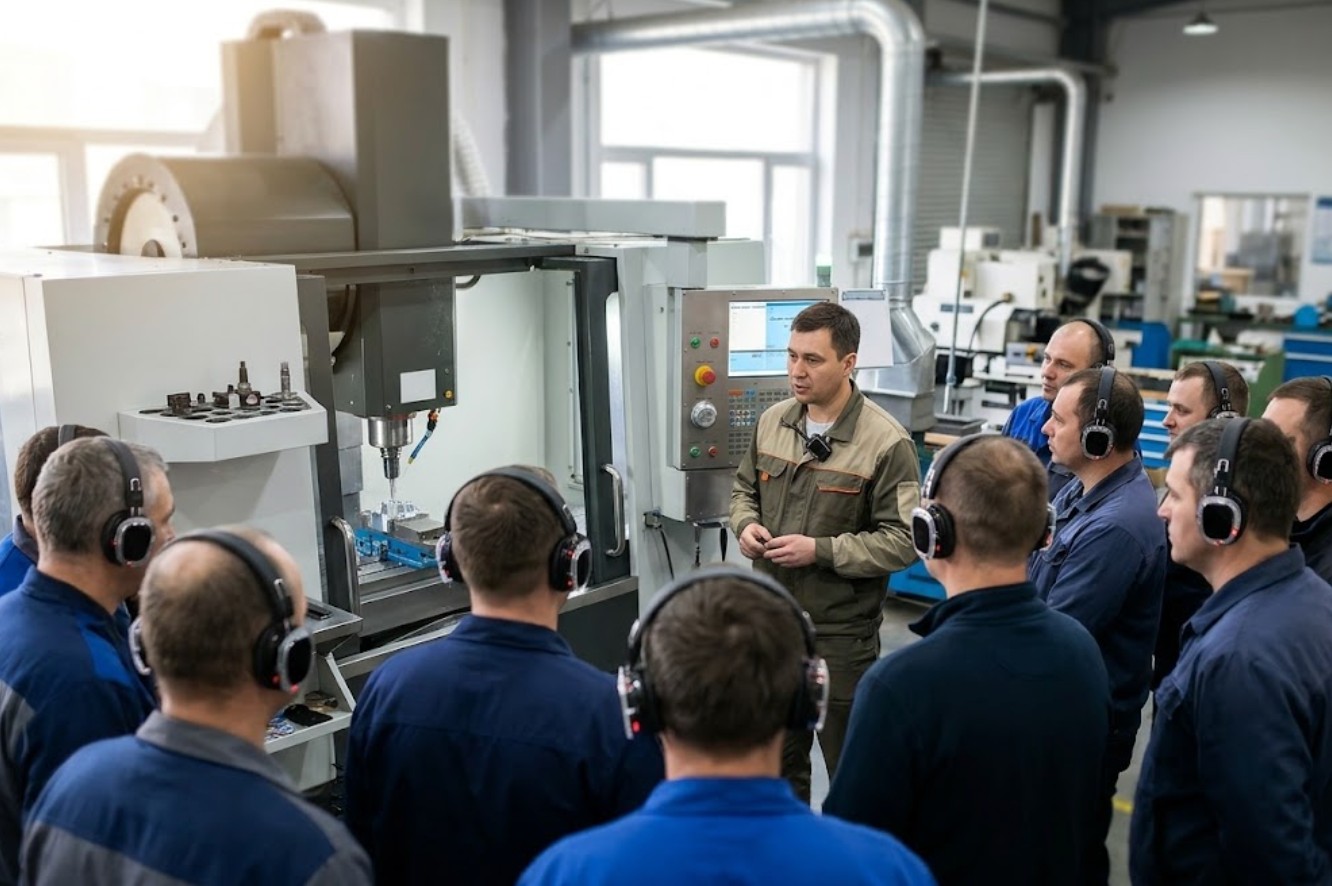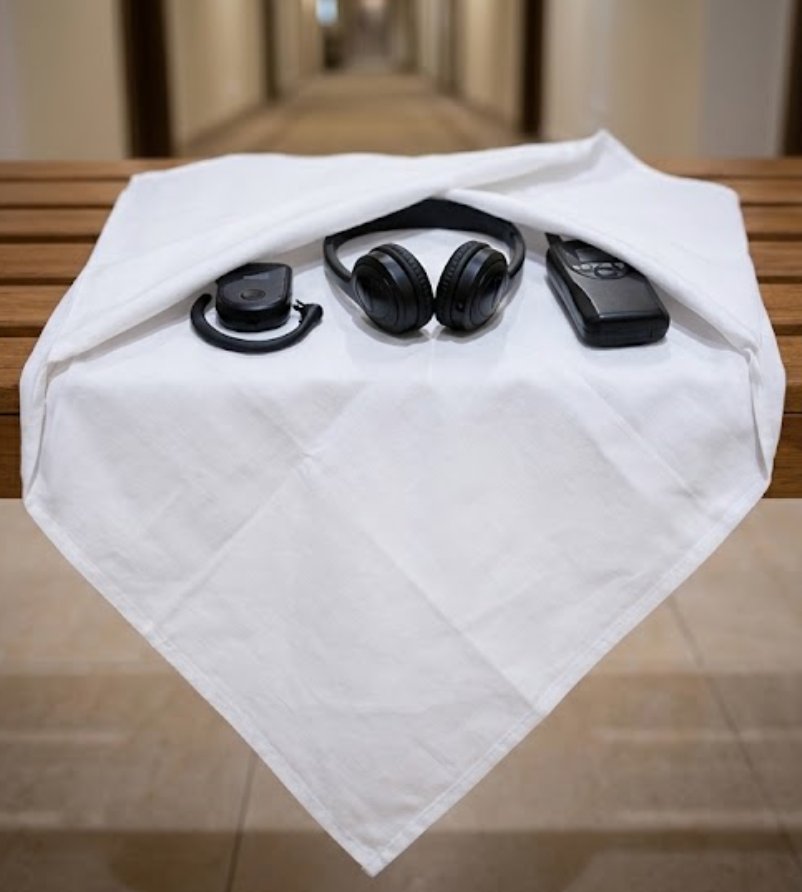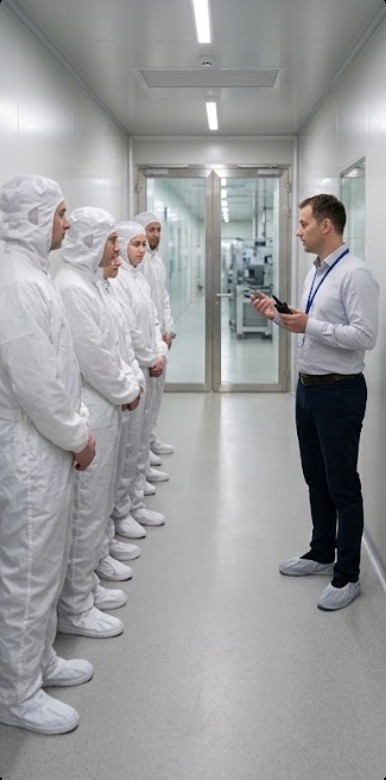
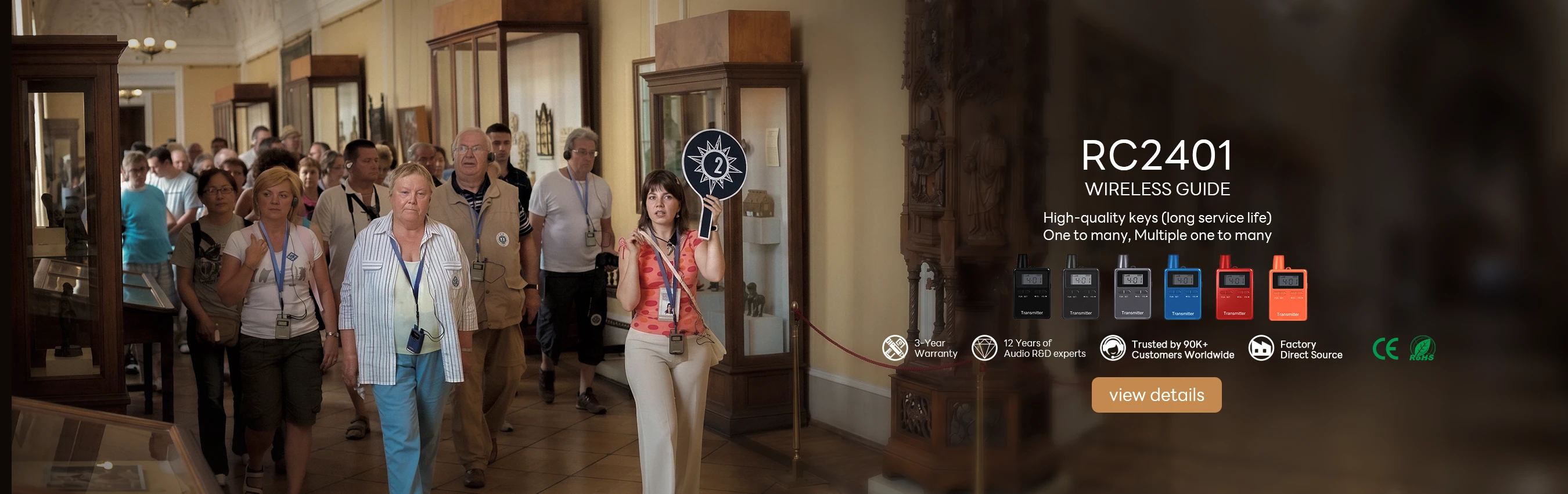
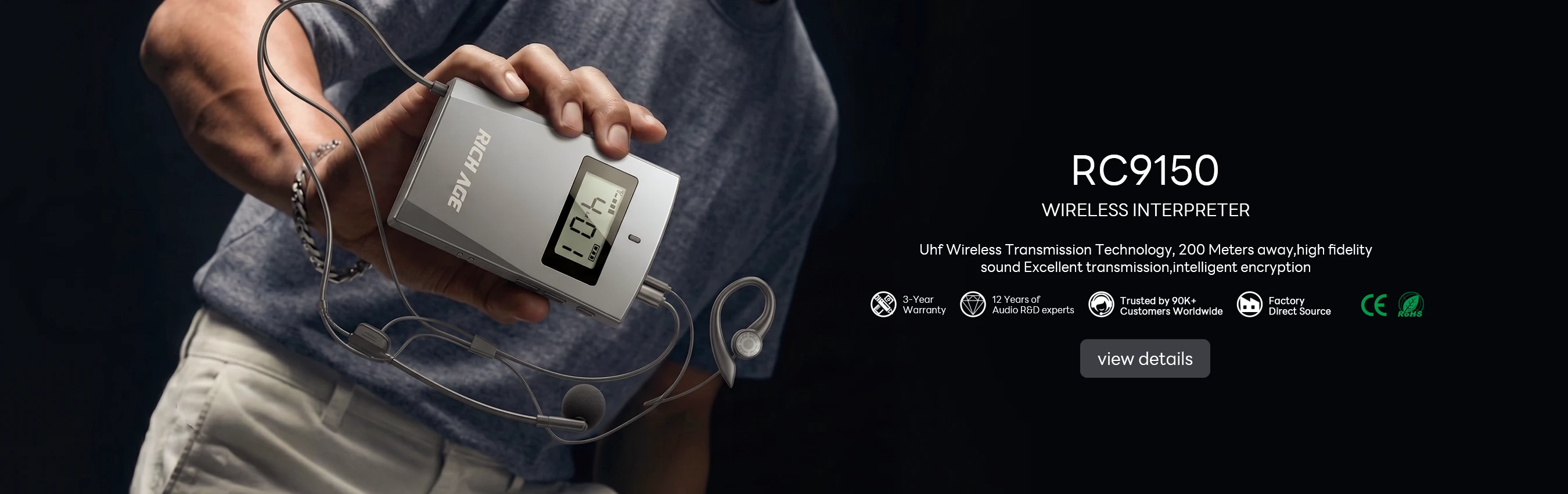
Introduction: The "Smart Campus" Evolution As schools transition into "Smart Campuses," the integration of hardware is paramount. The modern Tour Guide System is no longer a standalone walkie-talkie; it is a digital node in the school's communication network.

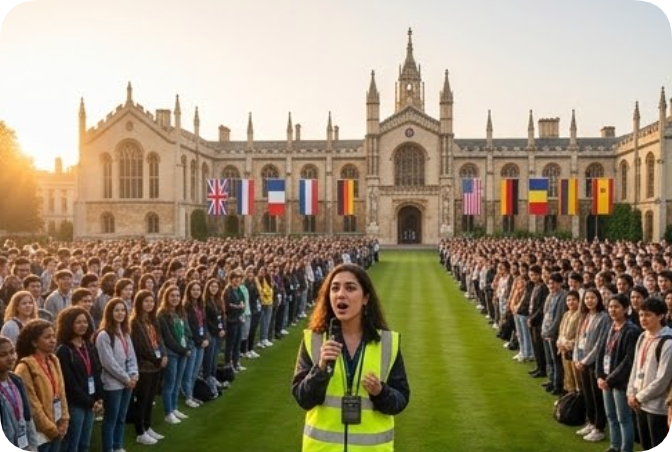
Scenario 1: Multi-language Graduation Ceremonies & Events Graduations and "Parent Nights" often involve diverse linguistic backgrounds. By using multi-channel guide systems, schools can provide real-time simultaneous interpretation. Spanish-speaking parents can listen to Channel 1, while Mandarin-speaking parents listen to Channel 2, ensuring the school community feels truly unified.

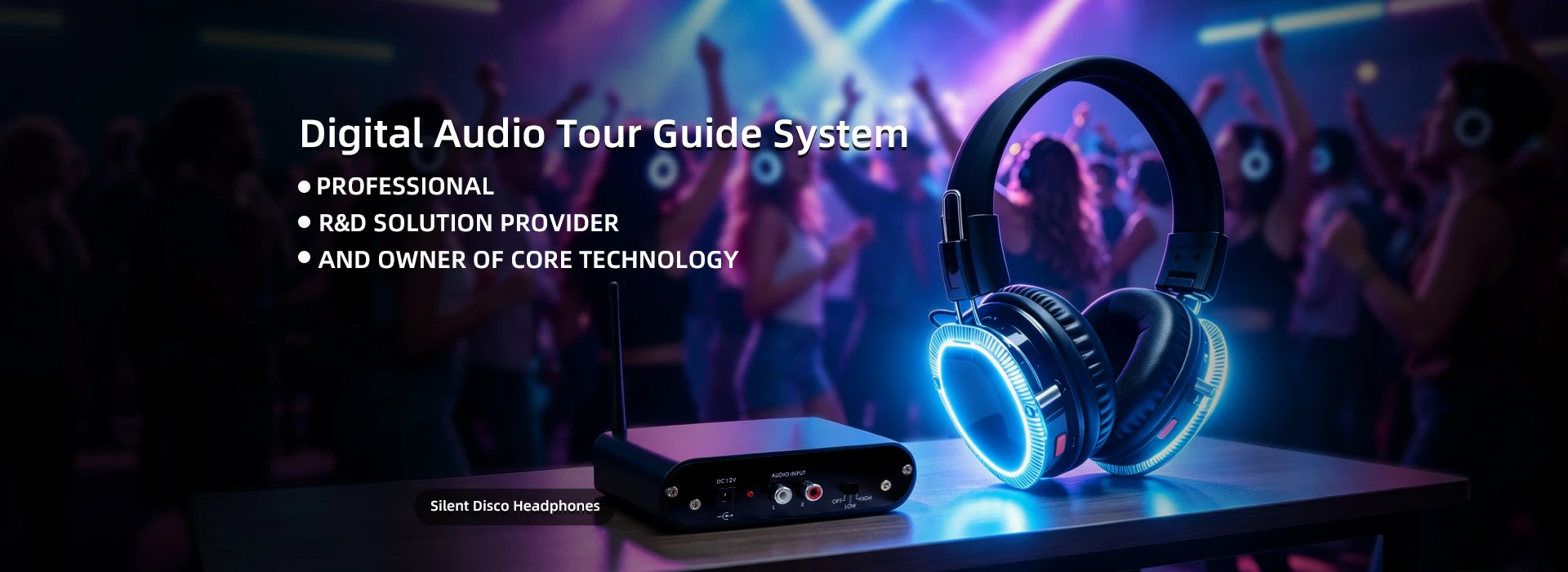
Scenario 2: "Silent" Silent Study and Silent Lectures In multi-purpose libraries or "flexible" halls, schools are adopting the "Silent Disco" model for lectures. This allows three different lectures to happen in the same open-plan space simultaneously, with students tuned into their respective teacher's frequency. It maximizes the utility of school real estate.
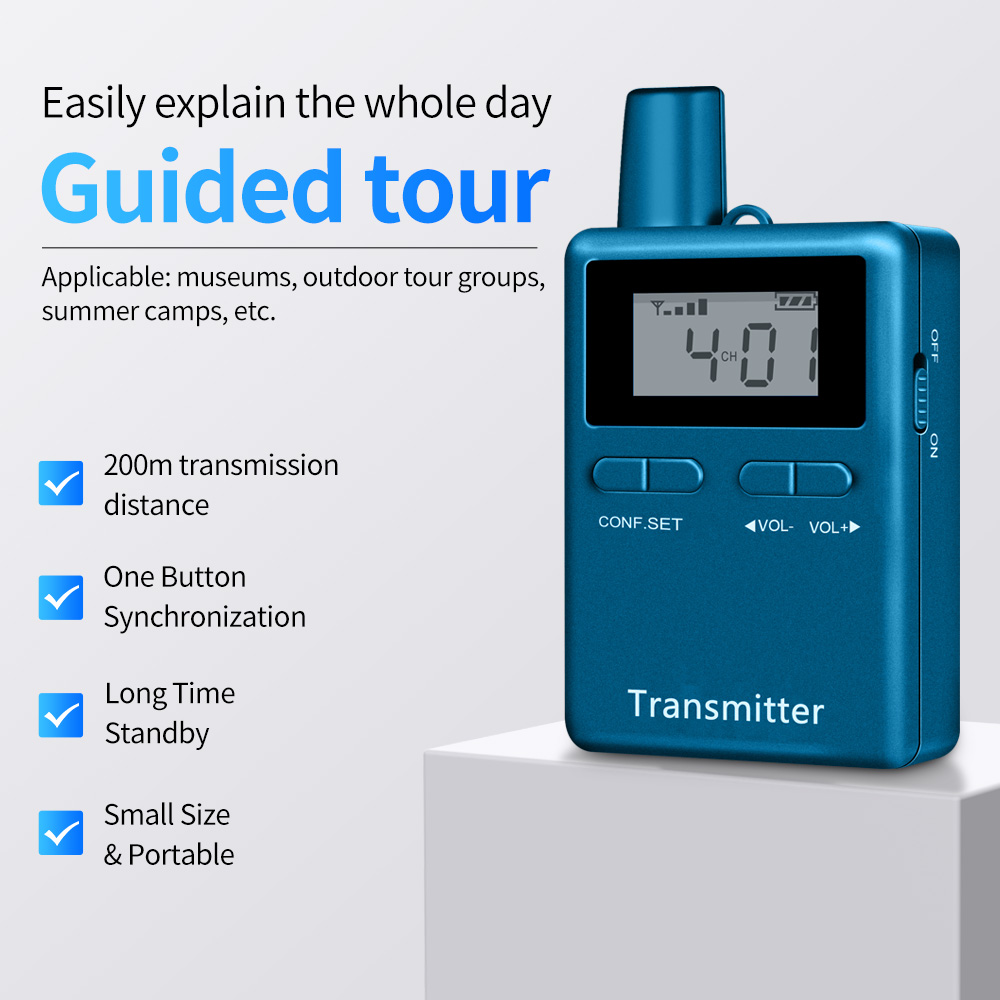
Scenario 3: Hybrid Learning and Live-Streaming Many modern guide systems feature "Line-in" capabilities. A teacher can plug their laptop into the transmitter, allowing students to hear both the teacher’s voice and the audio from a video lesson directly in their headsets, creating a high-fidelity "personal cinema" learning environment.

The ROI of Audio Technology Investing in a robust, encrypted digital guide system provides a high Return on Investment (ROI). These systems are durable, require minimal maintenance, and serve multiple departments—from Admissions and Athletics to Special Education and Administration.
Conclusion]Digital transformation is about more than just iPads; it's about the airwaves. By mastering the "Audio Layer" of the campus, schools create an environment where information flows without friction.