
A leading China factory specializing in Wireless Tour Guide Systems, Church Audio Guides, and Translation Headphones with premium OEM/ODM solutions.

Tel:+86 18922879583

Email:tiger.wang@richitek.com

RC2408 and RC2500: A Practical Wireless Setup for University Campus Tours

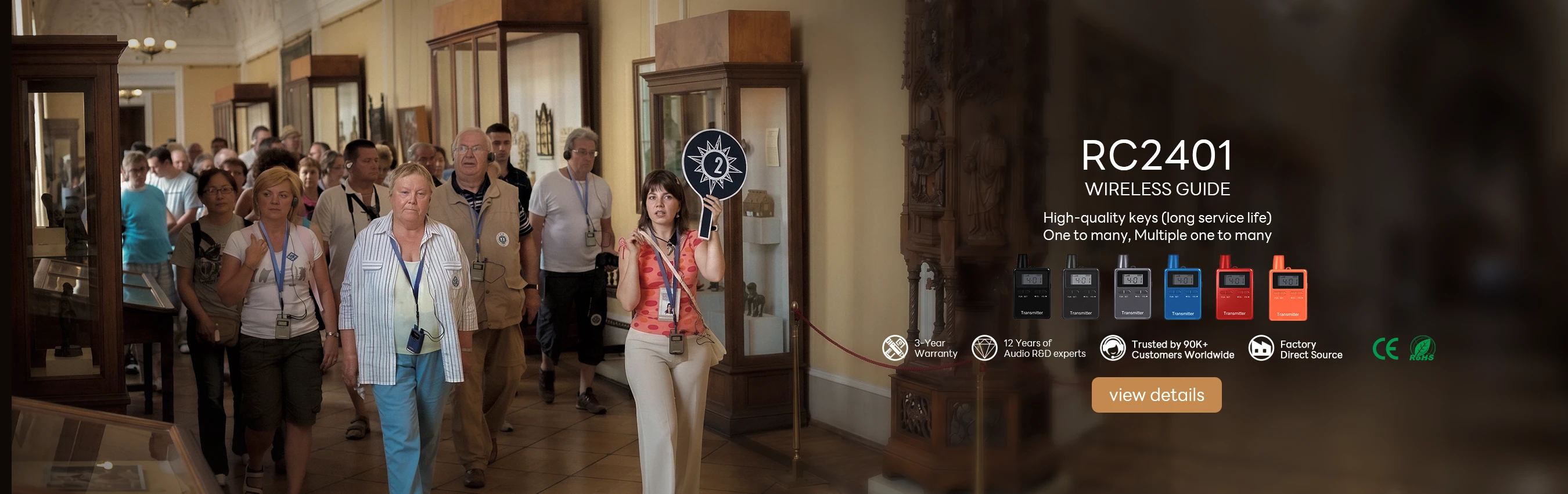
Every admissions team knows the moment a campus tour goes quiet: the group steps out of the lecture hall into a courtyard, a bus idles nearby, and the explainer at the front is now audible to six people while the other twenty guess. A university open day is a logistics problem disguised as a welcome. Prospective students, parents, and international delegations move through lecture theatres, labs, quads, and sports facilities in a single morning, and the only thing keeping the message coherent is a wireless audio link between the guide and every visitor. The short version of the deployment is this: match the unit to the segment, plan channels before anyone arrives, and let the battery math do the rest. If you are scoping a rollout this term, start with dedicated campus tour solutions, and for the hardware itself the full wireless tour guide range covers ninety percent of a standard open day.

📡 Where Signal Breaks on a Walking Visit

The failure is rarely the loudspeaker. It is distance, a glass wall, and wind across an open lawn. A raised voice reaches roughly two metres before it scatters, which means a group of fifteen walks as a tightening knot with the guide at the centre and the latecomers at the rim hearing nothing. A wireless tour system removes the knot: the guide speaks into a transmitter, and every visitor carries a receiver tuned to the same channel. The explainer can walk backwards, point at a façade, and still be heard at the back of the group. That single change is what turns a campus walk from a crowd-management exercise into an actual conversation. A campus is not one space, so the practical split is by group size and by whether the segment is indoors, on a paved quad, or on a moving route: a long-range unit for spread-out outdoor crowds, a compact unit for small indoor groups, and a splash-resistant unit for active walking routes.

Outdoor Spreads Need Long Reach

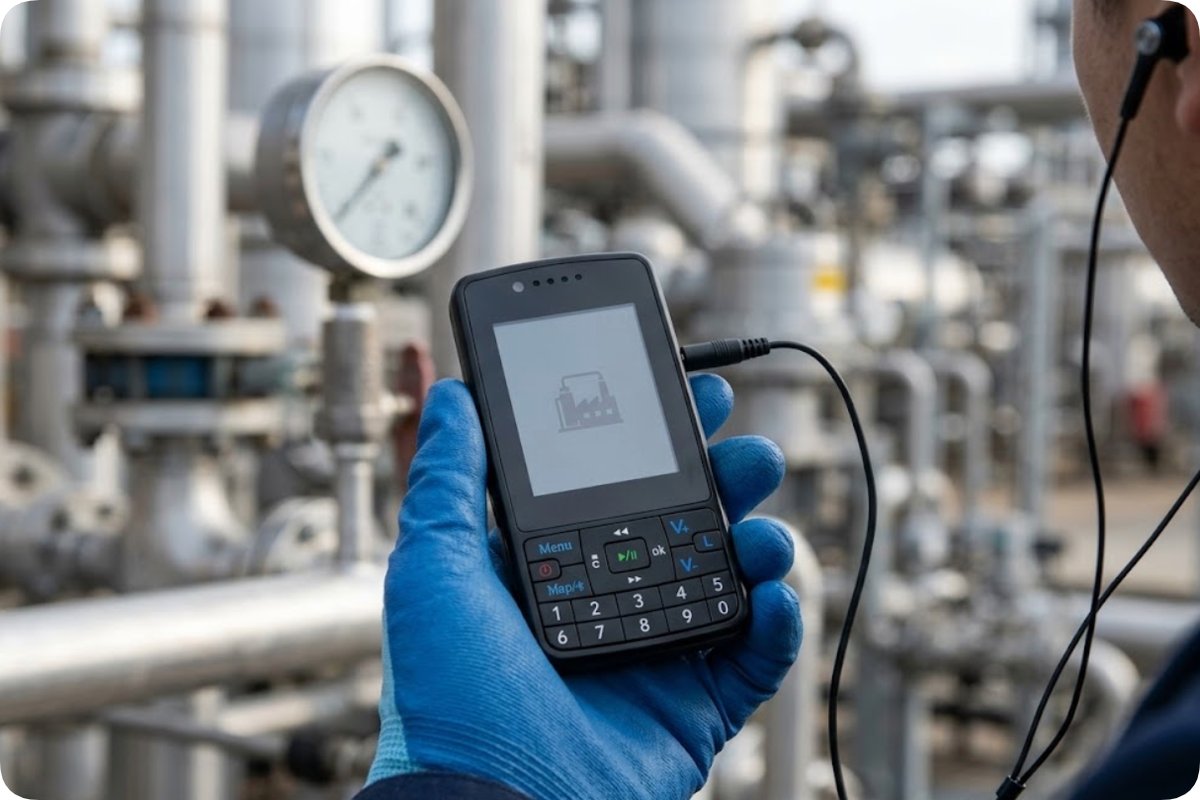
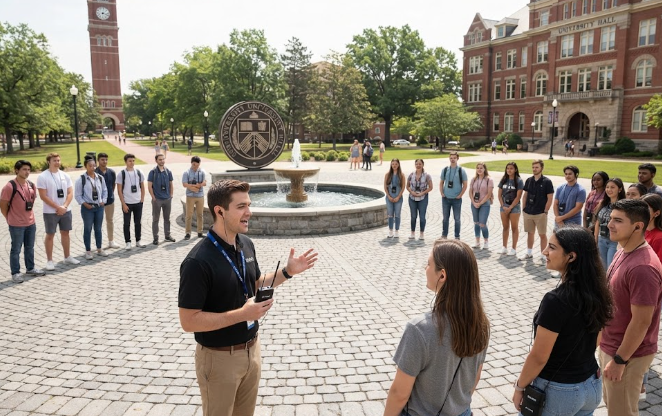
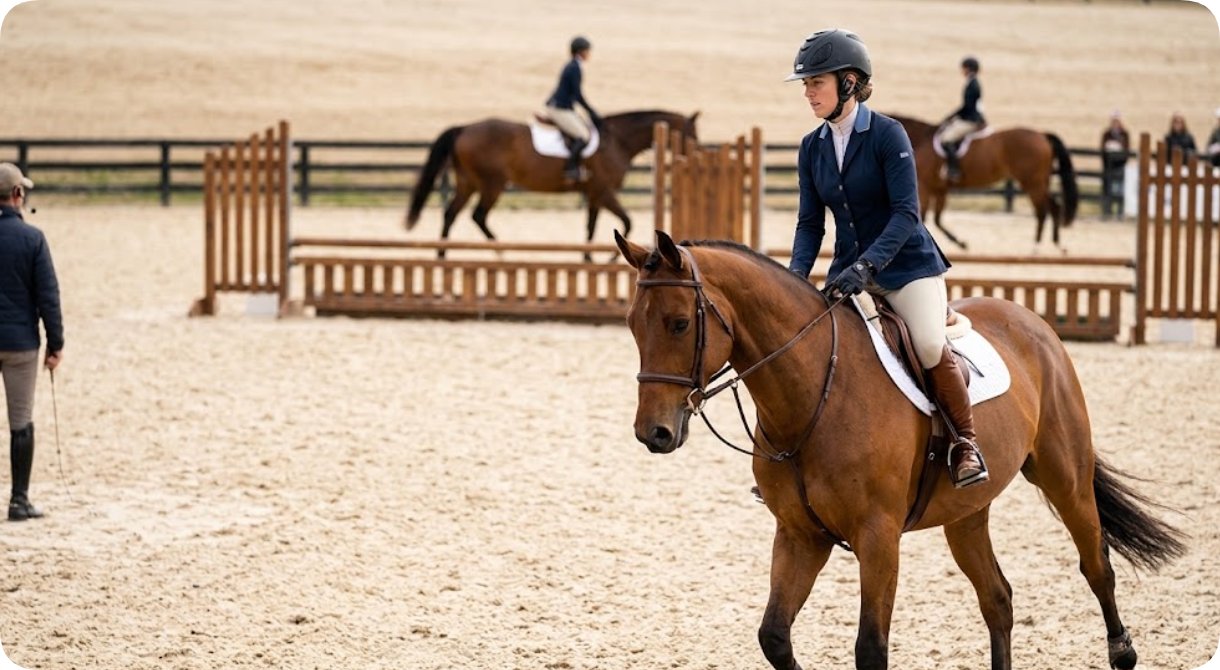
The RC2408 is the unit for the quad, the avenue, and the gap between the science block and the sports centre. At 70 grams it disappears in a hand, the 14-hour battery covers a full day of back-to-back tours, and the long transmission range keeps a group of twenty-five audible even when the front and back are a full court apart. On a busy open day this is the model assigned to the big mixed-cohort walk, where the guide is moving and the audience is spread across a hard surface that throws sound every direction but forward. IP42 handles dust and the occasional drizzle well enough for covered outdoor use.
RC2408 and RC2500: A Practical Wireless Setup for University Campus Tours(图1)

An RC2408 transmitter keeping a spread-out open-day crowd audible across a wide campus quad, the segment where range matters more than anything else.

📱 Compact Groups Prefer Light Hardware

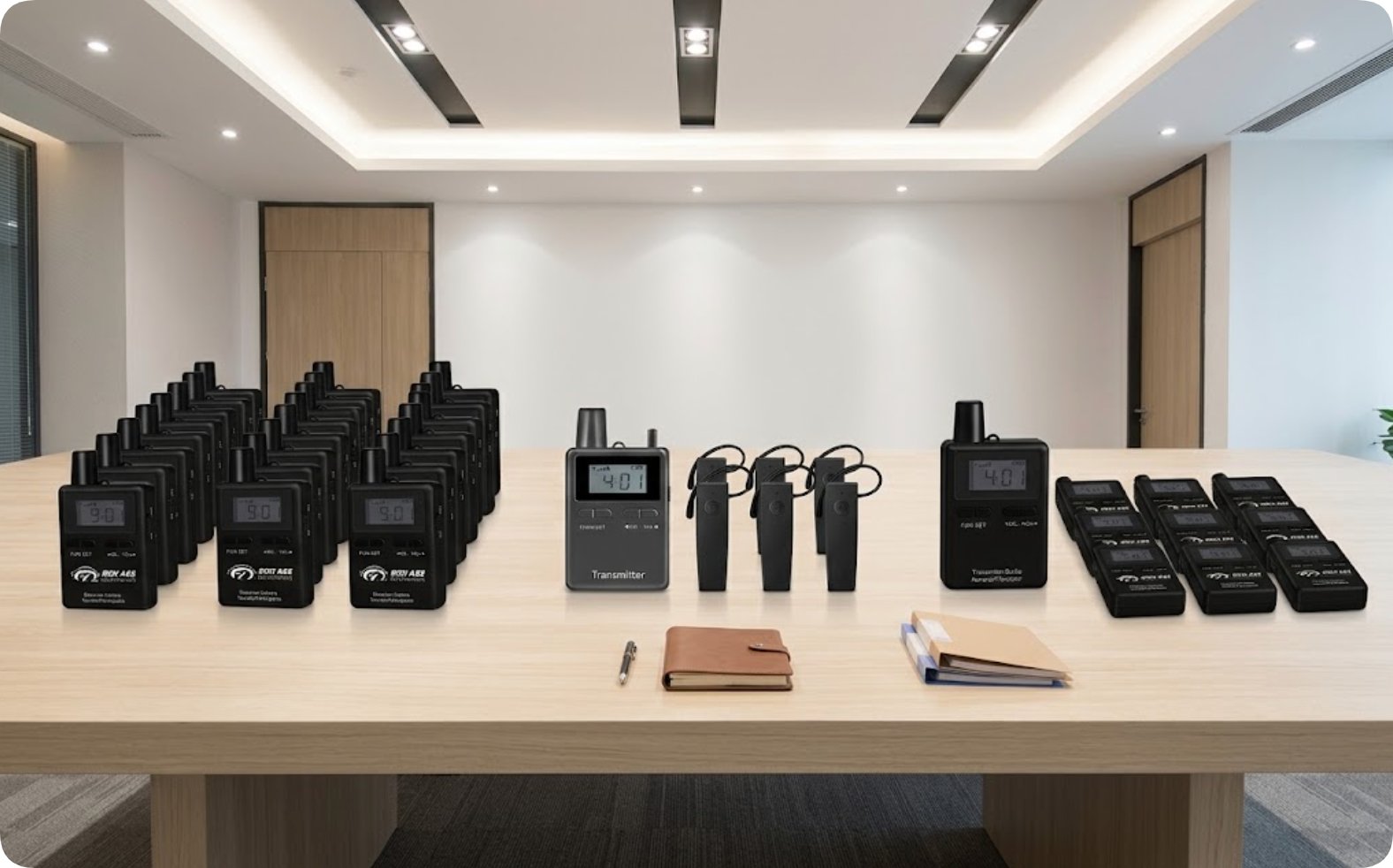
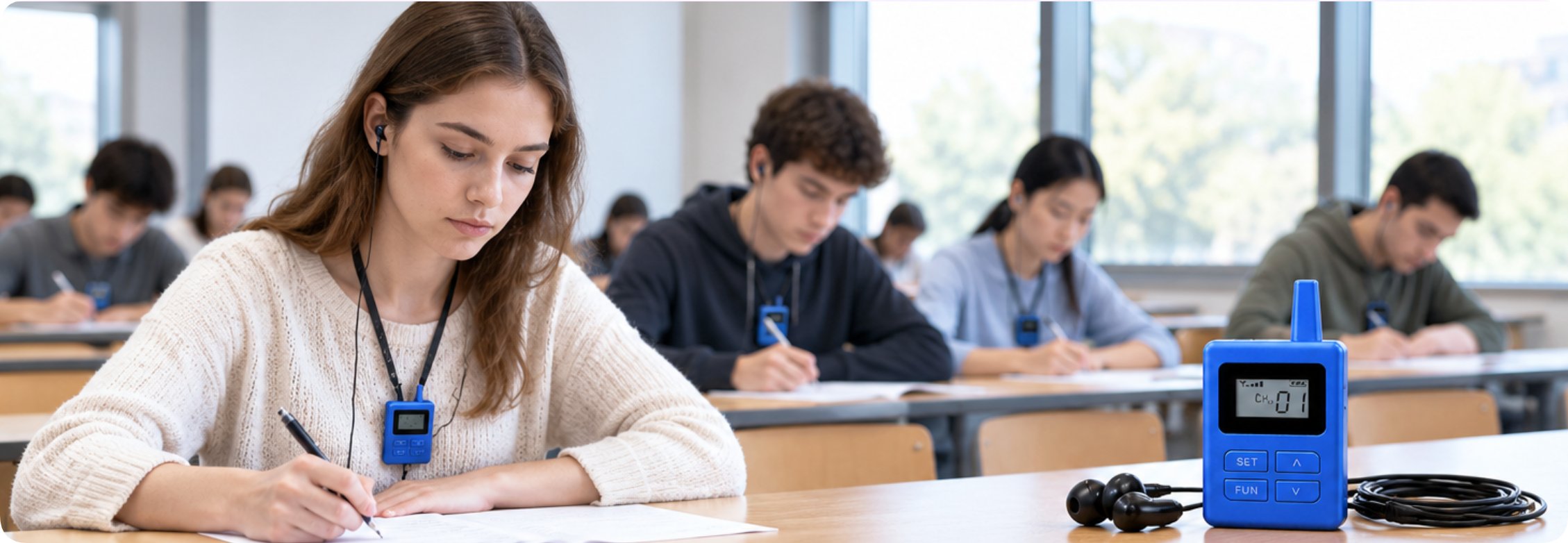
The RC2500 is the smallest of the three at 55 grams, with a 12-hour battery and a body built for the indoor stop: the lab walkthrough, the library introduction, the eight-person scholarship interview tour. Compact groups do not need range, they need something a visitor will slip into a pocket and forget until the next room. Where the RC2408 is for the crowd, the RC2500 is for the conversation, and the two are assigned by headcount rather than by building.

RC2408 and RC2500: A Practical Wireless Setup for University Campus Tours(图2)

An RC2500 in a small indoor group setting, the format visitors carry without thinking through a library or lab visit.

Active Routes Favor Splash-Resistant Build

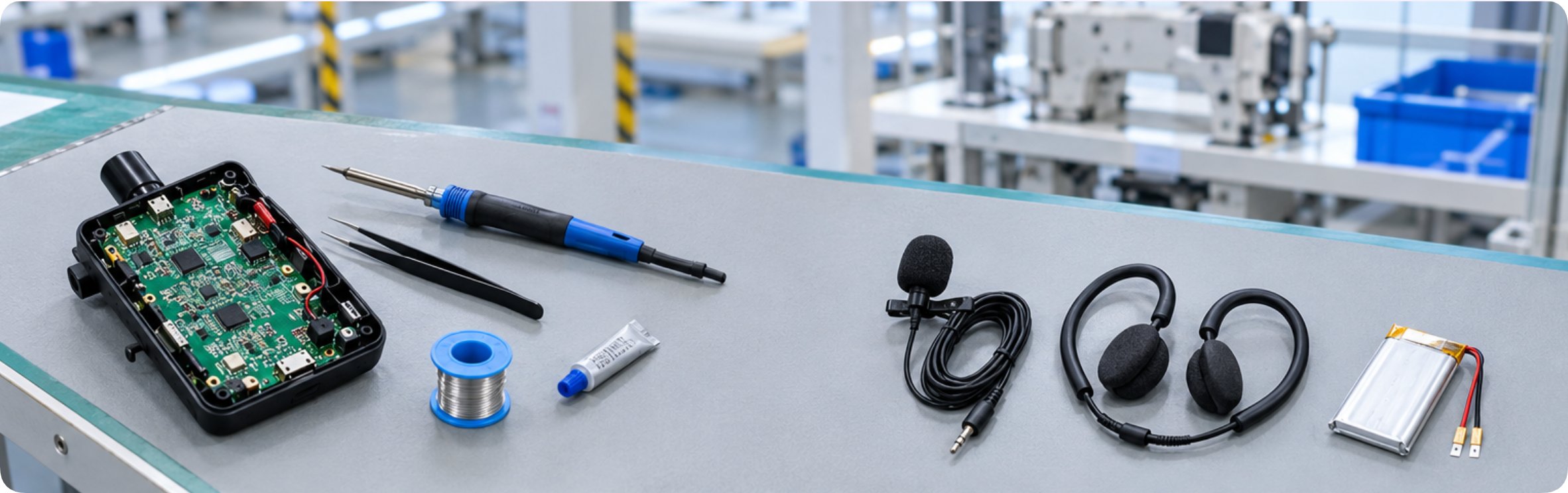
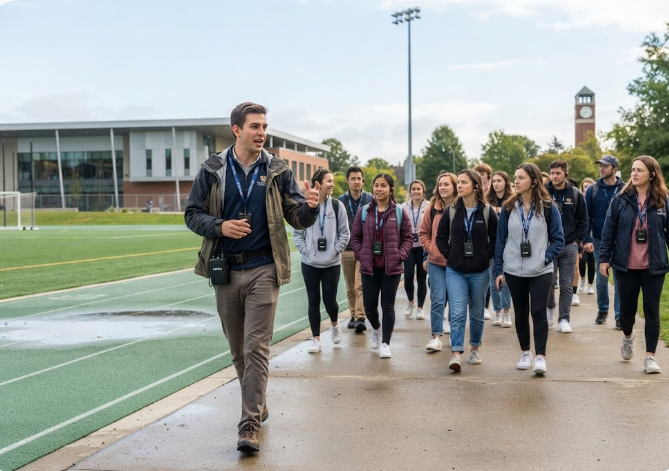
The RC8860 is the unit for the route that never stands still: the sports-facility loop, the outdoor orientation game, the walking tour that ends at the boathouse. At 59 grams with a 12-hour battery, its differentiator is the IP54 rating, which shrugs off light rain and the sweat of a guide who has been on their feet since nine. Where the RC2408 is about distance and the RC2500 is about size, the RC8860 is about surviving a moving, weather-exposed segment without a second thought about the hardware.
RC2408 and RC2500: A Practical Wireless Setup for University Campus Tours(图3)

An RC8860 on an active outdoor campus route, its IP54 build chosen for movement and changing weather rather than a static stop.

How the Three Compare on Paper

The table below is the one we hand to an admissions lead before they order. Weight and battery look similar, but the split that matters is the last column: which campus segment each model is actually assigned to.

ModelWeightBatteryRatingBest campus segment
RC240870 g14 hoursIP42Large outdoor crowds spread across quads
RC250055 g12 hoursIP42Small indoor groups in labs and libraries
RC886059 g12 hoursIP54Active outdoor routes exposed to weather

Channel Planning Before First Group Arrives

The mistake schools make is assigning channels on the morning, with three tours leaving the same gate at the same time. Two transmitters on the same frequency bleed into each other within metres. The fix is a one-page plan made the week before: list every tour, give each its own channel, and keep a buffer channel free for the walk-in group that always appears. Because the three models share the same channel scheme, one plan covers all of them, and a guide who swaps units between segments does not have to relearn anything.

🔋 Battery Math for Full Open Day

A 12 or 14-hour battery is not a safety margin, it is the schedule. An open day runs from a nine o'clock briefing to a four o'clock wrap, with the guides' units live for most of it and the visitors' receivers cycling through three or four groups. Charge everything overnight on a single rack, and you will not think about power once. For multi-shift events, a second charged set swapped at lunch removes the only variable that has ever cut a tour short, and a documented school field trip ran two shifts on one charging rack without a single drop.

Quick Start Keeps Visitors Moving

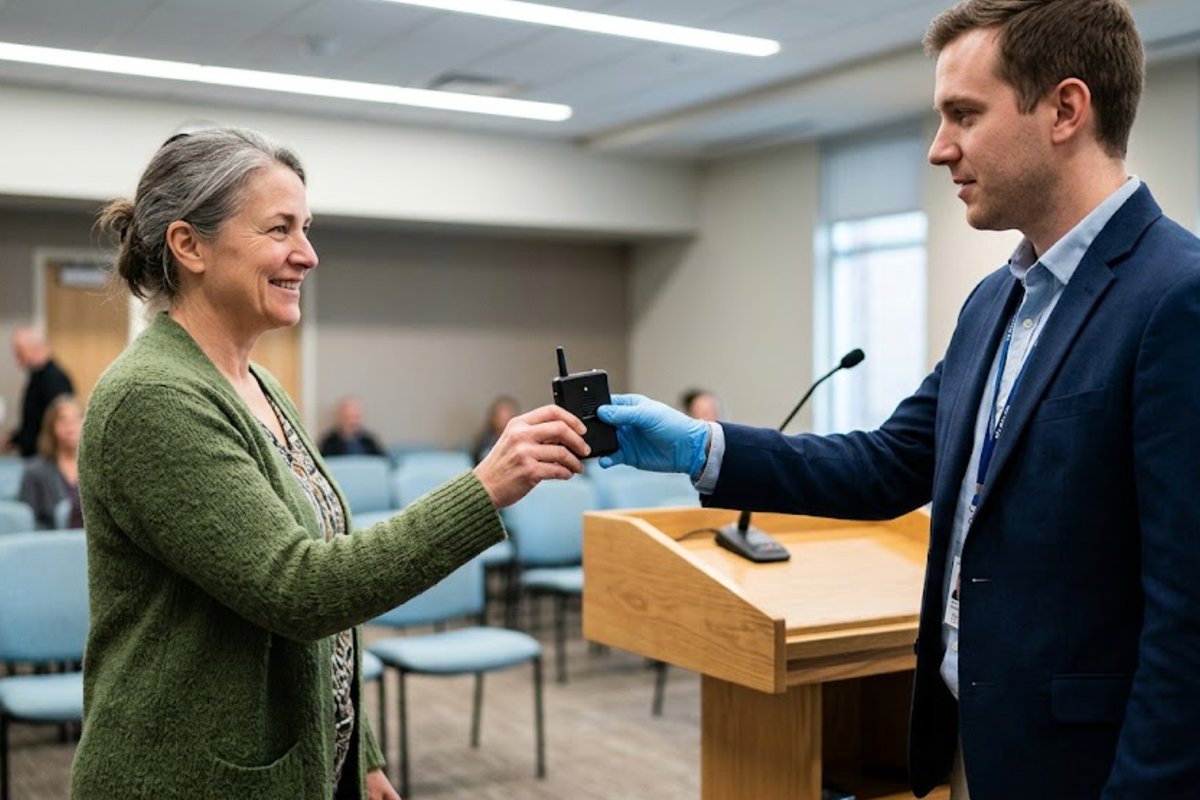
The last step is the one visitors remember. Hand receivers at the gate, pair them to the guide's channel in under thirty seconds, and sanitize between groups the same way you would a headset. A tour that starts with a fumble loses the first building; a tour that starts clean sets the pace for the whole morning. None of this is complicated, which is the point: the hardware is supposed to disappear so the campus can speak for itself. For the broader picture across every venue we support, explore our solutions and start with the education segment.
2026年09月04日 10:10
click: 113

RC2408 and RC2500: A Practical Wireless Setup for University Campus Tours

time: 2026年09月04日 click:113

Every admissions team knows the moment a campus tour goes quiet: the group steps out of the lecture hall into a courtyard, a bus idles nearby, and the explainer at the front is now audible to six people while the other twenty guess. A university open day is a logistics problem disguised as a welcome. Prospective students, parents, and international delegations move through lecture theatres, labs, quads, and sports facilities in a single morning, and the only thing keeping the message coherent is a wireless audio link between the guide and every visitor. The short version of the deployment is this: match the unit to the segment, plan channels before anyone arrives, and let the battery math do the rest. If you are scoping a rollout this term, start with dedicated campus tour solutions, and for the hardware itself the full wireless tour guide range covers ninety percent of a standard open day.

📡 Where Signal Breaks on a Walking Visit

The failure is rarely the loudspeaker. It is distance, a glass wall, and wind across an open lawn. A raised voice reaches roughly two metres before it scatters, which means a group of fifteen walks as a tightening knot with the guide at the centre and the latecomers at the rim hearing nothing. A wireless tour system removes the knot: the guide speaks into a transmitter, and every visitor carries a receiver tuned to the same channel. The explainer can walk backwards, point at a façade, and still be heard at the back of the group. That single change is what turns a campus walk from a crowd-management exercise into an actual conversation. A campus is not one space, so the practical split is by group size and by whether the segment is indoors, on a paved quad, or on a moving route: a long-range unit for spread-out outdoor crowds, a compact unit for small indoor groups, and a splash-resistant unit for active walking routes.

Outdoor Spreads Need Long Reach

The RC2408 is the unit for the quad, the avenue, and the gap between the science block and the sports centre. At 70 grams it disappears in a hand, the 14-hour battery covers a full day of back-to-back tours, and the long transmission range keeps a group of twenty-five audible even when the front and back are a full court apart. On a busy open day this is the model assigned to the big mixed-cohort walk, where the guide is moving and the audience is spread across a hard surface that throws sound every direction but forward. IP42 handles dust and the occasional drizzle well enough for covered outdoor use.

RC2408 and RC2500: A Practical Wireless Setup for University Campus Tours(图1)

An RC2408 transmitter keeping a spread-out open-day crowd audible across a wide campus quad, the segment where range matters more than anything else.

📱 Compact Groups Prefer Light Hardware

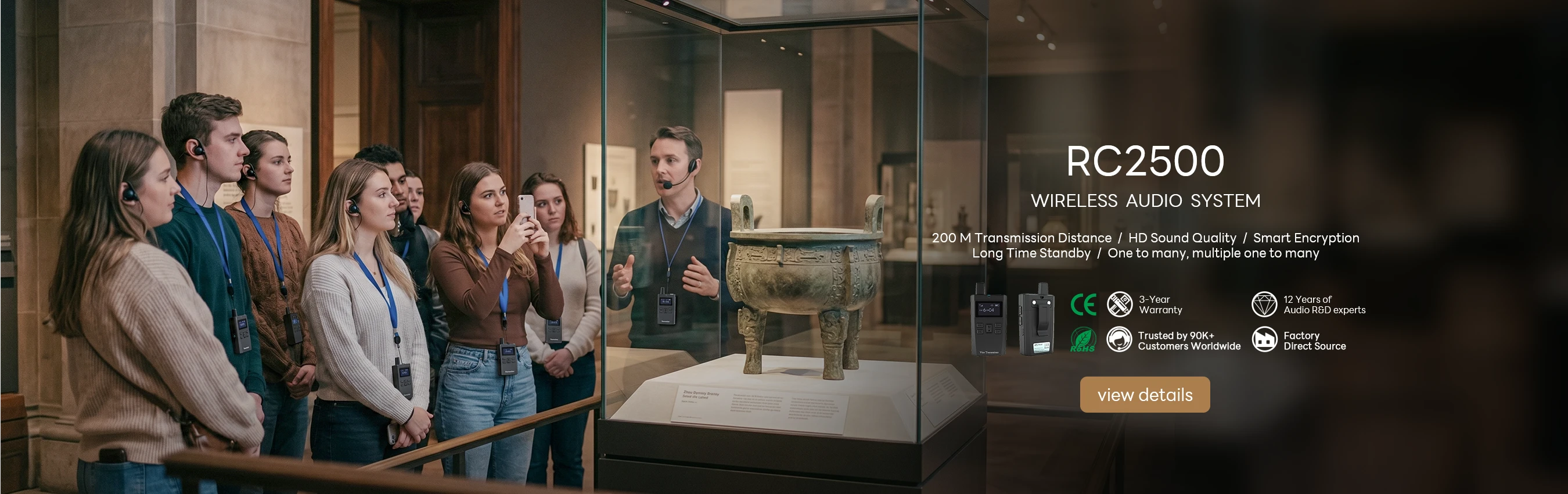
The RC2500 is the smallest of the three at 55 grams, with a 12-hour battery and a body built for the indoor stop: the lab walkthrough, the library introduction, the eight-person scholarship interview tour. Compact groups do not need range, they need something a visitor will slip into a pocket and forget until the next room. Where the RC2408 is for the crowd, the RC2500 is for the conversation, and the two are assigned by headcount rather than by building.

RC2408 and RC2500: A Practical Wireless Setup for University Campus Tours(图2)

An RC2500 in a small indoor group setting, the format visitors carry without thinking through a library or lab visit.

Active Routes Favor Splash-Resistant Build

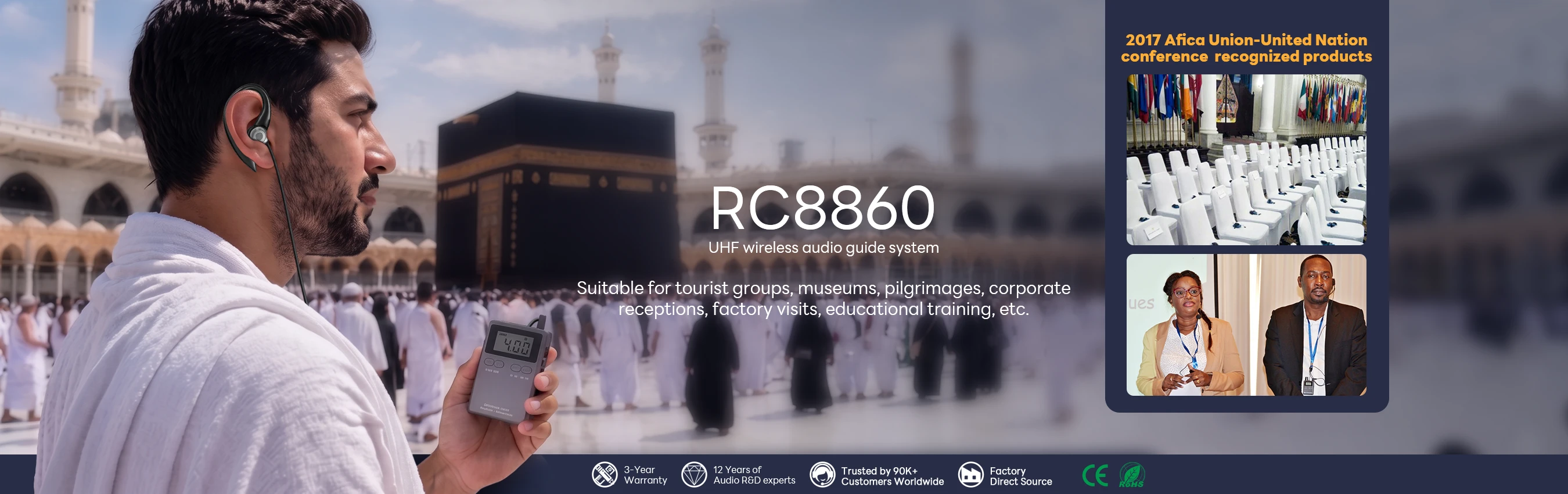
The RC8860 is the unit for the route that never stands still: the sports-facility loop, the outdoor orientation game, the walking tour that ends at the boathouse. At 59 grams with a 12-hour battery, its differentiator is the IP54 rating, which shrugs off light rain and the sweat of a guide who has been on their feet since nine. Where the RC2408 is about distance and the RC2500 is about size, the RC8860 is about surviving a moving, weather-exposed segment without a second thought about the hardware.

RC2408 and RC2500: A Practical Wireless Setup for University Campus Tours(图3)

An RC8860 on an active outdoor campus route, its IP54 build chosen for movement and changing weather rather than a static stop.

How the Three Compare on Paper

The table below is the one we hand to an admissions lead before they order. Weight and battery look similar, but the split that matters is the last column: which campus segment each model is actually assigned to.

ModelWeightBatteryRatingBest campus segment
RC240870 g14 hoursIP42Large outdoor crowds spread across quads
RC250055 g12 hoursIP42Small indoor groups in labs and libraries
RC886059 g12 hoursIP54Active outdoor routes exposed to weather

Channel Planning Before First Group Arrives

The mistake schools make is assigning channels on the morning, with three tours leaving the same gate at the same time. Two transmitters on the same frequency bleed into each other within metres. The fix is a one-page plan made the week before: list every tour, give each its own channel, and keep a buffer channel free for the walk-in group that always appears. Because the three models share the same channel scheme, one plan covers all of them, and a guide who swaps units between segments does not have to relearn anything.

🔋 Battery Math for Full Open Day

A 12 or 14-hour battery is not a safety margin, it is the schedule. An open day runs from a nine o'clock briefing to a four o'clock wrap, with the guides' units live for most of it and the visitors' receivers cycling through three or four groups. Charge everything overnight on a single rack, and you will not think about power once. For multi-shift events, a second charged set swapped at lunch removes the only variable that has ever cut a tour short, and a documented school field trip ran two shifts on one charging rack without a single drop.

Quick Start Keeps Visitors Moving

The last step is the one visitors remember. Hand receivers at the gate, pair them to the guide's channel in under thirty seconds, and sanitize between groups the same way you would a headset. A tour that starts with a fumble loses the first building; a tour that starts clean sets the pace for the whole morning. None of this is complicated, which is the point: the hardware is supposed to disappear so the campus can speak for itself. For the broader picture across every venue we support, explore our solutions and start with the education segment.
×

Contact us

email:
name:
subject:
content: