
A leading China factory specializing in Wireless Tour Guide Systems, Church Audio Guides, and Translation Headphones with premium OEM/ODM solutions.

Tel:+86 13825295213

Email:tiger.wang@richitek.com

RC2406 and RC2402: What Corporate Training Audio Delivers When Measured

Every vendor publishes a range figure, and every training manager learns the hard way that the number on the sheet describes an empty field, not a room with forty people, a projector fan, and a glass wall. So we stopped quoting the sheet and started measuring. Over three weeks we ran the same three tests in the same corporate training facility with the same three units, and this is what the numbers actually looked like once the room was full.

💡 📋 Why We Stopped Trusting the Spec Sheet

The problem with published range is not that it is false. It is that it is measured under conditions no training room reproduces: open air, line of sight, one transmitter, and nothing competing for the band. A corporate facility offers the opposite, with Wi-Fi on every floor, Bluetooth from a hundred phones, and reflective surfaces in every direction. Our first decision was to test what a trainer would actually feel rather than what a datasheet claims, which is the same reason the facility had originally moved to conference and training audio solutions built for dense indoor use instead of general-purpose radios.

🔊 Test One: Clarity at the Back of the Room
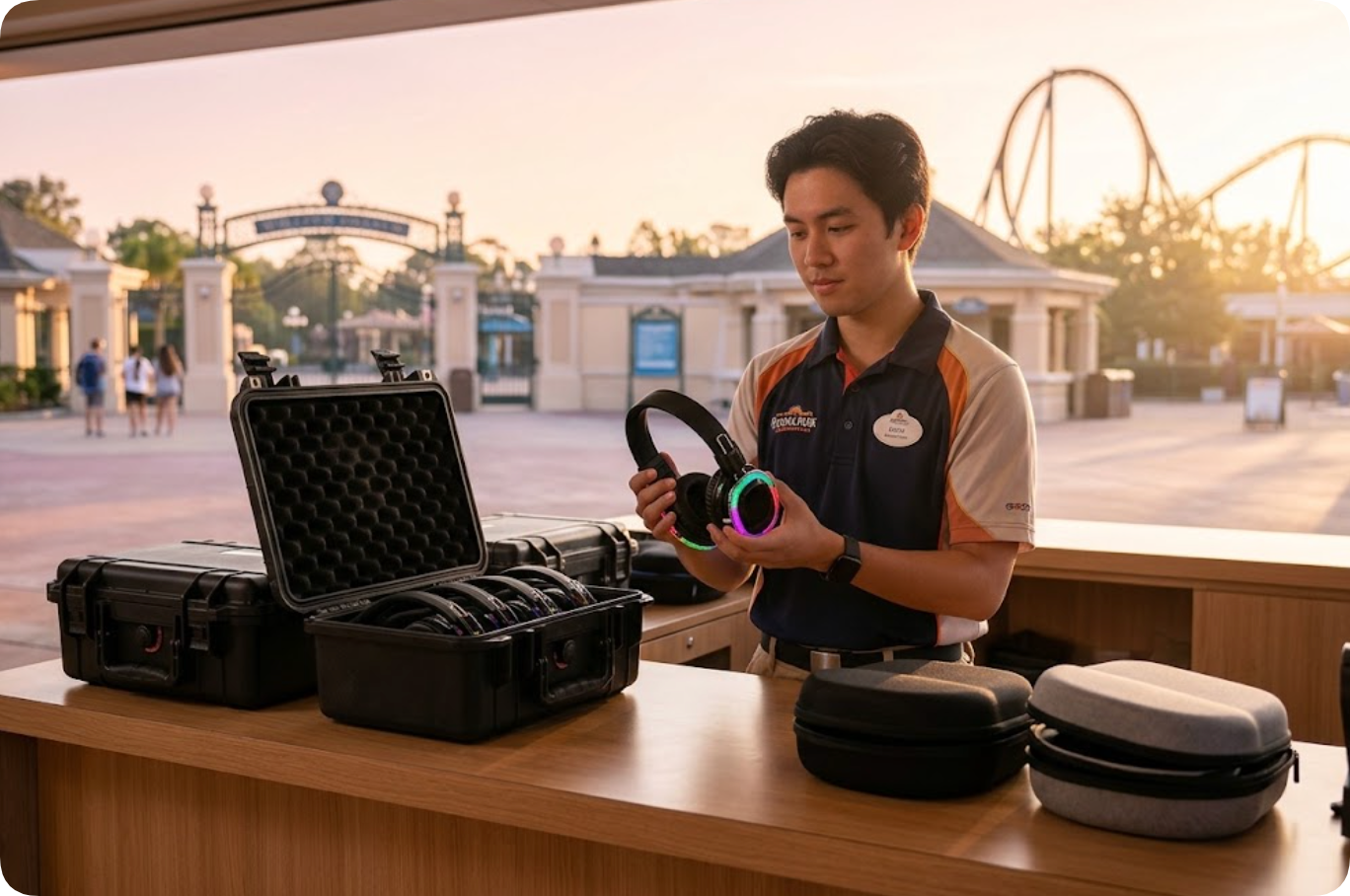
RC2406 and RC2402: What Corporate Training Audio Delivers When Measured(图1)

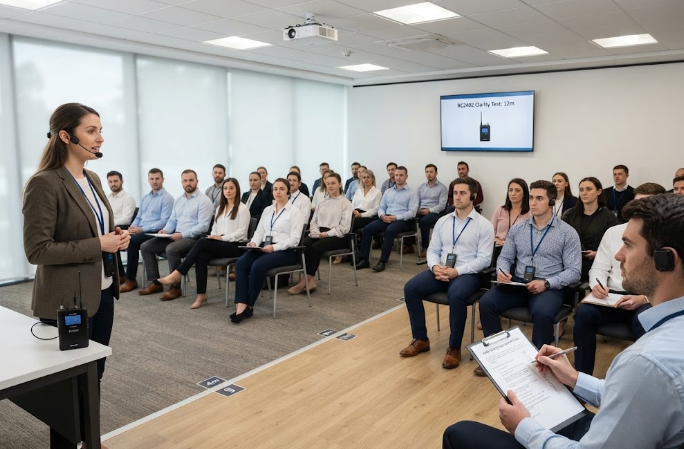
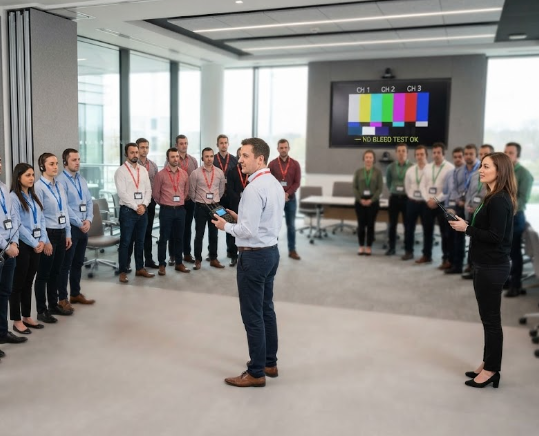
The first test was brutally simple. A trainer stood at the front of a twelve-metre room and read a script at normal speaking volume, while listeners at the back rated whether each sentence was fully intelligible, partly intelligible, or lost. Every unit passed at four metres. The separation began at eight, and by twelve only one held a clean score. The RC2402 held intelligibility at the back row across every run, which matters more than raw distance because a trainer rarely raises their voice for the last row and should not have to.

🔀 Test Two: Channel Separation Under Load
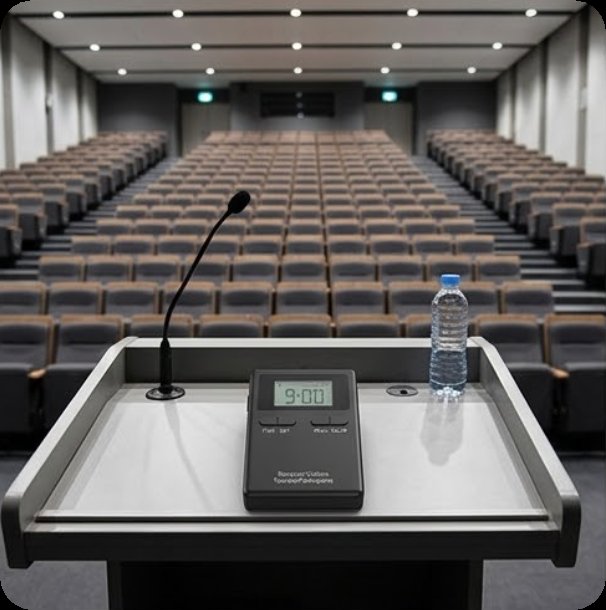
RC2406 and RC2402: What Corporate Training Audio Delivers When Measured(图2)

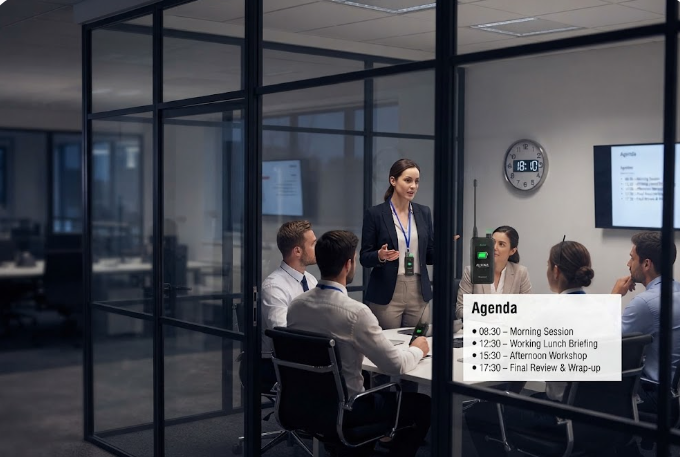
The second test is the one that separates a tour guide system from a set of radios. We ran three breakout groups in one open room, each on its own channel, with all three trainers speaking at once. The question was not volume but bleed: could a listener hear the neighbouring group. Cheap systems fail here badly. The RC2406 kept the three channels clean throughout, and the facility's own trainer noted that groups stopped instinctively lowering their voices, which they had done for months out of habit rather than necessity.

🔋 🔋 Test Three: A Full Day on One Charge
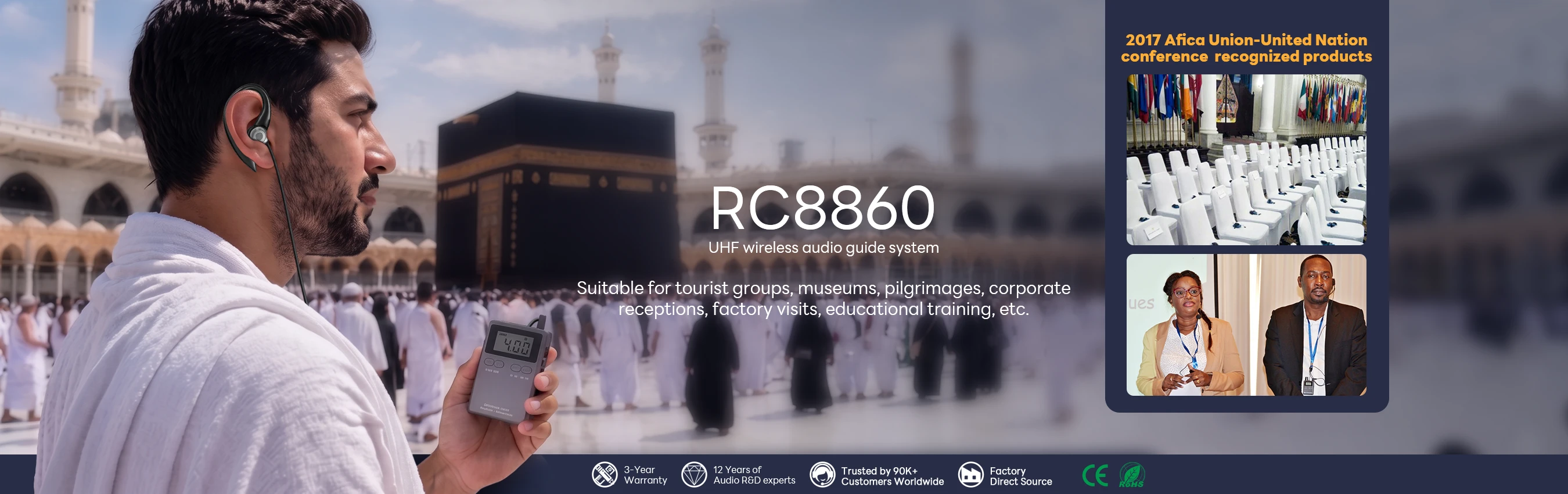
RC2406 and RC2402: What Corporate Training Audio Delivers When Measured(图3)

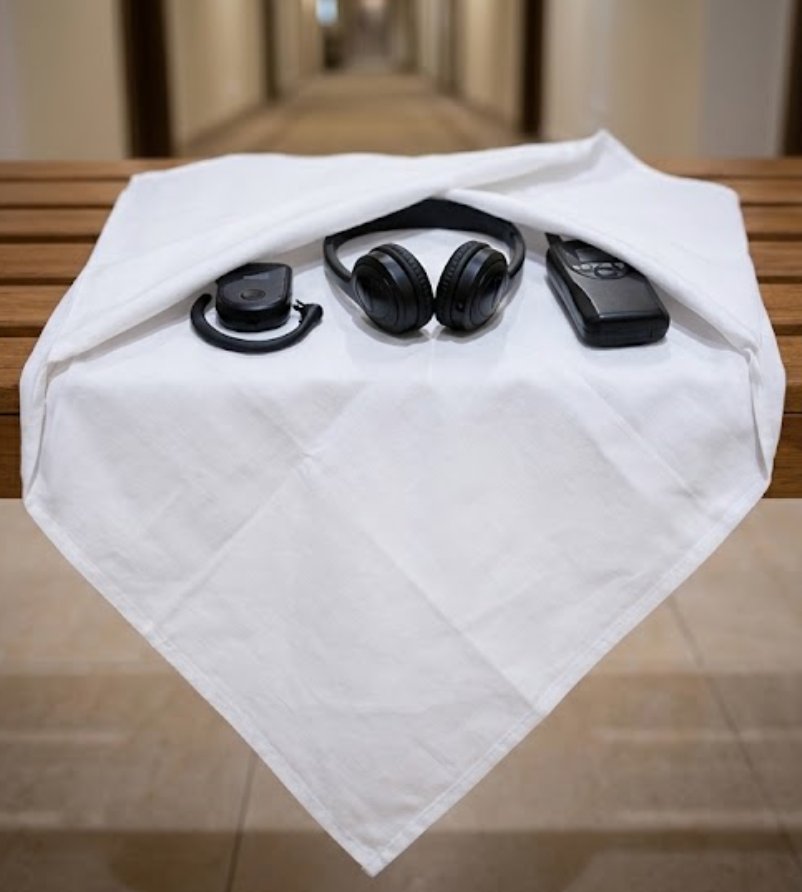
The third test ran the schedule rather than the hardware. Units went out at eight in the morning with a full charge and stayed in service through a nine-hour agenda of back-to-back sessions, a working lunch briefing, and an evening catch-up block. The failure mode we were watching for was not a dead unit at six in the evening but a mid-afternoon swap, because a swap means a trainer losing two minutes and a group losing the thread. The RC9150 cleared the full day with margin, and the quiet-room behaviour that makes it a favourite in galleries turned out to matter here too, since several sessions ran in a glass-walled room where any hiss is obvious.

📊 The Numbers Side by Side

Putting the three runs together produced a clearer picture than any single test. Distance separated the field first, channel integrity separated it second, and endurance confirmed the shortlist rather than changing it. What surprised the facility most was that the unit winning each test was not the same unit, which is the practical argument against buying one model for every room.

TestConditionWhat we measuredResult
Clarity12 m room, 40 listenersBack-row sentence intelligibilityRC2402 held a clean score on every run
Separation3 groups, 1 room, all speakingAudible bleed between channelsRC2406 kept all three channels clean
Endurance9-hour agenda, single chargeMid-afternoon swaps requiredRC9150 cleared the day with margin

🧭 What the Facility Manager Changed

The measurements changed behaviour more than hardware. Breakout groups were moved from separate rooms into one shared space once channel separation proved reliable, which freed two rooms per session. Trainers stopped carrying a backup transmitter they had never needed. The evening block, previously run without audio because everyone assumed the batteries would not last, went back on the schedule. None of these came from a specification. All of them came from knowing what the kit actually does.

⚙️ Where Each Unit Fits Now

After three weeks the facility settled into a simple allocation. Long rooms with a single trainer and a large audience get the unit that holds the back row. Multi-group breakouts get the unit that keeps channels apart. Full-day agendas and glass-walled rooms get the unit that lasts and stays quiet. That allocation is now written into the booking form, so the right kit is reserved with the room rather than chosen at the last minute.

💡 Specifying for Your Own Agenda

If you run training in a corporate facility, test for your room, not for the datasheet. Measure intelligibility at your longest distance with your usual headcount, run two groups at once to see whether channels bleed, and put a unit through your actual agenda rather than a nominal battery figure. Then browse the wireless tour guide system range and match each room type to the unit that won that test. For a longer account of how one operator settled its allocation, read a corporate training deployment write-up covering the same category of facility, and you will notice the same three questions deciding the outcome.

2026年09月07日 11:09
click: 413
no data

RC2406 and RC2402: What Corporate Training Audio Delivers When Measured

time: 2026年09月07日 click:413

Every vendor publishes a range figure, and every training manager learns the hard way that the number on the sheet describes an empty field, not a room with forty people, a projector fan, and a glass wall. So we stopped quoting the sheet and started measuring. Over three weeks we ran the same three tests in the same corporate training facility with the same three units, and this is what the numbers actually looked like once the room was full.

💡 📋 Why We Stopped Trusting the Spec Sheet

The problem with published range is not that it is false. It is that it is measured under conditions no training room reproduces: open air, line of sight, one transmitter, and nothing competing for the band. A corporate facility offers the opposite, with Wi-Fi on every floor, Bluetooth from a hundred phones, and reflective surfaces in every direction. Our first decision was to test what a trainer would actually feel rather than what a datasheet claims, which is the same reason the facility had originally moved to conference and training audio solutions built for dense indoor use instead of general-purpose radios.

🔊 Test One: Clarity at the Back of the Room

RC2406 and RC2402: What Corporate Training Audio Delivers When Measured(图1)

The first test was brutally simple. A trainer stood at the front of a twelve-metre room and read a script at normal speaking volume, while listeners at the back rated whether each sentence was fully intelligible, partly intelligible, or lost. Every unit passed at four metres. The separation began at eight, and by twelve only one held a clean score. The RC2402 held intelligibility at the back row across every run, which matters more than raw distance because a trainer rarely raises their voice for the last row and should not have to.

🔀 Test Two: Channel Separation Under Load

RC2406 and RC2402: What Corporate Training Audio Delivers When Measured(图2)

The second test is the one that separates a tour guide system from a set of radios. We ran three breakout groups in one open room, each on its own channel, with all three trainers speaking at once. The question was not volume but bleed: could a listener hear the neighbouring group. Cheap systems fail here badly. The RC2406 kept the three channels clean throughout, and the facility's own trainer noted that groups stopped instinctively lowering their voices, which they had done for months out of habit rather than necessity.

🔋 🔋 Test Three: A Full Day on One Charge

RC2406 and RC2402: What Corporate Training Audio Delivers When Measured(图3)

The third test ran the schedule rather than the hardware. Units went out at eight in the morning with a full charge and stayed in service through a nine-hour agenda of back-to-back sessions, a working lunch briefing, and an evening catch-up block. The failure mode we were watching for was not a dead unit at six in the evening but a mid-afternoon swap, because a swap means a trainer losing two minutes and a group losing the thread. The RC9150 cleared the full day with margin, and the quiet-room behaviour that makes it a favourite in galleries turned out to matter here too, since several sessions ran in a glass-walled room where any hiss is obvious.

📊 The Numbers Side by Side

Putting the three runs together produced a clearer picture than any single test. Distance separated the field first, channel integrity separated it second, and endurance confirmed the shortlist rather than changing it. What surprised the facility most was that the unit winning each test was not the same unit, which is the practical argument against buying one model for every room.

TestConditionWhat we measuredResult
Clarity12 m room, 40 listenersBack-row sentence intelligibilityRC2402 held a clean score on every run
Separation3 groups, 1 room, all speakingAudible bleed between channelsRC2406 kept all three channels clean
Endurance9-hour agenda, single chargeMid-afternoon swaps requiredRC9150 cleared the day with margin

🧭 What the Facility Manager Changed

The measurements changed behaviour more than hardware. Breakout groups were moved from separate rooms into one shared space once channel separation proved reliable, which freed two rooms per session. Trainers stopped carrying a backup transmitter they had never needed. The evening block, previously run without audio because everyone assumed the batteries would not last, went back on the schedule. None of these came from a specification. All of them came from knowing what the kit actually does.

⚙️ Where Each Unit Fits Now

After three weeks the facility settled into a simple allocation. Long rooms with a single trainer and a large audience get the unit that holds the back row. Multi-group breakouts get the unit that keeps channels apart. Full-day agendas and glass-walled rooms get the unit that lasts and stays quiet. That allocation is now written into the booking form, so the right kit is reserved with the room rather than chosen at the last minute.

💡 Specifying for Your Own Agenda

If you run training in a corporate facility, test for your room, not for the datasheet. Measure intelligibility at your longest distance with your usual headcount, run two groups at once to see whether channels bleed, and put a unit through your actual agenda rather than a nominal battery figure. Then browse the wireless tour guide system range and match each room type to the unit that won that test. For a longer account of how one operator settled its allocation, read a corporate training deployment write-up covering the same category of facility, and you will notice the same three questions deciding the outcome.
no data
×

Contact us

email:
name:
subject:
content: