A leading China factory specializing in Wireless Tour Guide Systems, Church Audio Guides, and Translation Headphones with premium OEM/ODM solutions.

Tel:+86 18922879583

Email:tiger.wang@richitek.com

RC2500 and RC2468: How Factory Tour Audio Evolved Across Three Plant Floors

I have stood on enough plant floors to know that factory tours are the hardest listening job in the guided-tour world. Machine noise never pauses, concrete and steel chew up radio signal, and the route changes whenever a line is reconfigured. Over the last decade the brief has shifted three separate times, and each shift pulled a different piece of hardware to the front of the kit bag. This is how that evolution actually played out on real factory floors, told through the units that carried each stage.

🔍 🏭 The Noise Problem Nobody Budgeted For

The first thing any plant discovers is that a tour is louder than a meeting room by an order of magnitude. Presses cycle, conveyors hum, and an air compressor kicks in exactly when the guide reaches the most important sentence. Visitors nod politely and hear perhaps half of it. Most venues respond by buying a louder megaphone, which solves the volume question and creates three new problems: echo, worker irritation, and confidential conversations broadcast across the whole bay. The venues that moved past this stage were the ones that stopped treating the tour as a public address job and started treating it as a private listening job, which is why so many of them ended up at purpose-built factory tour solutions instead of another amplifier.

🔊 When Volume Was the Only Answer
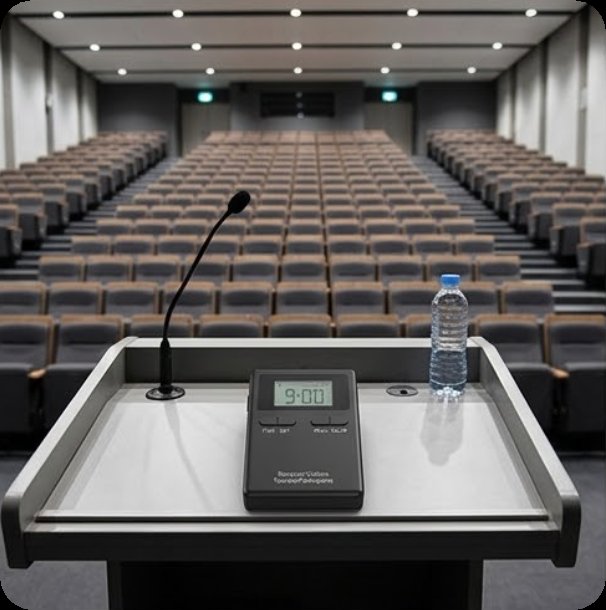
RC2500 and RC2468: How Factory Tour Audio Evolved Across Three Plant Floors(图1)

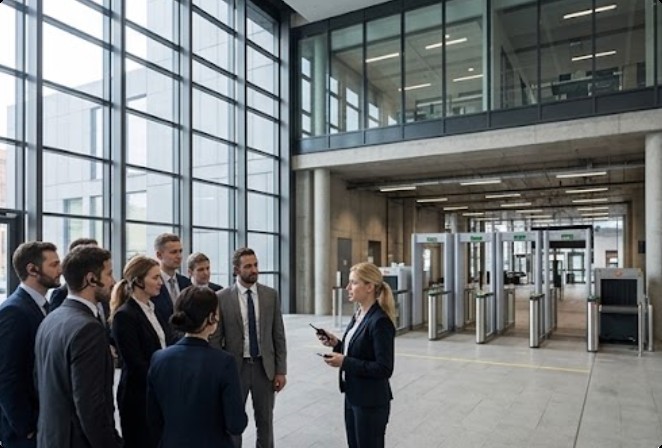
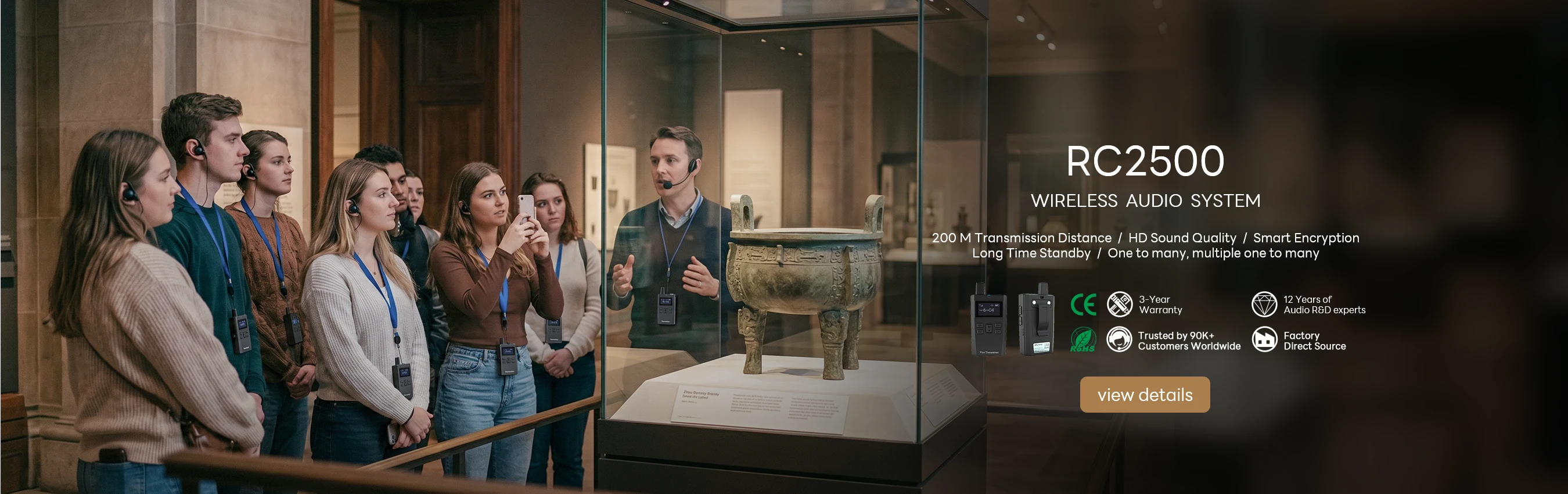
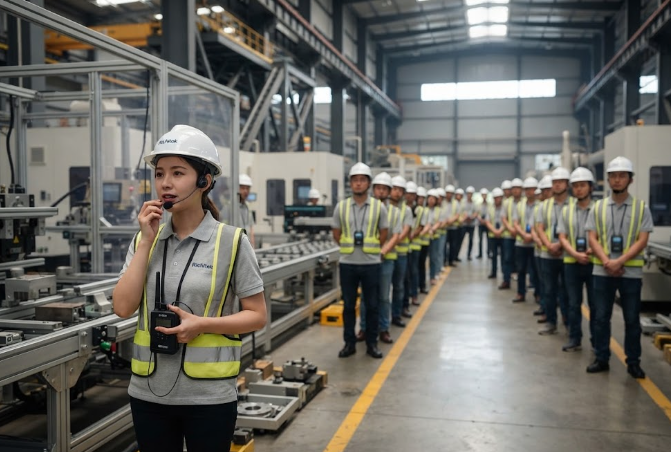
The first real shift was reach. Plant floors are long, and a guide walking twenty metres ahead of a visitor group still has to be heard at the back. Early deployments leaned on raw transmission distance above everything else, and that is where the RC2500 earned its place. Its long-range link covered a full production line without repeaters, and guides learned they could stand at a safe distance from a machine and still talk the group through what it was doing. Range solved the geometry of the problem. It did not solve the language question, and it certainly did not solve confidentiality, but it proved that a private audio channel could work in a space everyone assumed was too hostile.

🗺️ 🌍 Visitor Lists That Became Multilingual
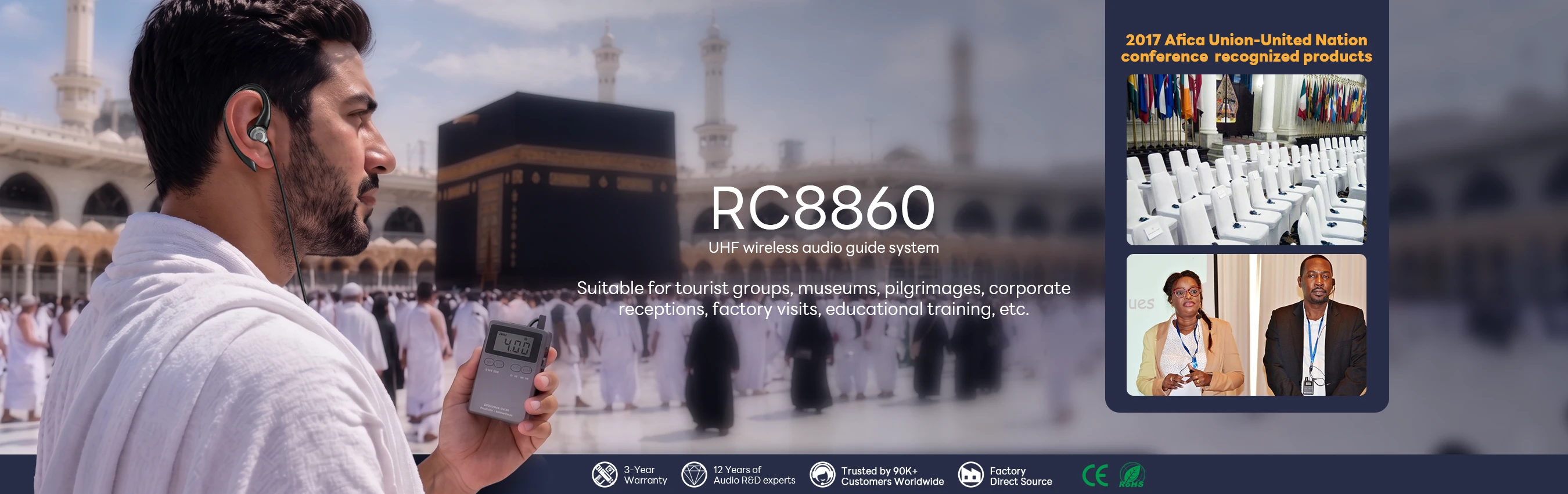
RC2500 and RC2468: How Factory Tour Audio Evolved Across Three Plant Floors(图2)

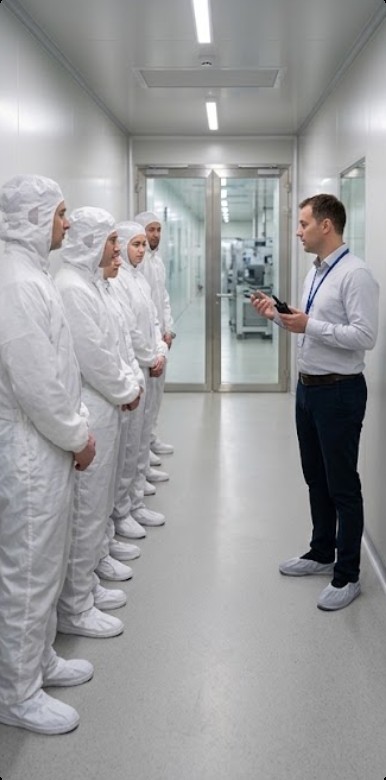
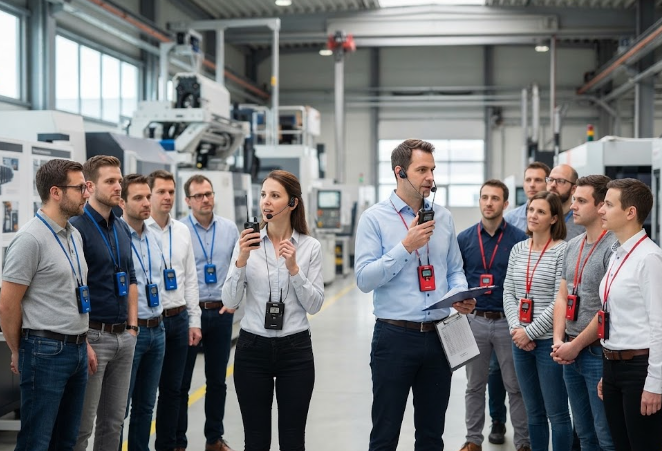
The second shift arrived with the visitor list itself. A plant that once hosted local school groups began hosting overseas buyers, auditors, and joint-venture partners, often three language groups on one afternoon and sometimes two at once. One transmitter on one channel could not serve that. Sites moved to multi-channel platforms where each language sat on its own channel and a coordinator could reassign a group in seconds when numbers changed. The RC8860 became the practical answer for long, multi-language days because it held a charge across back-to-back tours and stayed readable for a guide who was also managing a radio and a visitor clipboard. Multilingual capability stopped being a nice-to-have and became the entry ticket for any plant with international customers.

🛡️ Confidentiality Rewrote the Brief
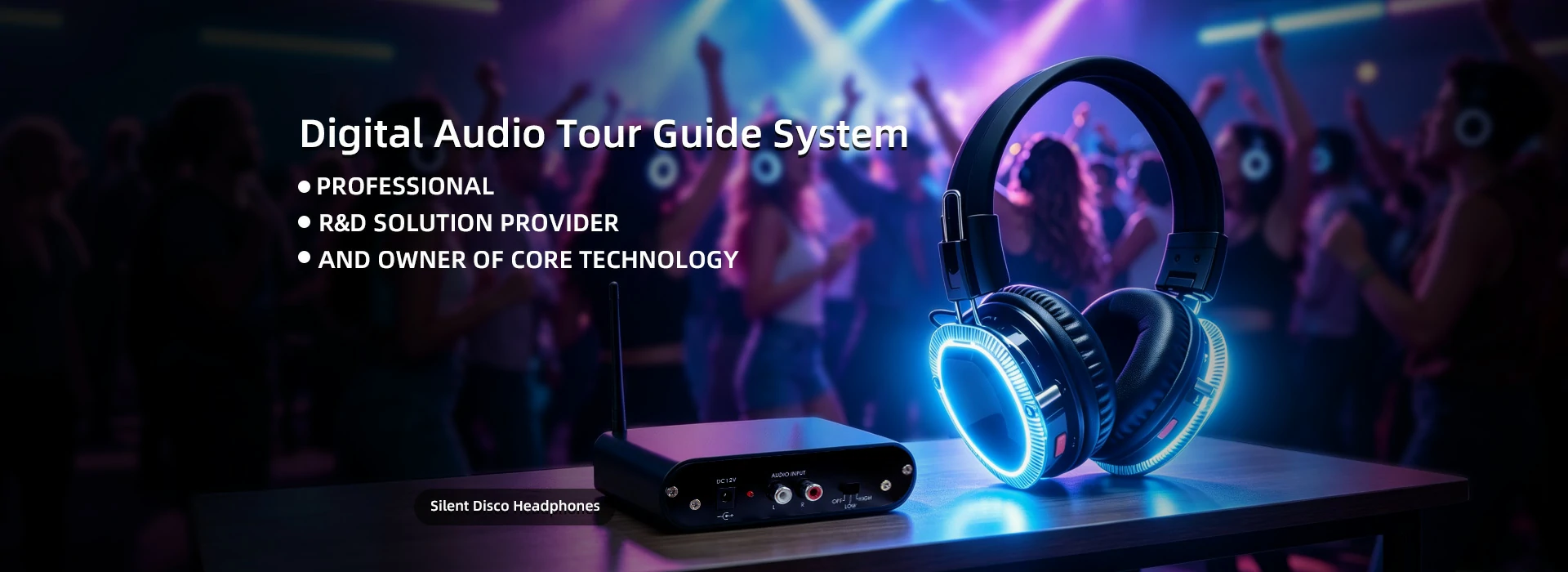
RC2500 and RC2468: How Factory Tour Audio Evolved Across Three Plant Floors(图3)

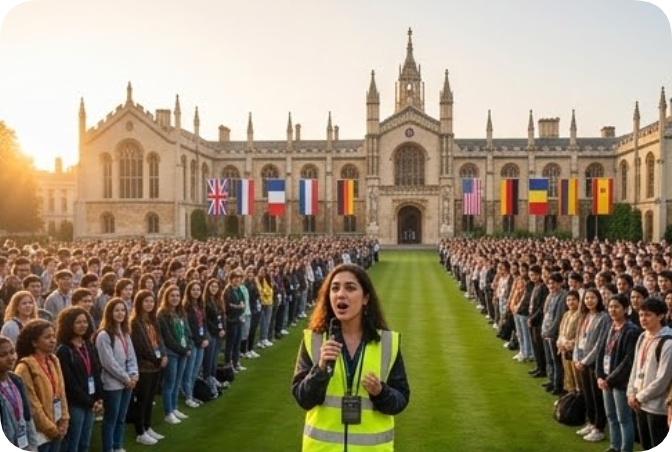
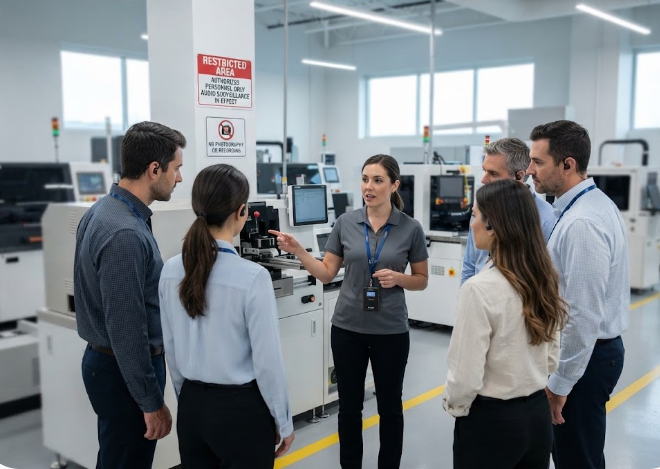
The third shift is the one most plants are living through right now. Confidentiality clauses, customer NDAs, and visitor recording policies mean that audio has to stay inside the group, and in some zones the group has to stay inside a marked area. A loud transmitter is now a liability rather than a feature. The hardware response has been to go smaller and more controlled rather than bigger and louder, which is why the RC2468 shows up on modern confidential-zone routes. It is light enough that a guide barely registers carrying it across a long patrol, and channel discipline keeps a proprietary process discussion inside the group instead of spilling into the next bay.

⚖️ What Each Shift Demanded From Hardware

Looking back, the three stages read as a clear escalation in what a plant asks of its kit. The first stage asked for distance, and nothing else mattered. The second asked for channels, because distance alone cannot separate two languages standing side by side. The third asked for control, because neither distance nor channels help if a conversation is audible thirty metres away. Each stage kept the requirements of the one before it. A confidential tour still needs range, and a multilingual tour still needs both. That accumulation is why modern specifications look so much longer than the ones written a decade ago.

⚖️ 📊 What Changed Between Generations of Kit

The practical differences are easiest to see side by side. Older deployments were specified almost entirely on transmission distance, while current ones are specified on channel count, battery life across a full shift, and how tightly audio can be contained. Weight moved in the opposite direction from capability: the units that do the most today weigh less than the ones that did the least a decade ago, because guides carry them for eight hours rather than ninety minutes.

Stage Primary demand Typical failure What fixed it
Range era Cover a full line Guide inaudible at the back Long-range transmitter, no repeaters
Multilingual era Separate languages at once Two groups sharing one channel Multi-channel platform, instant reassignment
Confidential era Keep audio inside the group Proprietary detail overheard next bay Lightweight unit, tight channel discipline

🔧 Lessons for Sites Planning an Upgrade

If you are specifying a system now, buy for the stage you are entering rather than the one you have just left. Range is solved and cheap, so do not pay a premium for it. Channel count is worth paying for, because visitor lists keep getting more international, not less. Containment is worth the most, because it is the requirement that gets written into customer contracts and the one that is hardest to retrofit later. Finally, weigh the receiver. A unit that feels heavy at ninety minutes feels punishing at hour seven, and guides will quietly stop using it.

🔮 💡 Choosing for the Next Decade

The pattern across a decade of plant floors is that every new requirement arrived as a surprise and then became permanent within two years. Whatever comes next, it will almost certainly be added on top of range, channels, and containment rather than replacing them. If you are building a shortlist, start with the wireless tour guide system range and match each unit to the stage your plant is actually in. For a measured look at how these systems perform once they are installed, read a factory tour performance test run on a live plant floor, which covers the same hardware under real production noise rather than in a showroom.
2026年09月07日 10:35
ꄘ click: 521

Get the spec sheet, MOQ and a factory-direct quote

Tell us the venue, the group size and how many languages you need. An engineer at our Shenzhen factory replies within one business day with the matching model, a written quote, lead time and the CE / RoHS / ISO 9001 documents.

Talk to an engineer WhatsApp +86 189 2287 9583

Prefer email? tiger.wang@richitek.com  |  OEM / ODM, custom tooling and neutral packaging available  |  send the enquiry through our contact page

Shenzhen Rich Age Electronics Co., Ltd. (Richitek) - manufacturing wireless tour guide systems, church translation headsets and museum audio guide equipment since 2007.

RC2500 and RC2468: How Factory Tour Audio Evolved Across Three Plant Floors

time: 2026年09月07日 click:521

I have stood on enough plant floors to know that factory tours are the hardest listening job in the guided-tour world. Machine noise never pauses, concrete and steel chew up radio signal, and the route changes whenever a line is reconfigured. Over the last decade the brief has shifted three separate times, and each shift pulled a different piece of hardware to the front of the kit bag. This is how that evolution actually played out on real factory floors, told through the units that carried each stage.

🔍 🏭 The Noise Problem Nobody Budgeted For

The first thing any plant discovers is that a tour is louder than a meeting room by an order of magnitude. Presses cycle, conveyors hum, and an air compressor kicks in exactly when the guide reaches the most important sentence. Visitors nod politely and hear perhaps half of it. Most venues respond by buying a louder megaphone, which solves the volume question and creates three new problems: echo, worker irritation, and confidential conversations broadcast across the whole bay. The venues that moved past this stage were the ones that stopped treating the tour as a public address job and started treating it as a private listening job, which is why so many of them ended up at purpose-built factory tour solutions instead of another amplifier.

🔊 When Volume Was the Only Answer

RC2500 and RC2468: How Factory Tour Audio Evolved Across Three Plant Floors(图1)

The first real shift was reach. Plant floors are long, and a guide walking twenty metres ahead of a visitor group still has to be heard at the back. Early deployments leaned on raw transmission distance above everything else, and that is where the RC2500 earned its place. Its long-range link covered a full production line without repeaters, and guides learned they could stand at a safe distance from a machine and still talk the group through what it was doing. Range solved the geometry of the problem. It did not solve the language question, and it certainly did not solve confidentiality, but it proved that a private audio channel could work in a space everyone assumed was too hostile.

🗺️ 🌍 Visitor Lists That Became Multilingual

RC2500 and RC2468: How Factory Tour Audio Evolved Across Three Plant Floors(图2)

The second shift arrived with the visitor list itself. A plant that once hosted local school groups began hosting overseas buyers, auditors, and joint-venture partners, often three language groups on one afternoon and sometimes two at once. One transmitter on one channel could not serve that. Sites moved to multi-channel platforms where each language sat on its own channel and a coordinator could reassign a group in seconds when numbers changed. The RC8860 became the practical answer for long, multi-language days because it held a charge across back-to-back tours and stayed readable for a guide who was also managing a radio and a visitor clipboard. Multilingual capability stopped being a nice-to-have and became the entry ticket for any plant with international customers.

🛡️ Confidentiality Rewrote the Brief

RC2500 and RC2468: How Factory Tour Audio Evolved Across Three Plant Floors(图3)

The third shift is the one most plants are living through right now. Confidentiality clauses, customer NDAs, and visitor recording policies mean that audio has to stay inside the group, and in some zones the group has to stay inside a marked area. A loud transmitter is now a liability rather than a feature. The hardware response has been to go smaller and more controlled rather than bigger and louder, which is why the RC2468 shows up on modern confidential-zone routes. It is light enough that a guide barely registers carrying it across a long patrol, and channel discipline keeps a proprietary process discussion inside the group instead of spilling into the next bay.

⚖️ What Each Shift Demanded From Hardware

Looking back, the three stages read as a clear escalation in what a plant asks of its kit. The first stage asked for distance, and nothing else mattered. The second asked for channels, because distance alone cannot separate two languages standing side by side. The third asked for control, because neither distance nor channels help if a conversation is audible thirty metres away. Each stage kept the requirements of the one before it. A confidential tour still needs range, and a multilingual tour still needs both. That accumulation is why modern specifications look so much longer than the ones written a decade ago.

⚖️ 📊 What Changed Between Generations of Kit

The practical differences are easiest to see side by side. Older deployments were specified almost entirely on transmission distance, while current ones are specified on channel count, battery life across a full shift, and how tightly audio can be contained. Weight moved in the opposite direction from capability: the units that do the most today weigh less than the ones that did the least a decade ago, because guides carry them for eight hours rather than ninety minutes.

Stage Primary demand Typical failure What fixed it
Range era Cover a full line Guide inaudible at the back Long-range transmitter, no repeaters
Multilingual era Separate languages at once Two groups sharing one channel Multi-channel platform, instant reassignment
Confidential era Keep audio inside the group Proprietary detail overheard next bay Lightweight unit, tight channel discipline

🔧 Lessons for Sites Planning an Upgrade

If you are specifying a system now, buy for the stage you are entering rather than the one you have just left. Range is solved and cheap, so do not pay a premium for it. Channel count is worth paying for, because visitor lists keep getting more international, not less. Containment is worth the most, because it is the requirement that gets written into customer contracts and the one that is hardest to retrofit later. Finally, weigh the receiver. A unit that feels heavy at ninety minutes feels punishing at hour seven, and guides will quietly stop using it.

🔮 💡 Choosing for the Next Decade

The pattern across a decade of plant floors is that every new requirement arrived as a surprise and then became permanent within two years. Whatever comes next, it will almost certainly be added on top of range, channels, and containment rather than replacing them. If you are building a shortlist, start with the wireless tour guide system range and match each unit to the stage your plant is actually in. For a measured look at how these systems perform once they are installed, read a factory tour performance test run on a live plant floor, which covers the same hardware under real production noise rather than in a showroom.
Get the spec sheet, MOQ and a factory-direct quote

Tell us the venue, the group size and how many languages you need. An engineer at our Shenzhen factory replies within one business day with the matching model, a written quote, lead time and the CE / RoHS / ISO 9001 documents.

Talk to an engineer WhatsApp +86 189 2287 9583

Prefer email? tiger.wang@richitek.com  |  OEM / ODM, custom tooling and neutral packaging available  |  send the enquiry through our contact page

Shenzhen Rich Age Electronics Co., Ltd. (Richitek) - manufacturing wireless tour guide systems, church translation headsets and museum audio guide equipment since 2007.

×

Contact us

email:
name:
subject:
content: