A leading China factory specializing in Wireless Tour Guide Systems, Church Audio Guides, and Translation Headphones with premium OEM/ODM solutions.

Tel:+86 13825295213

Email:tiger.wang@richitek.com

RC2468, RC2406, and RC2401: A Stadium Tour Case Study for Multi-Group Fan Days

When a major stadium opens its doors for a behind-the-scenes tour, the audio plan is rarely the first thing anyone discusses, yet it decides whether the experience feels premium or chaotic. I spent the last season watching one venue move from shouted instructions to a structured wireless guide rollout, and the difference was immediate. This is the story of how three units, the RC2468, the RC2406, and the RC2401, carried a full season of tours, match-day open houses, and international fan visits without a single lost group.

🏟️ The Venue Brief Before Kickoff

The operations team faced two problems at once. On regular tour days they ran four parallel visitor streams through the stand, the tunnel, the dressing room, and the media box. On match weekends they added a multilingual fan day where overseas supporters wanted the same route explained in their own language. A single broadcast could not serve either case well: in the tunnel it was swallowed by echo, and on the fan day it reached everyone in only one language. The brief was simple to state and hard to deliver, which is exactly why the team looked at wireless tour guide systems for stadium tours built for this kind of load.

📱 📡 RC2468 as the Lightweight Roaming Unit
RC2468, RC2406, and RC2401: A Stadium Tour Case Study for Multi-Group Fan Days(图1)

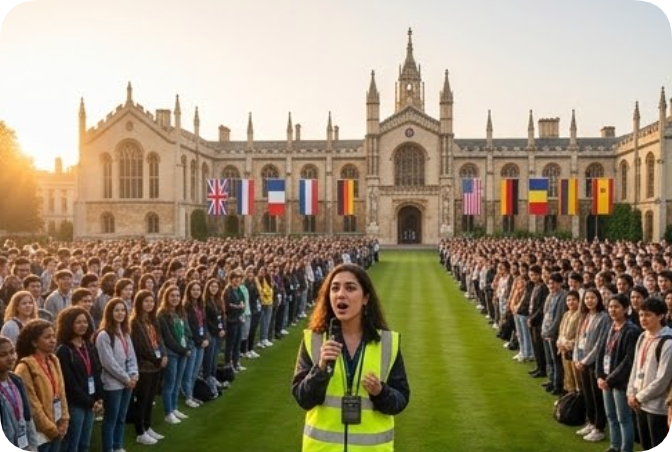
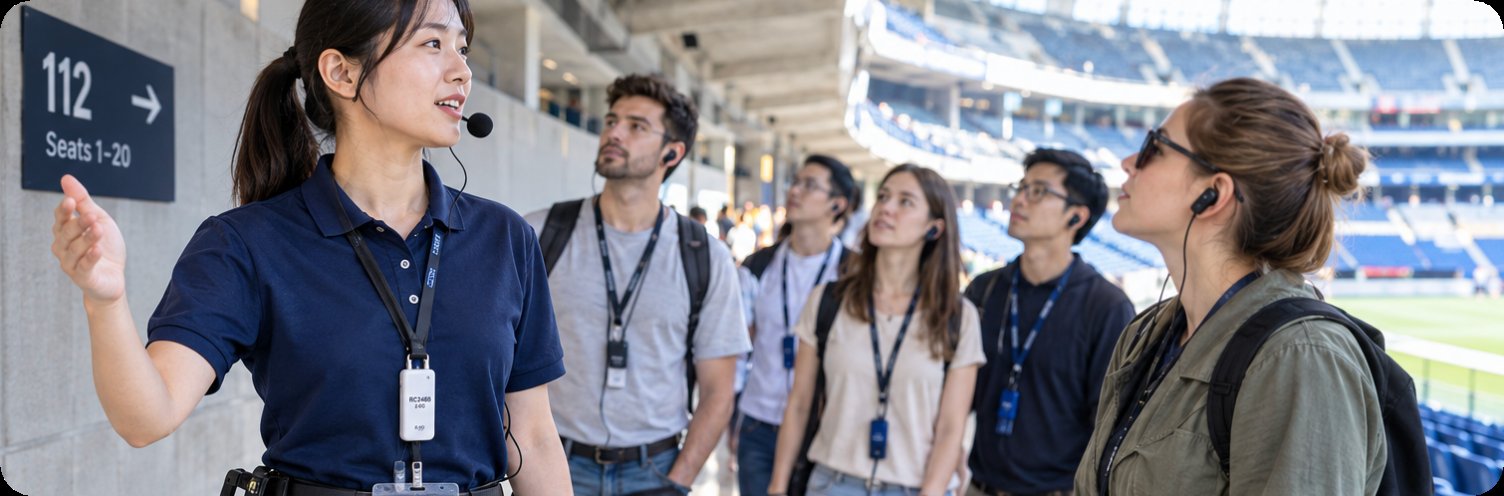
The RC2468 became the guide's everyday transmitter. At 65 grams it disappears in a lanyard pouch, which matters when a host is also pointing at architecture and managing a radio. Its 2.4G link held steady across the open concourse and down into the lower tiers, where concrete and steel usually chew up weaker signals. We paired it with the lightest receiver pool available, so roaming hosts could grab a unit and go without a baggage check at the start of each loop. For the venue, the real win was uptime: a guide could run six loops a day on one charge. You can read the full spec at the RC2468 product page.

📡 RC2406 on a Single 80-Channel Platform
RC2468, RC2406, and RC2401: A Stadium Tour Case Study for Multi-Group Fan Days(图2)

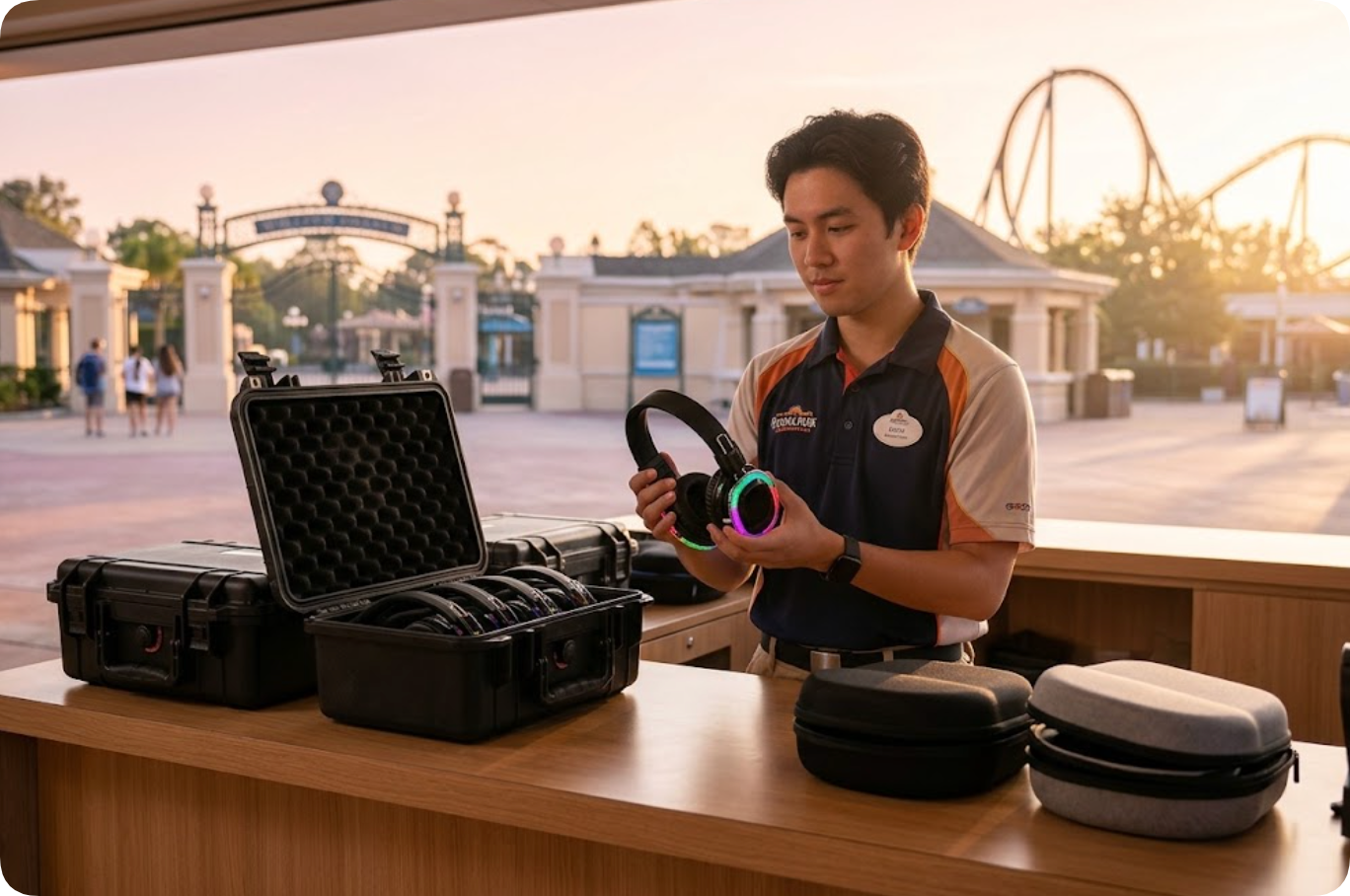
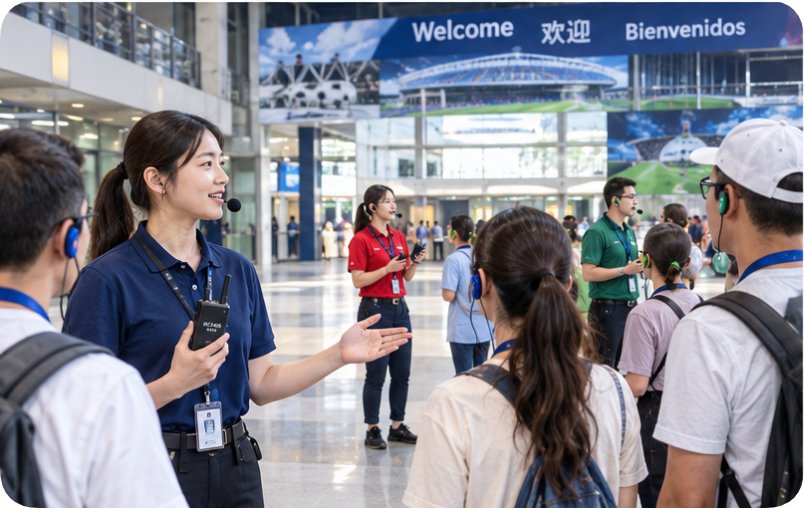
The RC2406 solved the fan-day language problem. With 80 channels on one 2.4G platform, the venue ran three language groups at once, English, Mandarin, and Spanish, without borrowing a second system or crossing signals. Guides stayed on their own channel, visitors stayed on theirs, and the operations desk could reassign a channel in seconds when a group swelled past plan. One platform, three languages, zero cross-talk: that simplicity is why the RC2406 anchored every multilingual open house.

🗺️ 📡 RC2401 for Parallel Visitor Streams
RC2468, RC2406, and RC2401: A Stadium Tour Case Study for Multi-Group Fan Days(图3)

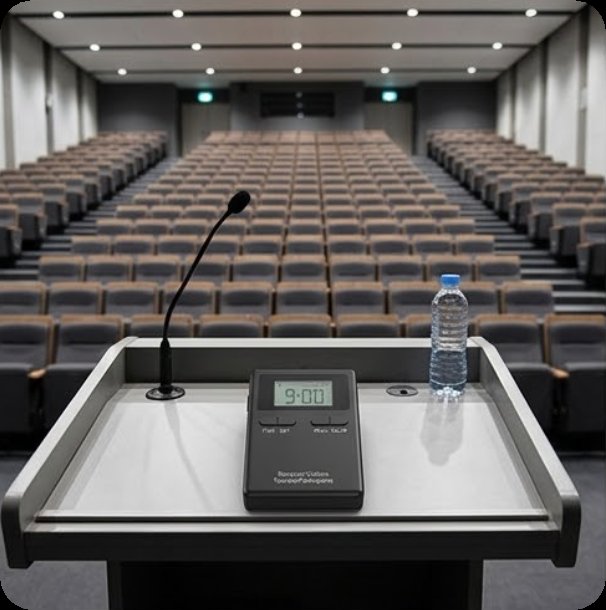
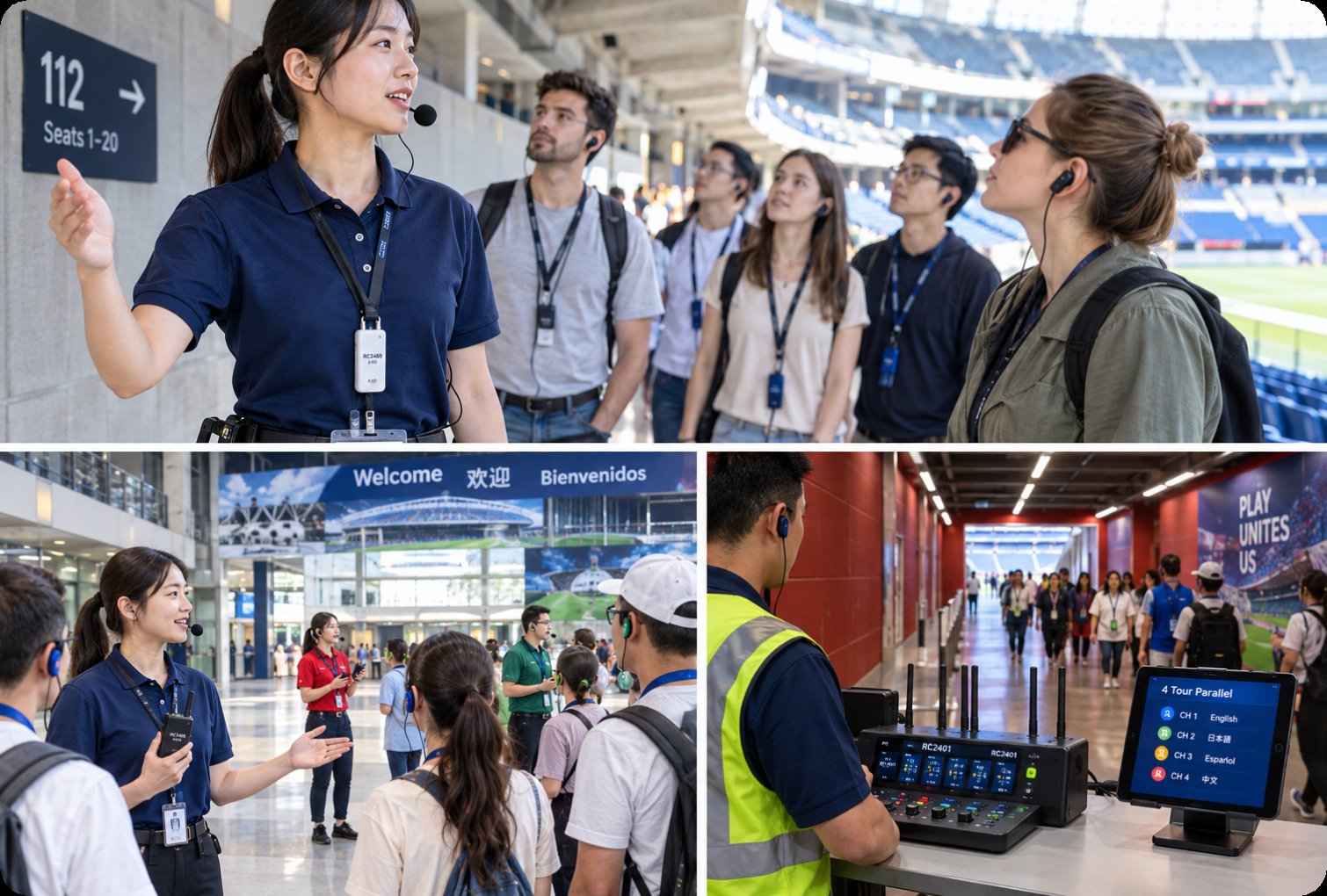
Where the RC2468 roamed and the RC2406 translated, the RC2401 coordinated. Its strength is managing several tour groups at once from a single control point, which the venue used to keep the four daily streams from colliding in the tunnel. A coordinator watched all channels, pushed a quiet cue to a late group, and pulled a guide off one route to reinforce another. On the busiest match day the RC2401 kept nine simultaneous tours readable on one screen.

💡 🔀 Why Separate Audio Channels Beat One Broadcast

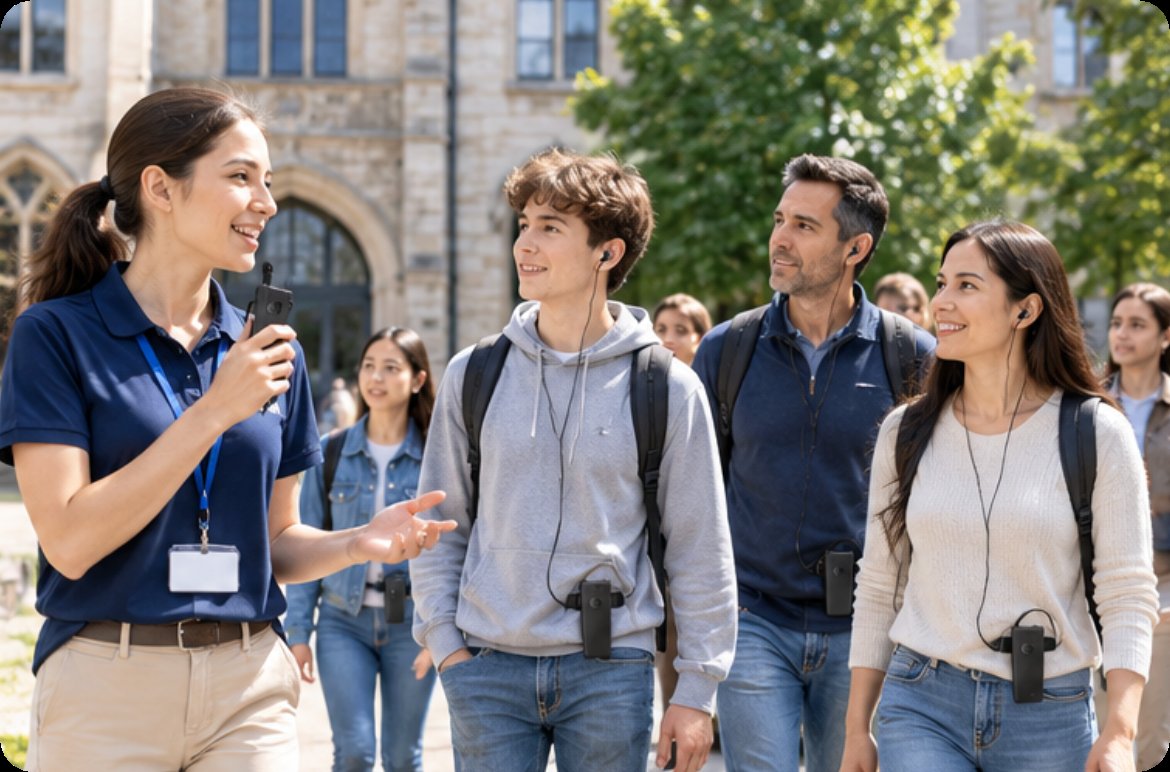
The old model was one loud voice for everyone. The new model is many quiet voices, each private to its group. Separate channels mean a Spanish-speaking family and an English-speaking school group can stand three meters apart and hear only their own guide, with no echo, no overlap, and no raised voices. For a stadium, where hard surfaces turn any broadcast into noise, channel isolation is not a luxury. It is the difference between a tour people recommend and one they forget.

🎪 🛠️ Rollout Across the Stand and Tunnel

Deployment was staged over three weeks. Week one covered the stand and concourse with the RC2468 roaming kit. Week two added the RC2406 language groups on fan days. Week three brought the RC2401 coordinator desk online for the tunnel and dressing room route. We labeled every receiver by channel color, trained four hosts in a single afternoon, and built a five-minute pre-tour check that became part of the standard opening routine. No structural changes, no cabling, no closed sections.

🏟️ 📊 What the Operations Team Measured

After the first season the venue logged hard numbers. Guide-reported group losses dropped to near zero. Average tour rating rose, with clear audio the most cited reason. Battery swaps fell because the RC2468 and RC2401 both cleared a full day. Most telling, the multilingual fan days needed no extra staff, the same three hosts carried English, Mandarin, and Spanish through the RC2406 without a fourth language lead. The system paid for itself in recovered guide hours.

UnitRoleWeightBatteryBest For
RC2468Roaming guide transmitter65 gFull-dayLightweight mobility across concourse and tiers
RC2406Multilingual channel platform65 gFull-dayThree languages on one 80-channel system
RC2401Group coordinator70 gFull-dayManaging several tour streams at once

💡 Practical Takeaways for Similar Arenas

If your venue runs tours and event open houses, treat audio as infrastructure, not an afterthought. Start with a lightweight roaming transmitter for guides, add a multi-channel unit for language days, and put a coordinator device on top so nothing collides in tight spaces. The combination used here, RC2468 for mobility, RC2406 for languages, RC2401 for control, scaled from four groups to nine without a second thought. For stadium-ready wireless tour guide systems, the pattern is repeatable across arenas, tracks, and training grounds. Explore our wireless tour guide system range and see how these three units fit venues of every size. For a closer look at a different stadium deployment, read a stadium tour case study with the RC8860 and RC2408 for a parallel view on scaling audio across a busy venue.

2026年09月07日 09:45
click: 781

RC2468, RC2406, and RC2401: A Stadium Tour Case Study for Multi-Group Fan Days

time: 2026年09月07日 click:781

When a major stadium opens its doors for a behind-the-scenes tour, the audio plan is rarely the first thing anyone discusses, yet it decides whether the experience feels premium or chaotic. I spent the last season watching one venue move from shouted instructions to a structured wireless guide rollout, and the difference was immediate. This is the story of how three units, the RC2468, the RC2406, and the RC2401, carried a full season of tours, match-day open houses, and international fan visits without a single lost group.

🏟️ The Venue Brief Before Kickoff

The operations team faced two problems at once. On regular tour days they ran four parallel visitor streams through the stand, the tunnel, the dressing room, and the media box. On match weekends they added a multilingual fan day where overseas supporters wanted the same route explained in their own language. A single broadcast could not serve either case well: in the tunnel it was swallowed by echo, and on the fan day it reached everyone in only one language. The brief was simple to state and hard to deliver, which is exactly why the team looked at wireless tour guide systems for stadium tours built for this kind of load.

📱 📡 RC2468 as the Lightweight Roaming Unit

RC2468, RC2406, and RC2401: A Stadium Tour Case Study for Multi-Group Fan Days(图1)

The RC2468 became the guide's everyday transmitter. At 65 grams it disappears in a lanyard pouch, which matters when a host is also pointing at architecture and managing a radio. Its 2.4G link held steady across the open concourse and down into the lower tiers, where concrete and steel usually chew up weaker signals. We paired it with the lightest receiver pool available, so roaming hosts could grab a unit and go without a baggage check at the start of each loop. For the venue, the real win was uptime: a guide could run six loops a day on one charge. You can read the full spec at the RC2468 product page.

📡 RC2406 on a Single 80-Channel Platform

RC2468, RC2406, and RC2401: A Stadium Tour Case Study for Multi-Group Fan Days(图2)

The RC2406 solved the fan-day language problem. With 80 channels on one 2.4G platform, the venue ran three language groups at once, English, Mandarin, and Spanish, without borrowing a second system or crossing signals. Guides stayed on their own channel, visitors stayed on theirs, and the operations desk could reassign a channel in seconds when a group swelled past plan. One platform, three languages, zero cross-talk: that simplicity is why the RC2406 anchored every multilingual open house.

🗺️ 📡 RC2401 for Parallel Visitor Streams

RC2468, RC2406, and RC2401: A Stadium Tour Case Study for Multi-Group Fan Days(图3)

Where the RC2468 roamed and the RC2406 translated, the RC2401 coordinated. Its strength is managing several tour groups at once from a single control point, which the venue used to keep the four daily streams from colliding in the tunnel. A coordinator watched all channels, pushed a quiet cue to a late group, and pulled a guide off one route to reinforce another. On the busiest match day the RC2401 kept nine simultaneous tours readable on one screen.

💡 🔀 Why Separate Audio Channels Beat One Broadcast

The old model was one loud voice for everyone. The new model is many quiet voices, each private to its group. Separate channels mean a Spanish-speaking family and an English-speaking school group can stand three meters apart and hear only their own guide, with no echo, no overlap, and no raised voices. For a stadium, where hard surfaces turn any broadcast into noise, channel isolation is not a luxury. It is the difference between a tour people recommend and one they forget.

🎪 🛠️ Rollout Across the Stand and Tunnel

Deployment was staged over three weeks. Week one covered the stand and concourse with the RC2468 roaming kit. Week two added the RC2406 language groups on fan days. Week three brought the RC2401 coordinator desk online for the tunnel and dressing room route. We labeled every receiver by channel color, trained four hosts in a single afternoon, and built a five-minute pre-tour check that became part of the standard opening routine. No structural changes, no cabling, no closed sections.

🏟️ 📊 What the Operations Team Measured

After the first season the venue logged hard numbers. Guide-reported group losses dropped to near zero. Average tour rating rose, with clear audio the most cited reason. Battery swaps fell because the RC2468 and RC2401 both cleared a full day. Most telling, the multilingual fan days needed no extra staff, the same three hosts carried English, Mandarin, and Spanish through the RC2406 without a fourth language lead. The system paid for itself in recovered guide hours.

UnitRoleWeightBatteryBest For
RC2468Roaming guide transmitter65 gFull-dayLightweight mobility across concourse and tiers
RC2406Multilingual channel platform65 gFull-dayThree languages on one 80-channel system
RC2401Group coordinator70 gFull-dayManaging several tour streams at once

💡 Practical Takeaways for Similar Arenas

If your venue runs tours and event open houses, treat audio as infrastructure, not an afterthought. Start with a lightweight roaming transmitter for guides, add a multi-channel unit for language days, and put a coordinator device on top so nothing collides in tight spaces. The combination used here, RC2468 for mobility, RC2406 for languages, RC2401 for control, scaled from four groups to nine without a second thought. For stadium-ready wireless tour guide systems, the pattern is repeatable across arenas, tracks, and training grounds. Explore our wireless tour guide system range and see how these three units fit venues of every size. For a closer look at a different stadium deployment, read a stadium tour case study with the RC8860 and RC2408 for a parallel view on scaling audio across a busy venue.
×

Contact us

email:
name:
subject:
content: