.webp)
Industrial Tour Guide Systems: Enhancing Safety Training and Factory Visits
Industry Expert Insight: Over two decades on production floors in Asia, Europe, and North America, I’ve observed that effective communication in noisy environments is often overlooked until a near-miss incident occurs. A robust audio system isn’t optional; it forms the foundation of successful safety programs and impactful industrial tours.
The Noise Challenge: How Factory Acoustics Undermine Safety and Visitor Engagement
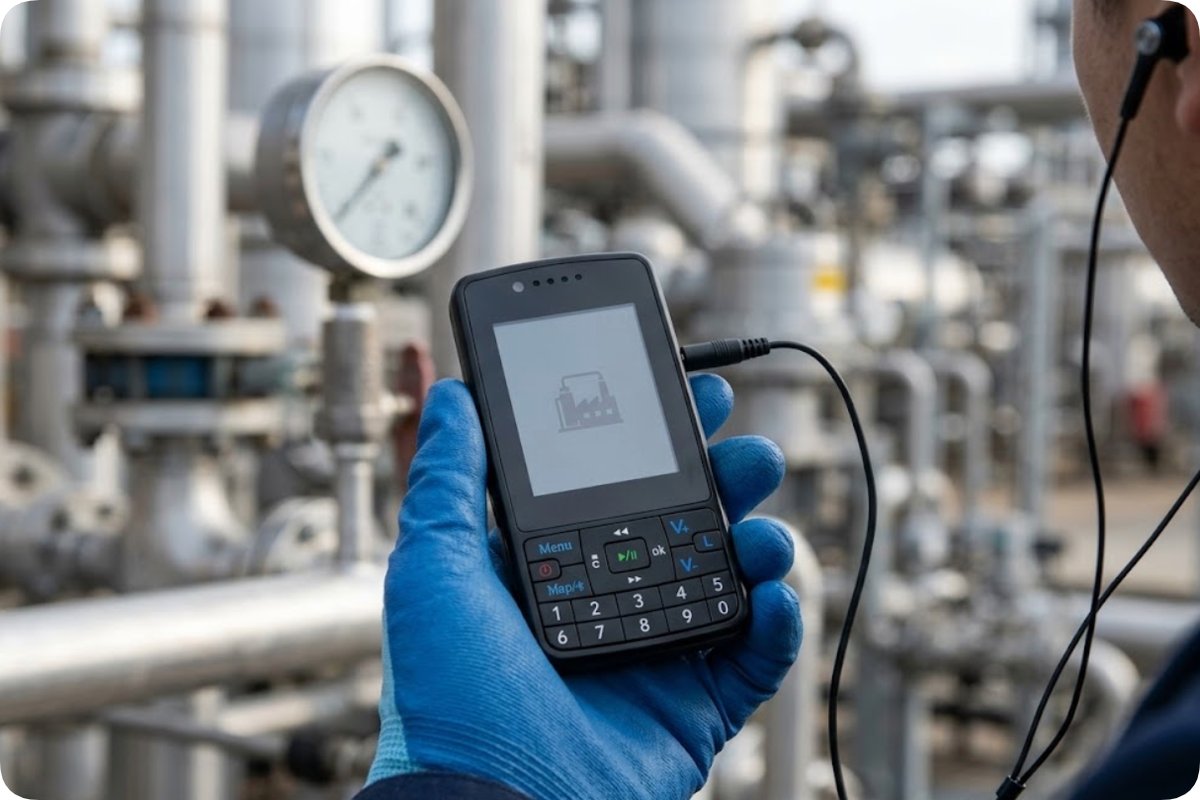
In modern manufacturing settings, background noise from machinery, automated lines, and compressors often exceeds 85 decibels—a level where sustained exposure can cause permanent hearing damage. According to the National Institute for Occupational Safety and Health (NIOSH), nearly 30 million U.S. workers face hazardous noise on the job. Traditional methods like shouting or using handheld megaphones are completely ineffective in such environments. Safety briefings for new hires frequently get lost in the din, contributing to a 35% higher accident rate among those not properly trained.
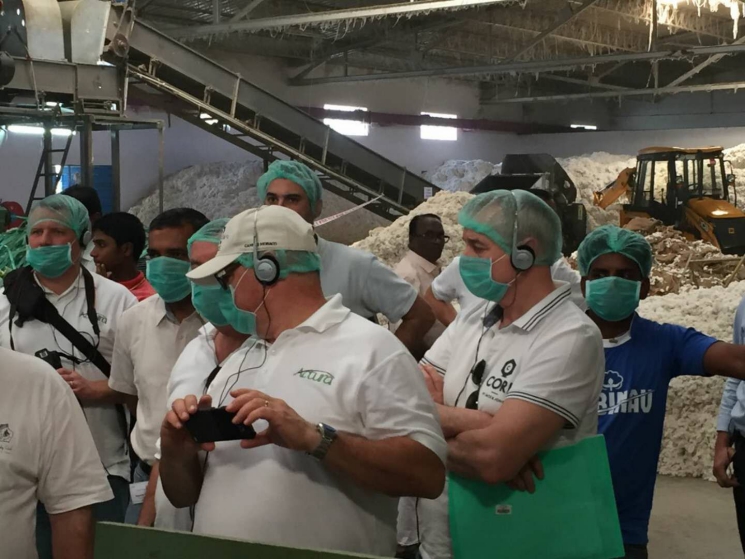
During guided factory tours for clients, investors, or auditors, the experience becomes disconnected when participants miss key explanations about production processes or quality control protocols. This communication breakdown not only raises safety risks but also diminishes the professionalism of the operation. Without clear audio, even well-designed safety protocols lose their impact, and tours fail to convey the intended message.
Wireless Tour Guide Solutions for Industrial Settings
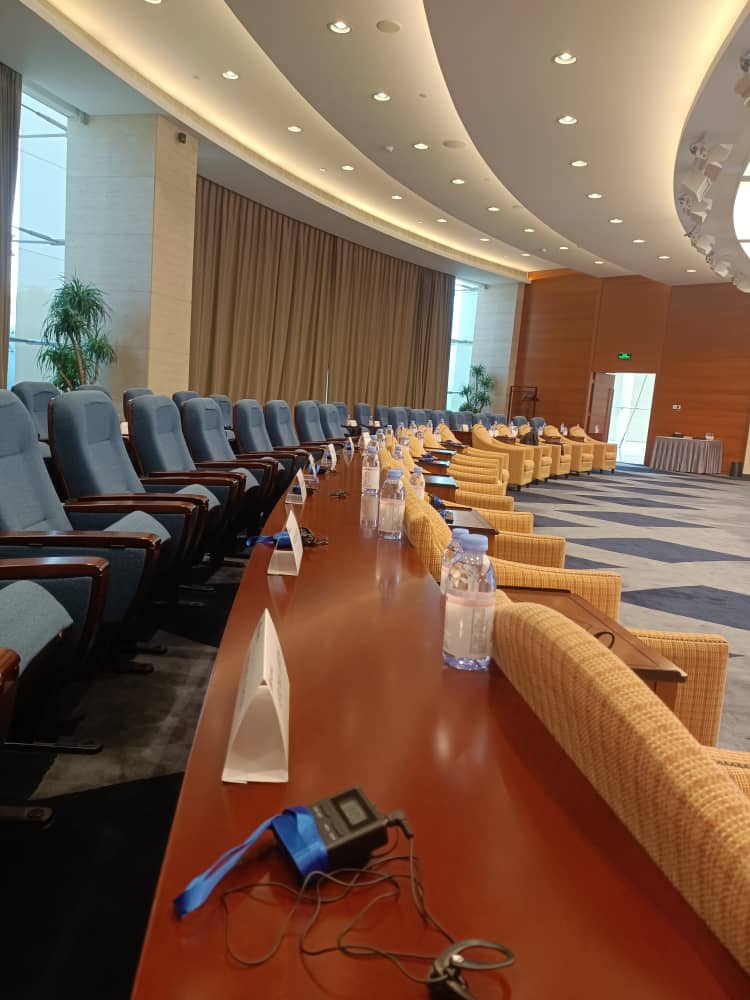
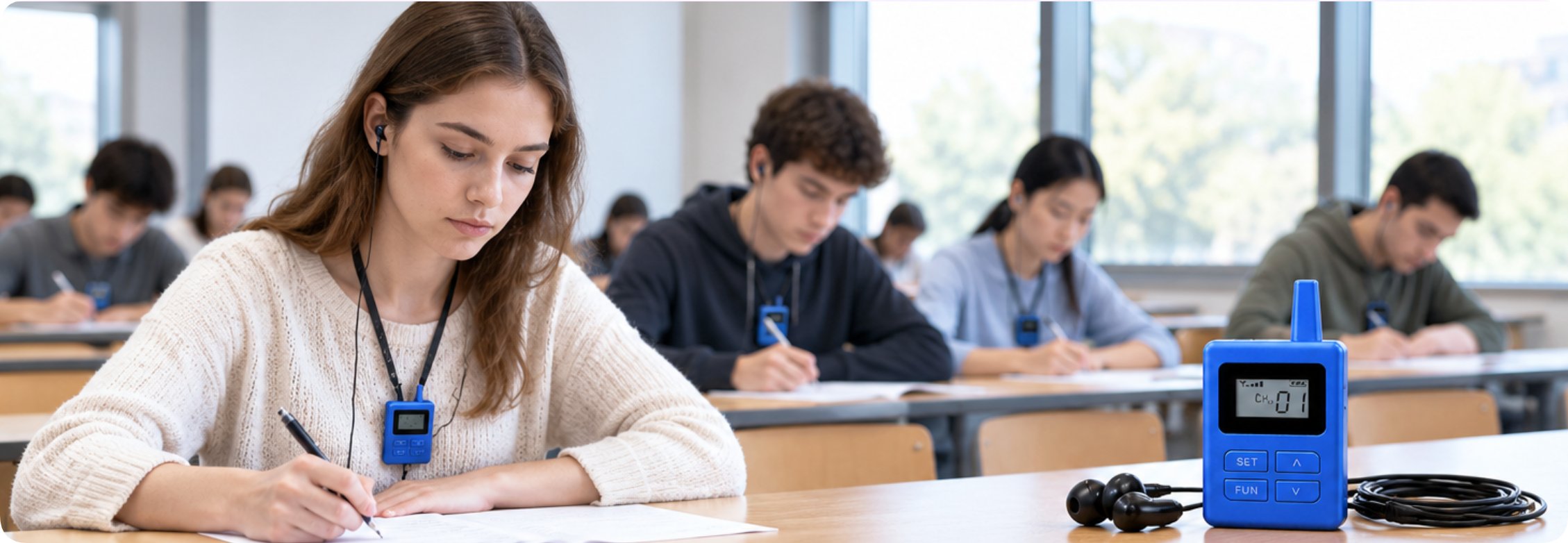
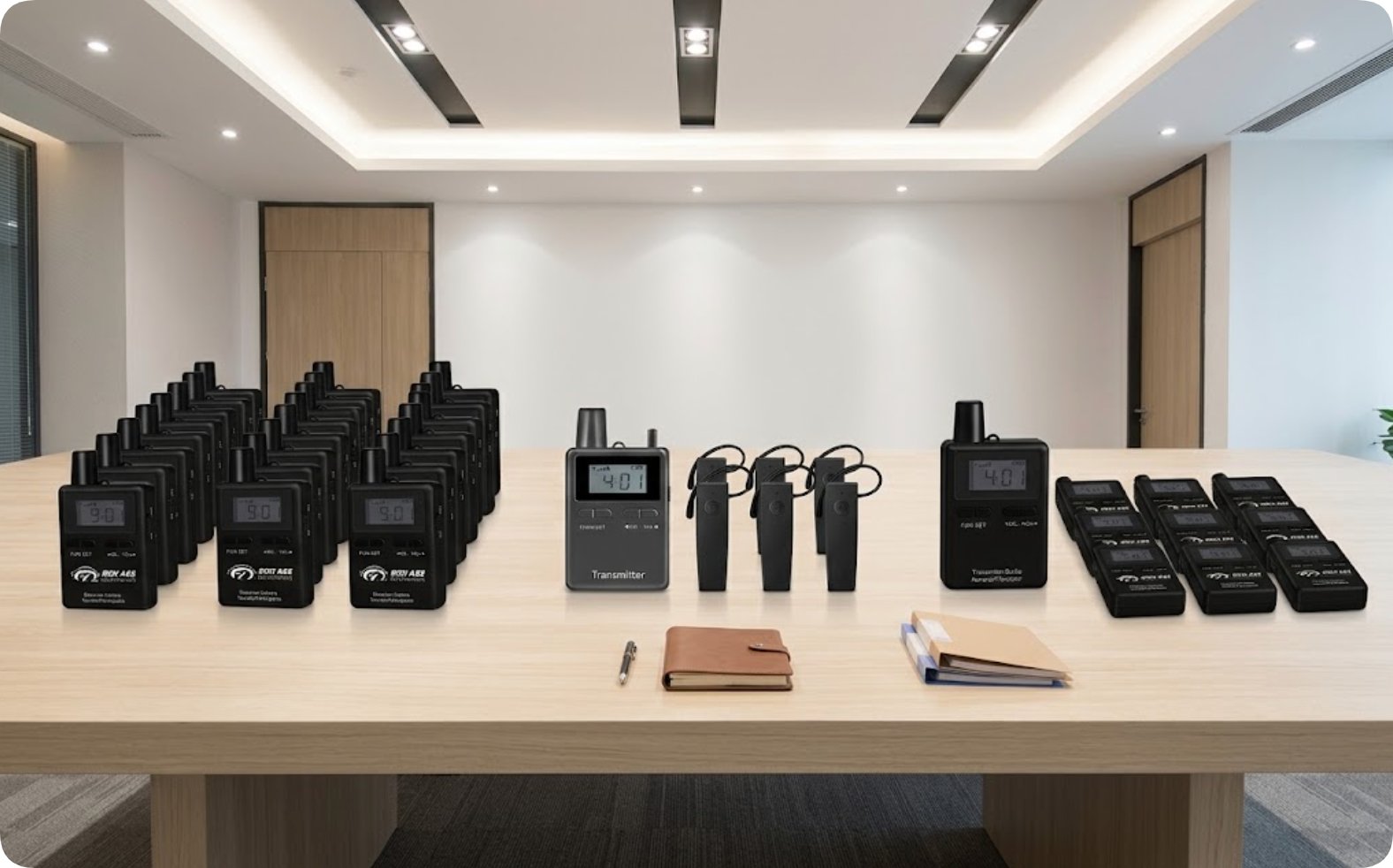
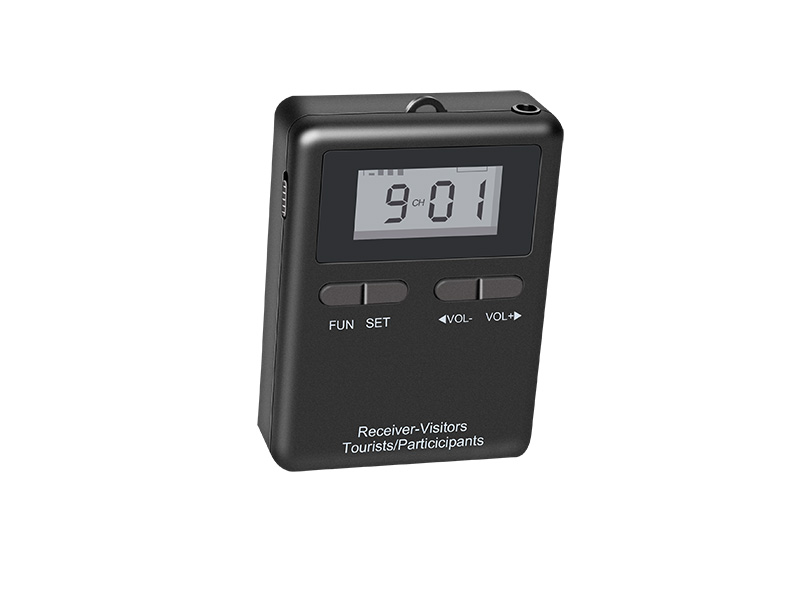
Modern wireless tour guide systems designed for harsh environments address these issues with advanced digital technology. For instance, the RC2408 wireless tour guide system uses the global 2.4G frequency band to deliver crystal-clear audio over distances up to 100 meters, cutting through heavy ambient noise. Each participant wears a lightweight receiver with independent volume controls, ensuring they hear instructions regardless of their position on the plant floor. The dual-channel transmitter features an intuitive LCD screen and one-touch mute function for seamless coordination between lead trainers and co-instructors.
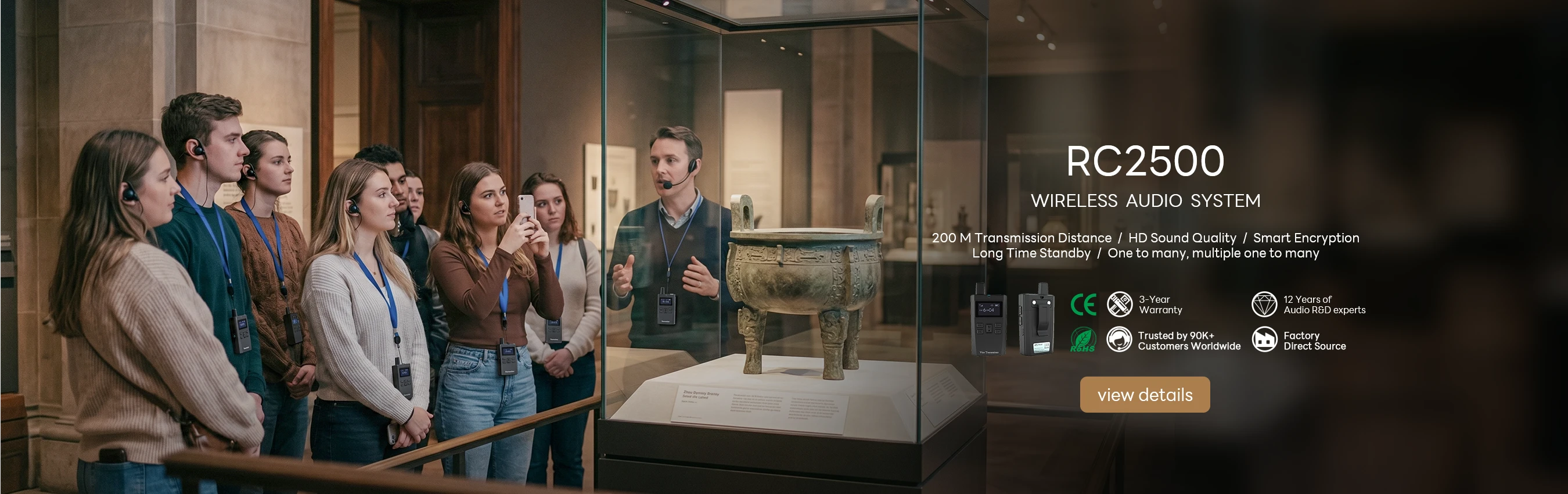
For larger operations, the RC2500 transmitter supports up to 50 receivers simultaneously, equipped with a noise-cancelling microphone that filters out industrial background sounds. These systems eliminate the need for raised voices, reduce guide vocal fatigue, and ensure critical EHS safety information is communicated with precision. Both models come in IPX4-rated rugged housings resistant to dust, moisture, and vibration, with battery life lasting 15–18 hours—enough for double shifts or multi-group tours.
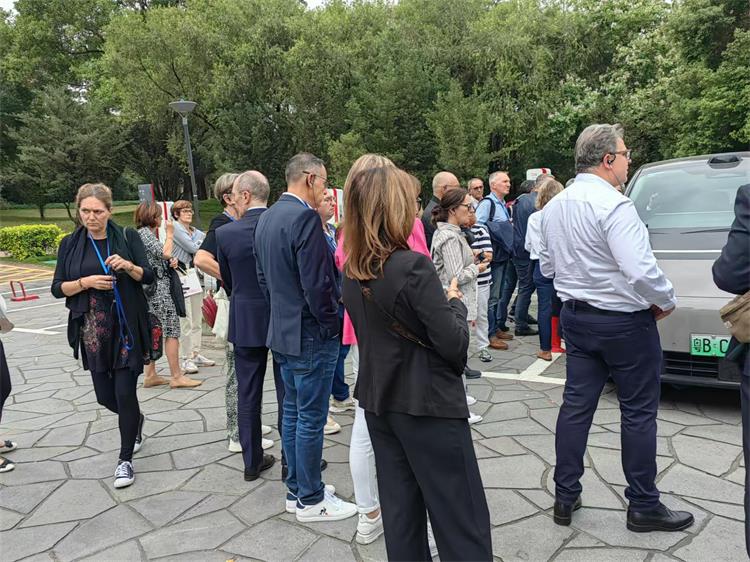
Case Study: German Auto Parts Plant Overcomes Communication Barriers
A German automotive parts manufacturer with 1,200 employees faced persistent issues during safety training and client visits. The plant’s high noise levels from stamping presses and automated assembly lines made it difficult for trainers to convey instructions, leading to repeated safety protocol violations.
After implementing the RC2500 system for daily shift briefings and the RC2408 for smaller group VIP tours, the plant achieved a 50% reduction in safety incidents within six months. Client feedback also improved significantly, with visitors praising the clarity of explanations during factory walkthroughs. The system’s ability to handle multiple channels without interference allowed simultaneous training sessions for different shifts, boosting overall plant efficiency.
Comparison of Key Models for Industrial Use
RC2408: Best for small to medium-sized groups (up to 20 receivers). Features 2.4G transmission, noise-cancelling microphone, and 100-meter range. Ideal for focused safety training or intimate client tours.
RC2500: Designed for large-scale operations (up to 50 receivers). Offers extended battery life (18 hours) and rugged IPX4 housing. Suitable for continuous use in heavy industrial environments.
Common Advantages: Both models reduce vocal strain, improve retention of safety protocols, and enhance professional presentation during tours. They are compatible with standard audio accessories and require minimal setup.
| Model | Group Capacity | Battery Life | Transmission Range | Best Industrial Application |
|---|---|---|---|---|
| RC2408 | Up to 20 Receivers | Up to 12 Hours | 100 Meters | Focused EHS training, VIP client tours, lean workshops |
| RC2500 | Up to 50 Receivers | Up to 18 Hours | 150+ Meters | Large-scale plant tours, multi-shift training, noisy assembly halls |
Implementation Tips for Factory Managers
To maximize the operational benefits of wireless tour guide systems across your facility, consider these key steps:
Conduct a Noise Assessment: Identify peak decibel zones and high-vibration machinery areas on the shop floor.
Match System Capacity: Choose a model based on daily group size and shift durations (e.g., RC2408 for executive walkthroughs, RC2500 for plant-wide training).
Train Floor Instructors: Ensure trainers master the transmitter’s one-touch mute and channel lock features to avoid unintended transmission.
Integrate with Safety Drills: Incorporate audio receivers into routine emergency response and safety compliance drills.
Test Audio Zones: Perform trial walks near stamping presses and compressor rooms to calibrate noise-cancelling microphone sensitivity prior to full rollout.
Frequently Asked Questions (FAQ)
Q: Can visitors wear these earphone receivers under required industrial hearing protection (earmuffs)?
A: Yes. Richitek provides ultra-slim single-ear hooks and soft in-ear plugs that slide comfortably beneath standard industrial safety earmuffs or hard hat straps without compromising noise isolation.
Q: How do facility managers manage charging and storing large fleets of receivers across multiple shifts?
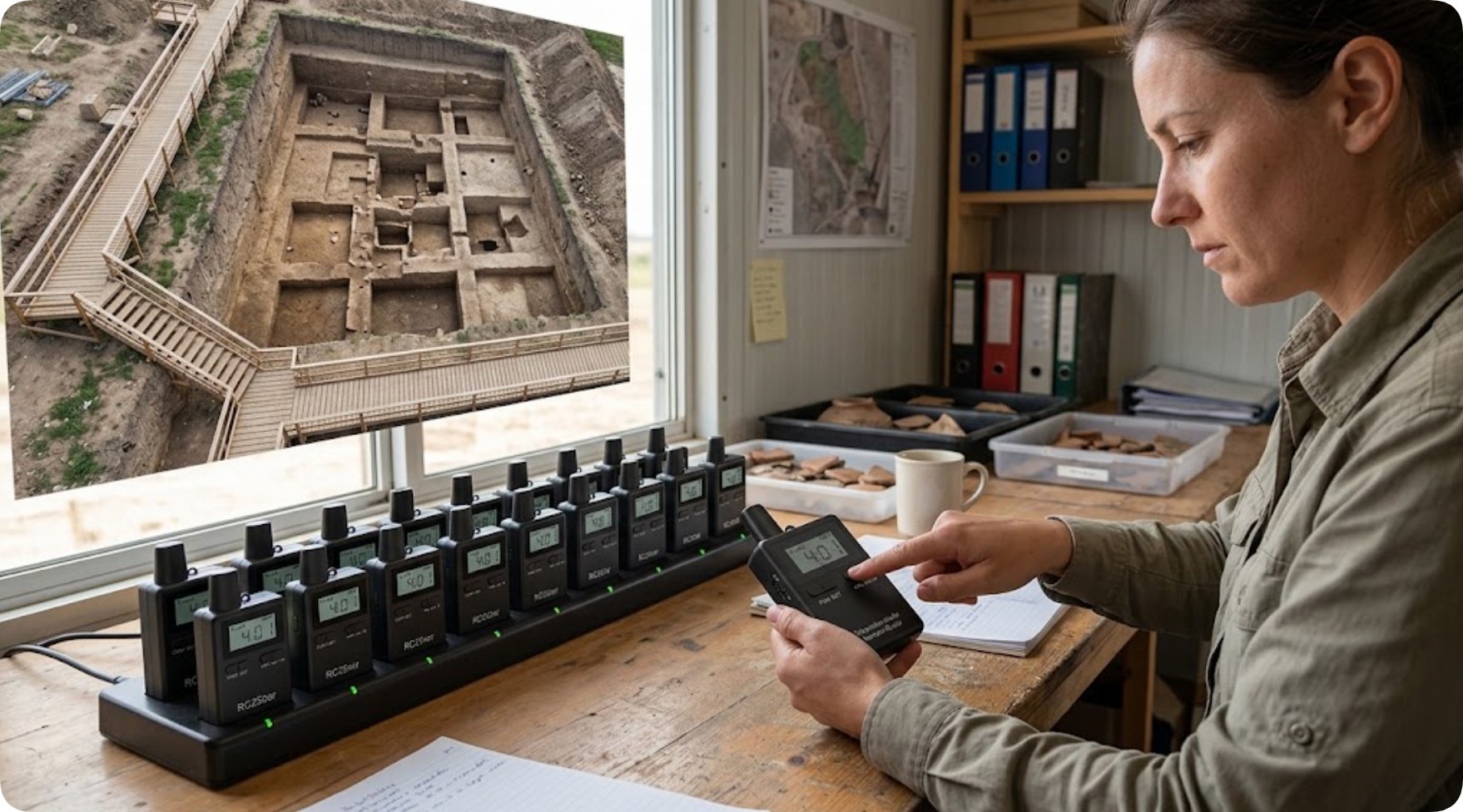
A: Richitek offers heavy-duty aluminum flight charging cases (32, 40, and 60-slot options) that allow facility teams to dock, recharge, and lock up entire receiver fleets centrally overnight.
By investing in the right wireless tour systems, manufacturers can transform both their safety culture and visitor experiences, turning noisy factories into environments where every word matters. Richitek supports industrial clients worldwide with free evaluation sample kits, custom OEM/ODM logo customization, multi-slot charging cases, and a full 1-year factory warranty. Contact our engineering team today to request testing units for your facility.