A leading China factory specializing in Wireless Tour Guide Systems, Church Audio Guides, and Translation Headphones with premium OEM/ODM solutions.

Tel:+86 18922879583

Email:tiger.wang@richitek.com

RC2401 vs RC2468: A Strategic Comparison for Multilingual Conference Audio

RC2401 vs RC2468: A Strategic Comparison for Multilingual Conference Audio

Selecting the right wireless audio system for an international conference is more than a technical decision—it is a strategic investment in communication quality. Event managers and procurement teams often face a dilemma: choosing between a system built for expansive multilingual coverage and one optimized for portability and simplicity. The RC2401 and RC2468, both from Hotus, represent these two distinct philosophies. While they share a common heritage of reliable audio transmission, their applications diverge sharply in the context of simultaneous interpretation. This guide explores their differences through a practical lens, focusing on real-world conference scenarios, cost implications, and operational boundaries—helping you match the system to your specific needs without overcommitting resources.

1. Understanding the Core Architecture: Channel Capacity as a Strategic Asset

The most critical distinction between the RC2401 and RC2468 lies in their channel architecture. This is not merely a spec sheet comparison; it directly impacts how many languages you can support simultaneously and how flexibly you can manage multiple audio streams in large-scale conference environments.

RC2401: The Multilingual Workhorse (40 Channels)

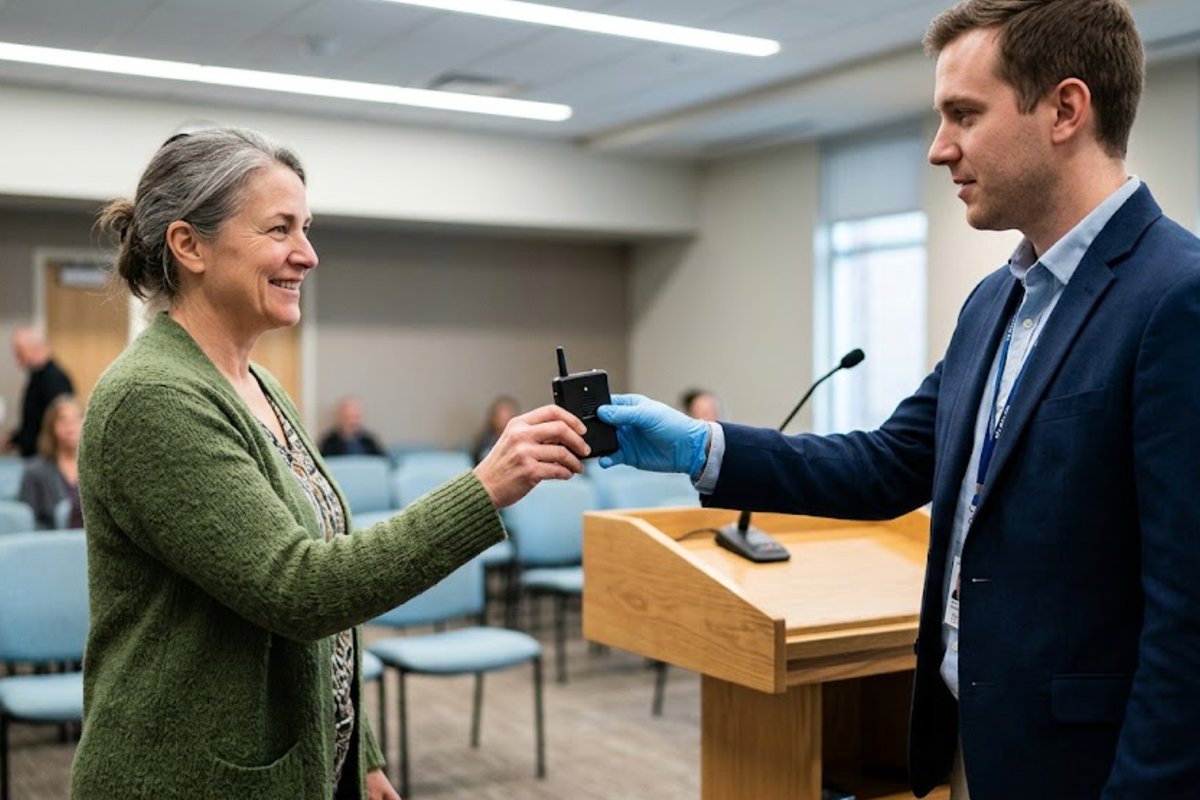
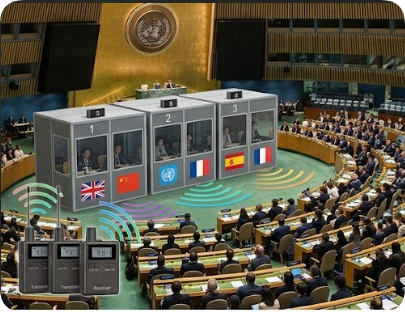
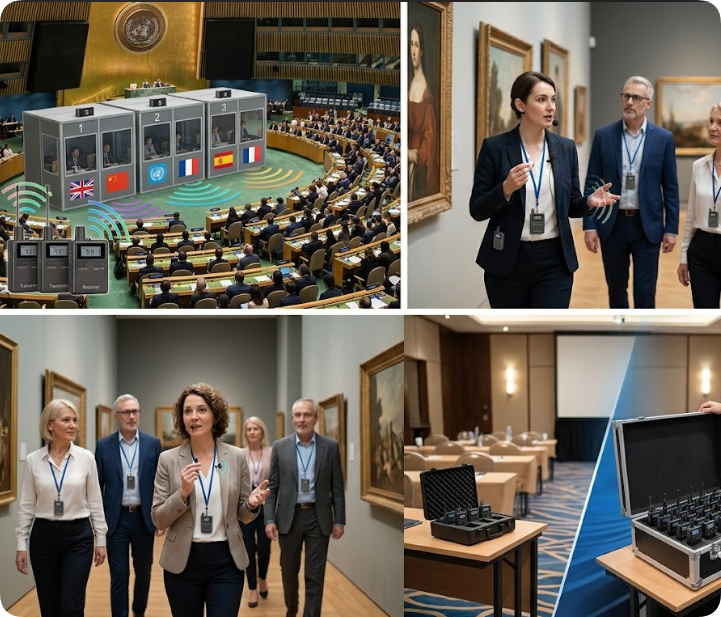
The RC2401 is engineered for complexity. With 40 channels, it is designed to handle the simultaneous broadcast of multiple language feeds. In a typical United Nations-style conference setting, you might have English, Chinese, French, Spanish, Arabic, and Russian as primary languages. That is six channels used just for the main floor. Add a floor channel for the presenter, a channel for Q&A, and potentially separate channels for break-out rooms or VIP interpretation, and you quickly exceed the capacity of a standard 20-channel system. The RC2401 provides the headroom necessary to manage these complexities without signal overlap or interference. Its frequency management is robust, allowing an interpreter in a booth to transmit on Channel 1 (English) while another transmits on Channel 2 (Mandarin) without cross-talk. This is critical for conference interpretation where precision is paramount.
RC2401 vs RC2468: A Strategic Comparison for Multilingual Conference Audio(图1)

RC2468: The Lightweight Specialist (20 Channels)

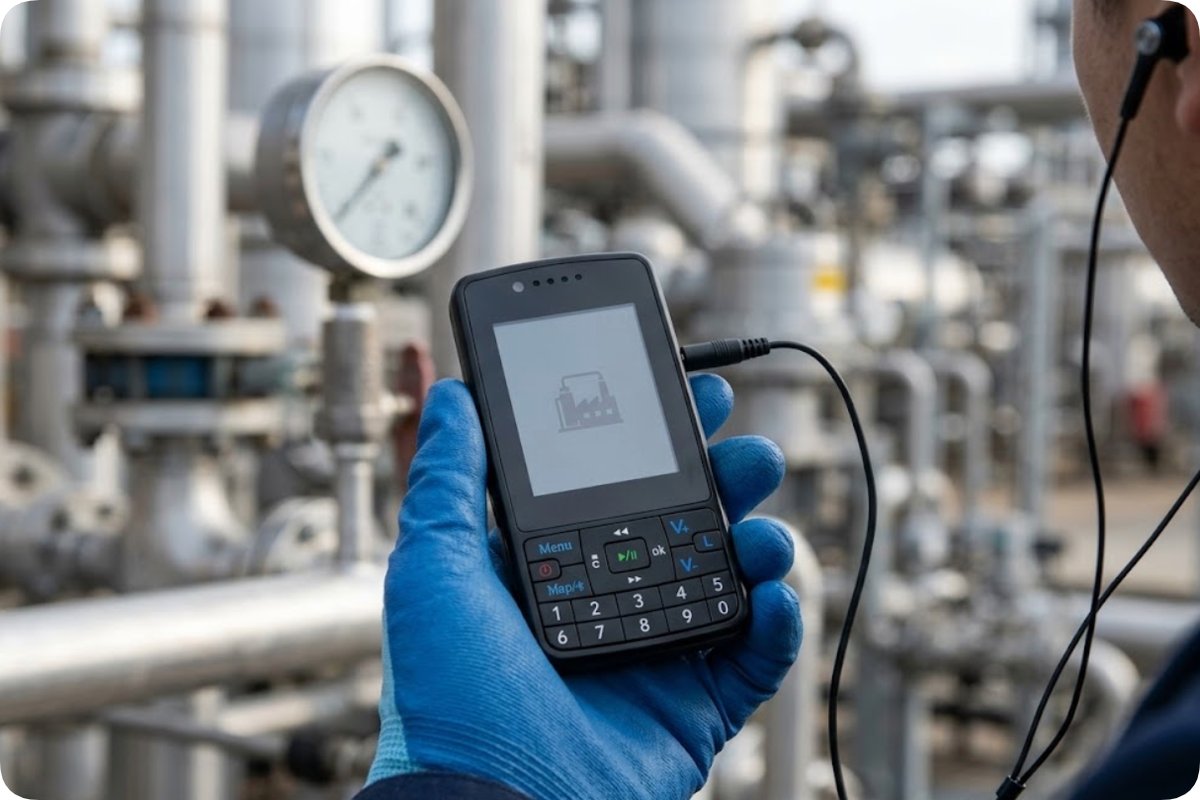
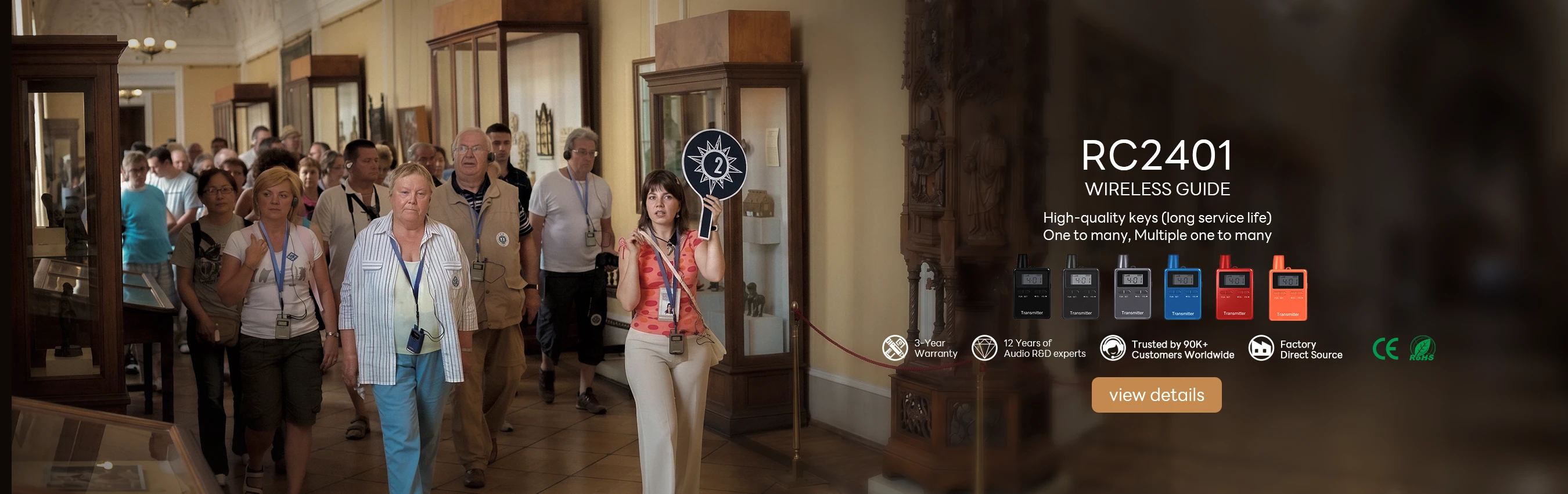
The RC2468 Wireless Tour Guide is a different beast. It offers 20 channels and is marketed as an ultra-lightweight system. This design philosophy prioritizes portability and ease of use over raw channel capacity. For a guided tour of a museum, a factory floor visit, or a small VIP delegation, 20 channels is more than sufficient. You might use one channel for the guide, one for a translator, and perhaps one for a backup. However, in a large conference hall with multiple simultaneous interpretation booths, 20 channels quickly become a bottleneck. You would need to carefully allocate channels, potentially sacrificing a language or a dedicated Q&A channel. The RC2468 is not designed for such high-density environments; it is a specialist tool for focused, mobile applications.

2. Operational Realities: From Setup to Daily Use

Beyond channel count, the day-to-day experience of using these systems differs significantly. Factors like setup time, device weight, battery management, and user training all influence the total cost of ownership and operational efficiency.

Setup and Configuration

The RC2401 requires a more deliberate setup process. With 40 channels, frequency coordination becomes essential to avoid interference, especially in venues with many wireless devices. This often involves using software or a dedicated frequency scanner to map out clean channels. For a conference with a dedicated audio team, this is straightforward. For a small team or a one-off event, it can be a learning curve. The RC2468, by contrast, is almost plug-and-play. With only 20 channels, the frequency space is less crowded, and channel selection is simpler. This makes it ideal for mobile applications where setup time is limited, such as a walking tour or a quick factory visit.

Device Ergonomics and Portability

The RC2468 is designed to be worn all day. Its lightweight construction means interpreters and tour guides can carry it without fatigue. The receivers are small and clip easily to a belt or lanyard. The RC2401, while still portable, is slightly heavier due to its more robust internal components and larger battery. This is not a problem in a fixed booth or a conference table, but for a guide walking through a museum for hours, the RC2468 is clearly the more comfortable choice.

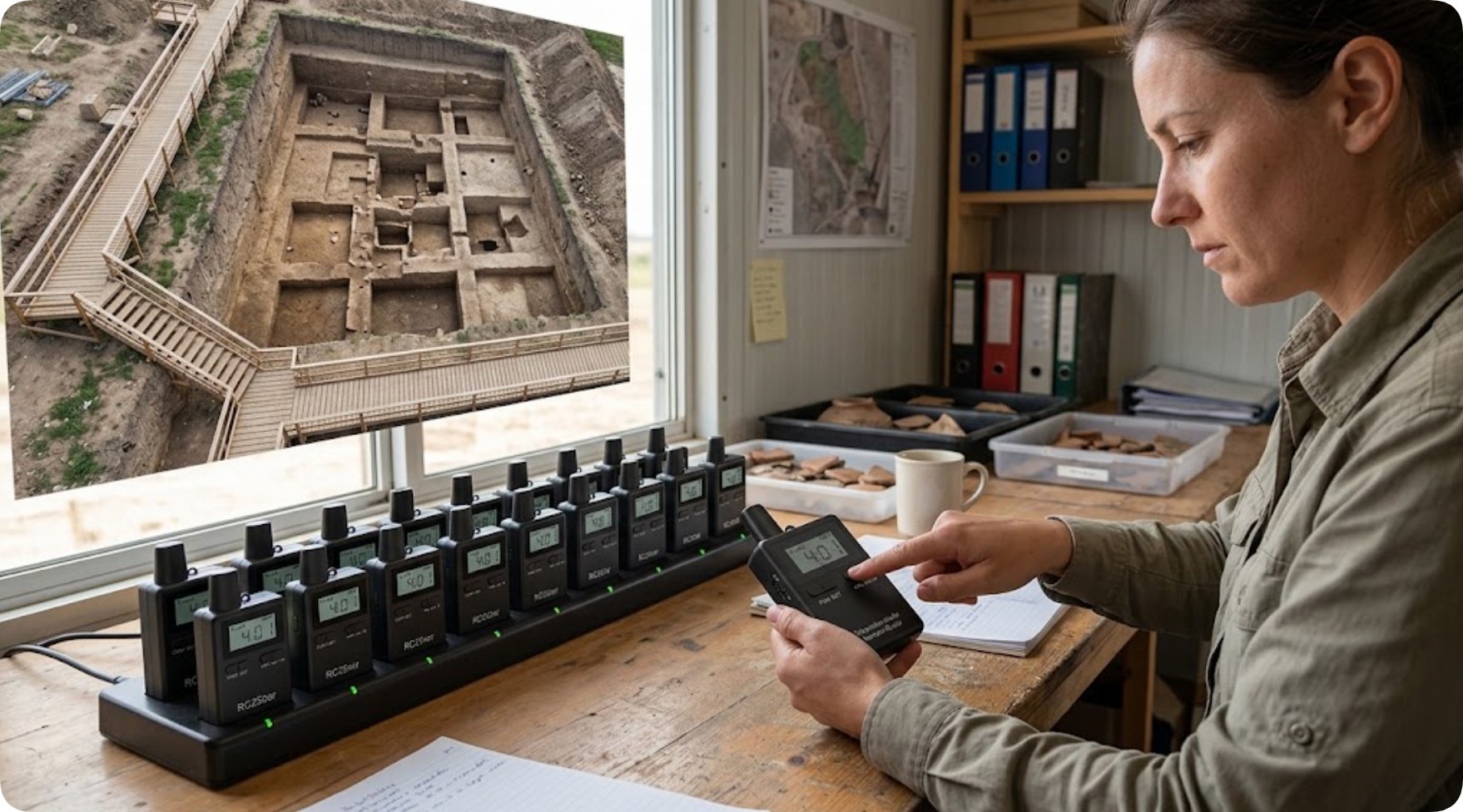
RC2401 vs RC2468: A Strategic Comparison for Multilingual Conference Audio(图2)

Battery Life and Management

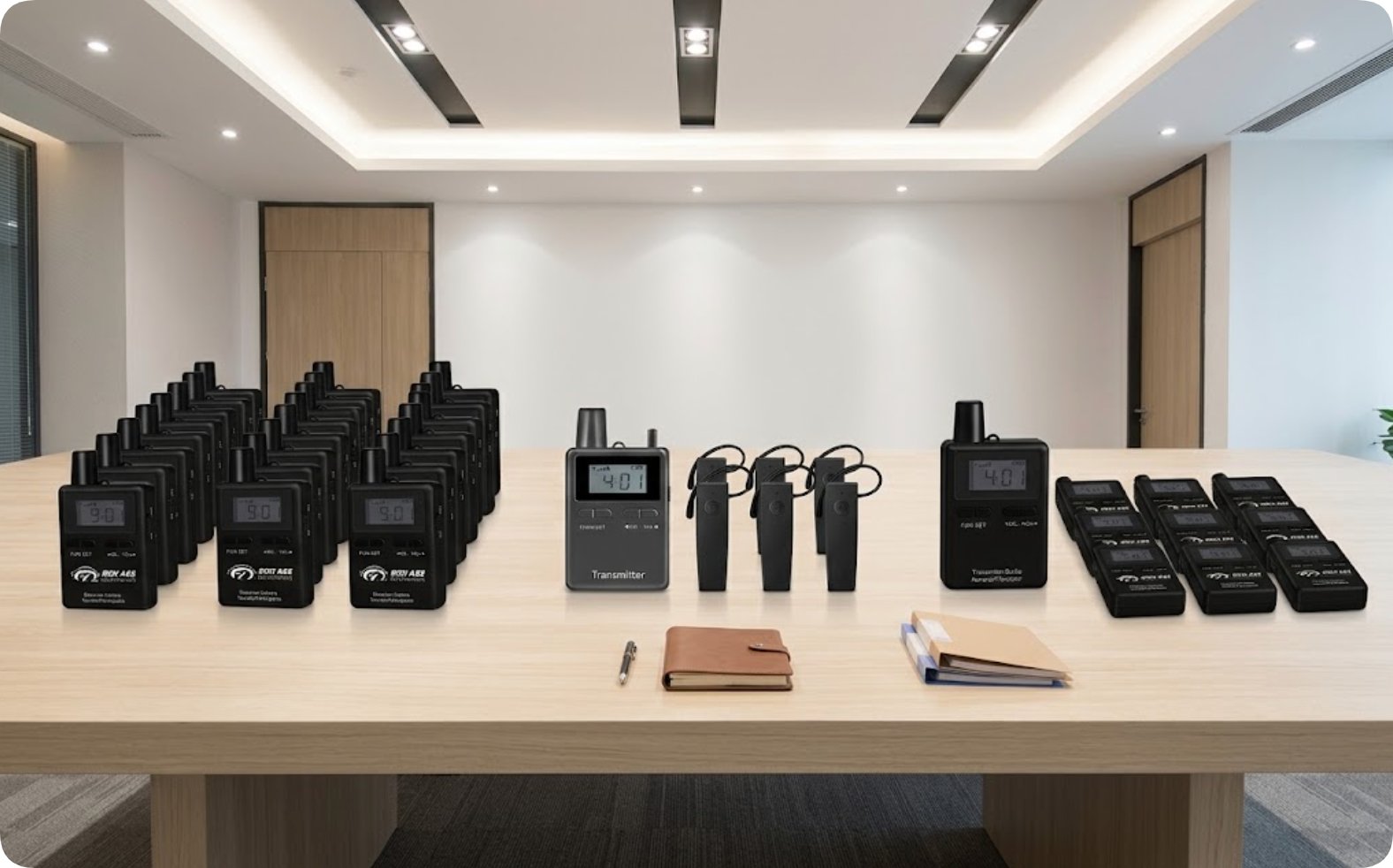
Battery life is a practical concern that often gets overlooked in spec comparisons. The RC2401 typically uses rechargeable batteries that last a full conference day (8-10 hours) under continuous transmission. The RC2468, being lighter, may have a slightly shorter battery life but still covers a full tour cycle. The key difference is in charging infrastructure. The RC2401 often comes with multi-unit charging cases that can charge all transmitters and receivers simultaneously overnight. The RC2468 may rely on individual charging, which requires more attention to logistics if you are managing a large fleet.

3. Cost Analysis: Total Cost of Ownership

Initial purchase price is only one factor. The total cost of ownership includes maintenance, replacement parts, and the cost of downtime during an event. Here is a breakdown of how the two systems compare.

RC2401: Higher Initial Investment, Lower Per-Event Cost

The RC2401 has a higher upfront cost, reflecting its 40-channel capability and robust build. However, for a conference organization that runs multiple multilingual events per year, this cost is amortized over many uses. The system's reliability reduces the risk of costly interruptions. A single failure during a high-profile interpretation session can cost far more than the price difference between the two systems. Additionally, the RC2401's expandability means you do not need to purchase a second system if your event grows. For organizations needing even greater capacity, the RC2406 80-Channel System offers an alternative for the most demanding multi-language setups, though the RC2401 remains the sweet spot for most enterprises. For those running frequent international conferences, the RC2401 is the more economical long-term choice.

RC2468: Lower Initial Investment, Higher Per-Event Flexibility

The RC2468 is more affordable upfront, making it accessible for smaller organizations or teams that need a system for occasional use. Its portability also reduces logistics costs—you can carry it in a single bag, avoiding checked luggage fees or specialized shipping. However, if you eventually expand into multilingual interpretation, you may need to upgrade to the RC2401, incurring a second purchase. The RC2468 is best viewed as a dedicated tool for a specific niche, not a stepping stone to a larger system.

4. Real-World Application Scenarios

To help you decide, consider these typical use cases and which system fits best.

Scenario A: The United Nations-Style Conference

Requirement: 6+ languages, 4 simultaneous interpretation booths, floor channel, Q&A channel, and a dedicated channel for VIPs.
Best Choice: RC2401. The 40-channel capacity is essential. You can assign each language its own channel, plus a floor and Q&A channel, without worrying about overlap. The system's robust frequency management ensures clean audio even in a crowded RF environment. The audience receivers can be pre-configured to scan and lock to specific language channels, simplifying attendee experience.

Scenario B: The Corporate Training with Language Support

Requirement: 2-3 languages, 50 attendees, in a hotel ballroom.
Best Choice: Either system works, but the RC2401 offers future-proofing if the training expands. The RC2468 is sufficient for the current need but may require an upgrade later.

Scenario C: The Museum Tour with VIP Guests

Requirement: 1 guide, 1 translator, 20 guests, walking through galleries.
Best Choice: RC2468. Its lightweight design is perfect for walking. 20 channels are more than enough. The setup is quick, and the system can be packed away in minutes.

Scenario D: The Hybrid Conference with Virtual Participants

Requirement: Audio feeds need to be integrated with a video conferencing platform and a Mini PC for streaming.
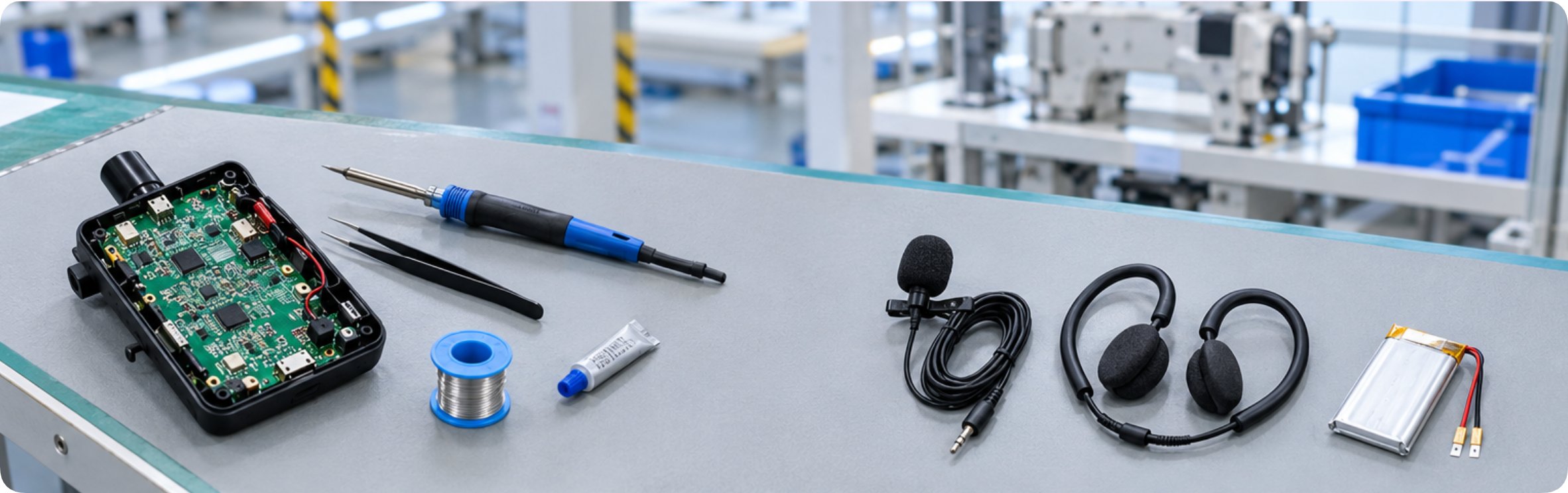
Best Choice: RC2401. The ability to output separate channel feeds to a mixing console or a computer allows for seamless integration with virtual platforms. The RC2468's simpler output options may require additional adapters.
RC2401 vs RC2468: A Strategic Comparison for Multilingual Conference Audio(图3)

5. Making the Final Decision: A Practical Checklist

To simplify your choice, ask these three questions:

  • How many languages will you need simultaneously? If the answer is more than three, the RC2401 is the only viable option. The RC2468's 20 channels are quickly consumed in a multilingual setting.

  • What is the primary use case? Is it a fixed conference hall with a dedicated audio team, or a mobile application where portability is king? The RC2401 excels in the former; the RC2468 in the latter.

  • What is your growth plan? If you anticipate adding more languages or larger events, invest in the RC2401 now to avoid a costly upgrade later.

6. Conclusion: Two Systems, One Clear Mission

The RC2401 and RC2468 are not competitors; they are complementary tools designed for different operational realities. The RC2401 is the workhorse for large-scale, multilingual conferences where every channel counts. The RC2468 is the specialist for mobile, small-group applications where light weight and simplicity take precedence. By understanding the strategic implications of channel capacity, operational costs, and real-world scenarios, you can choose the system that delivers the best return on investment for your specific needs. For event managers seeking a reliable Mini PC to run their control software alongside the audio gear, integration stability is also key, but the audio backbone remains the star of the show. For a practical example of multi-language conference audio in action, read our deep dive on deploying wireless audio for large conferences. Ultimately, the right choice is the one that ensures your message is heard clearly, every time.

Ready to dive deeper? Explore the specific product pages for detailed specifications and purchasing options:

Explore the RC2401 Wireless System →

Explore the RC2468 Wireless Tour Guide →

2026年06月24日 09:50
click: 762

RC2401 vs RC2468: A Strategic Comparison for Multilingual Conference Audio

time: 2026年06月24日 click:762

RC2401 vs RC2468: A Strategic Comparison for Multilingual Conference Audio

Selecting the right wireless audio system for an international conference is more than a technical decision—it is a strategic investment in communication quality. Event managers and procurement teams often face a dilemma: choosing between a system built for expansive multilingual coverage and one optimized for portability and simplicity. The RC2401 and RC2468, both from Hotus, represent these two distinct philosophies. While they share a common heritage of reliable audio transmission, their applications diverge sharply in the context of simultaneous interpretation. This guide explores their differences through a practical lens, focusing on real-world conference scenarios, cost implications, and operational boundaries—helping you match the system to your specific needs without overcommitting resources.

1. Understanding the Core Architecture: Channel Capacity as a Strategic Asset

The most critical distinction between the RC2401 and RC2468 lies in their channel architecture. This is not merely a spec sheet comparison; it directly impacts how many languages you can support simultaneously and how flexibly you can manage multiple audio streams in large-scale conference environments.

RC2401: The Multilingual Workhorse (40 Channels)

The RC2401 is engineered for complexity. With 40 channels, it is designed to handle the simultaneous broadcast of multiple language feeds. In a typical United Nations-style conference setting, you might have English, Chinese, French, Spanish, Arabic, and Russian as primary languages. That is six channels used just for the main floor. Add a floor channel for the presenter, a channel for Q&A, and potentially separate channels for break-out rooms or VIP interpretation, and you quickly exceed the capacity of a standard 20-channel system. The RC2401 provides the headroom necessary to manage these complexities without signal overlap or interference. Its frequency management is robust, allowing an interpreter in a booth to transmit on Channel 1 (English) while another transmits on Channel 2 (Mandarin) without cross-talk. This is critical for conference interpretation where precision is paramount.

RC2401 vs RC2468: A Strategic Comparison for Multilingual Conference Audio(图1)

RC2468: The Lightweight Specialist (20 Channels)

The RC2468 Wireless Tour Guide is a different beast. It offers 20 channels and is marketed as an ultra-lightweight system. This design philosophy prioritizes portability and ease of use over raw channel capacity. For a guided tour of a museum, a factory floor visit, or a small VIP delegation, 20 channels is more than sufficient. You might use one channel for the guide, one for a translator, and perhaps one for a backup. However, in a large conference hall with multiple simultaneous interpretation booths, 20 channels quickly become a bottleneck. You would need to carefully allocate channels, potentially sacrificing a language or a dedicated Q&A channel. The RC2468 is not designed for such high-density environments; it is a specialist tool for focused, mobile applications.

2. Operational Realities: From Setup to Daily Use

Beyond channel count, the day-to-day experience of using these systems differs significantly. Factors like setup time, device weight, battery management, and user training all influence the total cost of ownership and operational efficiency.

Setup and Configuration

The RC2401 requires a more deliberate setup process. With 40 channels, frequency coordination becomes essential to avoid interference, especially in venues with many wireless devices. This often involves using software or a dedicated frequency scanner to map out clean channels. For a conference with a dedicated audio team, this is straightforward. For a small team or a one-off event, it can be a learning curve. The RC2468, by contrast, is almost plug-and-play. With only 20 channels, the frequency space is less crowded, and channel selection is simpler. This makes it ideal for mobile applications where setup time is limited, such as a walking tour or a quick factory visit.

Device Ergonomics and Portability

The RC2468 is designed to be worn all day. Its lightweight construction means interpreters and tour guides can carry it without fatigue. The receivers are small and clip easily to a belt or lanyard. The RC2401, while still portable, is slightly heavier due to its more robust internal components and larger battery. This is not a problem in a fixed booth or a conference table, but for a guide walking through a museum for hours, the RC2468 is clearly the more comfortable choice.

RC2401 vs RC2468: A Strategic Comparison for Multilingual Conference Audio(图2)

Battery Life and Management

Battery life is a practical concern that often gets overlooked in spec comparisons. The RC2401 typically uses rechargeable batteries that last a full conference day (8-10 hours) under continuous transmission. The RC2468, being lighter, may have a slightly shorter battery life but still covers a full tour cycle. The key difference is in charging infrastructure. The RC2401 often comes with multi-unit charging cases that can charge all transmitters and receivers simultaneously overnight. The RC2468 may rely on individual charging, which requires more attention to logistics if you are managing a large fleet.

3. Cost Analysis: Total Cost of Ownership

Initial purchase price is only one factor. The total cost of ownership includes maintenance, replacement parts, and the cost of downtime during an event. Here is a breakdown of how the two systems compare.

RC2401: Higher Initial Investment, Lower Per-Event Cost

The RC2401 has a higher upfront cost, reflecting its 40-channel capability and robust build. However, for a conference organization that runs multiple multilingual events per year, this cost is amortized over many uses. The system's reliability reduces the risk of costly interruptions. A single failure during a high-profile interpretation session can cost far more than the price difference between the two systems. Additionally, the RC2401's expandability means you do not need to purchase a second system if your event grows. For organizations needing even greater capacity, the RC2406 80-Channel System offers an alternative for the most demanding multi-language setups, though the RC2401 remains the sweet spot for most enterprises. For those running frequent international conferences, the RC2401 is the more economical long-term choice.

RC2468: Lower Initial Investment, Higher Per-Event Flexibility

The RC2468 is more affordable upfront, making it accessible for smaller organizations or teams that need a system for occasional use. Its portability also reduces logistics costs—you can carry it in a single bag, avoiding checked luggage fees or specialized shipping. However, if you eventually expand into multilingual interpretation, you may need to upgrade to the RC2401, incurring a second purchase. The RC2468 is best viewed as a dedicated tool for a specific niche, not a stepping stone to a larger system.

4. Real-World Application Scenarios

To help you decide, consider these typical use cases and which system fits best.

Scenario A: The United Nations-Style Conference

Requirement: 6+ languages, 4 simultaneous interpretation booths, floor channel, Q&A channel, and a dedicated channel for VIPs.
Best Choice: RC2401. The 40-channel capacity is essential. You can assign each language its own channel, plus a floor and Q&A channel, without worrying about overlap. The system's robust frequency management ensures clean audio even in a crowded RF environment. The audience receivers can be pre-configured to scan and lock to specific language channels, simplifying attendee experience.

Scenario B: The Corporate Training with Language Support

Requirement: 2-3 languages, 50 attendees, in a hotel ballroom.
Best Choice: Either system works, but the RC2401 offers future-proofing if the training expands. The RC2468 is sufficient for the current need but may require an upgrade later.

Scenario C: The Museum Tour with VIP Guests

Requirement: 1 guide, 1 translator, 20 guests, walking through galleries.
Best Choice: RC2468. Its lightweight design is perfect for walking. 20 channels are more than enough. The setup is quick, and the system can be packed away in minutes.

Scenario D: The Hybrid Conference with Virtual Participants

Requirement: Audio feeds need to be integrated with a video conferencing platform and a Mini PC for streaming.
Best Choice: RC2401. The ability to output separate channel feeds to a mixing console or a computer allows for seamless integration with virtual platforms. The RC2468's simpler output options may require additional adapters.

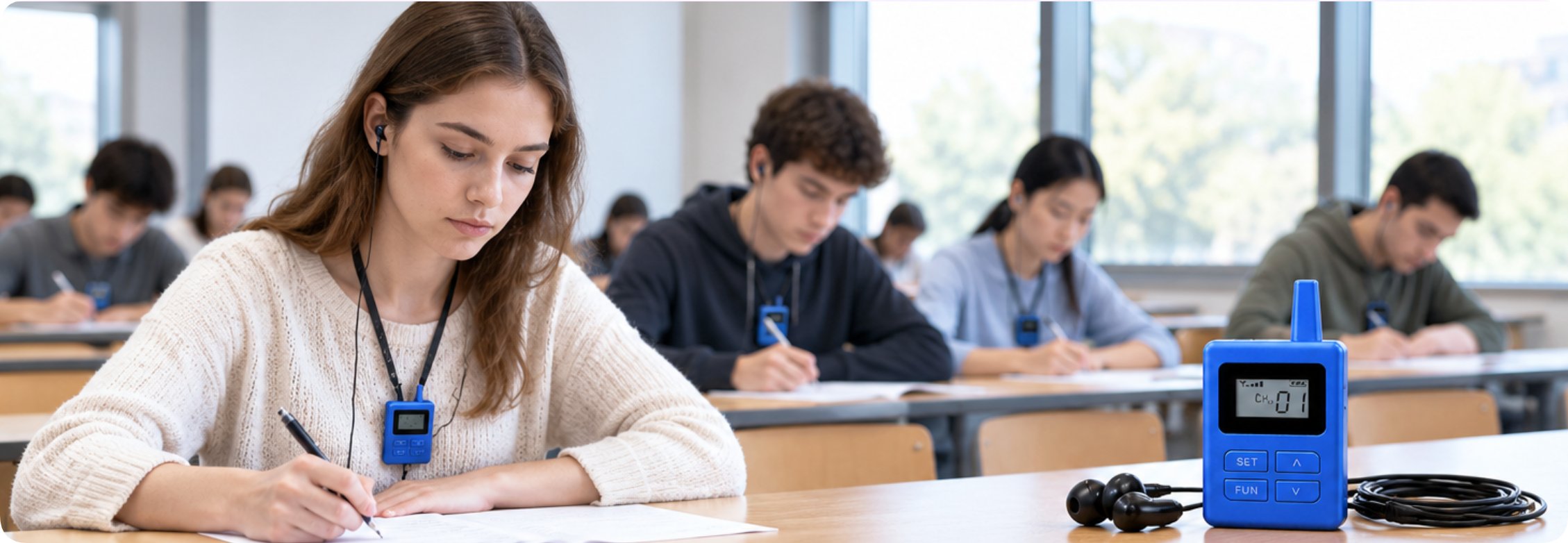
RC2401 vs RC2468: A Strategic Comparison for Multilingual Conference Audio(图3)

5. Making the Final Decision: A Practical Checklist

To simplify your choice, ask these three questions:

  • How many languages will you need simultaneously? If the answer is more than three, the RC2401 is the only viable option. The RC2468's 20 channels are quickly consumed in a multilingual setting.

  • What is the primary use case? Is it a fixed conference hall with a dedicated audio team, or a mobile application where portability is king? The RC2401 excels in the former; the RC2468 in the latter.

  • What is your growth plan? If you anticipate adding more languages or larger events, invest in the RC2401 now to avoid a costly upgrade later.

6. Conclusion: Two Systems, One Clear Mission

The RC2401 and RC2468 are not competitors; they are complementary tools designed for different operational realities. The RC2401 is the workhorse for large-scale, multilingual conferences where every channel counts. The RC2468 is the specialist for mobile, small-group applications where light weight and simplicity take precedence. By understanding the strategic implications of channel capacity, operational costs, and real-world scenarios, you can choose the system that delivers the best return on investment for your specific needs. For event managers seeking a reliable Mini PC to run their control software alongside the audio gear, integration stability is also key, but the audio backbone remains the star of the show. For a practical example of multi-language conference audio in action, read our deep dive on deploying wireless audio for large conferences. Ultimately, the right choice is the one that ensures your message is heard clearly, every time.

Ready to dive deeper? Explore the specific product pages for detailed specifications and purchasing options:
Explore the RC2401 Wireless System →

Explore the RC2468 Wireless Tour Guide →

×

Contact us

email:
name:
subject:
content: